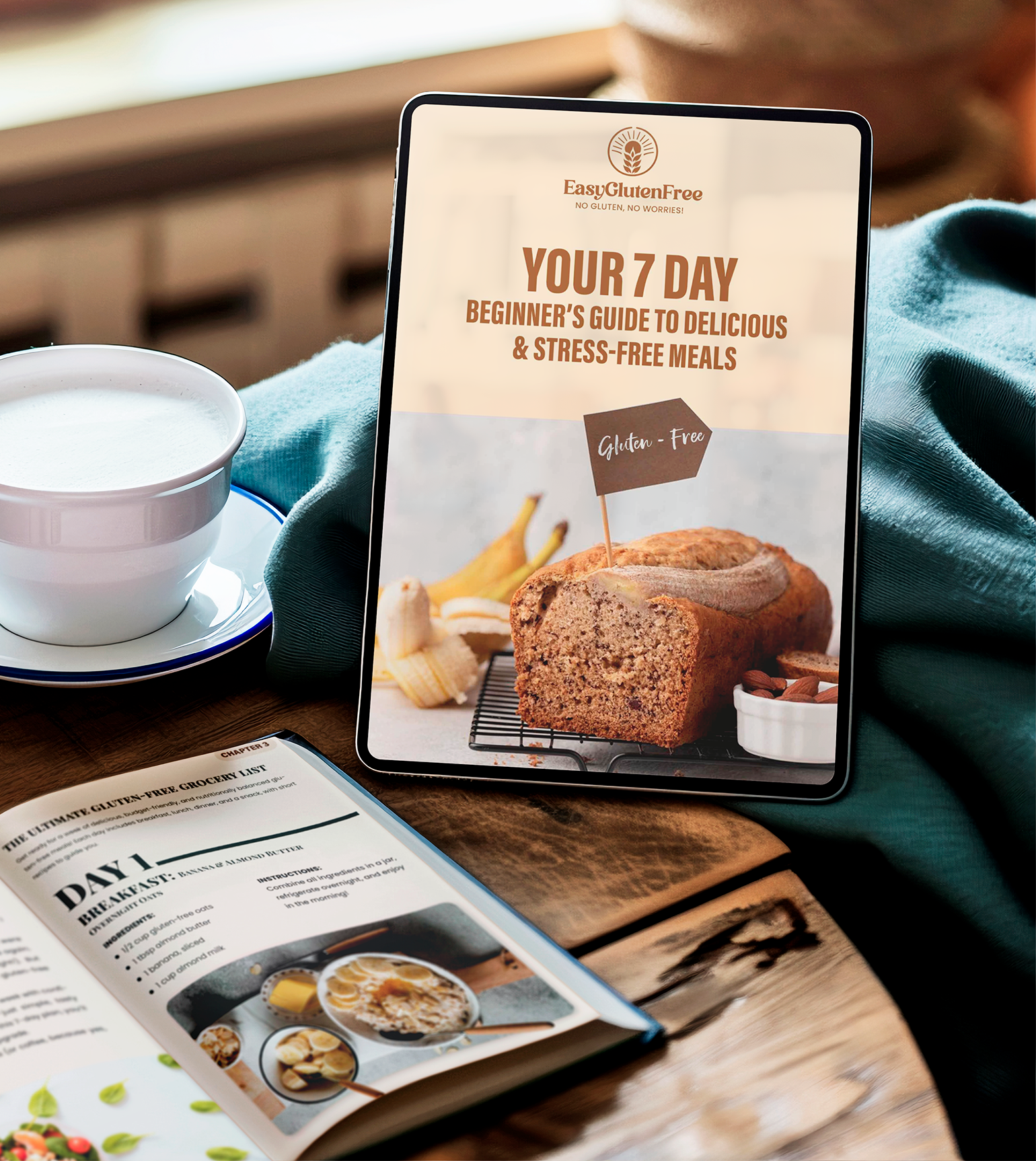
Download the No-Stress Guide to Gluten-Free Flour and Baking Swaps

Gluten-Free Flour Substitutions: A Practical Guide for Everyday Baking
Gluten-free baking doesn’t have to feel like a chemistry experiment. With the right flour substitutions and a few simple rules, you can turn family-favorite recipes into gluten-free winners—without gummy centers, dry crumbs, or mystery textures. This guide walks you through how to swap regular flour for gluten-free options in real-life baking situations so you can bake with confidence any day of the week.
Download Our Free Gluten-Free Starter Guide
- 7-day meal plan
- shopping list
- Tips & 3 beginner-friendly recipes
Introduction
If you’ve ever swapped wheat flour for a gluten-free flour and pulled a pan of sad, crumbly muffins out of the oven, you’re not alone. Gluten-free baking is different—but it’s not impossible, and it doesn’t have to be complicated. Once you understand how different gluten-free flours behave, substitutions become much easier and far more predictable.
In a traditional recipe, wheat flour provides protein (gluten), structure, and a surprising amount of moisture. When you remove gluten, you’re not just changing one ingredient—you’re changing how the entire recipe works. That’s why using the right gluten-free flour blend and the right ratios matters so much, especially when you’re converting a favorite family recipe or a long-loved cookbook classic.
This practical guide is designed for everyday home bakers who want reliable gluten-free flour substitutions without memorizing complicated charts. We’ll cover the basics of how gluten-free flours work, when you can safely do a 1:1 swap, when you need adjustments, and how to get consistent results in cookies, cakes, breads, and more. Keep this guide handy, and gluten-free baking will start to feel a lot more intuitive—and a lot less stressful.
1. Understanding Gluten-Free Flour Basics
Before you start swapping flours in your favorite recipes, it helps to understand what gluten actually does. Gluten is the protein in wheat, barley, and rye that gives dough its stretch, chew, and structure. When you remove gluten, you’re taking away the “net” that holds everything together.
Gluten-free flours replace this net using a combination of starches, whole-grain flours, and binders. That’s why so many gluten-free flour blends contain a mix like rice flour, potato starch, tapioca starch, and xanthan gum. Each component plays a role:
- Whole-grain flours (like brown rice, sorghum, or millet) add flavor, color, and structure.
- Starches (like tapioca, potato, or corn starch) add lightness and tenderness.
- Gums or binders (like xanthan or guar gum, or psyllium husk in some blends) help mimic gluten’s elasticity.
Because of this, no single gluten-free flour behaves like wheat flour on its own. Rice flour alone is gritty, almond flour is rich and dense, coconut flour is extremely absorbent. That’s why blends are so popular—they’re designed to act more like all-purpose flour so you can bake with fewer adjustments.
Another key difference is thirstiness—how much liquid gluten-free flours soak up. Many gluten-free blends absorb more moisture than wheat flour. If you simply substitute cup for cup without understanding this, you can end up with dry, crumbly baked goods. A good all-purpose gluten-free blend is formulated to get you as close as possible to a 1:1 swap, which makes your life a lot easier.
Finally, gluten-free batters and doughs often look and feel different from what you’re used to. Cake batters may be thicker, bread doughs may look more like batter than a kneadable ball, and cookie dough may need extra chilling to hold its shape. Don’t panic if the texture looks unfamiliar—that’s normal with gluten-free baking.
2. How to Substitute Gluten-Free Flour for All-Purpose Flour
One of the most common questions new gluten-free bakers ask is: “Can I just swap my regular flour for a gluten-free flour 1:1?” The honest answer is: sometimes yes, sometimes no—and it depends on the kind of recipe and the flour blend you’re using.
For simple recipes like pancakes, waffles, muffins, quick breads, and many cookies, a high-quality gluten-free all-purpose blend that’s labeled “1:1” or “measure for measure” often works beautifully at the same volume as wheat flour. These blends are specifically calibrated to mimic regular all-purpose flour in mainstream recipes. You usually don’t need to change the amount of liquid, eggs, or fat, though occasionally a tablespoon or two of extra liquid can improve texture.
For more delicate or structured recipes—like yeasted breads, cinnamon rolls, sandwich loaves, or layer cakes—the flour swap alone often isn’t enough. These recipes rely heavily on gluten for lift and structure, so you may need additional tweaks such as extra eggs, a bit more liquid, or longer mixing and rise times. Many bakers find that it’s easiest to start with a gluten-free recipe that’s already been tested, then later experiment with converting family favorites.
Here are some general substitution guidelines to keep in mind:
- Use a trusted gluten-free all-purpose blend for most substitutions, not a single flour like almond or coconut.
- Start with a cup-for-cup swap by volume if the blend is labeled 1:1, and adjust only if the batter seems extremely thick or dry.
- If a recipe uses cake flour, you may get better results by reducing the gluten-free flour by about 10% or adding a tablespoon of extra liquid per cup.
- Chill cookie dough made with gluten-free flour for at least 30 minutes to reduce spreading and improve texture.
- For recipes that you slice (like loaf cakes and quick breads), let them cool completely before cutting so the crumb can set.
Whenever you try a substitution for the first time, take notes: how thick the batter was, how long it baked, and how the final texture turned out. The next time you make it, you’ll know exactly what to adjust—maybe an extra splash of milk, a slightly shorter bake time, or a bit more flour for structure.
Bob’s Red Mill Gluten Free 1 to 1 Baking Flour
This is the gold-standard gluten-free all-purpose flour. It behaves beautifully in pancakes, muffins, cookies, quick breads — and it’s the ideal flour to recommend in ANY practical baking guide. Reliable, consistent, and approved by thousands of gluten-free home bakers. Perfect for articles about technique, substitutions, and baking success.

3. Best Gluten-Free Flour Options for Common Recipes
Different recipes shine with slightly different gluten-free flour approaches. While an all-purpose gluten-free blend works well for most everyday baking, it helps to understand where you might want to tweak or pair it with other flours.
Cookies
For drop cookies (like chocolate chip or oatmeal), a gluten-free all-purpose blend usually works as a direct swap. To improve texture:
- Chill the dough for 30–60 minutes before baking to reduce spreading.
- If cookies turn out too cakey, reduce the flour by 1–2 tablespoons per cup next time.
- If they’re too fragile, add 1–2 teaspoons of milk or an extra egg yolk for tenderness and binding.
Shortbread and slice-and-bake cookies often benefit from slightly less liquid and gentle handling, since gluten-free doughs can be more delicate.
Cakes and Cupcakes
Cakes need softness, moisture, and structure. A reliable 1:1 gluten-free blend is a good starting point, but pay attention to moisture:
- Use room-temperature ingredients so the batter comes together smoothly.
- Don’t overbake—gluten-free cakes can dry out quickly. Start checking a few minutes earlier than the recipe suggests.
- Consider adding 1–2 extra tablespoons of milk, buttermilk, or a dairy-free alternative if the batter is thick.
Oil-based cakes (like carrot or chocolate snack cakes) tend to convert more easily than very light sponge cakes, which usually need additional testing.
Quick Breads & Muffins
Banana bread, pumpkin bread, and muffins are some of the easiest recipes to make gluten free. They contain moisture-rich ingredients (fruit, yogurt, oil) that help balance the higher absorbency of gluten-free flour.
- Use a 1:1 gluten-free blend in place of wheat flour.
- Let the batter rest for 5–10 minutes before baking to hydrate the flour and improve the crumb.
- Fill muffin cups almost to the top; gluten-free batters don’t always rise as dramatically.
Yeasted Breads & Pizza Dough
This is where substitutions get more complex. Traditional bread recipes rely on kneading to develop gluten, which traps gas from the yeast and builds structure. Without gluten, the dough behaves very differently.
For best results:
- Start with a recipe developed for gluten-free bread rather than converting a wheat bread recipe.
- Expect the dough to feel more like thick batter—don’t add more flour to make it kneadable.
- Use a loaf pan with higher sides or a smaller pan size to help the bread rise upward rather than spreading.
For pizza crusts and flatbreads, gluten-free flour blends can work beautifully, especially when combined with olive oil and a slightly higher hydration (wetter dough). Par-bake the crust before adding toppings if you like a crisper base.
Coatings, Roux, and Everyday Cooking
Gluten-free flour isn’t just for baking. You can also use it to:
- Coat chicken, fish, or vegetables before pan-frying.
- Make a roux for gravies, cheese sauces, and creamy soups.
- Thicken sauces and stews.
In most of these cases, you can substitute gluten-free all-purpose flour 1:1 by volume with very similar results. Stir well and cook the flour long enough to remove any raw taste before adding liquids.
Recipe Inspiration
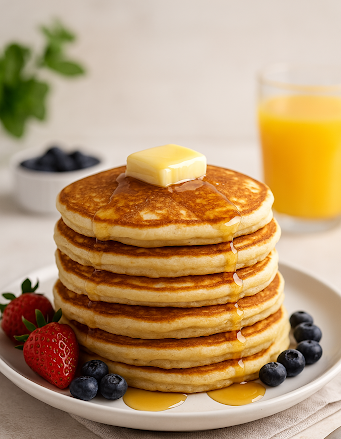
Try these gluten-free staples loved by thousands:


4. Troubleshooting Gluten-Free Baking Mistakes
Even experienced bakers have gluten-free mishaps. The good news: most issues trace back to a few common causes, and once you know what to look for, they’re easy to fix next time.
Problem: Dry, Crumbly Texture
If your cake or muffins crumble the moment you slice into them, they’re usually either overbaked or under-hydrated.
- What to adjust: Bake for slightly less time and remove as soon as a toothpick comes out with a few moist crumbs.
- Moisture boost: Add 1–3 tablespoons of extra liquid (milk, dairy-free milk, or oil) per batch next time.
- Check your cups: Spoon flour into the measuring cup and level it off instead of packing it in, which can add too much flour.
Problem: Gummy or Dense Center
A gummy, undercooked center is often the result of too much moisture, not enough bake time, or cutting into the baked good before it’s cooled.
- Use the center rack and avoid opening the oven frequently.
- Extend bake time by 5–10 minutes, tenting with foil if the top browns too quickly.
- Let breads and cakes cool fully in the pan before slicing so the crumb can set.
Problem: Cookies Spread Too Much
When cookies merge into one giant sheet, there’s usually too much fat, too little flour, or the dough went into the oven too warm.
- Chill the dough for at least 30 minutes before baking.
- Use parchment-lined, cool baking sheets.
- If spreading continues, add 1–2 extra tablespoons of gluten-free flour to the next batch.
Problem: Baked Goods Taste “Gritty”
Grittiness often comes from certain rice flours or from flours that haven’t had enough time to hydrate.
- Let batters rest for 10–15 minutes before baking so the flour can absorb liquid.
- Make sure your flour is fresh; older gluten-free flours can taste off or grainy.
- Store flour in an airtight container, away from heat and light, for best flavor and texture.
Problem: It “Just Doesn’t Taste Like the Original”
Gluten-free versions may never be identical to wheat-based originals, but they can be just as delicious in their own right.
- Use warm flavor boosters: vanilla, cinnamon, citrus zest, brown sugar, or a touch of espresso powder in chocolate recipes.
- Don’t skip salt—it balances sweetness and makes flavors pop.
- Give yourself permission to treat gluten-free recipes as new favorites, not exact clones of the original.
5. Practical Tips for Consistent Gluten-Free Results
Once you’ve done a few successful flour substitutions, the next step is building consistency so gluten-free baking feels easy, repeatable, and even fun.
Measure Carefully
Because gluten-free flours vary so much in density, accurate measuring makes a big difference.
- Use the spoon-and-level method for flour: spoon into the cup, then level off with a knife.
- If you bake often, consider using a kitchen scale and following gram measurements when available.
- Measure liquids in clear measuring cups at eye level for accuracy.
Let Batters Rest
A short rest gives gluten-free flours time to absorb liquid, which can dramatically improve texture and reduce grittiness.
- Rest quick bread and muffin batters for 5–10 minutes before baking.
- Rest pancake and waffle batter for about 10 minutes; if it thickens too much, add a splash of milk.
- For cookies, chilling the dough doubles as a rest and improves flavor and structure.
Use the Right Pan and Don’t Overfill
Pan size matters even more with gluten-free batters, which may not rise as dramatically as wheat-based ones.
- Stick to the pan size called for in the recipe or adjust bake time accordingly.
- If you change pan sizes, reduce or increase baking time rather than changing the oven temperature.
- For loaves and snack cakes, fill the pan no more than two-thirds full to avoid overflow and gummy centers.
Store Gluten-Free Baked Goods Wisely
Gluten-free baked goods can dry out faster, but they also freeze beautifully.
- Cool baked goods completely before storing to prevent condensation and sogginess.
- Store at room temperature for 1–2 days in an airtight container; after that, freeze leftovers.
- Freeze muffins, pancakes, and slices of quick bread in a single layer, then transfer to a freezer bag for easy grab-and-go options.
Keep Notes and Build Your “House Recipes”
Finally, treat your gluten-free baking like a friendly experiment. When a substitution works well, write down exactly what you did—the brand of flour, the pan, the bake time. Over time, you’ll build a small collection of “house recipes” and go-to swaps you trust completely.
That’s when gluten-free baking stops feeling like a guessing game and starts feeling like second nature. With a dependable all-purpose gluten-free flour, a little patience, and this guide in your back pocket, you can confidently convert favorites and discover plenty of new ones along the way.
Key Takeaways
- Gluten-free flours work best in blends that combine whole grains, starches, and binders to mimic the structure of wheat flour.
- For many everyday recipes like muffins, pancakes, and cookies, a 1:1 gluten-free all-purpose blend can often replace wheat flour cup for cup.
- More delicate or structured bakes—like yeasted breads and layer cakes—usually need additional tweaks beyond just a flour swap.
- Common gluten-free baking problems such as dryness, spreading, or gumminess are usually fixable with small adjustments in moisture, chilling, or bake time.
- Measuring carefully, resting batters, and keeping notes on what works will help you get consistent gluten-free baking results over time.
Take the Next Step in Your Gluten-Free Journey
- Download the Free EGF Starter Guide
- Try our Gluten-Free Planner to simplify your week
- Explore our growing recipe library
You don’t have to navigate the gluten-free lifestyle alone, we are here to make it easier every day.
Category: Baking & Flour Guides