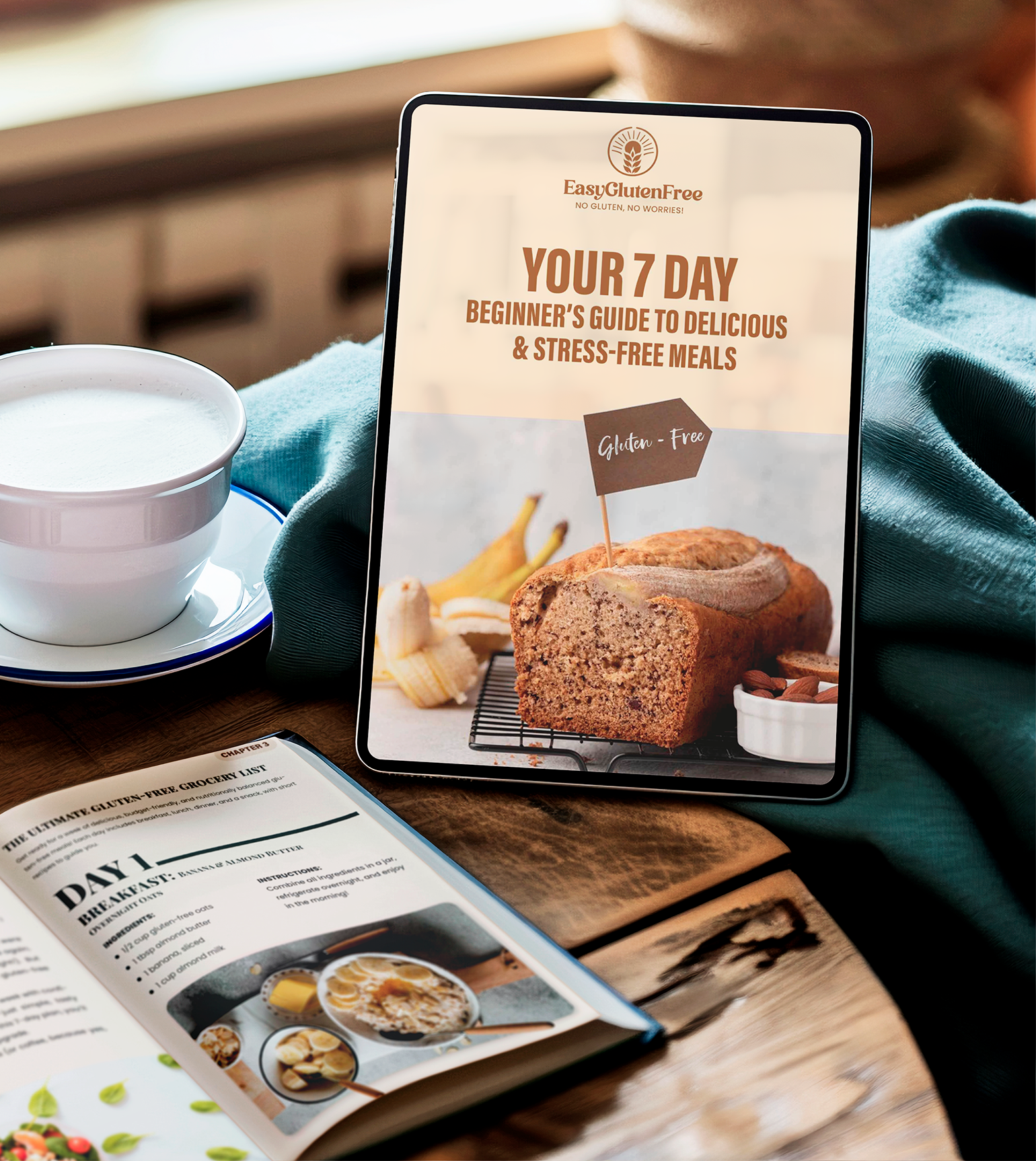
Download the Free Guide to Foolproof Gluten-Free All-Purpose Flour Baking

The Complete Guide to Gluten-Free All-Purpose Flour (How to Bake Anything Without Wheat)
Gluten-free all-purpose flour can be the secret shortcut to delicious, low-stress baking — or the reason your cookies crumble and your breads sink. This guide walks you through how these blends work, how to pick the right one for your kitchen, and exactly how to swap them into your favorite recipes without drama, guesswork, or gritty muffins.
Download Our Free Gluten-Free Starter Guide
- 7-day meal plan
- shopping list
- Tips & 3 beginner-friendly recipes
Introduction
If you’re used to baking with regular wheat flour, gluten-free all-purpose flour can feel like stepping onto a different planet. Suddenly there are blends, starches, gums, and ingredient lists that read like a science experiment. Yet all you really want is a stack of pancakes that doesn’t fall apart and cookies that don’t taste like sand.
The good news: you don’t need to become a food scientist to bake well without gluten. Modern gluten-free all-purpose flours are designed to be incredibly user-friendly. When you understand what’s in them, how they behave, and a few simple rules for swapping them into recipes, you can get back to normal life — birthday cakes, Sunday muffins, and weeknight pizza included.
This article breaks down gluten-free all-purpose flour in plain language: what it is, how to choose a blend, how to substitute it 1:1 for wheat flour, and how to troubleshoot the most common problems home bakers run into. Whether you’re newly gluten-free or just baking for someone who is, this guide will help you bake with confidence instead of crossing your fingers at the oven door.
1. Understanding Gluten-Free All-Purpose Flour
Traditional all-purpose flour is simple: it’s milled wheat. Gluten-free all-purpose flour is more like a carefully balanced recipe. Instead of one grain doing all the heavy lifting, a blend of flours and starches recreates the structure, tenderness, and browning that gluten naturally provides.
Most gluten-free all-purpose blends include three basic building blocks:
- Base flours (such as rice, sorghum, or millet) that provide bulk and flavor.
- Starches (often tapioca, potato, or corn starch) that create lightness and help with chew and stretch.
- Binders (like xanthan gum or guar gum) that mimic gluten’s ability to trap air and hold everything together.
Because of this, one gluten-free all-purpose flour can behave quite differently from another. Some are optimized for cakes and cookies, others stand up better in bread and pizza dough, and some are truly versatile enough to do almost everything reasonably well.
One of the biggest mental shifts for new gluten-free bakers is realizing that “all-purpose” no longer means “identical in every brand.” On the wheat side of the aisle, swapping one all-purpose flour for another rarely causes major drama. In gluten-free baking, though, the ingredient lists can vary dramatically, and that changes how the flour hydrates, browns, and rises.
That doesn’t mean you need a different bag of flour for every recipe. It just means that once you find a blend you like, it pays to stick with it so you can learn its personality. Over a few bakes, you’ll notice patterns: maybe you need a tablespoon less liquid in muffin batter, or a few extra minutes of resting time in pancake batter for best results. Those small adjustments add up to consistently great results.
Another important concept is gluten-free flour weight vs. volume. Gluten-free blends are often lighter or heavier than wheat flour by volume, depending on the mix of starch and whole grains. That’s why many recipe developers prefer measuring by weight (grams) instead of cups. For home bakers, a simple kitchen scale can instantly remove a lot of inconsistency and help you repeat your wins every time.
Finally, remember that gluten-free flours tend to absorb moisture differently. Some blends are thirsty and benefit from a splash of extra milk or oil; others do better with a slightly shorter bake time to stay tender. You don’t need to obsess over the science, but understanding that absorption varies will keep you from blaming yourself when a new blend behaves differently than expected.
2. Choosing the Right Gluten-Free All-Purpose Flour Blend
When you’re standing in front of a wall of gluten-free flours, it helps to know what you’re looking for. Not all blends are designed for the same purpose, and not all of them are meant to be swapped cup-for-cup with wheat flour.
Here are the main questions to ask when choosing a gluten-free all-purpose flour for everyday baking:
- Is it labeled “1:1” or “cup-for-cup”? This means the blend is formulated to replace wheat flour in equal volumes in most recipes, which is the most convenient option for busy home bakers.
- Does it already include a binder (like xanthan gum)? If it does, you generally shouldn’t add more, or your baked goods can become gummy or tough. If it doesn’t, some recipes may require an added binder for structure.
- What’s the main flour base? Rice-based blends tend to have a neutral flavor; sorghum- or millet-based blends can taste a bit more hearty and whole-grain. Neither is “better”—it’s just a flavor preference.
- What are you baking most often? If your focus is cookies, quick breads, muffins, and pancakes, a reliable 1:1 blend is usually all you need. Yeasted sandwich breads and pizza can be a bit pickier and may benefit from recipes developed specifically for gluten-free doughs.
For most households, choosing a single, consistent, well-reviewed 1:1 all-purpose blend is the simplest way to get started. It lets you convert family favorites with minimal changes and gives you a stable baseline as you learn the quirks of gluten-free baking.
Once you’re comfortable with one blend, you can absolutely branch out. Some people keep a lighter blend for cakes and delicate bakes and a slightly heartier blend for savory recipes. But in the beginning, having one “house flour” keeps things from feeling overwhelming.
Bob’s Red Mill Gluten Free 1 to 1 Baking Flour
This is the gold-standard gluten-free all-purpose flour. It behaves beautifully in pancakes, muffins, cookies, quick breads — and it’s the ideal flour to recommend in ANY practical baking guide. Reliable, consistent, and approved by thousands of gluten-free home bakers. Perfect for articles about technique, substitutions, and baking success.

3. How to Substitute Gluten-Free All-Purpose Flour in Any Recipe
Swapping gluten-free all-purpose flour into your favorite recipes doesn’t have to be complicated. A few simple guidelines will get you 90% of the way there with no drama.
Start with the right type of recipe
Gluten-free 1:1 blends do best in recipes that are already fairly forgiving, such as:
- Cookies and bars
- Muffins and quick breads
- Pancakes and waffles
- Cakes and cupcakes
- Brownies and blondies
You can absolutely use them in yeasted breads and rolls, but those recipes often need additional tweaks or gluten-free–specific formulas for the best texture.
Use a true 1:1 blend, and measure carefully
With a genuine 1:1 flour, you can start by replacing the wheat flour volume-for-volume. If the recipe calls for 2 cups of all-purpose flour, use 2 cups of your gluten-free blend.
For more accuracy, especially in cakes and muffins, use a digital scale and follow this simple rule of thumb: use the same weight of gluten-free flour that the recipe calls for in wheat flour. Many wheat flour recipes assume around 120–130 g per cup; if you know the original weight, match it.
Adjust liquids only if the batter seems off
After mixing, pay attention to the batter or dough:
- If it seems very thick and stiff (for example, muffin batter that won’t drop from the spoon), add 1–2 tablespoons of milk, water, or oil at a time until it loosens slightly.
- If it seems very thin (cake batter that looks watery), gently stir in 1–2 tablespoons of additional gluten-free flour at a time until it resembles the texture you’d expect with wheat flour.
Make small adjustments and note what you changed so that when the recipe turns out well, you can repeat your success.
Give batters a short rest
Gluten-free flours and starches absorb liquid more slowly than wheat flour. Letting your batter rest for 5–15 minutes before baking can dramatically improve texture in pancakes, waffles, muffins, and quick breads. This rest allows the flour to hydrate fully, which often leads to better rise and a more tender crumb.
Mind your leavening
Most of the time, you can leave baking powder and baking soda exactly as written. If a recipe is very dense or heavy (like banana bread or carrot cake), an extra 1/4 teaspoon of baking powder per cup of gluten-free flour can help with lift. Don’t go overboard, though—too much leavening can cause baked goods to rise fast and then collapse.
A few specific swap tips
- Cookies: Chill the dough for 20–30 minutes before baking for better structure and less spread.
- Cakes: Line pans with parchment, grease thoroughly, and cool almost completely before removing from the pan to prevent breakage.
- Muffins & quick breads: Fill muffin cups slightly higher than usual and bake until the centers spring back lightly to the touch.
- Pancakes & waffles: Let the batter rest 10 minutes, then adjust thickness with a splash of milk if needed before cooking.
Recipe Inspiration
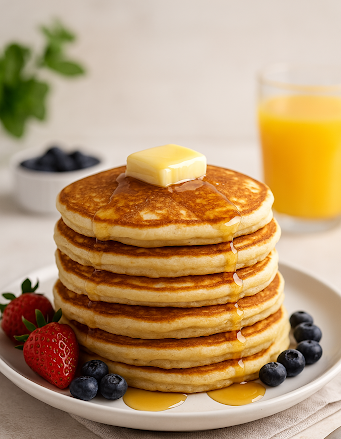
Try these gluten-free staples loved by thousands:


4. Common Baking Problems (and Easy Fixes)
Even with a great gluten-free all-purpose flour, things occasionally go sideways. The key is knowing how to read what went wrong so you can fix it next time—without tossing the whole recipe in frustration.
Problem: Dry, crumbly texture
Likely causes: Not enough moisture, overbaking, or too much flour packed into the measuring cup.
Fix it:
- Next time, measure flour by weight or lightly spoon it into the cup and level off (don’t scoop directly from the bag).
- Add 1–2 tablespoons of extra fat (oil, butter, or nut butter) or liquid (milk, non-dairy milk, or water) to the batter.
- Check for doneness a few minutes earlier; gluten-free baked goods can dry out quickly at the end of baking.
Problem: Gummy or dense center
Likely causes: Underbaking, too much moisture, not enough leavening, or slicing while still hot.
Fix it:
- Use the toothpick test and also gently press the top to ensure it springs back before removing from the oven.
- Let breads and quick breads cool completely before slicing; steam needs time to escape.
- If this happens regularly, reduce liquids by 1–2 tablespoons or increase baking time slightly, covering loosely with foil near the end to prevent over-browning.
Problem: Baked goods spread too much
Likely causes: Dough too warm, too much fat, or not enough structure from the flour blend.
Fix it:
- Chill cookie dough 20–30 minutes before baking.
- Bake a small test cookie; if it spreads too much, stir in 1–2 extra tablespoons of gluten-free flour and test again.
- Use parchment-lined, cool baking sheets rather than hot sheets straight from the oven.
Problem: Cakes or quick breads sink in the middle
Likely causes: Too much leavening, underbaking, or opening the oven door too early.
Fix it:
- Make sure baking powder is fresh; old leavening can cause inconsistent rise.
- Avoid opening the oven for at least the first two-thirds of the bake time.
- Try reducing baking powder by 1/4 teaspoon and baking an extra 5–10 minutes at a slightly lower temperature if your oven runs hot.
Problem: Gritty or sandy mouthfeel
Likely causes: Certain rice flours can taste gritty if not fully hydrated or if the grind is coarser.
Fix it:
- Let batters sit 10–15 minutes before baking to allow time for full hydration.
- Use recipes with enough moisture and fat; ultra-lean recipes tend to highlight grittiness more.
- If it’s a recurring issue, consider trying a different blend with a finer texture.
5. Storage, Cross-Contact, and Everyday Tips
A bag of gluten-free all-purpose flour is an investment in stress-free baking, so a few simple habits will help you get the most from it while keeping your kitchen safely gluten-free.
How to store gluten-free all-purpose flour
- Keep it airtight: Transfer flour to a sealed container or tightly close the bag with as much air pressed out as possible. This helps maintain freshness and prevents odors from the pantry from sneaking in.
- Store cool and dry: A dark pantry is fine for short-term storage, but if you buy in bulk or live in a warm climate, the fridge or freezer can extend shelf life and flavor.
- Label clearly: Write the brand and purchase date on the container so you know exactly what you’re working with and how long you’ve had it.
Preventing gluten cross-contact
If your kitchen is mixed (some gluten-free, some not), paying attention to cross-contact is essential. A great flour blend can’t rescue a recipe that’s been accidentally contaminated with gluten.
- Keep a dedicated set of baking tools—measuring cups, silicone spatulas, and loaf pans—that are used only for gluten-free recipes if possible.
- Avoid wooden spoons and cutting boards that have previously been used with wheat flour; they can hold onto traces of gluten in tiny scratches.
- Wipe down counters thoroughly before baking, especially if you or someone else recently handled wheat flour.
- Store gluten-free flour above any wheat-based ingredients so accidental spills don’t drop into the gluten-free container.
Simple everyday tips for success
- Start with trusted recipes: When you’re new to gluten-free baking, follow a few well-tested recipes that specifically call for a 1:1 flour. Once you see how things should look and feel, it’s easier to adapt family favorites.
- Keep notes: Jot down small tweaks—extra tablespoon of milk, longer rest time, preferred bake time—right on the printed recipe or in a kitchen notebook.
- Don’t rush cooling time: Gluten-free baked goods are more fragile while hot. Let them cool longer in the pan, then transfer gently to a rack.
- Freeze for peak freshness: Many gluten-free bakes freeze beautifully. Slice breads and quick breads before freezing so you can pull out just what you need.
- Give yourself a learning curve: You’re changing both ingredients and expectations. Even experienced bakers need a few trials to feel at home with gluten-free flour, and that’s completely normal.
Over time, you’ll stop thinking of gluten-free baking as “special” and start seeing it as simply how your kitchen works. With a dependable gluten-free all-purpose flour and a handful of reliable techniques, you’ll be able to say “yes” to last-minute cupcakes, holiday pies, and cozy weekend pancakes—without needing a separate recipe for every occasion.
Key Takeaways
- Gluten-free all-purpose flour is a carefully balanced blend of flours, starches, and binders designed to mimic the structure of wheat flour.
- Choosing a reliable 1:1 blend and sticking with it helps you learn its behavior and dramatically improves baking consistency.
- Most everyday recipes—cookies, muffins, pancakes, and cakes—can be made gluten-free with simple 1:1 substitutions and minor liquid or timing tweaks.
- Common issues like dryness, gumminess, and sinking centers usually come down to moisture, bake time, or leavening and can be fixed with small, specific adjustments.
- Proper storage, attention to cross-contact, and a few everyday habits turn gluten-free all-purpose flour into a low-stress pantry staple instead of a source of frustration.
Take the Next Step in Your Gluten-Free Journey
- Download the Free EGF Starter Guide
- Try our Gluten-Free Planner to simplify your week
- Explore our growing recipe library
You don’t have to navigate the gluten-free lifestyle alone, we are here to make it easier every day.
Category: Baking Basics