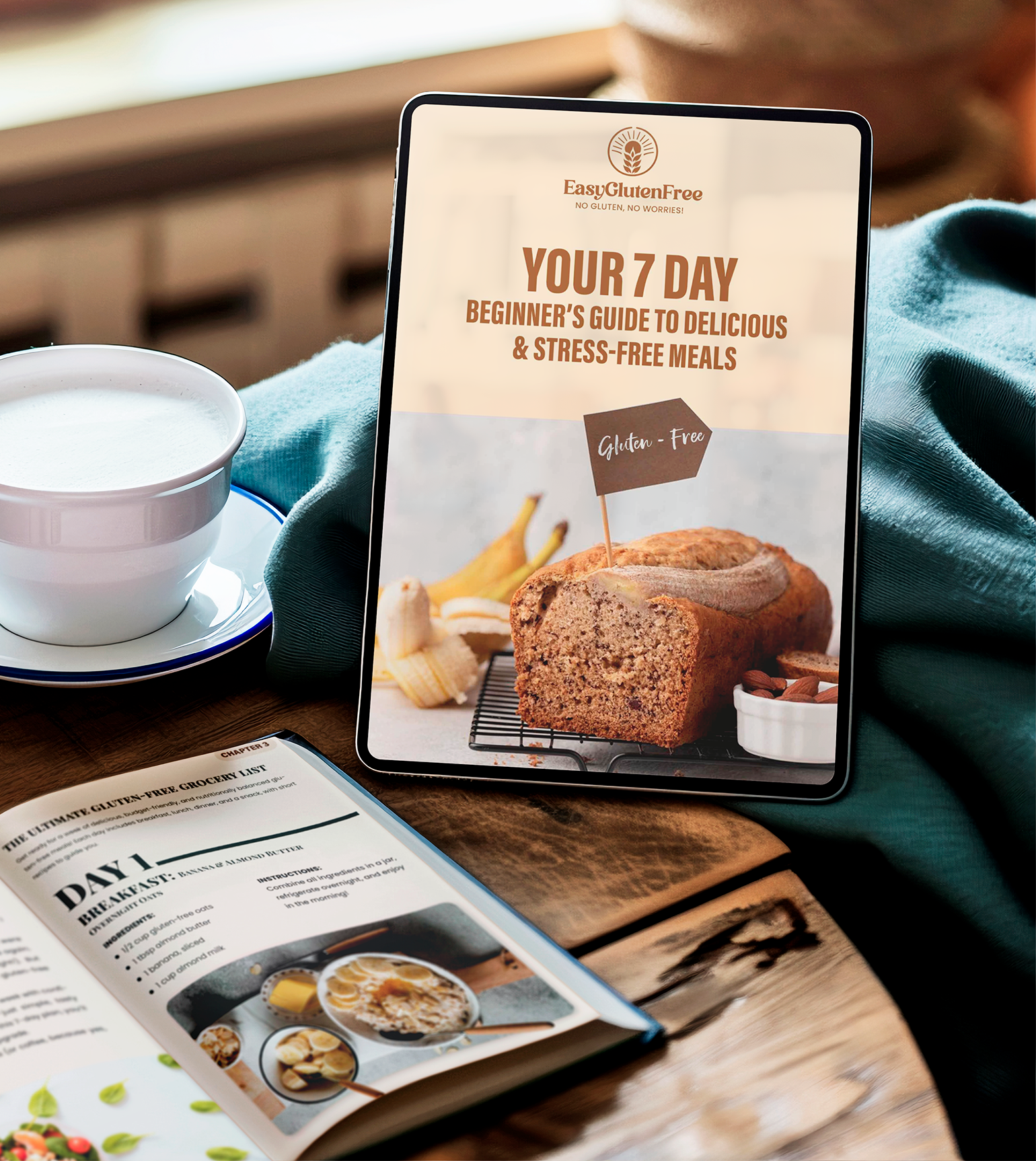
Download the Free Guide to Effortless Gluten-Free Packed Lunches

Gluten-Free Packed Lunch Ideas for School, Work & Travel
Staring at an empty lunch box when you’re gluten-free can feel like a daily pop quiz you didn’t study for. This guide gives you simple, realistic gluten-free packed lunch ideas for school, work, and travel—plus easy planning tips—so you’re never stuck with a sad salad or overpriced airport snack again.
Download Our Free Gluten-Free Starter Guide
- 7-day meal plan
- shopping list
- Tips & 3 beginner-friendly recipes
Introduction
Gluten-free at home is one thing. Gluten-free in a lunch box, at school, at the office, or while traveling? That’s a whole different skill set. Suddenly you’re juggling food safety, cross-contact risks, storage, and the simple fact that you still want your meal to taste good three hours after you packed it.
The good news is that once you have a system—go-to ingredients, reliable containers, and a few mix-and-match ideas—packing gluten-free lunches becomes one of the easiest parts of your routine. You stop scrambling for “anything safe,” and start packing lunches you’re actually excited to eat (or send with your kids).
In this guide, we’ll walk through gluten-free packed lunch ideas for kids and adults, how to keep food safe and fresh on the go, smart prep strategies, and how to avoid cross-contact when you’re surrounded by gluten. Use this as a framework you can personalize to your tastes, schedule, and energy level.
1. Building a Balanced Gluten-Free Lunch Box
Before we talk specific lunch ideas, it helps to think in a simple formula. Instead of reinventing the wheel every morning, build your gluten-free lunch box around this easy pattern:
- 1 protein – keeps you full and satisfied
- 1–2 fiber-rich carbs – gluten-free grains, fruit, or starchy veg
- 1–2 colorful veggies – crunch, freshness, and nutrients
- 1 fat – helps with flavor and staying power
- 1 “fun” item – a small sweet or salty treat so you don’t feel deprived
Once you start seeing your lunch box as slots to be filled rather than recipes to follow, decisions get faster and a lot less stressful.
Gluten-Free Protein Options
Always verify labels and watch for gluten in marinades, broths, and seasonings. Naturally gluten-free protein ideas include:
- Hard-boiled eggs, egg muffins, or mini frittatas
- Leftover roasted chicken, turkey, or beef (unbreaded, gluten-free seasoning)
- Gluten-free deli meat (check labels and ask about slicer contamination when buying fresh)
- Tuna or salmon salad made with gluten-free mayo and seasonings
- Hummus or bean dip with veggie sticks and gluten-free crackers
- Cheese cubes or string cheese
- Edamame, roasted chickpeas, or nuts (if school/workplace is nut-safe, always respect posted rules)
- Gluten-free rotisserie chicken (only if confirmed gluten-free)
Gluten-Free Carbs That Pack Well
Carbs are where gluten often sneaks in, so this is the category to be most intentional with. Great portable options include:
- Gluten-free bread or wraps (test brands at home to find one you like cold or lightly toasted)
- Leftover gluten-free pasta (pasta salad, pesto pasta, or simple olive oil and veggies)
- Gluten-free crackers or rice cakes
- Cooked rice, quinoa, or millet – perfect in bowls or salads
- Corn tortillas for DIY tacos or quesadillas
- Baked potatoes or sweet potatoes (great warm in a thermos or chilled and sliced)
- Fruit: apple slices, berries, grapes, clementines, kiwi, banana, melon cubes
Veggies That Actually Get Eaten
Raw veggies can be wonderful in a lunch box, but they need some flavor support. Pair them with dips, dressings, or seasonings:
- Carrot sticks or coins with hummus or ranch
- Cucumber rounds with a sprinkle of salt or Everything Bagel seasoning
- Cherry tomatoes and mini mozzarella balls
- Bell pepper strips with guacamole
- Snap peas, baby corn, or blanched green beans
- Side salads in a separate leak-proof container with dressing in a mini jar
Healthy Fats & “Fun” Items
A little fat makes everything taste better and helps keep you satisfied:
- Avocado or guacamole (add lemon/lime to slow browning)
- Nuts or seeds (sunflower, pumpkin, almonds, walnuts)
- Cheese, cream cheese, or feta
- Olives, pesto, or tahini-based sauces
And don’t forget a small “fun” addition—this can make gluten-free feel less restrictive:
- A few pieces of gluten-free chocolate or candy (label-checked)
- A homemade gluten-free cookie or brownie square
- Gluten-free pretzels or popcorn
- A flavored yogurt (verify it’s gluten-free)
2. Gluten-Free Lunch Ideas for School, Work & Travel
Once you’ve got your “protein + carb + veg + fat + fun” formula down, the next step is turning it into real-life lunch combos. Below are ideas you can rotate through for school, work, and long days on the go. All of these are naturally gluten-free as long as you choose certified or clearly labeled gluten-free ingredients.
Gluten-Free Lunch Box Ideas for Kids
For kids, keep portions small, colorful, and easy to eat with fingers or a small fork. A few kid-friendly combos:
- Mini taco lunch box: Corn chips or warmed corn tortillas, seasoned ground beef or beans, shredded cheese, lettuce, and salsa in separate compartments.
- DIY “lunchable”: Gluten-free crackers, uncured deli turkey or chicken, cheese slices, cucumber rounds, a mandarin orange, and a small gluten-free cookie.
- Hummus snack box: Hummus, carrot sticks, cucumber sticks, gluten-free pretzels, grapes, and a cheese stick.
- Gluten-free pasta salad: GF pasta with olive oil, chopped veggies, olives, and cheese; side of berries and a small yogurt.
- Breakfast-for-lunch box: Leftover gluten-free pancakes or waffles cut into strips, hard-boiled egg, berries, and a small container of maple syrup or yogurt for dipping.
Gluten-Free Packed Lunches for Work
For adults, focus on meals that hold up well in the fridge or at room temp, and don’t require much assembly when it’s finally time to eat:
- Grain bowl: Base of rice or quinoa, topped with roasted veggies, grilled chicken or tofu, and a simple dressing (olive oil + lemon + salt).
- Mason jar salad: Dressing at the bottom, then hearty vegetables (cucumber, beans, carrots), then protein, then greens on top. Shake to combine at lunchtime.
- Leftover dinner remix: Roast chicken turned into a quick chicken salad with gluten-free mayo and herbs, served with GF crackers, side salad, and fruit.
- Snack-style grazing box: Cheese, nuts (if allowed), gluten-free crackers, sliced apple, carrot sticks, hummus, and a few pieces of dark chocolate.
- Soup & sides: Gluten-free soup in a thermos, plus a small side: rice cakes with avocado, or a boiled egg and some fruit.
Packable Gluten-Free Options for Travel Days
Travel days are tough because options on the road or at the airport are often limited and risky. A well-packed lunch box can save you money and stress:
- Cold snack plate: Hard-boiled eggs, cheese, gluten-free crackers, grapes, cherry tomatoes, and olives.
- Chicken salad lettuce cups: Chicken salad packed separately, with romaine leaves or mini GF wraps to assemble as you go.
- Rice-based bowls: Pre-made rice bowls with beans, salsa, cheese, and shredded lettuce. They taste good cold or at room temperature.
- Oatmeal-on-the-go: If you’ll have access to hot water, pack a jar with certified gluten-free oats, chia seeds, and dried fruit. Add hot water and let sit.
- High-energy snack kit: Trail mix (gluten-free ingredients only), jerky labeled gluten-free, a banana, cut veggies, and single-serve nut or seed butter packets.
Use insulated containers and a solid lunch box to keep everything safe and organized, especially if you’ll be away from a fridge for several hours.
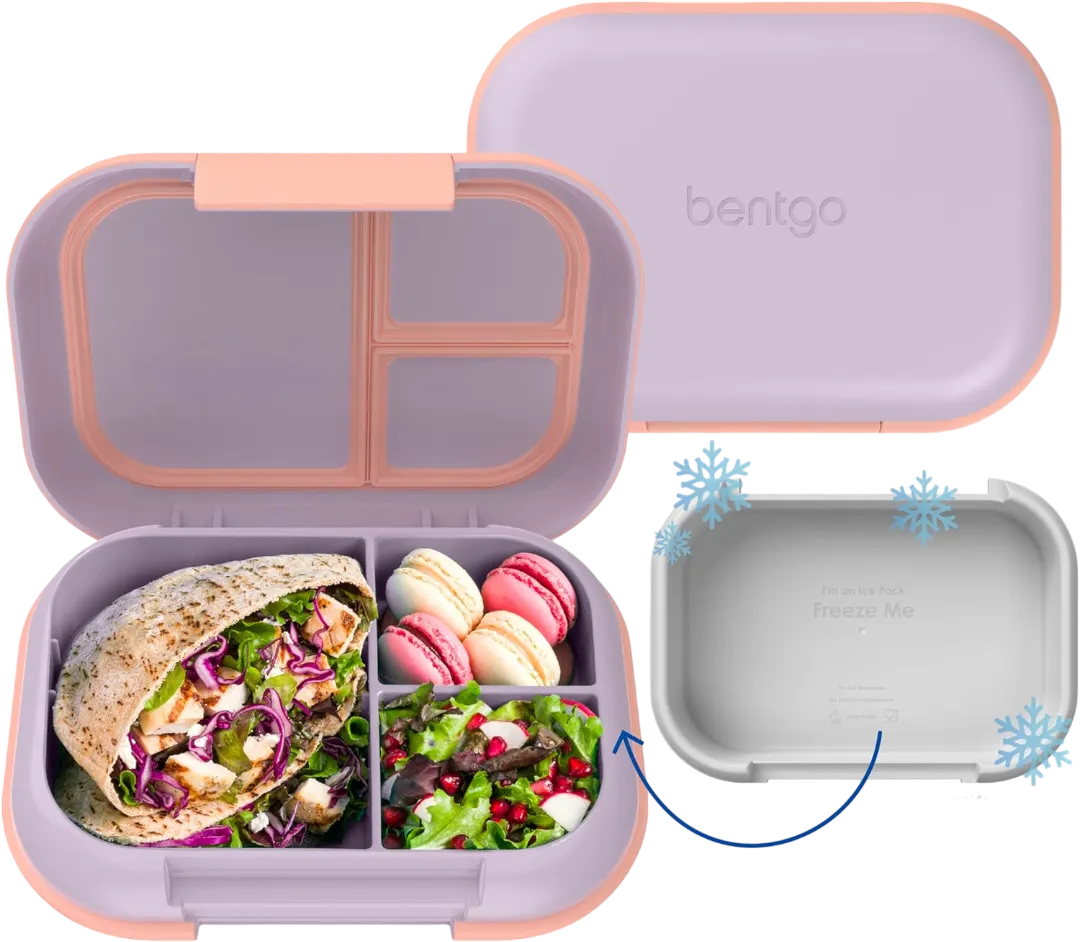
Bentgo Chill Max Lunch Box
it’s perfect for anyone who wants cute, organized, Instagram-able gluten-free lunches. The built-in ice pack keeps things fresh, the compartments are perfect for snacks, dips, and small portions, and it’s leak-proof (so your hummus doesn’t redecorate your tote bag). Ideal for school, work, picnics, travel days, or long study sessions.
3. Safe Packing, Storage & Cross-Contact Tips
Gluten-free lunches aren’t just about what you pack—they’re about how you pack them. Cross-contact can turn a safe ingredient into a problem, especially in shared kitchens, classrooms, and office fridges.
Preventing Cross-Contact at Home
Start with your own prep space. A few habits go a long way:
- Use dedicated gluten-free tools for high-risk items like toasters, wooden spoons, cutting boards, and colanders.
- Clean surfaces before packing – wipe down counters and make sure crumbs are gone.
- Keep GF bread and crackers separate – store them in a different area from gluten-containing products.
- Use squeeze bottles for condiments to avoid shared knives ending up in jars.
Safe Containers for Gluten-Free Lunches
Containers don’t have to be fancy, but a few features can make life easier:
- Leak-proof seals to keep dressings, sauces, and yogurt where they belong.
- Separate compartments to keep crackers crisp, fruit from leaking, and anything crumbly away from your main dish.
- Insulated containers to maintain safe temperatures for perishable foods.
- Easy-to-clean surfaces (no deep grooves) to minimize trapped food residues.
Keeping Gluten-Free Lunches at a Safe Temperature
Food safety matters for everyone, but especially if you’re packing meat, eggs, dairy, or mayo-based salads:
- Use an ice pack or chillable insert for cold foods when a fridge isn’t guaranteed.
- Pack perishable items straight from the fridge, not from room temperature.
- Use a thermos for hot foods like soup or leftovers; preheat with boiling water before adding hot food.
- If you’re unsure food will stay cold enough, avoid high-risk items like seafood or very dairy-heavy dishes.
Labeling & Communicating in Shared Spaces
When your lunch is going into a shared fridge or your child’s lunch is going to a classroom:
- Label containers clearly with a name and “gluten-free” if helpful.
- Let teachers, caregivers, or coworkers know that your food is gluten-free and shouldn’t be shared with others who have gluten-y snacks.
- For kids, practice a simple script: “This is my special safe food. I can’t trade it.”
Recipe Inspiration
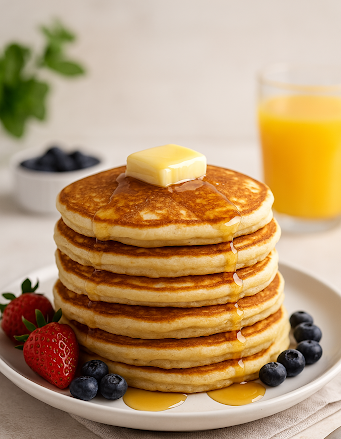
Try these gluten-free staples loved by thousands:


4. Time-Saving Prep Strategies & Batch Ideas
Gluten-free lunches become so much easier when you’re not starting from zero every morning. A little batch prep on the weekend or one evening a week can give you grab-and-go building blocks for days.
Prep Once, Mix & Match All Week
Think in “components” rather than full meals. Prep a few from each category:
- Proteins: Roast chicken thighs, hard-boil a dozen eggs, cook a pan of seasoned ground turkey or beef, or mix a batch of tuna salad.
- Grains: Cook a pot of rice or quinoa, or boil extra gluten-free pasta for salads and bowls.
- Veggies: Wash and chop carrots, cucumbers, peppers, and lettuce; roast a tray of mixed veggies for bowls.
- Snacks: Portion nuts, gluten-free crackers, popcorn, and fruit into containers or bags.
Store everything in clear, labeled containers in the fridge. In the morning, you’re just combining: scoop some grain, add a protein, throw in veggies, and grab a snack and fruit.
Batch-Friendly Gluten-Free Lunch Ideas
These ideas hold up well for several days and are easy to portion into lunch containers:
- Gluten-free pasta salad with veggies, olives, and a simple vinaigrette.
- Rice and bean bowls with salsa, cheese, and shredded lettuce (keep delicate toppings separate).
- Egg muffins or mini frittatas – bake once, refrigerate, and add a few to lunch boxes across the week.
- Roasted chicken & veggie sheet pan – portion into meal prep containers with rice or potatoes.
- Chili or hearty soups – pack in small thermoses; they freeze well for future busy weeks.
Make Mornings Easier
Small routines prevent that “it’s 7:30 and I have nothing ready” panic:
- Pack lunches the night before and store them in the fridge so you can just grab and go.
- Keep a “GF lunch shelf” in the pantry for safe snacks and sides you can quickly toss into a bag.
- Print or save a lunch idea list on the fridge so you’re not trying to remember everything while half-asleep.
5. Travel Days, Field Trips & Eating Lunch Away From Home
Any time you’re eating away from your usual routine—field trips, conferences, travel days, or long sports tournaments—it’s worth putting in a bit of extra planning. Safe gluten-free options won’t always be available when you need them.
Planning Ahead for School Trips & Activities
For kids, communication with the school or organization is key:
- Let teachers and organizers know in advance that your child is gluten-free.
- Ask about the schedule and facilities: Will they have a fridge? Will food be eaten on the bus or outdoors?
- Send clearly labeled lunches and snacks, packed in containers your child can open independently.
- Pack a few backup shelf-stable snacks in case plans change or group food is unsafe.
Gluten-Free Packed Lunches for Long Travel Days
Whether you’re flying or driving, aim for food that:
- Doesn’t rely on being reheated
- Stays safe at cooler temperatures for several hours
- Isn’t too messy to eat in cramped spaces
Great options include:
- Protein-packed snack boxes with cheese, eggs, gluten-free crackers, nuts (where allowed), and fruit.
- Cold rice or quinoa salads with beans and veggies.
- Gluten-free wraps with sturdy fillings like chicken and lettuce (avoid very saucy fillings that go soggy).
- Single-serve nut/seed butters with rice cakes or apple slices (watch airline liquid rules for international flights).
Backup Snacks & Emergency Strategies
Even the best plans can go sideways—flights get delayed, restaurants close early, team pizza parties appear out of nowhere. A small stash of emergency gluten-free snacks can make a huge difference:
- Individually wrapped gluten-free bars or oat bars made with certified gluten-free oats.
- Small bags of nuts, seeds, or gluten-free trail mix.
- Shelf-stable fruit pouches or dried fruit.
- Single-serve gluten-free crackers or popcorn.
Keep a few snacks in your bag, car, or desk so you’re not relying on whatever happens to be available.
Give Yourself Some Grace
Not every lunch is going to be Pinterest-perfect—and that’s okay. A “good enough” gluten-free lunch that keeps you or your child fed, safe, and reasonably satisfied is a win. Over time, you’ll naturally collect favorites, shortcuts, and go-to combinations that make packing lunches feel simple instead of stressful.
Key Takeaways
- Think in a simple formula—protein, gluten-free carbs, veggies, healthy fat, and a fun item—to build balanced gluten-free lunch boxes quickly.
- Rotate easy, mix-and-match ideas for school, work, and travel so you’re not starting from scratch every morning.
- Use dedicated tools, clean prep spaces, and leak-proof containers to reduce cross-contact and keep gluten-free lunches safe.
- Batch-prep proteins, grains, veggies, and snacks once or twice a week to make daily packing mostly assembly work.
- Plan ahead for travel days and school activities, and always keep a few emergency gluten-free snacks on hand.
Take the Next Step in Your Gluten-Free Journey
- Download the Free EGF Starter Guide
- Try our Gluten-Free Planner to simplify your week
- Explore our growing recipe library
You don’t have to navigate the gluten-free lifestyle alone, we are here to make it easier every day.
Category: Lunch & Meal Prep