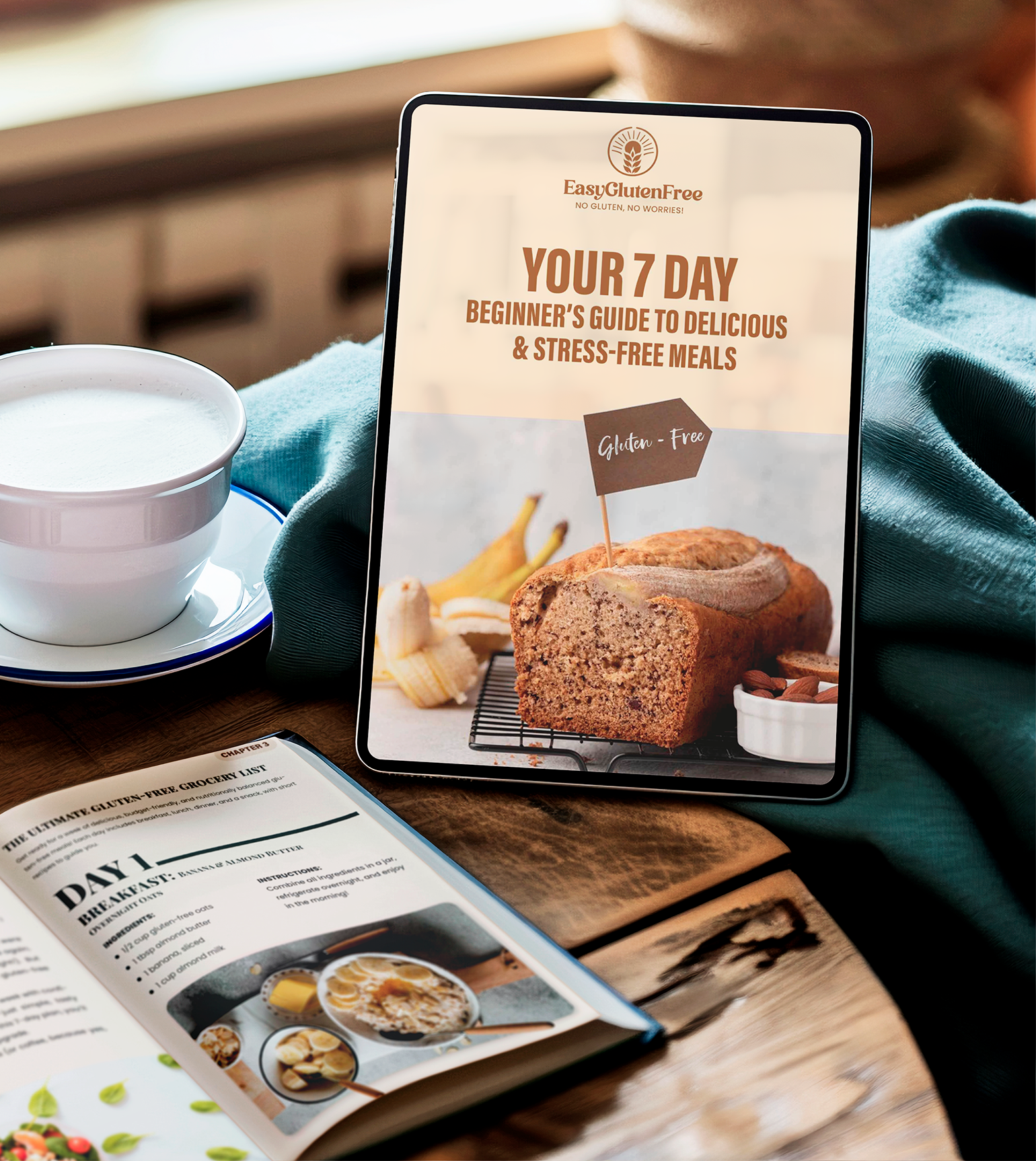
Download the Free Guide to Foolproof Gluten-Free Muffins Every Time

How to Make Gluten-Free Muffins That Are Moist, Fluffy, and Never Gritty
Gluten-free muffins do not have to be dry, dense, or “good for gluten-free.” With the right flour, mixing method, and a few science-backed tips, you can bake muffins that are tender, moist, and honestly compete with any regular bakery version. This guide walks you step-by-step through ingredients, techniques, and troubleshooting so your next batch is a guaranteed win.
Download Our Free Gluten-Free Starter Guide
- 7-day meal plan
- shopping list
- Tips & 3 beginner-friendly recipes
Introduction
Gluten-free muffins have a bit of a reputation: dry, crumbly, and only truly enjoyable on day one. If that’s been your experience, it’s not your fault—it’s usually the recipe, the flour blend, or one tiny step in the method that makes a very big difference in gluten-free baking. The good news? Once you understand a few simple principles, you can turn out moist, fluffy muffins on repeat.
This guide is designed for real home bakers: busy parents, newly gluten-free households, and anyone who just wants a reliable muffin they can grab for breakfast or pack in a lunchbox. We’ll cover the exact ingredients that matter most, how to mix the batter for maximum rise, and why resting time is your secret gluten-free superpower.
Whether you’re brand new to gluten-free baking or you’ve tried a dozen disappointing muffin recipes already, you’ll find practical, tested tips here. No specialty pastry training required—just a good flour, a mixing bowl, and a willingness to stop over-stirring that batter.
1. Core Principles of Great Gluten-Free Muffins
Gluten-free muffins behave differently from traditional wheat muffins because they’re missing gluten—the protein network that traps air and gives classic baked goods their stretch and structure. Instead of trying to imitate gluten perfectly, we work with other tools: starches, eggs, leavening, and liquid balance. Once you understand these, you can adapt almost any muffin recipe successfully.
The muffin “triangle”: moisture, structure, and sweetness
Think of every muffin as a balance between three things:
- Moisture – from milk, yogurt, oil, melted butter, fruit, or honey.
- Structure – from your gluten-free flour blend, eggs, and sometimes xanthan gum or psyllium.
- Sweetness – from sugar, maple syrup, or other sweeteners that also affect texture and browning.
If your muffins are dry, you either don’t have enough moisture, or you’ve over-baked them. If they collapse or are gummy, there’s too much moisture for the structure to hold, or they were under-baked. Keeping that triangle in mind helps you fix recipes instead of giving up on them.
Why batter thickness matters
Gluten-free muffin batter should be thicker than pancake batter, but not as thick as cookie dough. It should slowly drop off the spoon, not pour like water and not hold stiff peaks. A thinner batter tends to spread, sink in the middle, or bake up gummy; a very thick batter can taste dry or sandy.
Two things affect thickness the most: the flour blend you use and how long the batter rests. Good gluten-free blends absorb liquid over time, so a batter that looks a bit loose at first often thickens nicely after 10–15 minutes.
The power of resting gluten-free batter
In gluten baking, over-mixing and resting are a problem because they develop too much gluten. In gluten-free baking, resting is your friend. Giving your muffin batter 10–20 minutes on the counter before baking allows the flour and starches to fully hydrate. The result is a smoother crumb, better rise, and less grittiness.
If you’re short on time, even a 5-minute rest makes a visible difference. Just be sure to preheat your oven first so you’re not tempted to skip it.
Oven temperature and pan position
Muffins like consistent heat and steam. For most gluten-free muffin recipes, an oven temperature of 350–375°F (175–190°C) works very well. Higher heat (like 400°F) can create fast browning before the center is done, especially with denser gluten-free batters.
- Bake muffins in the center of the oven for even heat.
- Use a light-colored muffin pan if you can; very dark pans brown faster.
- Resist opening the oven door for at least the first 15 minutes so the rise can set.
These foundational tips will support every recipe you use, whether it’s a basic blueberry muffin or a fully loaded carrot cake muffin.
2. Choosing the Best Gluten-Free Flour for Muffins
The flour blend you choose will make or break your gluten-free muffins. You don’t need a dozen bags of specialty flours; you just need one consistent, well-balanced all-purpose gluten-free blend that’s designed to replace wheat flour cup-for-cup in most baking recipes.
A reliable blend should already contain a mix of whole-grain flours (like rice, sorghum, or millet) and starches (like tapioca, potato, or corn starch). Many also include xanthan gum for structure. Using a blend like this lets you follow straightforward recipes without having to play kitchen chemist every time you bake.
When you choose a flour for muffins specifically, look for:
- Neutral flavor that won’t overpower delicate vanilla or fruit-based muffins.
- Fine texture to avoid grit and sandy crumbs.
- Reliable performance across muffins, quick breads, and cookies so you don’t have to relearn each recipe.
Consistency is everything. Sticking with the same trusted blend means that when you change something in a recipe (like the fat or the fruit), you know the flour isn’t the wild card.
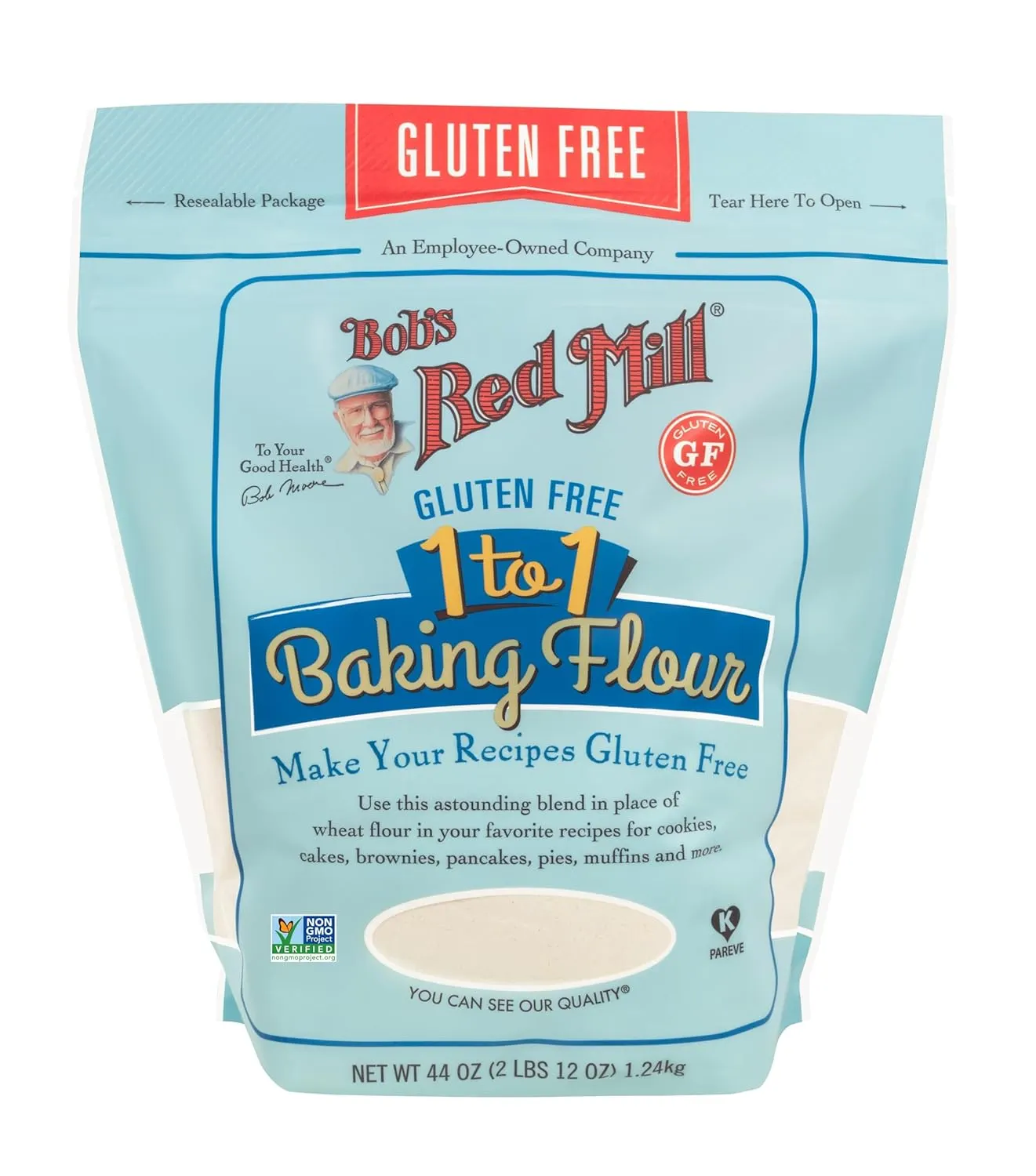
Bob’s Red Mill Gluten Free 1 to 1 Baking Flour
This is the gold-standard gluten-free all-purpose flour. It behaves beautifully in pancakes, muffins, cookies, quick breads — and it’s the ideal flour to recommend in ANY practical baking guide. Reliable, consistent, and approved by thousands of gluten-free home bakers. Perfect for articles about technique, substitutions, and baking success.
3. Step-by-Step Method: From Mixing Bowl to Perfect Muffin
Once your flour is sorted, technique is the next big lever for success. This straightforward method works for most standard gluten-free muffin recipes, whether you’re making blueberry, chocolate chip, or lemon poppyseed.
1. Prep your pan and preheat the oven
- Line a 12-cup muffin pan with paper liners, or grease each cup lightly.
- Preheat your oven to 350–375°F (175–190°C) depending on your recipe.
- If your kitchen runs cool, let the oven preheat fully while you mix—you want steady heat when the muffins go in.
2. Whisk the dry ingredients
In a medium bowl, whisk together:
- Your gluten-free all-purpose flour blend
- Baking powder (and baking soda, if the recipe calls for it)
- Salt
- Spices like cinnamon or nutmeg, if using
Whisking does two things: distributes the leavening evenly and adds a bit of air. Both help with rise and a light texture.
3. Mix the wet ingredients separately
In a large bowl, whisk together:
- Eggs (room temperature if possible)
- Oil or melted butter
- Milk, dairy-free milk, or yogurt
- Vanilla and any liquid sweeteners
Room-temperature ingredients blend more smoothly and help the muffins rise better. If your eggs are cold, a quick trick is to place them in a bowl of warm tap water for 5–10 minutes.
4. Combine wet and dry gently
Pour the dry ingredients into the wet mixture and stir with a spatula or wooden spoon just until no big streaks of flour remain. A few small lumps are completely fine. Over-mixing can make gluten-free muffins dense and tough, especially if your flour blend includes xanthan gum.
If you’re using delicate fruit like blueberries, fold them in at this stage with as few strokes as possible to avoid streaking or crushing them.
5. Rest the batter
Let the batter sit at room temperature for 10–15 minutes. During this time, the flour hydrates, the batter thickens slightly, and your leaveners start their gentle work.
Use this time to tidy your counter, make coffee, or line up your muffin pan. Try not to add more flour during the rest, even if the batter looks a bit loose at first—it will usually thicken on its own.
6. Portion and fill the muffin cups
For even baking, use a cookie scoop or measuring cup to divide the batter among the muffin cups. Filling them about ¾ full typically gives a nice domed top without overflowing.
For a bakery-style look, you can sprinkle a little coarse sugar or a few extra chocolate chips or berries on top before baking.
7. Bake and test for doneness
Bake according to your recipe, usually 18–24 minutes for standard muffins. To check for doneness:
- Look for lightly golden edges and set tops.
- Insert a toothpick into the center—it should come out with a few moist crumbs, not wet batter.
Gluten-free muffins often need a couple of extra minutes compared to their wheat counterparts, so don’t be afraid to add 2–3 minutes if the centers still look glossy.
8. Cool correctly for best texture
Let muffins cool in the pan for about 5–10 minutes, then transfer them to a wire rack. Leaving them in the pan too long traps steam, which can make the bottoms soggy. Cooling them completely also helps the crumb set and improves the texture by the hour.
Recipe Inspiration
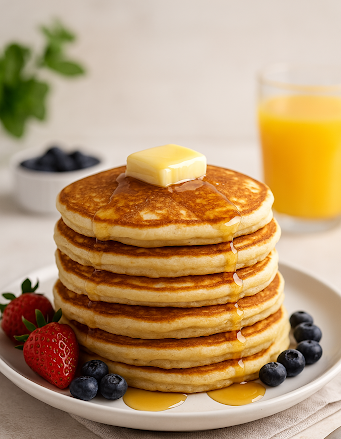
Try these gluten-free staples loved by thousands:


4. Flavor Variations and Mix-Ins That Always Work
Once you’ve mastered a basic gluten-free muffin batter, the fun begins. You can turn one master recipe into a dozen different flavors just by changing a few add-ins and spices. Here are some reliably delicious ideas that play well with most gluten-free flour blends.
Classic blueberry muffins
- Add 1–1½ cups fresh or frozen blueberries to your base batter.
- Toss berries in a tablespoon of your flour blend before folding in to help prevent sinking.
- Optional: add lemon zest and a tiny squeeze of lemon juice to brighten the flavor.
If using frozen berries, don’t thaw them first; fold them in straight from the freezer to avoid streaky batter.
Chocolate chip or double chocolate
- Stir 1 cup chocolate chips or chunks into the batter.
- For double chocolate, replace ¼–⅓ cup of the flour with cocoa powder and slightly increase the liquid if the batter seems very thick.
- Add a teaspoon of espresso powder to deepen the chocolate flavor (not enough to taste like coffee).
Chocolate usually helps keep muffins moist, which is extra helpful in gluten-free baking.
Banana, pumpkin, and other fruit-based muffins
Moist purees like banana, pumpkin, or applesauce are fantastic in gluten-free muffins because they add both moisture and structure. A few guidelines:
- Use about 1 cup of mashed banana or pumpkin puree per 12 muffins.
- Reduce other liquids slightly if your batter seems very loose; fruit adds moisture.
- Add warming spices like cinnamon, nutmeg, or pumpkin spice blend.
These styles of muffins often keep their texture well for several days, making them ideal for meal prep.
Nut, seed, and texture add-ins
Gluten-free muffins benefit from a little texture contrast. Try adding:
- ½–¾ cup chopped nuts (walnuts, pecans, almonds)
- ¼ cup seeds (sunflower, pumpkin, or chia)
- Shredded coconut or finely grated carrot or zucchini (squeezed dry)
When you add lots of nuts or seeds, keep the total mix-ins around 1½–2 cups per 12 muffins to avoid weighing the batter down.
Topping ideas for extra appeal
- Streusel topping – a quick mix of flour, sugar, and butter for a bakery-style finish.
- Oat topping – certified gluten-free oats tossed with a bit of sugar and oil.
- Glaze – a simple powdered sugar and milk glaze drizzled on cooled muffins.
Just remember that heavy toppings can slow down baking slightly, so check with a toothpick and add another minute or two if needed.
5. Troubleshooting Common Gluten-Free Muffin Problems
Even experienced bakers have the occasional stubborn batch of muffins. Instead of guessing what went wrong, use this quick troubleshooting guide to diagnose and fix the most common gluten-free muffin issues.
Dry or crumbly muffins
Likely causes:
- Over-baking (even by just a couple of minutes).
- Too much flour or too little fat.
- A very starch-heavy flour blend without enough added moisture.
How to fix next time:
- Bake 2–3 minutes less and check earlier.
- Measure flour with the spoon-and-level method instead of scooping directly from the bag.
- Add 1–2 tablespoons of extra oil, melted butter, or yogurt to the batter.
Gummy centers or dense texture
Likely causes:
- Under-baking or cutting into muffins while they’re still too hot.
- Too much liquid for the amount of flour.
- Oven running cooler than the set temperature.
How to fix next time:
- Bake a bit longer until the tops spring back and a toothpick comes out with just a few moist crumbs.
- Reduce liquid slightly (start with 1–2 tablespoons).
- Use an oven thermometer to check if your oven runs hot or cool.
Muffins that sink in the middle
Likely causes:
- Oven door opened too early, releasing heat.
- Too much leavening (baking powder or soda) causing fast rise and collapse.
- Very wet batter that the structure can’t support.
How to fix next time:
- Avoid opening the oven for at least the first 15 minutes.
- Follow the recipe’s leavening amounts carefully; don’t “help” it rise with extra baking powder.
- If you’ve added a lot of fruit or puree, increase flour slightly or reduce liquid.
Gritty texture
Likely causes:
- A coarse rice flour in the blend.
- Not enough resting time for the batter to hydrate.
How to fix next time:
- Use a finer-textured, high-quality all-purpose gluten-free blend.
- Let the batter rest for 15–20 minutes before baking.
Muffins that stick to the liners
Likely causes:
- Very moist batter combined with thin paper liners.
- Trying to peel off the paper while muffins are still warm.
How to fix next time:
- Use higher-quality, non-stick liners or lightly spray the liners before filling.
- Let muffins cool completely; liners often release much more easily after several hours.
With each batch, make one small change at a time so you can clearly see what works. Before long, you’ll have a “house muffin” recipe your family asks for on repeat.
Key Takeaways
- Great gluten-free muffins rely on balanced moisture, structure, and sweetness—not guesswork.
- Using a consistent, high-quality gluten-free all-purpose flour blend removes the biggest variable in muffin success.
- Gentle mixing and a short batter rest dramatically improve texture, rise, and crumb in gluten-free batter.
- Small adjustments in oven temperature, bake time, and liquid amount can fix most common muffin problems.
- Once you master a reliable base recipe, you can create endless flavor variations with fruits, spices, and mix-ins.
Take the Next Step in Your Gluten-Free Journey
- Download the Free EGF Starter Guide
- Try our Gluten-Free Planner to simplify your week
- Explore our growing recipe library
You don’t have to navigate the gluten-free lifestyle alone, we are here to make it easier every day.
Category: Baking Tips