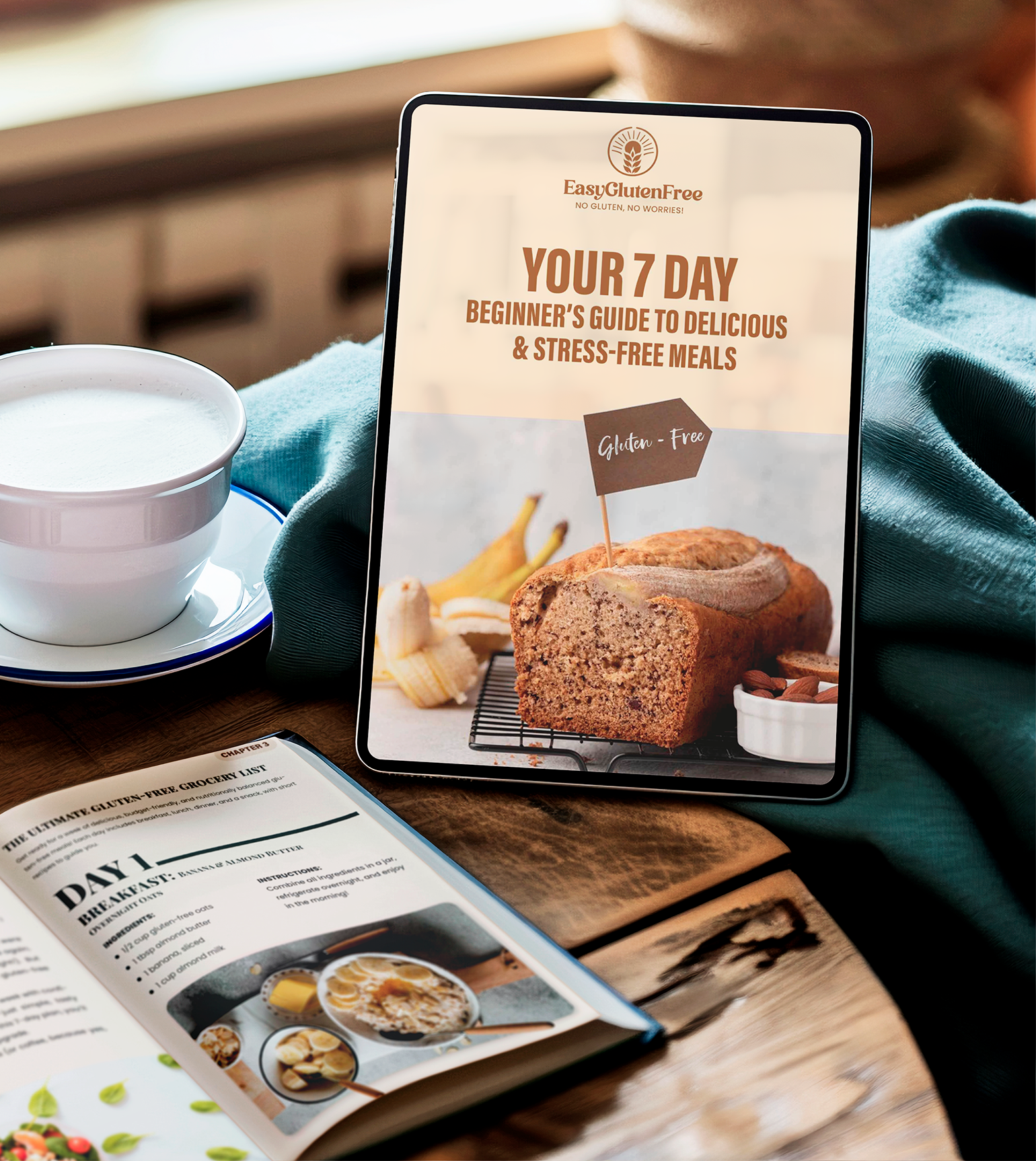
Download the Free Guide to Foolproof Gluten-Free Baking Every Day

Gluten-Free Baking Flour Guide: How to Choose, Use, and Substitute Like a Pro
Gluten-free baking stops feeling intimidating the moment you understand your flour. This guide walks you through how to choose the right gluten-free baking flour, how to substitute it in your favorite recipes, and how to get soft, fluffy, never-gritty results—without wasting ingredients or time.
Download Our Free Gluten-Free Starter Guide
- 7-day meal plan
- shopping list
- Tips & 3 beginner-friendly recipes
Introduction
Gluten-free baking has a reputation for being fussy and unpredictable, but most of the frustration comes down to one thing: flour. In traditional baking, “all-purpose flour” is simple—one bag, endless uses. In gluten-free baking, you’re suddenly faced with rice flours, starches, blends, gums, and specialty mixes, all promising perfect results. It’s no wonder so many people feel overwhelmed before they even preheat the oven.
The good news is that once you understand how gluten-free baking flour works—and how to choose the right one for the right job—everything gets easier. Your pancakes start coming out fluffy instead of dense, your cookies spread the way they should, and your quick breads finally bake all the way through instead of staying gummy in the middle. You don’t need a culinary degree or a pantry full of obscure ingredients; you just need a clear, practical roadmap.
In this guide, we’ll break down the essentials of gluten-free baking flour in plain language. You’ll learn what’s actually inside those blends, how to substitute them for wheat flour with confidence, and which mistakes to avoid so you stop wasting time, money, and energy. Whether you’re cooking for celiac disease, gluten sensitivity, or you simply feel better without gluten, this article will give you reliable, repeatable strategies you can use every time you bake.
1. Understanding Gluten-Free Baking Flour Basics
In gluten-free baking, “flour” doesn’t mean just one ingredient—it usually means a blend. Since gluten is responsible for structure, stretch, and chew in traditional baked goods, we have to recreate those qualities using a combination of different gluten-free flours and starches.
Most gluten-free baking flours are built around three building blocks:
- Base flours – These provide body and flavor. Common examples include white rice flour, brown rice flour, sorghum flour, or oat flour (certified gluten-free). They behave most like traditional flour but can be gritty or dense if used alone.
- Starches – Starches add lightness and tenderness. Tapioca starch, potato starch, and cornstarch are the most common. They help baked goods rise and create that soft, bakery-style crumb.
- Binders – Since we don’t have gluten to hold everything together, binders like xanthan gum or guar gum help mimic that elasticity. Some blends include them; others require you to add them separately.
When these components are balanced well, you end up with a versatile baking flour that feels surprisingly close to all-purpose wheat flour in everyday recipes—especially for pancakes, quick breads, muffins, cookies, and many cakes.
Single-grain flours vs. blends
You’ll see two main categories at the store:
- Single-grain flours (like almond flour, coconut flour, or oat flour) are best used in recipes designed specifically for them. They don’t usually swap 1:1 with wheat flour or with an all-purpose gluten-free blend.
- Gluten-free all-purpose blends are pre-mixed to behave more like regular all-purpose flour. These are what you want for “everyday” baking and for adapting your family recipes.
For most home bakers, especially if you’re just starting out, a reliable all-purpose gluten-free baking flour blend is the single most important pantry staple. It keeps things simple, consistent, and stress-free.
Why different recipes call for different flours
Even with a good all-purpose gluten-free flour, you’ll still see recipes call for specialty options like almond flour or coconut flour. That’s usually because the recipe is chasing a particular texture or flavor—extra moisture, chewiness, or richness. Think of these as “special projects.” For your everyday muffins, pancakes, and cookies, a well-formulated gluten-free all-purpose flour is almost always the easier and more economical option.
2. The Role of Gluten-Free All-Purpose Flour Blends
Not all gluten-free flour blends behave the same way. Some are designed for yeasted breads and pizza, some for cakes, and others for “use in anything” versatility. When you’re evaluating a blend for everyday baking, there are a few key things to look at.
1. Does the blend include a binder?
Check the ingredient list for xanthan gum or guar gum. If it’s included, most recipes won’t need you to add extra. If it’s not included, classic gluten-containing recipes adapted with that flour will usually need 1/4 to 1/2 teaspoon of xanthan gum per cup of flour for cookies, quick breads, and cakes (yeast breads often need a bit more).
2. How fine is the grind?
Gluten-free baking can go from dreamy to gritty fast if the rice flour is coarse. A well-milled, finely ground blend is crucial for smooth batters and tender crumbs—especially in pancakes, muffins, and cakes.
3. How does it perform across recipes?
The best all-purpose gluten-free blends are the ones you can rely on again and again without surprises. They measure predictably, hydrate well, and don’t suddenly behave differently when you switch from cookies to banana bread. This kind of consistency is especially helpful when you’re converting family recipes.
4. Does the brand provide clear guidance?
Some blends are thoughtfully supported with recipes, blog posts, and tips. That extra education matters, especially when you’re still learning the feel and look of gluten-free doughs and batters.
Once you’ve chosen a trustworthy all-purpose gluten-free baking flour, commit to using it for a while before jumping between brands. Every blend is slightly different, and sticking to one makes it easier to troubleshoot and fine-tune your favorite recipes.
Bob’s Red Mill Gluten Free 1 to 1 Baking Flour
This is the gold-standard gluten-free all-purpose flour. It behaves beautifully in pancakes, muffins, cookies, quick breads — and it’s the ideal flour to recommend in ANY practical baking guide. Reliable, consistent, and approved by thousands of gluten-free home bakers. Perfect for articles about technique, substitutions, and baking success.

3. How to Substitute Gluten-Free Flour for Wheat Flour
Once you have a dependable gluten-free all-purpose baking flour in your pantry, the next step is learning how to swap it into your favorite recipes. While some brands are labeled “1:1” or “measure-for-measure,” a few extra habits will dramatically improve your results.
Start with the right type of recipe
Gluten-free all-purpose flour blends are best suited to:
- Cookies and bars
- Pancakes and waffles
- Muffins and quick breads (like banana bread)
- Cakes, cupcakes, and snack cakes
- Coatings for chicken, fish, or vegetables
They are more challenging in:
- Yeast breads and rolls
- Shaped pastries (like croissants)
- Very high-hydration doughs like focaccia
You can still get great results in those categories; they just usually need recipes designed specifically for gluten-free from the ground up.
Measure by weight when possible
Gluten-free flours can be lighter or heavier than wheat flour, so using a kitchen scale is the single best way to get consistent results. If your recipe calls for 120–130 grams of all-purpose flour per cup, aim to match that with your gluten-free blend.
If you’re measuring by volume (cups), use the “fluff, spoon, and level” method:
- Fluff the flour in the bag or container with a spoon.
- Spoon it gently into a measuring cup without packing.
- Level off with a straight edge (like the back of a knife).
Adjust liquids slightly if needed
Gluten-free blends often absorb moisture differently than wheat flour. If a batter looks too thick and heavy (especially for cakes and muffins), add 1–2 tablespoons of milk or dairy-free milk at a time until it resembles the texture you’d expect from the original wheat-based version.
On the flip side, cookie dough that feels slightly softer than usual will often firm up after a short chill in the fridge. Don’t rush to add more flour; give it 15–30 minutes first and reassess.
Allow batters and doughs to rest
A simple but powerful tip: after mixing your batter, let it rest for 10–15 minutes before baking. This gives the flours and starches time to hydrate and helps reduce grittiness, especially with rice-based blends. It can also improve structure so your baked goods hold their shape better.
Adjust baking time, not oven temperature
Keep your oven temperature the same as the original recipe, but watch the baking time more closely the first time you try a gluten-free version. Gluten-free baked goods often:
- Brown slightly faster at the edges
- Take a few extra minutes to cook fully in the center
Use visual cues: you’re looking for set centers, light golden edges, and a toothpick that comes out with moist crumbs, not wet batter.
Know when you need xanthan gum
If your blend already includes a binder (like xanthan gum), you usually don’t need to add more. If it doesn’t include a binder, a general starting point is:
- Cookies: 1/4 teaspoon per cup of flour
- Cakes, muffins, quick breads: 1/2 teaspoon per cup of flour
- Pizza doughs or yeasted breads: 3/4 to 1 teaspoon per cup of flour
Always start low—too much xanthan can make baked goods gummy or bouncy.
Recipe Inspiration
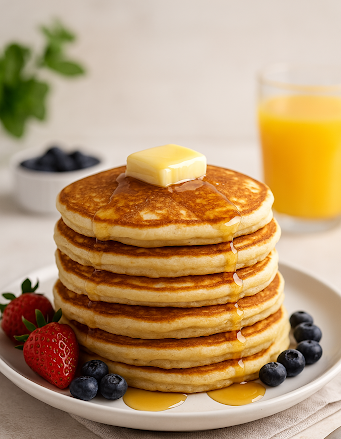
Try these gluten-free staples loved by thousands:


4. Troubleshooting Common Gluten-Free Baking Problems
Even experienced bakers run into hiccups when they move to gluten-free flour. The key is learning to read what your baked goods are telling you. Here are some of the most common issues and how to fix them next time.
Problem: Dry, crumbly muffins or cakes
Possible causes:
- Too much flour (cups were packed instead of spooned and leveled)
- Not enough fat or liquid
- Overbaking
Try this:
- Measure flour more lightly or switch to weighing by grams.
- Add 1–2 extra tablespoons of oil, melted butter, or milk next time.
- Check for doneness 3–5 minutes earlier than the recipe states.
Problem: Gritty texture
Possible causes:
- Coarsely ground rice flour in the blend
- Insufficient hydration time
Try this:
- Let batter rest for 10–20 minutes before baking to hydrate the flour fully.
- For especially delicate recipes, swap to a blend known for fine milling.
Problem: Gummy center, especially in quick breads
Possible causes:
- Underbaking
- Too much moisture in the batter (e.g., very large bananas, extra liquid)
- Too much xanthan gum or binder
Try this:
- Tent the pan loosely with foil once the top is browned and bake longer so the center can finish setting.
- Reduce liquid by 2–4 tablespoons next time, or use slightly less fruit puree.
- If you added xanthan gum yourself, reduce the amount by 25–50%.
Problem: Cookies spread too much or too little
If cookies spread too much:
- Chill the dough for 30–60 minutes before baking.
- Add 1–2 tablespoons of extra gluten-free flour to the next batch.
- Make sure baking sheets are fully cool between batches.
If cookies don’t spread at all:
- Reduce the flour by 1–2 tablespoons next time.
- Use room temperature butter instead of very cold fat.
- Try gently pressing the dough balls flatter before baking.
Problem: Baked goods taste “off” or “beany”
Possible causes:
- A blend that includes strong-tasting flours like chickpea or certain whole grains
- Expired flour or flour stored too long after opening
Try this:
- Store gluten-free flour in an airtight container, ideally in the fridge or freezer for longer shelf life.
- Use warm spices (cinnamon, vanilla, citrus zest) to complement and balance flavors.
- For sweet baking, choose a neutral-tasting all-purpose blend for the best results.
Keep notes as you experiment—what you changed, what worked, and what didn’t. A small notebook or a note on your phone quickly becomes your personal gluten-free baking playbook.
5. Pantry Planning and Time-Saving Tips
A thoughtfully stocked gluten-free pantry turns weeknight baking from stressful to simple. You don’t need a massive collection of flours and starches; you just need the right core pieces you’ll actually use.
Build your “everyday baking” core
For most gluten-free households, these basics cover 80–90% of casual baking needs:
- A dependable gluten-free all-purpose baking flour blend
- Baking powder and baking soda (check that they’re gluten-free according to your comfort level)
- Cornstarch or tapioca starch for lightening certain recipes or thickening sauces
- Granulated sugar and a brown sugar of your choice
- Neutral oil and/or butter (or dairy-free butter, if needed)
- Eggs or an egg replacer you trust
- Vanilla extract and a small selection of spices
With those on hand, you can make pancakes, waffles, muffins, cookies, brownies, snack cakes, and many quick breads without a special trip to the store.
Store flour to protect freshness
Gluten-free flours and blends can go stale or pick up off-flavors faster than wheat flour, especially if they contain whole grains. To maximize freshness:
- Transfer flour to an airtight container after opening.
- Label it with the opening date.
- Store in a cool, dark place—or in the fridge or freezer if you buy in bulk.
When using flour stored in the fridge or freezer, let it come closer to room temperature before baking for the most consistent results.
Batch-mix your favorites
Once you find a few gluten-free recipes your household loves—like pancakes, muffins, or a go-to snack cake—consider creating your own “mixes” in advance:
- Whisk together all the dry ingredients and store in a jar or bag.
- Label with: “Add: X tablespoons oil, X eggs, X cups milk,” plus the baking temperature and time.
- On a busy morning, you’re five minutes away from fresh pancakes or muffins.
Use your freezer as a backup plan
Gluten-free baked goods generally freeze very well:
- Freeze muffins, pancakes, and waffles in a single layer, then transfer to a bag once solid.
- Reheat in a toaster oven or air fryer for best texture.
- Cookie dough can be frozen in balls and baked from frozen—just add 1–2 minutes to the bake time.
This not only saves time, but also helps ensure you always have a safe gluten-free option on hand when schedules get hectic.
Lean on trusted recipes while you learn
As you get comfortable with your chosen baking flour, spend some time with recipes that are already designed specifically for gluten-free. You’ll quickly learn what batters should look like, how doughs should feel, and what “done” looks like in a gluten-free world. That knowledge transfers beautifully when you start adapting your own family favorites.
Key Takeaways
- Gluten-free baking works best with a well-formulated all-purpose baking flour that combines base flours, starches, and a binder for structure.
- Sticking with one trusted gluten-free flour blend for a while helps you learn how it behaves and makes troubleshooting much easier.
- For everyday recipes like pancakes, muffins, cookies, and quick breads, you can usually substitute a good gluten-free 1:1 flour blend with only minor adjustments.
- Simple habits—like resting batter, measuring flour correctly, and adjusting liquid slightly—solve many common gluten-free baking problems.
- A small, thoughtfully stocked gluten-free pantry and a few freezer-friendly habits make safe, delicious baked goods realistic even on busy days.
Take the Next Step in Your Gluten-Free Journey
- Download the Free EGF Starter Guide
- Try our Gluten-Free Planner to simplify your week
- Explore our growing recipe library
You don’t have to navigate the gluten-free lifestyle alone, we are here to make it easier every day.
Category: Baking Tips