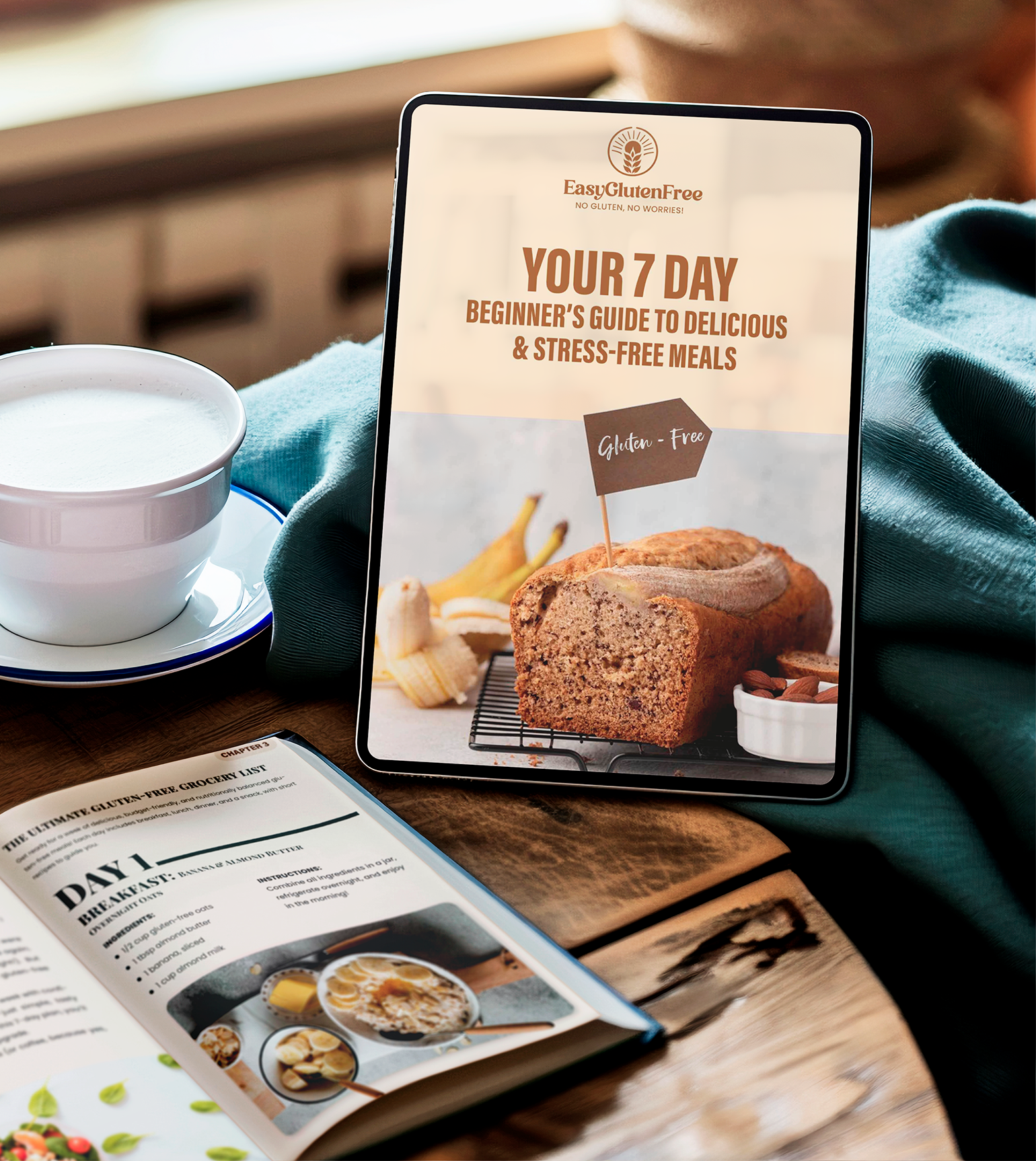
Download Your Free Gluten-Free Meal Prep & Storage Guide

Gluten-Free Meal Prep & Storage: How to Stay Organized, Safe, and Sane
Staying gluten-free gets a lot easier once your fridge, freezer, and pantry are set up to support you. In this guide, you’ll learn how to meal prep safely, store food so it actually gets eaten (not lost in the back corner), and build simple systems that protect you from cross-contact and midweek burnout.
Download Our Free Gluten-Free Starter Guide
- 7-day meal plan
- shopping list
- Tips & 3 beginner-friendly recipes
Introduction
If you’ve ever opened your fridge on a Wednesday night and thought, “I have food, but I don’t have dinner,” this article is for you. Eating gluten-free isn’t just about swapping bread or decoding labels; it’s about building simple systems so your future self always has something safe, quick, and genuinely good to eat.
Smart meal prep and storage are the quiet heroes of a low-stress gluten-free lifestyle. When you know exactly what’s in your containers, how long it’s been there, and that everything is protected from gluten, you cut down on decision fatigue, food waste, and those “I’ll just snack instead of cook” nights that never feel great.
Below, we’ll walk through gluten-free–friendly meal prep strategies, safe storage tips, and practical organization ideas you can start using this week. Think of this as a cozy reset for your kitchen: more clarity, more confidence, and way fewer mystery leftovers.
Table of Contents
▾
- 1. Planning a Gluten-Free Meal Prep Routine That Actually Works
- 2. Safe Gluten-Free Food Storage: Containers, Labeling, and Cross-Contact
- 3. Gluten-Free Meal Prep Ideas for Busy Weeks
- 4. Organizing Your Fridge, Freezer, and Pantry for Gluten-Free Living
- 5. Long-Term Habits to Keep Your Gluten-Free Kitchen Running Smoothly
1. Planning a Gluten-Free Meal Prep Routine That Actually Works
Meal prep doesn’t need to mean identical lunches in matching containers (unless you love that). At its core, it’s simply making future meals easier. For gluten-free eaters, that also means making future meals safer.
Start by choosing a realistic prep “style” for your lifestyle:
- Batch cooking: Make big batches of gluten-free staples like rice, roasted veggies, soups, and chilis that can be mixed and matched throughout the week.
- Component prep: Prep building blocks—cooked grains, proteins, sauces, and chopped vegetables—so assembling a meal takes 10 minutes or less.
- Grab-and-go prep: Focus on portable options: snack boxes, ready-to-pack lunches, and freezer-friendly breakfasts for busy mornings.
Once you pick your style, layer in a loose plan. You don’t need a color-coded spreadsheet; a simple weekly outline works:
- Choose 2–3 gluten-free dinners that make good leftovers.
- Add 1–2 easy breakfasts you actually like eating on repeat.
- Plan 2 snack options you can portion ahead to avoid “what can I safely grab?” moments.
Before you shop, quickly check your pantry and freezer. Gluten-free items can be more expensive, so build around what you already have: the half-used bag of GF pasta, the forgotten quinoa, or the chicken in your freezer. This keeps costs down and helps you use up what you’ve already invested in.
Finally, schedule prep time the way you would a meeting or an appointment. Whether it’s Sunday afternoon or two 30-minute chunks midweek, consistency matters more than perfection. Your future gluten-free self will be very grateful.
2. Safe Gluten-Free Food Storage: Containers, Labeling, and Cross-Contact
Storage is where a lot of hidden gluten risk shows up. A beautifully prepped gluten-free meal won’t help you if it’s stored in a container that’s been used with regular pasta and never fully cleaned, or if it sits uncovered next to a crumb-filled shelf.
First, decide which containers are dedicated gluten-free only. This matters most if you share a kitchen with gluten eaters. Many people choose specific colors, shapes, or lids for gluten-free foods so they’re easy to spot at a glance.
A few storage safety basics:
- Use airtight containers for anything sliced, cooked, or ready-to-eat, especially if gluten foods share the same fridge or pantry.
- Label clearly with the name and date. A piece of masking tape and a marker are enough—no fancy label maker required.
- Store gluten-free foods on higher shelves than gluten-containing foods where possible, so crumbs don’t fall onto your safe items.
- Have a “GF only” shelf or bin for key items: breads, snacks, leftovers, and treats you don’t want cross-contaminated.
When you get home from the store, think of your first 10 minutes as a “safety setup” step: re-pack any bulk items or bakery products into your own clearly marked gluten-free containers, portion snacks if that helps, and store them in the same dedicated area each time. Those tiny habits save a lot of second-guessing later.
If you’re often on-the-go—commuting, traveling, bouncing between kids’ activities—having reliable, reusable storage that’s clearly yours can be the difference between “I’ll just risk it” and “I’ve got a safe snack right here.”
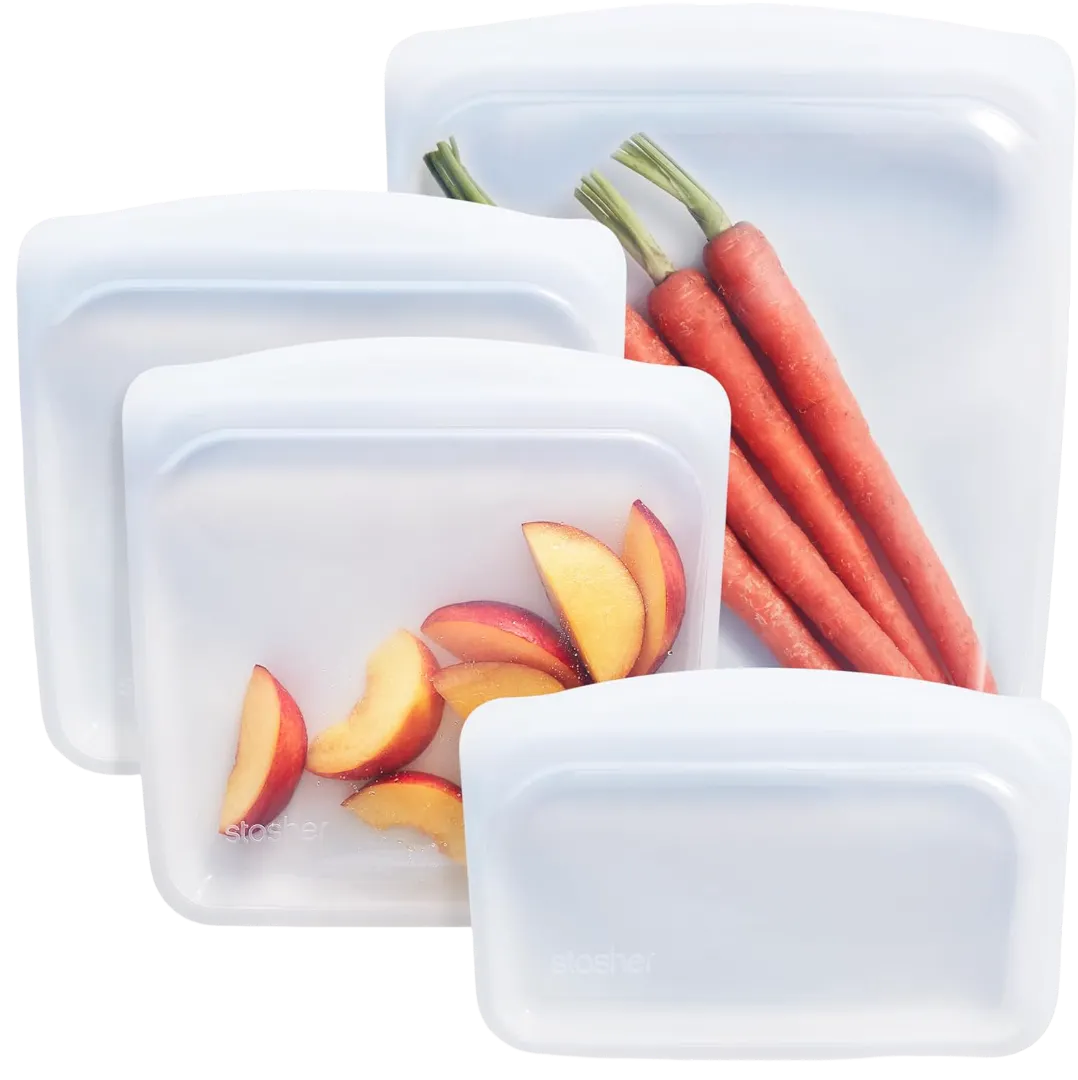
Premium Silicone Reusable Food Storage Bags
These are the “I have my life together” bags. Perfect for packing gluten-free snacks, leftovers from brunch, veggie sticks for road trips, or even freezer prep for busy weeks. They’re reusable, dishwasher-safe, plastic-free, and look aesthetically pleasing in your fridge and your IG stories. Great anchor product for any article about sustainability, meal prep, hosting, or on-the-go GF living.
3. Gluten-Free Meal Prep Ideas for Busy Weeks
Once your storage system is in place, the fun part starts: choosing what to cook. The best gluten-free meal prep recipes are flexible, forgiving, and taste good even after a day or two in the fridge.
Here are some building blocks you can mix and match:
Breakfast ideas
- Overnight oats made with certified gluten-free oats plus chia seeds, fruit, and nut butter. Store in individual jars for grab-and-go mornings.
- Egg muffins or crustless quiches baked in a pan and sliced. Add veggies, cheese, and safe meats; portion into containers.
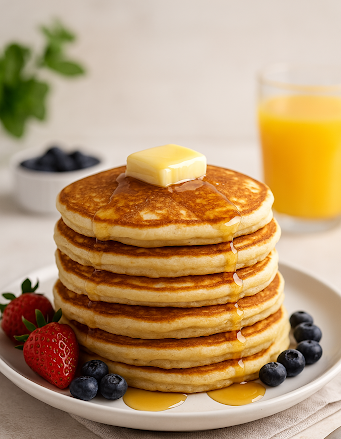
- Freezer-friendly pancakes or waffles made with a trusted gluten-free mix or recipe. Freeze in stacks with parchment between and reheat in a toaster or oven.
Lunch and dinner ideas
- Roasted sheet-pan meals: Toss chicken, tofu, or chickpeas with veggies and seasonings; roast on a lined sheet pan. Store in portions and pair with rice or quinoa.
- Big-batch soups and stews: Think chili, lentil soup, or veggie-packed chicken soup. They freeze well and reheat beautifully.
- Grain bowls: Prep a pot of gluten-free grains (like quinoa, brown rice, or millet), chop veggies, cook a protein, and mix-and-match with sauces during the week.
Snack ideas
- Veggies with dips: Carrots, cucumbers, peppers, and grape tomatoes stored in small containers or reusable bags with hummus or yogurt dip.
- DIY snack boxes: Nuts, seeds, safe crackers, cheese, and fruit in bento-style containers for work or school.
- Sweet treats: A batch of gluten-free muffins or energy bites portioned into single servings to avoid over-baking and under-eating.
When you portion meals, think about how you actually eat. If you know you’re not a “same lunch every day” person, focus on components instead of identical full meals. If you love routine, go ahead and repeat a favorite dish; you’re far more likely to stay gluten-free when the food is something you genuinely like.
Recipe Inspiration
Try these gluten-free staples loved by thousands:


4. Organizing Your Fridge, Freezer, and Pantry for Gluten-Free Living
Good organization isn’t about being Pinterest-perfect; it’s about being able to find safe food quickly, even when you’re tired and hungry. A few layout tweaks can make your gluten-free life much easier.
Fridge
- Dedicate a gluten-free zone: One shelf or a clear bin labeled “Gluten-Free Only” keeps your meals and snacks protected from stray crumbs.
- Store ready-to-eat foods higher up: If gluten foods are in the same fridge, keep things like prepared salads, cut fruit, and leftovers on higher shelves.
- Use see-through containers: When you can see what’s inside, you’re more likely to eat it before it’s forgotten.
Freezer
- Create a “safety stash”: Keep a small section for gluten-free emergency meals—soups, single-serve casseroles, or frozen pancakes.
- Label clearly with dates: It’s easy to forget what’s what once it’s frozen. Name + date saves you from “mystery meals.”
- Batch smartly: Freeze in portion sizes you’ll actually use—single, double, or family portions depending on your household.
Pantry
- Separate gluten-free from gluten-containing foods: If you live with gluten eaters, use separate bins or shelves. Keep gluten-free flours especially protected.
- Use airtight canisters for staples: Store gluten-free pasta, oats (certified GF), rice, and baking mixes in sealed containers to prevent spills and confusion.
- Keep “high-risk” crumbs away: Bread, crackers, and cereal that contain gluten should live in a different zone, ideally below your gluten-free items.
Remember: the goal isn’t perfection—it’s predictability. When every family member knows where gluten-free foods go and which containers are safe, you spend less time explaining and more time simply eating.
5. Long-Term Habits to Keep Your Gluten-Free Kitchen Running Smoothly
Systems only work if they’re easy to maintain. The best gluten-free kitchens are built on small, repeatable habits rather than giant, one-time overhauls.
Here are a few anchor habits to consider:
- Weekly 5-minute fridge check: Toss what’s expired, move “eat soon” items to the front, and jot down anything you want to use in the coming days.
- Automatic labeling: Make it second nature to label anything you freeze or prep. Date, name, and “GF” if you share a kitchen.
- Restock your safety stash: Whenever you use a freezer meal or a portioned snack, add it to your next shopping or prep list.
- Set gentle boundaries: If you live with gluten eaters, be clear about which shelves, containers, and tools are gluten-free only.
- Review once a season: Each new season, quickly scan your pantry and freezer: donate unopened gluten foods you no longer want, replace any worn storage containers, and refresh the staples you rely on most.
Over time, these habits become background noise—things you do without thinking. That’s the real goal: a kitchen where “Is this safe?” is no longer a constant question, and your energy can go back into enjoying food, not worrying about it.
If you’re just getting started, pick one small change from this article and try it this week. Maybe it’s setting up a gluten-free fridge bin, maybe it’s prepping one extra meal, or maybe it’s simply labeling your leftovers. Tiny steps add up quickly when you’re walking them every day.
Key Takeaways
- Meal prep is one of the simplest ways to make gluten-free eating easier, cheaper, and less stressful.
- Safe storage and clear labeling help protect you from cross-contact, especially in mixed gluten and gluten-free households.
- A few reliable containers and dedicated gluten-free zones in your fridge, freezer, and pantry go a long way.
- Focus on flexible, mix-and-match gluten-free meal prep ideas so you don’t get bored or overwhelmed.
- Small, consistent organization habits keep your gluten-free kitchen running smoothly over the long term.
Take the Next Step in Your Gluten-Free Journey
- Download the Free EGF Starter Guide
- Try our Gluten-Free Planner to simplify your week
- Explore our growing recipe library
You don’t have to navigate the gluten-free lifestyle alone, we are here to make it easier every day.
Category: Meal Planning & Organization