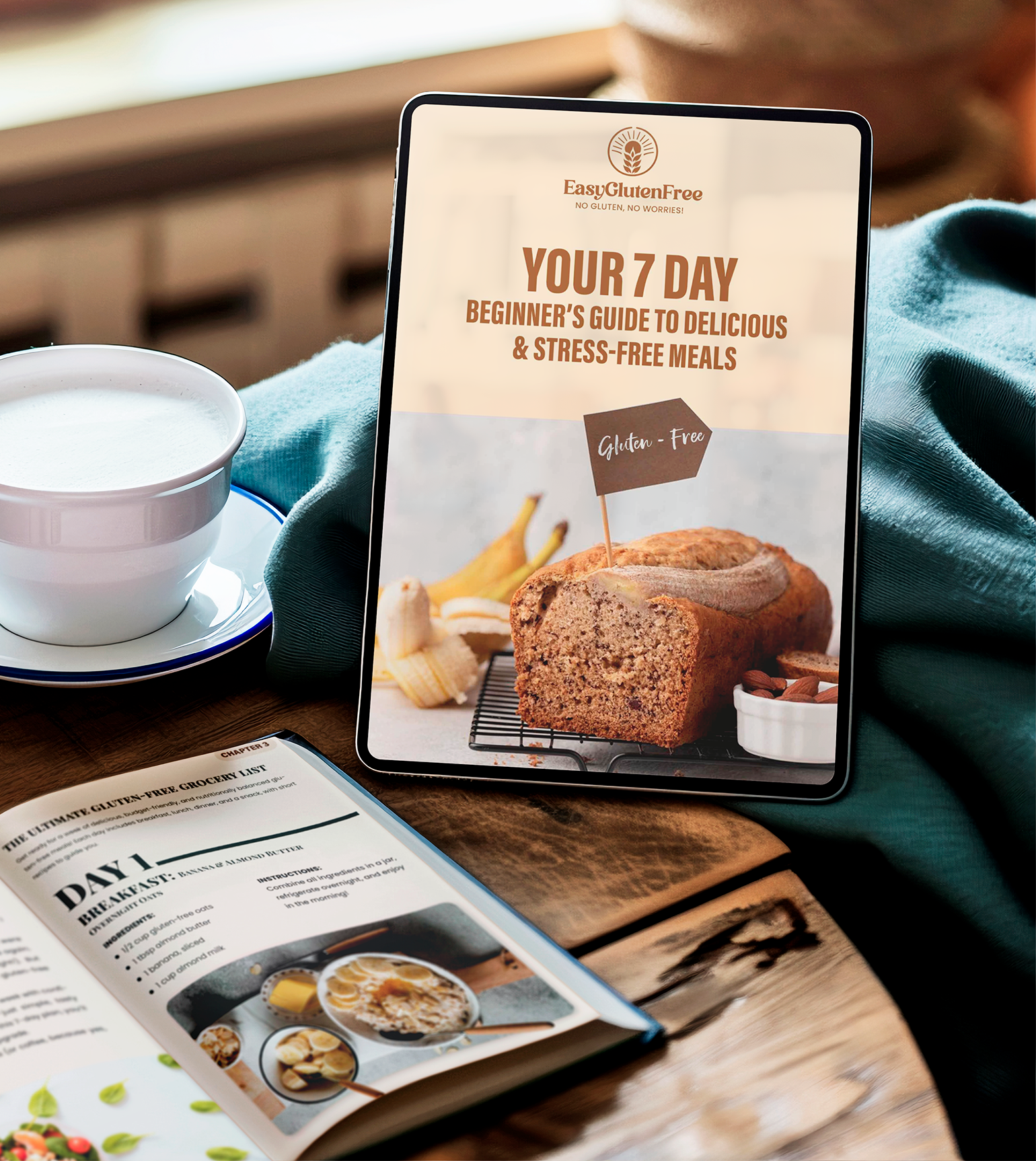
Download the Free Gluten-Free Travel Toolkit (So You Can Eat Without Panic)

Gluten-Free Travel: How to Eat Safely Away from Home Without Stress
Traveling while gluten-free can absolutely be fun, delicious, and low-stress—you just need a plan and a few smart tools. In this guide, we’ll walk through how to eat safely away from home, what to pack, how to talk to restaurants, and when a gluten sensor test can give you extra peace of mind.
Download Our Free Gluten-Free Starter Guide
- 7-day meal plan
- shopping list
- Tips & 3 beginner-friendly recipes
Introduction
Eating gluten-free at home is one thing. Eating gluten-free on the road—new cities, foreign menus, mystery sauces—is a whole different sport. Yet with the right preparation and a realistic mindset, you can absolutely explore the world (or just your neighboring town) without feeling like every meal is a risk.
This article is your step-by-step roadmap to gluten-free travel: how to prep before you leave, what questions to ask at restaurants, which snacks are worth suitcase space, and how tools like portable gluten sensor tests can fit into your strategy. You’ll learn how to combine common sense, cross-contact awareness, and technology so that you can make informed choices instead of anxious guesses.
Nothing here is meant as medical advice, and no tool can guarantee a completely risk-free meal. But when you build layers of protection—good research, smart packing, clear communication, and selective testing—you give yourself the best shot at staying comfortable and confident while you’re away from home.
1. Planning a Gluten-Free Trip Before You Leave
Safe gluten-free travel starts long before you zip up your suitcase. A bit of planning on the front end can save you from hunger, last-minute stress, and awkward “I guess I’ll just have a side salad” dinners.
Research your destination (beyond just “gluten free near me”)
Start by searching for gluten-free friendly restaurants, bakeries, and grocery stores near where you’ll be staying. Instead of relying on one review site, cross-check information:
- Use map apps to search for “gluten free,” “celiac-friendly,” or “allergy-aware.”
- Look for restaurants that mark gluten-free items clearly and mention cross-contact on their website.
- Check local gluten-free Facebook groups or forums—locals often know which spots truly understand gluten-free.
Create a simple list (or map) of a few breakfast, lunch, and dinner options near your hotel or main activities. That way, when you’re tired and hungry, you’re choosing from vetted spots—not random walk-ins.
Learn key phrases if you’re traveling abroad
If you’re traveling to a country where another language is spoken, having a few prepared phrases can be a game changer. Look up or print gluten-free dining cards that explain, in the local language, that you must avoid wheat, barley, rye, and cross-contact in the kitchen.
Keep these saved on your phone and also printed out. When in doubt, show the card and be ready to ask follow-up questions with translation apps if needed.
Decide your personal “risk tolerance” before you go
Everyone’s gluten-free journey is different. Before you travel, think about your own boundaries so you’re not making emotional decisions when you’re exhausted and hungry:
- Are shared fryers a no-go for you?
- Are “may contain” labels something you avoid, or are you comfortable with them?
- Are you only eating at places with dedicated gluten-free kitchens, or are you okay with mixed kitchens that follow protocols?
Write these down or note them in your phone. It sounds simple, but seeing your own standards in writing can help you stick to them—even when everyone else just wants to grab the nearest pizza.
Let travel partners know what you need
Communication matters. If you’re traveling with friends, family, or coworkers, let them know ahead of time how your gluten-free needs might affect restaurant choices or timing. Explain that you may need:
- A bit more time to talk with servers or look over a menu.
- To skip certain restaurants if they can’t prepare food safely for you.
- To pack snacks and sometimes eat before or after group meals.
Most people are understanding when they know what to expect. Setting this up before you leave avoids awkwardness in the moment.
2. Eating Out Safely: Menus, Questions, and Gluten Sensor Tests
Restaurant meals are often the most stressful part of gluten-free travel—new kitchens, unknown ingredients, and staff who may or may not be trained on gluten and cross-contact. The good news: you can build a process that makes ordering feel more predictable and less like a gamble.
How to scan a menu like a pro
When you sit down, resist the urge to order quickly just to “not be a bother.” Instead, take a minute to scan the menu strategically:
- Start with naturally gluten-free leaning sections (salads without croutons, plain grilled meats, simple rice-based dishes).
- Watch for red flags like breaded, fried, “crispy,” or “crunchy” where ingredients aren’t clearly described.
- Notice any notes about shared fryers, gluten-free prep areas, or allergy procedures.
From there, identify 1–2 dishes that look most likely to be made safely and build your questions around those.
Questions to ask your server (without feeling awkward)
Servers hear questions about gluten all the time. You’re not being difficult—you’re making sure your body stays safe so you can actually enjoy the trip. Try something like:
- “I need to eat strictly gluten-free. Can the kitchen prepare this dish safely for me without gluten or cross-contact?”
- “Are there any ingredients in this dish that contain wheat, barley, rye, or malt?”
- “Is this cooked in a shared fryer or shared oil with breaded items?”
- “Do you have a separate prep area or procedures for gluten-free orders?”
Pay attention not just to the words, but also to confidence. If the server seems unsure, it’s okay to ask them to check with the kitchen—or to pivot to a different restaurant if you don’t feel comfortable.
Where gluten sensor tests can fit into your strategy
Some travelers choose to add a layer of reassurance by using gluten sensor tests on certain foods. These devices and their single-use capsules are designed to help detect gluten in a small sample of what you’re about to eat.
They can be especially useful when:
- You’re eating at a place that seems careful but not fully gluten-free.
- You’re trying a food that’s hard to assess visually (like sauces, stews, or marinades).
- You’re traveling somewhere with language barriers and want extra data before you dig in.
No test replaces solid communication with the restaurant or basic cross-contact precautions, but for some people they’re a valuable “last check” before taking a bite—especially when you’re far from home.
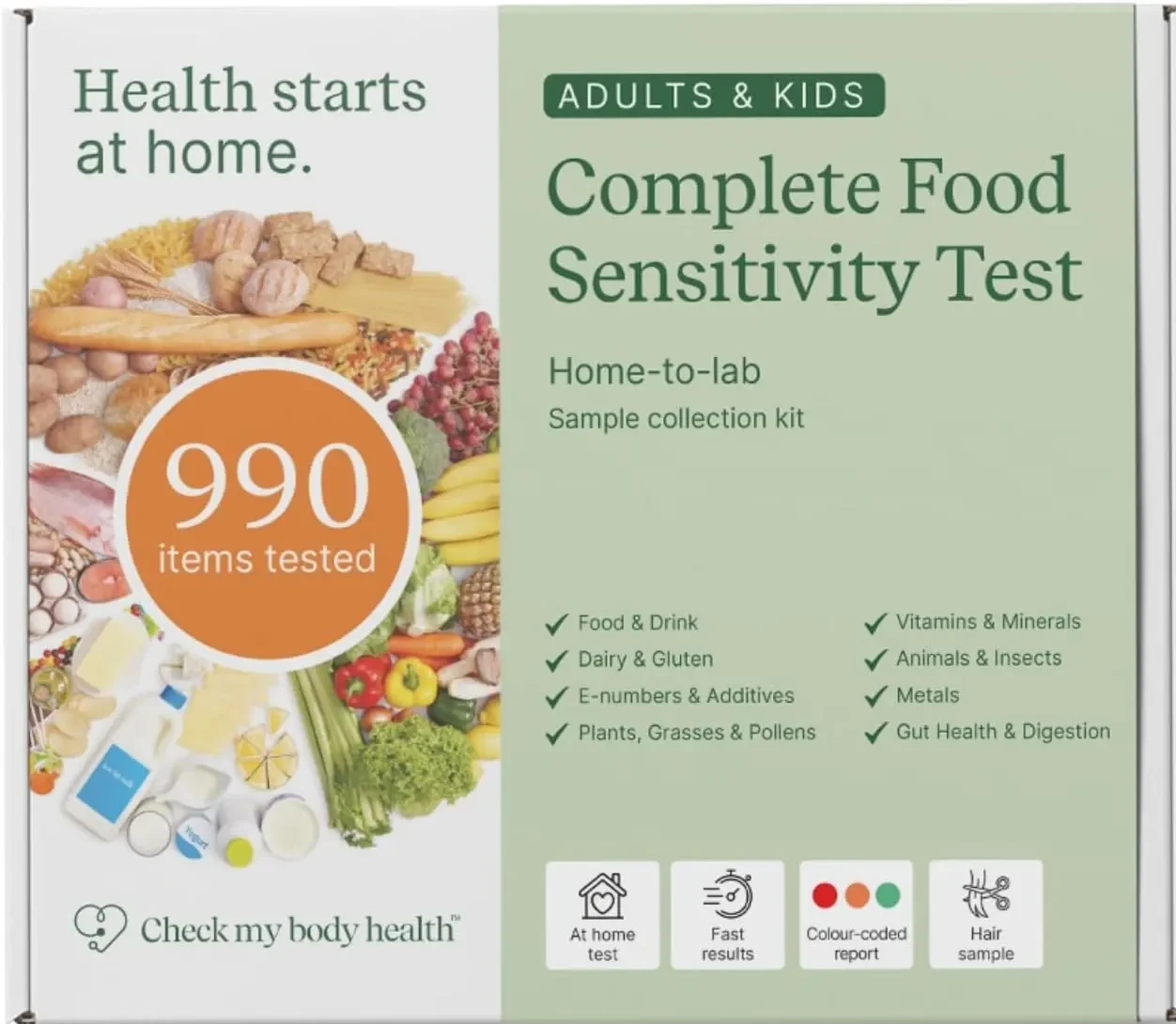
Nima gluten sensor test
These single-use capsules pair with the Nima Sensor to help users test foods for gluten on the spot. Perfect for travelers, researchers of their own digestive reactions, or anyone who just doesn’t trust that café’s “gluten-free… we think?” answer. A reliable, quick-gluten-detection option that empowers people who want data—not guesswork.
3. Smart Gluten-Free Packing List for Travel Days
Your carry-on or day bag is your safety net. When you’ve got reliable gluten-free options in reach, you’re less likely to take chances with questionable food just because you’re starving.
Gluten-free snacks that travel well
Focus on sturdy, non-perishable options that hold up in a car, plane, or backpack:
- Gluten-free granola or protein bars (individually wrapped).
- Single-serve nut butter packets and gluten-free crackers or rice cakes.
- Roasted nuts, seeds, or trail mix (check for “may contain wheat” if that matters to you).
- Instant gluten-free oatmeal packets for hotel-room breakfasts (use hot water from the kettle or coffee machine if safe for you).
- Small packs of dried fruit or shelf-stable cheese sticks.
Having several small items is often more useful than one big thing—you can snack gradually and keep your blood sugar stable during delays or long tours.
Emergency “meal replacement” ideas
Sometimes you really can’t find a safe option: flight delays, rural areas, limited restaurant choices. In those moments, a simple backup can feel like a lifesaver:
- Gluten-free instant soup cups you can make with hot water.
- Vacuum-packed tuna or salmon with gluten-free crackers.
- Shelf-stable smoothies or protein shakes (if they fit your diet).
These might not be your dream vacation meals, but they’ll keep you full and functional until you can track down something better.
Small tools that make a big difference
Alongside snacks, a few travel-sized items can make staying gluten-free a lot simpler:
- Resealable bags for leftovers or separating gluten-free snacks.
- Travel utensils so you’re not relying on shared or questionable options.
- Disinfectant wipes so you can clean airplane trays or shared tables before setting food down.
- Printed gluten-free dining cards in the local language, if traveling internationally.
Pack these into a small pouch and keep it in your personal item or day bag so they’re always within reach.
Recipe Inspiration
Try these gluten-free staples loved by thousands:



4. Hotel, Airbnb, and Kitchen Hacks to Avoid Cross-Contact
Where you stay can make sticking to a gluten-free lifestyle much easier—or much harder. With a few simple systems, you can turn even a tiny hotel room into a safer space for meals and snacks.
Choosing your accommodation
If possible, aim for a place with at least a mini fridge and, ideally, a small kitchen. Even basic cooking facilities can give you:
- A reliable gluten-free breakfast each day so you’re not starting hungry.
- The option to store leftovers from safe restaurants.
- Control over at least one meal when restaurant options are limited.
When booking, check photos and details to confirm whether there’s a fridge, microwave, or kitchenette. If it’s unclear, a quick message to the property can help you avoid surprises.
Simple cross-contact precautions in shared kitchens
In an Airbnb or rental with a shared kitchen, assume that most surfaces and tools have seen gluten. That doesn’t mean you can’t use them, but a few habits go a long way:
- Wipe down counters before food prep.
- Use your own dedicated cutting board if you’re particularly sensitive.
- Avoid using wooden utensils or cutting boards if you’re unsure of their history.
- Skip the communal toaster—crumbs are almost impossible to avoid there.
You can also designate a small area of the counter or a shelf in the fridge as your “gluten-free zone” so your food doesn’t get mixed up with others’ leftovers.
Easy hotel-room meal ideas
No kitchen? You can still pull together simple, satisfying gluten-free options with just a fridge and maybe a kettle:
- Yogurt parfaits made with gluten-free granola and fresh fruit from a local market.
- Salads built from pre-washed greens, canned beans, veggies, and a simple dressing.
- Rice cakes topped with nut butter, banana, or cheese and deli meat (check labels).
- Instant gluten-free oatmeal bowls made with hot water.
This doesn’t have to replace all your meals, but even covering breakfast and the occasional dinner can give you more flexibility and reduce pressure to “just eat something” while you’re out.
5. Sample Gluten-Free Travel Day: Morning to Night
To pull all of this together, here’s what a realistic gluten-free travel day might look like, from airport to evening, using the tools and strategies we’ve talked about.
Morning: airport or road trip start
You eat a quick gluten-free breakfast you’ve planned—maybe instant oatmeal with nuts in your hotel room or a safe option from home before you leave. Your carry-on is stocked with gluten-free bars, nuts, and a couple of “emergency meal” options.
At the airport, you scope out food stands but don’t rely on them. If you find a pre-packaged gluten-free salad or snack with clear labeling, great. If not, you’re covered by what you brought.
Midday: first meal in a new city
On arrival, you check your pre-researched list of gluten-free friendly restaurants near your hotel. You pick one, review the menu online, and walk in already knowing 1–2 dishes you want to ask about.
You explain clearly that you must eat gluten-free and ask about cross-contact. Once you’ve chosen a dish you feel good about, you might decide to use a gluten sensor test on a small sample if that fits your personal comfort level. Between your research, questions, and tools, you’re making an informed, layered decision—not a blind guess.
Afternoon: activities and snacks
While exploring, you keep a couple of gluten-free snacks in your day bag. When everyone decides to extend sightseeing instead of stopping for a full meal, you’re able to snack and keep going without feeling like you’re “starving and stuck.”
If a café looks promising, you pop in to ask about safe drinks or pre-packaged options with clear ingredient lists. You skip anything that sounds uncertain or overly complicated.
Evening: dinner and back at your room
For dinner, you choose either a fully gluten-free restaurant you found during planning or another well-reviewed, allergy-aware spot. You repeat your process: scan the menu, ask targeted questions, and, if you use one, decide whether a gluten sensor test makes sense for that meal.
Back at your hotel or rental, you store any safe leftovers in the fridge and maybe assemble a simple breakfast for the next morning. Your snacks pouch gets refilled, and you do a quick mental check: anything you want to adjust about tomorrow’s food plan based on how today went?
This kind of rhythm—plan, communicate, pack, and, when needed, test—turns gluten-free travel from something scary into a set of repeatable habits you can refine each trip.
Key Takeaways
- Safe gluten-free travel is much easier when you research restaurants, grocery stores, and basic phrases before you leave.
- Clear communication with restaurant staff and specific questions about ingredients and cross-contact are essential.
- Keeping a well-stocked snack and emergency meal kit in your bag prevents “I’ll just risk it” decisions when you’re hungry.
- Staying in places with a fridge or small kitchen and using simple cross-contact precautions gives you more control over your food.
- Tools like gluten sensor tests can add an extra layer of information on the road, alongside planning and common-sense precautions.
Take the Next Step in Your Gluten-Free Journey
- Download the Free EGF Starter Guide
- Try our Gluten-Free Planner to simplify your week
- Explore our growing recipe library
You don’t have to navigate the gluten-free lifestyle alone, we are here to make it easier every day.
Category: Travel & Eating Out