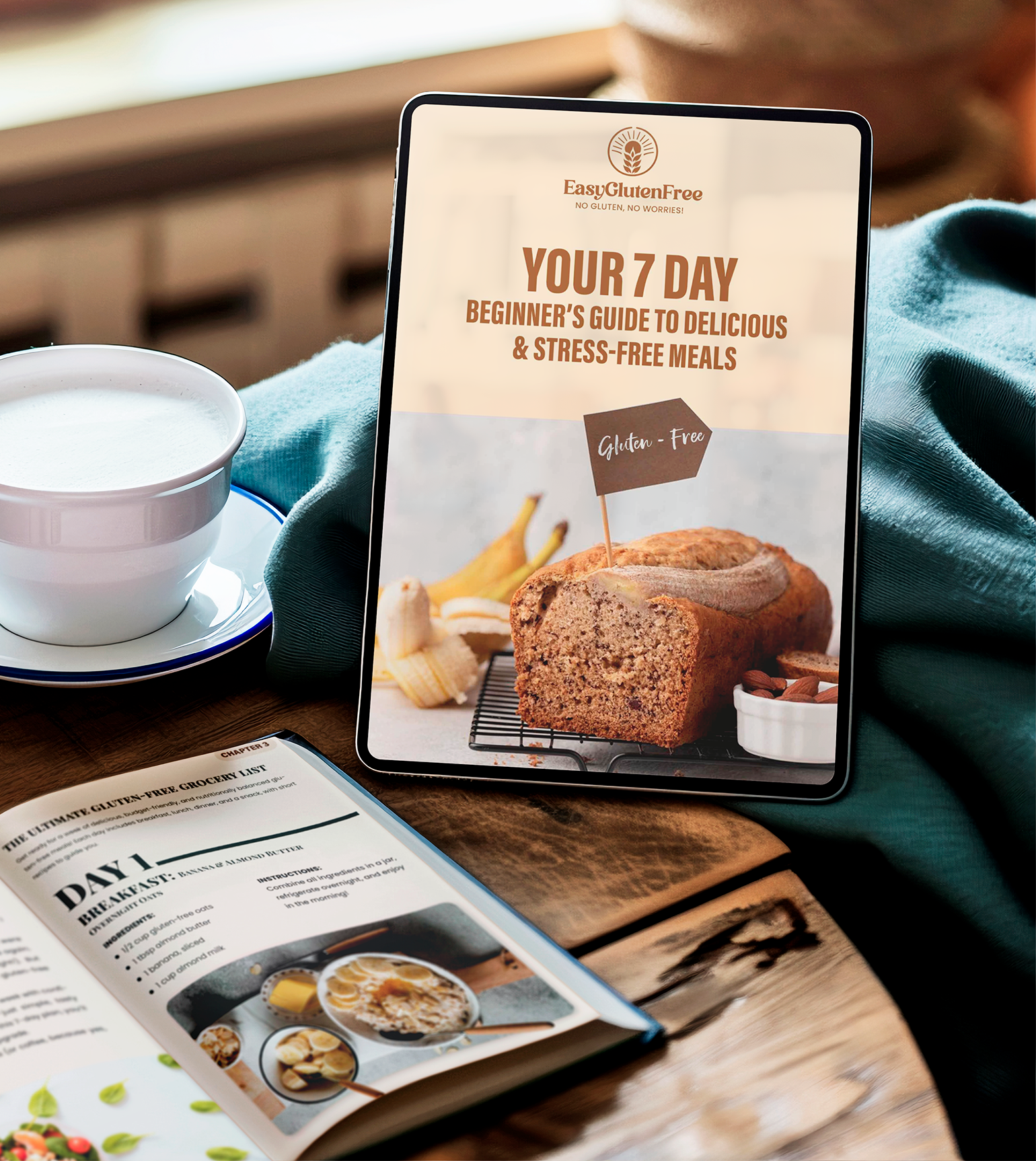
Remember those family baking days of your past when the whole kitchen was filled with a rich aroma of freshly baked bread? Warm memories, right? Unfortunately, for those of us dealing with gluten sensitivities or celiac diseases, the mention of bread might bring a sense of longing since most bread is a no-go for us — gluten-wise. But what if I told you that you can still enjoy your favorite bread, albeit gluten-free, without compromising its fluffy texture or rich taste? Intriguing, right?
Well, bread-baking enthusiasts, buckle up! Today, we’re diving head-first into the world of gluten-free yeast. Yes, you heard me right — yeast. I know you’re probably scratching your head thinking, “Wait a minute, Claire! But yeast isn’t glutenous, right?” You’re absolutely right, yeast in itself is gluten-free, but it’s how it’s used in traditional bread baking that often leaves us gluten-sensitive folks with limited options. But don’t worry! We are about to flip this whole situation in our favor.
Historically, yeast has been our ally in baking bread, providing the lift and airy texture we love. The problem arises when yeast is mixed with wheat flour (which contains gluten), and this is where we take a detour from traditional bread baking. Instead of wheat flour, we’ll utilize gluten-free flours to create moist, aromatic, and completely gluten-free bread that even your non-gluten-free friends will love!
Before we get carried away, let’s start from the beginning. As bread-baking neophytes might be asking, just what is yeast and what does it do? In layman’s terms, yeast is a tiny organism that’s part of the fungus family — don’t worry, it’s the good kind! During the process known as fermentation, yeast converts the sugars in dough into gas, creating bubbles, which in turn makes your bread rise. To gain a deeper understanding of the science behind yeast, make sure to read our blog post on the basics of baking with yeast.
Now, back to our main topic: how to bake gluten-free bread with yeast. First, you need to select your choice of gluten-free flour. There are several options available, from brown rice flour and sorghum flour to gluten-free oat flour and many others. If you haven’t dabbled in gluten-free flours before, you might want to look at the benefits and uniqueness of each type in our informative guide on gluten-free flours. Remember, each flour has its own flavor and consistency, so select one that suits your palette and bread texture preference.
Next, you’ll need to choose a type of yeast. Most kinds are gluten-free, but always double-check the labels for any hidden gluten components. Types of yeast available include dry active yeast, instant yeast, and fresh yeast. Instant yeast is popular for gluten-free baking because it’s potent and doesn’t require dissolving before blending with other ingredients.
Now you’re armed with your gluten-free flour and yeast — let’s get to baking!
First, mix your yeast with warm water or milk (around 110°F should do the trick). Add a little sugar to this mixture; sugar helps activate the yeast, meaning you will get a better rise in your bread. Set this aside while you work on your flours.
In a large bowl, blend your selected gluten-free flour with other necessary ingredients like salt, xanthan gum (this acts as a binding agent in place of gluten), and a little sugar for taste. It’s now time to combine our two mixtures. Pour your yeast mixture into your flour mixture and knead until uniform. Transfer your dough to a baking pan, cover it with a damp cloth, and leave it in a warm space to rise.
Baking times will vary depending on the size and shape of your bread, but in general, you’ll want to bake at 375°F until the bread has a golden-brown crust and a skewer inserted into the middle comes out clean.
And there you have it! Your very own homemade, completely gluten-free bread. Slice it up, lather on some butter or jam, and enjoy. However, as we all know, gluten-free baking can be an exercise in trial and error, so don’t feel disheartened if your first few attempts don’t come out perfect. Keep at it, and before you know it, you’ll be baking gluten-free bread like a professional. Let’s toast (with our freshly baked bread of course!) to that!
**Category: Baking & Cooking Science**