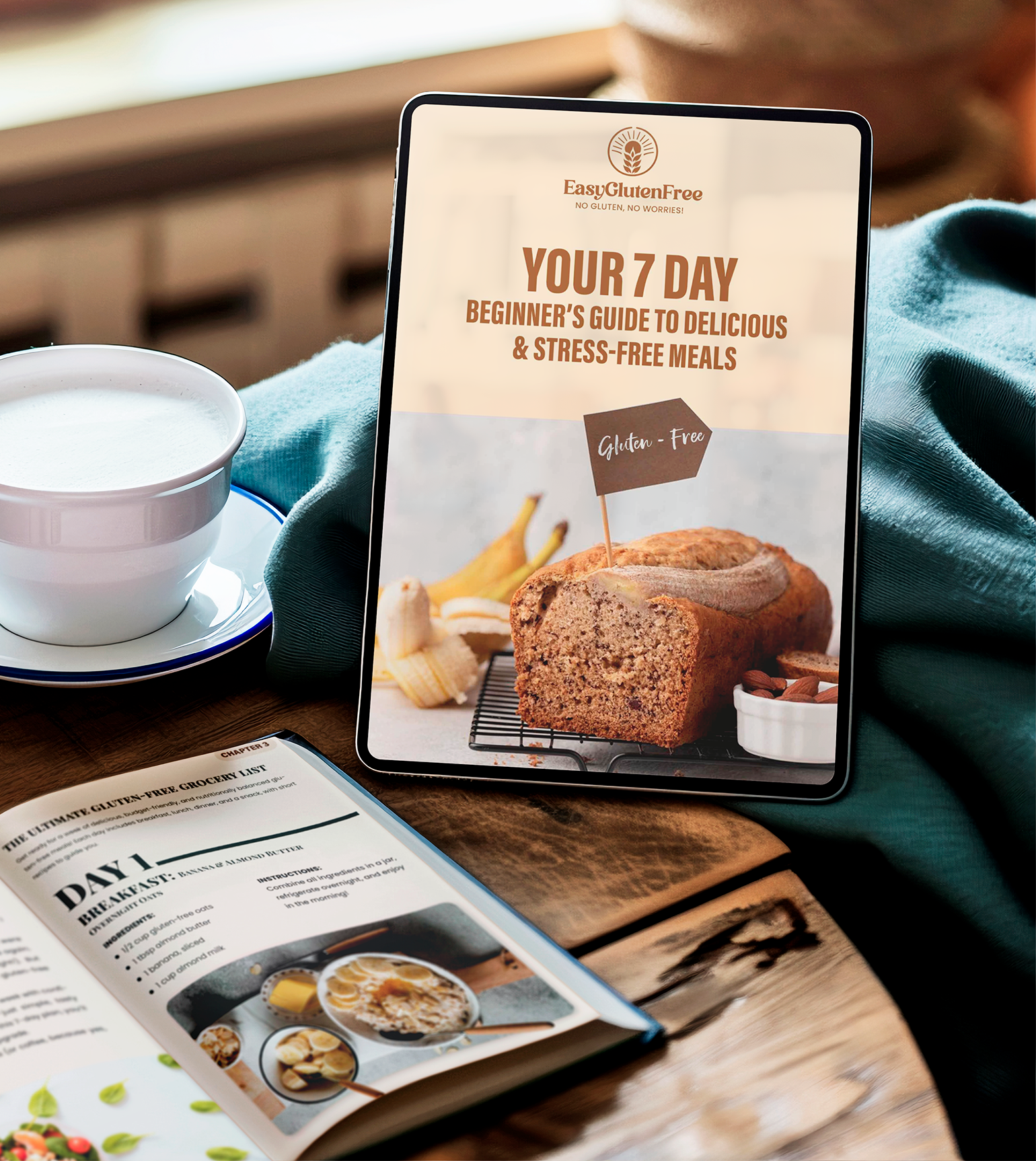
Download the Free Guide to Foolproof Gluten-Free Baking

Gluten-Free All-Purpose Flour: How to Use It for Perfect Everyday Baking
Gluten-free all-purpose flour can be your best friend in the kitchen—or the reason your muffins sink and your cookies crumble. In this guide, we’ll walk through how to choose a reliable gluten-free flour blend, how to substitute it in your favorite recipes, and the simple tweaks that turn “pretty good for gluten free” into “wow, this is amazing.”
Download Our Free Gluten-Free Starter Guide
- 7-day meal plan
- shopping list
- Tips & 3 beginner-friendly recipes
Introduction
Learning to bake gluten free can feel a bit like learning to bake all over again. The bag looks like regular flour, the recipe seems straightforward, and yet the cake turns out dense, gritty, or oddly gummy. The missing ingredient isn’t just gluten—it’s the know-how to choose the right gluten-free all-purpose flour and use it the way it was designed.
The good news: once you understand how modern gluten-free flour blends work, you can get incredibly close to classic textures—crispy cookies, tender muffins, soft sandwich bread—without needing a pantry full of single flours. A solid all-purpose blend becomes your everyday workhorse for family baking, quick weeknight treats, and those nostalgic recipes you’re not ready to give up.
This article walks you through everything you need to know about gluten-free all-purpose flour: what’s in it, how it behaves differently from wheat flour, how to substitute it in your favorite recipes, and common mistakes to avoid. Whether you’re brand new to gluten free or ready to level-up your results, this is your roadmap to confident, consistent baking.
Table of Contents
▾
1. Understanding Gluten-Free All-Purpose Flour
Before we talk substitutions and recipes, it helps to understand what’s actually in that bag of gluten-free all-purpose flour. Unlike wheat flour, which is one ingredient, gluten-free flour blends are formulas—a carefully balanced mix of flours, starches, and binders designed to mimic the structure that gluten normally provides.
What’s typically in a gluten-free all-purpose blend?
Most gluten-free all-purpose flours combine two or three key components:
- Base flours – These provide bulk and flavor. Common options include rice flour (white or brown), sorghum flour, millet flour, oat flour (certified gluten free), or occasionally nut flours. They act as the backbone of the blend.
- Starches – Starches help create lightness, tenderness, and a soft crumb. You’ll often see tapioca starch, potato starch, or cornstarch. They also help improve browning and crispness in some recipes.
- Binders – Because gluten is the “glue” in traditional baking, gluten-free blends rely on ingredients like xanthan gum, guar gum, or psyllium husk to provide elasticity and structure. Without binders, baked goods tend to crumble or fall apart.
The exact combination and ratio of these ingredients dramatically affects how a blend behaves. That’s why one gluten-free all-purpose flour can give you fluffy pancakes, while another makes them dense or dry—even if you follow the recipe perfectly.
Why “cup-for-cup” or “1-to-1” matters
Modern gluten-free all-purpose flours are often labeled as “cup-for-cup” or “1-to-1” replacements for all-purpose wheat flour. This means the blend was designed to be swapped in by volume (1 cup for 1 cup) without complex math or a dozen extra ingredients.
However, “1-to-1” doesn’t mean the results will be identical in every recipe. It means the flour blend is balanced enough that, with small adjustments (like resting the batter or tweaking liquid), you can get consistently good results in most home-baking recipes:
- Great candidates for 1-to-1 substitution: muffins, quick breads, pancakes, waffles, cookies, brownies, snack cakes, and some pie crusts.
- More challenging recipes: yeast breads, cinnamon rolls, enriched doughs, and very delicate pastries. These often need gluten-free–specific recipes, not just a straight swap.
The role of gums and why they matter
If your gluten-free all-purpose flour already contains xanthan or guar gum, you usually don’t need to add more gums to the recipe. Doubling up can lead to gummy, chewy, or oddly elastic textures. On the other hand, if your blend does not contain a binder and the recipe wasn’t written for gluten-free baking, you’ll often need to add a small amount:
- About 1/4 teaspoon gum per cup of flour for cookies
- About 1/2 teaspoon gum per cup of flour for cakes, muffins, and quick breads
Always check the ingredient list on your flour first. Knowing whether a binder is included is one of the simplest ways to prevent common gluten-free baking disasters.
2. Choosing a Reliable Gluten-Free All-Purpose Flour Blend
With so many gluten-free flours on the shelf, it’s easy to feel overwhelmed. The truth is, you don’t need a dozen bags. For most home bakers, having one dependable all-purpose blend that you know and trust will cover 80–90% of your everyday baking.
What to look for in a good gluten-free all-purpose flour
When you’re choosing a blend, keep these factors in mind:
- Balanced ingredients: Look for a mix of whole-grain flours and starches. Blends made with only starches can be pale, bland, and a bit rubbery, while blends with only whole grains can be heavy or gritty. A thoughtful combination delivers the best texture.
- Fine grind: Gritty textures often come from coarsely ground rice flour. A high-quality blend will feel silky and fine, not sandy, when you rub a pinch between your fingers.
- Neutral flavor: Some gluten-free flours can taste beany, bitter, or strongly earthy. A great all-purpose blend should be mild enough for vanilla cakes and sugar cookies without needing to cover up off flavors.
- Includes a binder (or clearly states it doesn’t): If you prefer convenience, choose a blend that already contains xanthan or guar gum, so you can skip that extra step in most recipes.
- Clear 1-to-1 messaging: Look for packaging that explicitly says it is designed to replace all-purpose wheat flour cup-for-cup. This usually signals rigorous testing in a wide variety of recipes.
How to test a new flour blend quickly
When you bring home a new gluten-free all-purpose flour, don’t start with your grandmother’s wedding cake recipe. Instead, test it on a simple, forgiving bake so you can see how it behaves:
- Pick an easy “everyday” recipe you know well—like pancakes, banana bread, or chocolate chip cookies.
- Swap the wheat flour for your gluten-free all-purpose blend, 1:1 by volume.
- Let the batter rest for 10–15 minutes before baking (this helps hydrate the flours and improves texture).
- Note the results: texture, flavor, browning, and how well it holds together.
If you’re happy with the results in a simple recipe, that blend is likely a solid choice for most of your gluten-free baking. From there, it becomes a lot easier to adapt more sentimental or special-occasion recipes with confidence.
Bob’s Red Mill Gluten Free 1 to 1 Baking Flour
This is the gold-standard gluten-free all-purpose flour. It behaves beautifully in pancakes, muffins, cookies, quick breads — and it’s the ideal flour to recommend in ANY practical baking guide. Reliable, consistent, and approved by thousands of gluten-free home bakers. Perfect for articles about technique, substitutions, and baking success.

3. How to Substitute Gluten-Free All-Purpose Flour in Recipes
Once you have a dependable gluten-free all-purpose flour in your pantry, the fun begins: you can start transforming your favorite recipes into gluten-free versions. A cup-for-cup blend removes a lot of the stress, but there are still a few best practices that make all the difference.
Basic 1-to-1 substitution rules
For most home-style baking recipes, you can use these simple guidelines:
- Use the same volume, not always the same weight. Most 1-to-1 blends are designed for cup measurements. If you prefer to bake by weight, check the bag for the brand’s suggested grams-per-cup, as this can differ from wheat flour.
- Skip extra gums if they’re already in the blend. If the flour contains xanthan or guar gum, do not add more unless the recipe specifically requires it.
- Mix a bit longer. Gluten-free batters and doughs benefit from extra mixing because there’s no gluten to “overwork.” This helps hydrate the flours and build a better structure.
- Rest the batter. A 10–20 minute rest (especially for pancakes, muffins, and quick breads) allows the blend to fully absorb liquids, resulting in a more tender, cohesive crumb.
Adjusting liquids and bake time
Gluten-free flours absorb liquid differently than wheat flour, so you may need subtle tweaks:
- If the batter seems very thick: Add 1 tablespoon of milk (or dairy-free milk) at a time until it matches the consistency you expect from the original wheat-based recipe.
- If the batter seems too thin: Let it rest first. If it’s still runny after resting, whisk in 1–2 tablespoons of additional gluten-free all-purpose flour.
- Baking time: Many gluten-free bakes take an extra 3–5 minutes in the oven. Always rely on visual cues (golden edges, set center, clean toothpick) rather than the clock alone.
Best recipes for easy gluten-free swaps
Some recipes adapt to gluten-free flour more gracefully than others. Start with:
- Cookies: Especially drop cookies like chocolate chip or oatmeal (using gluten-free oats). The higher fat and sugar content helps create great texture.
- Muffins and quick breads: Banana bread, pumpkin bread, and blueberry muffins are all very forgiving because of their moisture and structure from fruit or veggies.
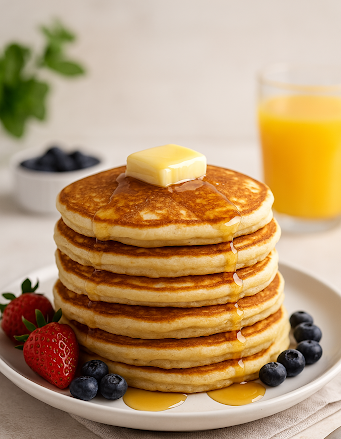
- Pancakes and waffles: These are excellent “test recipes” for a new flour blend and are easy to tweak with a bit more liquid if needed.
- Brownies and bars: Fudgy recipes usually turn out beautifully, sometimes even better than their wheat counterparts.
When you need a gluten-free specific recipe
Some types of baking rely so heavily on gluten for structure and stretch that a simple 1-to-1 swap isn’t enough. In these cases, look for recipes developed specifically to be gluten free:
- Yeast bread loaves
- Soft sandwich breads and rolls
- Pizza dough and focaccia
- Cinnamon rolls and sticky buns
- Delicate sponge cakes or angel food cakes
These recipes typically adjust hydration, use different mixing methods, and sometimes rely on additional binders or eggs to mimic the structure that gluten provides. Once you have a favorite all-purpose blend, you can look for recipes that were tested specifically with that flour for the most reliable results.
Recipe Inspiration
Try these gluten-free staples loved by thousands:


4. Troubleshooting Common Gluten-Free Baking Problems
Even with a great gluten-free all-purpose flour, baking mishaps still happen. The silver lining is that most issues are fixable once you know what caused them. Think of this section as your quick “diagnose and fix” guide.
If your baked goods are dry or crumbly
Dry, sandy, or crumbly textures are some of the most common complaints in gluten-free baking. Possible causes include:
- Too much flour: Scooping straight from the bag can pack more flour into the cup than you intended. Try the spoon-and-level method, or weigh your flour according to the package guidance.
- Not enough fat: Gluten-free flours often need just a bit more richness. Next time, try adding an extra tablespoon or two of butter or oil.
- Overbaking: Gluten-free baked goods can go from perfectly moist to dry very quickly. Start checking for doneness a few minutes earlier than you would with wheat flour.
- No binder (or not enough): If your blend doesn’t contain xanthan or guar gum, you may need a touch more to help everything hold together.
If your baked goods are gummy or dense
A gummy center or heavy, dense crumb usually means something has gone off with moisture or binders:
- Too much liquid: Gluten-free batters can look thicker than wheat batters, and it can be tempting to keep thinning them. Try using less liquid next time, or add 1–2 tablespoons more flour if the batter is very runny.
- Too much gum: Extra xanthan or guar gum can create a rubbery texture. If your flour blend already has gum, don’t add more unless a trusted gluten-free recipe calls for it.
- Not fully baked: Gummy centers are often underbaked. Use a toothpick to check the middle and look for edges that are fully set and lightly golden.
- Insufficient mixing: Gluten-free batters need thorough mixing to evenly hydrate the blend. Don’t be afraid to mix a little longer than you would with wheat flour.
If your cake or bread sinks in the middle
That frustrating sinkhole in the center can usually be traced back to structure and oven conditions:
- Oven temperature off: If your oven runs cool, the outside may set before the center is done, causing collapse. Use an inexpensive oven thermometer to double-check your temperature.
- Too much leavening: Extra baking powder or soda can cause baked goods to rise quickly and then fall. Measure carefully, especially when scaling recipes.
- Opening the oven door: Peeking too often releases heat and interrupts the rise, which is especially risky for gluten-free batters that already have a more delicate structure.
- Pan size mismatch: If you change pan sizes (for example, using a smaller pan), the center may take longer to bake through. Adjust baking time and test for doneness generously.
If the flavor tastes “off”
If your gluten-free bakes taste bitter, beany, or flat, try these adjustments:
- Choose a more neutral blend: Some blends rely on strong-tasting flours. If you consistently dislike the flavor, try another all-purpose option.
- Add a bit more flavor support: A touch of extra vanilla, a pinch more salt, or a bit of cinnamon or citrus zest can brighten the overall flavor.
- Check freshness: Gluten-free flours can go stale or rancid over time, especially if stored in warm conditions. If it smells off, it’s time to replace it.
Keep notes as you bake—what you changed, what worked, what didn’t. Within a few tries, you’ll start to see patterns, and that’s when gluten-free baking shifts from frustrating to genuinely fun.
5. Practical Tips for Stocking and Using Gluten-Free Flour
A little strategy goes a long way with gluten-free flours. With smart storage and a few simple habits, you can save money, reduce waste, and get consistently better results from every bag.
How to store gluten-free all-purpose flour
Because gluten-free blends often contain whole grains and starches, they’re more sensitive to heat and humidity than standard wheat flour. For best quality:
- Transfer to an airtight container: Once opened, store your flour in a sealed container to protect it from moisture and pantry odors.
- Keep it cool and dark: A cool pantry is fine for short-term storage, but for long-term freshness, especially in warm climates, the fridge or freezer is ideal.
- Label the date: Add a small piece of tape with the purchase or opening date. Most blends are best used within 6–12 months of opening for peak flavor and performance.
- Bring to room temperature before baking: If you store your flour in the fridge or freezer, let it sit at room temp for 20–30 minutes before using so it measures accurately.
Building a simple gluten-free baking routine
You don’t have to become a professional baker to consistently turn out great gluten-free treats. A light routine makes it feel easy and sustainable:
- Choose 3–4 “house recipes.” Pick a go-to muffin, a pancake recipe, a simple cookie, and one favorite cake. Make these your testing ground as you learn your flour blend.
- Batch bake when you can. Many gluten-free bakes freeze beautifully. Double your favorite recipes and freeze extras in airtight containers for busy weeks.
- Rest as a rule, not an exception. Get in the habit of resting batters and doughs for at least 10–15 minutes before baking. This one simple step improves structure, texture, and even browning.
- Keep a baking note on your phone or fridge. Jot down which flour you used, any tweaks, and how it turned out. In a few weeks, you’ll have your own mini gluten-free baking playbook.
When to use something other than all-purpose flour
While a good gluten-free all-purpose flour covers most of your needs, there are times when a specialty mix is worth it:
- Bread-specific mixes: For tall, sliceable loaves and rolls, a dedicated gluten-free bread mix or recipe often performs better than a straight 1-to-1 swap.
- Pizza and flatbreads: These can benefit from blends formulated for chewiness and crispness.
- Very delicate cakes: Sponge cakes and roulades may need recipes built around starchier blends or specific techniques.
Think of your gluten-free all-purpose flour as your everyday hero—perfect for weeknight baking, family favorites, and quick treats. When a special bake comes around, you can still reach for specialized recipes, but your foundation is already strong.
The more you bake with one reliable gluten-free flour, the more intuitive it becomes. You’ll start to know by sight and feel when a batter needs a touch more liquid, a few extra minutes to rest, or just a bit more time in the oven—and that’s when gluten-free baking stops being intimidating and starts feeling like second nature.
Key Takeaways
- Gluten-free all-purpose flour is a blend of flours, starches, and binders designed to mimic the structure of wheat flour in everyday baking.
- Choosing a high-quality, 1-to-1 gluten-free flour with a fine grind and neutral flavor is the fastest way to improve your results.
- For most home recipes, you can swap wheat flour 1:1 by volume, then fine-tune liquids, mixing time, and bake time for best texture.
- Common gluten-free baking issues—dryness, gumminess, sinking, or off flavors—are usually solved by small, targeted adjustments.
- Smart storage, a few “house recipes,” and consistent note-taking turn gluten-free baking from trial-and-error into a confident, reliable routine.
Take the Next Step in Your Gluten-Free Journey
- Download the Free EGF Starter Guide
- Try our Gluten-Free Planner to simplify your week
- Explore our growing recipe library
You don’t have to navigate the gluten-free lifestyle alone, we are here to make it easier every day.
Category: Gluten-Free Baking