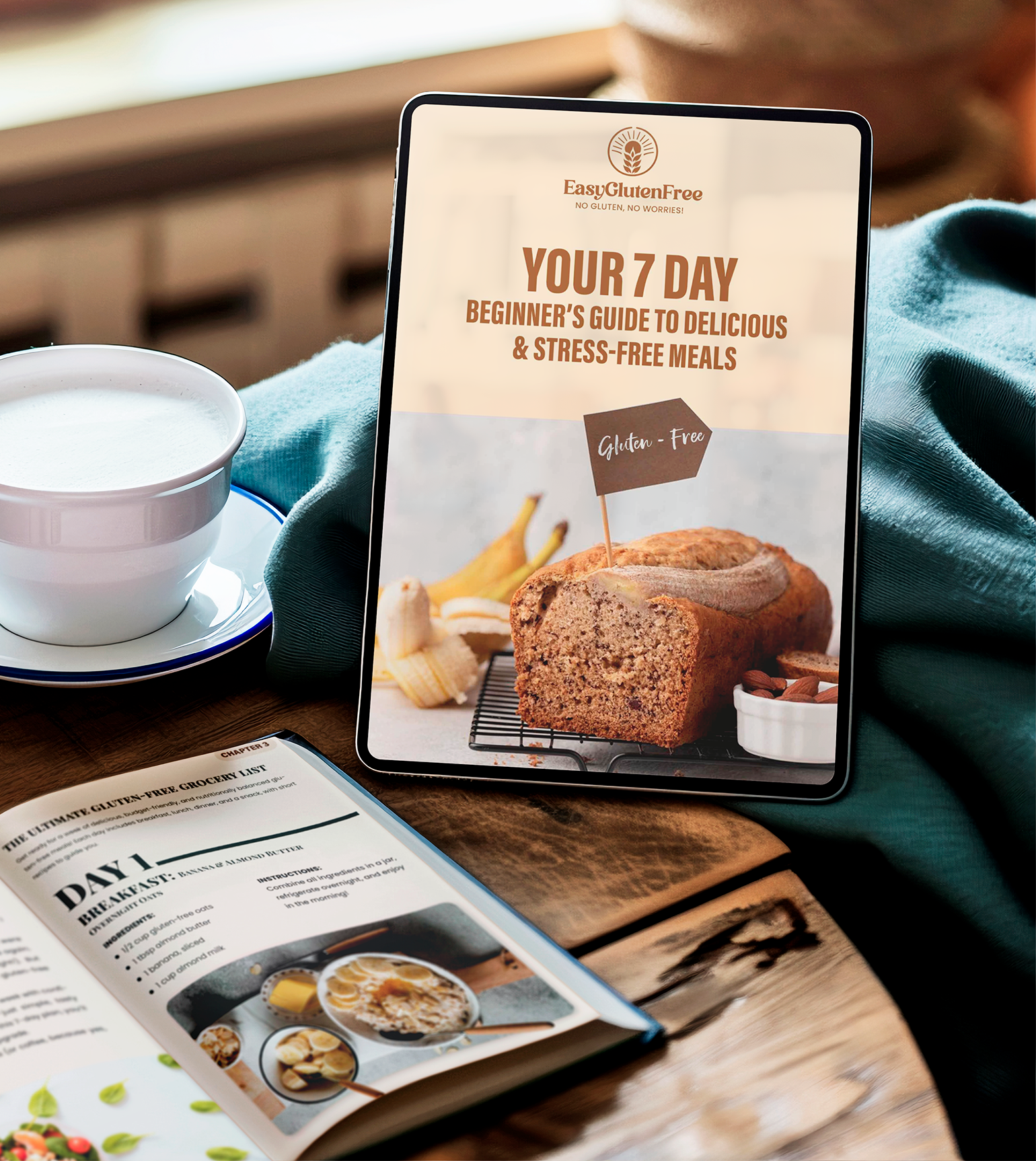
Transform Your Gluten-Free Routine in 7 Days with Our Free Printable Guide

Gluten-Free Dairy-Free Meal Planning: Simple Strategies for Stress-Free Weeks
Gluten-free and dairy-free at the same time can feel like playing nutrition Tetris every single day. In this guide, we’ll walk through how to build a gluten-free dairy-free meal plan that actually fits your life: realistic, repeatable, and budget-aware. Whether you’re cooking for one or feeding a family, you’ll get practical ideas, templates, and tips to make “What’s for dinner?” a lot less overwhelming.
Download Our Free Gluten-Free Starter Guide
- 7-day meal plan
- shopping list
- Tips & 3 beginner-friendly recipes
Introduction
If you’ve recently switched to a gluten-free dairy-free lifestyle, you’ve probably noticed that the hardest part is not saying no to bread or cheese – it’s figuring out what to eat every single day without spending your entire life in the kitchen. Meal times can quickly turn from something you enjoy into a constant puzzle of food labels, substitutions, and last‑minute improvisation.
The good news: with a bit of structure, gluten-free dairy-free meal planning becomes much easier and more enjoyable. You don’t need to be a chef, you don’t need complicated recipes, and you definitely don’t need five different milks and six flours on your counter every night. What you do need is a simple framework that helps you repeat what works, avoid decision fatigue, and keep your pantry ready for busy days.
In this article, we’ll break down how to build a flexible gluten-free dairy-free meal plan from scratch, how to shop without stress, and how to create “plug-and-play” meals that you can mix and match all week long. Think of it as your friendly roadmap: practical, realistic, and designed for real life (yes, including nights when you’re tired and the sink is already full of dishes).
1. Understanding Gluten-Free & Dairy-Free Basics
Before you can plan balanced gluten-free dairy-free meals, it helps to be crystal clear on what those words actually mean day to day. Beyond obvious foods like bread, pasta, milk, or cheese, gluten and dairy can hide in sauces, seasonings, snacks, and even “healthy” products that look perfectly safe at first glance.
Gluten-free basics mean avoiding wheat, barley, rye, and their derivatives. That includes foods like regular bread, couscous, many breakfast cereals, most pastries, and a surprising number of processed foods thickened with wheat or flavored with barley malt. Oats can be a gray area: some are naturally gluten-free but contaminated during processing, so many people choose oats labeled “certified gluten-free.”
Dairy-free basics usually mean skipping cow’s milk and products made from it, such as cheese, yogurt, cream, butter, and many creamy sauces and desserts. It’s also worth checking ingredient lists for milk powder, casein, whey, lactose, and other milk-derived ingredients. Plant-based alternatives (like oat, almond, soy, or coconut drinks) can fit in well if they suit your needs and preferences.
When you combine both gluten-free and dairy-free, life gets a bit more complex but absolutely manageable. For example, a standard lasagna uses gluten in the pasta sheets and dairy in the cheese and béchamel sauce. Gluten-free dairy-free lasagna, on the other hand, might rely on gluten-free noodles, a rich tomato sauce, and a creamy cashew or coconut-based topping instead of cheese.
Here are a few common “surprise” sources to keep on your radar while meal planning:
- Sauces & dressings: soy sauce (contains wheat unless labeled gluten-free), some salad dressings, gravy mixes, and marinades often include gluten or dairy.
- Processed meats: some sausages, deli meats, meatballs, and burger patties may contain breadcrumbs, wheat-based fillers, or milk powder.
- Snack foods: flavored chips, crackers, and granola bars can hide both gluten and dairy in the seasoning blends.
- Breads & baked goods: even if labeled “dairy-free,” they may still contain gluten, and vice‑versa. Always check both.
Instead of feeling overwhelmed by these details, use them as a guide to simplify. Focus on foods that are naturally gluten-free and dairy-free: vegetables, fruits, legumes, rice, quinoa, gluten-free oats, nuts, seeds, eggs, and unprocessed meat, poultry, or fish. These become the “building blocks” of your meal plan and make label-reading less exhausting because you’re starting from whole foods first.
As you build confidence, store-bought gluten-free dairy-free products can support your routine as convenient shortcuts—things like certified gluten-free pasta, dairy-free yogurts, or ready-made sauces that fit your needs.
2. Pantry Essentials for Easy Gluten-Free Dairy-Free Meals
A well-stocked pantry is the secret weapon of stress-free gluten-free dairy-free meal planning. When your shelves are filled with reliable staples, you can throw together quick bowls, soups, and tray bakes without needing a full written recipe every time. Think of your pantry as your safety net on days when time, energy, or creativity is low.
Start with gluten-free grains and starches. These form the base of many meals and help you feel satisfied:
- Rice (white, brown, basmati, jasmine)
- Quinoa, millet, and buckwheat groats
- Certified gluten-free oats for breakfast bowls and bakes
- Gluten-free pasta made from rice, corn, or legumes
- Gluten-free tortillas or wraps for quick tacos and roll‑ups
Next, add protein options that are either shelf-stable or freezable. These make it easy to turn a simple side dish into a complete meal:
- Canned beans (chickpeas, black beans, lentils, kidney beans)
- Canned tuna or salmon in water or olive oil
- Frozen edamame, peas, or mixed vegetables
- Eggs in the fridge for quick scrambles, frittatas, and baked dishes
- Frozen chicken breasts, thighs, or fish fillets
Dairy-free “creamy” elements bring comfort and variety:
- Unsweetened plant milks (almond, oat, soy, coconut, etc.)
- Canned coconut milk for curries and creamy soups
- Nut or seed butters (peanut, almond, tahini, sunflower seed)
- Dairy-free yogurt for breakfasts, sauces, or marinades
Finally, don’t underestimate the power of flavor boosters. They are often the difference between “sad rice and veggies” and a satisfying dinner:
- Olive oil, avocado oil, or coconut oil
- Gluten-free tamari or coconut aminos instead of soy sauce
- Tomato paste, canned tomatoes, and salsas
- Herbs and spices: garlic powder, smoked paprika, oregano, cumin, curry powder, Italian seasoning, and chili flakes
- Vinegars (apple cider, red wine, rice vinegar) and mustard for easy dressings
With these basics, you can assemble countless gluten-free dairy-free meals with minimal fuss: rice bowls, sheet‑pan dinners, hearty soups, pasta dishes, and loaded salads. If you prefer to keep things even more streamlined, store a short list of “house favorites” on your fridge so you can quickly see which pantry staples you rely on most.
Many people also like to keep a few store‑bought products on hand that make this lifestyle more convenient—like baking mixes or ready-made snacks that clearly state they’re gluten-free and dairy-free. Used thoughtfully, they can be time-savers and help you stay consistent when life gets hectic.
Bob’s Red Mill Gluten Free 1-to-1 Baking Flour
Bob’s Red Mill Gluten Free 1-to-1 Baking Flour is a versatile gluten-free flour blend designed to replace wheat flour in your favorite recipes cup for cup. It combines a balanced mix of gluten-free flours and starches, plus xanthan gum, so you can bake cookies, cakes, muffins, pancakes, and more without needing to adjust multiple ingredients. Ideal for gluten-free kitchens looking for a dependable all-in-one flour, it works well for everyday baking and helps keep your pantry simple and streamlined.

3. How to Build a Weekly Gluten-Free Dairy-Free Meal Plan
Now that you know the basics and have pantry staples in mind, it’s time to turn them into an actual weekly meal plan. This is where many people get stuck—they open Pinterest, scroll through dozens of recipes, and end up feeling more overwhelmed than when they started. Instead, think in simple patterns, not in individual recipes.
Start by deciding on a meal structure for the week. For example, you might assign gentle “themes” to each night:
- Monday: rice or grain bowl night
- Tuesday: taco or wrap night
- Wednesday: sheet‑pan dinner
- Thursday: pasta night (using gluten-free pasta)
- Friday: cozy soup or curry
- Weekend: leftovers, freezer meals, or a new recipe to try
Once you have the themes, plug in gluten-free dairy-free ingredients you already enjoy. For example, “rice bowl night” could be rice + roasted vegetables + chickpeas + a tahini lemon sauce. “Taco night” could turn into lettuce‑wrapped tacos, gluten-free corn tortillas, or rice bowls with a taco seasoning twist.
Next, plan breakfasts and lunches with repetition in mind. Most people don’t need seven different gluten-free dairy-free breakfasts—two or three options that you rotate are more than enough:
- Overnight gluten-free oats with plant milk, chia seeds, fruit, and a spoonful of nut butter.
- Egg muffins or frittata slices (without cheese, or with a dairy-free alternative) plus veggies.
- Gluten-free toast with avocado, hummus, or nut butter and fruit on the side.
For lunches, batch‑cooking is your friend. Consider:
- A big pot of gluten-free soup or chili that lasts several days.
- Quinoa salad bowls with beans, vegetables, olive oil, and lemon.
- Leftovers from dinner—plan extra portions on purpose.
As you draft your plan, keep these three guardrails in mind:
- Repeat ingredients on purpose. Use the same grain or protein in more than one meal. For instance, roast a tray of chicken and vegetables and reuse them in rice bowls, wraps, and salads.
- Leave room for flexibility. Plan 4–5 dinners instead of 7. Life happens; leftovers and last‑minute changes are normal.
- Match your schedule. Put the quickest meals on your busiest days, and save more elaborate recipes for when you have time and energy.
Finally, turn your plan into a shopping list. Go through each meal and note what you don’t already have in your pantry, fridge, or freezer. Group items by category (produce, pantry, fridge, frozen) to save time at the store or when ordering groceries online.
Over time, you’ll discover “anchor meals”—simple gluten-free dairy-free dishes your household loves and that you can almost cook on autopilot. Keep these in rotation and only experiment with one or two new recipes per week. That balance is often enough to keep things both sustainable and interesting.
Recipe Inspiration
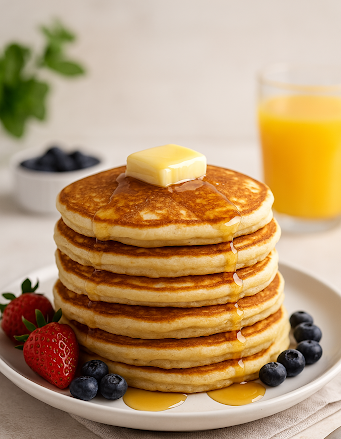
Try these gluten-free staples loved by thousands:


4. Budget & Time-Saving Tips for Busy Weeks
Gluten-free dairy-free eating doesn’t have to mean a cart full of specialty products and a grocery bill that makes you wince. With a bit of strategy, you can keep both time and costs under control while still eating meals you’re excited about.
First, lean heavily on naturally gluten-free, dairy-free whole foods. Rice, beans, lentils, potatoes, seasonal vegetables, eggs, and frozen produce are usually more budget-friendly than packaged alternatives. Build your weekly plan around these, then sprinkle in convenience items where they add the most value—like a good gluten-free bread or a favorite dairy-free yogurt.
Second, make batch cooking work for you. Choose one or two “big batch” recipes each week—such as a pot of chili, a curry, or roasted vegetables and chicken—and use them in different ways over several days. For example, roasted veggies can star in rice bowls one night, appear in wraps the next day, and finish their life in a simple soup or frittata.
Third, embrace your freezer. It’s one of the easiest ways to save both time and money:
- Freeze leftover cooked grains, beans, and soups in portioned containers.
- Keep frozen fruit for smoothies and quick breakfasts.
- Double a recipe and freeze half for a future “I don’t feel like cooking” night.
Another helpful habit is to create a “use it up” night once a week. Instead of planning a full new meal, open your fridge and pantry and build dinner from what’s already there—half a jar of salsa, leftover rice, roasted veggies, or a can of beans can easily become a nourishing bowl or quick tray bake.
For time savings, consider these simple tweaks:
- Pre-chop a few key veggies (like onions, carrots, peppers) once, then use them over several days.
- Cook once, eat twice: whenever possible, make extra portions of dinner to use for lunch.
- Choose one-pan or one-pot recipes on your busiest days to keep cleanup easy.
Finally, keep expectations realistic. You don’t need perfectly styled plates every night. A simple gluten-free dairy-free dinner of rice, beans, sautéed greens, and avocado is completely valid. When you give yourself permission to keep things simple, consistency becomes much easier—and that’s what really moves the needle in the long run.
5. Sample 3-Day Gluten-Free Dairy-Free Meal Plan
To make all of this more concrete, here’s a flexible 3‑day gluten-free dairy-free meal plan you can adapt to your preferences and pantry. Use it as inspiration rather than a strict rulebook—swap ingredients, repeat your favorite days, or mix it into your existing routine.
Day 1
- Breakfast: Overnight gluten-free oats made with oat or almond milk, chia seeds, blueberries, and a spoonful of almond butter.
- Lunch: Quinoa salad with chickpeas, cucumber, cherry tomatoes, olives, and a lemon-olive oil dressing.
- Snack: Apple slices with peanut or sunflower seed butter.
- Dinner: Rice bowl with brown rice, roasted sweet potato, broccoli, baked chicken, and tahini drizzle.
Day 2
- Breakfast: Scrambled eggs with spinach and tomatoes, served with gluten-free toast and avocado.
- Lunch: Leftover rice bowl components from Day 1, repurposed in a gluten-free wrap or lettuce cups.
- Snack: Dairy-free yogurt topped with gluten-free granola and sliced banana.
- Dinner: Gluten-free spaghetti with a tomato-lentil sauce, side salad with olive oil and balsamic vinegar.
Day 3
- Breakfast: Smoothie made with plant milk, frozen berries, spinach, and a scoop of nut butter or seeds.
- Lunch: Hearty vegetable soup (using carrots, celery, potatoes, and beans) with a side of gluten-free crackers or bread.
- Snack: Carrot sticks, cucumber, and hummus.
- Dinner: Sheet‑pan meal with cubed potatoes, carrots, onions, and chicken thighs tossed in olive oil, garlic, and herbs.
Notice how ingredients repeat across the three days—rice, beans or lentils, vegetables, and plant milks appear multiple times, but in different forms. That’s the heart of sustainable gluten-free dairy-free meal planning: a small set of ingredients, rearranged in smart ways.
As you become more comfortable, you can extend this to a full 7‑day plan, rotate two or three weekly templates, or create a “mix and match” list of breakfasts, lunches, and dinners you can pull from. Over time, your meal planning routine will feel less like starting from scratch and more like filling in a familiar, flexible template that suits your life.
Key Takeaways
- Gluten-free dairy-free meal planning becomes much easier when you focus on naturally free foods like whole grains, legumes, vegetables, fruits, and simple proteins.
- A stocked pantry with gluten-free grains, plant milks, canned beans, and flavorful seasonings gives you a reliable base for quick, stress-free meals.
- Building your week around simple themes and repeating favorite meals saves time, reduces decision fatigue, and keeps planning realistic.
- Batch cooking, freezer-friendly meals, and “use it up” nights help you manage both your budget and your energy on busy weeks.
- Starting with a short sample plan and adapting it to your tastes is an easy way to turn gluten-free dairy-free eating into a sustainable everyday lifestyle.
Take the Next Step in Your Gluten-Free Journey
- Download the Free EGF Starter Guide
- Try our Gluten-Free Planner to simplify your week
- Explore our growing recipe library
You don’t have to navigate the gluten-free lifestyle alone, we are here to make it easier every day.
Category: Meal Planning