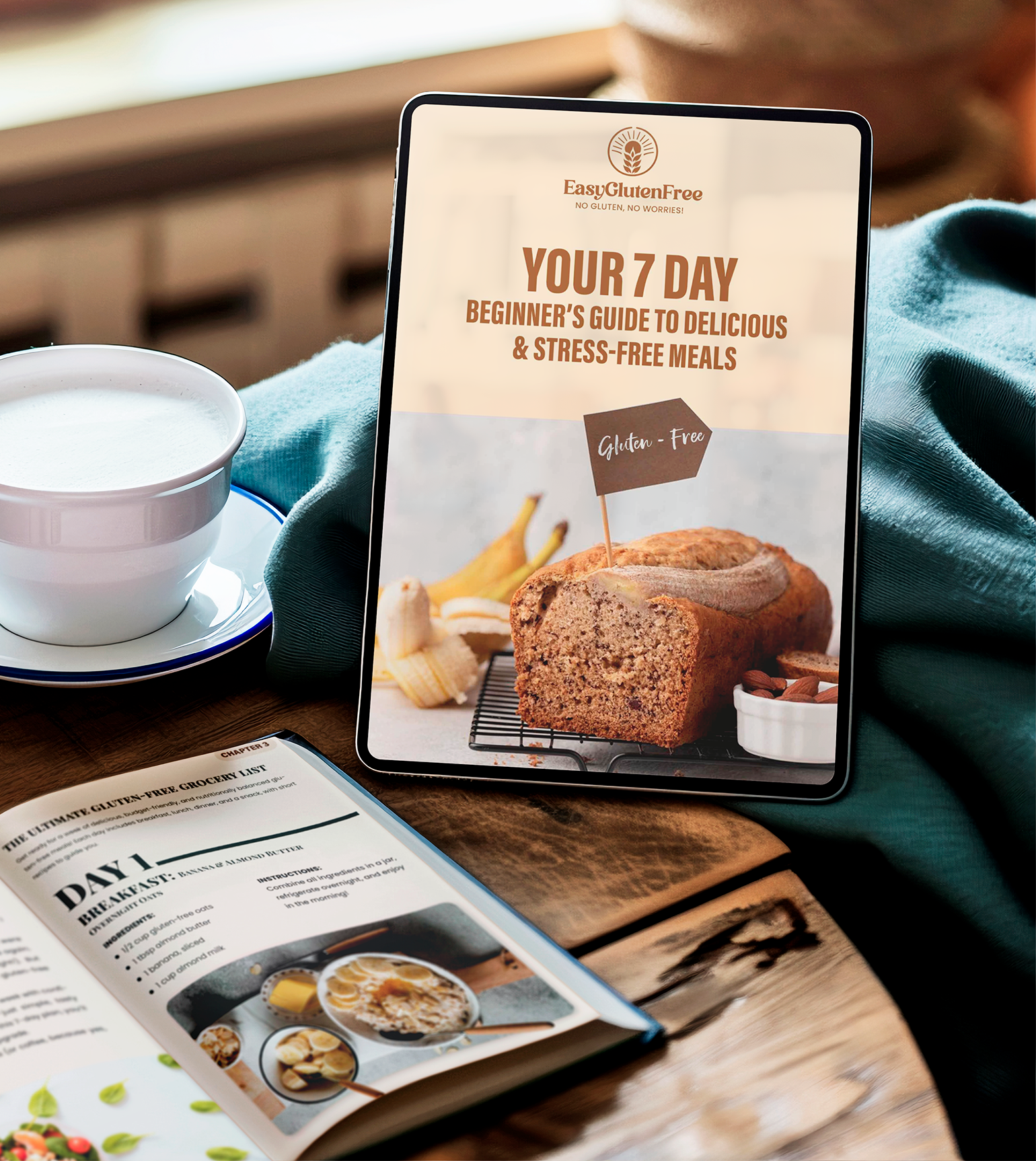
Download the Free Guide to Foolproof Gluten-Free Flour Blends

Gluten-Free All-Purpose Flour: How to Use It for Better Baking Every Time
Learning to bake with gluten-free all-purpose flour can feel like starting over—but it doesn’t have to be a science experiment every time you preheat the oven. With a few reliable rules and a trusted flour blend, you can turn out cookies, muffins, pancakes, and quick breads that actually taste “normal” (in the best way). This guide walks you through how gluten-free all-purpose flour works, when it shines, when to tweak your recipe, and how to get consistent results in your gluten-free kitchen.
Download Our Free Gluten-Free Starter Guide
- 7-day meal plan
- shopping list
- Tips & 3 beginner-friendly recipes
Introduction
If you’ve ever swapped gluten-free all-purpose flour 1:1 in your favorite wheat recipe and ended up with dry muffins, gummy brownies, or cookies that spread into a single baking-sheet pancake, you’re not alone. Gluten-free baking is absolutely doable—but it plays by a slightly different set of rules. Once you understand how your flour blend behaves, you can stop guessing and start baking with confidence.
Gluten-free all-purpose flour blends are designed to imitate regular wheat flour in everyday recipes like pancakes, quick breads, and cookies. The best blends combine whole-grain and starch flours plus binders so you don’t have to keep ten different bags in your pantry. But not all blends are created equal, and learning how to choose and use them will save you time, money, and frustration.
This guide breaks down what’s actually in gluten-free all-purpose flour, how to use it successfully in different recipes, and the little adjustments—like extra moisture, rest time, or pan choices—that turn “pretty good for gluten-free” bakes into recipes you’ll proudly share with gluten-eaters. Keep this as a reference and you’ll have a go-to roadmap every time you reach for that blue bag of flour.
1. What Is Gluten-Free All-Purpose Flour?
Gluten-free all-purpose flour is a pre-mixed blend of naturally gluten-free flours and starches designed to stand in for regular wheat all-purpose flour. Instead of one grain doing all the work (wheat), you get a carefully balanced mix that usually includes a few of the following:
- Whole-grain flours like brown rice, sorghum, or millet for structure and flavor
- Starches such as tapioca, potato, or corn for lightness and tenderness
- Binders like xanthan gum or guar gum to mimic gluten’s stretchy, elastic qualities
In a good blend, each ingredient has a job: whole grains give body, starches keep things from turning into dense bricks, and binders help hold everything together so your muffins don’t crumble the moment you take a bite.
Many modern gluten-free all-purpose flours are labeled as “1:1” or “measure for measure.” This means they’re formulated to replace wheat all-purpose flour cup-for-cup in recipes. That’s a huge win for convenience, especially in pancakes, cookies, quick breads, and many cakes. However, “1:1” doesn’t mean “identical in every single recipe.” Eggs, fats, and liquids interact differently with gluten-free starches, so a few smart tweaks often make the difference between dry and dreamy.
It’s also important to note that gluten-free all-purpose flour blends are not interchangeable with single flours like almond flour, coconut flour, or oat flour. Those behave completely differently and need recipes written specifically for them. If a recipe calls for gluten-free all-purpose flour, use a blend—don’t swap in straight almond flour and hope for the best.
Another key detail: quality and consistency matter. A reliable, well-tested blend saves you from endlessly adjusting recipes. Once you find a flour that works in your kitchen, you can stick with it, knowing that your pancakes, muffins, and cookies will behave the same way every time.
2. How to Use Gluten-Free All-Purpose Flour in Everyday Baking
Once you’ve chosen a dependable gluten-free all-purpose flour, the fun starts: using it in your favorite recipes. For everyday baking—pancakes, waffles, muffins, cookies, and many cakes—you can usually start with a simple cup-for-cup swap for regular all-purpose flour, then make small adjustments based on texture.
Here are some practical guidelines for using gluten-free all-purpose flour successfully:
Start with “friendlier” recipes
Certain recipes are naturally more forgiving. These are perfect for getting comfortable with gluten-free flour:
- Pancakes and waffles – The batter is loose, and you cook it quickly, so there’s less risk of dryness.
- Quick breads and muffins – They rely on moisture and leavening, which suit gluten-free blends well.
- Drop cookies – Especially recipes with enough fat and sugar, like chocolate chip or oatmeal-style cookies.
- Simple snack cakes – Think banana bread, carrot cake, or one-bowl yogurt cakes.
Start by using your gluten-free all-purpose flour 1:1 in place of wheat flour in these recipes, then pay attention to how the batter or dough looks and feels.
Adjust liquids when needed
Gluten-free flours often absorb liquid differently than wheat. If your batter looks thicker than you’re used to, you may need a splash or two of extra milk, water, or oil. On the flip side, if the batter seems very thin, give it a few minutes to rest before adding more flour—starches keep absorbing as they sit.
- For muffins and quick breads: Aim for a thick, scoopable batter that slowly falls off the spoon.
- For pancakes: You want a pourable batter that ribbons back into the bowl, not a paste.
- For cookie dough: It should hold its shape when scooped, not spread into a puddle on the sheet.
Use recipes that already include eggs and fat
Eggs add structure and moisture, and fat adds tenderness—both are especially helpful in gluten-free baking. If a recipe is already rich in these, it usually converts better with a 1:1 flour swap. Egg-free recipes can certainly work, but they may need extra help from binders or specific testing.
Be cautious with certain recipes
Some bakes rely heavily on gluten structure and are trickier to convert with a simple 1:1 swap:
- Yeasted sandwich bread
- Bagels, pretzels, croissants
- Delicate laminated pastries
- Very thin, flexible wraps or tortillas
For these, look for recipes developed specifically for gluten-free flour, rather than trying to adapt a wheat recipe on the fly. You’ll save a lot of time and ingredients.
Finally, remember that every oven and kitchen is a little different. The more you bake with one trusted gluten-free all-purpose flour, the faster you’ll build a mental “library” of how batters should look and feel before they go into the oven.
Bob’s Red Mill Gluten Free 1 to 1 Baking Flour
This is the gold-standard gluten-free all-purpose flour. It behaves beautifully in pancakes, muffins, cookies, quick breads — and it’s the ideal flour to recommend in ANY practical baking guide. Reliable, consistent, and approved by thousands of gluten-free home bakers. Perfect for articles about technique, substitutions, and baking success.

3. Common Problems (and Fixes) When Baking with Gluten-Free Flour
Even with a reliable gluten-free all-purpose flour in your pantry, you’ll sometimes run into bakes that don’t turn out exactly as planned. Instead of tossing the recipe, treat the result as feedback. Once you know what went wrong, you can usually fix it with a simple adjustment next time.
Problem: Dry, crumbly muffins or quick breads
This is one of the most common complaints with gluten-free baking. If your muffins look gorgeous but crumble the moment you unwrap them, try:
- Adding a bit more fat: An extra tablespoon or two of melted butter or oil can make a big difference.
- Increasing moisture: Add a spoonful of yogurt, sour cream, applesauce, or mashed banana.
- Reducing bake time: Gluten-free bakes can go from perfect to dry fast. Start checking 5–10 minutes earlier than the recipe suggests.
- Letting them cool: Gluten-free structures firm up as they cool. Cut or unwrap too early and they’ll seem more fragile than they really are.
Problem: Gummy or dense center
If your loaf or cake looks done on the outside but feels heavy or gummy inside, you’re likely dealing with too much moisture trapped in the middle.
- Use the right pan: A lighter-colored metal pan promotes more even baking than glass or dark nonstick.
- Check oven temperature: An oven thermometer helps ensure you’re really baking at the listed temperature.
- Extend the bake: Cover the top loosely with foil and give it extra time so the interior can fully set.
- Rest the batter: Letting the batter sit 10–15 minutes before baking can help starches hydrate, improving texture.
Problem: Cookies that spread into one big puddle
Gluten-free cookie dough can be more delicate, especially if it’s warm. If your cookies are spreading too much:
- Chill the dough: 20–30 minutes in the fridge often solves the problem.
- Add a tablespoon of flour: If the dough still feels soft and sticky, mix in a little more flour blend.
- Use parchment-lined, light-colored pans: Dark pans or greased sheets can encourage excess spread.
- Watch your butter: Very soft or melted butter can cause extra spreading—start with cool room-temperature butter.
Problem: Baked goods taste “gritty”
A slightly sandy or gritty texture often means the whole-grain rice flour in your blend hasn’t fully hydrated, or the grind is a bit coarse.
- Rest the batter: Let cake, muffin, and pancake batters sit 10–20 minutes before baking or cooking.
- Use enough liquid: A too-thick batter may not allow flours to soften properly.
- Store flour well: Keep your flour sealed and fresh; older flour can sometimes feel more noticeable in texture.
Problem: Strong or unfamiliar aftertaste
Some gluten-free flours—like certain bean flours or stronger whole grains—can add flavors you’re not used to in delicate bakes.
- Choose the right recipes: Use your blend in recipes with complementary flavors, like chocolate, spices, fruit, or brown sugar.
- Add a little vanilla: A teaspoon or two of vanilla can help round out flavors.
- Let baked goods cool: Many gluten-free bakes taste better once they’ve cooled completely; flavors mellow and the texture improves.
The more you connect results to specific fixes—more moisture here, a little chilling there—the faster you’ll be able to “diagnose” a recipe at a glance and nudge it toward success.
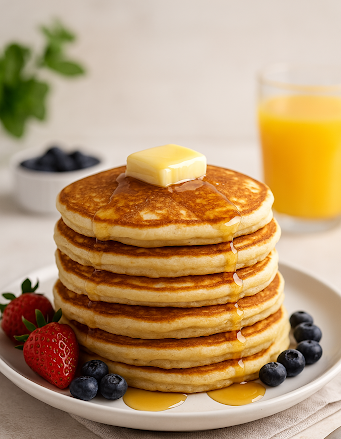
Recipe Inspiration
Try these gluten-free staples loved by thousands:


4. Best Baking Techniques for Gluten-Free All-Purpose Flour
Technique matters just as much as ingredients in gluten-free baking. You don’t need fancy tools, but a handful of simple habits will dramatically improve your results with gluten-free all-purpose flour.
Measure flour accurately
Too much flour is a fast track to dry, dense baked goods. If you have a kitchen scale, use it—many 1:1 blends list gram weights on the bag. If you’re using measuring cups, follow this method:
- Fluff the flour in the bag or container with a spoon.
- Spoon it lightly into your measuring cup without packing.
- Level the top with a straight edge.
Never scoop directly from the bag with the measuring cup; it compacts the flour and can add up to 25% more than you intended.
Whisk dry ingredients thoroughly
Gluten-free blends can settle, with heavier flours and starches drifting toward the bottom. Before adding liquids, whisk your dry ingredients well to evenly distribute the flour, leaveners, salt, and any spices. This helps ensure consistent rise and texture throughout your bake.
Don’t fear a bit of mixing
With wheat flour, over-mixing can develop too much gluten. With gluten-free flour, that’s not an issue. You still don’t want to beat the batter for ages (you can deflate air and overwork certain ingredients), but you can mix until everything is fully combined without worrying that you’re “toughening” the dough the way you would with wheat.
Let batters rest
One of the best-kept secrets of gluten-free baking is rest time. Allowing your batter to sit for 10–20 minutes before baking helps starches fully hydrate, which can:
- Smooth out gritty textures
- Improve structure and rise
- Reduce tunneling (large holes) in quick breads and muffins
This works especially well for pancakes, muffins, and snack cakes. Cookie dough also benefits from chilling, which doubles as rest time.
Use the right pans and line them well
Gluten-free batters can stick more than wheat-based ones, so don’t skimp on pan prep:
- Use parchment paper for loaf pans, brownies, and cakes whenever possible.
- Choose light-colored metal pans for more even baking.
- Grease pans thoroughly, especially for bundt or shaped cakes.
Check for doneness in more than one way
Relying only on time can be misleading. To check if your gluten-free bake is done:
- Look for golden edges and a slightly set, domed top.
- Use a toothpick or skewer; it should come out with a few moist crumbs, not wet batter.
- Gently press the top—it should spring back lightly.
Remember that gluten-free bakes often continue to firm up as they cool, so a tiny bit of softness is okay as long as there’s no raw batter.
5. Pantry Tips, Storage, and Simple Swaps
Keeping your gluten-free all-purpose flour happy in the pantry goes a long way toward consistent results. Freshness, storage, and a few smart swaps can take your baking from “okay” to “I can’t believe this is gluten-free.”
How to store gluten-free all-purpose flour
Gluten-free blends often include whole-grain flours that can go stale faster than refined wheat flour. To keep yours fresh:
- Transfer to an airtight container once opened to protect from moisture and odors.
- Store in a cool, dark place if you bake frequently (within 2–3 months).
- Refrigerate or freeze for longer storage; bring to room temperature before baking to avoid condensation in your measuring cup.
- Label with the date so you know how long it’s been open.
Pair your flour with the right pantry staples
A few supporting ingredients make gluten-free all-purpose flour perform at its best:
- Eggs – Provide structure, moisture, and richness.
- High-quality fat – Butter, oil, or dairy-free alternatives add tenderness.
- Leaveners – Fresh baking powder and baking soda are crucial for good rise.
- Flavor boosters – Vanilla, cinnamon, cocoa, citrus zest, and brown sugar help round out the flavor profile.
Know when you can substitute—and when you shouldn’t
Using gluten-free all-purpose flour doesn’t mean you’re stuck following every recipe exactly. You can often make small, flexible swaps:
- Dairy: Most recipes work well with non-dairy milk or yogurt of similar consistency.
- Sugars: Swapping white sugar for light brown sugar can add moisture and flavor to cookies and brownies.
- Add-ins: Nuts, chocolate chips, dried fruit, and seeds are usually easy to add without changing structure.
However, there are times to follow the recipe closely—especially with:
- Yeasted breads and rolls
- Very delicate cakes
- Recipes with minimal fat or sugar, where structure is already more fragile
Build a small, powerful gluten-free baking toolkit
You don’t need a professional kitchen to bake well with gluten-free all-purpose flour, but a few tools make life easier:
- A digital kitchen scale
- A sturdy whisk and silicone spatulas
- Light-colored metal baking pans
- Parchment paper and a simple loaf pan
- An oven thermometer
With a reliable flour, a handful of trusted recipes, and these basic tools, your gluten-free baking stops feeling like trial-and-error and starts feeling like a habit you can count on.
Over time, you’ll learn exactly how your favorite gluten-free all-purpose flour looks when the batter is right, how your oven behaves, and which recipes are guaranteed winners in your home. That’s when gluten-free stops being “limiting” and becomes just the way you bake.
Key Takeaways
- Gluten-free all-purpose flour is a balanced blend of flours, starches, and binders designed to stand in for regular wheat flour in everyday baking.
- Start with friendlier recipes like pancakes, muffins, cookies, and quick breads, using a 1:1 swap and then adjusting liquids and bake times as needed.
- Most common problems—dryness, gumminess, spreading, or grittiness—can be fixed with simple tweaks to moisture, rest time, pan choice, and baking temperature.
- Good technique—accurate measuring, whisking dry ingredients, resting batters, and checking doneness properly—makes a big difference in gluten-free results.
- Storing your flour well, pairing it with supportive ingredients, and using recipes designed for gluten-free flour when needed will give you reliable, repeatable success.
Take the Next Step in Your Gluten-Free Journey
- Download the Free EGF Starter Guide
- Try our Gluten-Free Planner to simplify your week
- Explore our growing recipe library
You don’t have to navigate the gluten-free lifestyle alone, we are here to make it easier every day.
Category: Baking & Flour Guides