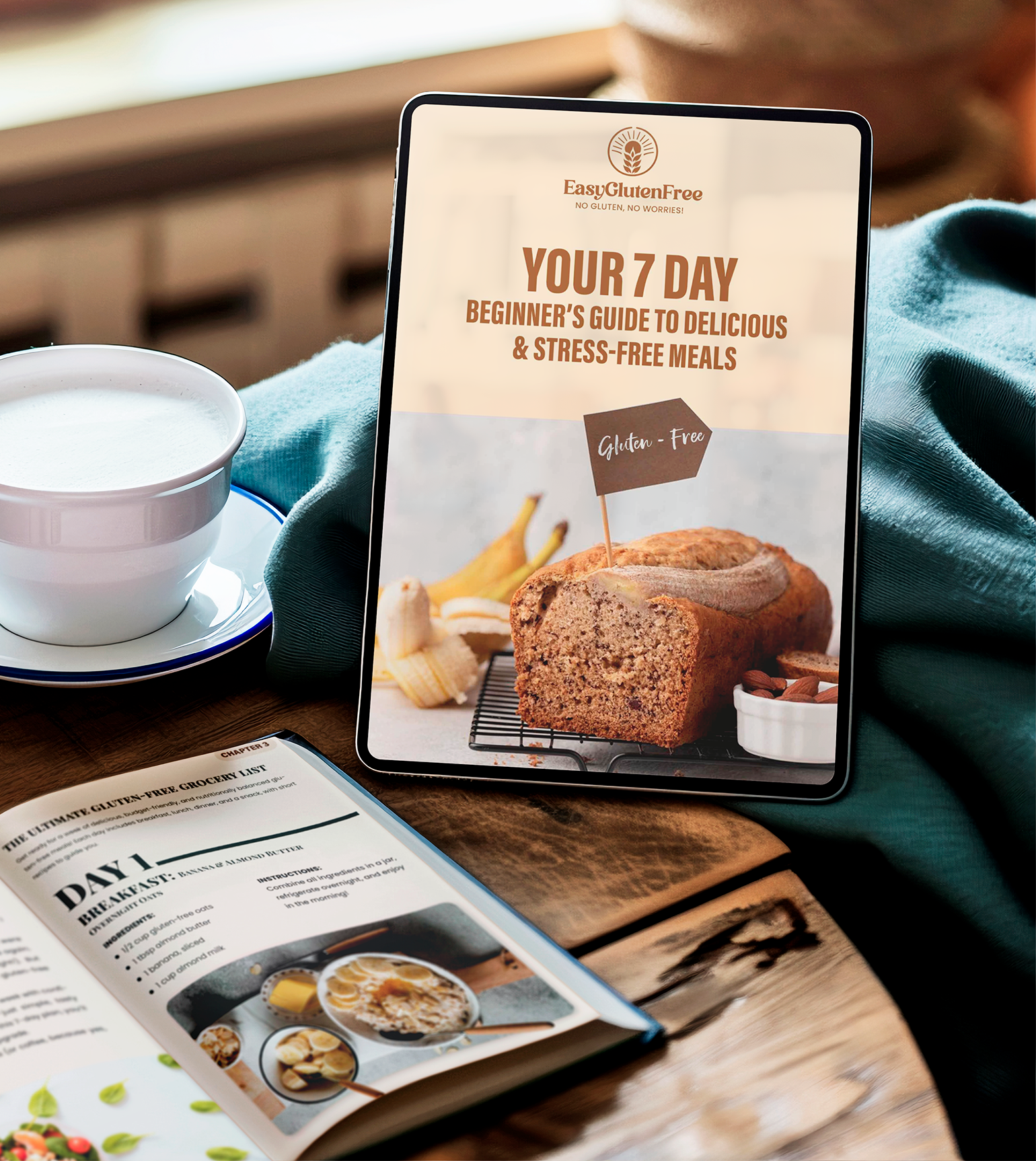
Grab the Free Guide and Never Ruin Gluten-Free Cookies Again

The Ultimate Guide to Gluten-Free Cookie Flour: How to Get Perfect Texture Every Time
Gluten-free cookies do not have to be sandy, crumbly, or mysteriously “off.” With the right flour and a few simple techniques, you can bake cookies that are crisp on the edges, soft in the middle, and completely satisfying—without a speck of wheat. This guide walks you through the best flours, blends, and methods for gluten-free cookie success, so your next batch actually disappears on purpose.
Download Our Free Gluten-Free Starter Guide
- 7-day meal plan
- shopping list
- Tips & 3 beginner-friendly recipes
Introduction
If you’ve ever pulled a tray of gluten-free cookies out of the oven only to find they spread into one giant pancake, crumble when you pick them up, or taste a bit like dry sand, you’re not alone. Cookies are one of the trickiest gluten-free bakes because so much of their beloved texture usually comes from gluten. The good news? You absolutely can make cookies that taste just as good as your pre-gluten-free favorites—you simply need the right flour and a reliable method.
Think of gluten-free cookie flour as your foundation. The type of flour or blend you choose affects everything: how much your cookies spread, how chewy they are, how well they hold together, and even how long they stay fresh. Once you understand what’s happening in the bowl, it becomes much easier to swap flours, troubleshoot recipes, and adapt old family favorites to be safely gluten-free.
In this guide, we’ll walk through how gluten-free flours behave in cookies, the difference between single-ingredient flours and blends, how to choose the best flour for your cookie style, and the simple tweaks that turn “pretty good for gluten-free” into “wait, these are gluten-free?” cookies. Whether you’re baking for celiac disease, gluten sensitivity, or just experimenting, you’ll have a step-by-step path to better gluten-free cookies every single time.
1. Understanding Gluten-Free Cookie Flour Basics
When you remove wheat flour from a cookie recipe, you lose gluten—the protein network that gives structure, chew, and elasticity. Gluten-free cookie success comes from recreating that structure with a smart mix of starches, whole-grain flours, and sometimes binders like xanthan gum or psyllium husk.
Instead of thinking about “a gluten-free flour,” it helps to think in terms of three jobs your flour needs to do in cookies:
- Structure: This keeps the cookie from spreading into a puddle. Rice flour, sorghum flour, and oat flour often play this role.
- Tenderness: Starches like tapioca and potato starch help create a soft, delicate crumb and that classic cookie bite.
- Moisture balance: Gluten-free flours tend to be a bit thirstier than wheat, so they soak up more liquid and fat. This affects how dough chills, spreads, and bakes.
For most home bakers, the easiest path is to use a high-quality gluten-free all-purpose flour blend that’s designed to be a 1:1 replacement in baking. These blends already combine several flours and starches in a tested ratio, so you’re not juggling four bags every time you want cookies.
You’ll also see xanthan gum mentioned in cookie recipes. Gum isn’t always essential in cookies because sugar, fat, and eggs all help with structure, but a small amount can improve chew and reduce crumbling—especially in cut-out or rolled cookies that need to hold their shape.
One of the biggest mistakes people make with gluten-free cookie flour is assuming all blends are interchangeable. Some are starch-heavy and work best for cakes, while others have more whole grains and do better in cookies and bars. Once you find one that gives you consistent, reliable results, stick with it for your “house cookie recipes” and you’ll save yourself a lot of guesswork.
2. Best Gluten-Free Flour Blend for Cookies
For everyday gluten-free cookies—chocolate chip, snickerdoodles, sugar cookies, peanut butter cookies—a dependable 1:1 flour blend takes most of the stress out of baking. Look for a blend that’s labeled “cup for cup” or “1-to-1 baking flour” and specifically says it’s suitable for cookies, muffins, cakes, and quick breads.
What makes a flour blend great for cookies? A few things:
- Balanced ingredients: A mix of rice flour or sorghum flour with tapioca and/or potato starch tends to mimic the tenderness of all-purpose wheat flour.
- Consistent grind: Finely milled flours blend more smoothly into dough, so you’re less likely to get gritty cookies.
- Reliable performance: A good blend behaves the same from bag to bag, so once you learn how your dough should look and feel, you can repeat your success.
When you’re evaluating flour for cookies, start with a simple recipe—like classic chocolate chip—and pay attention to the details: how easily the dough comes together, whether it needs a chill, how much it spreads, and how the texture holds up the next day. A strong all-purpose blend will give you good results without complicated tweaks.
If you’re baking for someone newly gluten-free, using a flour that was developed specifically with home bakers in mind can be a sanity-saver. It helps you focus on learning cookie techniques—like chilling dough, portioning, and bake time—without worrying that your flour is working against you.
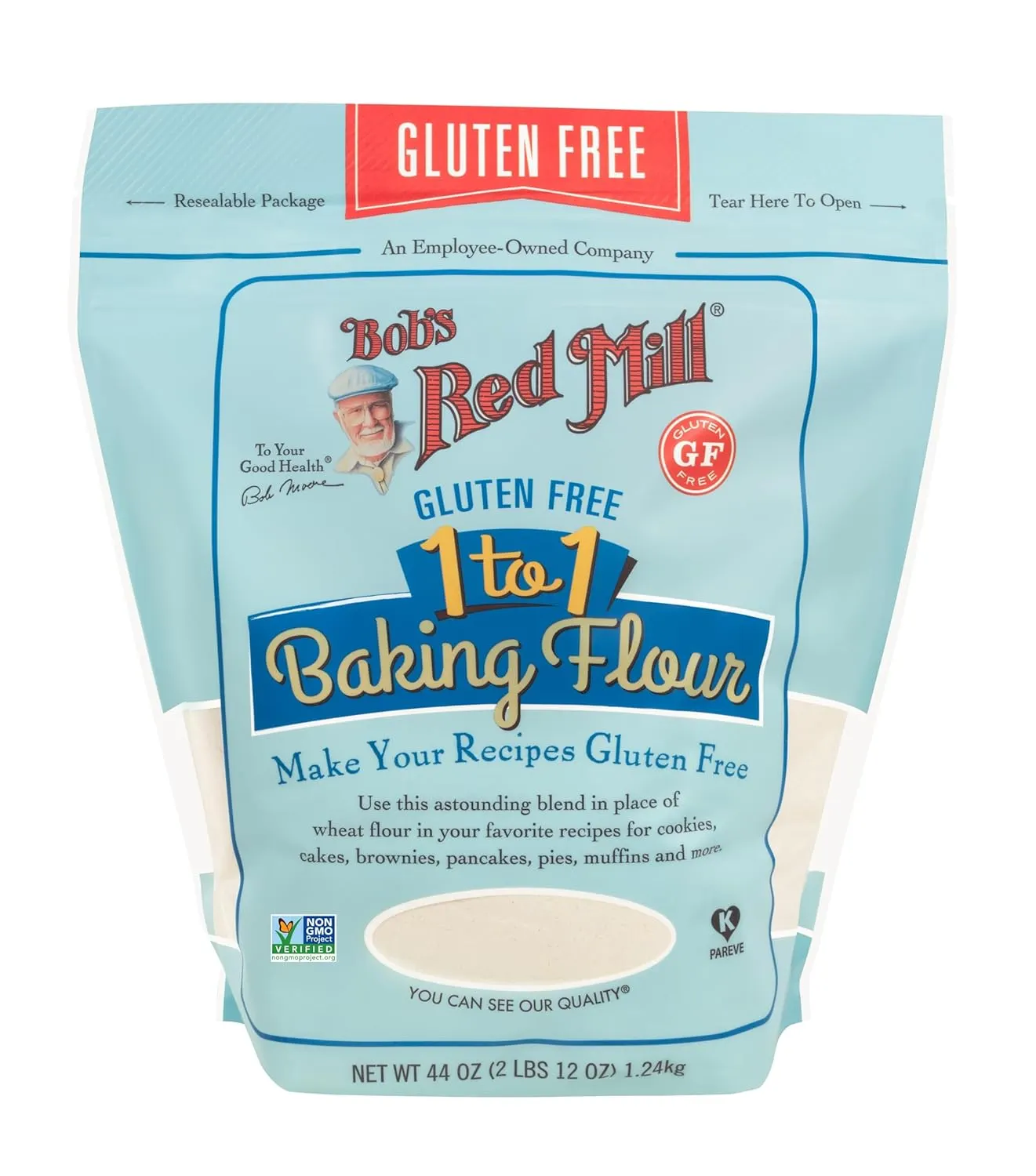
Bob’s Red Mill Gluten Free 1 to 1 Baking Flour
This is the gold-standard gluten-free all-purpose flour. It behaves beautifully in pancakes, muffins, cookies, quick breads — and it’s the ideal flour to recommend in ANY practical baking guide. Reliable, consistent, and approved by thousands of gluten-free home bakers. Perfect for articles about technique, substitutions, and baking success.
3. How to Substitute Gluten-Free Flour in Cookie Recipes
Once you’ve chosen a reliable gluten-free flour blend, the next step is actually using it in your favorite cookie recipes. The promise of most 1:1 blends is that you can swap them cup-for-cup with regular all-purpose flour. In practice, you’ll get the best results if you keep a few simple guidelines in mind.
Start with Recipes That Are Naturally Forgiving
Drop cookies are the easiest place to begin. Think chocolate chip, oatmeal, or thumbprint cookies—anything that’s scooped rather than rolled very thin. These recipes are naturally a bit more forgiving because they rely on fat and sugar for structure as much as gluten.
Bar cookies and blondies are also great candidates. The batter is poured into a pan instead of holding a specific cut-out shape, so the flour doesn’t have to work quite as hard.
Measure Flour Accurately
Gluten-free flour is more sensitive to measuring errors than wheat flour. Ideally, use a kitchen scale and follow the weight guidelines on the flour package. If you’re using measuring cups:
- Fluff the flour with a spoon.
- Spoon it into your measuring cup without packing it down.
- Level off the top with a straight edge.
Too much flour leads to dry, cakey cookies that barely spread. Too little and your cookies can puddle around the edges.
Use a 1:1 Swap—Then Adjust Hydration if Needed
As a starting point, replace the wheat flour in a cookie recipe with an equal amount of your gluten-free 1:1 blend. Mix the dough and then evaluate:
- If the dough is very wet or sticky, chill it for 20–30 minutes before baking. Often that’s all it needs.
- If the dough is crumbly and won’t hold together, add 1–2 teaspoons of milk or an extra egg yolk and mix again.
Keep in mind that gluten-free dough usually looks a bit softer than wheat dough before chilling. Don’t panic if it feels looser at first.
Decide Whether You Need Xanthan Gum
If your flour blend already contains xanthan gum, you do not need to add extra in most cookie recipes. If your blend does not contain gum, consider adding a small amount in cookies that need to hold a crisp shape, like cut-out sugar cookies or gingerbread.
- For drop cookies: often fine with no gum or just what’s in the blend.
- For cut-outs: 1/4 teaspoon xanthan gum per cup of gluten-free flour can help prevent breaking and crumbling.
Always Chill for More Control
Chilling dough is one of the easiest ways to improve gluten-free cookies. A 30–60 minute chill allows the flour to fully hydrate, firms up the butter, and gives you more control over spread and texture. For thick, bakery-style cookies, a longer chill—up to overnight—can give even better results.
Test-Bake One Cookie First
Before you commit a whole tray to the oven, scoop a single cookie and bake it as a test. Watch how it behaves:
- If it spreads too much, chill the dough longer or add 1–2 tablespoons of flour.
- If it barely spreads, gently flatten your scoops before baking or reduce the flour by 1–2 tablespoons.
- If the center stays raw while the edges brown, slightly lower the oven temperature and bake a bit longer.
That tiny test cookie can save an entire batch—and makes a great baker’s snack.
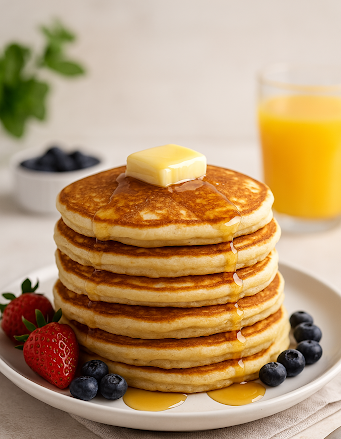
Recipe Inspiration
Try these gluten-free staples loved by thousands:


4. Troubleshooting Common Gluten-Free Cookie Problems
Even with a great gluten-free flour, cookie batches don’t always behave. The upside is that most problems have simple fixes once you know what to look for. Use this section as a quick troubleshooting guide when your cookies act up.
Problem: Cookies Spread Too Much
If your cookies bake into thin, crispy puddles, a few things might be going on:
- Butter too warm: Over-softened or melted butter leads to extra spread. Next time, use butter that’s cool but pliable, and chill the dough at least 30 minutes before baking.
- Not enough flour: Slightly increase your gluten-free flour by 1–2 tablespoons and test again.
- Oven too cool: An inaccurate oven can cause cookies to spread before the structure sets. Use an oven thermometer and aim for a true 350°F (or your recipe’s stated temp).
Problem: Cookies Are Dry or Crumbly
Dry, sandy cookies are one of the top complaints with gluten-free baking. Common causes:
- Too much flour: Level your measuring cup carefully or weigh your flour. A little extra can make a big difference.
- Overbaking: Gluten-free cookies often look pale even when done. Take them out when the edges are just set and the centers still look slightly soft.
- Not enough fat or egg: Try adding an extra egg yolk or a tablespoon of neutral oil to increase moisture and richness.
For already-baked cookies that turned out dry, pair them with ice cream or crumble them into a parfait rather than tossing them—future you will be very happy.
Problem: Gritty or Sandy Texture
Grittiness usually comes from coarse rice flour or flour that hasn’t fully hydrated.
- Choose a finely milled blend: A smoother grind makes a noticeable difference in cookies.
- Let the dough rest: After mixing, let the dough sit for 15–20 minutes before scooping. This gives the flour time to hydrate and soften.
Problem: Cookies Don’t Hold Their Shape
If your cut-out cookies crack, break, or feel fragile:
- Add a binder: If your flour blend doesn’t include xanthan gum, add about 1/4 teaspoon per cup of flour.
- Chill thoroughly: Roll between sheets of parchment, chill the sheet of dough, then cut shapes and transfer carefully.
- Roll a bit thicker: Slightly thicker cookies are more forgiving and less likely to break.
Problem: Flavor Feels “Off”
Some people are sensitive to the taste of certain gluten-free flours. If your cookies taste slightly bitter or “beany”:
- Switch blends: Try a different brand or a blend based on rice and sorghum rather than bean flours.
- Boost flavor: Vanilla extract, a pinch of cinnamon, or a little espresso powder in chocolate cookies can help round out flavors.
5. Tips for Storing and Freezing Gluten-Free Cookie Dough
One of the best parts of gluten-free cookie baking is that the dough often freezes beautifully. With a little prep, you can have ready-to-bake cookie dough balls in the freezer for last-minute dessert emergencies—or, you know, Tuesday.
Why Storage Matters More With Gluten-Free Cookies
Gluten-free baked goods tend to dry out a bit faster than their wheat-based cousins. Storing dough instead of baked cookies is a clever workaround: you get freshly baked texture whenever you want it, and the dough actually benefits from extra hydration time in the fridge or freezer.
How to Store Cookie Dough in the Fridge
- Chill time: Most gluten-free cookie doughs can rest in the fridge for 24–72 hours.
- Container: Use an airtight container and press a piece of parchment directly onto the surface of the dough to prevent it from drying out.
- Bake straight from the fridge: Slightly chilled dough often bakes up thicker, with better flavor and texture.
If the dough feels very firm after chilling, let it sit at room temperature for 10–15 minutes until scoopable.
How to Freeze Gluten-Free Cookie Dough
- Prepare the dough according to your recipe.
- Scoop portions onto a parchment-lined baking sheet (you can place them close together).
- Freeze until the dough balls are solid, usually 1–2 hours.
- Transfer the frozen dough balls to a labeled freezer bag or airtight container.
Most gluten-free cookie doughs keep well in the freezer for up to 2 months. Write the bake temperature and time on the bag so you don’t have to pull up the recipe every time.
Baking Cookies from Frozen
To bake from frozen, place the dough balls on a lined baking sheet and:
- Bake at the temperature specified in your recipe.
- Add 1–3 extra minutes to the bake time.
- Watch the first batch closely to learn the sweet spot for your oven.
If your frozen cookies aren’t spreading enough, you can gently press the tops with your fingers or the bottom of a glass halfway through baking.
Storing Baked Gluten-Free Cookies
When you do bake the full batch, store cooled cookies in an airtight container at room temperature. For best texture:
- Add a small piece of parchment between layers to prevent sticking.
- Enjoy within 2–3 days for optimal freshness.
- For longer storage, freeze baked cookies in single layers, then transfer to a freezer bag.
A quick 5–10 second warm-up in the microwave can revive slightly stale cookies, especially those with chocolate chips.
Key Takeaways
- Great gluten-free cookies start with a reliable gluten-free flour blend that provides structure, tenderness, and consistent performance.
- Using a 1:1 gluten-free flour is easiest, but measuring accurately, chilling the dough, and doing a test cookie help dial in perfect texture.
- Most common gluten-free cookie issues—spreading, dryness, grittiness, or crumbling—can be fixed with small tweaks to flour, fat, and bake time.
- Chilling and freezing gluten-free cookie dough not only fits your schedule but often improves flavor and texture in the final cookie.
- Once you learn how your favorite gluten-free flour behaves, you can confidently adapt classic cookie recipes and bake treats everyone will love.
Take the Next Step in Your Gluten-Free Journey
- Download the Free EGF Starter Guide
- Try our Gluten-Free Planner to simplify your week
- Explore our growing recipe library
You don’t have to navigate the gluten-free lifestyle alone, we are here to make it easier every day.
Category: Baking Tips