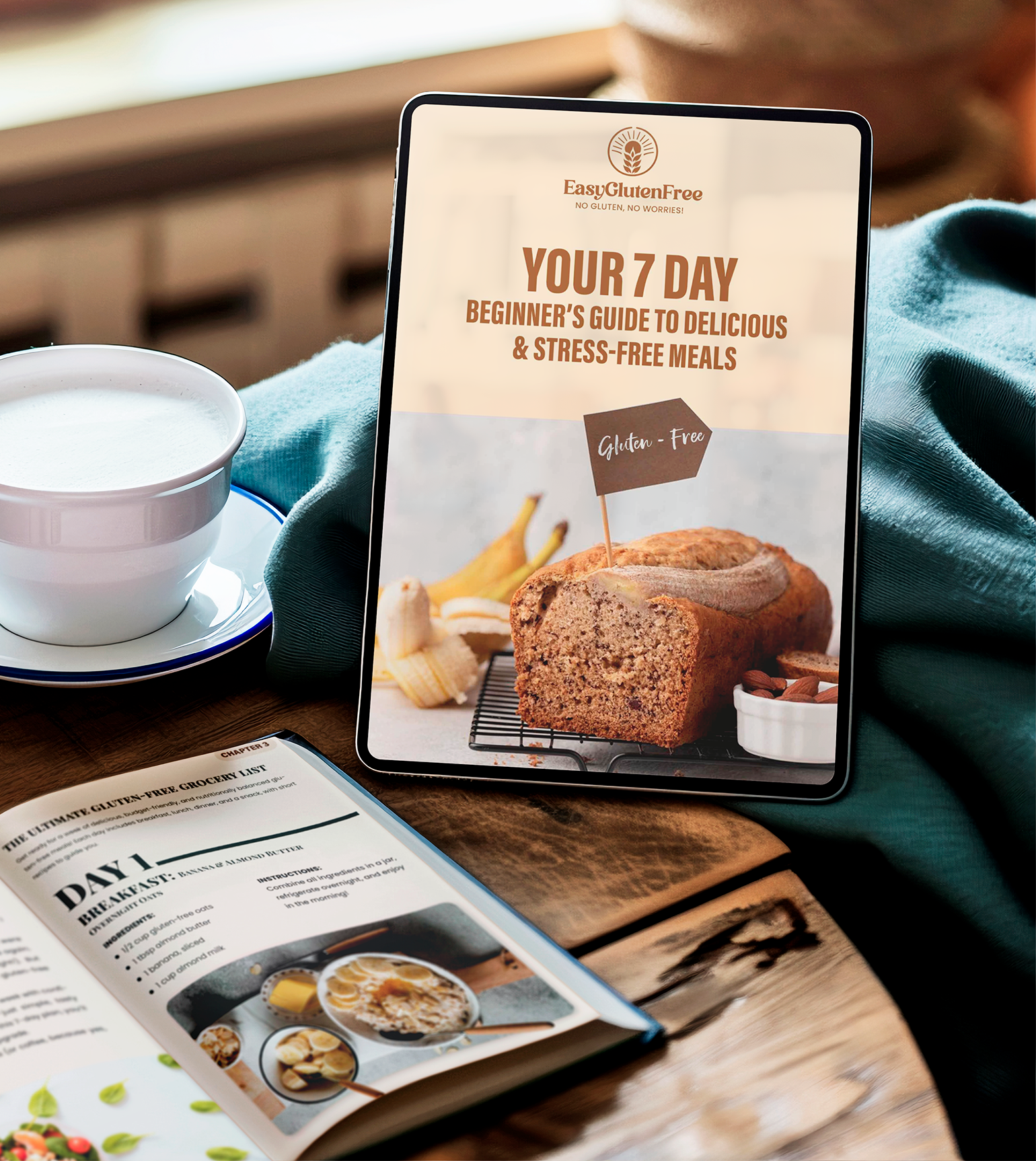
Snag the Free Guide That Makes Packing Gluten-Free Lunches 10x Easier

Gluten-Free Lunch Box Ideas for School, Work & Busy Days
Gluten-free lunches don’t have to be boring, complicated, or crumbly. With a few smart staples, the right containers, and some simple prep, you can pack satisfying gluten-free lunch boxes that actually survive the commute and still taste good by lunchtime. This guide walks you through easy, mix-and-match ideas for kids, teens, and adults—plus practical tips to keep everything safe, fresh, and stress-free.
Download Our Free Gluten-Free Starter Guide
- 7-day meal plan
- shopping list
- Tips & 3 beginner-friendly recipes
Introduction
If going gluten free has turned lunchtime into a daily puzzle, you’re not alone. Between avoiding cross-contact, keeping food interesting, and making sure everyone actually eats what you pack, gluten-free lunch boxes can feel like a full-time job. The good news: once you have a few reliable building blocks and systems in place, it becomes much easier (and a lot more fun).
This guide is designed to help you create gluten-free lunch box ideas that work for real life—school, office, college, travel days, and everything in between. You’ll find balanced combinations built around naturally gluten-free foods, smart shortcuts using clearly labeled packaged items, and plenty of flexible “formula” lunches you can customize with whatever you have on hand.
Whether you’re packing for a gluten-free kid in a classroom full of crackers, or you’re the only gluten-free person in your workplace, you’ll learn how to plan, prep, and pack safe meals that feel normal, not restrictive. Let’s turn that lunch box from a stress trigger into something you actually look forward to opening.
1. Gluten-Free Lunch Box Basics
Before we get into specific gluten-free lunch box ideas, it helps to zoom out and look at the big picture: what actually makes a satisfying, gluten-free lunch that carries you through the afternoon?
Build a Balanced Gluten-Free Lunch Formula
Use this simple formula to create endless lunches without overthinking it:
- Protein: grilled chicken, hard-boiled eggs, tuna or salmon salad, beans, lentils, hummus, tofu, cheese, Greek-style yogurt, leftover roast meat.
- Fiber & complex carbs (gluten-free): gluten-free whole-grain bread or wraps, cooked quinoa, rice, potatoes, corn, gluten-free pasta or buckwheat noodles, certified gluten-free oats.
- Colorful produce: raw veggies for crunch (cucumber, carrots, peppers, snap peas), fruit for sweetness (berries, apple slices, grapes, clementines), or a simple salad.
- Healthy fats: avocado, olive oil dressing, nuts or seeds (if allowed), nut/seed butter, olives, cheese.
- Something fun: a small sweet, salty snack, or dip—think gluten-free crackers, dark chocolate squares, popcorn, or apples with peanut butter.
If you loosely check each of these boxes, you’ll usually end up with a lunch that feels filling, balanced, and more exciting than “just another sandwich.”
Know Where Gluten Likes to Hide
Many classic lunch items are obvious sources of gluten (sandwich bread, crackers, cookies), but others are sneakier. Always read labels carefully and look for a “gluten-free” statement when possible. Common places gluten can show up include:
- Soup cups, bouillon cubes, and instant noodles
- Pre-made salad dressings and marinades
- Imitation crab and some processed deli meats
- Flavored yogurt, granola, cereal bars, and snack mixes
- Soy sauce, teriyaki sauce, and some “seasoning blends”
When in doubt, try to rely more on whole, naturally gluten-free foods (plain meats, eggs, beans, rice, potatoes, plain dairy, fruits, vegetables) and add a few trusted packaged products you know are safe.
Avoiding Cross-Contact in Lunch Boxes
If you or your child needs to strictly avoid gluten, cross-contact matters just as much as ingredients. A few simple habits can make a big difference:
- Use a dedicated gluten-free cutting board, knife, and toaster at home if possible.
- Prep gluten-free lunch components first, before making any gluten-containing food for others.
- Store gluten-free items on a separate shelf or bin so crumbs from regular bread don’t land on them.
- Pack dips and spreads in their own containers so nothing gets “double-dipped” with a gluten-y cracker later.
It sounds small, but these routines quickly become second nature and help keep your lunch box truly gluten free.
Containers That Actually Work for Gluten-Free Lunches
Well-designed containers make gluten-free lunch packing much easier. Look for:
- Separate compartments to keep crackers away from juicy fruit or saucy mains.
- Leak-resistant lids for dips, dressings, and yogurts.
- A way to keep things cool—an ice pack or insulated compartment, especially for dairy, meat, and eggs.
- Easy-to-open lids for kids, so they’re not stuck waiting for help while everyone else starts eating.
Once you have a reliable container system, suddenly those mix-and-match gluten-free lunches become much more realistic on a busy weekday morning.
2. Easy Gluten-Free Lunch Box Combos
Instead of memorizing dozens of specific recipes, think in terms of reusable lunch “combos” you can rotate through. Here are some gluten-free-friendly ideas that work for both kids and adults, and that hold up well in a lunch box.
1. DIY Protein Snack Box
This is the grown-up (or kid-approved) version of a snack plate, with enough protein and fiber to keep you full:
- Sliced turkey or chicken breast, or a few hard-boiled egg halves
- Gluten-free crackers or rice cakes
- Hummus or another bean dip
- Raw veggies (carrot sticks, cucumber rounds, cherry tomatoes)
- Fruit on the side (berries, grapes, or orange segments)
Keep dressings and dips in their own small containers so everything stays fresh and the crackers don’t go soggy.
2. Leftover Dinner Remix
Many gluten-free dinners turn into excellent lunch box mains the next day. Combine them with a few simple sides and you’ve got a complete meal:
- Leftover roasted chicken with rice and steamed veggies
- Gluten-free pasta salad made with olive oil, veggies, and cheese
- Rice bowls with beans, salsa, cheese, and avocado (pack cold or room temperature)
To keep things safe, cool leftovers quickly, store them in the fridge, and pack them cold with an ice pack in the morning.
3. Gluten-Free Wrap or Roll-Ups
Gluten-free wraps can be hit or miss, but when you find one you like, it opens up lots of options:
- Turkey, lettuce, cheese, and mustard
- Chicken, avocado, and shredded carrot
- Hummus, cucumber, spinach, and roasted red pepper
If wraps tend to crack on you, try making “roll-ups” instead by layering fillings on a slice of gluten-free deli meat or cheese and rolling it up like a pinwheel.
4. Cold Grain or Pasta Salads (Gluten Free)
Gluten-free grains and pastas can be the base of sturdy salads that hold well in the fridge for a few days:
- Quinoa salad with chickpeas, cucumbers, tomatoes, olives, and a lemon-olive oil dressing
- Gluten-free pasta salad with mozzarella, cherry tomatoes, basil, and a simple vinaigrette
- Rice salad with black beans, corn, bell peppers, and lime dressing
Toss the salad in oil-based dressing instead of mayo if it will be out of the fridge for a bit longer (always use an ice pack).
5. Breakfast-for-Lunch
Breakfast foods make surprisingly good gluten-free lunch box ideas, especially when you’re tired of sandwiches:
- Cold leftover gluten-free pancakes or waffles with yogurt and berries
- Egg muffins or frittata squares with veggies and cheese
- Yogurt parfait (yogurt, fruit, and a side container of gluten-free granola)
Packing breakfast foods for lunch is an easy way to use up weekend leftovers and keep things interesting.
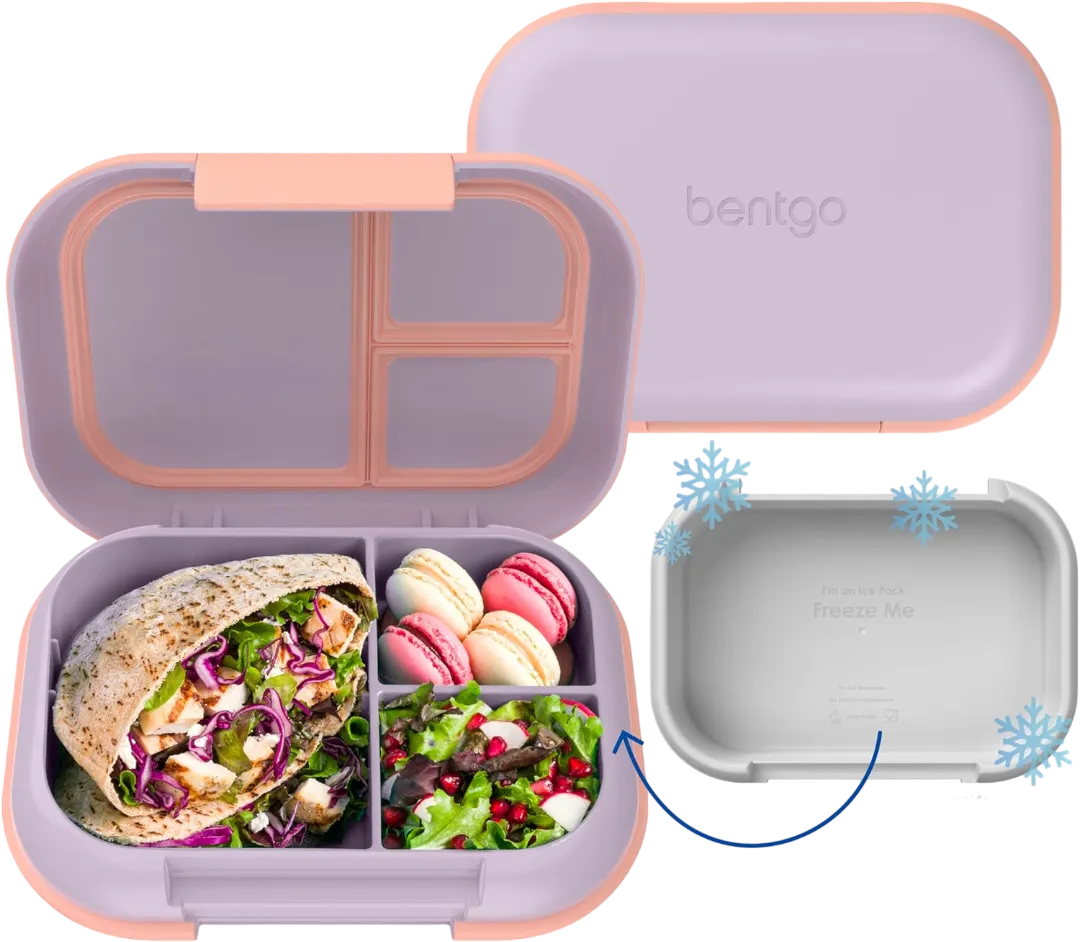
Bentgo Chill Max Lunch Box
it’s perfect for anyone who wants cute, organized, Instagram-able gluten-free lunches. The built-in ice pack keeps things fresh, the compartments are perfect for snacks, dips, and small portions, and it’s leak-proof (so your hummus doesn’t redecorate your tote bag). Ideal for school, work, picnics, travel days, or long study sessions.
3. Kid-Friendly Gluten-Free Lunch Ideas
Packing gluten-free lunches for kids adds a few extra layers: picky preferences, limited time to eat, and the social side of “trading” and sharing food. The goal is to send lunches that are fun, familiar, and easy to manage independently.
Make It Easy to Eat (and Not Embarrassing)
Kids often have just 15–20 minutes to eat, chat, and clean up. Finger foods and bite-sized items are your best friend:
- Cut sandwiches or wraps into small squares or pinwheels.
- Use silicone cups or little containers to separate foods visually.
- Include utensils only when really needed—simple is better.
When possible, pack foods that look similar to what other kids eat, just in gluten-free form: tacos, pizza slices, pasta salads, and snack-style boxes tend to feel “normal” in a lunchroom setting.
Kid-Friendly Gluten-Free Lunch Box Ideas
Here are some flexible ideas you can tweak to fit your child’s tastes:
1. Mini Taco Box
- Gluten-free tortilla chips or small corn tortillas
- Seasoned ground meat or beans (cold is fine if your kid likes it)
- Shredded cheese in a separate cup
- Lettuce and mild salsa
- Fruit cup or apple slices for dessert
Kids can build their own mini tacos at the table—messy in a fun way, but still contained.
2. Gluten-Free “Pizza” Lunch
- Gluten-free mini pitas, English muffin halves, or flatbread
- Small container of pizza sauce
- Shredded mozzarella and a few pepperoni slices (if tolerated)
- Carrot sticks and cucumbers on the side
Your child can spread the sauce, add toppings, and eat it as is. No oven required.
3. Bento-Style Snack Lunch
- Roll-ups made with turkey and cheese
- Gluten-free crackers
- Hummus or ranch-style dip
- Cherry tomatoes or sliced peppers
- A small treat: a few chocolate chips or a gluten-free cookie
Snack-style meals are especially helpful for kids who like to graze instead of eating one big main dish.
Talking to Schools About Gluten-Free Lunches
If your child is strictly gluten free, it’s worth a quick conversation with their teacher or school staff. You can:
- Explain, in simple terms, that your child’s food must stay separate and can’t be shared.
- Ask where lunches are stored and whether there’s any risk of gluten crumbs getting into their container.
- Provide a small stash of safe snacks or treats that can be used for classroom celebrations.
Your goal isn’t perfection, just a reasonable setup so your child can enjoy lunch safely and confidently.
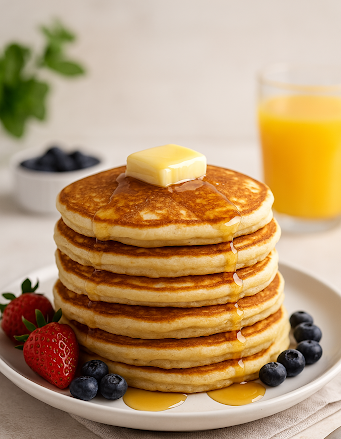
Recipe Inspiration
Try these gluten-free staples loved by thousands:


4. Gluten-Free Lunches for Work & College
For adults and college students, gluten-free lunch boxes need to walk the line between practical, affordable, and filling enough to power you through long days. You may not have access to a fridge or microwave, so planning ahead is key.
Think in “Prep Once, Eat Multiple Times”
The easiest way to stay consistent is to batch-prep a few components and mix them up through the week:
- Cook a pot of gluten-free grain (rice, quinoa, millet) for quick bowls and salads.
- Prep a tray of roasted veggies that taste good hot or cold.
- Make a big batch of protein (chicken, tofu, beans, or lentils) and season portions differently.
- Whisk a jar of simple vinaigrette you can drizzle over anything.
With those basics ready, your gluten-free lunch ideas practically build themselves in the morning.
Gluten-Free Work Lunch Box Ideas
1. Mediterranean Bowl
- Base of quinoa or rice
- Chickpeas or grilled chicken
- Cucumbers, tomatoes, olives, and red onion
- Feta cheese and a drizzle of olive oil and lemon
This bowl is hearty enough for long afternoons and holds well in the fridge for a few days.
2. Simple Sushi-Inspired Box
- Rice (or seasoned sushi rice if you have it)
- Cooked shrimp, smoked salmon, or tofu
- Cucumber sticks, carrot matchsticks, avocado (added same day)
- Gluten-free tamari in a small leak-proof container
Think of it as a deconstructed sushi roll—no rolling skills required.
3. Protein-Packed Salad
- Greens of choice (spinach, mixed greens, lettuce)
- Grilled chicken, tuna, beans, or boiled eggs
- Extras: cheese, nuts/seeds (if allowed), chopped veggies, olives
- Dressing packed separately
Layer hearty ingredients at the bottom and greens at the top so they stay crisp until lunchtime.
Navigating Shared Work or Campus Kitchens
Shared fridges, microwaves, and toasters can all be sources of gluten crumbs. Some simple strategies:
- Store your lunch in a closed container or bag before placing it in a shared fridge.
- Avoid shared toasters—bring your bread toasted from home or choose untoasted options.
- If using a shared microwave, keep food in a closed container and place it on a clean plate or paper towel.
- Keep a small set of utensils at your desk or in your bag so you’re not relying on communal drawers.
If you’re in college, consider a small stash of gluten-free pantry foods in your dorm or apartment for backup: instant gluten-free oats, rice cakes, tuna pouches, nut butter, and shelf-stable milk can save you when cafeteria options are limited.
5. Planning, Prepping & Staying Organized
The biggest secret to stress-free gluten-free lunch boxes isn’t a specific recipe—it’s the system behind your week. A little planning upfront pays off every rushed morning.
Create a Short List of “House Lunches”
Instead of reinventing the wheel, choose 5–8 go-to gluten-free lunch ideas your household genuinely likes. For example:
- Snack-box style protein plate
- Leftover dinner bowls
- Taco or nacho boxes
- Gluten-free pasta salads
- Breakfast-for-lunch combos
Write them down, put the list on your fridge, and pull from it when you plan the week. This keeps decision fatigue low and makes shopping much easier.
Batch-Prep the Boring Parts
Most of the time, it’s not the main dish that slows you down—it’s washing and chopping and hunting for containers. Try this rhythm:
- Once or twice a week, wash and chop a few veggies that hold well: carrots, cucumbers, peppers, celery.
- Pre-portion fruit into small containers where it won’t touch savory foods.
- Cook a batch of protein (chicken, hard-boiled eggs, tofu, beans) and store in the fridge.
- Keep a dedicated bin for gluten-free snacks that are lunchbox-ready (crackers, popcorn, granola bars).
When mornings roll around, you’re simply assembling—not starting from scratch.
Labeling & Rotation
To avoid waste and keep food safe, simple labeling helps:
- Use a marker or painter’s tape to note the date on cooked grains, meats, and salads.
- Follow a “first in, first out” rule—older containers get used first.
- Keep lunch items together in one spot in the fridge so you’re not hunting at 7 a.m.
If you’re packing for multiple gluten-free family members, consider color-coding containers or lunch bags so everyone grabs the right one.
Handling Busy or Off-Schedule Days
Real life doesn’t always care about your carefully planned lunch schedule. For those extra-busy or totally off-routine days, it helps to have a backup plan:
- Keep a few shelf-stable, gluten-free items at work or in a backpack (tuna pouches, nut butter, crackers, trail mix, fruit cups).
- Freeze a couple of single-serving, gluten-free-friendly meals that can be tossed into a lunch bag in the morning and thawed by lunchtime.
- Have a mental list of local spots or cafeteria options that reliably offer gluten-free choices.
Your goal isn’t perfection every day—it’s a system that works most of the time and gives you cushions when life happens.
Give Yourself Permission to Keep It Simple
Social media makes it look like every gluten-free lunch box needs to be color-coordinated and shaped like animals. It doesn’t. As long as your lunch is safe, satisfying, and something you or your child will actually eat, you’re doing it right.
Over time, you’ll build your own rhythm, favorite products, and lunch routines. Use the ideas in this guide as a starting point, then tweak them to fit your budget, tastes, and schedule.
Key Takeaways
- Think in terms of a simple formula—protein, gluten-free carbs, produce, healthy fats, and something fun—when building gluten-free lunch boxes.
- Rely on naturally gluten-free foods and a few trusted packaged items, and watch out for hidden gluten in sauces, soups, and snack mixes.
- Kid-friendly gluten-free lunches work best when they’re easy to eat, look familiar, and can stand up to short, busy lunch periods.
- For work and college, batch-prepping grains, proteins, and veggies turns gluten-free lunches into quick daily assembly instead of a new project every morning.
- A short list of go-to lunch ideas, some light prep, and the right containers are often all you need to keep gluten-free lunches simple and sustainable.
Take the Next Step in Your Gluten-Free Journey
- Download the Free EGF Starter Guide
- Try our Gluten-Free Planner to simplify your week
- Explore our growing recipe library
You don’t have to navigate the gluten-free lifestyle alone, we are here to make it easier every day.
Category: Lifestyle