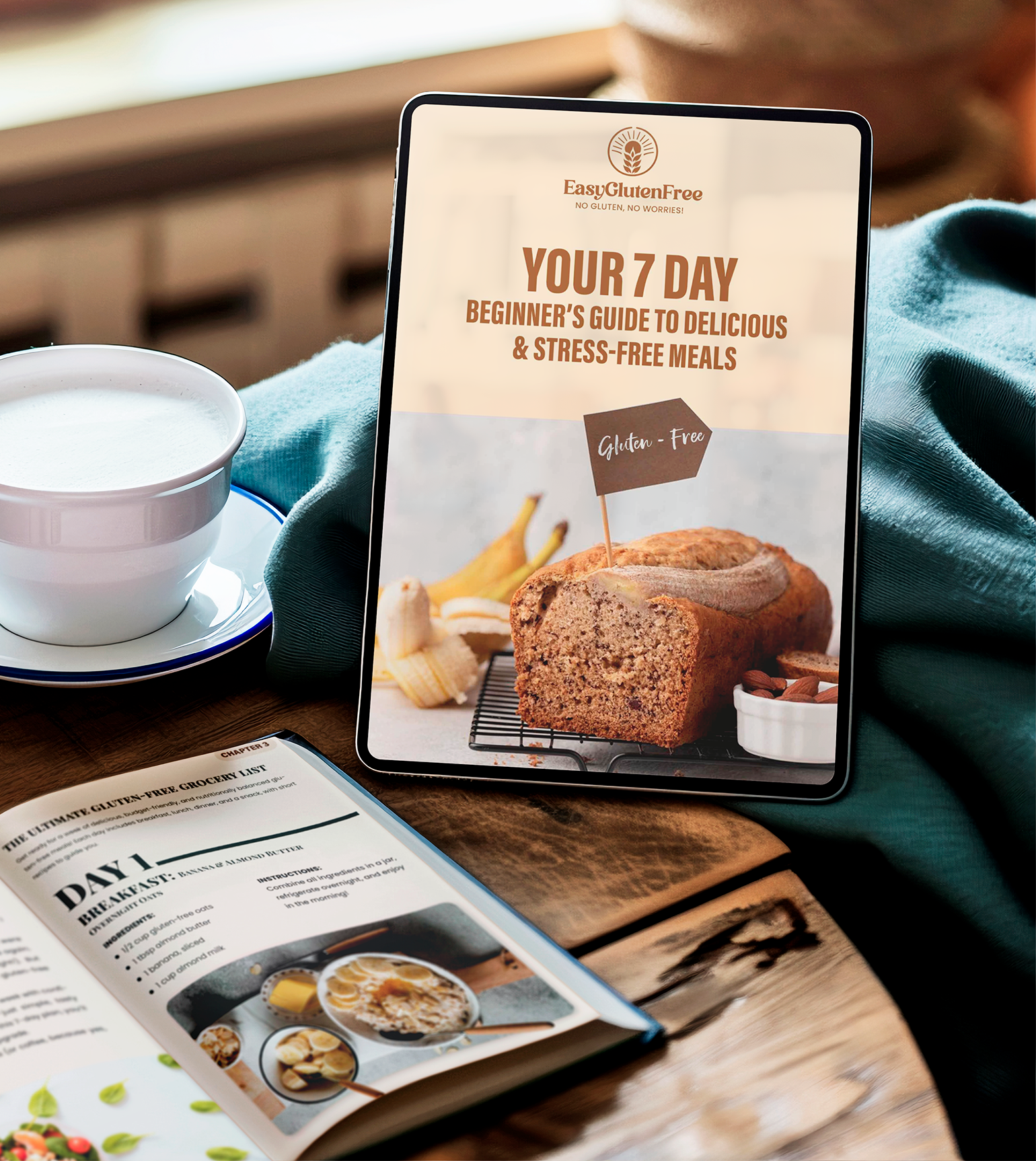
Download Your Free Guide to Stress-Free Gluten-Free Meal Prep

Gluten-Free Food Storage & Meal Prep Essentials (So Your Week Actually Feels Easy)
Gluten-free eating gets dramatically easier when your fridge, freezer, and pantry are set up to work for you instead of against you. In this guide, you’ll learn how to store gluten-free food safely, prep ahead without soggy leftovers, and build a kitchen system that saves time, money, and decision fatigue—all while keeping cross-contact in check.
Download Our Free Gluten-Free Starter Guide
- 7-day meal plan
- shopping list
- Tips & 3 beginner-friendly recipes
Introduction
Going gluten free changes what you eat—but it also changes how you store, prep, and organize food. Suddenly you’re thinking about breadcrumbs on cutting boards, flour dust in containers, and whether yesterday’s leftovers are still safe. The good news: with a few smart systems, gluten-free food storage and meal prep can feel calm, streamlined, and honestly…pretty satisfying.
This article walks you through practical, real-life strategies to keep your gluten-free food safe, fresh, and ready to grab. We’ll talk about how to avoid cross-contact in the fridge, what containers actually make a difference, how to prep once and eat well all week, and how to build habits that fit into a busy life—not a fantasy schedule.
Use this as your evergreen roadmap: whether you’re brand new to gluten free or a few years in and still feeling a little scattered, you’ll find simple tweaks that make your kitchen feel more organized, your meals more consistent, and your gluten-free lifestyle much easier to maintain long-term.
1. Setting Up a Gluten-Free Friendly Fridge, Freezer & Pantry
Before you think about batch cooking or cute containers, you need a layout that keeps gluten-free food safe from cross-contact. That starts with how you organize the spaces you use every day: fridge, freezer, and pantry.
Designate Gluten-Free “Safe Zones”
If you share a kitchen with people who still eat gluten, make it visually obvious where the gluten-free food lives. A few ideas:
- Choose one shelf in the fridge that’s gluten free only—ideally eye level so it’s easy to monitor.
- Use a bin or caddy labeled “GF” for bread, wraps, and baked goods so they never sit next to gluten versions.
- In the pantry, dedicate one section to sealed gluten-free items and keep gluten-containing flours and crumbs far away.
Clear boundaries mean fewer “wait, is this mine or yours?” moments and less guesswork when you’re tired or rushing.
Store Gluten-Free Above Gluten-Containing Foods
In the fridge, gravity matters. If someone tosses a regular baguette on the top shelf, crumbs can fall onto your carefully stored leftovers below. To reduce risk:
- Keep gluten-free food on the top or at least above gluten-containing food whenever possible.
- Use closed containers (not just foil loosely wrapped around a plate) for gluten-free leftovers.
- Avoid open bowls or plates for anything gluten free; lids are your best friend here.
A simple “GF lives on the higher shelves” rule is easy for the whole household to remember.
Create a Gluten-Free Baking & Prep Zone
If you bake or cook from scratch, set up a small area that’s reliably gluten free. This could be one counter section plus a drawer or cabinet. Stock it with:
- Dedicated gluten-free cutting boards and utensils
- Measuring cups and spoons used only for gluten-free recipes
- Gluten-free flours, starches, and baking ingredients in sealed containers
Labeling these tools (a bit of tape or a marker dot works) helps others in the household remember not to mix them into the general drawer.
Pantry Systems That Make Gluten-Free Eating Easier
The pantry is where convenience either happens or falls apart. Instead of random bags stacked on top of each other, think in “zones” and “grab-and-go.”
- Breakfast zone: gluten-free oats, cereal, chia seeds, nut butters, shelf-stable plant milk.
- Quick dinner zone: gluten-free pasta, sauces, canned beans, tomatoes, broths labeled gluten free.
- Snack zone: bars, crackers, nuts, and seeds you know are gluten free, in a clear bin.
Zones help you see what you’re low on at a glance and make it easier to pack a safe lunch or pull together a fast dinner without hunting for ingredients.
Make Cleanliness Part of Your Storage Strategy
Crumbs are sneaky. A few habits keep surfaces—and therefore your stored food—safer:
- Wipe pantry shelves regularly, especially around bread, cereals, and snack foods that shed crumbs.
- Use liners or washable mats on shelves where gluten items are stored so crumbs are easy to contain and clean.
- In shared spaces, keep a separate sponge or cloth for gluten-free prep areas to avoid spreading residue around.
Think of this as quiet background maintenance that supports all your other gluten-free efforts.
2. Safe & Smart Containers for Gluten-Free Storage
The right containers don’t have to be fancy, but they do need to keep gluten-free food sealed, visible, and easy to grab. This isn’t just about aesthetics; smart storage prevents accidental mix-ups and helps your food last longer.
Why Dedicated Gluten-Free Containers Help
When everyone in the household knows, “these containers are for gluten-free only,” you cut down on confusion. A few guidelines:
- Choose one style or color to signal gluten free (for example, all white lids or all glass with blue lids).
- Keep these containers in the same drawer or cabinet so you reach for them automatically.
- Use them for leftovers, prepped ingredients, and snacks that absolutely must stay gluten free.
This simple visual system is especially helpful for kids, partners, or roommates who are still learning what gluten free means in daily life.
Best Types of Containers for Gluten-Free Kitchens
Different materials have different strengths for storage and meal prep:
- Glass containers: Great for reheating, seeing what you have, and storing saucy dishes, soups, or casseroles.
- Stackable plastic containers: Lightweight and useful for dry goods, snacks, and freezer meals—just be sure they’re in good condition and reserved for gluten-free food.
- Reusable silicone bags and pouches: Ideal for snacks, chopped vegetables, marinated proteins, and freezer storage. They save space and cut down on single-use plastic.
- Small jars or portion cups: Perfect for sauces, dressings, seeds, and toppings you don’t want touching gluten items.
Whatever you choose, the goal is the same: airtight, easy to label, and simple enough that you’ll actually keep using them.
Using Containers to Reduce Cross-Contact
Containers are your barrier between gluten-free food and anything that might contaminate it. A few practical tips:
- Always store gluten-free leftovers with lids fully closed; avoid sharing containers that previously held gluten-containing food if they’re scratched or stained.
- Use separate butter, nut butter, or jam jars for gluten-free eaters if crumbs from regular bread are an issue.
- Keep gluten-free flours and baking ingredients in labeled containers, and avoid storing them directly next to wheat flour or baking mixes with gluten.
The more “contained” your gluten-free items are, the less mental energy you’ll spend worrying about what might have touched them.
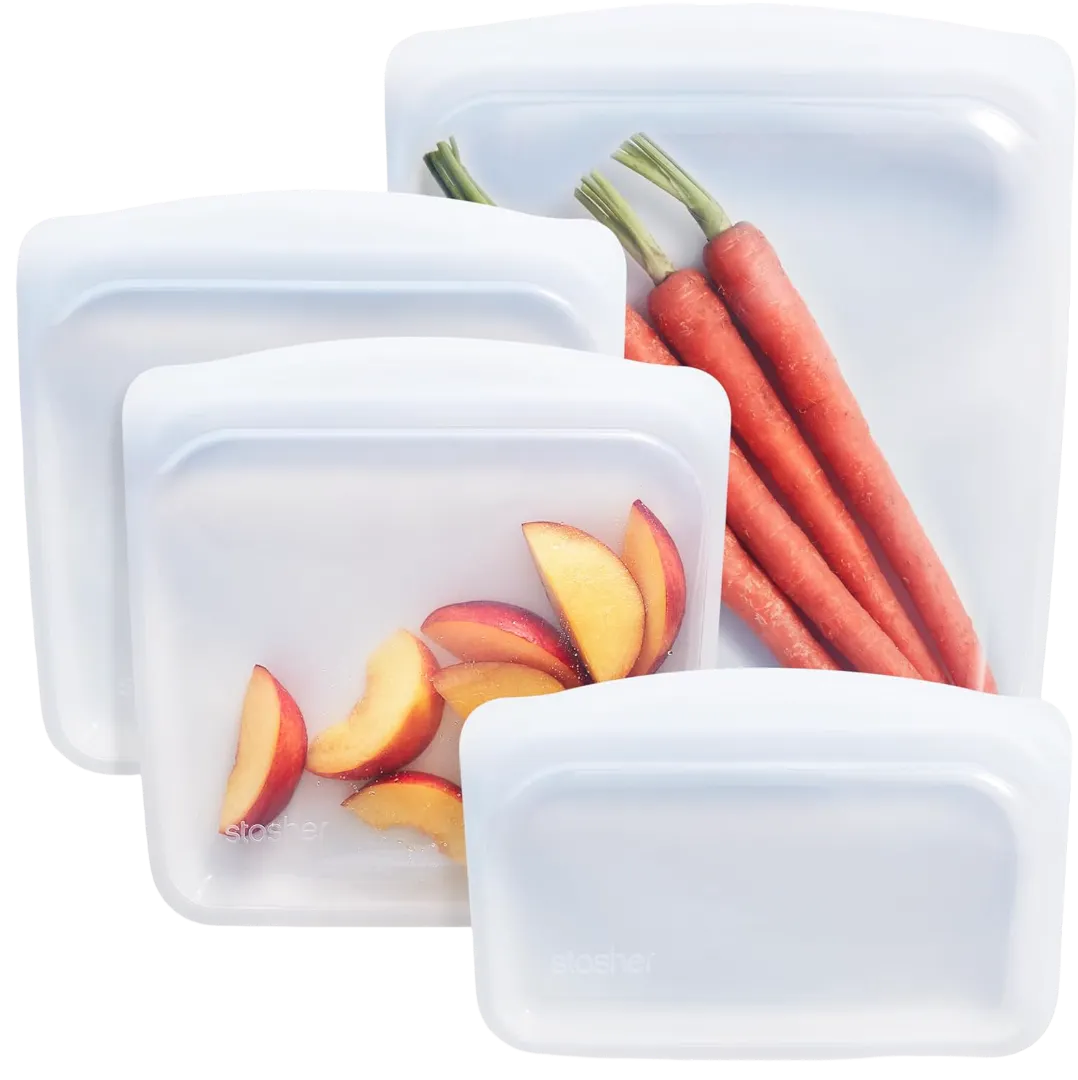
Premium Silicone Reusable Food Storage Bags
These are the “I have my life together” bags. Perfect for packing gluten-free snacks, leftovers from brunch, veggie sticks for road trips, or even freezer prep for busy weeks. They’re reusable, dishwasher-safe, plastic-free, and look aesthetically pleasing in your fridge and your IG stories. Great anchor product for any article about sustainability, meal prep, hosting, or on-the-go GF living.
3. Gluten-Free Meal Prep Basics for Busy Weeks
Meal prep doesn’t have to mean spending your entire Sunday cooking. For gluten-free eating, the goal is to reduce daily decisions and make sure there’s always something safe and satisfying ready to grab.
Think “Prep Components,” Not Full Meals
Instead of prepping seven identical lunches you’re tired of by Wednesday, try prepping building blocks you can mix and match:
- Proteins: grilled chicken, baked tofu, hard-boiled eggs, slow-cooked shredded meat, or beans.
- Carbs: gluten-free grains like rice, quinoa, millet, or certified gluten-free oats.
- Veggies: washed greens, chopped salad mix, roasted vegetables, and sliced raw veggies.
- Flavor boosters: sauces, dressings, pickled onions, and roasted nuts or seeds (gluten free).
With a few components in the fridge, you can quickly build bowls, salads, wraps (using gluten-free tortillas), or snack plates without starting from zero each time.
Prioritize Your “Stress Moments” First
Ask yourself: When is gluten free hardest for me? Is it rushed mornings, office lunches, after-work dinners, or weekend activities? Prep for those moments first.
- If mornings are tough, prep overnight oats, chia pudding, or frozen smoothie packs with gluten-free ingredients.
- If lunch is tricky, portion out 2–3 grab-and-go options early in the week in clearly labeled containers.
- If post-work hunger leads to random snacking, keep a ready-to-eat gluten-free option in the fridge: a soup, chili, or pasta salad you actually like.
When your biggest pain points are covered, everything else feels more manageable.
Batch Cook Without Getting Overwhelmed
Batch cooking doesn’t have to be complicated. A simple formula that works well for gluten-free kitchens:
- Choose one big-batch meal (like a soup, curry, or chili) that reheats beautifully.
- Cook one gluten-free grain and one protein you can reuse in multiple ways.
- Prep at least one veggie for roasting and one for raw snacking.
This gives you variety without an all-day cooking marathon.
Use Your Freezer Intentionally
The freezer is a powerful tool for gluten-free living, especially when eating out isn’t always an option. A few ideas to keep on rotation:
- Portioned cooked grains and beans, frozen flat on a tray then stored in containers or bags.
- Gluten-free muffins, pancakes, or waffles you can quickly reheat for breakfast.
- Extra portions of sauces, broths, and curries, frozen in small containers or cubes.
Label everything clearly so you’re not playing “mystery container roulette” three months from now.
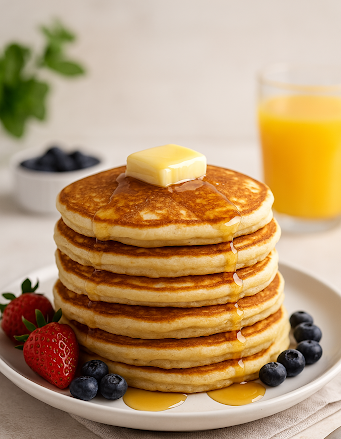
Recipe Inspiration
Try these gluten-free staples loved by thousands:


4. Labeling, Rotation & Preventing Food Waste
Nothing is more discouraging than putting effort into gluten-free prep, only to throw half of it away. A little structure around labeling and rotation can dramatically cut waste and help you feel more in control.
Make Labeling Non-Negotiable
Even in a small household, it’s surprisingly easy to forget when you cooked something—or whether it was gluten free. Labeling doesn’t have to be pretty; it just has to be clear.
- Use masking tape, dissolvable labels, or a washable marker on containers.
- Include the item name, “GF” if needed, and the date it was cooked or frozen.
- For shared households, you can also add initials for who it’s meant for to avoid accidental snacking.
A five-second label now saves you from a “do I risk it?” moment later.
Follow a Simple “First In, First Out” Rule
FIFO (first in, first out) isn’t just for restaurant kitchens. It works beautifully at home:
- When you add new containers to the fridge, push older ones to the front so they’re eaten first.
- In the pantry, keep older items or nearing-expiration foods at the front of their zone.
- Do a quick “scan and shuffle” once or twice a week—this takes under two minutes but makes a big difference.
The result: fewer forgotten leftovers, less waste, and better use of your gluten-free staples.
Know Rough Timelines for Common Gluten-Free Foods
Exact timing can vary, but general guidelines can help you plan storage:
- Cooked gluten-free grains: usually 3–4 days in the fridge, longer if frozen.
- Cooked meats and stews: often 3–4 days refrigerated, several months frozen.
- Chopped raw veggies: 3–5 days depending on the type and how they’re stored.
- Soups and curries: 4–5 days in the fridge; most freeze very well.
When in doubt, listen to your senses and comfort level, and lean on your freezer for anything you know you won’t eat within a few days.
Build a Weekly “Use It Up” Habit
Choose one day each week—often the night before shopping—to focus on using up what you already have:
- Make a leftover bowl or “clean out the fridge” soup using safe gluten-free items.
- Turn bits of cheese, veggies, and protein into a frittata or hash.
- Chop tired veggies and freeze them for future soups or sauces (if they’re still good).
This ritual helps you stay in touch with what’s on hand and protects your gluten-free grocery budget.
5. Sample Gluten-Free Prep Routine You Can Steal
If you like seeing it all put together, this simple routine shows how food storage and meal prep can work in a real week. Adjust portions and ingredients to your preferences, but keep the structure.
Step 1: Quick Inventory & Plan (10–15 Minutes)
Before shopping or cooking, peek into your fridge, freezer, and pantry:
- List 2–3 proteins, 2 carbs, and 4–5 veggies you already have.
- Decide on one big-batch meal (like a soup, chili, or curry) and one “fun” item (like gluten-free muffins or energy bites).
- Note any items that need to be used soon and center a meal or two around them.
This keeps you from overbuying and helps your storage system actually work.
Step 2: Prep in Layers, Not All at Once (60–90 Minutes)
Rather than cooking everything one by one, stagger tasks:
- Start your big-batch meal on the stove or in the slow cooker.
- While it cooks, put a gluten-free grain in a rice cooker or pot.
- Chop veggies—some for roasting, some for snacking, some for salads.
- Roast veggies on a sheet pan while you finish any sauces or dressings.
By the end, you’ll have several components done without feeling chained to the kitchen.
Step 3: Portion & Store With Future You in Mind
This is where your storage strategy really shines. As food cools:
- Divide grains, proteins, and roasted veggies into containers for quick lunches or dinners.
- Put snacks (like chopped veggies, nuts, or muffins) into smaller containers or reusable bags for on-the-go ease.
- Label everything with name, date, and “GF” where helpful, and place gluten-free items in your designated safe zones.
Ask yourself, “What will tired Wednesday-night me thank present-day me for?” and store accordingly.
Step 4: Use the Freezer as a Backup Plan
If you see that you’ve prepped more than you’ll realistically eat in three or four days, freeze some right away:
- Freeze individual portions of your big-batch meal for instant future dinners.
- Freeze half of your gluten-free baked goods to keep them fresh.
- Freeze cooked grains in flat, labeled portions so they thaw quickly.
This saves you from burnout (and food waste) and creates a mini gluten-free “safety net” for busy weeks ahead.
Step 5: Keep It Flexible & Kind
Your routine doesn’t have to be perfect to be powerful. Some weeks you’ll prep a lot; other weeks, you might just wash produce and cook one big soup. That still counts. The goal is progress, not perfection—and storage systems that support the way you actually live.
Key Takeaways
- Setting up clear gluten-free zones in your fridge, freezer, and pantry dramatically reduces daily stress and cross-contact risk.
- Dedicated, well-labeled containers make it easier to keep gluten-free food safe, visible, and ready to grab when you need it most.
- Meal prep works best when you focus on versatile components—proteins, grains, veggies, and sauces—instead of rigid, identical meals.
- Simple habits like labeling, first-in-first-out rotation, and a weekly “use it up” night help prevent waste and protect your gluten-free budget.
- A realistic, flexible prep routine tailored to your busiest moments turns gluten-free eating from overwhelming to manageable and sustainable.
Take the Next Step in Your Gluten-Free Journey
- Download the Free EGF Starter Guide
- Try our Gluten-Free Planner to simplify your week
- Explore our growing recipe library
You don’t have to navigate the gluten-free lifestyle alone, we are here to make it easier every day.
Category: Kitchen & Meal Prep