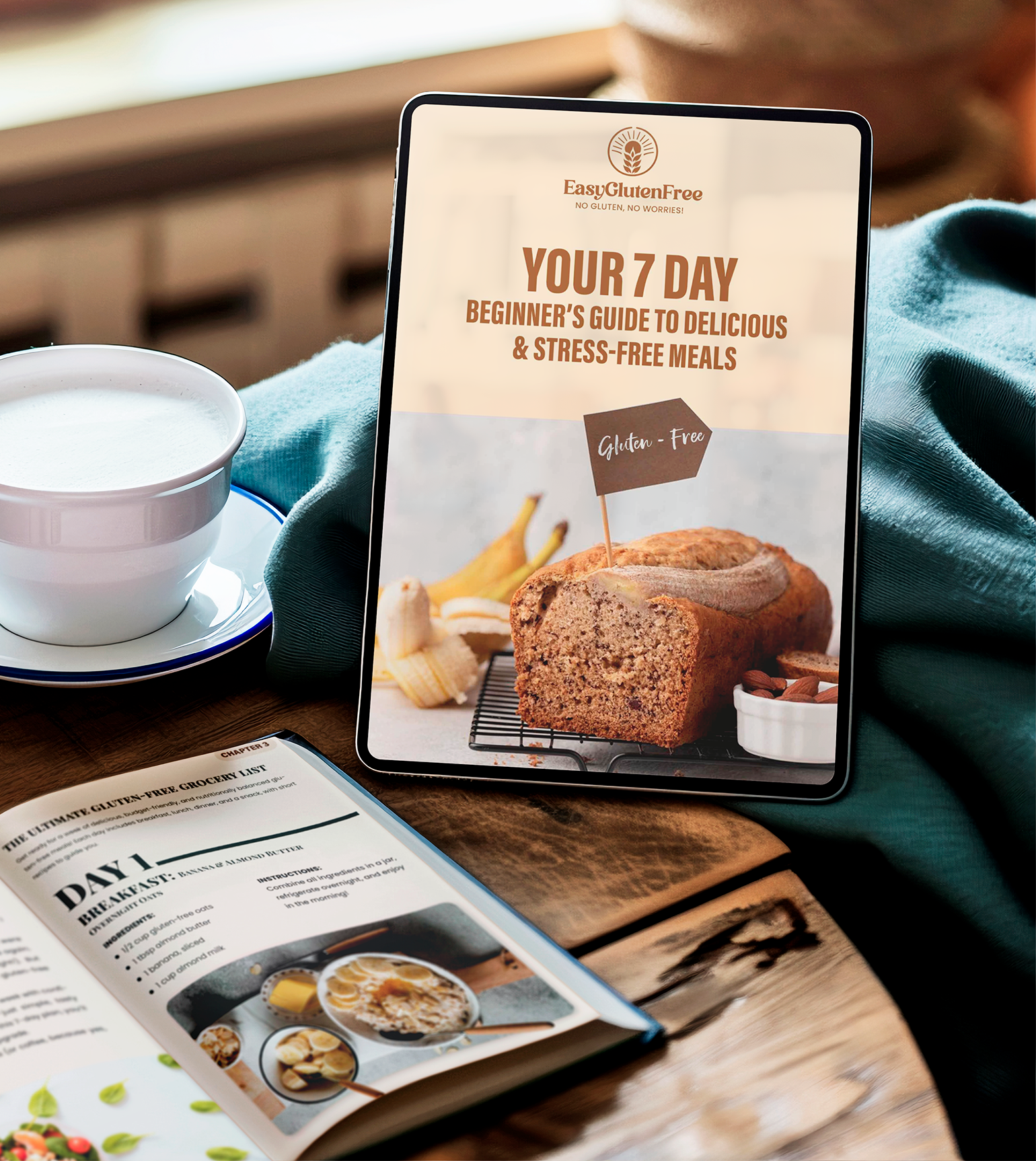
Download the Free Guide to Foolproof Gluten-Free Muffins Every Time

How to Bake Moist, High-Rising Gluten-Free Muffins (Without Grit or Gumminess)
If your gluten-free muffins keep sinking, crumbling, or turning out dry, you’re not alone. In this step-by-step guide, you’ll learn exactly how to get moist, tender, bakery-style gluten-free muffins with a perfectly domed top—using simple ingredients and repeatable techniques you can rely on every single weekend.
Download Our Free Gluten-Free Starter Guide
- 7-day meal plan
- shopping list
- Tips & 3 beginner-friendly recipes
Introduction
Gluten-free muffins shouldn’t be the “consolation prize” version of the real thing. When your batter is balanced and your technique is dialed in, you can absolutely get tall, tender muffins with a moist crumb and a delicate, bakery-style texture—without wheat flour, weird aftertastes, or complicated specialty equipment.
The challenge is that gluten does a lot of heavy lifting in classic muffin recipes. It holds in moisture, traps air bubbles, and gives structure so your muffins rise and stay risen. Take gluten away without a plan, and you’ll often end up with dense, gummy, or sandy muffins that go stale by tomorrow. This guide walks you through how to rebuild that structure the gluten-free way, using a smart blend of flours, the right fats and liquids, and a few simple timing tricks.
Whether you’re baking for celiac disease, gluten sensitivity, or you’re just trying to make brunch inclusive for everyone at the table, these principles will help you bake muffins that people actually ask for seconds of—no disclaimers, no “they’re good… for gluten-free.” Just really good muffins that happen to be gluten-free.
1. Understanding Gluten-Free Muffin Basics
Gluten-free muffin success starts long before the batter hits the pan. Once you understand what’s happening in the bowl and in the oven, it becomes much easier to troubleshoot issues and get consistent results.
What Makes a Great Gluten-Free Muffin?
Most people are looking for the same thing in a great muffin, whether it’s gluten-free or not:
- A tall, rounded top with a gentle dome
- A moist, tender crumb that isn’t gummy or wet
- A texture that isn’t gritty or sandy
- Evenly distributed mix-ins (berries, chocolate chips, nuts)
- A muffin that stays soft for at least 1–2 days
Gluten-free batters tend to be more delicate and need a little extra support. That support comes from the right flour blend, enough protein, plenty of moisture, and a careful hand with mixing.
How Gluten-Free Muffin Batter Differs From Regular Batter
In a wheat-based recipe, gluten develops as you stir, giving the batter stretch and strength. In gluten-free baking, there’s no gluten network to overwork, so the usual “don’t overmix” rule shifts slightly. You still want to avoid whipping in tons of air, but you also want to be sure the flours are fully hydrated and there are no dry pockets.
Here are a few practical differences you’ll notice with gluten-free muffin batter:
- Thickness: The batter is often thicker than traditional muffin batter, closer to a scoopable cake batter than a pourable one.
- Resting Time: A brief rest (10–15 minutes) before baking lets the flours absorb liquid and dramatically improves texture.
- Leavening: You usually need slightly more baking powder (and sometimes baking soda) to get a good rise and open crumb.
- Moisture: Extra moisture from yogurt, sour cream, buttermilk, or applesauce keeps the crumb soft instead of dry or crumbly.
Key Ingredients That Support Structure and Moisture
Think of gluten-free muffin baking as building a team where each ingredient has a job:
- Gluten-free flour blend: Provides bulk and body. A good all-purpose blend takes the guesswork out.
- Eggs: Add structure and richness, and help trap air for a higher rise.
- Fat (butter or oil): Keeps muffins tender, carries flavor, and helps prevent dryness.
- Sugar: Does more than sweeten; it helps muffins brown and stay moist.
- Liquid dairy or dairy-free alternatives: Hydrate the flours and keep the crumb soft.
- Binders (psyllium, xanthan, or blends that already include them): Help mimic gluten’s hold-everything-together effect.
Once these basics are in place, the rest—flavors, mix-ins, toppings—is pure creativity. But skipping or skimping on these foundational elements is often why gluten-free muffins disappoint.
2. Choosing the Best Gluten-Free Flour for Muffins
The single biggest factor in gluten-free muffin success is the flour blend you start with. You can follow the perfect recipe, but if your flour behaves unpredictably—absorbing too much liquid or too little—you’ll get inconsistent results.
Why a 1:1 Gluten-Free Flour Blend Simplifies Muffin Baking
Instead of keeping four or five separate gluten-free flours and starches in your pantry and blending them every time, most home bakers do better with a reliable 1:1 (also called “measure-for-measure”) gluten-free flour. These blends are thoughtfully balanced to:
- Hydrate predictably (so your muffins aren’t suddenly dry one day and gummy the next)
- Provide enough structure for cakes, muffins, and quick breads
- Swap pretty closely with all-purpose wheat flour in many recipes
For muffins, look for a blend that includes a mix of whole-grain rice flours and starches (like potato or tapioca), and ideally a binding ingredient such as xanthan gum or another stabilizer. This combination lets your muffins hold their shape while staying soft and tender.
Tips for Using 1:1 Flour in Muffin Recipes
Even with a great flour blend, you’ll get better results if you keep these guidelines in mind:
- Measure accurately: For consistency, scoop flour into your measuring cup and level it off—or use a kitchen scale if you have one.
- Don’t pack the flour: Pressing flour into the cup can add up to 30% more flour than the recipe intends, which leads to dry, dense muffins.
- Let the batter rest: A short rest before baking gives the flour time to hydrate, which smooths out the crumb.
- Adjust liquids slightly if needed: Humidity, brand differences, and add-ins can all change how much liquid you really need. If the batter looks dry and stiff, a splash or two of milk can make a big difference.
Bob’s Red Mill Gluten Free 1 to 1 Baking Flour
This is the gold-standard gluten-free all-purpose flour. It behaves beautifully in pancakes, muffins, cookies, quick breads — and it’s the ideal flour to recommend in ANY practical baking guide. Reliable, consistent, and approved by thousands of gluten-free home bakers. Perfect for articles about technique, substitutions, and baking success.

3. Step-by-Step Method for Moist Gluten-Free Muffins
You don’t need a complicated recipe to get great gluten-free muffins. This method is intentionally simple so you can use it as a base for almost any flavor—from classic blueberry to double chocolate.
1. Start With Room-Temperature Ingredients
Cold eggs or milk can cause the fat in your batter to firm up, leading to uneven mixing and tunnels inside your muffins. Aim to set eggs, milk, and yogurt (or dairy-free alternatives) on the counter for 20–30 minutes before baking, or place whole eggs in a bowl of warm (not hot) water for 5–10 minutes to speed things up.
2. Mix the Dry Ingredients Thoroughly
In a medium bowl, whisk together:
- Gluten-free 1:1 flour blend
- Baking powder (and baking soda if your recipe uses it)
- Salt
- Spices like cinnamon or nutmeg, if using
Because gluten-free flours can settle and separate in the bag, whisking well before adding liquids ensures a more even texture and rise. It also helps prevent pockets of starch or gum that can create gummy spots.
3. Whisk the Wet Ingredients Gently
In a larger bowl, whisk together:
- Eggs
- Granulated sugar and/or brown sugar
- Oil or melted butter
- Milk, buttermilk, or a dairy-free alternative
- Any additional liquid sweeteners like honey or maple syrup
- Vanilla extract
Whisk just until everything is smooth and cohesive. There’s no need to beat air into this mixture—the leavening will handle the lift for you.
4. Combine Wet and Dry Without Overworking
Pour the dry ingredients into the wet ingredients and use a spatula or spoon to fold them together. Scrape the sides and bottom of the bowl so no floury bits remain. The batter should be thick but scoopable. At this point, it’s okay if a few small lumps remain; they’ll smooth out during the rest period.
5. Fold in Mix-Ins Last
Add your berries, chocolate chips, nuts, or other mix-ins at the end. To keep them from sinking:
- Toss fresh or frozen berries lightly with a spoonful of flour from the recipe before folding them in.
- Fold gently, using broad strokes, just until everything looks evenly distributed.
This prevents overmixing and helps maintain that tender, soft crumb you’re after.
6. Let the Batter Rest for 10–15 Minutes
This is the step most people skip, and it’s where gluten-free muffin magic happens. Allowing the batter to rest on the counter lets the flours fully hydrate and the leavening start to do its work. The result is:
- A smoother, less gritty crumb
- Better domed tops
- Fewer tunnels and air pockets
While the batter rests, preheat your oven and line your muffin tin.
7. Fill the Muffin Cups Generously
To get tall muffins, fill each muffin cup about ¾ full. If you’re using paper liners, you can even go a touch higher—gluten-free batter doesn’t always spread as much as wheat-based batter, so you’ll want that extra volume to encourage a good rise.
For even baking, it’s helpful to:
- Use a cookie scoop or measuring cup to portion the batter
- Tap the pan very gently on the counter once to settle the batter
- Optionally sprinkle a little sugar on top for a lightly crisp, bakery-style finish
8. Bake Hot, Then Check Early
Many bakers find that starting muffins in a slightly hotter oven (around 400°F / 200°C) for the first 5–7 minutes helps them rise quickly and build that domed top. You can then reduce the temperature to 350°F / 175°C for the remaining baking time.
Begin checking for doneness a few minutes before the recipe suggests. A muffin is done when:
- The top springs back lightly when touched
- A toothpick inserted in the center comes out with a few moist crumbs, not wet batter
- The edges are lightly golden and pulling just away from the sides of the liner
9. Cool Properly to Avoid Gumminess
Gluten-free muffins continue to set as they cool. Let them rest in the pan for 5–10 minutes, then carefully transfer to a wire rack. Leaving them in the pan too long can create steam buildup, which leads to soggy bottoms.
Once fully cooled, the crumb firms up and the flavors settle. If you cut into them while they’re piping hot, they can seem softer or wetter than they really are—give them a little time to show off their best texture.
Recipe Inspiration
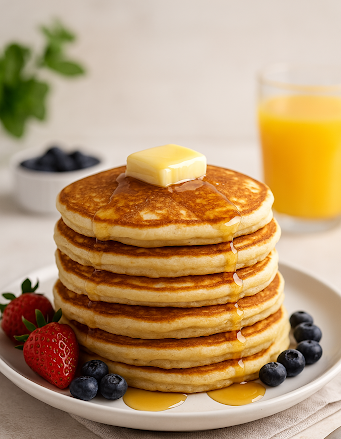
Try these gluten-free staples loved by thousands:


4. Flavor Variations & Mix-Ins That Actually Work
Once you’re comfortable with a solid base batter, you can start playing with flavors. The key is to keep the overall moisture and structure in balance—too much fruit or heavy mix-ins can weigh muffins down, but the right ratios give you beautiful, flavorful results.
Classic Gluten-Free Muffin Flavor Ideas
- Blueberry Muffins: Fold in 1–1½ cups fresh or frozen blueberries. If using frozen, don’t thaw first; add them straight from the freezer and bake a minute or two longer if needed.
- Chocolate Chip Muffins: Add 1 cup chocolate chips and 1 teaspoon extra vanilla. A sprinkle of coarse sugar on top before baking gives a bakery-style finish.
- Lemon Poppy Seed: Add the zest of 1–2 lemons, 2–3 tablespoons lemon juice (reducing other liquid slightly), and 1–2 tablespoons poppy seeds.
- Banana Nut: Replace part of the milk with ¾–1 cup mashed ripe banana and fold in ½–1 cup chopped nuts.
- Cinnamon Streusel: Swirl in a cinnamon-sugar mixture and top with a simple streusel of flour, sugar, cinnamon, and butter before baking.
How to Add Moist Ingredients Without Ruining Texture
Moist ingredients—like mashed banana, shredded carrot, applesauce, or pumpkin—are wonderful in gluten-free muffins, but they can easily tip the balance and make the crumb dense. To keep your muffins light:
- Reduce the other liquid slightly when adding very wet ingredients.
- Aim to replace, not simply add, when you’re working in fruit purées.
- Consider reducing the oil or butter a touch if you’re using very rich add-ins like nut butters.
When in doubt, bake a small test muffin in a ramekin. If it comes out too dense or takes much longer to cook through, you’ll know to scale back the additional moisture next time.
Balancing Sweetness and Texture
Gluten-free baked goods can taste flat if they’re under-sweetened, but too much sugar can cause them to bake up heavy and collapse. Here’s how to find the sweet spot:
- Keep total sugar (including honey or maple) within the range your base recipe suggests.
- If you reduce sugar, compensate with a bit more flavor: extra vanilla, citrus zest, or warm spices.
- Don’t forget salt; a pinch or two helps sharpen flavors and balance sweetness.
Remember, you can always add sweetness on top—like a light glaze or a sprinkle of coarse sugar—if you prefer a less sweet muffin with a hint of crunch.
5. Storage, Freezing & Make-Ahead Tips
Gluten-free muffins are best on day one, but with a few simple tricks, you can keep them tasting fresh for days and stash extras in the freezer for busy mornings.
How to Store Gluten-Free Muffins at Room Temperature
Once completely cool, store muffins in an airtight container lined with a paper towel. Add another paper towel on top before sealing. This helps absorb excess moisture so the tops don’t get sticky.
Keep the container at cool room temperature for up to 2 days. If your kitchen is very warm or humid, it’s safer to move them to the fridge after the first day.
Refrigerating Without Drying Them Out
Gluten-free baked goods can firm up in the fridge, but they usually bounce back with gentle reheating. For best results:
- Store muffins in a tightly sealed container.
- Warm individual muffins in the microwave for 10–15 seconds or in a low oven for 5–8 minutes.
- If they seem dry, brush the tops lightly with melted butter or a tiny splash of milk before reheating.
Freezing for Long-Term Storage
Freezing is an excellent way to extend the life of gluten-free muffins without sacrificing texture.
- Cool muffins completely on a wire rack.
- Arrange them on a baking sheet in a single layer and freeze until firm.
- Transfer frozen muffins to a freezer-safe bag or container, squeezing out extra air.
- Label with the date; use within 2–3 months for best flavor and texture.
To reheat from frozen, you can either thaw overnight in the fridge or warm directly from frozen in a low oven (about 300°F / 150°C) for 10–15 minutes, until heated through.
Make-Ahead Batter: Does It Work?
With gluten-free muffins, it’s usually better to bake right after the 10–15 minute resting period rather than holding the batter for hours. Over time, leavening power can fade and the texture may suffer. If you want fresh muffins in the morning, your best bet is:
- Mix the dry ingredients and wet ingredients separately the night before.
- Store each mixture covered in the fridge.
- In the morning, let them sit at room temperature for 15–20 minutes, then combine, rest briefly, and bake.
This approach gives you almost instant “from scratch” muffins with the best possible texture.
Key Takeaways
- Great gluten-free muffins start with a reliable 1:1 flour blend, enough moisture, and a brief resting time for the batter.
- Room-temperature ingredients and accurate flour measuring dramatically improve texture and help prevent dry, dense muffins.
- Folding in mix-ins gently and balancing moist add-ins with the right amount of liquid keeps muffins tall, tender, and evenly baked.
- Short resting periods, generous pan filling, and an initial burst of higher oven heat encourage beautiful domed tops.
- Proper cooling, storage, and freezing methods help your gluten-free muffins stay fresh, soft, and ready for busy mornings.
Take the Next Step in Your Gluten-Free Journey
- Download the Free EGF Starter Guide
- Try our Gluten-Free Planner to simplify your week
- Explore our growing recipe library
You don’t have to navigate the gluten-free lifestyle alone, we are here to make it easier every day.
Category: Baking Basics