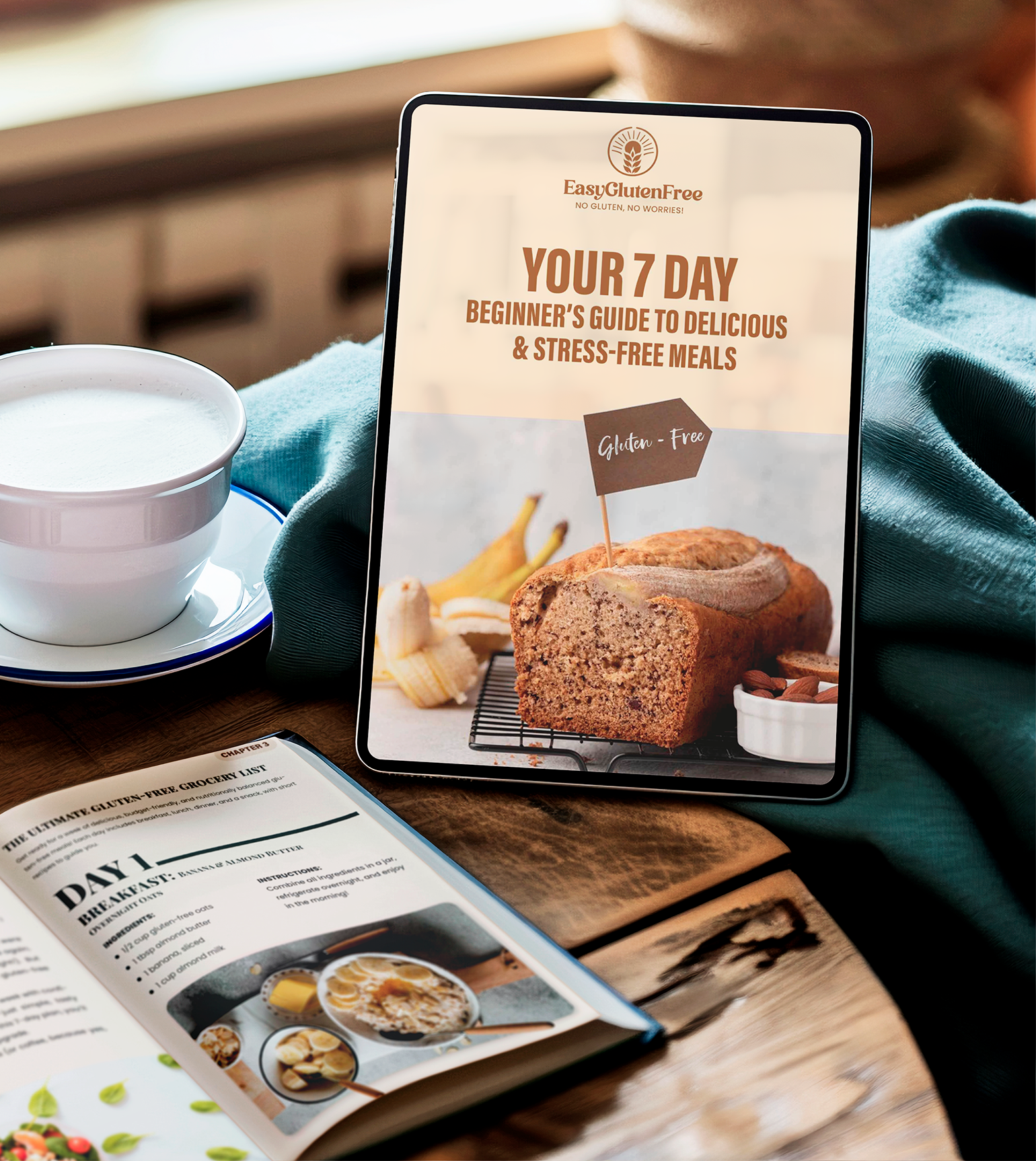
Download the Ultimate Gluten-Free Travel Snack Survival Guide

Gluten-Free Travel Snacks: Smart, Safe, and Actually Satisfying Ideas
Planning gluten-free travel snacks shouldn’t feel like a full-time job. With a little strategy (and the right backup plan), you can skip the hanger, avoid risky last‑minute choices, and actually enjoy the journey — not just survive it. This guide walks you through stress-free, practical ways to pack gluten-free snacks for flights, road trips, day outings, and social events, so you can stay fueled, safe, and happy wherever you go.
Download Our Free Gluten-Free Starter Guide
- 7-day meal plan
- shopping list
- Tips & 3 beginner-friendly recipes
Introduction
Traveling gluten free can be empowering, but let’s be honest — it can also be a little nerve‑wracking. Airports, gas stations, conferences, kids’ tournaments, and spontaneous nights out aren’t exactly known for their clearly labeled, certified gluten‑free options. That’s why having a smart gluten-free travel snack strategy is one of the best habits you can build early in your journey.
Good snacks do more than just keep you from getting hungry. They buy you time to find a safe meal, give you options when plans change, and let you participate when everyone else is grazing on grab‑and‑go food. With the right mix of shelf‑stable favorites, fresh items, and a few “emergency snacks,” you can move through long days away from home without relying on luck or last‑minute Googling.
This article breaks down exactly how to plan, pack, and rotate gluten-free travel snacks for different situations: flights, road trips, school or work days, and social events. You’ll find packing formulas, practical examples, and sanity‑saving tips to help you feel prepared instead of stressed — all without turning your carry‑on into a traveling pantry.
1. Why Gluten-Free Travel Snacks Matter
When you’re home, gluten-free eating can feel relatively predictable: you know which brands you trust, where to shop, and what meals work on repeat. The second you leave that comfort zone — hello airports, rest stops, client meetings, long practices, kids’ birthday parties — the risk of getting stuck without a safe option jumps way up.
That’s where gluten-free travel snacks come in. Think of them as your safety net and your sanity saver. Instead of relying on whatever happens to be available, you’re walking into the day with a plan and a backup plan.
The big problems snacks can solve
- Last‑minute hunger decisions: When you’re starving, you’re more likely to take risks on “probably fine” foods. Having snacks on hand buys you time to find something you truly trust.
- Limited or unclear labeling: Gas stations and kiosks aren’t designed for detailed label reading. Pre‑chosen, pre‑vetted snacks remove the guesswork.
- Social pressure: When everyone else is snacking, it’s easy to feel left out. Your own stash lets you participate without compromising safety.
- Delays and detours: Flight delays, traffic, or a restaurant being unexpectedly closed hurt a lot less when you’re not also dealing with low blood sugar.
Snacks as part of your overall gluten-free strategy
Snacks are not just “extras” — they’re a core tool in living a calm, sustainable gluten-free lifestyle. Combined with a bit of meal planning, they:
- Help you avoid emergency grocery runs in unfamiliar places
- Reduce the mental load of constantly scanning for safe options
- Support steady energy so you can actually enjoy your trip or event
You don’t need an overflowing suitcase of food. You just need a small, intentional set of gluten-free snacks that you know your body likes, that travel well, and that fit your typical day. In the next sections, we’ll turn that idea into a simple, repeatable system.
2. Building Your Gluten-Free “Emergency Snack Kit”
An emergency snack kit is your portable gluten-free safety net. It’s a small, dedicated stash of shelf‑stable snacks you keep packed and ready to go — for flights, long commutes, medical appointments, kids’ activities, or any day when food options might be limited or unpredictable.
Think of it as insurance: most days you won’t need every snack in the kit, but when you do, you’ll be incredibly glad it’s there. A good kit is compact, varied, and filled with items that are easy to eat one‑handed, don’t need refrigeration, and won’t be crushed instantly at the bottom of a bag.
What to include in a gluten-free emergency kit
You can build a kit from individual items you love, or use a pre‑made gluten-free snack box as your starting point. Either way, aim for a mix of:
- Quick energy snacks: granola‑style bars labeled gluten free, nut or seed bars, individually wrapped nut butter packets (if safe for you).
- Savory, salty options: gluten-free chips or crackers, roasted chickpeas, corn nuts made in dedicated gluten-free facilities, or nuts if tolerated.
- Protein‑focused choices: shelf‑stable meat sticks labeled gluten free, single‑serve tuna or salmon packets (if the smell won’t bother others), or roasted edamame (if tolerated).
- Comfort snacks: fruit leathers, chocolate, or cookies that make social situations feel a little more normal.
Store your kit in a small pouch, box, or reusable bag that lives in your backpack, work bag, car, or luggage. Once a month, quickly rotate anything close to its best‑by date into home use and restock from your pantry.
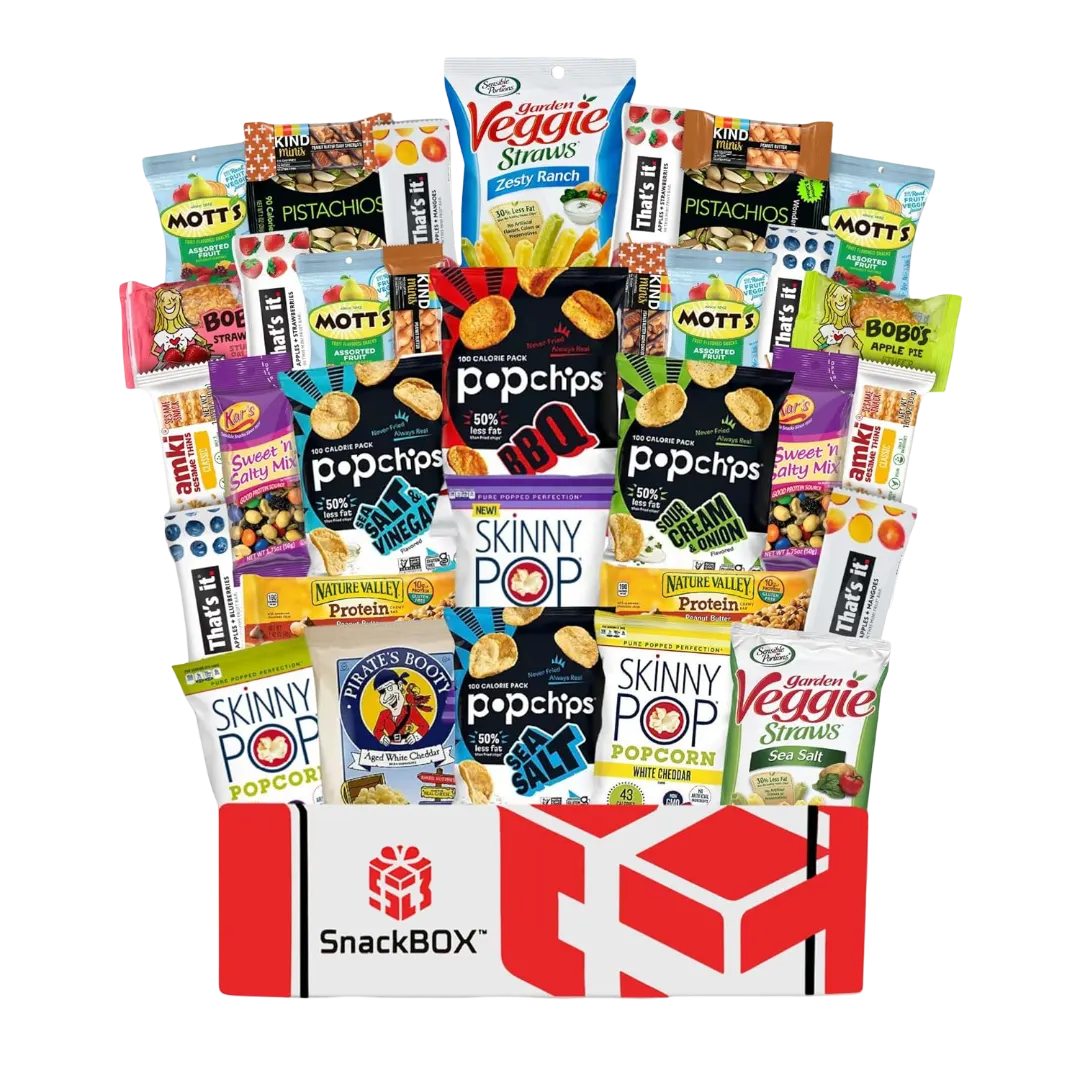
Snack BOX Gluten Free Healthy Care Package
This box is basically “emergency gluten-free social survival” in one package. It’s packed with individually wrapped snacks you can throw into your bag, keep at the office, bring to movie nights, or stash in your car so you don’t end up nibbling sad plain lettuce while everyone else has chips. Great for sharing, hosting, travel, or just living your best snack-gremlin life — gluten free.
3. Best Gluten-Free Snacks for Flights, Road Trips, and Busy Days
Different types of travel call for slightly different snack strategies. A short flight, a long road trip, and a 10‑hour tournament day all have unique challenges. The goal is to match your snack choices to the situation so you’re prepared without overpacking.
Gluten-free snacks for flights
Airports and airplanes are notorious for limited gluten-free options, and what is available is often very expensive. Pack snacks that are compact, non‑crumbly (or at least easy to contain), and allowed through security.
Ideas to consider include:
- Gluten-free bars (a mix of protein and carb‑based options)
- Small containers of gluten-free trail mix (without dusty coatings that get everywhere)
- Rice cakes or mini gluten-free crackers paired with nut butter packets
- Sliced apple or grapes in a leak‑proof container for shorter flights
- Instant gluten-free oatmeal packets you can mix with hot water from in‑flight service
Remember that liquids and soft foods like yogurt have security limits, so focus on dry or minimally messy items. On international flights, check rules about bringing fresh fruit or meat across borders.
Gluten-free snacks for road trips
Road trips are more flexible: you have a car, usually a bit more space, and often access to a cooler. Use that to your advantage to pack more fresh foods and heartier options.
Some road‑trip‑friendly gluten-free snack ideas:
- Cheese sticks or cheese cubes in a cooler
- Hard‑boiled eggs in a small lidded container
- Gluten-free sandwiches or wraps made at home
- Veggie sticks with hummus in a lidded jar (hummus at the bottom, veggies on top)
- Yogurt cups (if tolerated) with a small container of gluten-free granola to sprinkle on top
- Fresh fruit that travels well: apples, clementines, grapes, bananas
Pair these with a few shelf‑stable backup snacks — like bars and crackers — in case the cooler is out of reach or you’re between stops longer than planned.
Gluten-free snacks for long days away from home
Think: conferences, volunteer days, kids’ tournaments, field trips, or long work shifts. You may or may not have fridge access, and meal times might be unpredictable. Plan for snacks that keep well at room temperature and make you feel genuinely satisfied, not just “less hungry for 20 minutes.”
Helpful options include:
- Individual nut or seed packets
- Shelf‑stable cheese crisps or chickpea snacks labeled gluten free
- Gluten-free granola to eat dry by the handful
- Fruit cups in juice (packed upright) and a plastic spoon
- Single‑serve gluten-free oatmeal cups if hot water is available
It’s also smart to keep at least one “I could use this instead of a meal if I had to” snack — something with a bit of protein, fat, and carbs that will carry you through an extra couple of hours if needed.
Recipe Inspiration
Try these gluten-free staples loved by thousands:



4. How to Pack and Store Gluten-Free Travel Snacks Safely
How you pack your gluten-free snacks matters almost as much as what you pack. Good packing helps prevent accidental cross‑contact, protects fragile foods, and keeps your snacks easy to find when you’re juggling luggage, kids, or tight connections.
Choose containers that protect your food
Reusable containers and small pouches are worth their weight in gold when you travel gluten free. Consider using:
- Hard containers for anything crumbly or crushable, like crackers, cookies, and sandwiches.
- Reusable silicone or zipper bags for nuts, trail mix, dried fruit, and bars.
- Small tins or cases for items that get squished easily in purses or backpacks.
Label containers if you’re traveling with others so your gluten-free snacks don’t get mixed with gluten‑containing foods by accident.
Minimize cross-contact while traveling
Even when snacks themselves are gluten free, the environment you’re eating in might not be. To reduce risk while still being practical:
- Avoid putting your snacks directly on shared surfaces like airplane tray tables or hotel desks — use a napkin, container lid, or plate.
- Bring a small pack of wipes so you can quickly clean hands and surfaces before eating.
- Keep your gluten-free snacks in a dedicated compartment or pouch, separate from any gluten‑containing food others might be carrying.
Make your snacks easy to reach
The best snack is the one you can actually get to when you need it. When packing bags:
- Put “high priority” snacks (the ones you’re most likely to want first) in an outer pocket or top zip section.
- Keep a small selection in your personal item on flights so you don’t have to dig into the overhead bin.
- If traveling with kids, give each person their own mini snack bag to reduce constant rummaging.
Before each travel day, quickly restock from your larger stash so your go‑to bag always has something safe inside.
5. Sample Gluten-Free Travel Snack Plans You Can Copy
If planning snacks from scratch feels overwhelming, use these simple templates as a starting point. Adjust for your preferences, any additional dietary needs, and the length of your trip or outing.
Carry-on snack plan for a medium-length flight
Pack this in your personal item so it’s under the seat in front of you:
- 2 gluten-free bars (one more carb‑focused, one with more protein)
- 1 small container of gluten-free trail mix
- 1 piece of whole fruit that travels well (like an apple or clementine)
- 1 small comfort snack (a few cookies or a chocolate bar labeled gluten free)
- 1 “backup” option like an instant gluten-free oatmeal packet
This setup gives you something for quick hunger, something that feels like a treat, and at least one option that could stand in for a light meal if needed.
Gluten-free snack kit for a full tournament or competition day
Long days around sports can be especially tricky, with concession stands that rarely offer safe gluten-free options. Try a mix like this:
- 2–3 hearty snacks with some protein and fat (such as gluten-free bars or nut packets if tolerated)
- 1 container of gluten-free crackers and cheese cubes in a cooler if you have one
- Cut veggies in a container with a small dip like hummus (if safe for you)
- 2–3 pieces of fruit or a mix of fruit cup and fresh fruit
- 1 fun snack specifically for social time, like gluten-free chips or popcorn
Pair this with a planned meal stop or a packed gluten-free lunch so you’re not relying purely on snacks for the entire day.
Everyday “just in case” snack setup for your bag or car
For daily life — errands, appointments, or unexpected detours — keep it simple and shelf stable:
- 2 individually wrapped gluten-free bars
- 1 small bag or container of nuts or seeds (if safe for you)
- 1 small comfort item like a fruit strip or chocolate
- 1 reusable water bottle you refill along the way
Set a reminder once a month to rotate and restock this stash. Over time, this tiny habit makes a huge difference in how calm and prepared you feel living gluten free away from home.
As you experiment, notice which snacks actually make you feel good, which travel best, and what tends to come home uneaten. Use that feedback to refine your go‑to list until your gluten-free travel snack routine feels almost automatic.
Key Takeaways
- Gluten-free travel snacks are a practical safety net that reduce stress, hunger, and last‑minute risky food decisions when you’re away from home.
- A small, intentional emergency snack kit with shelf‑stable, individually wrapped options can live in your bag, car, or luggage and be restocked as needed.
- Match your snacks to the situation: flights need compact, dry items; road trips can include cooler‑friendly foods; long days away call for filling, room‑temperature options.
- How you pack snacks matters — use containers that protect food, minimize cross‑contact, and keep your gluten-free options easy to reach while traveling.
- Using simple, repeatable snack plans for common scenarios makes gluten-free travel feel more predictable, freeing up your energy to actually enjoy the experience.
Take the Next Step in Your Gluten-Free Journey
- Download the Free EGF Starter Guide
- Try our Gluten-Free Planner to simplify your week
- Explore our growing recipe library
You don’t have to navigate the gluten-free lifestyle alone, we are here to make it easier every day.
Category: Travel & On-the-Go