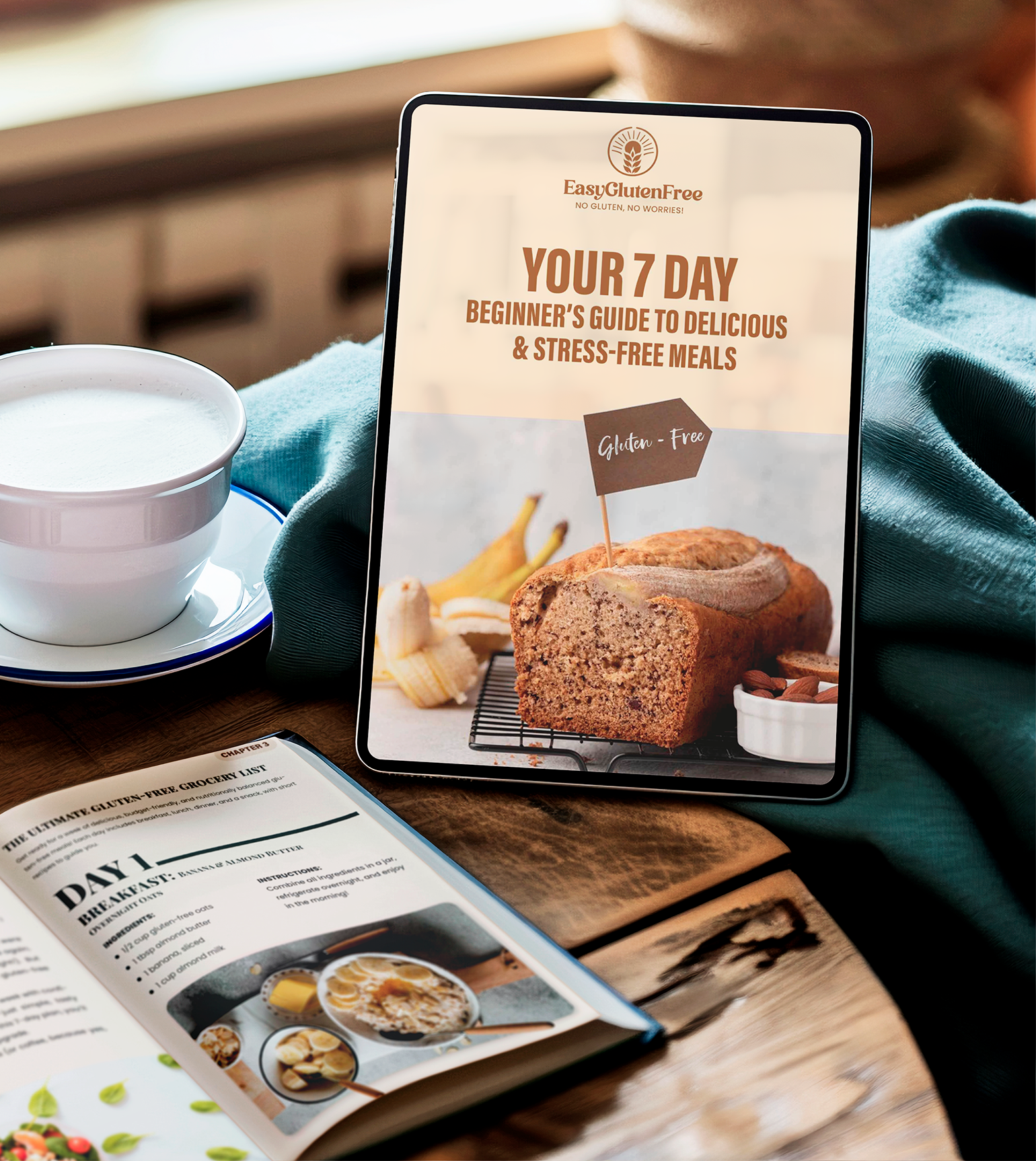
Download the Free Guide to Stress-Free Gluten-Free Hosting

Gluten-Free Meal Prep & Storage Tips for Busy Home Cooks
If you’re gluten-free and juggling work, family, and real life, meal prep can feel less like a TikTok trend and more like survival mode. The good news? With a few smart systems and the right storage setup, you can make safe, delicious gluten-free food once and enjoy it all week—without worrying about cross-contact or soggy leftovers.
Download Our Free Gluten-Free Starter Guide
- 7-day meal plan
- shopping list
- Tips & 3 beginner-friendly recipes
Introduction
Meal prep is one of the easiest ways to make a gluten-free lifestyle feel manageable instead of overwhelming. A little planning on the front end means fewer last‑minute “What can I eat?” panics, less risk of grabbing something questionable, and more calm, confident gluten-free living during your busy week.
But gluten-free meal prep isn’t exactly the same as conventional meal prep. You’re thinking not only about taste and convenience, but also about cross-contact, safe storage, and how to keep your food fresh without relying on a ton of processed products. The containers you use, where you store things, and even how you label them can all impact how safe and enjoyable your meals feel.
This guide walks you through gluten-free meal prep and storage from start to finish: how to plan, what to prep, how to organize your fridge and freezer, and how to store everything so it stays fresh, tasty, and safely gluten-free. Consider this your go-to playbook for busy nights, work lunches, kid snacks, and those “I’m tired but still have to feed myself” evenings.
1. Planning Gluten-Free Meal Prep That Actually Works
The secret to stress-free gluten-free meal prep is planning realistically. Not Pinterest-perfect, but “this fits my life, my schedule, and my energy.” Start small, stay consistent, and focus on meals that remove stress from your week.
Start with your week, not your recipes
Before you even think about recipes, look at your schedule:
- Late work nights? Plan easy reheat meals: soups, stews, casseroles, and sheet-pan dinners.
- Lots of driving or kids’ activities? Focus on grab-and-go snacks and portable lunches.
- Weekend brunch lover? Prep gluten-free pancakes, waffles, or frittatas ahead.
Choose 2–3 “anchor meals” that will make the biggest difference. For most gluten-free home cooks, that’s usually:
- One big-batch dinner (chili, curry, or a baked pasta made with GF noodles).
- A set of lunch components (grains, roasted veggies, a protein, and a sauce).
- At least one breakfast or snack option that’s truly ready to eat.
Build around naturally gluten-free ingredients
To keep prep simpler (and usually cheaper), lean on whole foods that are naturally gluten-free:
- Proteins: chicken, turkey, eggs, tofu, beans, lentils, ground beef.
- Carbs: rice, quinoa, potatoes, sweet potatoes, gluten-free oats, polenta.
- Veggies & fruit: fresh, frozen, or roasted—these add color, fiber, and flavor.
- Flavor boosters: gluten-free broth, tamari, herbs, spices, citrus, and safe condiments.
Read labels carefully on everything packaged, especially broths, sauces, marinades, spice blends, and processed meats, which can sometimes hide gluten.
Create a quick prep game plan
Once you’ve chosen your meals, make a simple plan for your actual prep session:
- Start with what takes longest (roasted veggies, grains, slow-cooker meals).
- Layer in hands-off cooking (rice in a rice cooker, beans in the Instant Pot) while you chop.
- Finish with assemble-only items like salads, snack boxes, and overnight oats.
Write your plan somewhere visible or add it to your phone notes: it keeps you focused and makes prep feel less chaotic and more like a calm system.
2. Safe Storage Basics for a Gluten-Free Kitchen
Safe storage is just as important as safe ingredients. In a shared or newly gluten-free kitchen, you’re not only storing food—you’re protecting it from accidental gluten exposure and keeping it fresh so your prep is actually worth the effort.
Prevent cross-contact in the fridge and pantry
If you share your kitchen with gluten-eaters, think in terms of clear “zones” and physical barriers:
- Designate gluten-free shelves in the fridge and pantry, especially for ready-to-eat foods.
- Store gluten-free items above gluten-containing ones so crumbs can’t fall into your food.
- Use closed containers for your gluten-free bakes, leftovers, and snacks—no open plates near regular bread.
- Label containers with “GF” so no one accidentally dips a gluten-y spoon into your safe food.
Pick containers that make your life easier
When it comes to gluten-free storage, a few container features really help:
- Leakproof lids to keep sauces and soups contained and away from crumbs.
- Clear sides so you can see what’s inside and avoid “mystery leftovers” that go to waste.
- Freezer-safe materials if you like to batch-cook gluten-free meals.
- Easy to clean so no lingering smells or residue between uses.
Having a set of dedicated gluten-free containers can be a game changer, especially in mixed households. Some people even label them or choose a specific color so everyone knows they’re for gluten-free food only.
Label everything (your future self will thank you)
Gluten-free meal prep goes sideways when you forget what’s what. Simple labeling helps you stay organized and safe:
- Use masking tape or dissolvable labels for the name of the dish and the date.
- Add cooking or reheating notes if needed (for example: “Bake at 375°F for 20 minutes”).
- For shared kitchens, note “GF” clearly so others treat it as off-limits for gluten-y utensils.
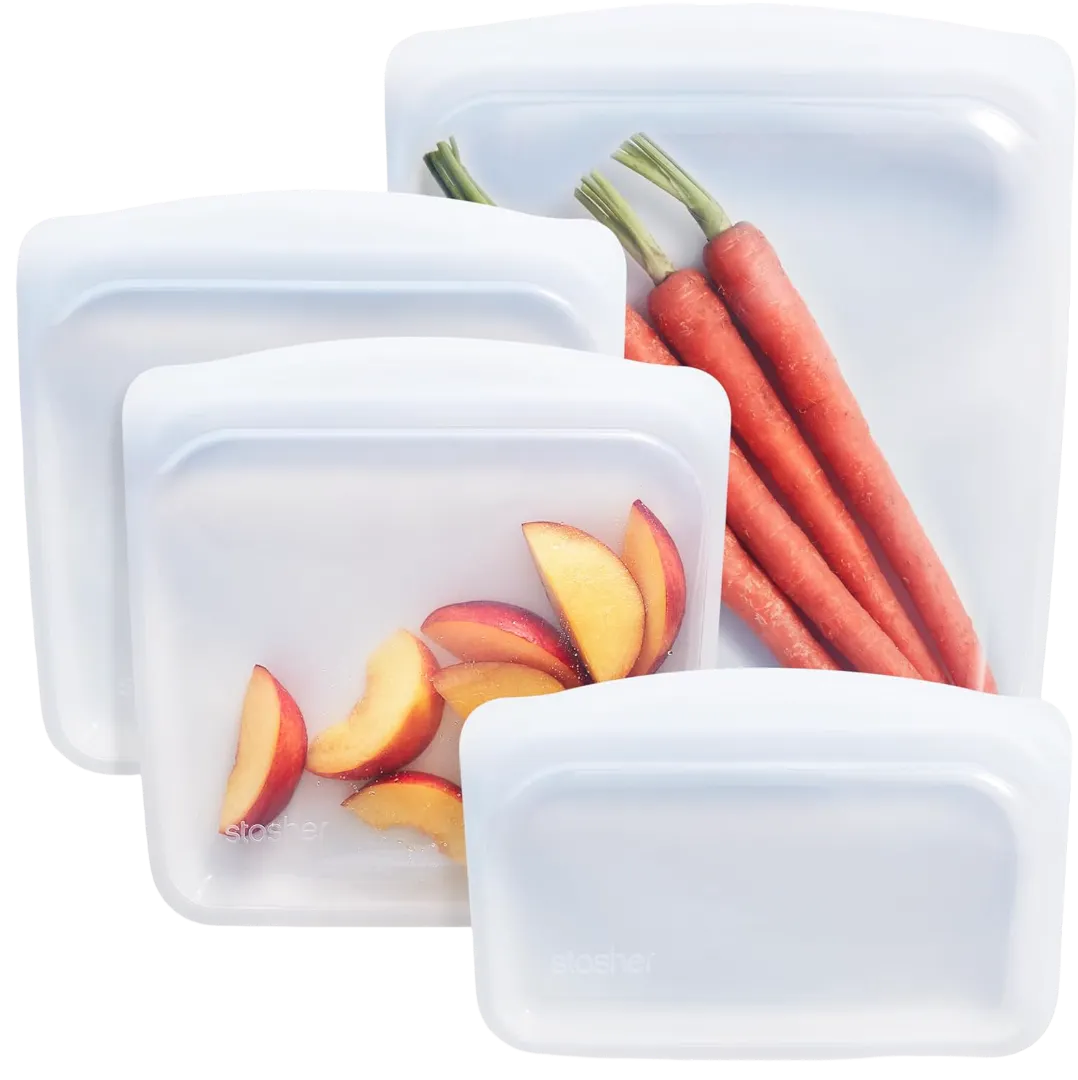
Premium Silicone Reusable Food Storage Bags
These are the “I have my life together” bags. Perfect for packing gluten-free snacks, leftovers from brunch, veggie sticks for road trips, or even freezer prep for busy weeks. They’re reusable, dishwasher-safe, plastic-free, and look aesthetically pleasing in your fridge and your IG stories. Great anchor product for any article about sustainability, meal prep, hosting, or on-the-go GF living.
3. Fridge, Freezer & Pantry: What to Prep and How Long It Lasts
Knowing how long gluten-free meals actually stay fresh takes the guesswork out of prep. While exact timing depends on your fridge temperature and ingredients, there are some helpful general guidelines.
How long gluten-free foods keep in the fridge
In a properly chilled fridge (around 37–40°F / 3–4°C), you can usually follow these ranges:
- Cooked gluten-free grains (rice, quinoa, millet): 4–5 days in a sealed container.
- Cooked proteins (chicken, tofu, beans): 3–4 days.
- Soups and stews (using gluten-free broth): 4–5 days.
- Roasted vegetables: 3–4 days (re-crisp in the oven or air fryer).
- Salad greens (washed and dried): 3–5 days in a breathable container or salad spinner.
- Assembled salads with dressing: best within 1–2 days unless dressing is stored separately.
Always use your senses: if something smells off, looks strange, or you’re unsure, it’s safer to compost it than eat it.
Freezer-friendly gluten-free staples
Your freezer is your best friend for stress-free gluten-free nights. Many foods freeze beautifully if you cool them completely first and store them in airtight containers or bags:
- Gluten-free soups, chilis, and curries: 2–3 months.
- Cooked shredded chicken or taco meat: 2–3 months.
- Cooked gluten-free grains: 1–2 months (freeze flat in portions for quick reheating).
- Gluten-free muffins, pancakes, and waffles: 2–3 months (reheat from frozen in toaster or oven).
- Homemade sauces and pesto: 2–3 months (freeze in ice cube trays, then transfer to a container).
Label frozen items clearly with both the dish name and date. A simple “GF Lentil Soup – Jan 5” goes a long way on a Thursday night when you’re tired and hungry.
Pantry prep for faster gluten-free meals
Not all prep has to be cooking. Smart pantry organization does half the work for you:
- Keep a clearly labeled gluten-free baking bin with flours, xanthan gum, baking powder, and baking soda that are all verified gluten-free.
- Store gluten-free pastas, rice, and grains together so you can quickly see what you have for dinner.
- Pre-portion snack bags of nuts, seeds, dried fruit, or popcorn kernels (all gluten-free as labeled) for grab-and-go moments.
- Have a few back-pocket meal helpers like gluten-free broth, canned beans, diced tomatoes, and safe sauces for last-minute soups or skillet meals.
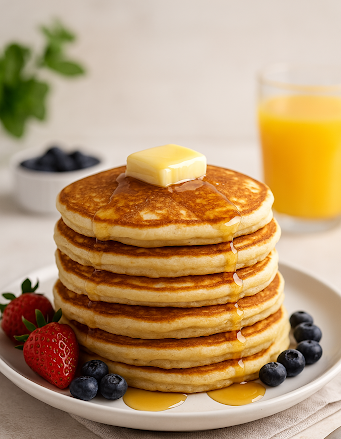
Recipe Inspiration
Try these gluten-free staples loved by thousands:


4. Gluten-Free Meal Prep Ideas for Busy Weeks
Once you’ve got your systems and storage in place, it’s time to plug in some easy gluten-free meal prep ideas. Think mix-and-match components that can be repurposed into multiple meals so you don’t feel like you’re eating the exact same thing four days in a row.
Build-a-bowl lunches
Bowls are a flexible, forgiving way to use prepped ingredients. Prep a few basics, then customize each day with different toppings and sauces.
- Base: rice, quinoa, millet, or roasted potatoes.
- Veggies: roasted broccoli, peppers, carrots, zucchini, or a raw slaw mix.
- Protein: grilled chicken, baked tofu, beans, lentils, or hard-boiled eggs.
- Sauce: tahini dressing, yogurt-based sauces (using gluten-free ingredients), salsa, or a drizzle of olive oil and lemon.
Store each component separately in the fridge, then assemble bowls fresh to keep everything tasting bright and vibrant.
Sheet-pan dinners that double as next-day lunches
Sheet-pan meals are a gluten-free prep dream: minimal dishes, built-in leftovers, and easy customization.
Try combinations like:
- Chicken thighs + potatoes + carrots + Brussels sprouts.
- Sausage (gluten-free as labeled) + peppers + onions + baby potatoes.
- Tofu or chickpeas + sweet potatoes + broccoli + cauliflower.
Season with your favorite gluten-free spice blend, roast until golden, enjoy half for dinner, then pack the rest into containers for grab-and-reheat lunches.
Breakfasts you can grab and eat
Mornings are easier when breakfast is already done. A few gluten-free favorites:
- Overnight oats using certified gluten-free oats, milk or non-dairy milk, chia seeds, and fruit.
- Egg muffin cups baked with veggies, cheese, and cooked meat or beans.
- Frozen gluten-free pancakes or waffles that you can toast and top with nut butter or yogurt.
- Yogurt parfait kits: store yogurt separately and add pre-portioned toppings like nuts, seeds, or granola (gluten-free as labeled) right before eating.
Snack boxes for on-the-go gluten-free living
Snack prep can save you from last-minute, questionable options when you’re out of the house. Use compartment containers or bags to prep:
- Sliced veggies with hummus or a bean dip.
- Cheese cubes and gluten-free crackers.
- Fresh fruit with nuts or seed mixes.
- Leftover roasted chickpeas or edamame.
Store them in a dedicated gluten-free area of the fridge so they’re easy to grab as you head out the door.
5. Make Meal Prep a Sustainable Habit
The goal isn’t to meal prep perfectly; it’s to create a rhythm that supports your gluten-free lifestyle week after week. Small, repeatable habits beat one big Sunday prep you’re too exhausted to repeat.
Start smaller than you think you should
If you’re new to meal prep, don’t try to overhaul your entire week at once. Begin with:
- Just one prepped dinner you can rely on when you’re tired.
- Or three grab-and-go lunches for your busiest days.
- Or simply cut veggies and cooked grains that make cooking on weeknights faster.
Once that feels easy, layer in more.
Create a simple weekly rhythm
Consistency is easier when you attach prep to something you already do. For example:
- Plan meals on Friday night or Saturday morning.
- Shop on Saturday.
- Prep on Sunday afternoon while a podcast or playlist is on.
Pick the days that work for you and stick with them as much as possible. Your future self will start to expect that little pocket of time as normal.
Keep a running “prep wins” list
Over time, you’ll notice certain meals or components make your life dramatically easier. Capture those wins:
- Note which gluten-free meals reheat well and still taste good on day 3.
- Save recipes that freeze beautifully with no texture issues.
- Track what actually gets eaten (and what lingers in the back of the fridge).
Use that feedback to refine your regular rotation instead of starting from scratch every week.
Remember your “why”
Gluten-free meal prep isn’t just about food—it’s about how you feel during your week. Maybe you’re prepping to reduce stress, avoid last-minute unsafe choices, feed your family confidently, or simply have more energy for things you love.
Whatever your reason, keep it in mind when you’re chopping veggies or portioning soups. Those small actions add up to a calmer, more confident gluten-free life.
Key Takeaways
- Plan gluten-free meal prep around your actual schedule and choose a few anchor meals that remove the most stress from your week.
- Create safe storage zones and use clearly labeled, sealed containers to prevent cross-contact in shared kitchens.
- Learn basic fridge, freezer, and pantry storage timelines so you know what to prep ahead and how long it will stay fresh.
- Focus on flexible, mix-and-match meal prep ideas like bowls, sheet-pan dinners, freezer-friendly breakfasts, and snack boxes.
- Start small, build a simple weekly rhythm, and refine your system based on what truly makes gluten-free living easier for you.
Take the Next Step in Your Gluten-Free Journey
- Download the Free EGF Starter Guide
- Try our Gluten-Free Planner to simplify your week
- Explore our growing recipe library
You don’t have to navigate the gluten-free lifestyle alone, we are here to make it easier every day.
Category: Meal Prep