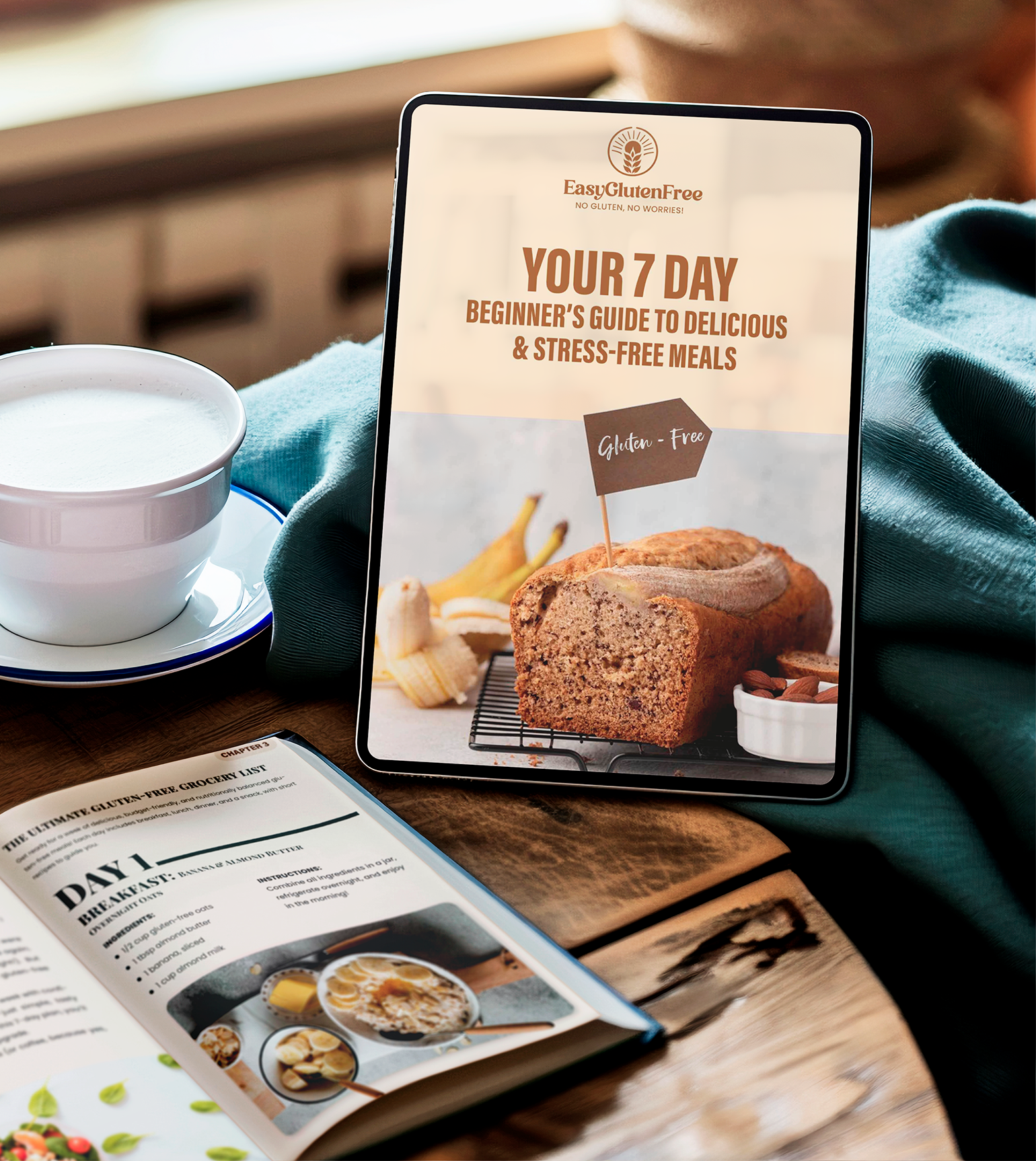
Download the Ultimate Gluten-Free Snack Survival Guide

Gluten-Free Snack Box Ideas for Work, Travel & Busy Days
Building a reliable gluten-free snack box can be the difference between feeling stressed and underfed… or calm, prepared, and actually excited about what you’re eating. In this guide, you’ll learn how to stock smart, stay safe from gluten, and keep snacks interesting without spending hours in the kitchen.
Download Our Free Gluten-Free Starter Guide
- 7-day meal plan
- shopping list
- Tips & 3 beginner-friendly recipes
Introduction
When you’re gluten free, “I’ll just grab something later” can backfire fast. Office meetings, road trips, delayed flights, kids’ sports, movie nights—these are the exact moments when gluten-filled snacks show up everywhere and safe options disappear. That’s where a well-thought-out gluten-free snack box becomes your everyday safety net.
Instead of scrambling, you open your bag, car console, or desk drawer and there it is: a curated little stash of gluten-free goodness you actually want to eat. No boring rice cakes (unless you love them), no mystery-label chips, and no hoping the only thing left is a lonely banana. Just practical, tasty, clearly gluten-free snacks that match your life.
This article walks you through how to build your own gluten-free snack box step-by-step: what to include, how to read labels quickly, ways to avoid cross-contact, and how to adapt your box for work, travel, school, and social events. Think of it as your portable gluten-free insurance policy—with flavor.
1. Why a Gluten-Free Snack Box Is a Game Changer
If you’ve ever been stuck at an event where the only “safe” thing you can eat is a sad, undressed salad, you already understand the value of a gluten-free snack backup plan. A dedicated snack box takes that idea and turns it into a system you can rely on day after day.
Here’s what a good gluten-free snack box does for you:
- Reduces stress and decision fatigue. You don’t have to mentally calculate, “Will there be food there?” or “What if I’m hungry in the car?” Your snacks are already handled.
- Keeps you from getting “hangry.” Stable blood sugar makes everything easier—mood, focus, and even dealing with awkward questions about your gluten-free life.
- Helps you avoid risky last-minute choices. When you’re starving, questionable labels and “it’s probably fine” guesses look a lot more tempting. Having safe snacks on hand means you don’t have to gamble.
- Makes social situations more comfortable. You can toss your own snacks onto the table, share, and participate instead of feeling like the odd one out with nothing to eat.
Your snack box can be as minimal or as extra as you want. Some people keep a tiny pouch in their bag with just two or three items. Others stash full boxes in the car, at work, and at home so they’re never caught off guard. The key is having snacks that are:
- Truly gluten free according to your needs
- Individually wrapped or safely stored
- Shelf-stable for at least a few weeks
- Balanced between “fun” and “fuel” (treats + protein/fiber)
Once you’ve built your first box, maintaining it becomes easy. You’ll quickly learn which snacks you reach for most often, which ones feel comforting at stressful moments, and what you need to keep your energy stable on busy days.
2. Store-Bought Gluten-Free Snack Box Options
Pre-made gluten-free snack boxes can be incredibly helpful when you’re just starting out, short on time, or want something easy to toss into your car, office, or college dorm. They’re also great for gift-giving—especially if you have a gluten-free teen, student, or family member who travels a lot.
Most ready-made boxes focus on individually wrapped items, which is ideal for reducing cross-contact, keeping portions controlled, and making it easy to share. You’ll often find a mix of chips, bars, cookies, nuts, and other simple snacks that don’t require refrigeration or prep.
Before buying any snack box, it’s always smart to:
- Scan the full ingredient list and allergen statements on the listing
- Check if items are labeled “gluten free” or certified by a third-party organization
- Confirm whether the box may contain other allergens you avoid (like dairy, nuts, or soy)
- Read a few reviews from gluten-free buyers to see how they’ve used it
Once the box arrives, do a quick audit before you dive in. Packages can change over time, so giving labels a second look is always worth the extra minute, especially if you have celiac disease or high sensitivity.
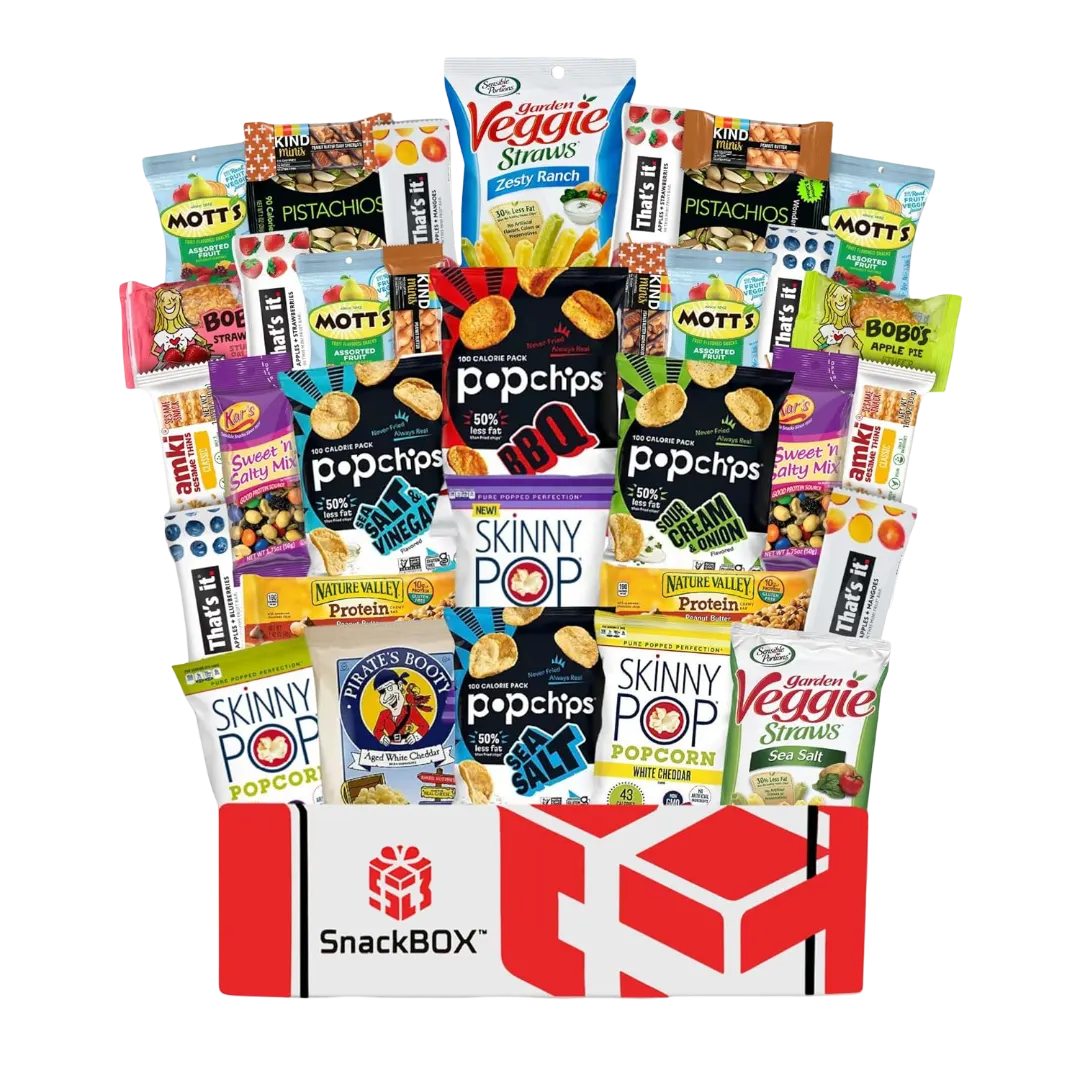
Snack BOX Gluten Free Healthy Care Package
This box is basically “emergency gluten-free social survival” in one package. It’s packed with individually wrapped snacks you can throw into your bag, keep at the office, bring to movie nights, or stash in your car so you don’t end up nibbling sad plain lettuce while everyone else has chips. Great for sharing, hosting, travel, or just living your best snack-gremlin life — gluten free.
3. How to Build Your Own Gluten-Free Snack Box
DIY snack boxes give you total control over ingredients, flavors, and budget. You can tailor them to your exact needs—low sugar, higher protein, dairy free, kid friendly, travel friendly, or all of the above.
Step 1: Choose your container
You don’t need anything fancy to start. Pick something that fits where you’ll use it most:
- For your bag or backpack: a small zip pouch, reusable silicone bag, or mini lunchbox
- For your desk or office: a clear bin, shoebox-size organizer, or sturdy basket
- For your car: a lidded storage box that won’t melt easily and can handle temperature swings
- For home “grab & go”: a labeled bin in the pantry that everyone knows is gluten free
Label it “Gluten Free Only” if you share a space with gluten eaters. That simple step helps prevent well-meaning friends or coworkers from tossing random snacks into your box.
Step 2: Mix snack “categories” for balance
A satisfying box usually includes a mix of:
- Protein: nut or seed packs, nut butter squeeze packs, jerky labeled gluten free, roasted chickpeas
- Carbs & crunch: gluten-free crackers, popcorn, rice cakes, corn chips, baked pea or lentil crisps
- Sweet treats: gluten-free cookies, chocolate, snack bars, fruit leathers
- Real food options: shelf-stable fruit cups, applesauce pouches, dried fruit
Think about what you wish you had when you’re tired, stressed, or stuck somewhere longer than planned. Build your box around those moments.
Step 3: Prioritize individually wrapped items
Single-serve packaging may not be the most eco-friendly, but it’s incredibly practical for gluten-free safety, especially in shared spaces or on the go. Individually wrapped options help:
- Protect snacks from crumbs in shared bags or drawers
- Make it easy to toss one or two into a pocket or purse
- Reduce the need to reach into a communal container with gluten-y hands
If you prefer using bulk items, divide them into small airtight containers or bags at home in a gluten-free area, and label them clearly.
Step 4: Add a few “emergency” heavy hitters
These are the items that feel more like mini-meals than snacks. They’re especially useful for travel days, late work nights, or long appointments:
- Gluten-free oat or grain cups you can add hot water to
- Single-serve tuna or salmon pouches (and a fork!)
- Portable nut-butter sandwich crackers (gluten free)
- Protein bars that actually keep you full
Rotate your emergency items regularly so you always have something fresh and appealing ready to go.
Step 5: Refresh regularly
Once a month (or more often if you snack heavily), do a quick check:
- Restock anything you grab often
- Remove anything nearing its best-by date
- Wipe down your container if needed—crumbs happen
- Note which items you never reach for and swap them out next time
Over time, your snack box will become very “you”—full of reliable favorites that make living gluten free feel a little easier and a lot more delicious.
Recipe Inspiration
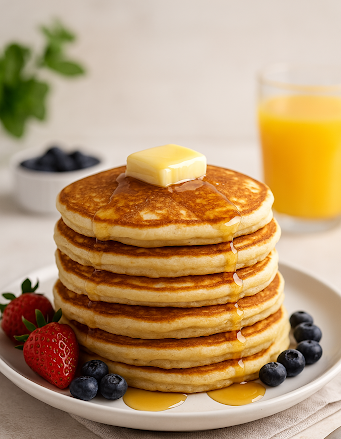
Try these gluten-free staples loved by thousands:


4. Snack Box Ideas for Work, Travel & School
One of the best parts of a gluten-free snack box is how customizable it is. You can build different versions for different parts of your life so you’re covered wherever you go.
Gluten-free snack box for work
Workdays are full of food landmines—donuts in the break room, surprise birthday cake, catered lunches. A dedicated work snack box lets you participate (or at least not go hungry) without relying on whatever shows up.
Ideas for your desk drawer or office cabinet:
- Gluten-free granola or protein bars
- Single-serve nut mixes or trail mix (check for gluten-containing add-ins)
- Popcorn bags labeled gluten free
- Gluten-free crackers with shelf-stable hummus or nut butter cups
- Dark chocolate squares or a favorite gluten-free candy
Keep your box in a spot that’s clearly “yours,” and if you share an office, consider labeling it to avoid accidental cross-contact from others reaching in with gluten-y hands.
Gluten-free snack box for travel
Travel is where a snack box truly shines. Airport food, gas stations, and hotel minibars are not known for being gluten-free friendly. A travel-focused box should include items that tolerate being jostled, slightly warmed, or chilled without going bad.
Travel-friendly gluten-free snack ideas:
- Jerky or meat sticks labeled gluten free
- Nuts, seeds, and roasted chickpeas
- Bars that won’t melt easily (oat, nut, or date-based)
- Instant oatmeal cups made with certified gluten-free oats (perfect for hotel kettles)
- Rice cakes or corn cakes + mini nut butter packs
- Dried fruit, fruit leathers, or applesauce pouches
For flights, double-check TSA rules wherever you live, but most solid snacks are allowed in carry-on bags. In the car, avoid chocolate or yogurt-covered items that might melt all over the place in summer.
Gluten-free snack box for school or kids
For kids, a snack box can be both practical and empowering. It shows them they always have safe, tasty foods they can reach for without needing to ask every time.
Kid-friendly gluten-free snack ideas:
- Mini packs of gluten-free crackers or pretzels
- Fruit pouches or cups (with a spoon in the box)
- Gluten-free snack bars with simple ingredients
- Shelf-stable cheese snacks (if tolerated)
- Small bags of popcorn or baked chips clearly marked gluten free
- A few “fun” items for class parties or birthday emergencies
Work with teachers or school staff so they know your child’s snack box is their safe go-to. You can even leave an extra box with the teacher for surprise celebrations so your child isn’t left out.
Gluten-free snack box for social events
Movie nights, game nights, potlucks, sports games—these are prime snack territory, and gluten tends to be everywhere. Bringing your own small snack box to share can help you feel included while also giving others a taste of how good gluten-free food can be.
Ideas for a shareable box:
- Gluten-free chips and salsa (label the chips clearly and serve them separately)
- Packaged gluten-free cookies or brownies
- Individually wrapped snack packs you can toss into a bowl
- Popcorn bags or baked veggie crisps
Keep your personal “must stay safe” snacks separate from anything you’re putting out for a crowd. Once a bowl is out on the table, assume gluten-y hands will find their way there.
5. Storage, Safety & Label-Reading Tips
Even the best snack box only helps if it’s truly safe for you. A few simple habits will keep your gluten-free snacks protected and ready to go when you need them.
Smart storage tips
- Avoid extreme heat when possible. Items like chocolate, certain bars, and some packaging adhesives don’t love hot cars. Rotate these out in summer or keep your car box focused on heat-tolerant foods.
- Use rigid containers for crumbly items. Crackers and rice cakes last longer (and look less like dust) if you protect them in a small tin or hard-sided box.
- Keep a simple inventory list. A sticky note inside the lid or a quick note in your phone can remind you what’s supposed to be in your box so you know when you’re running low.
Cross-contact basics for snack boxes
Cross-contact happens when gluten from another food gets onto your gluten-free snacks. In shared spaces or during travel, that risk goes up—but you can reduce it:
- Prefer individually wrapped snacks when others might be reaching into shared containers
- Don’t keep your snack box open on a table where crumbs are flying around
- Wash your hands (or use wipes) before eating, especially after touching shared surfaces
- Consider keeping a small stash that’s “for you only” if you’re often sharing food with gluten eaters
Label-reading shortcuts
Every product is different, but you can develop a quick system for checking whether a snack is a good fit for your box:
- Scan the front first. Look for “gluten free” or a certification mark. This doesn’t replace reading ingredients, but it’s a helpful filter.
- Check the allergen statement. In many countries, wheat must be clearly listed if it’s present. Remember that barley, rye, malt, and some flavorings can also contain gluten.
- Read the ingredients list fully. Watch for obvious gluten sources and “flavorings” that might require a bit more research if you’re sensitive.
- Re-check products occasionally. Formulas change, even for long-time favorites, so make it a habit to glance at labels when you restock.
Know your personal comfort level
Every gluten-free journey is unique. Some people only eat foods that are certified gluten free; others are comfortable with items that are simply labeled “gluten free” by the manufacturer. Some avoid oats entirely, while others use only certified gluten-free oats.
Build your snack box around your own needs, not someone else’s. Over time, you’ll create a personalized rotation of snacks that let you move through your day with far less stress and far more confidence.
Most importantly, let your snack box evolve with you. As new products come out, seasons change, and your routine shifts, refresh what’s inside. Your gluten-free life isn’t static—your snack box doesn’t have to be either.
Key Takeaways
- A gluten-free snack box is a simple system that keeps you prepared for work, travel, school, and social events without scrambling for safe food.
- Pre-made gluten-free snack boxes can be a helpful starting point or gift, but always double-check labels and ingredient lists when they arrive.
- Building your own snack box works best when you mix protein, carbs, and treats, and prioritize individually wrapped or safely stored items.
- Creating different snack boxes for work, car, travel, and kids makes it easier to stay gluten free in every part of your routine.
- Good storage, cross-contact awareness, and consistent label-reading habits keep your snack box both convenient and reliably gluten free.
Take the Next Step in Your Gluten-Free Journey
- Download the Free EGF Starter Guide
- Try our Gluten-Free Planner to simplify your week
- Explore our growing recipe library
You don’t have to navigate the gluten-free lifestyle alone, we are here to make it easier every day.
Category: Gluten-Free Snacks