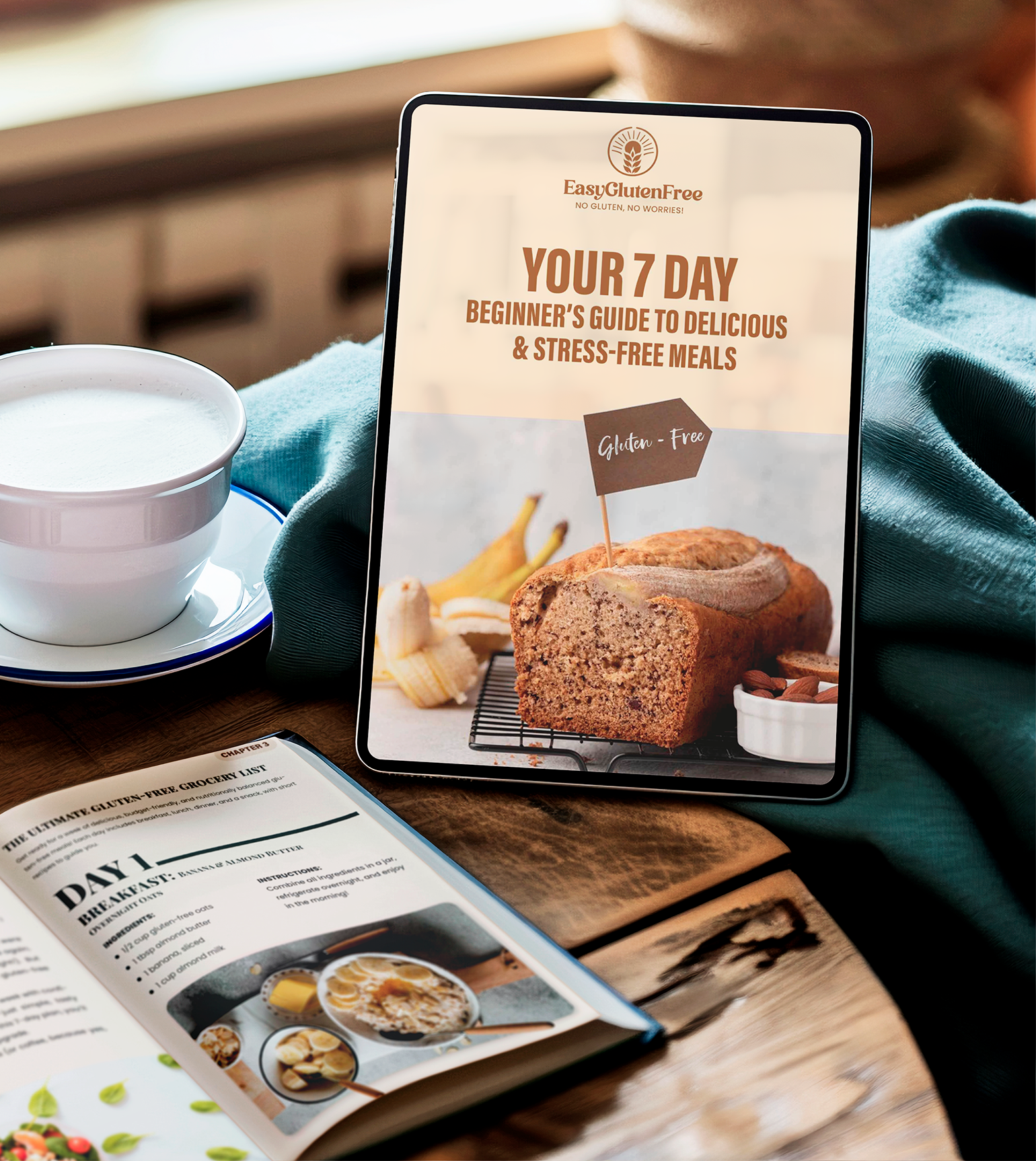
Download the Free Guide to Fail-Proof Gluten-Free Baking Every Time

The Best Gluten-Free Flour for Baking: A Practical Home Baker’s Guide
Choosing the best gluten-free flour for baking can feel overwhelming, but it doesn’t have to be. This guide breaks down how gluten-free flours behave, which blends are worth your money, and how to get soft cookies, fluffy muffins, and tender cakes without the guesswork.
Download Our Free Gluten-Free Starter Guide
- 7-day meal plan
- shopping list
- Tips & 3 beginner-friendly recipes
Introduction
If you’ve ever pulled a pan of gluten-free cookies out of the oven only to find dry crumbs or sad, flat puddles, you are absolutely not alone. Most home bakers discover very quickly that you can’t just swap wheat flour for “any” gluten-free flour and hope for the best. The flour blend you choose matters just as much as the recipe.
The good news: once you understand a few basics about gluten-free flours, you can bake with confidence. You’ll know which blends are best for fluffy cakes, which ones shine in cookies, and how to avoid the most common pitfalls like gumminess, grittiness, and collapse. This article focuses on real-world, home-kitchen results—not lab perfection—so you can get reliable bakes on a busy weeknight.
In this guide, we’ll walk through how gluten-free flour works, what to look for on a label, how to choose the best gluten-free flour for baking your favorite treats, and how to adjust your recipes for consistent, repeatable success. By the end, you’ll have a simple decision framework you can use every time you reach for a bag of flour.
1. Understanding Gluten-Free Flours
If you grew up baking with wheat flour, gluten-free baking can feel like learning a new language. In wheat-based baking, one bag of all-purpose flour does almost everything. In gluten-free baking, you’re working with blends of different flours and starches that each bring their own personality to the batter.
Gluten is what gives traditional dough its stretch, chew, and structure. Without it, your baked goods need support from a combination of starches, whole-grain flours, and binders like xanthan gum or psyllium husk. When these are balanced well in a blend, you can get bakes that taste and feel surprisingly close to what you remember from wheat flour.
Most store-bought gluten-free “all-purpose” or “1:1” flours are actually blends. You’ll often see a mix like rice flour, potato starch, tapioca starch, and sometimes sorghum or millet flour. Each component does a job:
- Rice flour adds bulk and a neutral flavor.
- Starches (tapioca, potato, corn) add lightness and tenderness.
- Whole-grain flours (sorghum, millet, oat) add flavor, color, and structure.
- Binders (xanthan gum, guar gum) help mimic the elasticity of gluten.
The most important thing to know: no two gluten-free blends behave exactly the same. That’s why you might see wildly different results if you swap one brand for another in the same recipe. Some blends are starch-heavy and great for very tender cakes but too soft for bread. Others have more whole grains and can make cookies a bit firmer or more “hearty.”
When you’re choosing the best gluten-free flour for baking, think about three things: texture, flavor, and versatility. For everyday home baking—pancakes, muffins, cookies, quick breads—a well-balanced, neutral-flavored 1:1 blend is usually the easiest and most reliable option. You can always layer in specialty flours later as you become more confident.
You don’t need a separate flour for every single recipe. In fact, switching brands constantly can make your results unpredictable. For most bakers, choosing one reliable, well-tested blend as your “house flour” is the simplest path to consistent success.
2. The Best All-Purpose Gluten-Free Flour for Everyday Baking
When people ask about the best gluten-free flour for baking, what they usually mean is: “Which flour can I keep in my pantry and use for almost everything without thinking too hard?” That’s where a well-formulated 1:1 baking blend really shines. The goal is simple swaps: you want to be able to take a favorite family recipe and have it work with minimal changes.
A good 1:1 blend should be:
- Consistent – so your muffins don’t turn out perfect one week and dry the next.
- Well-balanced – not overly starchy, not too heavy or gritty.
- Versatile – able to handle cookies, quick breads, pancakes, and cakes reasonably well.
- Widely used – so you can easily find recipes tested specifically with that flour.
Once you choose a go-to flour blend, stick with it for a while. Use it for multiple recipes and pay attention to patterns. Are your cookies spreading too much? Are your cakes dense in the center? Because the blend is consistent, you can make small tweaks—like chilling dough, adding an extra tablespoon of flour, or slightly reducing liquid—and quickly dial in what works in your kitchen.
Another benefit of choosing a single, reliable gluten-free flour for baking is cost efficiency. Instead of buying half a dozen specialty flours you’ll use twice, you invest in one that carries most of the workload. Over time, if you want to experiment with bread flour blends or whole-grain mixes, you’ll be starting from a solid, trustworthy baseline.
Bob’s Red Mill Gluten Free 1 to 1 Baking Flour
This is the gold-standard gluten-free all-purpose flour. It behaves beautifully in pancakes, muffins, cookies, quick breads — and it’s the ideal flour to recommend in ANY practical baking guide. Reliable, consistent, and approved by thousands of gluten-free home bakers. Perfect for articles about technique, substitutions, and baking success.

3. How to Choose the Right Gluten-Free Flour for Each Recipe
Even with a trusted 1:1 blend in your pantry, it helps to know how different gluten-free flours behave so you can tweak recipes strategically. Think of it like choosing the right tool from a toolbox: your main blend does most of the work, but sometimes a specialty flour can elevate a recipe.
Here’s a simple way to think about the best gluten-free flour for baking based on recipe type:
Cakes, Cupcakes, and Muffins
For tender, moist crumb, a lighter blend that includes starches such as tapioca or potato starch works beautifully. Your 1:1 blend is usually perfect here. To keep things soft and avoid gumminess:
- Measure by weight when possible, or spoon-and-level your flour.
- Resist the urge to overmix—stop once ingredients are combined.
- Bake just until a toothpick comes out with a few moist crumbs.
If your cakes are turning out dense, try slightly reducing the total flour by 1–2 tablespoons per cup or adding an extra tablespoon or two of milk to loosen the batter.
Cookies and Bars
Cookies often need a bit more structure to hold their shape. Your gluten-free flour should provide enough body so they don’t spread into one giant cookie sheet. To help your blend perform its best:
- Chill the dough for at least 30 minutes before baking.
- Use parchment-lined baking sheets to encourage even spreading.
- If cookies are too flat, add 1–2 extra tablespoons of your 1:1 flour to the dough next time.
For chewy-style cookies, a balanced all-purpose gluten-free flour plus a little extra moisture (like an extra egg yolk) can make a big difference.
Quick Breads and Pancakes
Banana bread, pumpkin loaf, and pancakes are very forgiving places to practice with your chosen flour. Batters are flexible, and fruit or vegetable purées bring moisture that helps prevent dryness.
- Use your 1:1 blend as the base.
- Let batter sit for 5–10 minutes before baking or cooking to hydrate the flour fully.
- If slices are crumbling, add a bit more binder through eggs or a small spoonful of ground flax mixed with water.
Yeast Breads and Pizza Dough
Yeast breads are the most advanced category in gluten-free baking because they rely heavily on structure, which is exactly what gluten normally provides. While you can use many gluten-free all-purpose blends in sandwich bread recipes designed for them, you’ll often see specialty bread flour blends recommended here.
For everyday baking, focus first on mastering quick breads and flatbreads with your chosen flour. As you grow more confident, you can branch into recipes specifically developed for your exact blend, which will tell you how much liquid and binder to use.
The more you pay attention to how your flour behaves in different recipes, the easier your choices become. Soon you’ll know that your blend is perfect for muffins, just right for pancakes with a touch more liquid, and a rock star in certain cookies once you chill the dough.
Recipe Inspiration
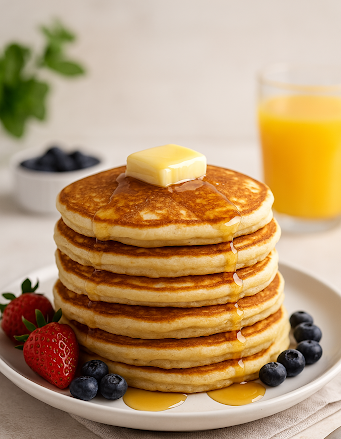
Try these gluten-free staples loved by thousands:


4. Simple Tweaks for Perfect Gluten-Free Bakes
Once you’ve chosen a dependable gluten-free flour for baking, the magic is in the small adjustments. These tweaks are often the difference between “pretty good” and “wow, this is gluten-free?” in your kitchen.
1. Measure Carefully
Gluten-free flours are more sensitive to measurement errors than wheat flour. Too much flour can mean dry, crumbly bakes; too little can cause sinking and gumminess. When possible, use a digital scale and follow the weight recommended on the flour package.
If you’re using measuring cups, use the spoon-and-level method: fluff the flour, spoon it into the cup, then level the top with a knife. Avoid scooping directly from the bag, which packs the flour and leads to using more than you intended.
2. Rest the Batter or Dough
Gluten-free blends need a little time to fully hydrate. Let cake, muffin, and pancake batters rest for 5–15 minutes before baking or cooking. You’ll often notice a smoother texture, better rise, and less grittiness.
For cookies, chilling the dough for at least 30 minutes (or overnight) can improve flavor and structure, helping them spread more evenly and bake up with a better texture.
3. Adjust Liquids Thoughtfully
Depending on your climate and your chosen gluten-free flour, you may need to tweak the liquid in a recipe slightly. If a batter looks much thicker than you expect (almost like dough), add a tablespoon or two of milk or water until it loosens to the right consistency.
On the other hand, if cupcake or cake batter looks very thin, you can stir in an extra tablespoon of flour at a time. Take notes so next time you can make that adjustment right away.
4. Don’t Overbake
Gluten-free baked goods can go from perfectly moist to dry surprisingly fast. Start checking for doneness a few minutes before the earliest time a recipe suggests. Look for:
- Edges just starting to pull away from the pan.
- Cakes that spring back lightly when touched.
- A toothpick with a few moist crumbs, not wet batter.
Remember that items continue to set as they cool. If you wait until everything feels “firm” in the oven, you may end up with dryness once cooled.
5. Use the Right Pan and Oven Setup
Gluten-free batters often do better in metal pans rather than glass, especially for cakes and quick breads. Metal conducts heat more quickly and evenly, which helps your bakes rise before they set.
Whenever possible, bake in the center of the oven with room for air to circulate. If you notice uneven browning, an inexpensive oven thermometer can help you confirm your real oven temperature, which often differs from the dial setting.
These details might sound small, but they’re exactly what help your chosen gluten-free flour perform at its best. With a few batches of practice, you’ll start to recognize what “right” looks like in your mixing bowl and your oven.
5. Frequently Asked Questions About Gluten-Free Flour
As you start baking more with gluten-free flour, a few common questions tend to pop up. Here are clear, practical answers to help you move forward with confidence.
Can I substitute gluten-free flour 1:1 for regular flour in any recipe?
In many recipes—especially pancakes, muffins, cookies, and quick breads—you can substitute a well-formulated gluten-free 1:1 flour by weight or volume. For best results, start with recipes that have been tested with your exact blend, then work outward to family recipes.
Yeast breads and delicate pastries (like croissants or puff pastry) are more complex and typically require recipes developed specifically for gluten-free flours.
Do I still need xanthan gum if my flour already contains it?
If your gluten-free flour blend already includes xanthan gum or another binder, you usually don’t need to add more, unless a recipe that was tested with the same flour specifically instructs you to do so. Too much gum can create dense, gummy textures, especially in cakes and muffins.
Why do my gluten-free baked goods taste gritty?
Grittiness can come from coarsely milled rice flour or from batter that hasn’t had time to rest. To reduce grit:
- Use a high-quality gluten-free flour for baking that’s finely milled.
- Let batters sit for 10–15 minutes before baking so the flour can hydrate.
- Be sure your baked goods are fully cooled before judging the texture.
How should I store gluten-free flour?
Store gluten-free flour in an airtight container in a cool, dry place. For long-term storage or if your kitchen runs warm, you can keep flour in the refrigerator or freezer to help preserve freshness. Bring it back to room temperature before baking for the most consistent results.
What’s the best way to start if I’m brand new to gluten-free baking?
Start by choosing one reliable gluten-free flour for baking and commit to using it for a handful of simple recipes: pancakes, muffins, banana bread, and a basic cookie. Take notes on what you like and what you’d tweak next time. As you get comfortable, you can explore more advanced recipes and techniques.
Remember, gluten-free baking is a skill, not a test you either pass or fail. Every batch teaches you something—about your flour, your oven, and your personal preferences. With a little practice and a trusted blend in your pantry, you’ll be baking gluten-free with ease.
Key Takeaways
- Gluten-free flour blends combine multiple flours, starches, and binders to replace the structure that gluten normally provides.
- Choosing one reliable, well-balanced 1:1 gluten-free flour for baking makes your results more consistent and your pantry simpler.
- Different recipes benefit from slightly different handling, but most everyday bakes work beautifully with a good all-purpose gluten-free blend.
- Small tweaks—accurate measuring, brief resting time, and careful baking—make a big difference in the texture of gluten-free baked goods.
- Start with simple recipes, learn how your chosen flour behaves, and build confidence before moving into more advanced gluten-free breads and pastries.
Take the Next Step in Your Gluten-Free Journey
- Download the Free EGF Starter Guide
- Try our Gluten-Free Planner to simplify your week
- Explore our growing recipe library
You don’t have to navigate the gluten-free lifestyle alone, we are here to make it easier every day.
Category: Baking