Download the Gluten-Free Toolkit That Makes Dining Out So Much Easier

Complete Guide to Gluten-Free Eating Out: Tips, Scripts & Smart Tools
Navigating restaurants on a gluten-free diet can feel like a risky game of “Will this make me sick later?” This guide walks you through how to read menus, talk to staff, avoid cross-contact, and use smart tools to feel more confident every time you eat out—without sounding high-maintenance or apologizing for your health.
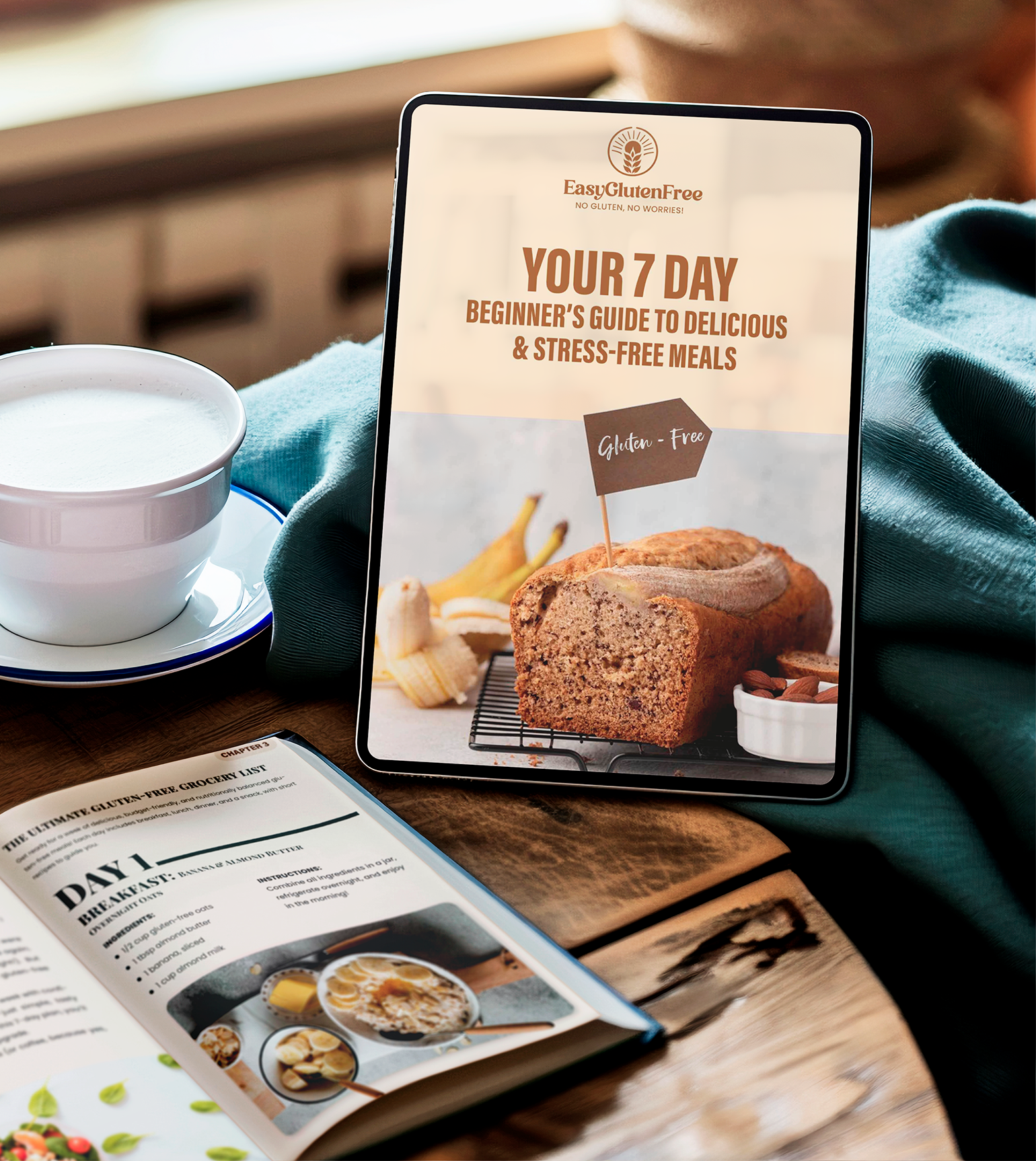
Download Our Free Gluten-Free Starter Guide
- 7-day meal plan
- shopping list
- Tips & 3 beginner-friendly recipes
Introduction
Eating gluten free at home is one thing—you control the ingredients, the pans, and the toaster crumbs. Eating out? Whole different story. Suddenly you’re reading menus like a detective, trying to decode sauces, marinades, and mystery “seasonings” while still trying to enjoy a night off from cooking. It’s no wonder so many gluten-free eaters feel anxious or just stay home.
The good news: with a little strategy, a few polite scripts, and some modern tools on your side, dining out can become easier, safer, and (yes) actually enjoyable. You don’t need to memorize every obscure gluten alias or interrogate your server for 20 minutes. You just need a repeatable process you trust.
This guide walks you step-by-step through how to plan ahead, choose safer cuisines, talk to restaurant staff, and use tech and testing tools to add an extra layer of confidence. Whether you have celiac disease, non-celiac gluten sensitivity, or just feel better avoiding gluten, you’ll find practical, real-world tips you can use tonight.
1. Choosing Gluten-Free Friendly Restaurants
Your odds of a safe, relaxing meal go way up before you ever sit down at the table. The restaurant you pick matters just as much as the questions you ask once you’re there.
Start with a little online detective work
Before booking a table, take five minutes to research:
- Restaurant website: Look for a dedicated gluten-free menu, allergen chart, or mention of how they handle dietary needs.
- Online reviews: Search within reviews for “gluten free,” “celiac,” or “cross contamination.” You’ll quickly see if others have felt confident—or not.
- Social media: Many small restaurants share gluten-free specials or process videos in stories or highlights.
Green flags might include a clear gluten-free menu, staff who respond knowledgeably to comments about gluten, or reviews from gluten-free guests describing positive experiences.
Understand higher- and lower-risk restaurant types
No restaurant is automatically “safe,” but some setups are more complicated for gluten-free diners:
- Higher risk: Shared fryers (think pubs, fast food), bakeries with airborne flour, pizza places using shared ovens and peels, build-your-own spots with lots of shared toppings and crumbs.
- Potentially easier: Dedicated gluten-free restaurants, naturally gluten-leaning cuisines (many Mexican or certain farm-to-table spots), places that regularly serve guests with allergies or special diets.
If a restaurant’s entire menu is built around gluten-heavy items (pizza, pasta, baked goods) and they don’t have systems for cross-contact, it may be harder for them to serve you safely.
Call ahead and ask focused questions
A quick call can tell you more than an entire website. Instead of asking, “Do you have gluten-free options?” (the answer is almost always “yes”), try:
- “Do you have any options suitable for someone who must strictly avoid gluten?”
- “Can the kitchen prepare food to reduce cross-contact with gluten?”
- “Do you have a separate fryer / clean pans / separate prep space for gluten-free meals?”
Notice how the person on the phone responds. Do they sound familiar with gluten and cross-contact, or unsure and hesitant? You’re not being picky—you’re gathering information.
Have a shortlist of go-to spots
Once you find restaurants that consistently work for you, save them. Keep a short list on your phone of:
- Your safest local spots
- A few “backup” options for when plans change
- Notes on what you usually order, so decision fatigue doesn’t win on busy days
Over time, you’ll build a personal “gluten-free map” of your area—and worry less every time someone says, “Want to grab dinner?”
2. Smart Tools & Testing Options When Eating Out
Even with good research and great communication, eating out gluten free can still feel uncertain. That’s where technology and carefully chosen tools can offer extra peace of mind.
Why tools can help (but don’t replace basics)
Devices and tests can sometimes detect gluten in a specific bite of food, which may help you make more informed decisions. They don’t replace talking to staff, choosing safer dishes, or listening to your body—but they can be another layer in your toolkit.
Many gluten-free diners like using tools when:
- Travelling in new cities or countries
- Eating at a restaurant for the first time
- Trying a risky dish they’re unsure about
- Building confidence early in their gluten-free journey
Use tools strategically
If you choose to use a testing tool, think of it as part of an overall strategy:
- Continue to ask clear questions about cross-contact and preparation.
- Test small portions rather than entire dishes when possible.
- Recognize that tests usually only reflect the specific sample you checked, not the entire plate.
For many people, the biggest benefit isn’t perfection—it’s feeling more in control and less anxious around food decisions.
Nima gluten sensor test
These single-use capsules pair with the Nima Sensor to help users test foods for gluten on the spot. Perfect for travelers, researchers of their own digestive reactions, or anyone who just doesn’t trust that café’s “gluten-free… we think?” answer. A reliable, quick-gluten-detection option that empowers people who want data—not guesswork.

3. How to Talk to Restaurant Staff About Gluten
Clear communication is one of your strongest tools. Many restaurants want to help—they just need to know what you actually mean by “gluten free.”
Start simple, then get specific
When your server arrives, try a calm, clear intro like:
“Hi, I need to eat strictly gluten free. Could you help me choose something that can be prepared safely?”
This signals that you’re not just avoiding gluten by preference—you need the kitchen’s help to minimize cross-contact.
Key points to communicate
You might not need to say all of this every time, but these are useful points to cover:
- You must avoid wheat, barley, rye, and regular soy sauce.
- Your food needs to be cooked on clean surfaces, with clean pans and utensils.
- Shared fryers are usually not suitable (fries fried with breaded foods, for example).
- You’re happy to keep your order simple if that helps the kitchen prepare it more safely.
Sample scripts you can borrow
Use or adapt these to fit your style:
- “Can you please check with the kitchen whether this dish contains any gluten ingredients or is cooked with shared oil or equipment that also cooks breaded items?”
- “If this dish is marinated or has a sauce, could you confirm that the marinade and sauce are gluten free?”
- “Could you ask the kitchen to use a clean pan and utensils for my meal to avoid crumbs or flour from other dishes?”
Reading the response
Pay attention to the server’s reaction:
- Good signs: they take notes, ask follow-up questions, or go check with the chef.
- Concerning signs: they say “everything is gluten free” in a gluten-heavy restaurant, brush off your questions, or look confused but reassure you anyway.
It’s okay to change your order, choose something simpler, or even decide to eat elsewhere if you’re not comfortable. Protecting your health is more important than avoiding an awkward moment.
When the food arrives
A quick final check can help catch last-minute mix-ups. You can say:
“Just to double-check, this is the gluten-free version we talked about?”
If something looks off (like croutons on a salad or a side of bread), speak up right away. Mistakes happen—even in careful kitchens.
Recipe Inspiration
Try these gluten-free staples loved by thousands:



4. Safer Menu Choices by Cuisine
Some cuisines tend to offer more naturally gluten-free options than others. Within each style, there are usually “safer bets” and higher-risk choices.
Mexican-inspired restaurants
Many traditional dishes are based on corn, beans, meat, and vegetables.
Often simpler options:
- Corn tortillas (ask if they’re 100% corn and not cooked on a shared griddle with flour tortillas)
- Grilled meat or fish with rice, beans, and veggies
- Guacamole, salsa, pico de gallo (confirm no flour, soy sauce, or malt vinegar)
Watch for: flour tortillas, shared fryers for chips, seasoning mixes or sauces that might contain gluten.
American grills & steak houses
These often work well when you keep things basic.
Often simpler options:
- Plain grilled steak, chicken, or fish (ask for no seasoning blends or marinades containing gluten)
- Baked potato with simple toppings
- Steamed or roasted vegetables
- Salads without croutons and with a simple oil-and-vinegar style dressing
Watch for: gravies, pan sauces, spice rubs, and fries from shared fryers.
Asian-inspired restaurants
These can be trickier because soy sauce and some marinades often contain gluten, but there are still possibilities.
Questions to ask:
- Do you have gluten-free soy sauce or tamari, and can they use it for my dish?
- Can they prepare a simple stir-fry with rice and vegetables using gluten-free sauce only?
- Are rice noodles used, and are they cooked separately from wheat noodles?
Watch for: regular soy sauce, breaded items, dumplings, imitation crab, and thickened sauces that may use wheat flour.
Italian-inspired restaurants
These can be higher risk due to flour in the air, shared pasta water, and shared pizza ovens.
If you choose to eat at one, consider asking:
- If their gluten-free pasta is cooked in fresh water in a clean pot
- If gluten-free pizza uses clean pans, cutters, and a separate prep area
- If they offer naturally gluten-free options like grilled fish with potatoes and veggies
You might decide that certain Italian-style spots work for you while others feel too risky—listen to your comfort level.
Buffets and self-serve bars
Buffets are usually challenging because of shared utensils and constant cross-contact. If you do find yourself at one:
- Look for dishes that are farther from bread and gluten-heavy items.
- Ask if the kitchen could plate a fresh portion of something from the back.
- Keep your choices as simple and close to their “original form” as possible—plain meats, steamed veggies, fruit.
It’s always okay to eat lightly or focus on what you brought yourself if the setup feels uncertain.
5. Travel, Takeout & Social Events: Extra Tips
Gluten-free life doesn’t stop when you leave your neighborhood. With a little planning, you can lower the stress of travel, takeout, and parties.
Ordering takeout or delivery
Takeout can be great, but some risks are different from dine-in:
- Food may sit longer, so sauces or toppings can “melt together.”
- Labels can get mixed up during busy rushes.
- Gluten-free notes might not reach the kitchen clearly through apps.
Helpful steps:
- Call the restaurant directly to explain your gluten-free needs and place the order.
- Ask them to clearly label your container and keep it separate if possible.
- When the food arrives, compare it to what you ordered and do a quick visual check.
Traveling gluten free
When you’re away from home, a little advance planning goes a long way:
- Search for gluten-free friendly restaurants before you travel and bookmark a few.
- Pack reliable snacks like nuts, fruit, bars labeled gluten free, or simple crackers.
- Learn a few key phrases about gluten in the local language if you’re traveling abroad.
- Consider staying somewhere with at least a mini-fridge or kitchenette so you can keep safe food on hand.
Arriving tired and hungry in a new place is tough—future you will be very grateful for those backup snacks and saved restaurant options.
Social events, parties & family meals
Gatherings can be emotionally tricky because you’re juggling health, politeness, and sometimes other people’s opinions about gluten.
Some approaches that often help:
- Offer to bring a gluten-free main or side that you know you can safely eat.
- Serve yourself first if a dish is safe, before serving utensils get swapped around.
- Keep your explanation short: “I have to avoid gluten, so I brought something that works for me.”
- Focus on the people and the conversation, rather than just the food.
Building confidence over time
In the beginning, every menu can feel like a minefield. Over time, you’ll recognize patterns, build a list of trusted spots, and get comfortable using your own scripts and tools.
It’s completely normal to adjust your approach as you learn what works for your body and your lifestyle. Some seasons you might eat out often; other times you might prefer cooking at home or leaning on a few tried-and-true restaurants.
The goal isn’t perfection—it’s creating a gluten-free life where you feel informed, prepared, and able to enjoy food again, whether that’s at home around your own table or at a restaurant you’ve grown to trust.
Key Takeaways
- Choose restaurants thoughtfully by researching menus, reviews, and how they handle gluten and cross-contact before you go.
- Use clear, confident communication with staff, focusing on how your food is prepared—not just whether an item is labeled “gluten free.”
- Lean on smart tools and strategies, like testing certain foods and keeping go-to safe spots, to reduce anxiety when eating out.
- Favor simpler, naturally gluten-leaning dishes and cuisines, and be extra cautious with shared fryers, sauces, and buffets.
- For travel, takeout, and social events, plan ahead with backup snacks, trusted places, and simple scripts so you can participate without feeling overwhelmed.
Take the Next Step in Your Gluten-Free Journey
- Download the Free EGF Starter Guide
- Try our Gluten-Free Planner to simplify your week
- Explore our growing recipe library
You don’t have to navigate the gluten-free lifestyle alone, we are here to make it easier every day.
Category: Dining Out