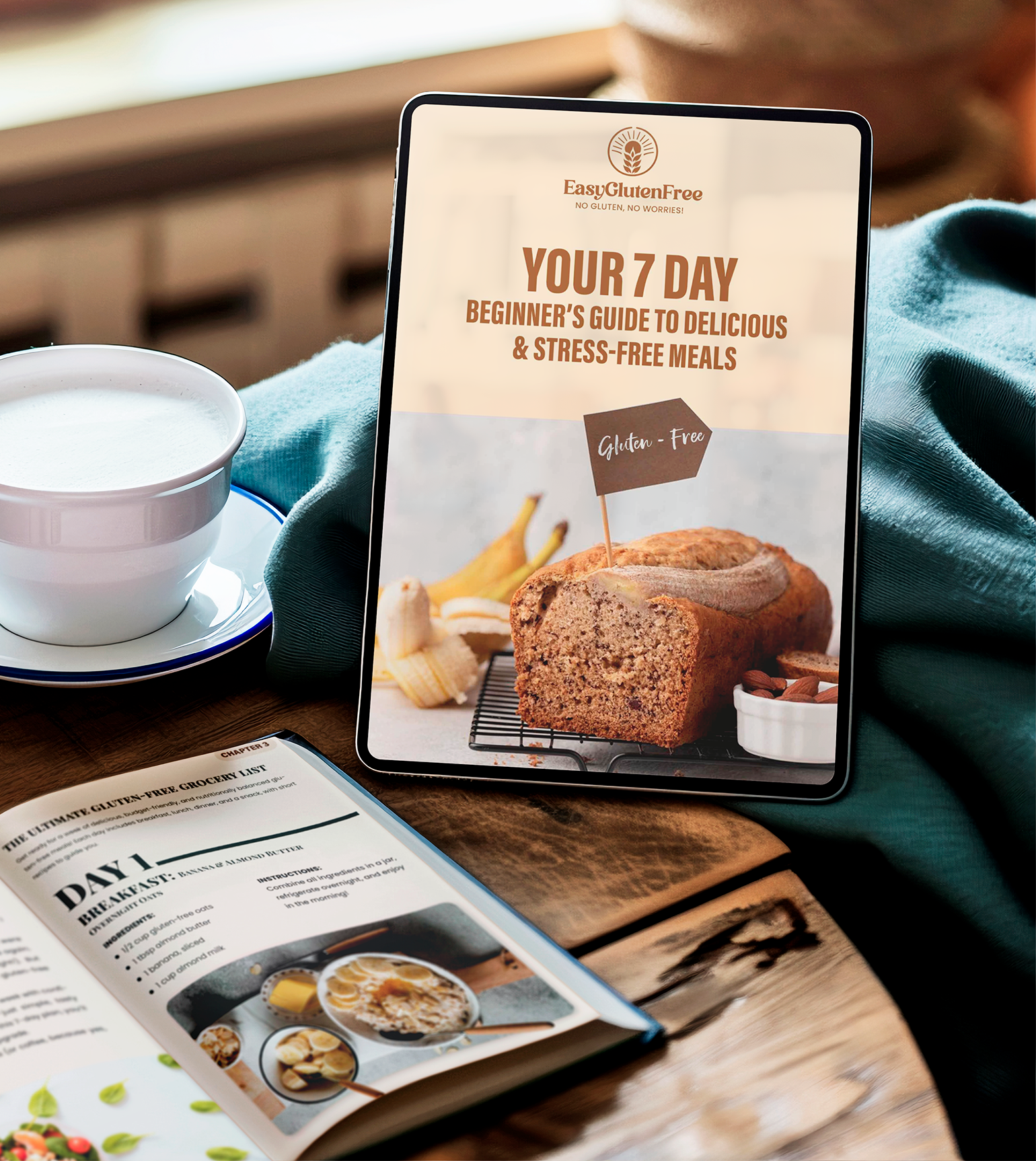
Download Your Free Gluten-Free Social Survival Guide

Gluten-Free Snacks for Social Events: How to Never Feel Left Out Again
Going gluten free can turn simple social events into low-key strategy missions: what can you eat, what can you bring, and how do you avoid going home hangry? This guide walks you through practical, zero-drama ways to handle parties, movie nights, office gatherings, and travel so you always have something safe and satisfying to snack on—without making food the whole story.
Download Our Free Gluten-Free Starter Guide
- 7-day meal plan
- shopping list
- Tips & 3 beginner-friendly recipes
Introduction
If you’re gluten free, you already know the scene: everyone’s diving into the snack table while you’re quietly scanning labels, trying to decode mystery dips, and doing mental math about how long you can last on sparkling water alone. Social events that used to be fun can suddenly feel stressful, isolating, or just plain inconvenient.
The good news? With a bit of planning, you can turn “Ugh, what am I going to eat?” into “I’m totally covered.” This article is your step-by-step guide to gluten-free snacks for social events—whether you’re heading to a birthday party, office meeting, picnic, or movie night. You’ll learn how to pack smart, what to look for on labels, and how to navigate awkward food conversations with confidence.
The goal isn’t perfection or Pinterest-level snack boards. It’s feeling relaxed, included, and well-fed while you live your actual life. Let’s make social events about the people again—not the panic over what’s in the breading.
Table of Contents
▾
1. Understanding Gluten-Free Snacks at Social Events
Before you can confidently show up at social events, it helps to understand why snacks are one of the trickiest parts of being gluten free—especially outside your own kitchen.
Why snack tables are a gluten minefield
Most casual snacks are built around wheat: crackers, pretzels, cookies, pastries, breaded appetizers, and mystery party mixes. Even when something looks “safe,” it may not be:
- Hidden gluten in ingredients like soy sauce, malt flavoring, seasonings, and thickeners
- Shared bowls and tongs where people move from regular crackers to veggie sticks and back
- “Dusting” from crumbs on cutting boards, charcuterie boards, or buffet tables
That’s why relying on “I’ll probably find something there” often leads to you nibbling carrot sticks and olives while everyone else is on round three of the snack table.
Defining safe gluten-free snacks
When we talk about gluten-free snacks for social events, we’re not just talking about foods that don’t contain wheat, barley, or rye on paper. We’re aiming for snacks that are:
- Labeled gluten free where possible
- Packaged individually or kept separate to reduce cross-contact
- Easy to transport and won’t fall apart in a bag or car
- Normal-looking so you don’t feel like the odd one out at the table
Think of them as your “social armor” — not dramatic, just quietly protective.
The mindset shift: from apologetic to prepared
One of the hardest parts of being gluten free at social events isn’t the food itself. It’s the feeling that you’re being difficult, picky, or “extra.” Being prepared with your own snacks changes that dynamic completely:
- You’re no longer stuck depending on what others provide.
- You can say “I’m all set, thanks!” instead of “Actually… I can’t eat that.”
- You reduce the pressure on hosts who may want to help but don’t know how.
Preparation isn’t overkill—it’s self-care. Once you get into the habit, it becomes second nature, like grabbing your keys and phone on the way out the door.
2. Smart Grab-and-Go Gluten-Free Snack Options
When it comes to gluten-free snacks for parties, road trips, and movie nights, grab-and-go options are your best friend. You want snacks that you can toss into a bag, keep at work, or store in your car so that last-minute plans don’t automatically mean last-minute stress.
Why individually wrapped snacks are a social lifesaver
Individually packaged snacks shine in social settings for a few reasons:
- Built-in portioning: You can eat as much or as little as you want without feeling like you’re “hogging” the safe snack.
- Less awkward sharing: You can easily offer someone a sealed snack instead of policing crumb-covered chips.
- Cross-contact protection: Your snack stays safe even if the table around it is a gluten-y crumb festival.
These are perfect for offices, school events, sports sidelines, and anywhere community snacks appear without notice.
Types of gluten-free grab-and-go snacks to look for
When you’re stocking up, aim for a mix of:
- Crunchy snacks: gluten-free chips, rice or corn crackers, popcorn, nut mixes
- Sweet options: gluten-free cookies, bars, chocolate, or dried fruit
- Protein-based snacks: nut and seed packs, some jerky or meat sticks (always check labels), nut-butter squeeze packs
Having variety matters because there will be days when you absolutely need something salty and others when only chocolate will do.
Building your “social emergency kit”
Think of this as your mini pantry-on-the-go. Here’s a simple framework:
- In your bag: 2–3 individually wrapped snacks that won’t melt or crumble easily
- At work or school: a small stash in a drawer or locker
- In your car: heat-stable items like nut mixes, some bars, or popcorn packs
- At home: one dedicated bin that you can quickly pull from before heading out
Once your “emergency snacks” are set up, you’ll spend much less time wondering whether you should eat before you go, and more time actually enjoying the event.
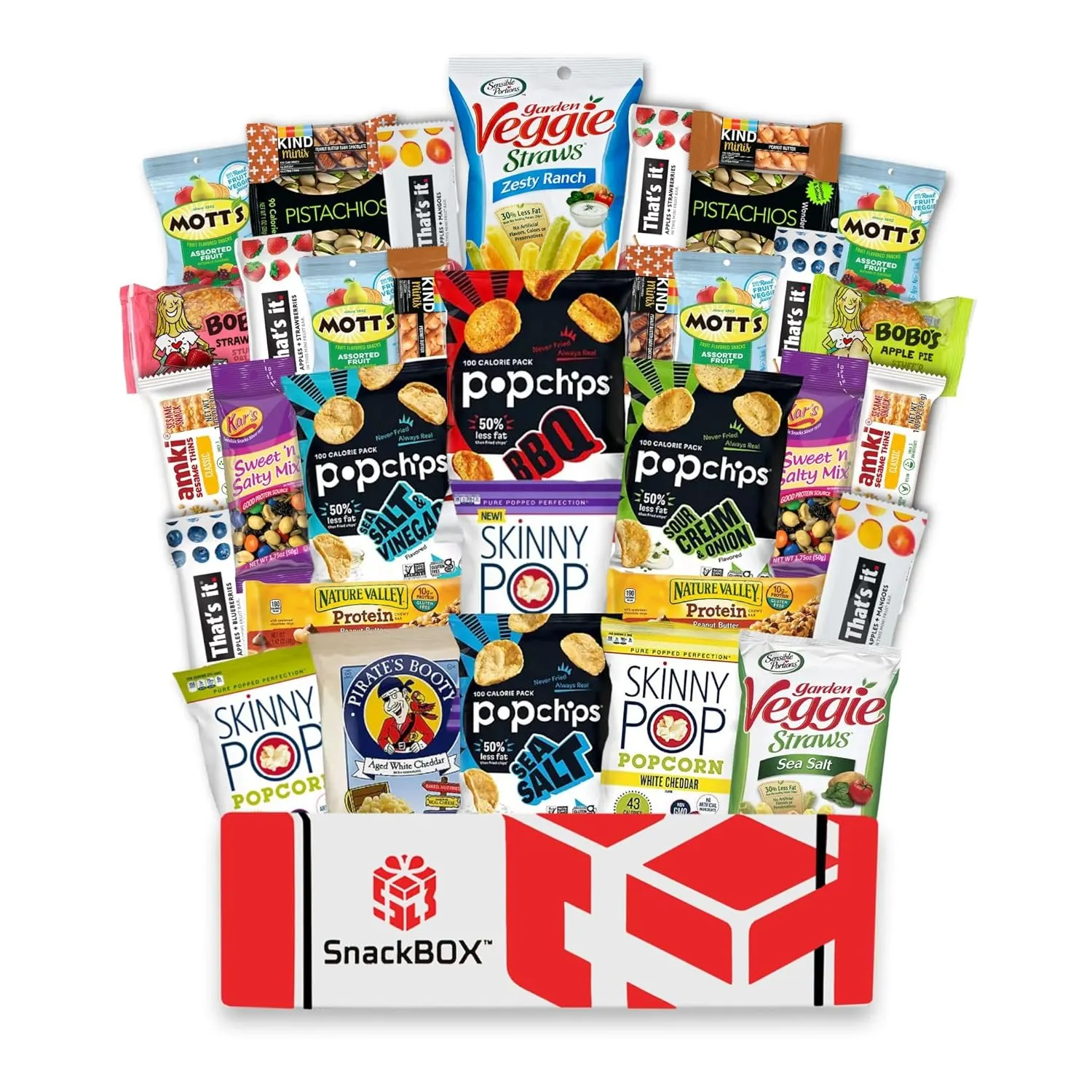
Snack BOX Gluten Free Healthy Care Package
This box is basically “emergency gluten-free social survival” in one package. It’s packed with individually wrapped snacks you can throw into your bag, keep at the office, bring to movie nights, or stash in your car so you don’t end up nibbling sad plain lettuce while everyone else has chips. Great for sharing, hosting, travel, or just living your best snack-gremlin life — gluten free.
3. Hosting and Sharing: Gluten-Free Snacks Everyone Will Love
Sometimes you’re not just attending—you’re hosting, co-hosting, or contributing to the spread. That’s a great opportunity to make sure there are gluten-free snacks for social events that feel abundant and inviting, not like the sad corner of “special food.”
Make gluten free feel “normal,” not separate
When you’re planning snacks, think “inclusive, not exclusive.” The more naturally gluten-free options you serve, the less you have to explain. Some crowd-pleasing examples include:
- Crudités with clearly labeled gluten-free dips
- Fruit platters or fruit skewers
- Cheese boards with separate gluten-free crackers kept away from gluten ones
- Popcorn bars with simple toppings (check labels)
- Roasted nuts or seasoned chickpeas (with confirmed gluten-free seasoning)
Labeling platters as “gluten free” is helpful, especially if you’re hosting others who are also gluten free or sensitive to cross-contact.
How to share your snacks without losing your safe options
It’s totally natural for people to eye your guaranteed-safe snacks, especially if they look appealing (and they should!). To avoid ending up with nothing but crumbs:
- Bring extra when you can: Assume people will want to try them.
- Keep a private backup: Stash a few extra snacks in your bag or a separate container you don’t put out.
- Use small serving bowls: Refill from sealed packages rather than leaving the entire safe stash at the mercy of wandering hands and gluten crumbs.
You can be generous and still protect your own needs—those can coexist.
Simple gluten-free snack boards that work anywhere
You don’t need to be a food stylist to put together a snack board people will flock to. Try this basic template:
- Pick a base: large wooden board, baking sheet lined with parchment, or a big platter.
- Add something crunchy: gluten-free crackers, seed crackers, or veggie sticks.
- Add something creamy: hummus, guacamole, or a yogurt-based dip (check ingredients).
- Add something salty: olives, pickles, roasted nuts.
- Add something fresh: grape tomatoes, cucumber, sliced peppers, berries, grapes.
- Add something sweet: dark chocolate squares or dried fruit.
If you’re sharing space with gluten-containing foods, keep your gluten-free board slightly separate with its own utensils and a little “gluten free” label so people know not to mix items.
Recipe Inspiration
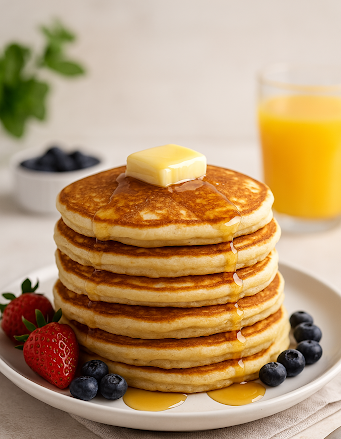
Try these gluten-free staples loved by thousands:


4. Reading Labels & Avoiding Cross-Contact in Social Settings
Knowing how to quickly assess whether a snack is safe makes social events so much less stressful. You may not always have the luxury of sitting down and deeply analyzing every ingredient, but a few habits can help you make faster, more confident decisions.
Quick label checks when you’re on the spot
When someone hands you a package to “see if you can eat this,” here’s a simple order of operations:
- Look for a gluten-free label or certification. That’s the fastest green light, though you may still choose based on your personal comfort level.
- Scan the allergen statement. Look for wheat and, depending on your needs, “may contain wheat” or “processed on shared equipment with wheat.”
- Check for gluten-containing ingredients. Common ones include wheat, barley, rye, malt, malt flavoring, brewer’s yeast, and some modified food starch (varies by country).
If you’re unsure, it’s completely okay to say, “I’m not positive this is safe for me, so I’ll skip it, but thank you so much for checking.”
Cross-contact at parties and buffets
Even snacks that start out gluten free can become unsafe in shared settings. Watch out for:
- Dips and spreads where people double-dip gluten crackers and then veggies
- Charcuterie boards where crumbs migrate across the entire board
- Shared tongs or scoops used between gluten and gluten-free snacks
- Open bowls of chips or snacks sitting near obviously gluten-containing foods
When in doubt, untouched sealed packages and individually wrapped items are your safest bet.
Scripts for polite boundaries
Food conversations can feel awkward, but having a few go-to phrases makes it easier. You might try:
- “Thank you so much for thinking of me. I have to be really careful with cross-contact, so I brought a couple of my own things just in case.”
- “That looks amazing! I’m not sure about the ingredients, so I’ll pass this time—but I really appreciate you asking.”
- “If it’s okay, I’ll dish mine up first before the bread goes on the board.”
Most people genuinely want to help—your clarity actually makes it easier for them.
5. Planning Ahead: Your Gluten-Free Social Snack Strategy
A little planning turns social events from stressful surprises into predictable routines. You don’t need a full project plan—just a simple system you can rely on.
Create your personal snack checklist
Use this as a starting point and customize based on your preferences:
- For casual hangouts: 1–2 individually wrapped snacks, plus a shareable option if you feel like it.
- For events with unknown food (workshops, game nights, meetings): 2–3 satisfying snacks that cover salty, sweet, and protein so you can comfortably make a “meal” if needed.
- For travel days: an upgraded stash with enough to replace at least one full meal if options dry up.
Keep your favorite gluten-free snacks written down in your phone or planner so you can restock quickly without overthinking it each time.
Communicating with hosts in advance
If you’re comfortable, reaching out ahead of time can make events smoother for everyone. You don’t have to send an essay—something short and friendly is perfect:
“Hey! I’m gluten free and have to be pretty careful about cross-contact, so I’ll bring a couple of snacks that I know are safe for me. Please don’t worry about it at all—I just wanted you to know I’m all taken care of.”
This removes pressure from the host while making space for them to ask questions if they genuinely want to accommodate you.
Normalizing your gluten-free routine
The more you practice your system—grabbing your snack kit, checking labels quickly, bringing a shareable option—the more normal it feels. Over time, friends and family will start to expect that “you’ve got your snacks,” and many will naturally adjust to include gluten-free-friendly options without making it a big deal.
Most importantly, you’ll spend less energy worrying about food and more energy on what you’re actually there for: connection, fun, and living your life gluten free without constantly feeling like the odd one out.
Key Takeaways
- Social events can be tricky when you’re gluten free, but a little planning around snacks makes a huge difference.
- Individually wrapped, clearly labeled gluten-free snacks are your best friends for parties, work events, and travel.
- Hosting or contributing gluten-free snacks is a powerful way to feel included while helping others discover safe, delicious options.
- Quick label-reading skills and simple boundaries around cross-contact help you stay safe without constant stress.
- Creating a repeatable “snack strategy” turns gluten-free socializing from exhausting into easy, predictable, and a lot more fun.
Take the Next Step in Your Gluten-Free Journey
- Download the Free EGF Starter Guide
- Try our Gluten-Free Planner to simplify your week
- Explore our growing recipe library
You don’t have to navigate the gluten-free lifestyle alone, we are here to make it easier every day.
Category: Lifestyle