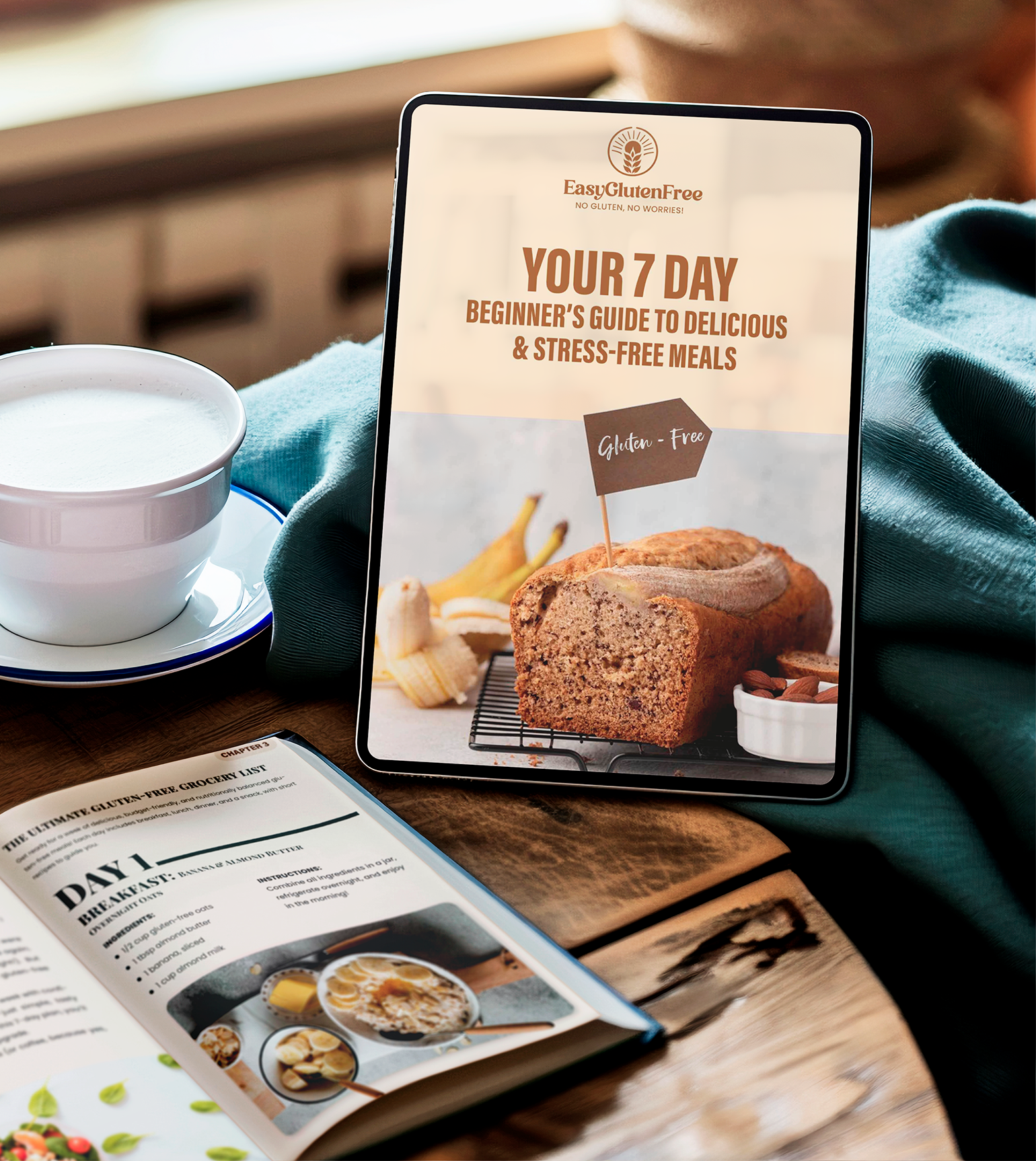
Download the Free Guide to Perfect Gluten-Free Baking Every Time

The Ultimate Guide to Gluten-Free Flour Substitutions (So Your Bakes Actually Turn Out)
Gluten-free baking doesn’t have to be a guessing game. With the right flour substitutions and a few simple rules, you can turn your favorite “gluten-full” recipes into tender, fluffy, and reliably delicious gluten-free versions. This guide walks you through the best gluten-free flour swaps, how to use them, and when to reach for a trusted 1:1 blend for stress-free success.
Download Our Free Gluten-Free Starter Guide
- 7-day meal plan
- shopping list
- Tips & 3 beginner-friendly recipes
Introduction
If you’ve ever swapped wheat flour for a random gluten-free flour and ended up with gummy muffins, sandy cookies, or a loaf that could double as a paperweight, you are very much not alone. Gluten is the structure-builder in traditional baking, and once it’s gone, everything from texture to rise to moisture balance has to be handled differently.
The good news: you don’t need a food science degree or a pantry full of obscure starches to bake well without gluten. You just need to understand how gluten-free flours behave, which substitutions actually work, and when it’s smarter (and easier) to lean on a quality 1:1 flour blend instead of playing kitchen chemist.
In this guide, we’ll break down the major types of gluten-free flours, how to substitute them for wheat flour, and the simple ratios and techniques that make the difference between “This is fine, I guess” and “Wait, this is gluten-free?” Whether you’re brand new to gluten-free baking or ready to level up your results, you’ll walk away with practical, repeatable strategies you can use in any kitchen.
1. Understanding Gluten-Free Flour Basics
Before you can confidently swap flours, it helps to know what job flour is actually doing in a recipe. In traditional baking, wheat flour brings:
- Structure – gluten forms an elastic network that traps air and supports rise.
- Texture – tender, chewy, or crisp depending on how it’s handled.
- Absorption – it soaks up liquid and affects batter thickness.
- Flavor & color – mild wheat flavor and browning.
Gluten-free flours don’t behave identically, so you’re often recreating that structure with a combination of ingredients instead of relying on one single flour. Think of gluten-free baking as building a team instead of expecting one superstar player to do everything.
Categories of Gluten-Free Flours
Most gluten-free flours fall into one of three groups, and a good substitution strategy usually mixes at least two of them:
- Whole-grain flours – brown rice, sorghum, millet, certified gluten-free oat flour. These add flavor, fiber, and color but can be heavy if used alone.
- Starches – tapioca starch, potato starch, cornstarch, arrowroot. These lighten the texture, add chew, and help with browning.
- Nut & seed flours – almond flour, hazelnut flour, sunflower seed flour. These bring richness and tenderness but are high in fat and don’t provide much structure.
Because each flour behaves differently, one of the most reliable strategies—especially for beginners—is to use a well-formulated 1:1 gluten-free flour blend that’s been designed to act like all-purpose wheat flour in most recipes.
Why You Can’t Always Swap 1 Cup for 1 Cup
Some gluten-free flours are heavier, some are thirstier, and some are almost powdery. If you take a standard recipe and simply replace 1 cup of wheat flour with 1 cup of a single gluten-free flour (like almond or rice), the recipe will almost always be off balance.
That imbalance usually shows up as:
- Gummy centers – not enough structure or too much moisture.
- Crumbly, dry bakes – flour that doesn’t hold together well or too little moisture.
- Flat, dense results – not enough support for leavening.
This is where 1:1 blends really shine, and why they’re such a powerful tool when you’re converting favorite family recipes or just don’t want to fuss with custom ratios every time you bake.
2. Using 1:1 Gluten-Free Flour Blends for Easy Success
If you want the simplest path to gluten-free baking that actually works, start with a good 1:1 flour blend. These blends are specifically designed to replace all-purpose wheat flour in a recipe—measured cup for cup—while still giving you familiar textures.
A quality gluten-free 1:1 blend typically includes a balanced mix of whole-grain flours and starches, plus binders like xanthan gum or guar gum to help mimic the stretch and structure of gluten. That means you can usually:
- Use the same amount of flour the original recipe calls for.
- Keep the same amount of liquid and fat.
- Use your usual baking temperatures and pans.
There are still a few tweaks that can dramatically improve your results:
- Mix longer – without gluten, you don’t need to worry about “overmixing.” A thorough mix helps hydrate the flour and distribute gums evenly.
- Let batters rest for 10–15 minutes – especially for pancakes, muffins, and quick breads. This reduces grittiness and improves structure.
- Weigh your flour – if possible, use a kitchen scale. Many blends work best at around 120–140 g per cup, but check the package guidance.
Once you’re comfortable with a reliable 1:1 flour, it can become your default “house flour” for pancakes, cookies, quick breads, and many cakes. Then you can experiment with specialty flours later, once the pressure of “will this even work?” is off your plate.
Bob’s Red Mill Gluten Free 1 to 1 Baking Flour
This is the gold-standard gluten-free all-purpose flour. It behaves beautifully in pancakes, muffins, cookies, quick breads — and it’s the ideal flour to recommend in ANY practical baking guide. Reliable, consistent, and approved by thousands of gluten-free home bakers. Perfect for articles about technique, substitutions, and baking success.

3. How to Substitute Single Gluten-Free Flours (With Ratios)
Once you’re comfortable with a 1:1 blend, you might want to branch out into individual gluten-free flours for specific textures or flavors. Here are some of the most common options and how to use them wisely.
Rice Flour
Best for: light cakes, cookies, shortbread, and as a base flour in blends.
Rice flour (especially white rice flour) is fairly neutral in flavor but can be a bit gritty if it isn’t finely milled.
- How to substitute: Use rice flour as part of a blend—generally no more than 50–60% of the total flour in a recipe.
- Pair with: starches (tapioca, potato) and a little sorghum or oat flour for better tenderness and flavor.
Almond Flour
Best for: rich cakes, muffins, brownies, and cookies that are meant to be moist and tender.
Almond flour is high in fat and doesn’t absorb liquid like grain-based flours, so it needs a support team.
- How to substitute: Replace up to 25–30% of the wheat flour (or gluten-free blend) with almond flour for extra moisture and richness.
- What to watch: You may need to slightly reduce the added fat (butter/oil) or increase the bake time to avoid soggy centers.
Oat Flour (Certified Gluten Free)
Best for: muffins, quick breads, pancakes, and snack cakes with a cozy, homey flavor.
Oat flour brings natural sweetness and tenderness but can be quite absorbing.
- How to substitute: Start by swapping up to 25–30% of the total flour for oat flour.
- What to watch: If the batter seems very thick, add 1–2 tablespoons of extra liquid per cup of oat flour.
Coconut Flour
Best for: specialty low-grain or grain-free recipes where it’s specifically called for.
Coconut flour is extremely thirsty and behaves unlike almost any other flour.
- How to substitute: Don’t swap coconut flour directly for wheat or other flours. Instead, find recipes developed specifically for coconut flour.
- Typical ratio: Around 1/4–1/3 cup coconut flour often replaces 1 cup of wheat flour, with significantly more eggs or liquid added.
Sorghum & Millet Flour
Best for: breads, pancakes, and muffins when used as part of a blend.
These whole-grain flours bring structure and a mild, pleasant flavor.
- How to substitute: Use them for 25–40% of the total flour in a recipe.
- Pair with: lighter starches and a binder (like xanthan gum) for better rise.
General Rule of Thumb for DIY Blends
If you want to experiment with your own mix, a simple starting point for 1 cup of “all-purpose style” gluten-free flour is:
- 1/2 cup whole-grain flour (rice, sorghum, oat, millet)
- 1/4 cup starch (tapioca, potato, cornstarch)
- 1/4 cup almond or additional whole-grain flour
- Plus 1/4 to 1/2 teaspoon xanthan gum if the recipe doesn’t already include a binder
From there, adjust based on your recipe’s needs: more starch for lightness, more whole-grain for chew and structure, or a little nut flour for richness.
Recipe Inspiration
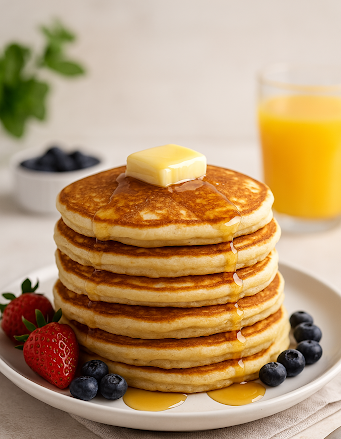
Try these gluten-free staples loved by thousands:


4. Common Mistakes & How to Fix Failed Gluten-Free Bakes
Even experienced bakers hit the occasional gluten-free disaster. Instead of tossing it and giving up, use what went wrong as a breadcrumb trail to your next success.
If Your Baked Goods Are Gummy or Dense
This usually means there’s too much moisture or not enough structure.
- Reduce the liquid slightly next time (start with 1–2 tablespoons less per cup of flour).
- Check whether your flour blend already contains xanthan gum—adding extra might make things too sticky.
- Make sure the center is fully baked: extend the baking time by 5–10 minutes, covering loosely with foil if the top is browning too fast.
If Your Baked Goods Are Dry or Crumbly
Dryness often comes from too much flour, not enough fat, or a flour choice that doesn’t hold together well on its own.
- Weigh your flour instead of scooping, or fluff and spoon it into the cup to avoid packing.
- Add an extra tablespoon or two of fat (butter, oil) or 1–2 tablespoons of milk or non-dairy milk to the batter.
- Consider using some nut flour or oat flour for added tenderness.
If Your Loaves or Cakes Don’t Rise
Gluten-free batters rely heavily on leaveners and structure from starches and gums.
- Check that your baking powder and baking soda are fresh.
- Don’t overfill pans; gluten-free batters often do better in slightly smaller or thinner layers.
- Avoid opening the oven in the first 15–20 minutes, which can cause collapse.
If Things Taste “Off”
Some whole-grain gluten-free flours can have stronger flavors, especially if they’re older.
- Store gluten-free flours in airtight containers, preferably in the fridge or freezer.
- Balance stronger flours (like sorghum or millet) with more neutral options and a bit of vanilla, cinnamon, or citrus zest.
- Use a consistent, mild 1:1 blend as your base and bring in specialty flours sparingly.
With each “flop,” make one or two small adjustments rather than changing everything at once. Jot a quick note on your recipe so when you land on the perfect version, you can repeat it anytime.
5. Practical Tips for Converting Your Favorite Recipes
Now that you understand the different flour options, let’s talk about how to convert the recipes you already love—without spending an entire weekend in trial-and-error mode.
Start with the Right Type of Recipe
Some recipes convert more easily than others:
- Great first choices: pancakes, waffles, muffins, brownies, snack cakes, cookies, quick breads.
- More advanced: crusty artisan bread, laminated pastries, brioche, and anything that relies heavily on gluten’s elastic stretch.
Build your confidence on the easy wins, then move into more complex projects once you’ve seen how your favorite flour (or flour blend) behaves.
Use a 1:1 Blend as Your Default Swap
For most standard recipes calling for all-purpose wheat flour:
- Replace the wheat flour with an equal amount of your chosen 1:1 gluten-free blend.
- Mix the batter thoroughly and let it rest for 10–15 minutes before baking.
- Bake at the same temperature, but start checking for doneness 5–10 minutes earlier.
If the result is slightly dry or dense, adjust the liquid or fat by a tablespoon or two next time, and note the change.
When to Adjust Liquids and Binders
Many gluten-free blends are slightly more absorbent than wheat flour. Indicators you may need a bit more moisture include batter that’s thicker than expected or a finished bake that seems dry.
- Add 1–2 tablespoons of milk, non-dairy milk, or another liquid per cup of gluten-free flour if the batter looks stiff.
- If your flour blend doesn’t contain xanthan gum or a similar binder, add about 1/4 teaspoon per cup of flour for cookies, and 1/2 teaspoon per cup for breads and pizza crusts.
Leaning on Tested Gluten-Free Recipes
While conversions are handy, there’s a lot of value in starting with recipes that were written and tested specifically for gluten-free flours. This is especially true for breads and anything yeast-based, where rise and structure are more delicate.
Use those trusted recipes to learn what gluten-free batter and dough should look and feel like—thicker, looser, or stickier than you might expect from traditional doughs. Once you recognize those clues, you’ll have a much easier time troubleshooting your own conversions.
Build Your Own Shortlist of “Always Works” Recipes
Over time, aim to collect a small set of gluten-free recipes you know you can count on: a pancake you love, a go-to muffin, a favorite cookie, a quick bread you can bake on autopilot. Use those as your “control group” as you try new flours or blends, so you’re only changing one variable at a time.
The more you bake, the more predictable gluten-free flours become—and the more your kitchen starts to feel fun again, instead of like a science experiment.
Key Takeaways
- Gluten-free baking works best when you understand the roles of structure, moisture, and texture instead of swapping flours blindly.
- A reliable gluten-free 1:1 flour blend is the easiest way to convert everyday recipes with minimal changes.
- Single gluten-free flours shine when used in combinations, balancing whole-grain flours with starches and, sometimes, nut flours.
- Most gluten-free baking “fails” can be fixed by adjusting liquid, fat, bake time, or the amount of binder used.
- Start with simple recipes, build a few dependable favorites, and make small, intentional tweaks as you gain confidence.
Take the Next Step in Your Gluten-Free Journey
- Download the Free EGF Starter Guide
- Try our Gluten-Free Planner to simplify your week
- Explore our growing recipe library
You don’t have to navigate the gluten-free lifestyle alone, we are here to make it easier every day.
Category: Gluten-Free Baking Basics