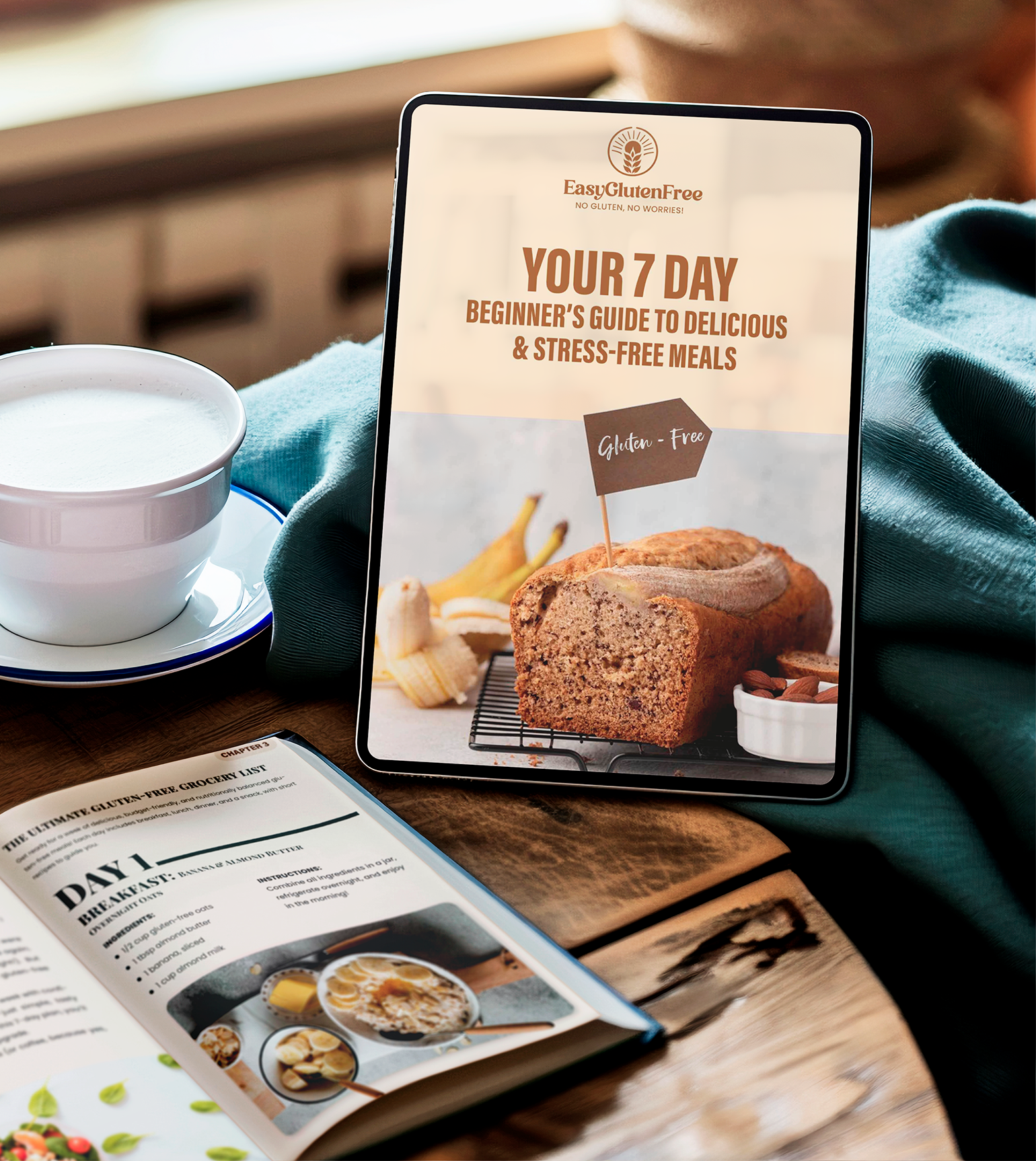
Download Your Free Guide to Smarter Gluten-Free Meal Prep

Gluten-Free Meal Prep for Busy Weeks: Stress-Free Ideas, Storage Tips & Simple Systems
If you’re gluten-free and constantly juggling work, family, and “what on earth is for dinner,” you’re in the right place. This guide walks you through practical, gluten-free meal prep that actually fits into a real schedule—no four-hour Sunday marathons required. From smart batch-cooking ideas to safe storage and on-the-go snack strategies, you’ll learn how to make your kitchen work for you all week long.
Download Our Free Gluten-Free Starter Guide
- 7-day meal plan
- shopping list
- Tips & 3 beginner-friendly recipes
Introduction
Living gluten-free already asks a lot of you: extra label reading, more planning before you eat out, and usually cooking more at home than your gluten-eating friends. When busy weeks hit, that can feel like too much. Meal prep is one of the simplest ways to make gluten-free living feel calmer, cheaper, and a lot more sustainable—without turning your whole Sunday into a cooking marathon.
In this guide, we’ll walk through realistic gluten-free meal prep for busy weeks: how to plan around your schedule, which foods prep well, how to avoid cross-contact in a shared kitchen, and ways to safely store and reheat food so it still tastes great days later. Think of this as your blueprint for opening the fridge on a Wednesday night and feeling relieved instead of stressed.
Whether you’re newly gluten-free or just ready to level up your systems, you’ll find ideas you can start using this week. Pair this with our free Gluten-Free Starter Guide, and you’ll have both the “what to cook” and the “how to prep it” sides covered.
Table of Contents
▾
- 1. Planning a Gluten-Free Meal Prep Week That Actually Fits Your Life
- 2. Essential Containers, Tools & Storage Strategies for Gluten-Free Prep
- 3. Gluten-Free Meal Prep Ideas: Breakfast, Lunch, Dinner & Snacks
- 4. Staying Safe: Cross-Contact, Label Reading & Shared Kitchens
- 5. Making Meal Prep a Sustainable Habit (Without Burning Out)
1. Planning a Gluten-Free Meal Prep Week That Actually Fits Your Life
Successful gluten-free meal prep doesn’t start in the kitchen; it starts with your calendar. Before you pick recipes, look at your week:
- Which nights are late or busy? These are your “heat and eat” evenings.
- Which days are more open? These become good cooking or prep days.
- Do you have lunches away from home? You’ll need packable, spill-proof options.
Once you’ve mapped your week, you can choose a simple structure to guide your meals. This keeps gluten-free meal prep from feeling like a full-time job.
Pick a simple structure for the week
Instead of starting from zero every week, use a loose framework like:
- Theme nights: bowl night, sheet pan night, pasta night (with GF pasta), soup night, leftover night.
- Protein anchors: chicken, beans/lentils, eggs, ground turkey, tofu, or fish. Cook once, use twice.
- Repeat breakfasts, rotate dinners: Most people can happily eat the same breakfast all week, which saves a lot of mental energy.
Keep it flexible. The goal is to reduce decisions, not lock you into a rigid meal roster.
Build meals around naturally gluten-free staples
To keep prep easy and budget-friendly, lean into foods that are naturally gluten-free and widely available:
- Grains & starches: rice, quinoa, potatoes, sweet potatoes, corn, certified gluten-free oats.
- Proteins: eggs, chicken, canned tuna or salmon, beans, lentils, tofu, tempeh, plain ground meat.
- Produce: frozen vegetables, salad greens, cucumbers, carrots, peppers, berries, apples, oranges.
- Dairy & fats: cheese, yogurt, butter, olive oil, avocado, nuts and seeds (check labels where needed).
Then fill in with a few carefully chosen gluten-free specialty items—like bread, wraps, or pasta—from brands you trust.
Decide what to prep (and what not to)
You do not need to prep full meals for every day. In fact, many people find it more realistic to prep “components” that can be mixed and matched:
- 1–2 cooked proteins (for example, shredded chicken and a bean-based dish)
- 1–2 grains or starches (rice, roasted potatoes, quinoa)
- Chopped raw veggies for snacking and quick sides
- 1 big-batch item (a soup, chili, or casserole)
- Grab-and-go breakfasts and snacks
On busy nights, you’ll be able to pull from those components and assemble a meal in minutes, instead of starting from scratch.
Keep a running gluten-free meal prep list
To avoid decision fatigue, start a simple list in your notes app or planner of meals that:
- Everyone in your household actually likes
- Use ingredients you can find gluten-free reliably
- Store and reheat well
Over time, this becomes your personal “busy week” menu you can rotate with very little effort.
2. Essential Containers, Tools & Storage Strategies for Gluten-Free Prep
Good storage is the backbone of gluten-free meal prep. The right containers keep your food fresh longer, make lunches truly grab-and-go, and help you avoid accidental gluten exposure in a shared kitchen.
What to look for in gluten-free meal prep containers
When you’re gluten-free, your containers are doing two jobs: preserving food quality and protecting you from cross-contact. Here’s what matters most:
- Leak-resistant lids: so your soup doesn’t end up all over your work bag.
- Clear sides: seeing what’s inside reduces food waste and the “mystery container” problem.
- Easy to wash thoroughly: smooth surfaces without lots of scratches or crevices where crumbs can hide.
- Dedicated gluten-free use (where possible): especially for cutting boards, colanders, and containers used for grains or baked goods.
Labeling to make your week smoother
Even in a fully gluten-free home, labeling your prepped food saves you brain space later. Consider:
- Date + contents: “Chicken taco filling – Sun” or “Veggie quinoa bowls – Wed.”
- Reheat notes: “Microwave 2–3 min, stir halfway” or “Best cold.”
- Special notes for others in the home: like “Lunch – do not eat” if someone tends to raid your prepped meals.
If you share a kitchen with gluten-eaters, consider also marking containers clearly as “GF” to avoid any confusion.
Fridge, freezer & pantry prep strategy
A smart storage plan keeps food safe and actually enjoyable to eat days later:
- Fridge (2–4 days): cooked proteins, salads without dressing, roasted veggies, dips, and snacks.
- Freezer (1–3 months for most home-cooked foods): soups, stews, chilis, sauces, cooked grains, and extra portions of casseroles.
- Pantry: portion out snacks like nuts, popcorn kernels, and gluten-free crackers into small containers for grab-and-go options.
Think of your freezer as a backup plan for the weeks when meal prep just doesn’t happen. Doubling a recipe and freezing half gives “future you” a huge gift.
Batch prep for snacks and small bites
Busy weeks often fall apart in the snack department—this is where “I’ll just grab whatever” can lead to accidental gluten exposure. Prep a few reliable options, like:
- Veggie sticks with hummus or another favorite dip
- Individual yogurt portions with gluten-free granola packed separately
- Hard-boiled eggs, peeled and stored in a container
- Pre-portioned nuts, seeds, or trail mix made from trusted gluten-free ingredients
Pack them in easy-to-see containers so when you open the fridge in a rush, the safe options are front and center.
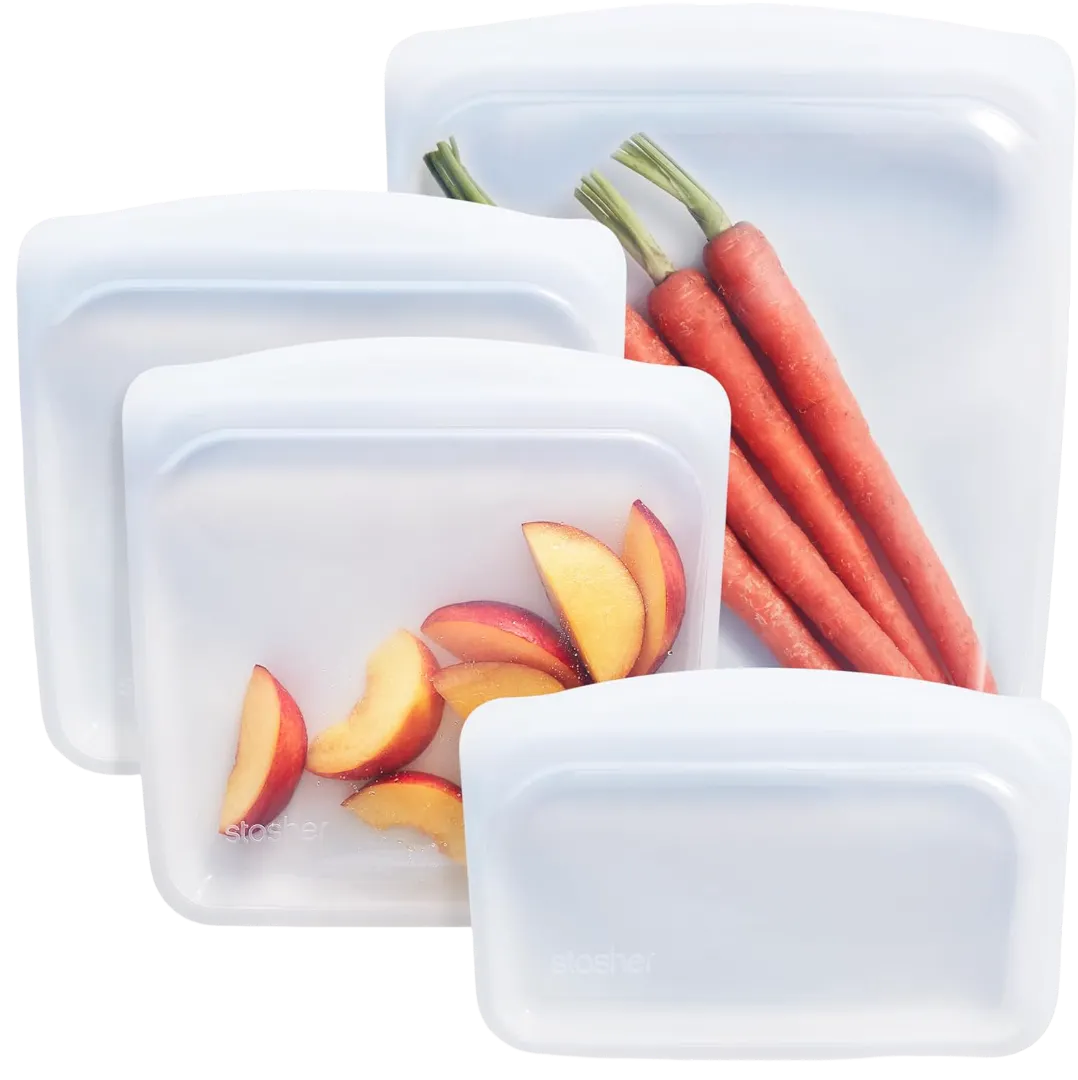
Premium Silicone Reusable Food Storage Bags
These are the “I have my life together” bags. Perfect for packing gluten-free snacks, leftovers from brunch, veggie sticks for road trips, or even freezer prep for busy weeks. They’re reusable, dishwasher-safe, plastic-free, and look aesthetically pleasing in your fridge and your IG stories. Great anchor product for any article about sustainability, meal prep, hosting, or on-the-go GF living.
3. Gluten-Free Meal Prep Ideas: Breakfast, Lunch, Dinner & Snacks
Now let’s turn the strategy into actual food. Use these ideas as plug-and-play building blocks for your own gluten-free meal prep routine.
Breakfast: quick, filling, and easy to repeat
Most people are happy to eat similar breakfasts during the week, which makes this the easiest place to start prepping.
- Overnight oats (with certified gluten-free oats): Prep 3–4 jars at a time with milk of choice, chia seeds, fruit, and a drizzle of nut butter.
- Egg muffins or frittata squares: Bake with veggies, cheese, and cooked breakfast meat if you like. Store in the fridge and reheat quickly.
- Yogurt parfait kits: Portion yogurt into containers, then store toppings (fruit, nuts, gluten-free granola) separately for crunch.
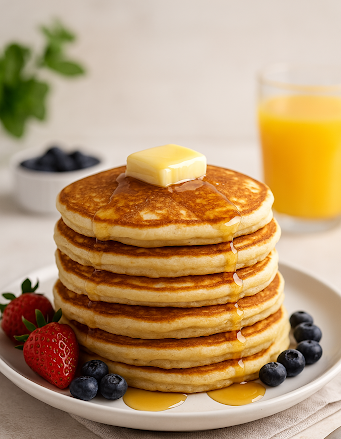
- Freezer-friendly pancakes or waffles: Make a batch of gluten-free pancakes (like our Fluffy Gluten-Free Pancakes), freeze in a single layer, then reheat in the toaster or oven.
Choose one or two breakfast options per week to keep things simple.
Lunch: packable and satisfying
For busy weekdays, think in terms of “assemble and go” lunches that rely on components you can prep ahead:
- Grain bowls: Cook a big batch of rice or quinoa, add a protein (chicken, beans, tofu), veggies, and a simple sauce.
- Salad kits: Store chopped sturdy greens and veggies separately from proteins and dressing, then assemble the night before or morning of.
- Soup + side: A hearty gluten-free soup or chili paired with fruit, cheese, or a slice of gluten-free bread.
- Snack-style boxes: Think protein + veggie + fruit + crunch: for example, hummus, carrots, cucumber, grapes, and gluten-free crackers.
If you’re packing lunches for work or school, dedicate one shelf or bin in the fridge to “lunch only” items so they’re easy to grab.
Dinner: re-purpose and stretch your prep
Dinner is where batch cooking really shines. Cook once, then transform components into slightly different meals to avoid boredom:
- Shredded chicken: Use for tacos (with corn tortillas), rice bowls, stuffed sweet potatoes, or mixed into soup.
- Roasted veggies: Serve as a side, toss into pasta, blend into a sauce, or use in omelets.
- Cooked ground meat or lentils: Turn into taco filling, stuffed peppers, pasta sauce, or sloppy joes on gluten-free buns.
- Big-batch soup or chili: Enjoy for dinner once or twice, then freeze a couple of portions for another week.
Try scheduling one “leftover remix” night where the goal is to clean out the fridge and get creative with what’s left.
Snacks & sweet bites
Gluten-free snacks can get expensive if you rely only on packaged options. A bit of prep gives you more control and variety:
- Seasoned roasted chickpeas or nuts (using clearly gluten-free seasonings)
- Fruit washed and prepped in clear containers
- Cheese cubes or sticks portioned with gluten-free crackers
- Simple energy balls made from oats (certified gluten-free), nut butter, and seeds
Keep a mix of refrigerated and shelf-stable options so you’re covered for work, school, or travel days.
Recipe Inspiration
Try these gluten-free staples loved by thousands:


4. Staying Safe: Cross-Contact, Label Reading & Shared Kitchens
When you’re gluten-free, meal prep isn’t just about convenience—it’s also an important tool for staying safe. Prepping your own food means you control the ingredients and how they’re handled, which can reduce the risk of accidental gluten exposure.
Set up gluten-free zones and tools
If you share a kitchen with gluten-eaters, a few systems can make a big difference:
- Dedicated gluten-free tools: Use separate cutting boards, colanders, wooden spoons, and toaster for gluten-free food only.
- Clear labeling: Mark certain shelves, bins, or containers as “GF” so everyone knows they’re off-limits for gluten items.
- Separate spreads: Use squeeze bottles where possible or dedicate separate jars of peanut butter, jam, and butter to avoid crumb contamination.
During meal prep, work with gluten-free ingredients first and keep your prep area clean and crumb-free.
Smart label reading during meal prep shopping
Meal prep usually means buying more food at once, so a quick system for label reading saves time:
- Check for obvious gluten sources like wheat, barley, and rye.
- Look for any “may contain” or “processed on shared equipment” statements according to your own comfort level and guidance from your health professional.
- Stick to brands you’ve vetted before for items you use weekly (like broth, sauces, and condiments).
Keeping a short list of “safe” brands on your phone can make grocery runs much faster.
Handling leftovers safely
Because meal prep involves cooking in advance, safe storage is important for both health and food quality. General home kitchen guidelines include:
- Cooling hot foods in shallow containers before refrigerating.
- Storing most cooked dishes in the fridge for only a few days before freezing or using.
- Reheating leftovers to a hot, steamy temperature and stirring halfway through when using a microwave.
When in doubt, label containers with the date you cooked them so you’re not guessing later in the week.
Meal prep for eating out and travel
Busy weeks often include kids’ activities, commuting, or travel days. A bit of advance prep can help you rely less on last-minute options:
- Pack a small bag of gluten-free snacks for your car, desk, or backpack.
- Bring your own safe food to events where options may be limited.
- Freeze a portion of a meal prep dinner in a travel-friendly container for long days when you’re away from home.
Having reliable, prepped food with you can make busy days feel a lot calmer—and a lot safer.
5. Making Meal Prep a Sustainable Habit (Without Burning Out)
The best gluten-free meal prep system is the one you can stick with. That usually means starting smaller than you think and building up slowly.
Start with your biggest pain point
Instead of trying to prep every meal, ask yourself: “Where do I struggle the most?” Then focus on just that area for a couple of weeks:
- If mornings are chaos, prep only breakfast.
- If you’re always scrambling at 6 p.m., focus on dinners and frozen backups.
- If workdays derail you, dial in lunches and snacks.
Once that piece feels easier, you can add another layer.
Use “micro-prep” when you don’t have a full prep day
Many people don’t have a full afternoon to cook, and that’s okay. Micro-prep is simply doing small tasks throughout the week that future you will appreciate:
- Chop an extra onion or pepper while you’re already cutting one.
- Double the rice or quinoa and freeze half.
- Wash and spin a whole head of lettuce instead of just enough for tonight.
These little moments stack up and make midweek cooking faster without needing a huge Sunday cook-up session.
Keep a “save it for later” freezer habit
Anytime you make a soup, chili, stew, sauce, or casserole that freezes well, portion out at least one or two servings for the freezer. Label with:
- Name (“Turkey chili”)
- Date (“Jan 10”)
- Serving size and any notes (“1–2 servings, microwave from frozen or thaw overnight”)
Over time, you’ll build a small “gluten-free emergency meal library” you can pull from on weeks when prep doesn’t happen.
Review and adjust every few weeks
Meal prep is a skill, and like any skill, it improves when you review what’s working:
- Which meals did you actually enjoy eating as leftovers?
- What went uneaten or felt like too much work?
- Where did you still feel stressed or rushed?
Use those answers to simplify your next plan: repeat what worked, adjust what didn’t, and don’t be afraid to trim your prep goals for a season if life is extra busy.
Give yourself credit
Every time you chop veggies ahead, pack tomorrow’s lunch, or freeze half a batch of soup, you’re making gluten-free living easier for your future self. That counts, even if Instagram never sees it. Over time, these small, consistent efforts can turn hectic weeks into something a lot more manageable—and a lot more delicious.
Key Takeaways
- Start gluten-free meal prep by looking at your actual week and planning around busy days, rather than trying to cook full meals for every single night.
- Lean on naturally gluten-free staples and prepped “components” like proteins, grains, and veggies that can be mixed and matched into different meals.
- Invest in dedicated, clearly labeled storage and prep tools to keep gluten-free food organized, fresh, and protected from cross-contact.
- Focus first on your biggest pain point—breakfast, lunches, or dinners—and use micro-prep and freezer backups when a full prep day isn’t realistic.
- Treat meal prep as an evolving habit: review what works, simplify what doesn’t, and celebrate small steps that make your gluten-free life easier.
Take the Next Step in Your Gluten-Free Journey
- Download the Free EGF Starter Guide
- Try our Gluten-Free Planner to simplify your week
- Explore our growing recipe library
You don’t have to navigate the gluten-free lifestyle alone, we are here to make it easier every day.
Category: Meal Planning & Prep