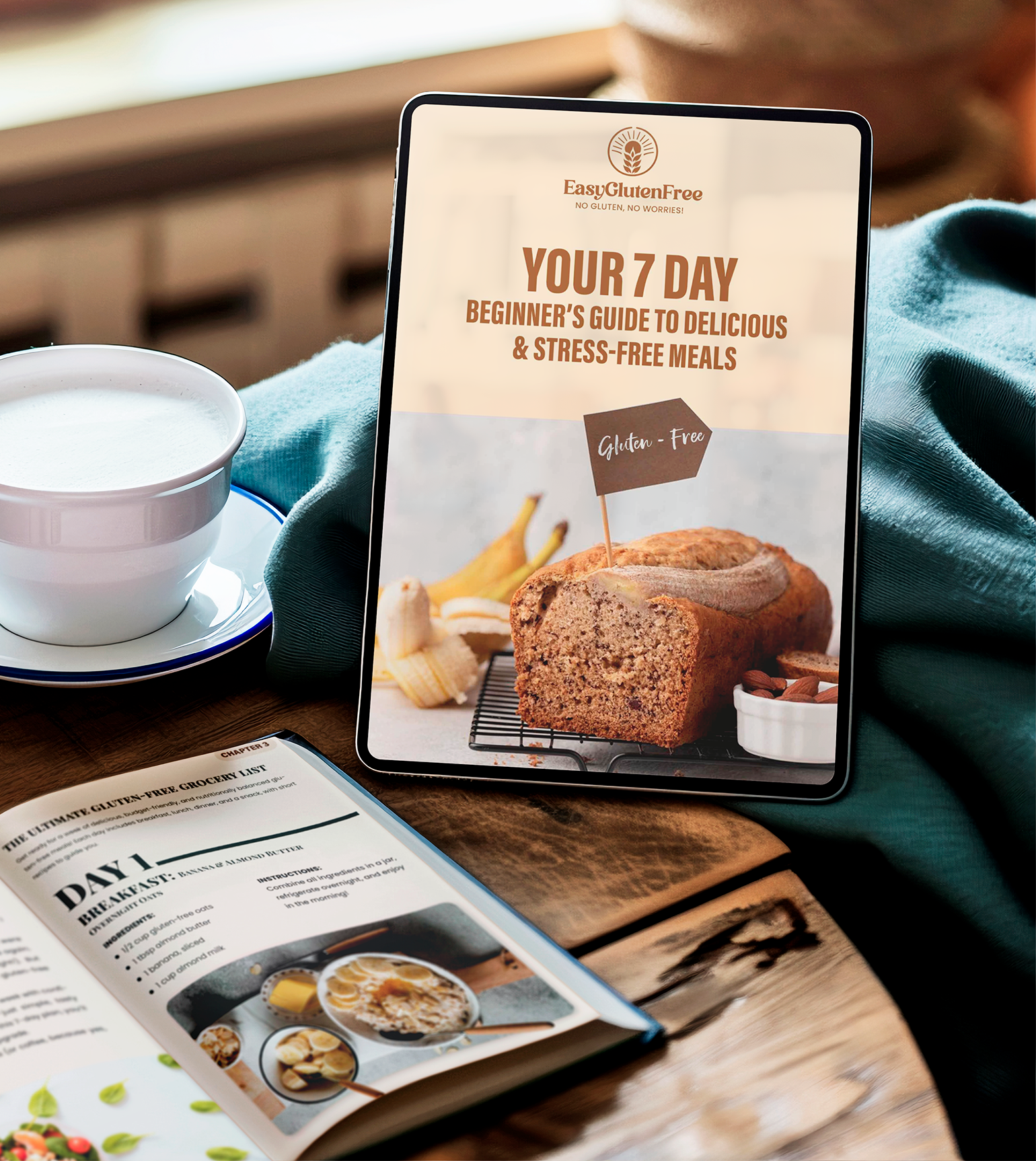
Download Your Free Guide to Stress-Free Gluten-Free Lunches

Gluten-Free Lunch Box Ideas for Adults: Easy, Fresh & Actually Satisfying
Gluten-free lunches don’t have to be boring salads or plain rice cakes eaten at your desk. With a little planning and the right lunch box setup, you can pack colorful, satisfying, and budget-friendly gluten-free lunches that you’ll actually look forward to eating. This guide walks you through simple gluten-free lunch box ideas for adults, plus smart packing tips to keep everything safe, fresh, and delicious.
Download Our Free Gluten-Free Starter Guide
- 7-day meal plan
- shopping list
- Tips & 3 beginner-friendly recipes
Introduction
Figuring out what to eat for lunch is hard enough; add “gluten-free” to the mix and it can feel like a full-time job. If you’ve ever opened your lunch bag only to find wilted salad, soggy crackers, or a meal that doesn’t actually keep you full, you’re not alone. Many adults going gluten-free struggle to find lunch box ideas that are quick, portable, and genuinely satisfying.
The good news: with a bit of structure and the right containers, gluten-free lunch boxes can be as fun and varied as any café menu—without the mystery ingredients or last-minute panic. This guide focuses on practical, repeatable ideas you can mix and match all week long, whether you’re packing for the office, remote co-working days, travel, or long errands.
We’ll walk through how to build a balanced gluten-free lunch, give you plug-and-play lunch box combinations, show you how to use bento-style boxes to stay organized, and share make-ahead strategies that work even on your busiest mornings. Think of this as your go-to resource whenever you’re staring into the fridge wondering, “What on earth do I pack tomorrow?”
1. Building a Balanced Gluten-Free Lunch Box
A great gluten-free lunch box starts with balance. When your meal has protein, healthy fats, fiber-rich carbs, and color from fruits and veggies, you stay fuller longer and avoid that 3 p.m. energy crash.
One simple way to think about it is this: choose a protein, add a produce “rainbow,” then round it out with a gluten-free carb and something fun.
Focus on Naturally Gluten-Free Proteins
Protein is the anchor of a satisfying lunch. Many protein sources are naturally gluten-free, which keeps things simple:
- Grilled or roasted chicken, turkey, or beef slices
- Hard-boiled eggs or egg salad (made with gluten-free mayo)
- Canned tuna or salmon mixed with olive oil, lemon, and herbs
- Cheese cubes or slices
- Hummus, bean dips, or lentil salads
- Tofu, tempeh, or edamame
- Leftover gluten-free meatballs or burger patties (no bun)
When using deli meats, look for clearly labeled gluten-free options and avoid anything with added “wheat,” “modified food starch” (unless specified gluten-free), or “malt.”
Add Fruits and Veggies for Fiber and Color
Produce keeps your lunch box fresh, crunchy, and more interesting. Aim for at least two different colors. Easy packable options include:
- Baby carrots, cucumber rounds, and bell pepper strips
- Cherry tomatoes or snap peas
- Apple slices (tossed in lemon to prevent browning), grapes, or berries
- Mandarin oranges, kiwi slices, or melon cubes
- Pre-shredded coleslaw mix tossed with a simple vinaigrette
Raw veggies pair especially well with dips like hummus, guacamole, or yogurt-based ranch (check that any seasoning packets are gluten-free).
Choose Satisfying Gluten-Free Carbs
Carbs help with energy and staying power, especially for long afternoons. Instead of relying on random snacks, be intentional:
- Cooked gluten-free grains: quinoa, rice, buckwheat, or millet
- Gluten-free crackers or rice cakes (check labels carefully)
- Gluten-free tortillas or wraps (great for pinwheels or roll-ups)
- Leftover gluten-free pasta salad
- Baked potatoes or sweet potatoes (delicious cold with toppings)
If you’re newly gluten-free, it helps to keep one or two trusted carb options on rotation so you’re not constantly decoding labels.
Add Healthy Fats and a Little Fun
Healthy fats keep you full and make everything taste better. They’re also easy to pack:
- Single-serve guacamole or hummus cups
- Nut or seed butter packets (if your workplace allows nuts)
- Olives or a small portion of nuts
- Cheese, avocado slices, or a drizzle of olive oil on salads or grain bowls
Then, if you’d like, add a small “treat” that feels intentional rather than random—like a square of dark chocolate, a homemade gluten-free cookie, or a few gluten-free pretzels.
2. Bento-Style Gluten-Free Lunch Ideas for Adults
Bento-style lunch boxes are perfect for gluten-free eating because the compartments naturally separate foods and help prevent accidental crumb cross-contact. They also make your lunch look instantly more appealing, which actually matters when you’re trying to stick with new habits.
Think of each compartment as a “slot” to fill: one for protein, one for veggies, one for carbs, one for dips or toppings, and one for something small and snacky. Here are some adult-friendly gluten-free bento ideas you can rotate through the week.
Mediterranean Snack Box
- Grilled chicken strips or falafel (made with gluten-free ingredients)
- Cucumber, cherry tomatoes, and bell pepper strips
- Gluten-free crackers or a small portion of cooked quinoa
- Hummus and a few olives
- Grapes or orange slices for something sweet
Sushi-Inspired Bowl (No Rolling Required)
- Cooked rice or quinoa
- Cooked shrimp, crab-style seafood labeled gluten-free, or tofu
- Cucumber, carrot matchsticks, and avocado
- Gluten-free tamari in a leak-proof mini container
- Seaweed snacks on the side (check they’re gluten-free)
This gives you all the sushi vibes without needing to roll anything at 7 a.m.
Adult “Lunchable” Protein Box
- Gluten-free deli turkey or chicken, or leftover roasted meat
- Cheese slices or cubes
- Gluten-free crackers
- Baby carrots and snap peas with ranch or hummus
- Apple slices or a small bunch of grapes
It’s simple, customizable, and easy to throw together from fridge staples.
Hearty Salad Box (That Won’t Go Soggy)
If you love salads but hate sogginess, pack them deconstructed in your compartments:
- Base: chopped greens or shredded cabbage in one section
- Protein: chicken, tuna, beans, or hard-boiled eggs in another
- Add-ins: nuts, seeds, cheese, or gluten-free croutons in a dry compartment
- Veg & fruit: cucumber, peppers, tomatoes, or berries in their own space
- Dressing: separate small container; add right before eating
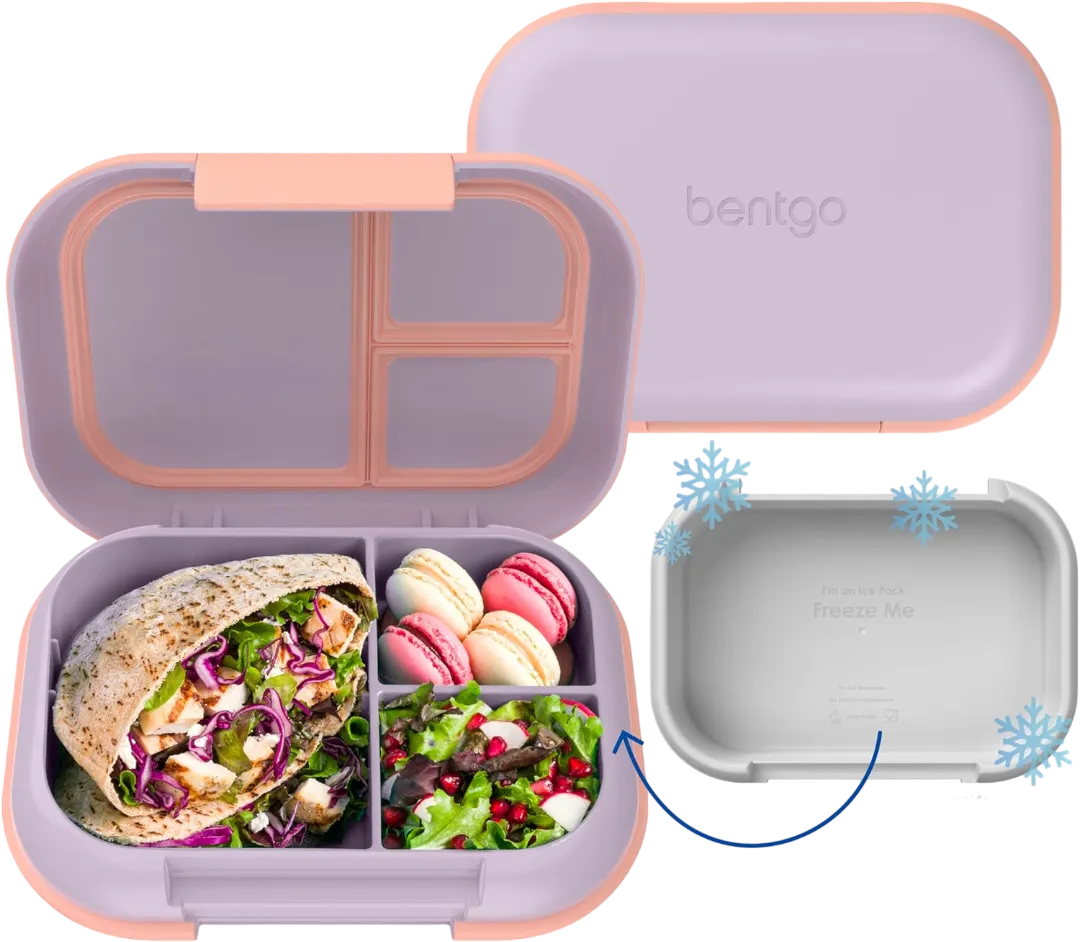
Bentgo Chill Max Lunch Box
it’s perfect for anyone who wants cute, organized, Instagram-able gluten-free lunches. The built-in ice pack keeps things fresh, the compartments are perfect for snacks, dips, and small portions, and it’s leak-proof (so your hummus doesn’t redecorate your tote bag). Ideal for school, work, picnics, travel days, or long study sessions.
3. Make-Ahead Gluten-Free Lunch Prep (So Weekdays Stay Easy)
The biggest secret to consistently good gluten-free lunches: do the thinking once, not every single morning. A little prep on Sunday or the night before can save you from scrambling for something safe and edible at lunchtime.
Create a Simple Weekly Lunch Formula
Instead of new recipes every day, build a flexible formula and repeat it with small tweaks. For example:
- Monday & Tuesday: grain bowls (quinoa or rice + protein + veggies + sauce)
- Wednesday: bento snack box style lunch
- Thursday: deconstructed salad box
- Friday: leftovers from Thursday night dinner, repurposed
Within that structure, you can swap proteins, veggies, and sauces to keep things interesting without starting from zero every time.
Batch-Cook Core Ingredients
Choose two or three base items to cook in bulk that will anchor several lunches:
- A big batch of quinoa, rice, or another gluten-free grain
- Roasted sheet pan veggies (broccoli, carrots, zucchini, peppers)
- One or two proteins (roasted chicken thighs, baked tofu, or a pot of beans)
Store these in separate containers, then build your lunch boxes assembly-line style. This approach keeps your options open but dramatically cuts the time it takes to pack.
Pre-Portion Snacks and Toppings
Small items are easy to forget until you’re already hangry. Spend a few minutes portioning out add-ons so you can just grab and go:
- Divide gluten-free crackers or pretzels into small snack bags
- Wash and portion grapes, berries, or carrot sticks into containers
- Fill mini containers with dips, dressings, or nut butters (labeled gluten-free)
- Pre-slice cheese or portion nuts and seeds
Keep all your grab-and-go lunch components in one visible “lunch box zone” in the fridge so packing becomes a quick routine instead of a scavenger hunt.
Use Theme Nights to Fuel Leftover Lunches
Planning dinners that turn into lunches is one of the most sustainable gluten-free habits. For example:
- Grill night → leftover chicken or steak becomes next-day salad or grain bowl topping
- Taco night (with gluten-free shells) → leftovers become taco bowls or nacho-style lunch boxes
- Sheet pan dinner → roasted veggies and sausage become a warm or cold lunch box base
Whenever you cook dinner, ask yourself: “Can I double this and turn it into lunch?” More often than not, the answer is yes.
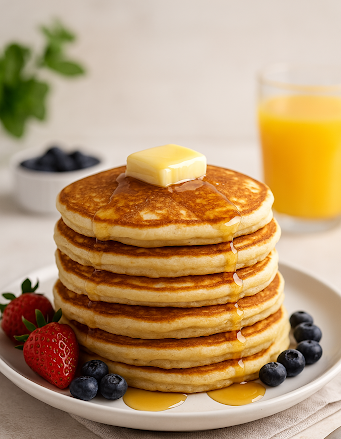
Recipe Inspiration
Try these gluten-free staples loved by thousands:


4. Safe Packing Tips for Gluten-Free Lunches
Beyond what you pack, how you pack your gluten-free lunch matters—especially if you’re sharing a kitchen with people who eat gluten. A few small habits can dramatically lower the risk of cross-contact and keep your meals tasting the way you intended.
Keep Dedicated Gluten-Free Tools When Possible
If you can, set aside tools that are only used for gluten-free foods, such as:
- A cutting board for gluten-free bread and produce
- A clean toaster or toaster bags for gluten-free bread
- Separate butter, jam, or condiment containers so crumbs don’t sneak in
For lunch prepping, make sure any knives, containers, and surfaces are thoroughly washed before you start, especially if gluten-containing foods were just prepared.
Use Compartments to Your Advantage
Compartments don’t just make things cute—they help contain crumbs, sauces, and dressings. A few practical tips:
- Keep any gluten-free bread, wraps, or crackers in their own dry compartment or bag
- Use smaller lidded containers for runny items like yogurt, dressings, and dips
- Place wet foods (like juicy fruit salads) away from crunchy snacks
If you work in an office with shared fridges, label your container clearly so it doesn’t get opened, moved, or borrowed by mistake.
Temperature and Food Safety
Gluten-free food still needs the same basic food safety rules as everything else. To keep your lunch fresh and safe until you’re ready to eat:
- Use an insulated lunch bag plus an ice pack for perishable items
- Store your lunch in the fridge if you have access to one at work
- Pack hot and cold items separately if possible (or reheat hot items just before eating)
- When packing leftovers, cool them in the fridge before sealing tightly in your lunch container
Smart Label Reading for Packaged Extras
Many quick add-ons—like chips, crackers, seasoning packets, or granola bars—can contain hidden gluten. Before making them part of your regular lunch rotation, get in the habit of:
- Checking for wheat, barley, rye, malt, or brewer’s yeast in the ingredient list
- Looking for a clear “gluten-free” statement on the packaging when possible
- Re-checking products occasionally, as brands can change recipes
Once you’ve identified a few trusted brands for snacks and sides, your weekly lunch packing becomes much simpler.
5. Sample Gluten-Free Lunch Box Combinations
To pull everything together, here are some ready-to-use lunch box combinations you can plug into your week. Mix and match based on what you like and what you already have at home.
1. Chicken Power Bowl Lunch Box
- Base: cooked quinoa with a drizzle of olive oil and lemon
- Protein: sliced grilled chicken
- Veggies: roasted broccoli and carrots
- Add-ons: feta cheese and pumpkin seeds in a small compartment
- Fruit: berries or sliced orange
Pack dressing (like a simple vinaigrette) separately and drizzle just before eating.
2. Hummus & Veggie Snack Lunch
- Protein & fat: a generous portion of hummus
- Crunchy veggies: bell pepper strips, cucumbers, carrots
- Carb: gluten-free crackers or a warmed gluten-free pita-style bread
- Extras: a few olives and some cherry tomatoes
- Sweet bite: a small square of dark chocolate or a date stuffed with nut butter
This works well on days when you’re less hungry or have a slightly earlier or later dinner planned.
3. Taco Bowl Lunch Box
- Base: rice or shredded lettuce
- Protein: leftover taco meat (beef, chicken, or beans made with gluten-free seasoning)
- Toppings: shredded cheese, diced tomatoes, and corn
- Sides: a mini container of salsa and guacamole
- Crunch: gluten-free tortilla chips packed separately so they stay crisp
4. Pasta Salad Lunch Box
- Base: gluten-free pasta tossed with olive oil
- Add-ins: cherry tomatoes, cucumbers, olives, and cheese cubes
- Protein: chickpeas or grilled chicken pieces
- Greens: a handful of baby spinach or arugula on the side
- Fruit: apple slices or grapes
Gluten-free pasta holds up surprisingly well in cold salads if you cook it just to al dente and toss it with a bit of oil.
5. Breakfast-for-Lunch Box
- Protein: hard-boiled eggs or a slice of frittata
- Carb: gluten-free toast soldiers or a gluten-free muffin
- Fruit: berries and banana slices
- Extras: a small container of yogurt (labeled gluten-free) with granola that’s certified gluten-free
- Optional: a little pot of nut butter for dipping fruit or toast
Breakfast-style lunches are great when you’re bored of the usual sandwich-style routines.
As you try different combinations, notice what keeps you full, what travels well in your particular lunch box, and what you actually look forward to eating. From there, you can build your own “house favorites” list and put your gluten-free lunch planning on near-autopilot.
Key Takeaways
- A satisfying gluten-free lunch box for adults includes protein, produce, gluten-free carbs, healthy fats, and a small “fun” element.
- Bento-style containers make it easier to organize food, prevent sogginess, and reduce cross-contact with gluten.
- Batch-cooking a few versatile ingredients and using a simple weekly formula can save major time and decision fatigue.
- Safe packing habits—like clean tools, separate compartments, and good temperature control—help keep gluten-free lunches both safe and fresh.
- Start with a few go-to lunch box combinations, then adjust based on your tastes, routine, and what truly keeps you energized through the afternoon.
Take the Next Step in Your Gluten-Free Journey
- Download the Free EGF Starter Guide
- Try our Gluten-Free Planner to simplify your week
- Explore our growing recipe library
You don’t have to navigate the gluten-free lifestyle alone, we are here to make it easier every day.
Category: Lunch & Meal Prep