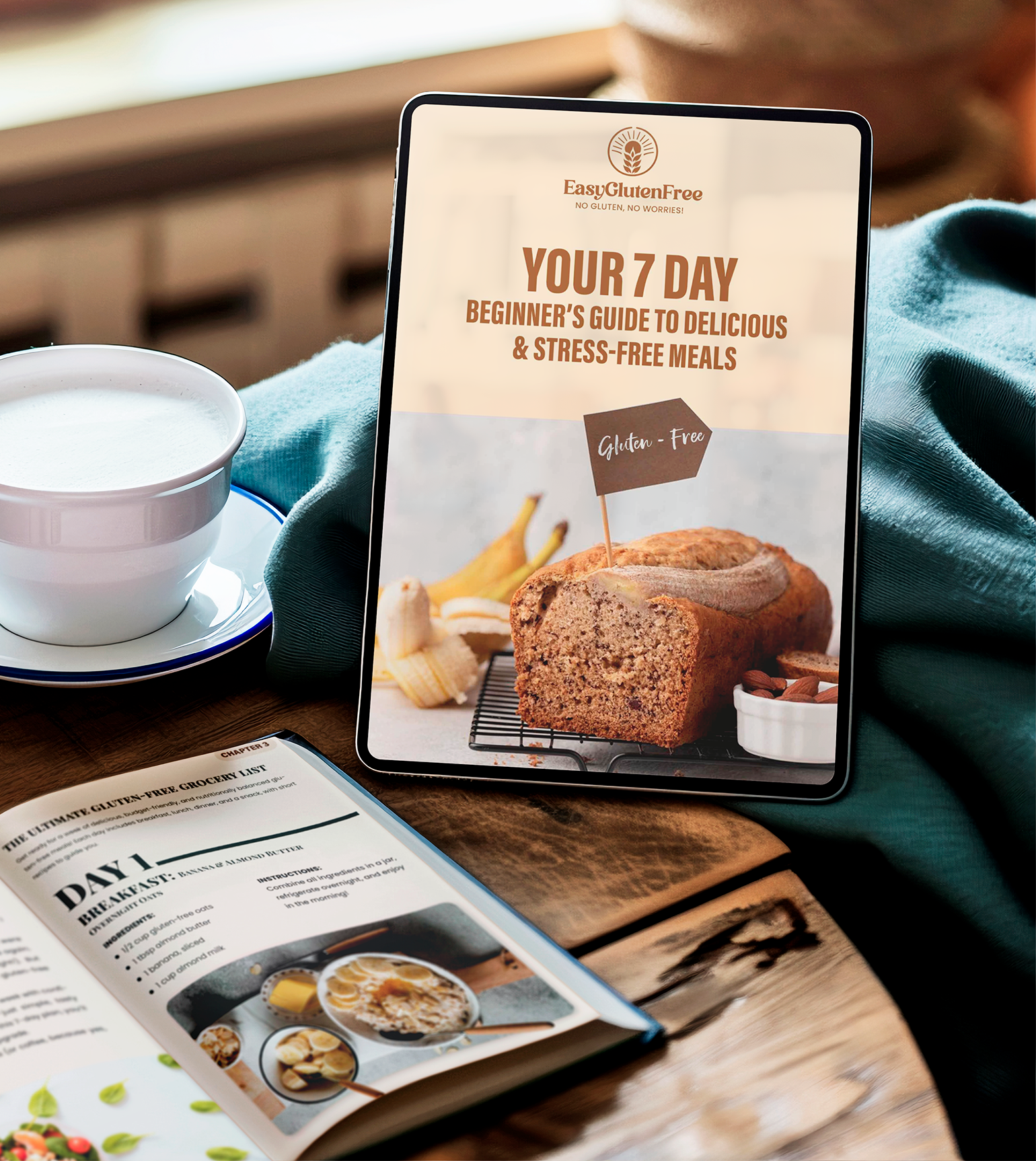
Download the Free Guide to Stress-Free Gluten-Free Lunch Packing

Gluten-Free Lunch Box Ideas for School, Work & Busy Days
Keeping lunch gluten-free, balanced, and actually appealing (to kids, teens, and adults) can feel like a full-time job. This guide walks you through practical gluten-free lunch box ideas, smart prep strategies, and handy tools so you can pack safe, delicious meals without scrambling every morning.
Download Our Free Gluten-Free Starter Guide
- 7-day meal plan
- shopping list
- Tips & 3 beginner-friendly recipes
Introduction
If you’ve ever stood in front of the fridge at 7:12 a.m. wondering what gluten-free thing you can throw into a lunch box that isn’t plain rice cakes, you’re not alone. Packing safe, satisfying lunches is one of the biggest pain points for people eating gluten-free—especially when school, work, and life are already busy enough.
The good news: with a little planning and the right containers, gluten-free lunches can be colorful, filling, and genuinely enjoyable. You don’t need elaborate recipes or hours of prep. You just need a simple framework, a few go-to components, and some ideas you can mix and match all week long.
In this guide, we’ll walk through easy gluten-free lunch box ideas for kids and adults, smart packing tips to avoid cross-contact, and time-saving routines that make mornings calmer. Use this as a reference you can come back to whenever you feel stuck in a sandwich-free rut.
1. Building a Balanced Gluten-Free Lunch Box
Instead of starting with “What recipe should I make?”, think in simple building blocks: protein, carbs, color, and crunch. This framework works for toddlers, teens, and adults and makes it easier to swap ingredients based on what you have.
Focus on Naturally Gluten-Free Foundations
Many of the best lunch staples are naturally gluten-free. Building around these helps you avoid label overwhelm:
- Proteins: hard-boiled eggs, grilled chicken, tuna or salmon salad (on gluten-free crackers or lettuce), hummus, cheese, Greek-style yogurt, edamame, beans, lentils, tofu, turkey roll-ups.
- Carb/energy sources: gluten-free bread, corn tortillas, rice cakes, quinoa, rice, gluten-free pasta, potatoes, sweet potatoes, certified gluten-free oats.
- Fruits & veggies: berries, grapes, clementines, sliced apples, carrot sticks, cucumber rounds, cherry tomatoes, snap peas, mini peppers, roasted veggies.
- Healthy fats: avocado, nut or seed butters (if allowed), olives, nuts, seeds, olive-oil-based dressings.
Keeping a few options from each category on hand means you can assemble lunches fast, even if you’re low on energy or time.
Use the “3 + 1” Lunch Formula
To make lunch feel complete and satisfying, use this simple formula:
- 1 protein (keeps you full longer)
- 1 carb (for steady energy)
- 1–2 fruits/veggies (for color and nutrients)
- + 1 “fun” item (a dip, small treat, or crunchy snack)
For example, grilled chicken strips (protein) + quinoa salad (carb) + cucumber slices and grapes (produce) + a small square of dark chocolate (fun). This way, lunch feels balanced but not restrictive.
Check Labels for Hidden Gluten
Many lunch-friendly foods look safe but contain gluten in seasonings, thickeners, or coatings. Common items to double-check include:
- Deli meats, hot dogs, and meatballs
- Pre-seasoned or marinated proteins
- Dressings, sauces, and dips
- Soups and canned chili
- Flavored yogurts and granolas
- Snack mixes, bars, and crackers
Look for a clear gluten-free label where possible, and when in doubt, choose simple, minimally processed options you trust.
Prevent Cross-Contact in Lunch Prep
Even when the ingredients are gluten-free, cross-contact from crumbs or shared utensils can be an issue, especially if not everyone in the household is gluten-free. Help protect your lunch by:
- Using a dedicated gluten-free cutting board, knife, and toaster (if needed).
- Keeping gluten-free bread and crackers in their own sealed containers.
- Packaging dips and spreads in small individual containers instead of dipping directly from the family tub.
- Wiping counters before packing lunches and washing hands between handling gluten and gluten-free foods.
These small habits quickly become second nature and make a big difference in keeping lunches reliably safe.
2. Easy Mix-and-Match Gluten-Free Lunch Ideas
Once you’ve got the building blocks down, the fun part begins: putting them together in ways that feel exciting enough to eat, but simple enough for real life. Think “assembly” more than “recipe.”
Bento-Style “Snacky” Lunches
Bento-style lunches are perfect for gluten-free eating because they rely on small portions of many naturally gluten-free foods. Mix and match from this list:
- Rice crackers, mini rice cakes, or gluten-free pretzels
- Cheese cubes or string cheese
- Turkey, ham, or chicken roll-ups (check they’re gluten-free)
- Hummus, guacamole, or bean dip
- Carrot sticks, cucumber slices, cherry tomatoes, or snap peas
- Sliced fruit: berries, grapes, melon, apple slices with lemon to prevent browning
- A small portion of nuts or seeds (if allowed at school)
This style works especially well for kids who like to graze and adults who prefer lighter but varied lunches.
Gluten-Free Sandwich & Wrap Alternatives
If your gluten-free bread falls apart the second you look at it, you still have options. Try:
- Lettuce wraps: Romaine or butter lettuce filled with tuna, chicken salad, or turkey and cheese.
- Corn tortilla roll-ups: Spread with refried beans, shredded cheese, and salsa, then roll and slice into pinwheels.
- Rice cake “sandwiches”: Topped with nut or seed butter and banana, or cream cheese and smoked salmon.
- Gluten-free flatbreads: Often sturdier than sandwich loaves and easier to pack.
Wrap the finished roll-ups or wraps tightly and place them in a compartment where they can’t slide around.
Hearty Salad & Grain Bowl Ideas
For older kids, teens, and adults, salads and bowls can be surprisingly lunch-box friendly when you pack the components separately:
- Taco bowl: Rice or quinoa, seasoned ground beef or beans, lettuce, tomatoes, salsa, cheese, and a small side of crushed gluten-free tortilla chips.
- Mediterranean bowl: Quinoa, cucumber, tomato, olives, chickpeas, feta, and a lemon-olive oil dressing in its own container.
- Pasta salad: Gluten-free pasta with veggies, chicken or tuna, and a simple vinaigrette.
To keep everything fresh, add dressings right before eating or pack them in a mini container.
Warm Lunches (That Survive the Commute)
If you have access to a microwave or a good thermos, warm gluten-free lunches can be a game changer:
- Leftover gluten-free pasta with meat sauce or pesto
- Rice with chicken and veggies
- Gluten-free soup or chili (verify ingredients and thickeners)
- Loaded baked potato or sweet potato (packed in a thermos)
Preheat the thermos with boiling water for a few minutes, then add hot food to help it stay warm until lunchtime.
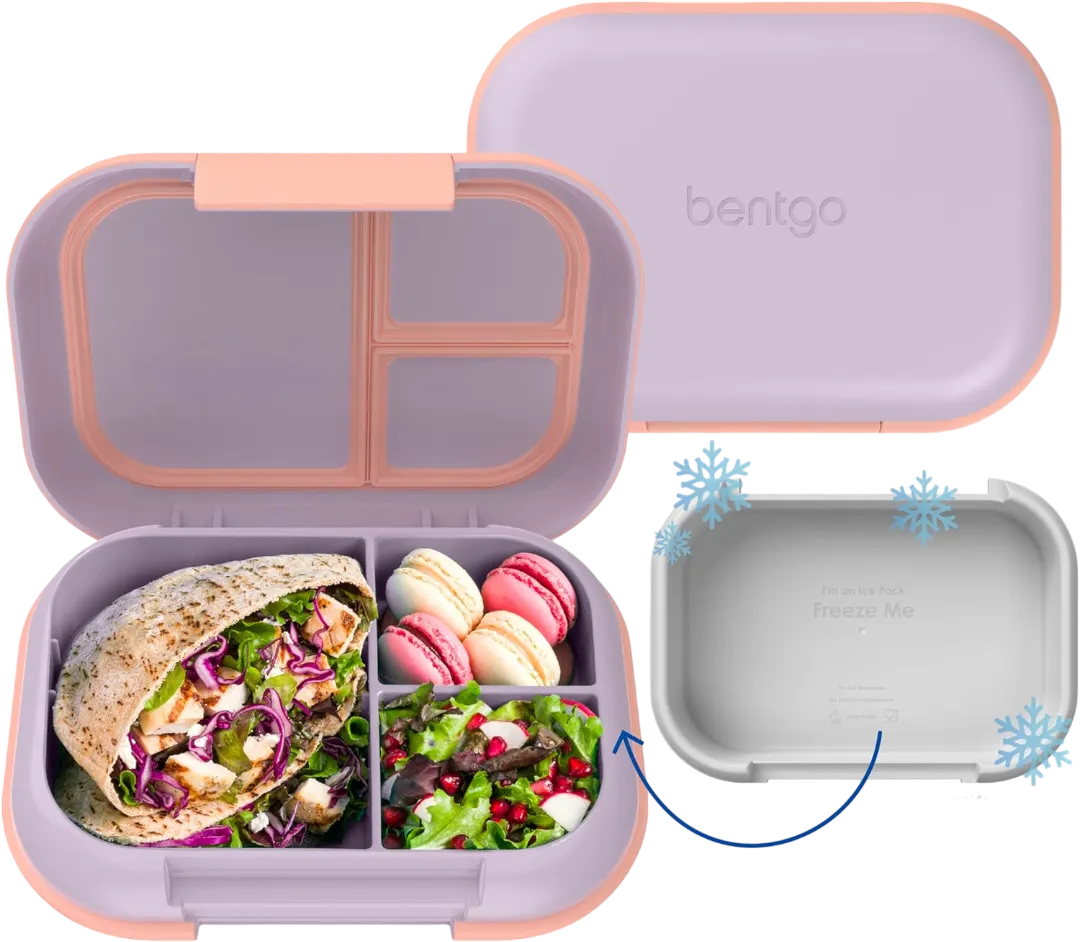
Bentgo Chill Max Lunch Box
it’s perfect for anyone who wants cute, organized, Instagram-able gluten-free lunches. The built-in ice pack keeps things fresh, the compartments are perfect for snacks, dips, and small portions, and it’s leak-proof (so your hummus doesn’t redecorate your tote bag). Ideal for school, work, picnics, travel days, or long study sessions.
3. Gluten-Free Lunch Packing Tips for School & Work
Beyond what you pack, how you pack a gluten-free lunch matters—especially in shared spaces like school cafeterias or office kitchens.
Label Clearly in Shared Environments
When others might handle or move your food, clear labeling helps protect your gluten-free lunch from accidental swaps or contamination. Simple strategies include:
- Writing your name and “GF” on lunch boxes and reusable containers.
- Using distinctive containers or lunch bags that are easy to recognize.
- Labeling shared items (like salad dressings stored in a work fridge) as gluten-free so others know not to double-dip with crumb-covered utensils.
For kids, you can also talk with teachers or school staff about keeping gluten-containing classroom snacks separate from your child’s food.
Keep Cold Foods Cold and Hot Foods Hot
Food safety is just as important as gluten-safety. To keep lunches fresh:
- Use an insulated lunch bag and include a good ice pack for items like dairy, meats, and dips.
- Pack room-temperature foods (like whole fruits, nuts, or unopened shelf-stable snacks) separately so they don’t waste cold space.
- If packing a warm meal, use a dedicated thermos and keep it closed until it’s time to eat.
When the temperature is right, food tastes better too—which makes those gluten-free options more appealing.
Teach Kids Simple Gluten-Free Boundaries
For school-age kids, a few age-appropriate rules can help them stay safe when you’re not there:
- “Only eat food from your lunch box or from home.”
- “Don’t swap snacks, even if they look the same as yours.”
- “If you’re not sure something is safe, ask an adult to check first or skip it.”
- “Wash hands before eating, especially after playing with shared toys or touching playdough or craft supplies.”
Reinforcing these gently and consistently helps kids feel empowered, not scared, about eating gluten-free away from home.
Plan “Backup” Gluten-Free Options
Life happens—lunches get forgotten on the counter, dropped in the parking lot, or accidentally eaten by a well-meaning coworker. Having a backup plan reduces stress:
- Keep a small stash of shelf-stable gluten-free snacks at school or work (bars, nuts, microwave rice cups, tuna pouches, or shelf-stable hummus).
- Store an emergency meal kit in your desk, locker, or car with a few items you can combine into a simple lunch.
- Make a short list of local spots that offer reliably gluten-free options so you know where to go if you need a last-minute meal.
Knowing you have a Plan B makes Plan A feel much more relaxed.
Recipe Inspiration
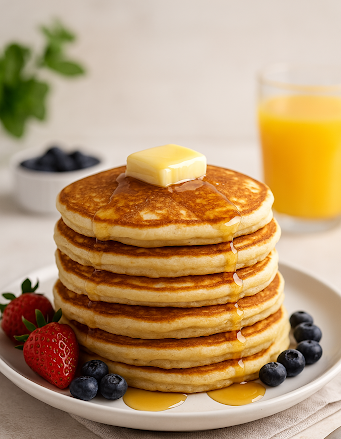
Try these gluten-free staples loved by thousands:


4. Make-Ahead Prep to Simplify Your Week
Gluten-free lunches feel hardest when you’re starting from zero every morning. A bit of light prep once or twice a week gives you a huge head start.
Create a Weekly Lunch “Template”
Instead of reinventing the wheel, use a simple template so decisions are easier. For example:
- Monday: gluten-free pasta or grain bowl
- Tuesday: bento-style snack lunch
- Wednesday: wrap or roll-ups
- Thursday: warm leftovers in a thermos
- Friday: “fun” lunch—mini pizzas or DIY nachos (using gluten-free ingredients)
Once you have a template, you only need to decide which version you’re making within each category.
Prep Proteins and Carbs in Batches
Cook once, use all week. Some easy batch-prep ideas:
- Grill or bake a pan of chicken breasts or thighs and slice for salads, wraps, and bowls.
- Hard-boil a dozen eggs for grab-and-go protein.
- Cook a pot of rice or quinoa and store in the fridge to turn into quick sides or bowls.
- Make a big batch of gluten-free pasta salad to portion into containers for 2–3 days.
Store prepped foods in clear containers so you can literally see your options when you open the fridge.
Wash and Portion Produce Ahead
Fruits and veggies are often the first thing to get skipped when mornings are busy. Make them impossible to ignore by:
- Washing grapes, berries, and snap peas and portioning them into small containers.
- Cutting carrot sticks, cucumbers, and peppers and storing them with a damp paper towel to keep them crisp.
- Keeping whole fruits like apples, clementines, and bananas in a visible bowl you can grab from quickly.
When produce is already prepped, adding color and crunch to a lunch box takes seconds.
Set Up a “Lunch Packing Station”
Gather your most-used gluten-free lunch items and tools in one place so packing is as frictionless as possible. Your station might include:
- Reusable containers, small dip cups, and utensils
- Lunch boxes, ice packs, and an insulated bag
- Favorite shelf-stable gluten-free snacks and bars
- Napkins, wipes, and a simple written list of lunch ideas
For kids, you can set out a few “approved” choices so they can help pack their own lunch while staying within safe, gluten-free options.
5. Frequently Asked Questions About Gluten-Free Lunches
As you get into a routine, a few questions tend to come up again and again. Here are practical answers you can refer back to.
How do I keep gluten-free bread from crumbling?
Gluten-free bread can be more delicate, but a few tweaks help:
- Lightly toast it before making sandwiches so it’s sturdier.
- Spread fillings gently and avoid very wet ingredients directly on the bread—use a barrier like cheese or lettuce.
- Wrap sandwiches snugly so they don’t bounce around in the lunch box.
- Or skip bread altogether some days and use wraps, lettuce cups, or rice cakes.
What are some quick gluten-free snack ideas for lunch boxes?
Pair a couple of these with your main item to round out a meal:
- Gluten-free crackers or pretzels with cheese or hummus
- Yogurt cups (check labels) with fruit
- Nuts, trail mix, or seed mixes (if allowed)
- Popcorn made from plain kernels and oil
- Fresh fruit, applesauce cups, or fruit squeezes labeled gluten-free
- Veggie sticks with ranch, guac, or bean dip
Can I rely on cafeteria food if I’m gluten-free?
Options vary a lot. Some cafeterias are great at supporting gluten-free diners; others have very limited or high-risk choices. If you’re considering cafeteria food:
- Talk directly with staff about how they prevent cross-contact.
- Ask whether they have any clearly labeled gluten-free options or protocols.
- When things feel uncertain, it’s often safer to pack your own main meal and maybe add a simple side from the cafeteria, like plain fruit or salad (if it looks low-risk).
How can I stop feeling bored with my gluten-free lunches?
Lunch ruts are normal, gluten-free or not. Rotate through different “themes” each week—Mediterranean, taco-inspired, pasta week, soup-and-salad week—and change just one element at a time (a new dip, a different fruit, a new dressing). Even small tweaks keep things feeling fresh.
What if I don’t have much time or energy?
On extra-busy weeks, aim for “good enough,” not perfect. Rely more on:
- Prewashed salad mixes and baby carrots
- Rotisserie chicken (if confirmed gluten-free)
- Microwaveable rice cups and canned beans
- Simple grab-and-go fruit
- Safe store-bought gluten-free snacks
A basic lunch that is safe, filling, and eaten is a win. You can always add variety when life slows down a bit.
Key Takeaways
- Think in simple building blocks—protein, carbs, fruits/veggies, and a “fun” item—to build balanced gluten-free lunch boxes without overcomplicating things.
- Many satisfying lunch components are naturally gluten-free, but it’s still important to read labels and watch for hidden gluten and cross-contact.
- Bento-style boxes, wraps, grain bowls, and thermos-friendly leftovers offer plenty of variety for both kids and adults eating gluten-free.
- A little planning—like using a weekly lunch template, batch-prepping proteins and carbs, and setting up a lunch station—makes busy mornings much easier.
- Clear labeling, simple safety rules for kids, and backup snack or meal options help you navigate school and work environments with more confidence.
Take the Next Step in Your Gluten-Free Journey
- Download the Free EGF Starter Guide
- Try our Gluten-Free Planner to simplify your week
- Explore our growing recipe library
You don’t have to navigate the gluten-free lifestyle alone, we are here to make it easier every day.
Category: lunch ideas