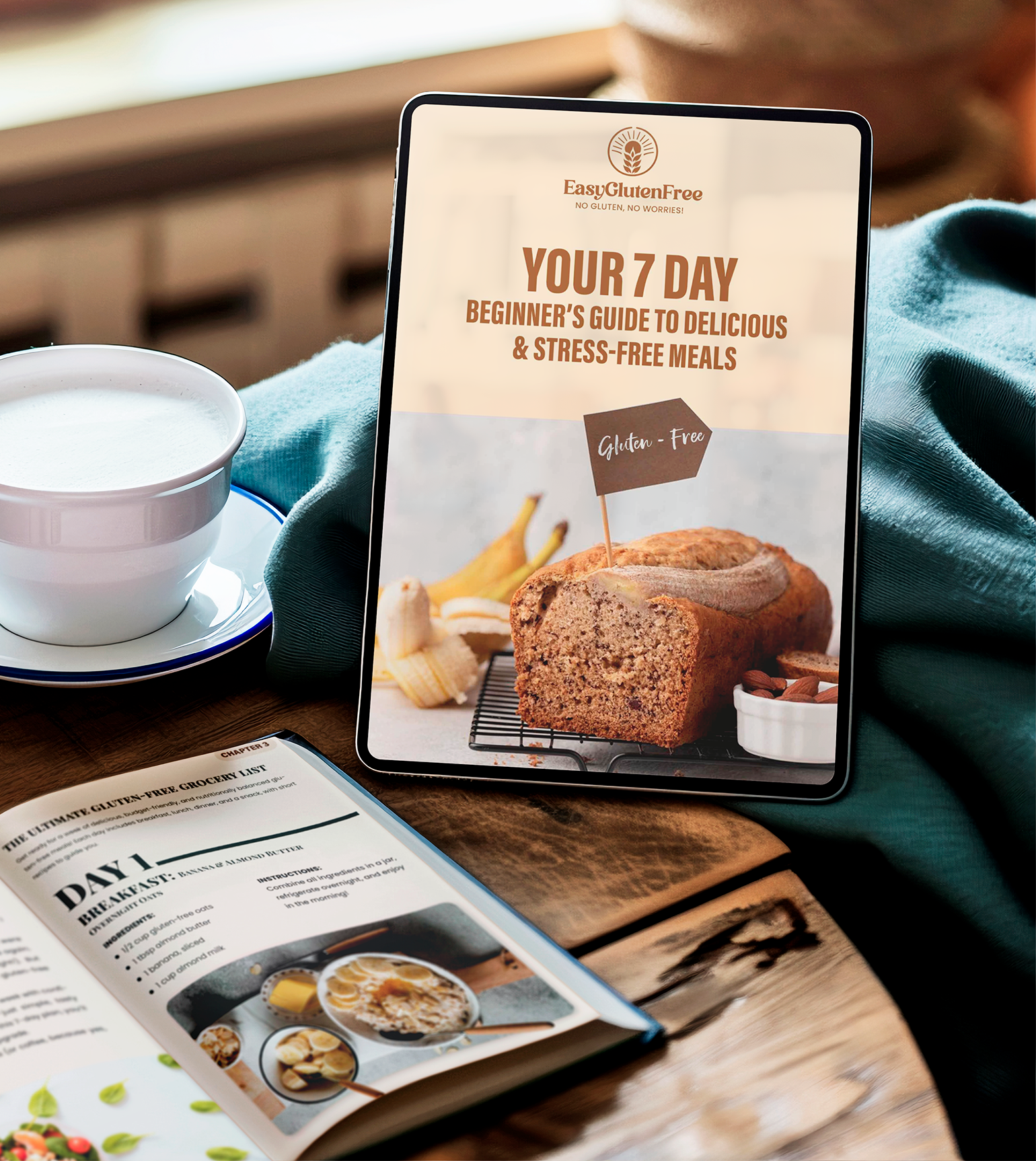
Download the Free Guide to Stress-Free Gluten-Free Lunch Packing

Gluten-Free School Lunch Ideas: Easy, Realistic & Kid-Approved
Packing gluten-free lunches every single day can feel like a part-time job. Between label reading, picky eaters, and hectic mornings, it’s easy to fall into a rut of the same three “safe” meals. This guide walks you through practical, realistic gluten-free school lunch ideas—plus systems, tips, and shortcuts—so you can pack fast, safe, and actually enjoyable lunches without burning out.
Download Our Free Gluten-Free Starter Guide
- 7-day meal plan
- shopping list
- Tips & 3 beginner-friendly recipes
Introduction
Whether you’re packing lunches for school, daycare, college, or long days out, going gluten free adds an extra layer of planning. Suddenly, the easy standbys—sandwiches from the cafeteria, grabbing a slice of pizza, sharing snacks—aren’t always safe options. That doesn’t mean gluten-free lunches have to be complicated, expensive, or boring; it just means you need a simple system, a few go-to ideas, and the right tools.
In this guide, we’ll walk through how to build balanced gluten-free school lunches, what to watch for on labels, and how to make prep realistic for busy weekdays. You’ll also find mix-and-match lunch box ideas, naturally gluten-free options kids actually eat, and strategies to keep food safe in shared spaces where gluten is around.
Use this as an evergreen reference you can come back to whenever you’re stuck in a lunch rut. Save a few ideas, repeat what works, and remember: perfection isn’t the goal—consistency and safety are.
Table of Contents
▾
1. Gluten-Free Lunch Basics: Safety, Balance & Planning
Gluten-free lunches work best when you keep two things in mind: safety (avoiding gluten and cross-contact) and balance (protein, fats, carbs, and color). Once you build a simple framework around those, ideas get much easier.
Focus on a Simple Lunch Formula
Instead of reinventing the wheel every morning, build lunches around a repeatable formula. For example:
- 1 main (protein + carb)
- 1–2 fruits/veggies
- 1 snack (crunchy or salty)
- 1 small treat (optional)
Here’s how that might look gluten free:
- Chicken & rice bowl + cucumber slices + grapes + gluten-free pretzels
- Gluten-free turkey roll-ups + baby carrots + apple slices + a small chocolate square
- Leftover chili in a thermos + corn chips + orange wedges + yogurt tube (certified GF)
Keep a short list of mains, sides, and snacks your child reliably eats. Rotate those instead of constantly searching for new ideas.
Know Where Gluten Hides at Lunch
At school or on the go, gluten sneaks into more than just bread. Common lunch-time culprits include:
- Croutons and breaded toppings on salads
- Shared fryers if your child buys hot lunch (fries cooked with breaded foods)
- Lunch meats with gluten-containing fillers or flavorings
- Soups, sauces, and gravies thickened with wheat flour
- Snack mixes and bars with malt, barley, or “wheat starch” that isn’t labeled gluten free
When in doubt, pack from home and read labels. Look for products that are clearly labeled “gluten free”, and for higher sensitivity, consider certified gluten-free options where they’re available.
Preventing Cross-Contact in Lunches
Cross-contact happens when gluten from other foods or surfaces gets onto your child’s gluten-free meal. A few simple habits help a lot:
- Use a dedicated cutting board, toaster, and utensils for gluten-free prep at home.
- Keep separate butter, jam, and condiments for gluten-free eaters if others in the home eat gluten.
- Pack utensils, napkins, and everything needed so your child doesn’t have to borrow from shared items that may have crumbs.
- Teach older kids how to avoid swapping food with friends or sharing dips.
Make Lunch Planning Work for You
You don’t need an elaborate system. Try this light-touch approach:
- Once a week: Brain-dump 4–5 mains, a few fruits/veggies, and snacks you have on hand.
- Night before: Decide on the next day’s main and pull anything from the freezer if needed.
- Morning of: Assemble using your formula: main + produce + snack + treat.
Write your “house menu” on a sticky note on the fridge or in a digital note so you’re never staring into the pantry wondering what to pack.
2. Easy Gluten-Free Main Ideas (Beyond Boring Sandwiches)
Once you know your child’s preferences, build a rotation of gluten-free mains that feel familiar but are safely adapted. You don’t have to give up sandwiches entirely, but it helps to have several non-sandwich options in the mix for variety and budget-friendliness.
Gluten-Free Sandwich & Wrap Ideas
If your child loves sandwiches, you can absolutely keep them in the rotation—just make sure you’re using safe ingredients:
- Turkey & cheese on gluten-free bread with lettuce and mustard (verify deli meat is gluten free).
- Chicken salad or tuna salad on gluten-free bread, rice cakes, or in lettuce cups.
- Hummus & veggie wraps using gluten-free tortillas (check for wheat in wraps).
- Sunflower seed butter & jam on gluten-free bread for nut-free schools, or classic nut butter and jelly where allowed.
Toast gluten-free bread before assembling if your child is sensitive to texture—many kids prefer it that way, especially when it sits for a few hours.
Protein-Packed “Snacky” Lunch Boxes
Snack-style lunches are naturally gluten free and playful. Combine a few of these into a bento-style lunch:
- Rolled deli meat or leftover chicken strips (unbreaded and gluten free)
- Cheese cubes or cheese sticks
- Hard-boiled eggs (pre-peeled for small kids)
- Gluten-free crackers or mini rice cakes
- Cherry tomatoes, cucumber coins, or snap peas
- Fresh fruit like berries, apple slices, or melon
Kids often eat more when food is bite-sized, colorful, and separated into compartments—it feels more like a “choose your own adventure” meal.
Thermos-Friendly Warm Lunches
Warm meals are especially comforting in colder months and a great way to use leftovers:
- Gluten-free pasta with marinara or pesto and shredded cheese.
- Rice & beans with salsa and cheese.
- Leftover chili, stew, or soup made with gluten-free broth and seasonings.
- Stir-fry with rice or gluten-free noodles and tamari instead of regular soy sauce.
Preheat a thermos by filling it with boiling water for a few minutes, then empty and add hot food. This keeps food warmer until lunch.
Naturally Gluten-Free Bowl Ideas
Bowls are flexible, portable, and easy to customize for different preferences:
- Taco bowl: rice or quinoa, seasoned ground beef or beans, cheese, lettuce, salsa, and corn chips on the side.
- Mediterranean bowl: rice or quinoa, grilled chicken, cucumber, tomatoes, olives, and a small container of hummus.
- Breakfast-for-lunch bowl: scrambled eggs, roasted potatoes, cheese, and fruit on the side.
For younger kids, keep components simple and recognizable—deconstructed bowls where items are separated often work better than everything layered together.
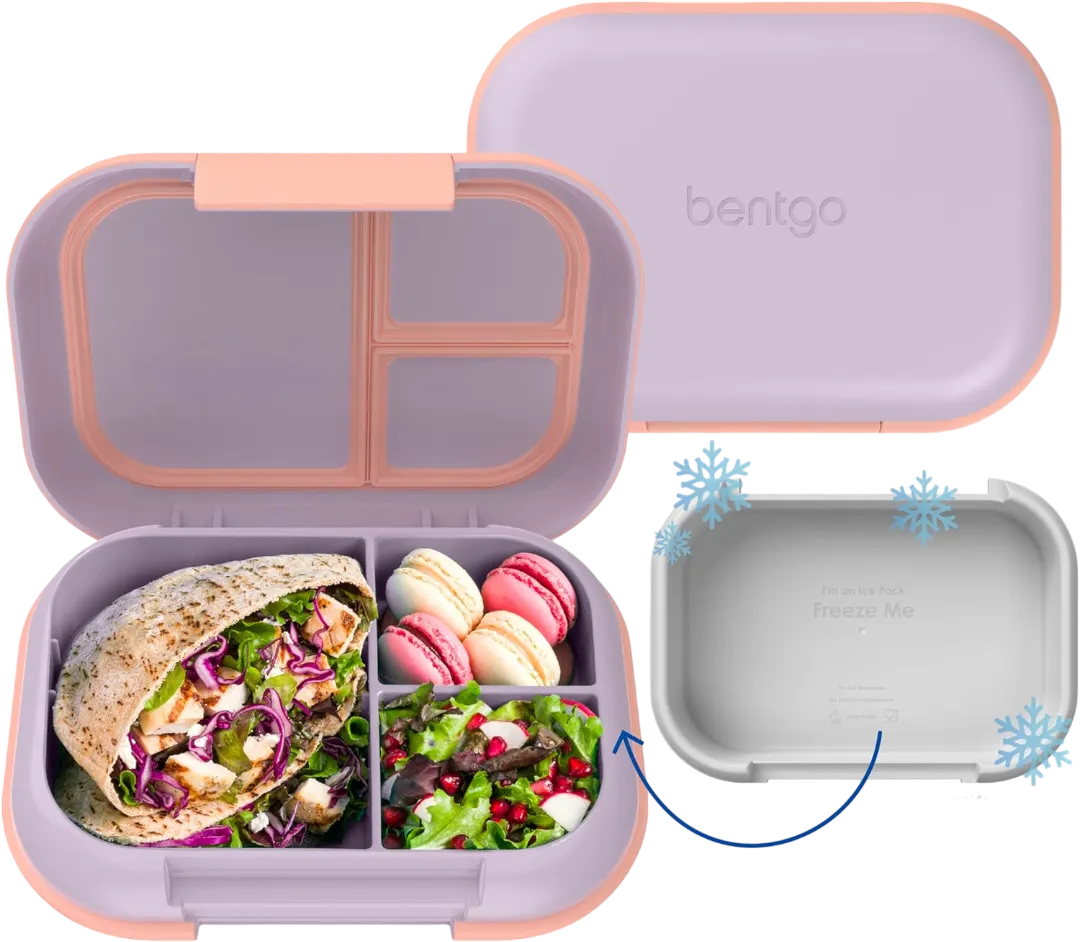
Bentgo Chill Max Lunch Box
it’s perfect for anyone who wants cute, organized, Instagram-able gluten-free lunches. The built-in ice pack keeps things fresh, the compartments are perfect for snacks, dips, and small portions, and it’s leak-proof (so your hummus doesn’t redecorate your tote bag). Ideal for school, work, picnics, travel days, or long study sessions.
3. Gluten-Free Sides, Snacks & Treats Kids Actually Eat
Sides and snacks are where you can add color, crunch, and fun to gluten-free lunches. They also help round out nutrition—even if your child only eats part of the main, they still get something nourishing.
Fresh Fruit & Veggie Ideas
Most fruits and vegetables are naturally gluten free, which makes them your easiest building blocks. Aim for a mix of textures and colors through the week:
- Fruits: apple slices (tossed in lemon water), grapes (halved for little ones), berries, orange wedges, kiwi, melon cubes, bananas.
- Veggies: baby carrots, cucumber rounds, bell pepper strips, cherry tomatoes, sugar snap peas, steamed then chilled broccoli florets.
If your child isn’t a big fan of plain veggies, pair them with a safe dip such as hummus, ranch made from gluten-free ingredients, or guacamole.
Gluten-Free Crunchy Snacks
Crunchy sides make lunches feel more “normal” compared to peers’ lunches, especially in shared eating spaces. Some options to consider (always check labels):
- Gluten-free pretzels or pretzel sticks
- Plain or flavored popcorn that’s labeled gluten free
- Gluten-free crackers or rice crackers
- Corn chips or tortilla chips (check that they’re made without wheat)
- Roasted chickpeas or crunchy broad beans
Buy in bulk when possible and portion into small containers at home to save money and reduce packaging waste.
Protein-Rich Snack Ideas
Protein helps kids stay fuller for longer and supports focus through the afternoon. Add at least one protein-rich side when you can:
- Yogurt cups or tubes labeled gluten free
- Cheese sticks, cubes, or slices
- Hard-boiled eggs
- Gluten-free meat sticks or jerky (check for soy sauce or malt)
- Nut or seed butters in small containers for dipping fruit or crackers (if allowed at school)
Simple Gluten-Free Treats
Treats don’t have to be complicated or daily, but a small sweet element can make a big difference emotionally—especially for kids who can’t share class cupcakes or random snacks.
- Pieces of gluten-free chocolate or chocolate chips in a small container
- Gluten-free cookies or mini muffins baked on weekends and frozen
- Applesauce cups or fruit pouches with no gluten-containing additives
- Homemade energy bites using oats that are certified gluten free, if tolerated
Rotate a few options through the month so treats still feel special but are easy to plan ahead.
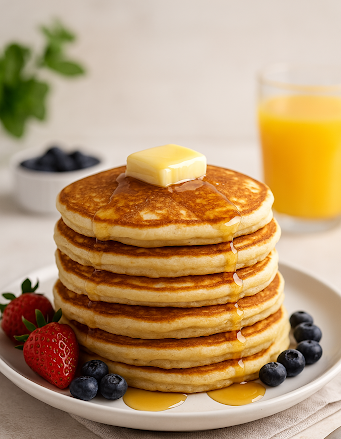
Recipe Inspiration
Try these gluten-free staples loved by thousands:


4. Time-Saving Prep Tips for Busy Gluten-Free Families
Daily lunch packing doesn’t have to eat your whole evening. A few small systems can save you time, money, and stress—without turning your kitchen into a Sunday meal-prep factory.
Create a “Lunch-Only” Zone
Designate a small area in your fridge and pantry just for lunch items. This can be as simple as:
- A bin in the pantry for gluten-free snacks
- A drawer or container in the fridge for cut fruits, veggies, and proteins
- A basket that holds lunch boxes, ice packs, small containers, and utensils
Keeping everything together means you’re not hunting for lids or wondering if you’re out of suitable snacks at 7 a.m.
Prep Once, Use All Week
Batch-prepping a few items can make weekday mornings almost autopilot. Ideas:
- Wash and chop sturdy veggies (carrots, cucumbers, peppers) and store them in clear containers.
- Make a big batch of gluten-free grains like rice or quinoa to use in bowls and sides.
- Cook extra protein at dinner (chicken, meatballs, beans) and portion into lunch-sized servings.
- Pre-portion snacks like gluten-free crackers or popcorn into reusable containers.
You don’t need to prep everything. Choose 2–3 items that give you the biggest payoff, like vegetables and a protein.
Use a Short Rotation Menu
Instead of reinventing lunches daily, use a loose rotation. For example:
- Monday – sandwich or wrap
- Tuesday – snacky bento box
- Wednesday – hot thermos lunch
- Thursday – leftovers reinvented
- Friday – fun “kid’s choice” from a safe list
Within each category, swap in different gluten-free ingredients depending on what you have. This gives structure without feeling rigid.
Get Kids Involved (At Any Age)
When kids help pack their lunches, they’re more likely to eat them, and you’re not the only one doing the work. Age-appropriate tasks might include:
- Preschoolers: choosing fruit from a small selection, adding pre-cut veggies to containers.
- School-age kids: assembling sandwiches or snack boxes from a visual chart of gluten-free options.
- Teens: planning part of the week’s lunches and packing theirs the night before.
Keep a simple list of safe options on the fridge so kids can see what’s available without guessing about gluten.
5. Packing Gluten-Free in Shared or Non-GF Environments
Most gluten-free lunches are eaten in spaces full of gluten: school cafeterias, break rooms, picnics, and study halls. With a little planning, you can help protect your child’s food and reduce the stress of “what if?”
Strategies for Shared Lunch Tables
Crumbs and shared foods are usually the biggest risks at school. A few practical habits help:
- Teach your child to keep their lunch box closed when they’re not actively eating to limit stray crumbs.
- Pack all food in sealed containers rather than loose in the lunch box.
- Include hand wipes or a small hand sanitizer and encourage use before eating, especially after playing or touching shared surfaces.
- Role-play polite phrases for saying no when friends offer to share food.
Communicating With School Staff
Clear communication makes a huge difference. Depending on your child’s needs and your local policies, consider:
- Letting the teacher know your child is gluten free and what that means for snacks, projects, and celebrations.
- Providing a small stash of labeled gluten-free treats to keep in the classroom for birthdays or surprise food days.
- Talking to the school nurse or administrator about how gluten exposure affects your child and what to watch for.
Keep it simple and collaborative—most teachers want to keep your child safe; they just need clear, specific information.
Managing Field Trips & Travel Days
Field trips and travel days add variables like longer times without refrigeration or limited bathroom access for hand-washing. To prepare:
- Choose sturdy foods that travel well (rice bowls, wraps, snack boxes) over messy or highly perishable options.
- Use a lunch box with a reliable ice pack to keep foods at safer temperatures.
- Pack an extra safe snack in case plans change or lunch is delayed.
- Send a quick note to the teacher if the schedule includes shared snacks or restaurant stops so you can plan ahead.
Supporting Older Kids and Teens
As kids grow, they’ll naturally want more independence around food. Help them build skills, not fear:
- Practice reading ingredient labels together at home on common lunch items.
- Talk through typical cafeteria or food court menus and which options are more likely to be gluten free.
- Encourage them to keep a backup snack in their bag in case a purchased meal isn’t safe after all.
- Validate that it can feel awkward to be the “different” one—and remind them that packed lunches are a tool, not a limitation.
Over time, they’ll get more comfortable making safe choices, and your role can shift from manager to support crew.
Key Takeaways
- Use a simple gluten-free lunch formula—main, fruits/veggies, snack, and an optional treat—to make daily packing easier.
- Prioritize safety by learning where gluten hides, reading labels, and reducing cross-contact at home and at school.
- Build a small rotation of gluten-free mains, sides, and snacks your child actually enjoys, and repeat them often.
- Save time with light prep: a lunch-only zone, a short weekly menu, and batching a few ingredients that work in many lunches.
- Teach age-appropriate skills so kids can advocate for themselves, handle shared spaces, and gradually take ownership of their gluten-free lunches.
Take the Next Step in Your Gluten-Free Journey
- Download the Free EGF Starter Guide
- Try our Gluten-Free Planner to simplify your week
- Explore our growing recipe library
You don’t have to navigate the gluten-free lifestyle alone, we are here to make it easier every day.
Category: Lunch Ideas