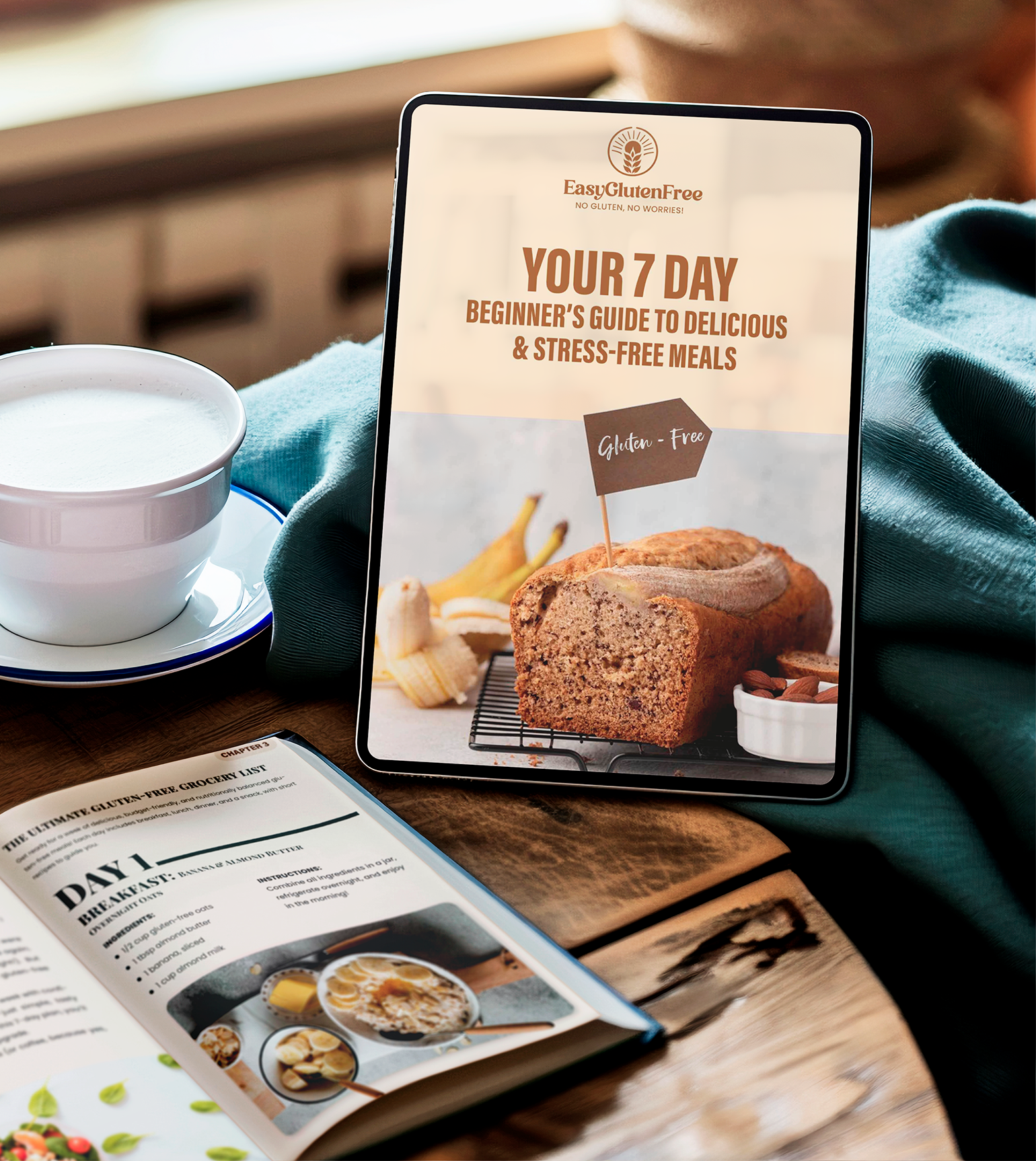
Grab Your Free Guide to Stress-Free Gluten-Free Lunches

Easy Gluten-Free Lunch Ideas for School, Work & Busy Days
Gluten-free lunches don’t have to be sad desk salads or another plain rice cake situation. With a bit of planning and the right tools, you can pack colorful, satisfying, and safe gluten-free meals that actually survive the commute, school day, or long meetings. This guide walks you through simple, realistic gluten-free lunch ideas, what to pack them in, and how to keep your routine sustainable week after week.
Download Our Free Gluten-Free Starter Guide
- 7-day meal plan
- shopping list
- Tips & 3 beginner-friendly recipes
Introduction
Standing in front of the fridge at 7 a.m. and realizing you have “nothing” for a gluten-free lunch is a universal experience. Most of the grab-and-go options at school, work, airports, and coffee shops are either off-limits or risky because of cross-contact. That’s why having a simple lunch system you can rely on makes such a difference—especially on busy weekdays.
This article is your practical roadmap to easy gluten-free lunch ideas that work in the real world. You’ll find packable meal combinations, snack ideas, and time-saving strategies that don’t require you to spend your entire Sunday meal-prepping. We’ll also cover how to keep food fresh, how to avoid cross-contact when you’re eating away from home, and ways to build more variety into your routine.
Whether you’re packing lunches for yourself, a gluten-free kid, or your whole household, the goal here is the same: simple, balanced, delicious meals that just happen to be gluten-free. Use this as a menu of ideas you can mix and match, and adapt everything to your favorite ingredients and dietary needs.
1. Building a Balanced Gluten-Free Lunch
Before you think about recipes, think about structure. A balanced gluten-free lunch usually feels more satisfying and keeps you full longer, which means fewer “I’m starving” emergencies and less temptation to grab something questionable.
A simple framework you can follow for almost any lunch is:
- Protein – helps keep you full and supports steady energy.
- Fiber-rich carbs – naturally gluten-free whole grains, starchy veggies, or fruit.
- Healthy fats – for satisfaction and flavor.
- Color – vegetables and/or fruit for micronutrients and crunch.
When you use this framework, you can quickly turn what’s in your fridge into a real meal instead of a random snack plate. Here’s how it can look in practice with naturally gluten-free ingredients:
- Protein: grilled chicken, hard-boiled eggs, tuna packed in water or olive oil, canned beans, chickpeas, lentils, tofu, tempeh, edamame, cheese, or gluten-free deli meat (labeled gluten-free).
- Fiber-rich carbs: quinoa, rice, certified gluten-free oats, potatoes, sweet potatoes, corn, gluten-free tortillas, buckwheat, millet, or fruit like apples, berries, or oranges.
- Healthy fats: avocado, nuts, seeds, nut/seed butters, olives, hummus, or dressings made with olive oil.
- Color: bell peppers, cucumbers, cherry tomatoes, carrots, leafy greens, cabbage, snap peas, baby corn, or whatever produce you enjoy.
To keep lunches interesting, rotate the “building blocks” each week. One week your base carb might be quinoa; the next week, roasted potatoes or gluten-free wraps. You don’t have to reinvent your entire menu—just change one or two components and you’ll feel like you’re eating something new.
Finally, think about texture and temperature. Many gluten-free eaters rely heavily on soft foods—pasta, rice, bread. Adding crunchy veggies, crisp apple slices, roasted chickpeas, or toasted nuts can make the same ingredients feel much more satisfying.
2. Packable Gluten-Free Lunchbox Ideas
Let’s turn that basic framework into real lunchbox combinations you can pack for school, university, or everyday life. All of these are naturally gluten-free as long as you choose certified gluten-free grains and check labels on any packaged ingredients.
Simple mix-and-match lunchbox combos
- Mediterranean snack box: hummus, cucumber rounds, bell pepper strips, olives, cherry tomatoes, feta, and gluten-free crackers or sliced carrots instead of pita.
- DIY taco bowl: rice or quinoa, black beans, corn, shredded cheese, lettuce, salsa, and a scoop of guacamole. Pack chips or certified gluten-free tortillas on the side.
- Roll-up box: gluten-free turkey or chicken slices rolled around cheese sticks or veggies, grapes or berries, carrot sticks, and a small container of nuts or seeds (if allowed).
- Bento-style rice box: rice or sushi rice, edamame, sliced cucumber, carrot ribbons, avocado, and gluten-free tamari in a leak-proof container.
- Loaded potato box: baked or roasted potato chunks, shredded chicken or beans, cheese, steamed broccoli, and a small container of sour cream or plain Greek yogurt.
If you’re packing lunches for kids, think in terms of small portions and lots of variety. A few bites of several foods is often more appealing than one big serving of anything. For picky eaters, include one “safe” familiar food in every box (like fruit or a favorite cheese) alongside newer or rotating options.
Cold lunch ideas that travel well
Not everyone has access to a microwave, and not every lunch needs reheating. These ideas are designed to be eaten cold or at room temperature:
- Quinoa salad jars: quinoa, chickpeas, cucumbers, tomatoes, herbs, and a simple olive oil–lemon dressing packed at the bottom of a jar.
- Pasta-style salads: use your favorite gluten-free pasta with veggies, cheese, and a vinaigrette. Rinse the pasta well after cooking to help with texture.
- Chicken & veggie skewers: chilled skewers with cooked chicken, peppers, and zucchini served with a dipping sauce and a side of fruit.
- Bean & corn salad: black beans, corn, red onion, cilantro, lime juice, and a bit of olive oil. Pair with chips or spoon over lettuce.
- Yogurt “parfait box”: thick yogurt in one compartment, gluten-free granola in another, and fresh fruit in a third so it all stays crisp.
To keep cold lunches safe and appetizing, an insulated container and a good ice pack are essential—especially if the lunch will sit out for several hours. That’s where a compartment-style lunch box can really simplify things.
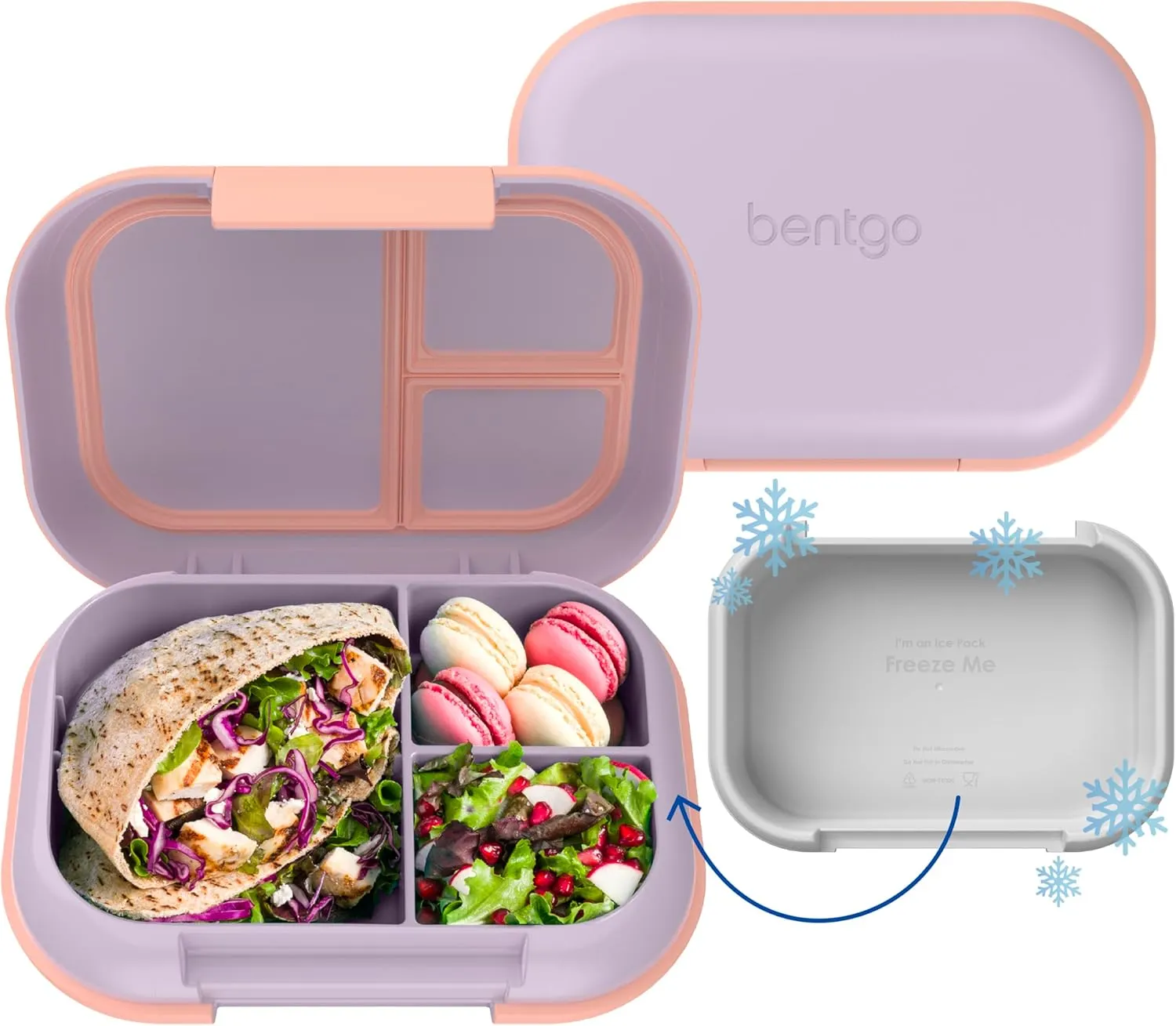
Bentgo Chill Max Lunch Box
it’s perfect for anyone who wants cute, organized, Instagram-able gluten-free lunches. The built-in ice pack keeps things fresh, the compartments are perfect for snacks, dips, and small portions, and it’s leak-proof (so your hummus doesn’t redecorate your tote bag). Ideal for school, work, picnics, travel days, or long study sessions.
3. Gluten-Free Lunches for Work & On-the-Go
Workdays, travel days, and long appointments can be the hardest times to stay confidently gluten-free. Cafés and canteens may offer “gluten-friendly” options, but cross-contact is often a concern. Packing your own meal gives you control and usually saves money too.
Office-friendly lunch ideas
When you’re eating at your desk or in a break room, focus on meals that are easy to assemble or reheat quickly and don’t have strong odors (save the fish for home if you can).
- Leftover dinner bowls: roast a big tray of veggies and potatoes, add a protein like chicken or tofu, and pack it with a sauce or dressing. It reheats well and feels like a “real” meal.
- Soup + salad combo: a thermos of homemade gluten-free soup (like veggie, lentil, or chicken and rice) with a side salad and a piece of fruit.
- Stuffed sweet potatoes: cook sweet potatoes ahead, then top with beans, salsa, cheese, or leftover chili at work.
- Rice or grain bowls: brown rice or quinoa topped with veggies, beans, and a protein. Add sauce right before eating so it doesn’t get soggy.
- “Nourish boxes”: think adult lunchables—cheese, sliced deli meat (labeled gluten-free), nuts, raw veggies, fruit, and gluten-free crackers.
Travel & commuting tips
For days spent commuting, studying on campus, or traveling, assume gluten-free options will be limited and pack more than you think you’ll need. Focus on portable foods that stay stable for hours with an ice pack.
- Use solid, not runny, dressings for salads—vinaigrettes or thicker yogurt-based dressings in leak-proof containers.
- Choose sturdy fruits like apples, oranges, grapes, or berries in a container instead of soft fruit tossed into a bag.
- Pre-portion nuts, trail mix (gluten-free), or roasted chickpeas into small containers for quick snacks.
- Pack a “backup” snack that can live in your bag, like a labeled gluten-free bar or a small nut butter packet and rice cakes.
- If flying, pack food in clear containers, know the liquid rules, and keep any sauces under the size limits.
Whenever possible, store your lunch in a fridge once you arrive. If that’s not an option, choose ingredients that handle room temperature well and make good use of insulated containers and ice packs.
Recipe Inspiration
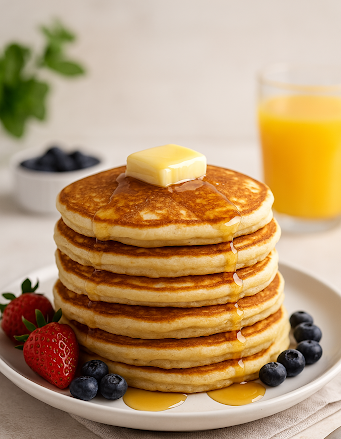
Try these gluten-free staples loved by thousands:


4. Time-Saving Prep Tips & Batch Cooking
Consistent gluten-free lunches come down to systems, not perfection. A little planning on one or two days per week can make weekdays feel much easier.
Create a simple prep routine
Instead of prepping full meals, try batch-prepping building blocks you can combine in different ways:
- Cook 1–2 gluten-free grains: rice, quinoa, millet, or buckwheat that you can use in bowls, salads, or as sides.
- Prep 1–2 proteins: roast chicken, bake tofu, cook lentils, or prepare a batch of hard-boiled eggs.
- Wash and chop veggies: pre-cut carrots, cucumbers, peppers, and salad greens so they’re ready to grab.
- Make 1 dressing and 1 dip: for example, a lemon-olive oil vinaigrette and a batch of hummus or bean dip.
- Portion snacks: divide gluten-free crackers, nuts, or fruit into containers for grab-and-go mornings.
From there, assembling a lunch can be as simple as: grain + protein + veggies + sauce + fruit. It becomes a 5-minute task instead of a 20-minute puzzle.
Smart storage for freshness
How you store prepped food can make or break your lunch routine.
- Use clear containers so you can literally see what needs to be used up.
- Store greens and delicate veggies separately from wet ingredients to prevent sogginess.
- Keep sauces and dressings in small containers and add just before eating.
- Label containers with the prep date so you know what to use first.
- Freeze extra portions of soups, stews, and chilis in single-serve containers for emergency lunches.
If you share a kitchen with people who eat gluten, consider a designated gluten-free shelf or bin in the fridge for your prepped lunch items. This makes it less likely that crumbs or shared utensils will sneak into your food.
Planning without overcomplicating it
To keep planning simple, choose 2–3 lunch ideas to repeat during the week, then change them next week. For example:
- Week 1: taco bowls, quinoa salad, and a snack-style lunch box.
- Week 2: rice bowls, stuffed potatoes, and pasta salad.
Repeating lunches is not boring if you genuinely like what you’re eating—and it saves your decision-making energy for more exciting things than Tuesday’s lunch.
5. Label Reading, Cross-Contact & Safety Basics
Even the best-planned gluten-free lunch can be derailed by a single ingredient that isn’t actually safe. A few basic habits can help you feel more confident about what you’re packing.
Get comfortable reading labels
When you’re packing lunches regularly, you’ll probably rely on some packaged foods—things like deli meat, crackers, bars, or dressings. Make it a habit to:
- Check for obvious gluten sources: wheat, barley, rye, malt, and brewer’s yeast.
- Look for a gluten-free statement or certification on grains, oats, crackers, sauces, and snacks.
- Re-check familiar products every so often, since recipes and facilities can change.
- Be cautious with bulk bins and un-labeled foods where cross-contact is likely.
If you’re sending lunches to school, it can also be helpful to share a short note or form with teachers or caregivers explaining that all snacks need to be gluten-free for your child.
Minimizing cross-contact in shared kitchens
If you live or work in a gluten-containing household, cross-contact is a real concern—especially with lunch staples like bread and spreads.
- Have your own clearly labeled gluten-free cutting board, toaster, and colander.
- Use squeeze bottles for condiments when possible (mayonnaise, mustard, ketchup) to avoid crumb-filled jars.
- Keep a separate butter or spread for gluten-free bread if shared jars are crumb-heavy.
- Prepare gluten-free lunches first, before gluten-containing foods, and wipe down counters and knives.
- Store gluten-free bread, wraps, and crackers separately from gluten-containing versions.
When you’re away from home—like at school or work—try to avoid shared toasters or grills unless they are clearly designated gluten-free. Cold lunches are often the simplest option in these settings.
Advocating for yourself (or your child)
If you’re new to eating gluten-free, it can feel awkward to talk about it. Over time, a simple script can help, such as: “I eat strictly gluten-free, so I bring my own lunch. Please don’t share food with me, but thank you for offering.” For kids, practice a kid-friendly version they can say to friends and teachers.
Remember: planning and packing gluten-free lunches is a skill, and like any skill, it gets easier the more you do it. Start simple, repeat what works, and build from there. Your future self—standing at the fridge on a busy morning—will be very thankful you put a system in place.
Key Takeaways
- A balanced gluten-free lunch includes protein, fiber-rich carbs, healthy fats, and colorful produce to keep you satisfied.
- Think in “building blocks” and mix-and-match combos instead of full recipes to make lunch packing feel easier.
- Packing your own gluten-free lunch for work, school, and travel gives you more control and reduces cross-contact risks.
- Batch-prep grains, proteins, veggies, and sauces once or twice a week so weekday lunches take only a few minutes to assemble.
- Strong label-reading habits and simple cross-contact precautions help keep your gluten-free lunches safe and stress-free.
Take the Next Step in Your Gluten-Free Journey
- Download the Free EGF Starter Guide
- Try our Gluten-Free Planner to simplify your week
- Explore our growing recipe library
You don’t have to navigate the gluten-free lifestyle alone, we are here to make it easier every day.
Category: Gluten-Free Lunch Ideas