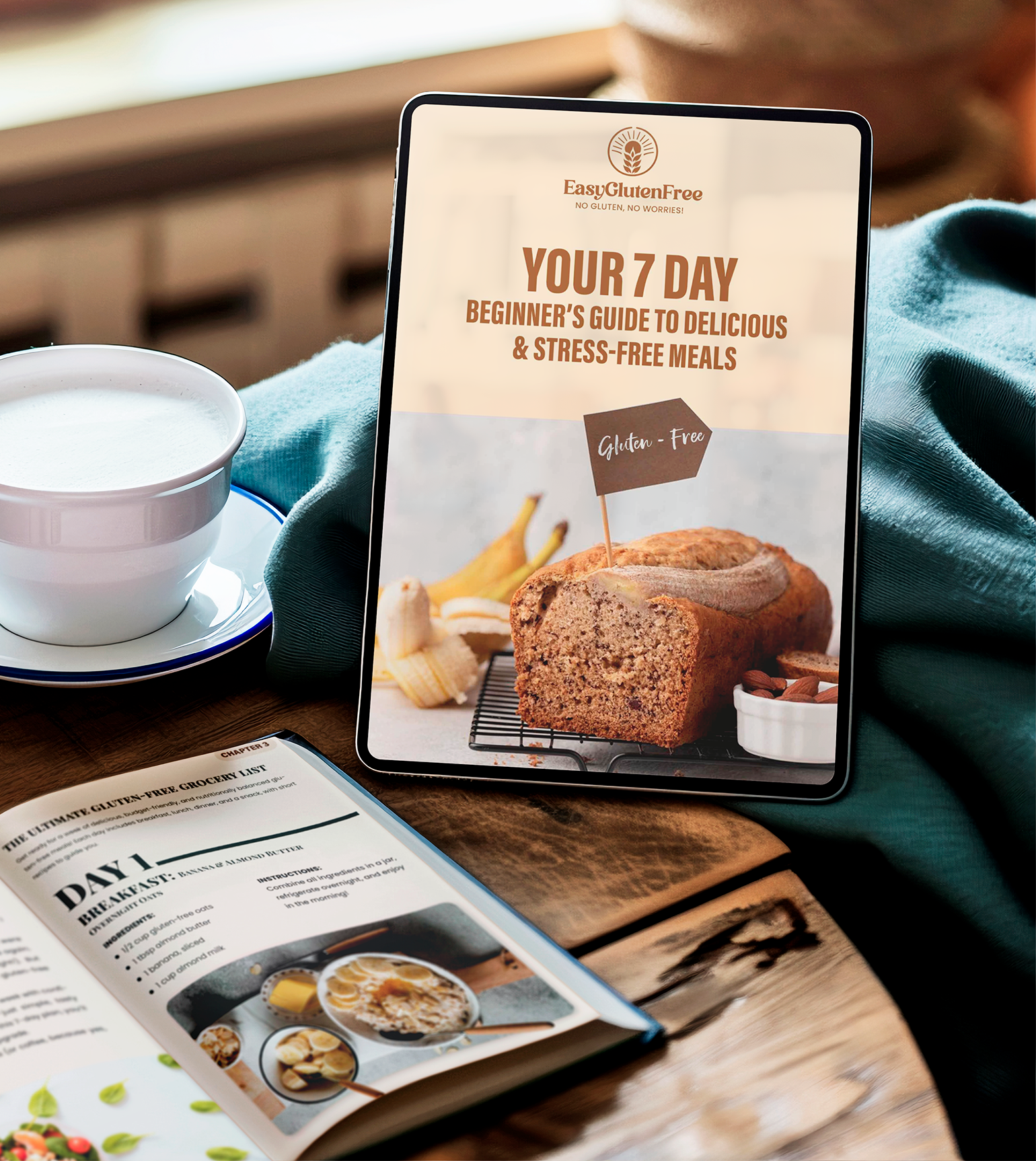
Download the Free Guide to Stress-Free Gluten-Free Meal Prep

Gluten-Free Meal Prep Ideas for Busy Weeknights
Busy weeknights and a gluten-free lifestyle can absolutely get along—you just need a simple system, a few repeatable meal prep ideas, and the right storage tools. This guide walks you through realistic gluten-free meal prep ideas that don’t require chef skills or a Sunday lost to chopping.
Download Our Free Gluten-Free Starter Guide
- 7-day meal plan
- shopping list
- Tips & 3 beginner-friendly recipes
Introduction
Getting dinner on the table is hard enough on a normal weeknight—add “must be gluten free” to the list and it can feel like an Olympic sport. Cross-contact worries, last‑minute grocery runs, and “Wait…can I even eat this?” questions can easily push you toward takeout or cereal-for-dinner territory.
The good news: a little bit of gluten-free meal prep turns weeknights from chaotic to calm. You don’t need color-coded containers or a four-hour Sunday cook-a-thon. You just need a handful of reliable base recipes, smart storage, and a repeatable routine that works with your schedule, not against it.
In this guide, we’ll walk through practical gluten-free meal prep ideas specifically designed for busy weeknights—think 15–30 minute dinners, mix-and-match components, and grab-and-go options. Whether you’re cooking for yourself, a gluten-free kiddo, or the whole household, you’ll find strategies you can start using this week.
Table of Contents
▾
- 1. Planning a Gluten-Free Meal Prep Routine That Actually Fits Your Life
- 2. Smart Gluten-Free Storage: Keep Your Prep Fresh, Safe & Organized
- 3. Gluten-Free Meal Prep Building Blocks for Fast Weeknight Dinners
- 4. Make-Ahead Gluten-Free Ideas for Each Night of the Week
- 5. Time-Saving Tips, Safety Smarts & Staying Consistent
1. Planning a Gluten-Free Meal Prep Routine That Actually Fits Your Life
The most important part of meal prep isn’t the recipes—it’s the routine. If your plan doesn’t match your real life, it won’t last more than a week. Let’s build something sustainable for your gluten-free kitchen.
Start with your real schedule, not your ideal one
Instead of aiming for “perfect prep Sunday,” look at your actual week:
- Which nights are truly slammed? (Kids’ activities, late meetings, long commute)
- Which days give you 60–90 minutes of breathing room? That’s your main prep window.
- Where could you squeeze in mini-prep moments? Think 10 minutes to chop veggies or cook a batch of rice while you’re already making breakfast.
For many gluten-free households, a realistic rhythm looks like:
- 1 main prep block: 60–90 minutes once per week (often Saturday or Sunday)
- 1 light “top-up” session: 20–30 minutes midweek for fresh produce or another protein
- Micro-prep: 5–10 minute tasks attached to existing habits (like making coffee or packing lunches)
Choose your gluten-free “base” meals for the week
Think in terms of building blocks instead of fully assembled, Instagram-perfect containers. Choose 2–3 base themes for the week, such as:
- Burrito bowls: rice or quinoa, seasoned beans, roasted veggies, and a protein
- Sheet pan dinners: protein + veggie + potato on one tray
- Pasta nights: gluten-free pasta, jarred or homemade sauce, and a simple side
- Salad bowls: hearty greens or grains, protein, roasted veggies, crunch, and a dressing
- Soup & sandwiches: a big batch of naturally gluten-free soup plus your favorite gluten-free bread
Once you pick your themes, you can plug in variations. For example, one week your bowl might be Mexican-inspired, the next Mediterranean, but many of the core ingredients stay the same.
Make a short, focused gluten-free shopping list
To keep things easy on busy weeks, repeat ingredients on purpose. Here’s a sample “busy weeknight” GF list you can customize:
- Proteins: chicken thighs or breasts, canned beans or lentils, eggs, pre-cooked sausage
- Carbs: gluten-free pasta, rice, quinoa, potatoes or sweet potatoes, certified GF oats
- Veggies: carrots, peppers, broccoli, zucchini, salad greens, frozen mixed veggies
- Flavor-makers: salsa, pesto, tamari (gluten-free soy sauce), herbs, garlic, lemon, cheese
- Convenience helpers: rotisserie chicken labeled gluten free, pre-cut veggies, bagged salad mix
Always double-check labels for gluten-containing ingredients and watch for items that may have changed formulations over time. When in doubt, look for products clearly labeled gluten free or check the manufacturer’s website.
Decide what to prep vs. what to cook fresh
For the best texture and flavor, focus your prep time on components that store well:
- Yes to prepping: grains, roasted veggies, sauces and dressings, marinades, soups, chili, hard-boiled eggs
- Prep just part of it: chop veggies but cook them fresh, marinate raw proteins to cook later
- Cook fresh when you can: delicate greens, most seafood, gluten-free pasta (it can get mushy if held too long)
By the time Monday rolls around, your future self should be able to open the fridge, grab a few prepared components, and assemble dinner in 15–20 minutes with minimal thinking required.
2. Smart Gluten-Free Storage: Keep Your Prep Fresh, Safe & Organized
When you’re gluten free, storage isn’t just about keeping food fresh—it’s about keeping it safe from cross-contact, too. Having clearly designated containers and a simple system makes weeknight dinners smoother and gives you peace of mind.
Set up a gluten-free zone in your fridge and freezer
If you share a kitchen with gluten eaters, start by creating a clear “GF only” area:
- Assign one shelf or bin in the fridge and freezer for gluten-free items only.
- Store your prepped meals in this zone so they’re protected from crumbs or spills.
- Use labels like “GF – Do Not Move” for shared households so everyone knows the system.
In the pantry, do the same: dedicate a gluten-free shelf or bin for flours, oats, pasta, and snacks. Keeping things visually separated reduces mix-ups on busy nights.
Label everything (your future self will thank you)
Meal prep fails quickly when you can’t remember what anything is or when you made it. A simple labeling system goes a long way:
- Include: dish name, date cooked, and reheating notes if needed.
- Use: masking tape, painter’s tape, or reusable labels and a permanent marker.
- Color code: one color for gluten free, another for shared family items if that helps avoid confusion.
Try to aim for using most fridge-prepped items within 3–4 days for best quality, and rely on the freezer for anything beyond that.
Choose storage that makes gluten-free life easier
Look for containers that are leak-resistant, easy to see through, and sized for how you actually eat (individual portions vs. family-style). Many people find a mix of glass containers and reusable bags work well:
- Glass containers: great for reheating in the microwave or oven.
- Reusable bags: perfect for snacks, chopped veggies, marinated proteins, and freezer storage.
- Small jars: ideal for dressings, sauces, and toppings so they don’t make meals soggy.
Consider keeping a dedicated set of containers only for gluten-free foods if you share a kitchen. That way you’re never wondering if a container once held regular pasta or crumbs.
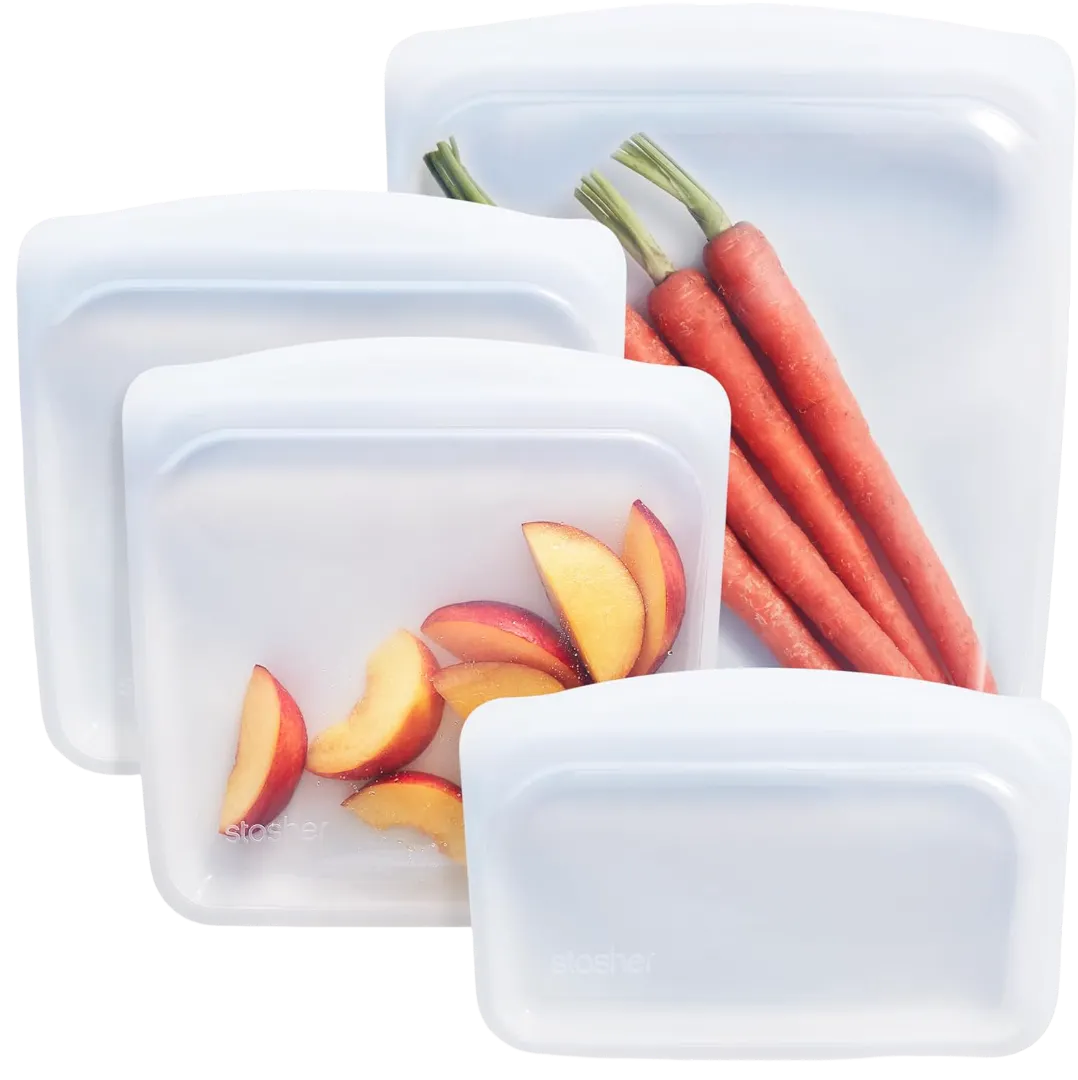
Premium Silicone Reusable Food Storage Bags
These are the “I have my life together” bags. Perfect for packing gluten-free snacks, leftovers from brunch, veggie sticks for road trips, or even freezer prep for busy weeks. They’re reusable, dishwasher-safe, plastic-free, and look aesthetically pleasing in your fridge and your IG stories. Great anchor product for any article about sustainability, meal prep, hosting, or on-the-go GF living.
3. Gluten-Free Meal Prep Building Blocks for Fast Weeknight Dinners
Instead of prepping seven totally different meals, focus on a few versatile building blocks that can be remixed into multiple dinners. This keeps your prep time short while still giving you variety.
Batch-cook gluten-free grains and starches
Cook once, eat all week. These options hold up well and work in bowls, soups, salads, and sides:
- Rice: white, brown, or jasmine—great for stir-fries, burrito bowls, and curries.
- Quinoa: naturally gluten free and quick-cooking, perfect for salads and warm bowls.
- Roasted potatoes or sweet potatoes: cube, toss with oil and spices, and roast until golden.
- Certified gluten-free oats: prep overnight oats for breakfasts or bake into snack bars.
Store grains in the fridge for 3–4 days or freeze in portioned containers or bags. A splash of water when reheating helps bring them back to life.
Prep proteins that stretch across multiple meals
Choose 1–2 proteins you can cook in bulk and use in different ways:
- Shredded chicken: slow-cook with broth and simple spices, then use in tacos, bowls, soups, and salads.
- Ground meat: brown with gluten-free seasonings and use for stuffed potatoes, lettuce wraps, pasta sauce, or nachos.
- Hard-boiled eggs: a quick protein for breakfasts, salads, and snack boxes.
- Marinated tofu or tempeh: bake or pan-sear and add to bowls or stir-fries.
Always keep seasonings gluten free—watch for spice blends, bouillon, and marinades that may contain hidden gluten.
Roast a big tray (or two) of vegetables
Roasted veggies are the workhorse of gluten-free meal prep. Choose a mix of sturdy vegetables like:
- Broccoli, cauliflower, or Brussels sprouts
- Carrots, parsnips, or sweet potatoes
- Bell peppers, onions, and zucchini
Toss with oil, salt, and your favorite gluten-free seasonings, then roast until caramelized. Use them in:
- Bowls over rice or quinoa
- Pasta with olive oil or pesto
- Omelets and frittatas
- Salads with a simple vinaigrette
Make one or two simple gluten-free sauces
Sauces turn basic components into crave-worthy meals. Try ideas like:
- Lemon herb vinaigrette: for salads, grain bowls, and roasted veggies.
- Yogurt-based garlic sauce: delicious over chicken, potatoes, and veggies.
- Peanut or seed butter sauce: use gluten-free tamari and serve over rice bowls or stir-fries.
- Pesto: traditional or dairy free—great on pasta, chicken, and roasted veggies.
Store sauces in small containers or jars and add them right before serving to keep meals fresh, not soggy.
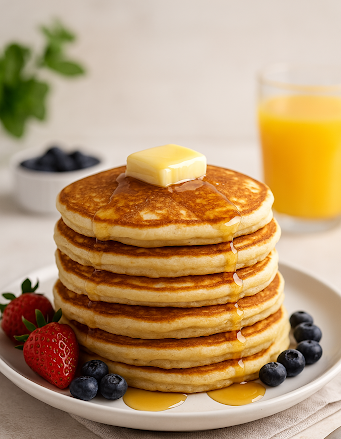
Recipe Inspiration
Try these gluten-free staples loved by thousands:


4. Make-Ahead Gluten-Free Ideas for Each Night of the Week
To make this feel real, let’s walk through how your prepped components could turn into fast, gluten-free dinners across a typical workweek. Adjust portions and ingredients for your household and preferences.
Monday: Burrito bowls in 15 minutes
Use your prepped rice, beans, and roasted veggies:
- Warm rice and beans in a skillet with a little oil and gluten-free spices.
- Add roasted veggies and any leftover chicken or tofu.
- Top with salsa, avocado, cheese, or a squeeze of lime.
Everything here can be certified gluten free and assembled in one pan, which also means fewer dishes—always a win.
Tuesday: Sheet pan chicken & veggies
If you marinated chicken over the weekend, it’s ready to go:
- Spread marinated chicken and fresh or partially prepped veggies on a sheet pan.
- Season with salt, pepper, and any gluten-free herbs or spices you love.
- Roast until the chicken is cooked through and veggies are tender.
Serve with leftover rice, quinoa, or roasted potatoes for a balanced, naturally gluten-free dinner.
Wednesday: Pasta night with extras
Gluten-free pasta can be a weeknight life-saver when cooked just to al dente:
- Boil gluten-free pasta according to the package (keep an eye on texture).
- Warm a sauce—jarred marinara, pesto, or a simple olive oil and garlic combo.
- Toss in your prepped roasted veggies and any cooked protein.
Serve with a side salad from pre-washed greens and a quick vinaigrette. If you share a kitchen, use a dedicated pasta colander and utensils reserved only for gluten-free cooking to help avoid cross-contact.
Thursday: Big salad or grain bowl night
This is where your building blocks really shine:
- Start with greens or warmed grains as the base.
- Add roasted veggies, beans, and a protein.
- Top with nuts or seeds (check they’re gluten free) and your prepped dressing.
Everyone at the table can assemble their own bowl with their favorite toppings, which is great if you’re feeding a mix of gluten-free and non-gluten-free eaters.
Friday: Soup & “snack plate” dinner
End the week with a cozy, low-effort option:
- Reheat a batch of gluten-free soup, chili, or stew you made earlier in the week or froze previously.
- Serve with gluten-free toast, crackers, or a simple snack plate of veggies, cheese, and dips.
Snack plate dinners are fun, require minimal cooking, and are easy to keep gluten free with a few safe go-to products.
5. Time-Saving Tips, Safety Smarts & Staying Consistent
Once you have a basic gluten-free meal prep system in place, the next step is making it feel easier and more automatic. These tips help you avoid burnout, stay safe, and actually enjoy your food.
Lean on shortcuts without guilt
Busy weeknights are not the time to prove anything in the kitchen. Look for:
- Pre-cut or frozen vegetables labeled gluten free
- Rotisserie chicken that’s clearly labeled gluten free
- Gluten-free sauces and marinades that you enjoy
- Microwavable gluten-free rice or grains for true emergency dinners
Convenience items can be a helpful part of a balanced gluten-free lifestyle when you choose options that fit your needs and preferences.
Keep cross-contact in check during prep
Meal prep day can get busy, so build a few safety habits into your routine:
- Start with a clean workspace, wiping down counters before you begin.
- Use separate cutting boards, utensils, and colanders for gluten-free foods if gluten is present in your home.
- Store gluten-free prepped items in closed containers, away from gluten-containing foods.
- Avoid double-dipping utensils into shared condiments if they’re used with gluten-containing foods.
Creating a simple checklist for your prep day can help you move through these steps without overthinking.
Build a small rotation of “reliable repeats”
You don’t need a new recipe every night. Most gluten-free households thrive on a rotation of 8–12 reliable dinners that everyone likes. Over time, you’ll learn:
- Which meals reheat well and still taste good on day three
- Which components you’re happy to eat more than once
- Which shortcuts you really rely on (like pre-washed greens or frozen veggies)
Write down the meals that work well and keep them in a note on your phone or in a simple planner, so future you doesn’t have to reinvent the wheel every week.
Make meal prep feel lighter, not like another job
To keep this habit going, pair it with something you enjoy:
- Listen to a podcast or audiobook while you chop and cook.
- Turn it into a family activity—assign simple tasks to kids if they’re interested.
- Set a timer for your main prep block and stop when the timer goes off.
Done is better than perfect. Even prepping one grain, one protein, and one veggie is a win that your weekday self will appreciate.
Adjust as your needs change
Your gluten-free meal prep routine will evolve with seasons, schedules, and energy levels. Revisit your system every few weeks and ask:
- What felt easy?
- What felt like too much?
- Is there one step I could simplify or skip?
Over time, you’ll land on a flexible, low-stress routine that helps you get safe, satisfying gluten-free meals on the table—even on the busiest weeknights.
Key Takeaways
- Start your gluten-free meal prep by matching your routine to your real schedule, not an idealized version of it.
- Focus prep time on versatile building blocks—grains, proteins, roasted veggies, and sauces—that can be remixed into multiple weeknight dinners.
- Use clear labeling, designated gluten-free zones, and dedicated containers or tools to keep prepped meals safe from cross-contact.
- Plan simple theme nights like bowls, sheet pan dinners, pasta, and soup to turn prepped components into fast, satisfying meals.
- Keep the system sustainable by using smart shortcuts, repeating favorite meals, and adjusting your plan as your schedule and needs change.
Take the Next Step in Your Gluten-Free Journey
- Download the Free EGF Starter Guide
- Try our Gluten-Free Planner to simplify your week
- Explore our growing recipe library
You don’t have to navigate the gluten-free lifestyle alone, we are here to make it easier every day.
Category: Meal Prep & Planning