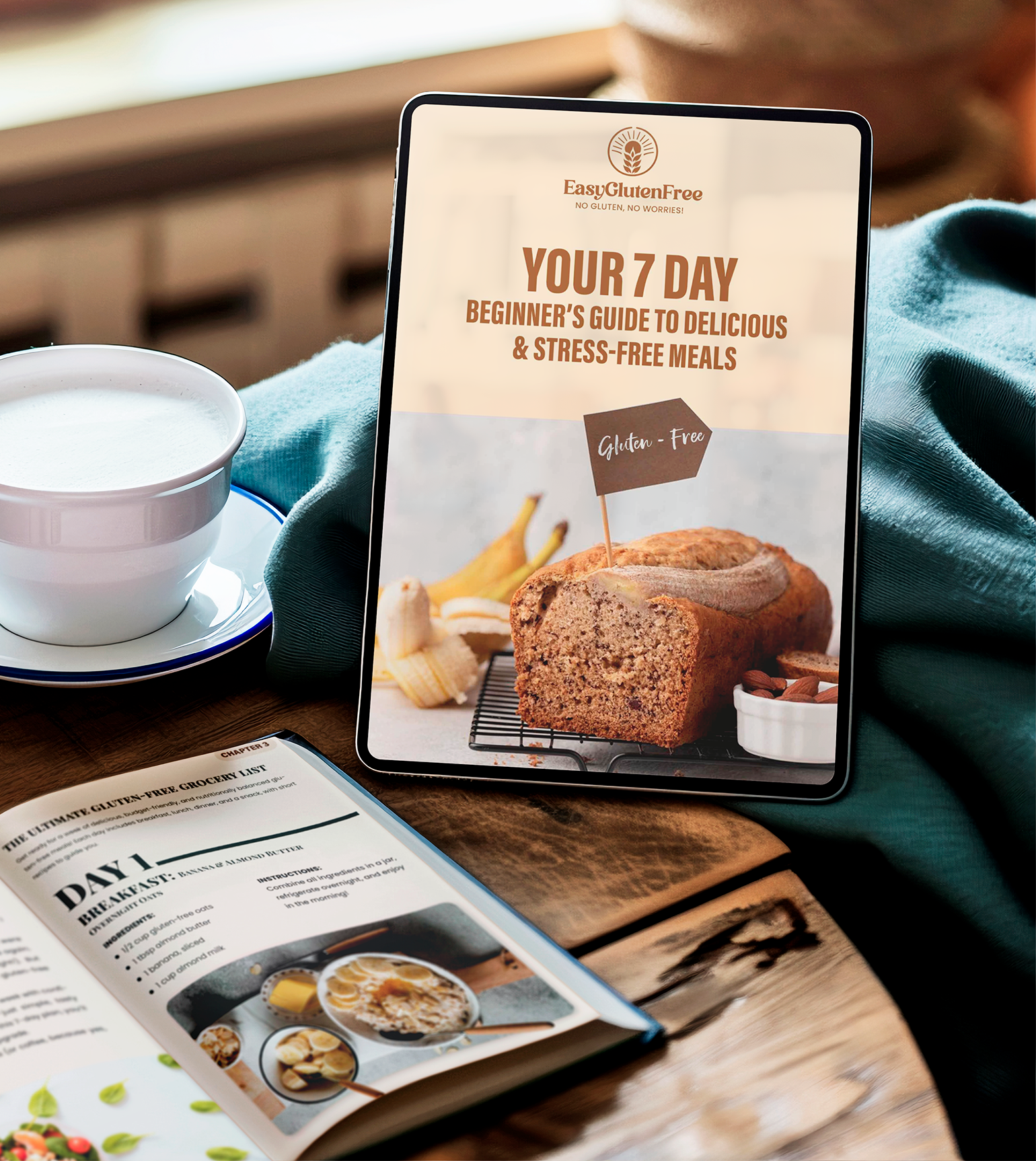
Download the Free Guide to Stress-Free Gluten-Free Snacking

Gluten-Free Snack Prep: How to Always Have Safe, Delicious Options Ready
If you’ve ever ended up “hangry” with nothing safe to eat, you already know why gluten-free snack prep is a game changer. In this guide, you’ll learn how to build a simple, repeatable system so you always have grab-and-go gluten-free snacks ready—at home, at work, in the car, and on the go.
Download Our Free Gluten-Free Starter Guide
- 7-day meal plan
- shopping list
- Tips & 3 beginner-friendly recipes
Introduction
Going gluten free changes how you snack more than how you “dine.” At home you can usually pull together a fully safe meal, but it’s the in-between moments—afternoons at work, errands that run long, kids’ activities, road trips—where gluten tends to sneak in. That’s why having a plan for gluten-free snack prep is one of the most powerful habits you can build.
The good news: you don’t need to spend hours in the kitchen or buy specialty foods every week. With a little structure, a few staple ingredients, and some smart storage, you can set up a gluten-free snack system that quietly supports you in the background. Think of it as “future you insurance” for your energy, mood, and sanity.
This article walks you through how to stock your pantry and fridge, batch-prep simple gluten-free snacks, store them safely (and beautifully), and keep the whole routine sustainable long term. Whether you’re gluten free for health reasons, supporting a gluten-free family member, or just trying to reduce gluten overall, you’ll find practical, repeatable ideas you can start this week.
Table of Contents
▾
1. Why Snack Prep Matters on a Gluten-Free Diet
Most people picture gluten-free eating as swapping bread and pasta—but the reality is that snacks are often where things fall apart. Last-minute coffee runs, office treats, kids’ soccer snacks, airport food courts… these are all high-risk zones for gluten exposure and accidental slip-ups.
Snack prep is less about being “perfect” and more about removing decision fatigue. When you already have safe options ready, you’re not forced to gamble on questionable labels or go hungry until your next meal.
Benefits of gluten-free snack prep
- Fewer emergency choices: No more staring at vending machines trying to decode ingredient lists.
- More consistent energy: Having balanced snacks on hand helps you avoid sugar crashes and “I’ll eat anything” moments.
- Less stress around social situations: Bring your own snacks to events so you’re not relying on whatever shows up on the table.
- Budget-friendly: Prepping snacks from whole foods is usually far cheaper than daily convenience buys.
- More control over ingredients: You decide which brands you trust, which allergens you avoid, and how everything is stored.
Types of gluten-free snacks to include
To keep your snack prep interesting and satisfying, it helps to think in categories instead of specific recipes. Aim to cover:
- Fresh & crunchy: veggie sticks, sliced apples or pears, grapes, cucumber rounds.
- Protein-rich: hard-boiled eggs, nut/seed packs, hummus, yogurt (if tolerated).
- Carb & fiber: certified gluten-free crackers, rice cakes, popcorn, roasted chickpeas.
- Healthy fats: nut butters, olives, cheese portions, guacamole.
- Treat-style snacks: a trusted gluten-free chocolate bar, snack mix, or home-baked cookie.
When you deliberately prep a mix of these, you get snacks that are more filling and crave-worthy—not just “another rice cake.”
2. Storage & Containers That Make Gluten-Free Snacking Easier
Smart storage is the unsung hero of gluten-free snack prep. It’s not just about looking organized—your containers help protect against cross-contamination, keep food fresh longer, and make it more likely you’ll actually grab the snack instead of letting it wilt in the crisper drawer.
When choosing storage for your gluten-free snacks, look for options that are easy to wash thoroughly, seal well, and are clearly dedicated to gluten-free use if you share a kitchen with gluten eaters. Labeled bins, color-coded lids, or a specific “GF snack box” on a shelf can go a long way toward keeping things safe.
Reusable bags, small jars, and divided containers are especially helpful for portioning snacks in advance. Instead of one big tub of hummus that everyone dips into, you can portion out individual servings that stay gluten free. The same goes for trail mix, cut fruit, and freezer-friendly bites you want to grab and go.
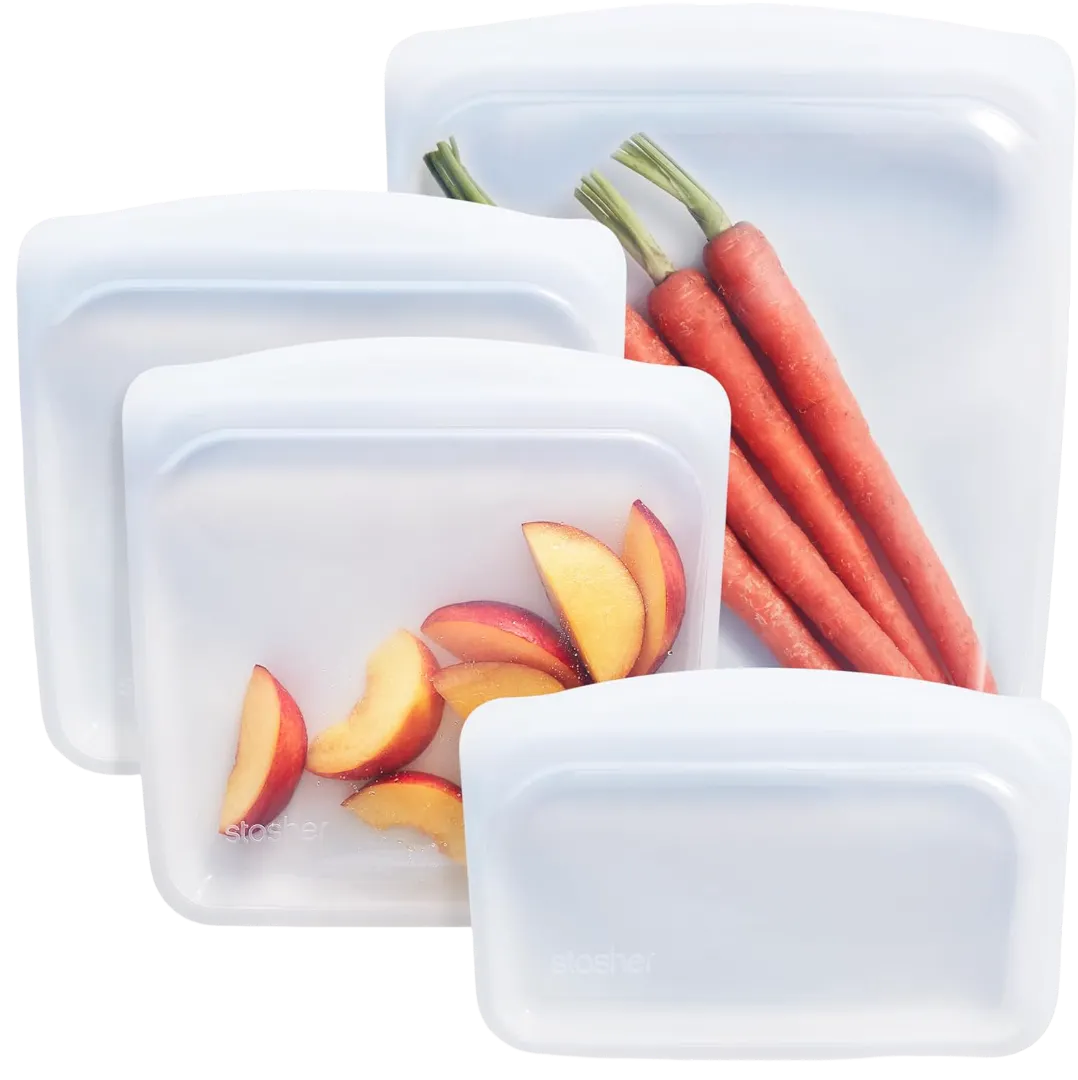
Premium Silicone Reusable Food Storage Bags
These are the “I have my life together” bags. Perfect for packing gluten-free snacks, leftovers from brunch, veggie sticks for road trips, or even freezer prep for busy weeks. They’re reusable, dishwasher-safe, plastic-free, and look aesthetically pleasing in your fridge and your IG stories. Great anchor product for any article about sustainability, meal prep, hosting, or on-the-go GF living.
3. Simple Gluten-Free Snack Prep Ideas (Minimal Effort, Big Payoff)
You don’t need elaborate recipes to snack well on a gluten-free diet. Focus on a few easy, repeatable ideas you can rotate week to week. Here are some basics that work for most households.
Fridge-friendly gluten-free snacks
- Veggie & dip boxes: Pre-cut carrot sticks, cucumber slices, bell pepper strips, and snap peas. Pair with small containers of hummus, bean dip, or a yogurt-based dip.
- Fruit snack packs: Washed grapes, berries, or melon chunks portioned into small containers or reusable bags. Add a handful of nuts or seeds for staying power.
- Protein snack cups: Hard-boiled eggs, cheese cubes, or cottage cheese in single portions. Combine with certified gluten-free crackers for a mini “snack plate.”
- Yogurt jars: Plain or flavored yogurt topped with fresh fruit and a separate container of gluten-free granola to sprinkle on right before eating.
Pantry-friendly gluten-free snacks
- DIY trail mix: Combine nuts, seeds, unsweetened coconut, and a small amount of dried fruit or chocolate chips. Use only ingredients labeled gluten free and keep in a dedicated jar.
- Popcorn: Air-popped or stovetop popcorn stored in an airtight container. Season with salt, nutritional yeast, or your favorite gluten-free spice blend.
- Nut butter snack kits: Portion nut or seed butter into small containers; pack with rice cakes or gluten-free crackers.
- Single-serve rice cakes or crackers: Keep a stash of individually wrapped options in your bag, car, and desk.
Freezer-friendly gluten-free snacks
- Energy bites: Oat-free or made with certified gluten-free oats, nut butter, seeds, and a touch of honey or maple. Freeze on a tray, then store in a reusable bag.
- Mini muffins: Bake a batch of your favorite gluten-free muffins and freeze. Reheat in the toaster oven or let thaw at room temperature.
- Smoothie packs: Portion fruit, greens, and add-ins into bags. In the morning, just add liquid and blend for a fast snack or light meal.
Start with just two or three ideas per week. Once those feel easy, you can add more variety—or happily keep repeating your favorites.
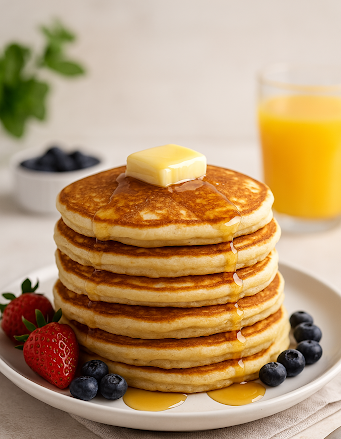
Recipe Inspiration
Try these gluten-free staples loved by thousands:


4. Avoiding Cross-Contamination When You Prep Snacks
Snack prep can actually reduce your risk of gluten exposure—if you set up your kitchen with cross-contamination in mind. Because many snacks are finger foods or scooped from shared containers, they’re especially vulnerable to stray crumbs.
Set up gluten-free dedicated tools
- Use dedicated cutting boards: Keep at least one board strictly for gluten-free foods, especially for bread, fruits, and veggies.
- Separate utensils: Have a gluten-free-only knife for cutting bread, bars, or baked goods so it never touches gluten crumbs.
- Own your condiments: If possible, use “squeeze” versions of condiments, or keep a gluten-free-only jar of nut butter or jam so knives with crumbs never dip in.
Safe prep and storage habits
- Clean before you prep: Wipe counters, wash hands, and ensure knives, containers, and cutting boards are fully clean before prepping gluten-free snacks.
- Prep gluten-free first: If you’re preparing both gluten-containing and gluten-free foods, do the gluten-free batch first, then move on.
- Label clearly: Use labels like “GF” or “Gluten Free Only” on containers, bins, and shelves so everyone in the house knows.
- Keep GF snacks on a separate shelf: Ideally above gluten foods, so crumbs can’t fall into your safe stash.
If you share your home with gluten eaters, don’t be shy about explaining your system and why it matters. A 10-second conversation now can save you from a lot of confusion later.
5. Building a Weekly Gluten-Free Snack Prep Routine
The key to sustainable gluten-free snack prep is keeping it small and consistent. You don’t need a marathon Sunday session; 20–40 focused minutes can set you up for the whole week.
A simple weekly snack prep flow
- Check what you already have: Look through your fridge, freezer, and pantry for items that can become snacks—cheese, nuts, fruit, veggies, yogurt, leftover chicken, etc.
- Pick 3–5 snack “formulas” for the week: For example: fruit + nuts, veggies + dip, yogurt + granola, popcorn, energy bites.
- Add missing items to your list: Use a running grocery list (on paper or your phone) to restock key gluten-free staples you rely on.
- Prep in small batches: Wash and cut just enough produce for the next 3–4 days to keep it fresh. Portion out nuts, trail mix, or crackers into ready-to-grab packs.
- Stock your “grab zones”: Put a small basket of snacks where they’re needed most—by the door, in the car, in your bag, or at your desk.
Keeping your system flexible
Life happens: some weeks you’ll prep more, some weeks less. That’s okay. To keep your gluten-free snack routine flexible:
- Keep a short list of “zero prep” gluten-free snacks you can always fall back on (think: bananas, single-serve nut butter, pre-portioned popcorn, canned beans you can quickly season).
- Use your freezer as backup storage for muffins, bites, or extra fruit so you’re never starting from zero.
- Rotate one “new” snack idea each week so you don’t get bored, while keeping the rest of your routine familiar.
Over time, snack prep stops feeling like a project and just becomes part of how you take care of yourself on a gluten-free diet. Your future self—the one stuck in traffic or heading into a long meeting—will be very grateful.
Key Takeaways
- Gluten-free snack prep removes last-minute decisions and helps you avoid risky, uncertain options when you’re hungry.
- Focus on simple categories—produce, protein, carbs, fats, and treats—rather than complicated recipes to keep prep realistic.
- Good storage and clearly designated containers are essential for both freshness and protection from cross-contamination.
- Prep in small, regular batches and stock key “grab zones” like your bag, car, and desk with safe snacks.
- A flexible weekly routine, backed up by pantry and freezer staples, makes gluten-free snacking feel easy and sustainable long term.
Take the Next Step in Your Gluten-Free Journey
- Download the Free EGF Starter Guide
- Try our Gluten-Free Planner to simplify your week
- Explore our growing recipe library
You don’t have to navigate the gluten-free lifestyle alone, we are here to make it easier every day.
Category: Lifestyle