The Best Gluten-Free Flours in 2025

Finding the best gluten-free flours in 2025 doesn’t have to feel like a chemistry experiment. With a few smart choices and some easy tips, you can bake bread, cookies, and pancakes that are so good no one will guess they’re gluten-free.
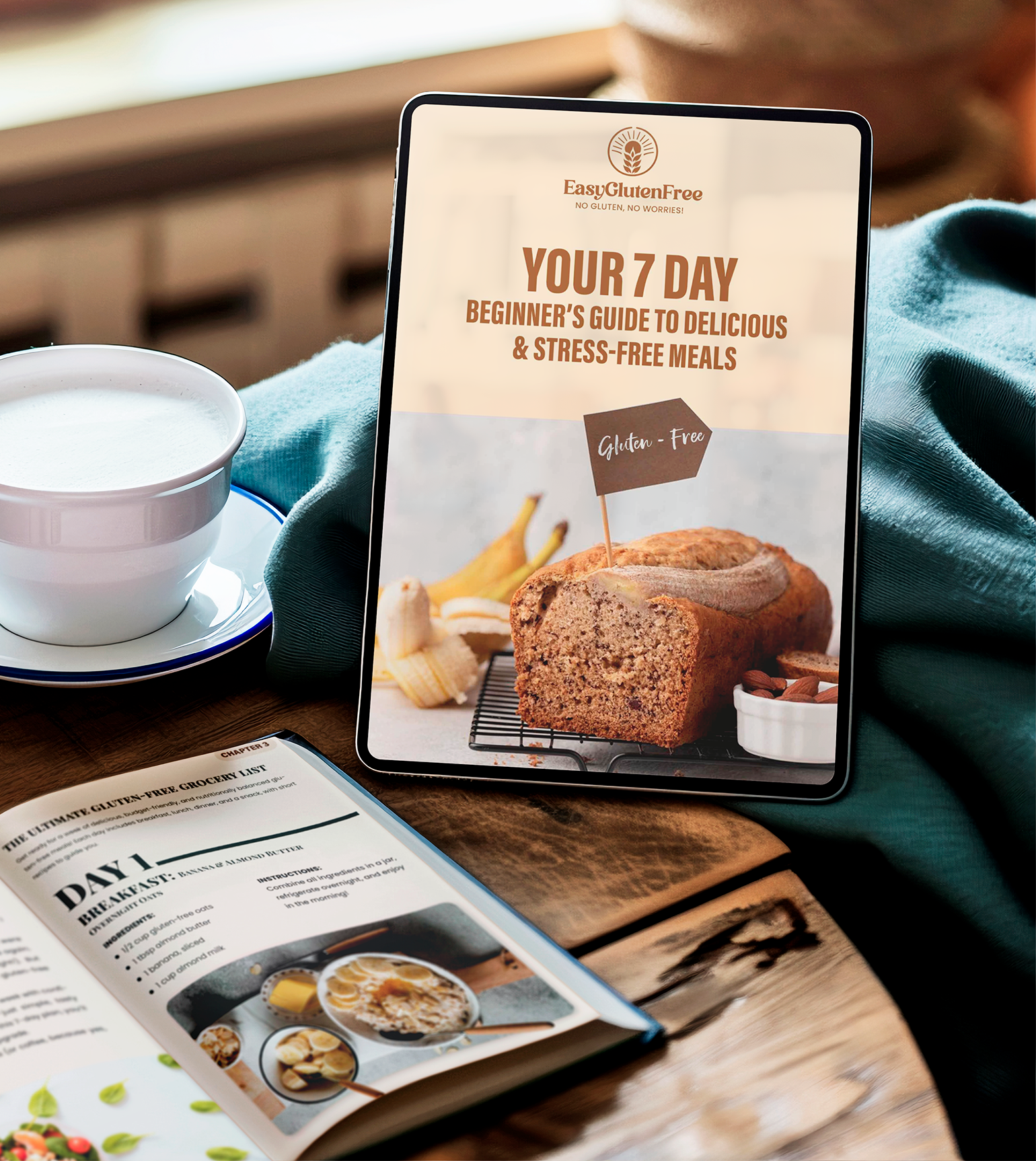
Download Our Free Gluten-Free Starter Guide
- 7-day meal plan
- shopping list
- Tips & 3 beginner-friendly recipes
Introduction
If you’re new to gluten-free baking, the flour aisle in 2025 can look overwhelming. Almond flour, coconut flour, oat flour, cassava, sorghum, teff, tapioca starch, all-purpose blends… and that’s before we even talk about xanthan gum. The good news: you don’t need to understand every single option to start baking food you truly love.
In this guide, we’ll walk through the best gluten-free flours in 2025, how they behave, and when to use them. Whether you’re cooking for celiac disease, gluten sensitivity, or just feel better grain-free, you’ll learn which flours to stock, which to skip, and how to combine them for consistent results. We’ll keep it practical, approachable, and 100% gluten-free lifestyle–friendly.
We’ll also sprinkle in real-world tips for gluten-free baking, including how to convert your favorite wheat recipes, how much liquid to add when using almond flour or coconut flour, and which all-purpose blends are worth the money. By the end, you’ll have a confident game plan for gluten-free baking, from fluffy pancakes to crusty bread.
1. Understanding Gluten-Free Flours in 2025
The gluten-free baking world has changed dramatically over the past decade. In 2025, we’re no longer limited to crumbly rice cakes and dense loaves. Thanks to better milling, smarter blends, and a focus on nutrition, gluten-free flours can now rival wheat in taste and texture—when you use them correctly.
First, let’s quickly define what “gluten-free flour” means. Gluten is the protein in wheat, barley, and rye that gives dough elasticity and structure. When we remove gluten, we also remove that built-in “stretch” that traps air and creates a soft crumb. Gluten-free flours don’t naturally have that same protein network, which is why early gluten-free baking often turned out dry, gritty, or gummy.
Modern gluten-free baking solves this in two main ways:
- Blending multiple starches and flours (like rice, sorghum, tapioca, and potato) to mimic the behavior of wheat flour.
- Adding binders such as xanthan gum, guar gum, psyllium husk, chia, or flax to recreate gluten’s structure.
When you understand these basics, the flour aisle starts to make a lot more sense. Most products fall into three big categories:
- All-purpose gluten-free flour blends that are designed as a one-to-one swap for wheat flour in recipes.
- Single-ingredient grain or pseudo-grain flours like oat, sorghum, buckwheat, millet, teff, and rice flour.
- Nut and seed flours such as almond flour, coconut flour, chestnut flour, sunflower seed flour, and ground flax.
Each category has strengths and weaknesses. All-purpose blends simplify your life but can be more processed. Single-ingredient flours give you more control and often better nutrition, but they require some experimenting. Nut and seed flours are naturally gluten-free and nutrient-dense, but they behave very differently from wheat flour and usually can’t be swapped one-for-one.
In 2025, another factor to consider is dietary preference beyond gluten. Many people are looking for flours that are not only gluten-free but also:
- Grain-free or paleo-friendly
- Higher in protein or fiber
- Lower in carbs (for blood sugar or keto goals)
- Free from top allergens like nuts, dairy, or soy
This is where almond flour and coconut flour really shine. Both are naturally gluten-free, grain-free, and widely available, making them staples of modern gluten-free baking. You’ll see them featured throughout this guide because they are incredibly versatile once you learn how to balance them with other ingredients.
Finally, a quick word about certification. If you have celiac disease or high sensitivity, look for flours that are certified gluten-free to avoid cross-contamination in processing facilities. In many regions, this means fewer than 20 ppm of gluten, but some brands voluntarily test even lower.
With the landscape in 2025 mapped out, we can dive into specific recommendations—starting with the most user-friendly option for everyday baking: all-purpose gluten-free blends.
2. The Best All-Purpose Gluten-Free Flour Blends
For many home bakers, an all-purpose gluten-free flour blend is the easiest entry point into gluten-free baking. Just scoop, level, and swap one cup of blend for one cup of wheat flour—no lab coat required. In 2025, there are more blends than ever, but not all of them behave the same way.
Most all-purpose gluten-free flours share a few core ingredients:
- Base flours like white rice flour, brown rice flour, or sorghum flour
- Starches such as potato starch, tapioca starch, or corn starch for lightness and crispness
- A binder like xanthan gum or guar gum (though some “gum-free” blends use psyllium or flax instead)
When choosing a blend, think about two main questions:
- Does it claim to be a 1:1 replacement for all-purpose wheat flour?
- Does it already contain xanthan gum or another binder?
If the package says “1:1” or “measure for measure,” start there. These blends are formulated to work in your favorite traditional recipes for things like cookies, quick breads, muffins, and pancakes. Many people find they can convert family recipes with minimal changes when using a high-quality 1:1 blend.
However, not all blends are ideal for every job. Some are fantastic for tender cakes but struggle with yeasted breads. Others excel in cookies but produce gummy banana bread. This is where mixing in a bit of almond flour or adjusting the liquid can make a big difference.
If you prefer to avoid gums, look for blends that leverage psyllium husk, chia seed, or flaxseed as binders. These provide structure while being gentler on digestion for some people. They also add a small boost of fiber, which is often missing from rice-heavy blends.
Whatever blend you choose, here are a few guidelines for success:
- Weigh your flour when possible. Gluten-free flours vary more in density than wheat flour, and a kitchen scale keeps your results consistent.
- Let your batter rest for 10–15 minutes before baking. This allows the flours and starches to hydrate fully, reducing grit.
- Check for salt and leaveners if using a baking mix. Some blends are plain flour; others are closer to “biscuit mix” with baking powder, salt, and sometimes sugar already added.
Once you’re comfortable with an all-purpose blend, you can start to customize. Many bakers get the best results by replacing 10–25% of the blend with almond flour for extra tenderness and moisture. Coconut flour can also be used in small amounts to absorb extra liquid in high-moisture recipes (like pumpkin bread), but it’s powerful—start with a tablespoon or two, not a cup.
In short, a reliable all-purpose gluten-free blend is the workhorse of a modern gluten-free kitchen. It’s perfect for busy weeknights, mixed-diet households, and those first gluten-free baking experiments. Once you’ve got one you love, pair it with tried-and-true recipes, like the EasyGlutenFree pantry staples highlighted below in the Recipe Inspiration section.
King Arthur Gluten-Free Measure for Measure Flour
A dependable 1:1 gluten-free baking flour blend that works beautifully in cookies, cakes, muffins, and pancakes. Fortified with whole grains and formulated to mimic the performance of wheat flour, it’s a great “house flour” to keep in your pantry for everyday gluten-free baking.
3. Single-Ingredient Flours: Almond, Coconut & More
Once you’re comfortable with a good all-purpose blend, it’s time to explore the flours that really let you shape your gluten-free lifestyle: single-ingredient options like almond flour, coconut flour, oat flour, and more. These flours give you control over nutrition, flavor, and texture, and they’re the secret to recipes that don’t just imitate gluten—but feel naturally gluten-free.
Almond Flour
Almond flour is a superstar in gluten-free baking. It’s made from finely ground blanched almonds and is naturally gluten-free, grain-free, and higher in protein and healthy fats. In recipes, almond flour adds:
- A tender, moist crumb that’s perfect for cakes, muffins, and cookies
- A subtle, buttery flavor that pairs beautifully with chocolate, berries, and warm spices
- More staying power—almond flour baked goods keep you full longer than rice-based treats
Because almond flour is rich and contains no starch, it doesn’t behave like wheat flour. As a rule of thumb:
- Don’t swap almond flour 1:1 for wheat flour in existing recipes.
- Use almond flour–specific recipes, or replace only 20–30% of your gluten-free blend with almond flour.
- Expect to use extra eggs or another binder in almond flour–heavy recipes for structure.
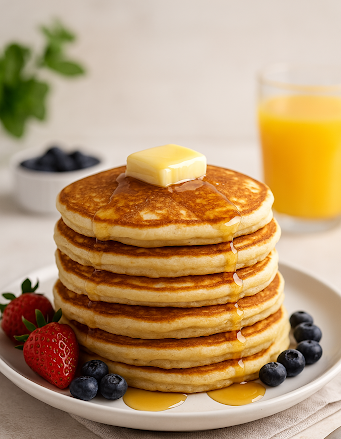
If you’re just starting, try almond flour in recipes that are naturally forgiving, like pancakes or quick breads. You can see how powerful the right blend can be in recipes such as the EasyGlutenFree Fluffy Gluten-Free Pancakes, which balance structure and tenderness for a classic diner-style stack.
Coconut Flour
Coconut flour is another 2025 favorite, especially among grain-free and low-carb bakers. It’s made from dried coconut meat and is:
- Extremely high in fiber
- Surprisingly absorbent—far more than any other flour
- Mildly sweet, with a gentle coconut aroma
The most important rule with coconut flour: a little goes a long way. You typically use only 1/4 to 1/3 cup of coconut flour for every 1 cup of wheat flour, paired with plenty of liquid and eggs. Swap it one-for-one and you’ll end up with baked goods as dry as sand.
Coconut flour shines in:
- Soft, cake-like recipes (muffins, snack cakes, quick breads)
- Coatings for chicken or fish, especially when mixed with almond flour
- Thickening batters that are too wet
Use coconut flour to your advantage: if a gluten-free batter feels too loose, stir in 1–2 tablespoons of coconut flour, let it rest for 5 minutes, then reassess. It often fixes the problem without making the final result heavy.
Oat Flour
Oat flour (from certified gluten-free oats) is a cozy, naturally sweet option that works beautifully in breakfast baking. It adds:
- A mild, comforting flavor that tastes like a hug in muffin form
- Nice chew and structure when balanced with starches
- Extra fiber and more nutrients than white rice flour alone
Use oat flour in combination with starches (like tapioca or potato) or with an all-purpose gluten-free blend. On its own, it can be dense, but in the right mix, it’s a star in pancakes, waffles, and snack breads.
Other Notable Flours in 2025
- Sorghum Flour – Mild, slightly sweet, and one of the best whole-grain gluten-free flours for bread and soft sandwich loaves.
- Buckwheat Flour – Earthy and robust; amazing for crepes, pancakes, and rustic loaves. Naturally gluten-free despite the name.
- Teff Flour – Tiny, nutrient-dense grain famous for Ethiopian injera; adds a gentle malty note to baked goods.
- Cassava Flour – Made from the whole cassava root; grain-free and more similar to wheat flour in texture than many alternatives. Great for tortillas and flatbreads.
Rather than trying to master every flour at once, choose two or three staples that match your lifestyle. For many gluten-free bakers in 2025, that short list is: a 1:1 all-purpose blend, almond flour, and coconut flour. With those alone, you can handle a surprising variety of bakes—from fluffy pancakes to hearty pot pie toppings to lush berry cakes.
Recipe Inspiration
Try these gluten-free staples loved by thousands:


4. How to Choose the Right Flour for Every Recipe
Now that you’ve met the main players in gluten-free baking—blends, almond flour, coconut flour, and key grain flours—how do you decide which one to use? The decision comes down to texture, flavor, and how much effort you’re ready to put into the recipe.
For quick and easy weeknight baking (think pancakes, muffins, brownies): reach for your all-purpose gluten-free baking flour. Look for recipes specifically tested with a 1:1 blend, or start with a trusted EasyGlutenFree recipe and then customize flavors. If you want extra tenderness, swap 1/4 of the flour for almond flour.
For tender, moist cakes and cookies: combine a 1:1 blend with almond flour. Almond flour adds richness, protects against dryness, and keeps leftovers from going stale overnight. Many bakers like a 70/30 ratio of all-purpose blend to almond flour for celebration cakes and holiday cookies.
For grain-free or paleo baking: base your recipes on almond flour and coconut flour, often with eggs and a small amount of starch (tapioca or arrowroot) for chew. These recipes rarely convert directly from wheat-based ones, so look for formulas developed specifically for grain-free baking.
For hearty breads and savory pies: consider blending sorghum or oat flour with your all-purpose blend for flavor and structure, and use psyllium husk or a pre-blended gum-containing flour for elasticity. For a comforting gluten-free chicken pot pie, for example, a mix of all-purpose blend with a little almond flour in the crust yields a golden, flaky top that doesn’t crumble on the plate.
For crepes, wraps, and flatbreads: buckwheat, cassava, and sorghum flour each create flexible, rollable results when hydrated properly. You can also use a 1:1 blend and add 1–2 tablespoons of oil and enough liquid to achieve a thin, pourable batter.
When you’re adapting your own gluten-containing recipes, keep these conversion tips in mind:
- Start with a trusted 1:1 gluten-free blend for the entire flour amount.
- Increase the liquid slightly (often by 1–3 tablespoons per cup of flour) to avoid dryness.
- Add an extra egg or an additional tablespoon of ground flax or chia if the recipe relies heavily on gluten for structure (like sandwich bread or cinnamon rolls).
- Extend bake time by 5–10 minutes, checking frequently. Gluten-free baked goods often need a bit more time to set in the center.
- Let baked goods cool fully before slicing. They firm up as they cool, especially breads and bars.
If this feels like a lot to remember, think in simple keywords:
- gluten-free baking = reach for all-purpose blends and recipes written to match them.
- almond flour = moisture, tenderness, healthy fats, mild sweetness.
- coconut flour = fiber, absorbency, use sparingly to fix wet batters or in specialized recipes.
Over time, you’ll develop your own house rules. Maybe you discover your family’s favorite pancakes use half 1:1 blend and half oat flour, or that your ideal pizza crust includes a spoonful of almond flour for richness. The magic of gluten-free baking in 2025 is that there’s no single right way—just the ways that work best for your body and your taste buds.
5. Practical Tips for Gluten-Free Baking Success
Understanding flour options is only half the story. The other half is technique—small habits that turn “pretty good for gluten-free” into “wait, this is gluten-free?” Here are the most impactful tips I share with clients navigating a gluten-free lifestyle.
1. Measure thoughtfully
Gluten-free flours are less forgiving than wheat. Whenever possible, weigh your ingredients with a digital scale. If you’re using measuring cups, spoon the flour into the cup and level it with a knife instead of scooping directly from the bag (scooping compacts the flour and adds more than you think).
2. Hydrate your batter
Many gluten-free flours are slower to absorb liquid. Let batters and doughs rest for 10–20 minutes before baking. This simple pause reduces grit, improves texture, and helps ingredients like psyllium, xanthan, or chia do their job.
3. Embrace eggs and binders
Gluten-free baking needs structure. Even if you’re egg-free, think carefully about your binders. Options include:
- Eggs (or egg whites) for lift and binding
- Xanthan gum or guar gum, often included in all-purpose blends
- Psyllium husk for bread-like chew and sliceable loaves
- Ground flaxseed or chia seed mixed with water for vegan recipes
The goal is not to overload your recipe with gums, but to make sure you’ve got enough binding power for the type of bake you’re making.
4. Don’t fear a slightly thicker batter
Compared to wheat-based recipes, gluten-free batters can usually be a bit thicker. A muffin batter that holds a gentle mound on the spoon or a cake batter that slowly ribbons off a spatula is often ideal. If a batter seems extremely runny, add 1 tablespoon of almond flour or a teaspoon of coconut flour, rest, and reassess.
5. Use recipes designed for gluten-free flours
While converting old family favorites is a beautiful goal, give yourself a foundation of trusted, tested recipes first. The EasyGlutenFree library is designed specifically for gluten-free flours, with built-in adjustments for hydration, binders, and bake times. Once you’ve felt the “right” texture and consistency in recipes like Fluffy Gluten-Free Pancakes or Classic Gluten-Free Chicken Pot Pie, it’s much easier to tweak your own creations.
6. Store flours correctly
Gluten-free flours, especially nut flours like almond flour, can go rancid more quickly than wheat. To protect flavor and nutrition:
- Store nut and seed flours in the fridge or freezer.
- Keep grain flours in airtight containers, away from heat and light.
- Label with the purchase date so you use older flours first.
7. Be kind to yourself during the learning curve
Finally, remember that gluten-free baking is a new skill set, not a personal failing. Even experienced bakers need a few tries to dial in a new flour or recipe. Every “meh” muffin is data you can use next time: add a little more moisture, try a different blend, swap in some almond flour, or bake a few minutes longer.
In 2025, we’re lucky to have gluten-free flours that make all of this experimentation genuinely enjoyable. With a solid all-purpose blend, a bag of almond flour, a bit of coconut flour, and the tips in this guide, you’re equipped to create gluten-free baked goods that support your health and delight your taste buds.
Key Takeaways
- Gluten-free flours lack gluten’s structure, so blends and binders are essential to modern gluten-free baking.
- A high-quality 1:1 all-purpose gluten-free baking flour is the easiest starting point for converting classic recipes.
- Almond flour, coconut flour, and other single-ingredient flours each have unique strengths when used intentionally.
- Match your flour choice to the recipe’s texture and flavor goals, and adjust liquid, eggs, and bake time as needed.
- Success with gluten-free baking comes from good technique: accurate measuring, proper hydration, and the right binders.
Take the Next Step in Your Gluten-Free Journey
- Download the Free EGF Starter Guide
- Try our Gluten-Free Planner to simplify your week
- Explore our growing recipe library
You don’t have to navigate the gluten-free lifestyle alone, we are here to make it easier every day.
Category: Gluten-Free Lifestyle / Product Reviews / Recipes