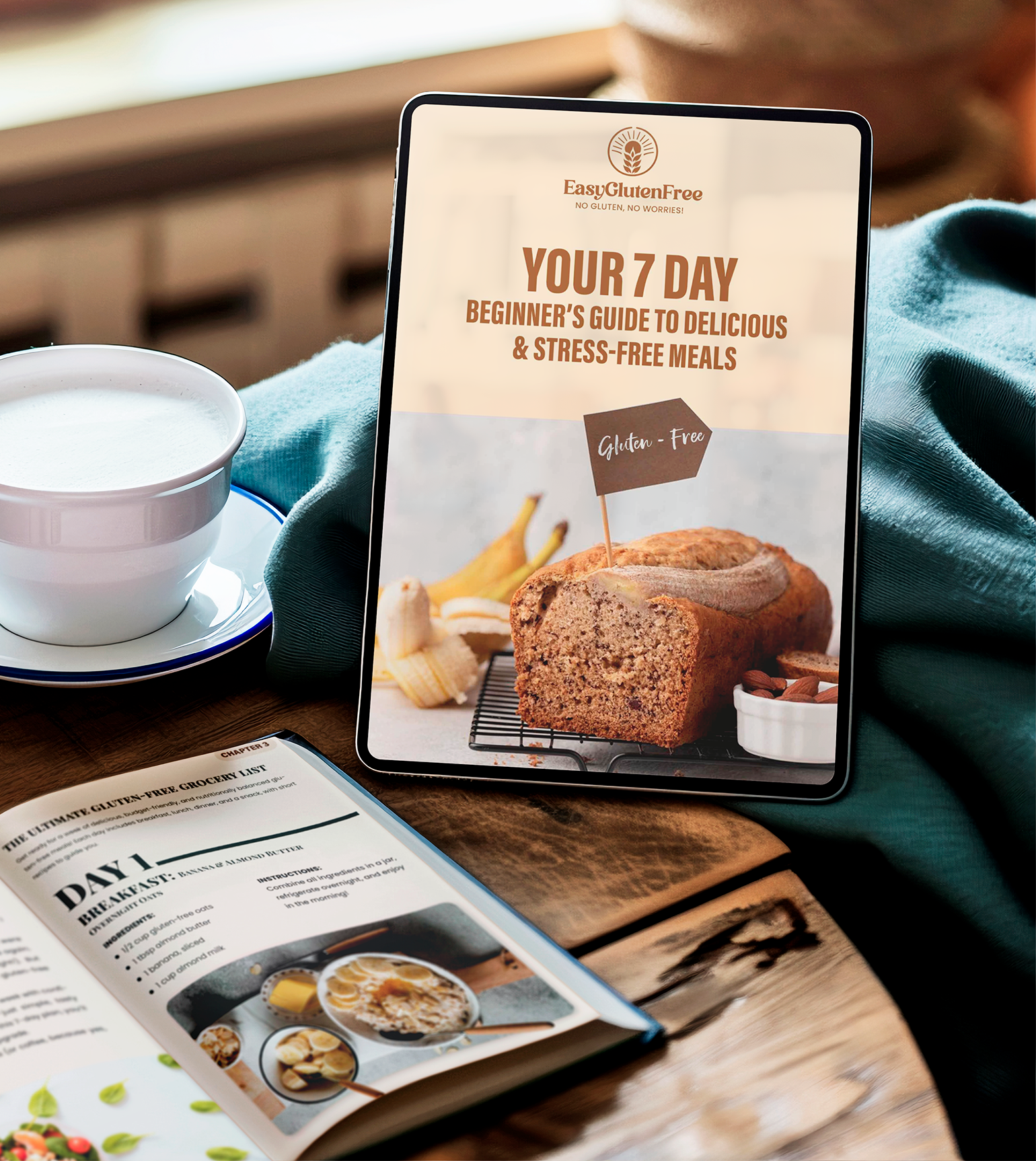
Download the Free Guide to Stress-Free Gluten-Free Baking

Ultimate Guide to Gluten-Free Flour Blends for Everyday Baking
Gluten-free baking doesn’t have to be dense, crumbly, or complicated. With the right flour blend and a few smart tricks, you can bake cookies, cakes, muffins, and quick breads that everyone at the table will happily devour—no “it’s good… for gluten-free” comments required.
Download Our Free Gluten-Free Starter Guide
- 7-day meal plan
- shopping list
- Tips & 3 beginner-friendly recipes
Introduction
Switching to gluten-free baking can feel a bit like learning a new language. Your favorite recipes suddenly stop behaving, cakes sink in the middle, cookies spread into one big pancake, and bread comes out heavy enough to double as a doorstop. Most of that frustration comes down to one thing: the flour. Once you understand how gluten-free flour blends work—and which ones to reach for—everything else gets easier.
Unlike wheat flour, there is no single “gluten-free flour” that magically does it all. Instead, we rely on blends: combinations of whole-grain and starch flours that mimic the structure, tenderness, and browning you’d usually get from gluten. Some blends are amazing in light cakes, others shine in cookies or muffins, and some are designed specifically as cup‑for‑cup replacements in your family recipes.
This guide walks you through the essentials of gluten-free flour blends: what’s in them, how to choose the right one for your recipe, how to swap them into old favorites, and how to avoid the most common mistakes. By the end, you’ll feel confident reading labels, stocking your pantry, and baking gluten-free treats that look—and taste—like the real deal.
1. Understanding Gluten-Free Flour Blends
To bake well without gluten, it helps to know what gluten actually does. In traditional baking, gluten provides:
- Structure – it forms an elastic network that traps air and helps dough rise.
- Chew – think of the stretch in pizza crust or the pull-apart texture of bread.
- Binding – it helps ingredients cling together instead of crumbling.
Gluten-free flours can’t recreate all of that on their own, which is why blends are so important. A good gluten-free flour blend usually combines three building blocks:
Whole-Grain Flours
These add flavor, fiber, and color, and help your baked goods feel more like those made with wheat flour. Common options include:
- Brown rice flour – mild flavor, widely used, good base for many blends.
- Sorghum flour – slightly sweet, soft texture, lovely in cakes and muffins.
- Millet, buckwheat, or oat flour (certified gluten-free) – add nuttiness and depth.
Starch Flours
Starches balance the heavier whole grains. They lighten the texture, improve browning, and add a bit of chew. You’ll often see:
- Tapioca starch – adds stretch and chew, helps with golden color.
- Potato starch – tenderizes and helps keep bakes moist.
- Cornstarch or arrowroot – lightens the crumb, especially in cakes.
Binders & Structure Helpers
Because we’re missing gluten’s binding power, blends usually include a gum or fiber to hold everything together. The most common are:
- Xanthan gum – helps trap air bubbles and gives stretch; very common in baking blends.
- Guar gum – similar role, often used in combination or to avoid xanthan.
- Psyllium husk – popular in gluten-free bread recipes for improved elasticity.
Some blends include the gum already, while others leave it out so you can add your own depending on the recipe. Always check the label so you don’t double up by accident.
Why One Blend Doesn’t Do Everything Perfectly
You’ll notice that different gluten-free recipes specify particular blends. That’s because:
- Cookies like a bit more starch for tender centers and crisp edges.
- Cakes and cupcakes benefit from lighter blends with finer flours.
- Breads and pizza often need extra structure and binders for rise and chew.
A well-formulated, all-purpose gluten-free baking blend can get you 80–90% of the way there for everyday recipes like pancakes, muffins, quick breads, and drop cookies. From there, you can tweak liquids, fats, or baking time to dial in the texture.
2. Choosing the Right Blend for Your Baking
When you walk down the gluten-free aisle, the sheer number of flour blends can feel overwhelming. Instead of grabbing randomly, think about how you cook and bake week to week. Do you mostly make pancakes and muffins? Are you trying to recreate your favorite chocolate chip cookies? Or are you venturing into yeast breads and pizza?
For most home bakers, starting with a reliable all-purpose gluten-free baking blend is the smartest move. Look for one that:
- Is labeled as a “1:1” or “cup-for-cup” replacement for wheat flour.
- Contains a mix of whole-grain flours and starches, not just starch.
- Has consistent reviews for texture and flavor in everyday recipes.
- Performs well without requiring lots of extra specialty ingredients.
Once you have a go‑to all-purpose blend you trust, you can layer in more specialized flours over time if you enjoy experimenting. But you absolutely don’t need a dozen bags to bake well gluten-free. One high-quality blend can handle pancakes, waffles, brownies, bars, quick breads, chewy cookies, and more.
Remember that every blend absorbs liquid differently. If you swap one brand for another in a recipe, you may need to:
- Add a tablespoon or two of extra milk or water if the batter looks too thick.
- Let the batter rest for 5–10 minutes so the flours fully hydrate.
- Adjust baking time slightly, watching for visual cues like color and springiness.
Paying attention to how the batter or dough looks and feels is often more helpful than obsessing over the exact brand named in a recipe.
Bob’s Red Mill Gluten Free 1 to 1 Baking Flour
This is the gold-standard gluten-free all-purpose flour. It behaves beautifully in pancakes, muffins, cookies, quick breads — and it’s the ideal flour to recommend in ANY practical baking guide. Reliable, consistent, and approved by thousands of gluten-free home bakers. Perfect for articles about technique, substitutions, and baking success.

3. How to Substitute Gluten-Free Flour in Your Favorite Recipes
Once you have a trusted gluten-free flour blend on hand, the fun begins: adapting your family favorites. While some recipes convert perfectly with a straight 1:1 swap, others need a tiny bit of tweaking. Here’s a practical roadmap.
Step 1: Start with the Right Type of Recipe
Some bakes are naturally more forgiving than others. For stress-free success, begin with:
- Muffins and quick breads (banana bread, pumpkin bread).
- Pancakes and waffles.
- Drop cookies like chocolate chip or oatmeal (gluten-free oats).
- Brownies and bars.
Yeast breads, cinnamon rolls, and delicate pastries can absolutely be made gluten-free, but they usually need recipes developed specifically for gluten-free flours.
Step 2: Use a True 1:1 Baking Blend
If your flour is labeled “1:1” or “cup-for-cup,” measure it exactly as the wheat flour in the recipe, ideally by weight if a gram measurement is provided. If not, use the scoop-and-level method:
- Fluff the flour in the bag or container.
- Spoon it into your measuring cup without packing.
- Level off with the flat side of a knife.
Step 3: Adjust Liquids if Needed
Gluten-free flours tend to be more absorbent. After mixing your batter or dough, ask yourself:
- Does it look much thicker than the original version? Add 1–2 tablespoons of milk or water at a time.
- Is it extremely runny when it should be scoopable? Let it rest for 5–10 minutes before deciding; hydration thickens it up.
In many cases, that small liquid adjustment is the difference between dry and tender.
Step 4: Extend Mixing & Resting Time
Because gluten-free flours need more time to hydrate, two small habit changes help a lot:
- Mix a bit longer than you would with wheat flour, especially for muffins and quick breads.
- Let the batter rest for 5–15 minutes before baking; this evens out texture and improves rise.
Step 5: Watch the Bake, Not Just the Clock
Bake times with gluten-free blends can differ by a few minutes. Instead of relying purely on the timer, look for:
- Golden edges and lightly browned tops.
- A toothpick that comes out with a few moist crumbs (for cakes and quick breads).
- Cookies that look set at the edges but still soft in the center—the carryover heat will finish them.
Quick Conversion Tips by Recipe Type
- Cakes: Use a 1:1 blend; add an extra egg yolk for richness and structure if cakes are crumbly.
- Cookies: Chill the dough for 30 minutes to minimize spread and improve texture.
- Brownies: Often convert beautifully as-is; slightly underbake for fudgier results.
- Banana or pumpkin bread: Increase bake time by 5–10 minutes and tent with foil if browning too quickly.
Recipe Inspiration
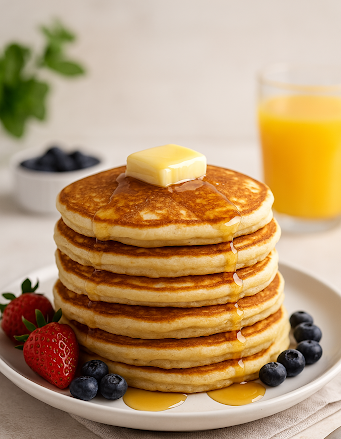
Try these gluten-free staples loved by thousands:


4. Troubleshooting Common Gluten-Free Baking Problems
Even with a great blend, you’ll occasionally get a batch that doesn’t behave. Instead of giving up on gluten-free baking, use the result as a clue. Here’s how to decode the most common issues.
Problem: Dry or Gritty Texture
If your baked goods feel sandy or dry, consider:
- Hydration: Add 1–3 tablespoons more liquid next time and let the batter rest before baking.
- Bake time: Overbaking is the most common culprit. Start checking 5 minutes early.
- Fat content: Slightly increase butter or oil, especially in muffins and quick breads.
Some blends with a lot of rice flour can feel a bit gritty fresh from the oven but improve in texture after cooling completely or resting overnight.
Problem: Crumbly, Falling Apart
If slices won’t hold together or cookies shatter:
- Make sure you’re using a blend that includes a binder (or add a small amount of xanthan gum if your blend omits it and the recipe calls for it).
- Add an extra egg or egg yolk for more structure and richness.
- Let items cool fully in the pan before slicing—gluten-free bakes are fragile when hot.
Problem: Dense or Gummy Center
Dense, wet centers usually mean:
- The pan was too small, so the batter was too deep.
- The oven temperature was too low, preventing proper rise.
- The recipe has too much moisture for the blend you used.
Try baking in a slightly larger pan, confirming your oven temperature with an oven thermometer, or reducing liquids just a touch next time.
Problem: Spreading Cookies
If your cookies bake into one big sheet:
- Chill the dough for at least 30–60 minutes before baking.
- Use parchment-lined, light-colored baking sheets.
- If the dough feels greasy or loose, add 1–2 tablespoons of your gluten-free flour blend.
Problem: Off Flavors
Gluten-free flours each have their own personality. If something tastes bitter or strong:
- Check the “best by” date—flours can go rancid over time, especially whole-grain ones.
- Store your flours in airtight containers in a cool, dark place or the fridge/freezer.
- Balance flavors with a little extra vanilla, warm spices (like cinnamon), or a pinch of salt.
Keeping notes—what blend you used, any tweaks you made, and how the result turned out—will help you refine your go‑to formulas quickly.
5. Pantry Planning & Storage Tips for Gluten-Free Flours
A streamlined gluten-free pantry makes weeknight baking feel easy instead of overwhelming. You don’t need every specialty flour on the market—just a thoughtful selection and good storage habits.
Build a Minimalist Gluten-Free Baking Pantry
For most households, a simple setup like this works beautifully:
- 1 reliable all-purpose gluten-free baking blend for everyday recipes.
- 1 extra starch (such as tapioca or cornstarch) for thickening sauces and fine-tuning textures.
- 1 or 2 favorite whole-grain flours (like oat or sorghum) if you enjoy experimenting.
- Leaveners and flavor boosts: baking powder, baking soda, vanilla, cocoa powder, and spices.
This core setup covers pancakes, waffles, muffins, cakes, brownies, cookies, quick breads, and savory bakes like pot pies and casseroles.
Storage Best Practices
Gluten-free flours are a bit more delicate than wheat flour, but with a few simple habits they stay fresh and flavorful:
- Use airtight containers to prevent moisture, odors, and pantry pests.
- Label with the brand and purchase date so you can rotate older stock first.
- Store whole-grain flours in the fridge or freezer if you won’t use them up within a few months.
- Let cold flour come to room temperature before baking to ensure consistent results.
Preventing Cross-Contact with Gluten
If your kitchen isn’t 100% gluten-free, a bit of planning keeps your flours safer for those avoiding gluten:
- Use separate, clearly labeled containers, measuring cups, and mixing tools for gluten-free baking.
- Wipe down counters and wash bowls and utensils carefully before starting.
- Keep gluten-free flours on a dedicated shelf, away from open bags of wheat flour.
Planning Ahead for Easier Baking
To make gluten-free baking feel doable on busy days:
- Keep a running list of pantry staples and restock your favorite flour blend before you run out.
- Batch-mix dry ingredients for frequently used recipes (like pancakes or muffins) and store them as homemade mixes in jars.
- Freeze extras—most gluten-free muffins, waffles, and quick breads freeze very well and reheat beautifully.
With a small amount of setup, you’ll be able to say “yes” to last-minute baking—birthday cupcakes, weekend waffles, bake-sale cookies—without needing a special trip to the store.
Key Takeaways
- Gluten-free flour blends combine whole-grain flours, starches, and binders to mimic the structure and tenderness of wheat-based baking.
- A reliable all-purpose 1:1 gluten-free blend is the best starting point for everyday recipes like pancakes, muffins, cookies, and quick breads.
- Successful substitutions rely on small tweaks—adjusting liquid, resting the batter, and watching visual baking cues rather than the timer alone.
- Most common gluten-free baking problems, like dryness or crumbliness, can be solved with better hydration, correct bake times, and enough binding.
- A streamlined, well-organized gluten-free pantry and smart storage habits make consistent, stress-free gluten-free baking completely achievable.
Take the Next Step in Your Gluten-Free Journey
- Download the Free EGF Starter Guide
- Try our Gluten-Free Planner to simplify your week
- Explore our growing recipe library
You don’t have to navigate the gluten-free lifestyle alone, we are here to make it easier every day.
Category: Baking Tips