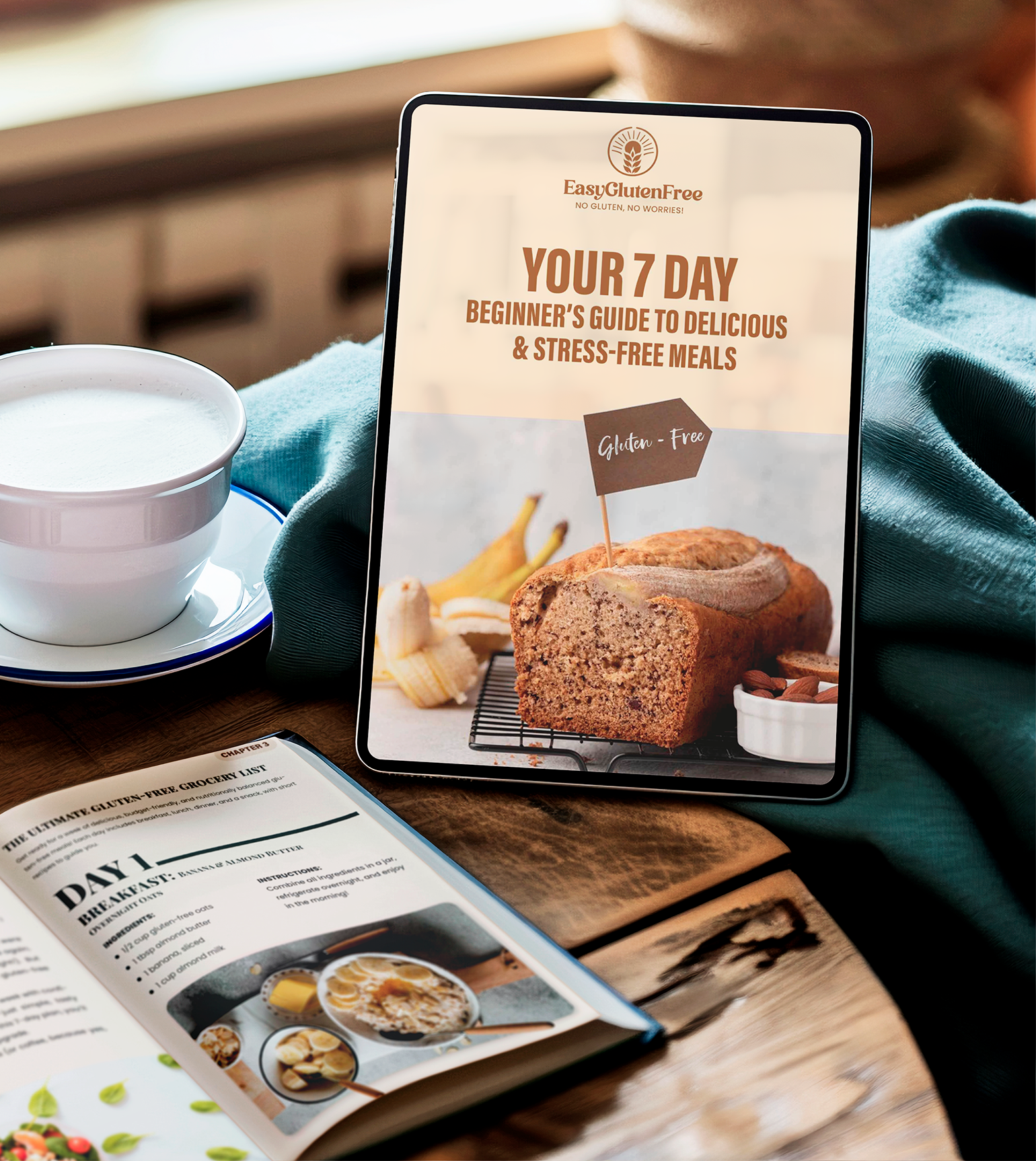
Download the Free Guide to Perfect Gluten-Free Baking Every Time

The Ultimate Guide to Gluten-Free Baking with 1:1 Flour
If you’ve ever pulled a tray of gluten-free muffins out of the oven only to find craters, crumbs, or gummy centers, you’re not alone. The good news: with a reliable 1:1 gluten-free flour blend and a few simple techniques, you can bake everything from cookies to quick breads that actually taste like the “real” thing—no strange textures, no complicated flour chemistry degrees required.
Download Our Free Gluten-Free Starter Guide
- 7-day meal plan
- shopping list
- Tips & 3 beginner-friendly recipes
Introduction
Gluten-free baking used to mean stocking your pantry with six different flours, three kinds of starch, and a willingness to fail repeatedly. Thankfully, those days are mostly behind us. Modern 1:1 gluten-free flour blends have made it wildly easier to swap out wheat flour in your favorite recipes—without sacrificing texture, flavor, or your weekend.
That said, “1:1” on the bag doesn’t magically fix everything. Gluten plays specific roles in structure, elasticity, and moisture management. When we take it out, we have to be just a bit more intentional with how we measure, mix, and bake. Think of it less like a restriction and more like learning the house rules for a new kitchen.
This guide walks you through how to get consistently great results using a cup‑for‑cup gluten-free flour blend in everyday baking: cookies, pancakes, quick breads, cakes, and more. You’ll learn when a straight 1:1 swap really works, when you should tweak liquids or leavening, and how to avoid the most common gluten-free baking mistakes—so your bakes come out tender, golden, and confidently shareable.
1. Understanding 1:1 Gluten-Free Flour Blends
Before you start swapping flour in every family recipe, it helps to know what’s actually in that blue or white bag labeled “1:1” or “cup‑for‑cup.” These blends are carefully formulated combinations of gluten-free grains, starches, and binders that aim to mimic the behavior of wheat flour as closely as possible.
Most 1:1 gluten-free flour blends contain a mix of:
- Whole-grain or rice flours (like brown rice, white rice, sorghum, or millet) for body and flavor
- Starches (such as tapioca, potato, or corn starch) for lightness and tenderness
- A binder (often xanthan gum or guar gum) to replace gluten’s “elastic” structure
The beauty of a 1:1 blend is that you don’t have to measure multiple flours or add separate binders; the work is done for you. That said, not all blends behave identically. Some are starch‑heavy and produce lighter, more delicate crumbs, while others lean more whole‑grain for a heartier, slightly denser result.
The key point: a good 1:1 blend is designed to be used by volume as a direct substitute for all‑purpose wheat flour in many traditional recipes—especially cookies, muffins, pancakes, and quick breads. However, structure‑sensitive recipes (like yeasted bread, brioche, or laminated pastry) often need more tweaking than a simple swap.
Finally, remember that gluten-free flours are more absorbent than wheat in many cases. That’s why batters and doughs may look thicker or need an extra tablespoon or two of liquid. Once you get used to the visual cues of how gluten-free batter should look, you’ll feel much more in control of your results.
2. When (and How) to Use 1:1 Flour in Your Favorite Recipes
The big promise of 1:1 gluten-free flour is right in the name: swap it cup‑for‑cup for regular flour. In practice, it’s extremely close—but there are a few styles of recipes where it absolutely shines, and a few where you’ll want to adjust technique or expectations.
Best recipe types for a straight 1:1 swap:
- Cookies: Drop cookies, chocolate chip, oatmeal (with certified gluten-free oats), and shortbread usually convert beautifully. Chill the dough if it feels soft; gluten-free doughs spread faster.
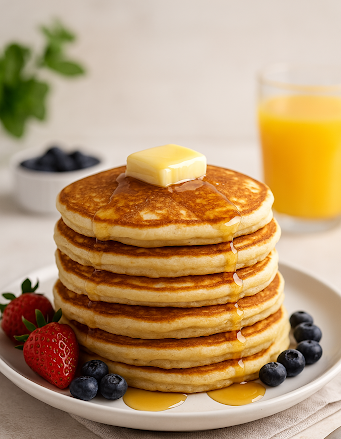
- Pancakes and waffles: Batters that are quickly cooked on a griddle or iron are very forgiving. Aim for a thick but pourable batter; add a splash more milk if it looks pasty.
- Muffins and quick breads: Banana bread, pumpkin bread, and classic breakfast muffins work well with a direct 1:1 swap. A little extra moisture (yogurt, mashed fruit, or oil) helps keep them soft longer.
- Cakes with a tender crumb: Snack cakes, sheet cakes, and cupcakes often convert with minimal changes. Start by substituting 1:1, then adjust liquid by a tablespoon or two if the batter seems overly thick.
Recipes that need more care:
- Yeasted breads and pizza dough: These rely heavily on gluten’s elasticity, so expect a different texture if you swap flour directly. Many bakers prefer recipes developed specifically for gluten-free yeast doughs.
- Delicate pastries: Pie crusts, tart shells, and biscuits can still be lovely with 1:1 flour, but they benefit from slightly higher hydration and a gentle hand to avoid crumbling.
- High‑structure cakes: Angel food cake, chiffon cake, and rolled sponge cakes are less forgiving; it’s usually better to use a gluten-free recipe that’s been thoroughly tested.
When converting a beloved family recipe, start with the simplest move: measure the 1:1 flour the same way you measured wheat flour (ideally by weight, but spoon‑and‑level works if that’s how the original recipe was developed). Bake once, take notes, and make small adjustments next time to dial in the texture.
Keep an eye on bake time and color. Gluten-free bakes sometimes need an extra 3–5 minutes in the oven to fully set in the center, even if they’re nicely browned on top. Use the toothpick test and also gently tap the center—muffins and cakes should spring back lightly instead of feeling squishy.
Bob’s Red Mill Gluten Free 1 to 1 Baking Flour
This is the gold-standard gluten-free all-purpose flour. It behaves beautifully in pancakes, muffins, cookies, quick breads — and it’s the ideal flour to recommend in ANY practical baking guide. Reliable, consistent, and approved by thousands of gluten-free home bakers. Perfect for articles about technique, substitutions, and baking success.

3. Essential Techniques for Better Gluten-Free Texture
You can have the best 1:1 flour in your pantry and still end up with dry muffins or crumbly cookies if the technique doesn’t match the ingredients. A few small shifts in how you mix, measure, and handle gluten-free batter make a big difference.
1. Measure flour accurately
Gluten-free blends are lightweight and easy to overpack. If you can, weigh your flour (most all‑purpose recipes use about 120–140 g per cup). If you’re using cups, spoon the flour into the measuring cup and level it with a knife instead of scooping directly from the bag. Too much flour is the fastest path to dry, dense bakes.
2. Don’t fear a slightly thicker batter
Gluten-free batters often look thicker than wheat versions. That’s normal. What you want to avoid is a paste-like consistency that doesn’t want to pour or scoop. For quick breads, muffins, or pancakes, add milk or another liquid a tablespoon at a time until the batter feels spreadable or spoonable, not stiff.
3. Mix a little longer (but not aggressively)
With wheat flour, over‑mixing can make baked goods tough because it develops gluten. With gluten-free 1:1 blends, you don’t have that risk. In fact, a bit of extra mixing helps hydrate the flours and starches more evenly, improving texture. Aim for a smooth, well‑combined batter, but skip the high‑speed whipping which can collapse air in delicate cakes.
4. Let batters and doughs rest
A short rest—10 to 20 minutes for most batters—allows the flour and starches to fully hydrate. The result is a more cohesive, less gritty crumb. This is especially helpful for pancakes, waffles, and muffin batters. For cookie dough, chilling for at least 30 minutes also improves flavor and reduces spreading.
5. Use the right pan and portion sizes
Gluten-free batters often do better in smaller or shallower formats. For example, if a recipe suggests a full‑size loaf pan, consider baking it as mini loaves or muffins instead. They bake more evenly and are less prone to gummy centers. Lining pans with parchment and lightly greasing the sides also helps with clean release.
6. Bake fully—and then cool completely
Gluten-free baked goods can feel done on the outside while remaining under‑baked in the center. Use visual cues (golden edges, slightly firm top), a toothpick test, and a light finger press in the center. Once done, let items cool fully on a rack. The crumb sets as it cools, so cutting too early can make things seem gummy or fragile even if they’re actually well baked.
Recipe Inspiration
Try these gluten-free staples loved by thousands:


4. Troubleshooting Common Gluten-Free Baking Problems
Even experienced bakers hit the occasional gluten-free pothole. The good news is that most problems have simple causes—and simple fixes you can apply next time. Use this section as a quick reference when something doesn’t turn out the way you hoped.
Problem: Dry, crumbly muffins or cakes
- Likely causes: too much flour, not enough fat or moisture, over‑baking.
- Fixes: Measure flour carefully; next time, reduce flour by 2–3 tablespoons per cup or add 1–2 tablespoons of milk or oil. Check for doneness a few minutes earlier and pull bakes as soon as a toothpick comes out with a few moist crumbs.
Problem: Gummy or dense center
- Likely causes: under‑baking, pan too deep, batter too wet, or cutting before fully cooled.
- Fixes: Extend bake time by 5–10 minutes, tenting the top with foil if it’s browning too quickly. Try baking in a shallower pan or as muffins. Let baked goods cool completely before slicing.
Problem: Cookies spread into one giant cookie sheet
- Likely causes: dough too warm or soft, too much fat, or not enough flour.
- Fixes: Chill dough at least 30–60 minutes before baking. If the first tray still spreads too much, stir in 1–2 extra tablespoons of 1:1 flour and test again. Bake cookies on fully cooled, lined baking sheets.
Problem: Grainy or sandy texture
- Likely causes: flours not fully hydrated, especially in quick‑mixed batters.
- Fixes: Let batter rest 10–20 minutes before baking to allow hydration. For future batches, mix a minute or two longer on low speed to fully incorporate the flour.
Problem: Batter looks much thicker than the original wheat version
- Likely causes: gluten-free flour absorbing more liquid (which is expected).
- Fixes: Use visual and textural cues instead of expecting identical batter. For pourable batters like pancakes or snack cakes, gently loosen with 1–3 tablespoons of extra liquid until it matches the consistency you want.
As you bake more often with a 1:1 blend, you’ll develop your own “mental checklist” when something goes wrong: check your measuring, hydration, pan choice, and bake time. Small tweaks often transform a so‑so bake into your new go‑to recipe.
5. Pantry, Storage, and Make‑Ahead Tips for Stress‑Free Baking
Gluten-free baking gets easier—and less expensive—when you treat it like a system instead of a one‑off project. A well‑planned pantry means you can say “yes” to last‑minute muffins or weekend pancakes without scrambling for ingredients.
Build a smart gluten-free baking pantry
- Keep at least one reliable 1:1 flour blend on hand: Store it in an airtight container in a cool, dark cupboard. For long‑term storage, many bakers like to keep backup bags in the freezer to preserve freshness.
- Stock versatile add‑ins: baking powder, baking soda, fine sea salt, vanilla, cocoa powder, and a couple of neutral oils. These staples let you adapt a wide range of recipes without extra shopping.
- Have moisture‑boosting ingredients ready: yogurt, sour cream, applesauce, or well‑mashed banana can all help keep gluten-free bakes tender.
Store baked goods thoughtfully
Gluten-free treats tend to dry out faster than their wheat‑based cousins. How you store them makes a big difference:
- Room temperature: Most cookies and quick breads keep well for 1–2 days in an airtight container. Add a small piece of parchment between layers to prevent sticking.
- Refrigeration: Can extend freshness, but may slightly dry out or firm baked goods. If refrigerating, let items come back to room temperature or gently warm before serving.
- Freezing: Many gluten-free baked goods freeze beautifully. Cool completely, wrap tightly, then place in a freezer bag or container. Thaw at room temperature and, if desired, refresh briefly in a low oven.
Make‑ahead strategies
- Freeze scooped cookie dough: Portion dough onto a tray, freeze until solid, then transfer to a bag. Bake from frozen, adding a minute or two to the bake time.
- Prepare dry mixes in advance: For your favorite muffins, pancakes, or quick breads, whisk together all dry ingredients (including 1:1 flour) and store in labeled jars. On baking day, just add the wet ingredients.
- Batch‑bake breakfast staples: Pancakes, waffles, and muffins made with 1:1 flour all freeze well. Reheat in a toaster or oven for busy mornings.
The more you streamline your gluten-free kitchen, the more baking shifts from “project” to “no big deal.” With a good flour blend, a stocked pantry, and a few trusted recipes, you’ll be able to say yes to birthdays, bake sales, and cozy Sunday mornings without a second thought.
Key Takeaways
- 1:1 gluten-free flour blends combine flours, starches, and a binder to mimic all‑purpose wheat flour in everyday baking.
- They work especially well in cookies, pancakes, muffins, quick breads, and simple cakes, often with very minor adjustments.
- Accurate measuring, short resting times, and full baking plus complete cooling are essential for good gluten-free texture.
- Most common problems—dryness, gumminess, excess spread, or graininess—can be fixed with small tweaks to hydration and technique.
- A thoughtfully stocked pantry and smart storage habits make gluten-free baking easier, more consistent, and much more enjoyable.
Take the Next Step in Your Gluten-Free Journey
- Download the Free EGF Starter Guide
- Try our Gluten-Free Planner to simplify your week
- Explore our growing recipe library
You don’t have to navigate the gluten-free lifestyle alone, we are here to make it easier every day.
Category: Baking Tips