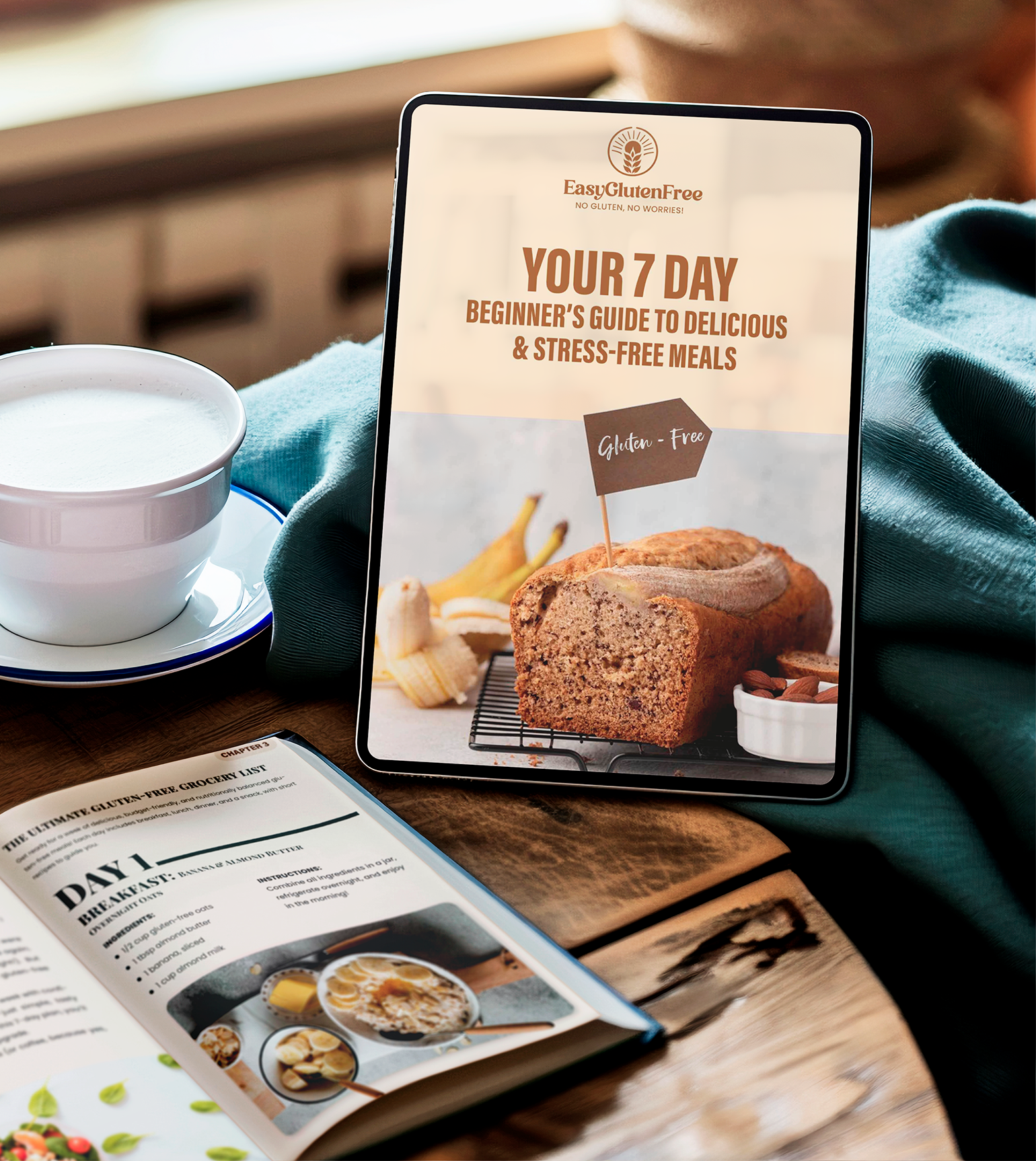
Ah, the smell of fresh coffee in the morning, the crimson sunrise painting the sky, and a comforting hum of a new day unfolding. What could possibly mar this serene start? Perhaps a bite into a slice of stale gluten-free bread. Nothing rains on your breakfast parade like a chunk of bread that tastes more like packing foam. Trust me, I’ve been there.
It’s true what they say; necessity is the mother of invention. My pursuit for the perfect gluten-free bread inspired me to venture into the realm of making my own and let me tell you — there’s no turning back. If you’re struggling with the eternal quest for delicious gluten-free bread, journey with me through the path of gluten-free bread-baking science. Not only will it save your mornings, but it might just become your new favourite hobby.
Now, you might be wondering: where do I start in making gluten-free bread that doesn’t taste like sadness wrapped in disappointment? It’s simpler than you might think once you know the basics. To help you get started, I will walk you through a crash course in gluten-free bread-baking science. Remember, gluten-free baking is more than just a substitution game — it’s about understanding how different ingredients work together to create that magical loaf that’s perfect for your morning toast or that midnight PB&J sandwich craving.
First off, it’s crucial to take note of gluten’s role in breadmaking. Gluten, a grouping of proteins found in certain grains, is accountable for the elasticity of dough, providing bread its unique structure and texture. Removing gluten from the equation literally leaves a hole in our bread, which we have to fill in with other ingredients.
Let’s start with what goes into our gluten-free bread mix. One mistake many first-time gluten-free bakers make is substituting wheat flour for just one gluten-free type. However, the key to good gluten-free bread is a blend of gluten-free flours like rice, millet and sorghum, combined with a starch like potato or tapioca. Each flour contributes something unique to the final product, similar to symphony orchestra members adding their own notes to the overall composition.
Sorghum flour, for example, is favoured for its mild flavour and nutrient content. Then, there’s potato starch, which compensates for gluten’s absence by adding moisture. Our previous blog on [‘Decoding Gluten-Free Flours’](hyperlinked to Decoding Gluten Free Flours blog) will give you a headstart on understanding the nature of each flour and starch, helping you fine-tune your own perfect gluten-free bread mix.
Only substituting the flour, though, won’t make our gluten-free bread perform like its gluten containing counterpart. What we need is a rising agent. Those tiny holes or cracks that form in your bread – the crumb, as it’s called – are the result of a process called leavening, where yeast or baking powder prompts the dough to rise. Since our gluten-free dough is heavier and tighter, we often require more leavening than regular wheat bread.
Another essential factor not to be overlooked is the hydration level, or simply — how much liquid you add to your dough. It’s the best kept secret among seasoned gluten-free bread-bakers that a well-hydrated dough equates to a better rise and a more palatable bread texture. Don’t worry if your gluten-free dough looks more like batter than traditional bread dough. You’re on the right path.
Speaking of secrets, for those picturesque loaves with a soft interior and perfect crust, consider adding a binding agent — something to hold everything together. Xanthan gum and guar gum are popular choices. Or, if you want to lean on natural ingredients, try a chia or flax seed slurry (for every 1 Tbsp of chia/flax seeds, add 3 Tbsp of hot water). This will give your bread a good structure while keeping it moist and flexible, arguably the Holy Grail in the gluten-free bread world.
Lastly, not to dampen your baking ardor, but remember, patience is a virtue in gluten-free bread baking. This dough demands a longer resting time as compared to its gluten-full brethren. It’s worth the wait, trust me.
Balancing between different flours, optimizing hydration and levelling, and combining alternative binders might sound like a lot for a start, but don’t fret. I’ve consolidated all this into our beginner-friendly recipe in the [‘Baking Your First Gluten-Free Loaf’](hyperlinked to Baking Your First Gluten-Free Loaf blog) blog post. Follow along, and you’ll have a fabulous, homemade, gluten-free bread in your hands in no time!
Taking up gluten-free bread baking might seem overwhelming at first but think of it more like an art – a delightful process of experimenting with ingredients, proportions, and methodologies until you’ve created your unique masterpiece. Just like every rewarding pursuit, it gets easier and more enjoyable with practice.
All the theory and bread-baking jargon may seem daunting, but let’s not lose sight that it’s really about helping people like us enjoy those precious, simple moments — like having a warm slice of delicious bread in the morning without worrying about a gluten-induced aftermath.
Until our next post, I’ll be here sipping on my coffee, gazing at the sunrise, and relishing a slice of fresh, homemade gluten-free bread. I can’t wait for you to join the club. Happy baking!
**Category: Baking & Cooking Science**