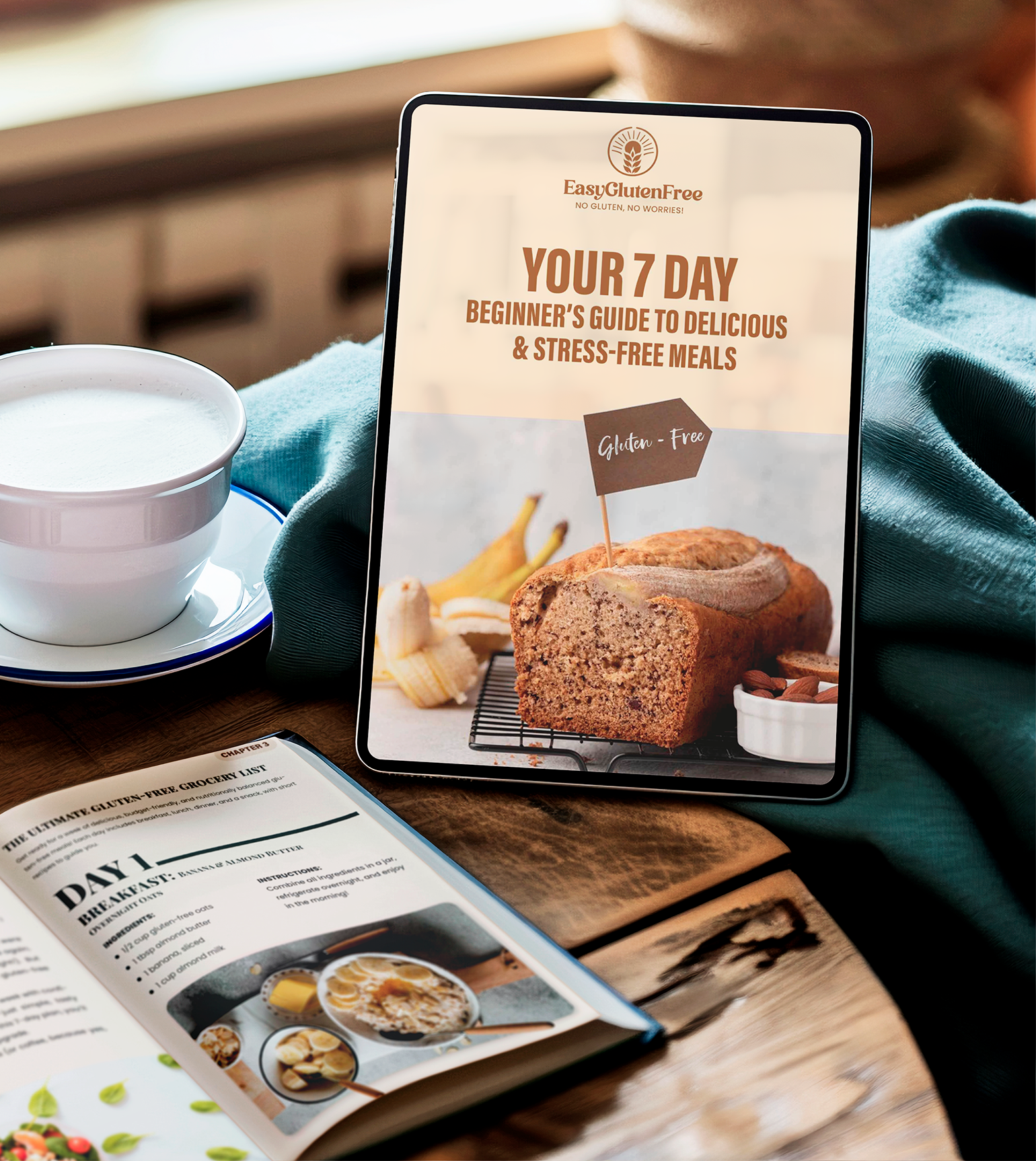
Download the Free Gluten-Free Lunch Packing Guide for Stress-Free Days

Gluten-Free Lunch Box Ideas for School, Work, and Busy Days
Trying to pack a gluten-free lunch that’s safe, satisfying, and not the same sad salad every day can feel like a full-time job. This guide walks you through practical, realistic gluten-free lunch box ideas for school, work, and busy days—so you can eat well, stay energized, and stop stressing about what’s actually in your lunch.
Download Our Free Gluten-Free Starter Guide
- 7-day meal plan
- shopping list
- Tips & 3 beginner-friendly recipes
Introduction
Gluten-free lunches can be surprisingly tricky. Breakfast is easy enough, dinner gets most of your attention—but lunch? Lunch happens in the middle of the chaos: at school, at your desk, in the car between activities, or on a plane with limited options. That’s exactly when cross-contact risks go up and convenience foods get very tempting.
The good news: with a little planning and the right containers, gluten-free lunch boxes can be simple, safe, and genuinely fun to eat. You don’t need elaborate recipes or specialty products for every meal. You just need a reliable framework, some go‑to combinations, and a system that works with your routine instead of against it.
This guide breaks down gluten-free lunch box ideas for different ages and lifestyles, how to build a balanced meal without gluten, and smart prep strategies so you’re not staring into the fridge at 7:30 a.m. wondering what on earth to pack. Whether you’re packing for a celiac kid, navigating office lunches, or trying to keep yourself fueled on travel days, you’ll find practical ideas you can start using this week.
1. Understanding Gluten-Free Lunch Basics
Before we dive into specific gluten-free lunch box ideas, it helps to get the basics right. Once you understand what to watch for and how to build a balanced meal, you can mix and match ingredients based on what your family actually likes.
What “gluten-free” really means for your lunch
Gluten-free is more than just avoiding regular bread and pasta. For lunch boxes, it usually means paying attention to:
- Obvious gluten foods: wheat bread, wraps, regular crackers, pasta, breaded meats, many baked goods.
- Hidden gluten: soy sauce (unless labeled gluten-free), some salad dressings, marinades, breaded toppings, meatballs, veggie burgers, and processed deli meats.
- Cross-contact: crumbs on cutting boards, shared toasters, knives used on regular bread, or bulk-bin items scooped with contaminated scoops.
Always read labels and look for a “gluten-free” statement where possible, especially for items like crackers, bars, deli meat, and snacks that tend to be shared or processed on shared lines.
The gluten-free lunchbox formula
A helpful way to think about any gluten-free lunch is to use a simple formula. Aim for:
- Protein: keeps you full and supports energy (chicken, tuna, eggs, beans, hummus, cheese, Greek yogurt, tofu, leftover meat).
- Gluten-free carbs: for steady energy (rice, quinoa, gluten-free pasta, corn tortillas, gluten-free bread or crackers, potatoes, fruit).
- Healthy fats: for satisfaction and brain power (avocado, nuts, seeds, nut/seed butters, olive oil, cheese).
- Colorful produce: veggies and/or fruit for fiber, crunch, and freshness.
When your lunch includes at least one option from each category, you’re more likely to feel satisfied and less likely to end up raiding the vending machine or the staff room snacks.
Pantry and fridge staples that make packing easier
Keeping a small set of gluten-free staples on hand makes it much easier to throw together a safe lunch box on busy mornings. Consider stocking:
- Proteins: canned tuna or salmon, hard-boiled eggs, pre-cooked chicken, turkey slices labeled gluten-free, hummus, edamame, Greek yogurt, cheese sticks.
- Carbs: cooked rice or quinoa in the fridge, gluten-free crackers, rice cakes, corn tortillas, gluten-free pasta, baked potatoes or sweet potatoes.
- Produce: baby carrots, cucumber, cherry tomatoes, snap peas, bell pepper strips, apples, berries, grapes, clementines, sliced melon.
- Extras: mini olives, pickles, nuts and seeds (if allowed), trail mix (check labels), salsa, guacamole, small containers of salad dressing.
When gluten-free staples are prepped and ready to grab, building a safe, satisfying lunch box becomes more of a quick assembly job and less of a daily project.
2. Gluten-Free Lunch Box Ideas for School and Work
Different settings have different challenges. A gluten-free lunch box for a young child needs to be simple, finger-friendly, and easy to recognize as “theirs.” For teens, presentations and portion sizes matter more. For adults, you might need something that feels more like a “real meal” and less like a snack plate.
Kid-friendly gluten-free lunch ideas
Kids often eat better when their food is colorful, bite-sized, and familiar. Some easy gluten-free lunch box ideas for school include:
- DIY “lunchable” box: gluten-free crackers, cheese cubes, turkey or ham slices (labeled gluten-free), cucumber rounds, and grapes.
- Roll-up sandwiches: turkey and cheese rolled in corn tortillas or gluten-free tortillas; add lettuce if your child likes it.
- Pasta salad: gluten-free pasta tossed with olive oil, cherry tomatoes, diced cucumber, shredded cheese, and chickpeas.
- Breakfast-for-lunch: mini gluten-free pancakes or waffles, Greek yogurt, berries, and a small container of maple syrup for dipping.
- Snacky box: hard-boiled egg, gluten-free pretzels, carrot sticks, hummus, and apple slices.
For younger kids, clear compartments make it easier for them to see what they have and choose what to eat first—especially helpful if they’re still learning to manage their gluten-free needs independently.
Gluten-free work lunch ideas
For work days, you may want meals that feel more substantial but are still easy to eat at your desk or in a break room. Try ideas like:
- Leftover “bowl” lunches: leftover chicken, roasted veggies, and rice in one container. Add a small container of sauce or dressing when you’re ready to eat.
- Mediterranean box: hummus, gluten-free crackers or veggie sticks, olives, cucumber, cherry tomatoes, and feta.
- Loaded salad: greens topped with quinoa, beans or grilled chicken, shredded carrots, seeds, and a small jar of dressing.
- Rice paper or lettuce wraps: filled with shrimp or chicken, crunchy veggies, and a gluten-free dipping sauce.
- Soup & sides: a thermos of gluten-free soup plus a side of cheese and fruit.
If your workplace kitchen has shared appliances, consider keeping your lunch fully ready to eat cold, or use your own labeled microwave cover and utensils to keep things separate and reduce cross-contact risks.
Travel, sports, and long-day lunches
On travel or activity-heavy days, you want gluten-free lunch options that keep well, don’t rely on being reheated, and are extra satisfying. Think:
- Rice or quinoa salad with beans, veggies, and vinaigrette.
- Chicken drumsticks or baked tofu, roasted potatoes, and carrot sticks.
- Nut butter (or seed butter) on gluten-free rice cakes with fruit and trail mix (check labels).
- Cold gluten-free pasta with pesto, peas, and shredded chicken.
- Hearty snack-style boxes with multiple small portions of protein, carbs, and produce.
An insulated lunch box and an ice pack make a big difference here, helping you safely carry more perishable options like dairy, meat, and dips.
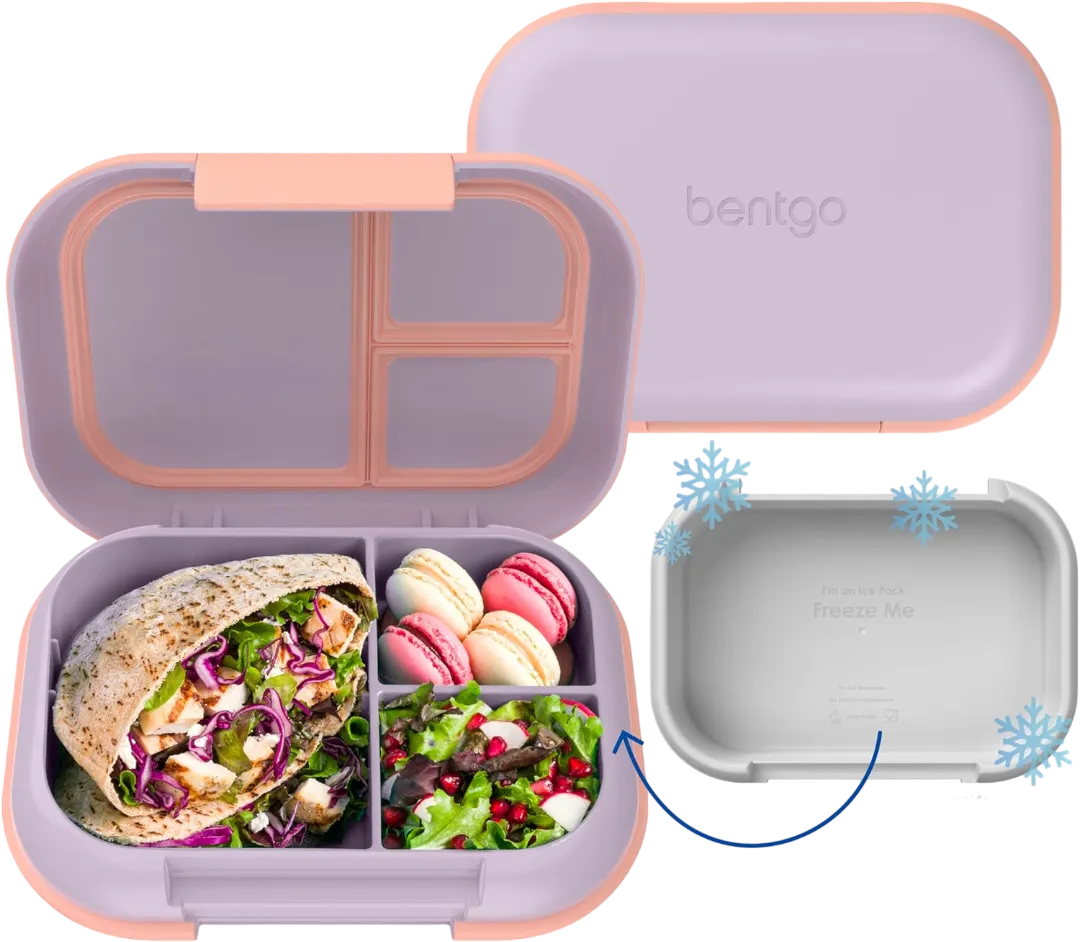
Bentgo Chill Max Lunch Box
it’s perfect for anyone who wants cute, organized, Instagram-able gluten-free lunches. The built-in ice pack keeps things fresh, the compartments are perfect for snacks, dips, and small portions, and it’s leak-proof (so your hummus doesn’t redecorate your tote bag). Ideal for school, work, picnics, travel days, or long study sessions.
3. Meal Prep Strategies for Stress-Free Gluten-Free Lunches
Planning every lunch from scratch each morning is a fast track to burnout. A little bit of weekly prep can turn gluten-free lunches into a repeatable routine instead of a daily decision.
Pick a weekly lunch theme
Instead of reinventing the wheel, choose 2–3 “themes” per week and repeat them with small variations. For example:
- Week A: rice bowls two days, pasta salad two days, snack box one day.
- Week B: tortilla roll-ups, soup & sides, and two days of “leftover makeover” bowls.
Within each theme, you can change the protein, veggies, or sauce so things don’t feel repetitive, but your overall plan stays simple and predictable.
Batch-cook base ingredients
Set aside a small block of time once or twice a week for prepping the “building blocks” of your gluten-free lunches. Examples:
- Cook a large batch of rice, quinoa, or gluten-free pasta.
- Roast a tray of mixed vegetables (carrots, broccoli, cauliflower, peppers, etc.).
- Prepare proteins like grilled chicken, baked tofu, or roasted chickpeas.
- Wash and chop sturdy veggies like carrots, cucumbers, and peppers.
- Make a simple vinaigrette or two to quickly dress bowls and salads.
Store everything in clearly labeled containers so anyone in the household who packs lunch can assemble something quickly.
Pre-portion where it actually helps
Pre-portioning can be helpful, but it doesn’t have to be all-or-nothing. Focus on areas where it makes the biggest impact:
- Small containers of hummus, guacamole, or nut/seed butter.
- Dividing gluten-free crackers or trail mix into single-serve bags.
- Fruit that browns easily (like apple slices) cut the night before and stored with a splash of lemon water.
- Prepared salads in jars, with dressing in a separate small container.
For items like cooked grains or roasted veggies, it’s often easier to store them in bulk and portion them into lunch boxes as needed.
Use a simple checklist for packing
A basic checklist can save a lot of morning decision fatigue. You can even keep it on the fridge:
- 1 protein
- 1–2 gluten-free carbs
- 1 fruit
- 1–2 veggies
- 1 “fun” item (dip, small treat, flavored sparkling water, etc.)
Run through the checklist as you pack, and you’ll naturally build more balanced, satisfying gluten-free lunches without overthinking every box.
Recipe Inspiration
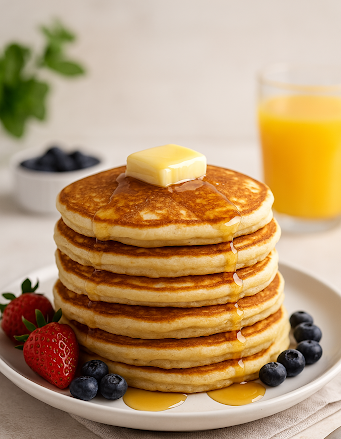
Try these gluten-free staples loved by thousands:


4. Safe Packing, Storage, and Cross-Contact Tips
When you’re eating away from home, staying gluten-free isn’t just about what you packed—it’s also about how that food was stored, served, and eaten. A few simple habits can go a long way toward keeping your lunch safe.
Understand cross-contact in real-life situations
Cross-contact happens when gluten-free food touches gluten-containing food or surfaces. In lunchbox life, that might look like:
- A gluten-free sandwich sliced on the same board used for regular bread.
- Crumbs in shared butter, peanut butter, or jam jars.
- Shared microwaves with spills or crumbs that aren’t fully cleaned up.
- Kids sharing snacks at school where packaging isn’t checked.
Being mindful of these scenarios helps you plan ahead, especially for school and workplace lunches where you can’t control the whole environment.
Dedicated tools and packing practices
Consider using dedicated gluten-free tools at home—especially if not everyone in your household is gluten-free. Examples include:
- A separate cutting board used only for gluten-free preparation.
- A labeled knife for slicing gluten-free bread or sandwiches.
- Separate jars of spreads if gluten-containing bread is used at home.
- Dedicated gluten-free toaster or toaster bags if toast is in the lunch rotation.
When packing, always start with clean hands and clean surfaces, and assemble gluten-free items before anyone starts making regular sandwiches nearby.
Keeping lunches at a safe temperature
For many gluten-free lunches, especially those with dairy, meat, eggs, or dips, temperature matters. Basic tips include:
- Use an insulated lunch bag with a good-quality ice pack.
- Chill items like yogurt, hummus, and leftovers before packing so they stay cold longer.
- If using a thermos for hot food, preheat it with hot water for a few minutes before adding your meal.
- Store lunches in a fridge at work or school when possible, especially on very warm days.
A well-packed, temperature-controlled lunch is not only safer but usually tastes better, too.
Helping kids advocate for their gluten-free needs
For kids who are gluten-free, lunch time can be socially tricky. Age-appropriate scripts and routines make a big difference. You might practice:
- How to politely say “No, thank you” to shared snacks they’re unsure about.
- How to tell a teacher or adult, “My food needs to be gluten-free, this is from home.”
- Recognizing their lunch box and containers so they don’t get mixed up with others.
Clear labeling, distinctive containers, and simple, repeated messages help kids feel more confident and less singled out.
5. Sample Gluten-Free Lunch Box Combinations
Sometimes the hardest part is just coming up with ideas. Use these sample gluten-free lunch box combinations as a starting point and swap in your favorite brands and ingredients.
Five balanced gluten-free lunch box ideas
1. Colorful “snack lunch” box
- Hard-boiled egg or two.
- Gluten-free crackers.
- Baby carrots and cucumber sticks.
- Small container of hummus.
- Berries or sliced melon.
This one is especially great for kids who prefer picking and nibbling over big sandwiches.
2. Chicken burrito bowl (gluten-free)
- Base of rice or quinoa.
- Cooked chicken pieces or black beans.
- Corn, peppers, and shredded lettuce.
- Salsa and a spoonful of guacamole in separate containers.
- Orange slices or grapes on the side.
Pack the bowl cold and add salsa and guacamole just before eating for the best texture.
3. Pasta salad lunch
- Gluten-free pasta salad with veggies and a light vinaigrette.
- Cubed cheese or mini mozzarella balls.
- Cherry tomatoes and snap peas.
- A small piece of dark chocolate or a favorite gluten-free cookie.
Make a big batch of pasta salad at the start of the week and portion it into containers for quick grab-and-go lunches.
4. Breakfast-for-lunch box
- Two or three gluten-free pancakes or waffles.
- Greek yogurt with a drizzle of honey or maple syrup.
- Sliced strawberries and blueberries.
- A sprinkle of nuts or seeds (if allowed) for crunch.
Perfect for days when traditional lunch foods just don’t sound appealing.
5. Simple deli-style lunch
- Rolls of turkey and cheese (labeled gluten-free).
- Gluten-free pretzels or rice cakes.
- Pickles and olives in a separate compartment.
- Apple slices with a single-serve packet of nut or seed butter.
This option comes together fast from basic fridge and pantry staples and works well for both kids and adults.
How to adapt ideas for different eaters
Every household has a mix of preferences, textures, and appetites. To keep things realistic:
- Picky eaters: lean into repetition. It’s okay if they rotate the same 3–4 lunches as long as they’re balanced and gluten-free.
- Big appetites: add an extra carb and protein—like a second hard-boiled egg, extra rice, or a yogurt on the side.
- On-the-go adults: choose options you can literally eat with one hand if needed—wraps, snack boxes, and bowls with a single fork.
Over time, you’ll build your own “family list” of gluten-free lunch box ideas that are well-tested, easy to pack, and actually eaten. That’s the goal.
Key Takeaways
- Gluten-free lunches are easier when you follow a simple formula of protein, gluten-free carbs, healthy fats, and colorful produce.
- Planning around a few weekly “themes” and batch-prepping base ingredients turns lunch packing into quick assembly instead of daily guesswork.
- Kid, teen, and adult lunch boxes all benefit from clear compartments, safe storage, and options that feel fun and satisfying to eat.
- Safe packing practices, dedicated tools, and awareness of cross-contact help keep gluten-free lunches safer at school, work, and on the go.
- Building a rotation of reliable gluten-free lunch box combinations saves time, reduces stress, and keeps everyone better fueled throughout the day.
Take the Next Step in Your Gluten-Free Journey
- Download the Free EGF Starter Guide
- Try our Gluten-Free Planner to simplify your week
- Explore our growing recipe library
You don’t have to navigate the gluten-free lifestyle alone, we are here to make it easier every day.
Category: Lunch & Meal Prep