The Best Gluten-Free Flours in 2025

Choosing the right gluten-free flour can make the difference between dry, crumbly bakes and fluffy, bakery-level magic. This 2025 guide walks you through the best gluten-free flours, how to use them, and the blends that actually work—without needing a food science degree.
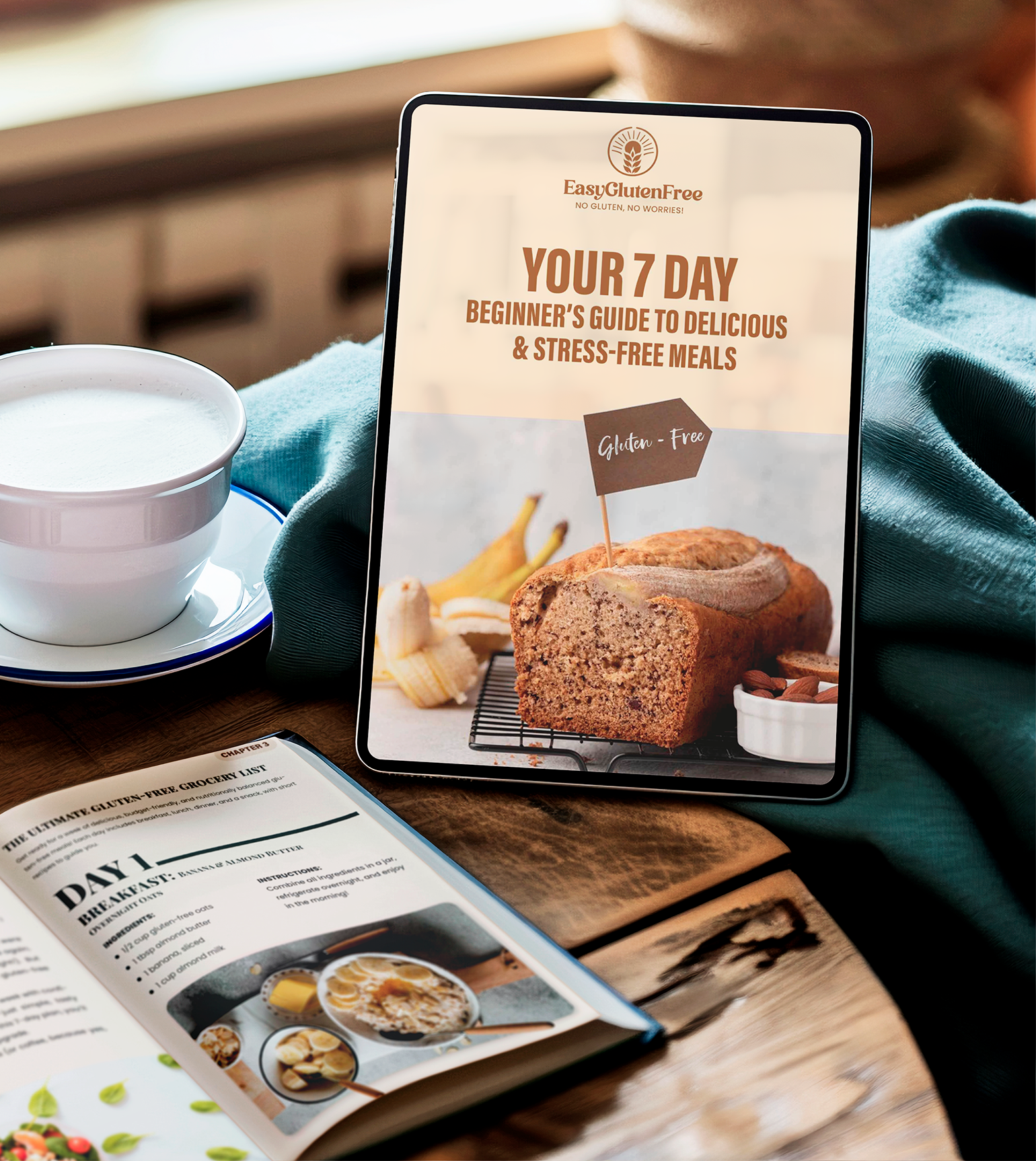
Download Our Free Gluten-Free Starter Guide
- 7-day meal plan
- shopping list
- Tips & 3 beginner-friendly recipes
Introduction
Gluten-free baking in 2025 is nothing like it was ten years ago. Instead of one sad, sandy “all-purpose” flour, we now have a full toolbox: almond flour, coconut flour, sorghum, millet, oat, cassava, and smart ready-to-use blends that behave almost like wheat flour—without the gluten. The flip side? That wall of options at the store can feel completely overwhelming.
If you’ve ever followed a recipe to the letter and still pulled a dry muffin, gummy bread, or pancakes that refuse to brown, you’re not alone. Most gluten-free flours act very differently from wheat: they absorb more (or less) liquid, some bring strong flavors, others need binders like xanthan gum or psyllium husk. The secret is understanding what each flour does best, so you can pick the right one for the job—and stop wasting expensive ingredients.
This guide focuses on practical, real-life gluten-free baking. We’ll break down the best gluten-free flours in 2025, how to combine them into blends, when to reach for almond flour versus coconut flour, and how to troubleshoot common gluten-free baking fails. Whether you’re newly gluten-free or a longtime baker ready to level up, you’ll walk away knowing exactly which bag of flour deserves a spot in your pantry.
1. Understanding Gluten-Free Flours in 2025
Gluten-free baking starts with one simple truth: there is no single flour that behaves like wheat flour. Instead, we use a combination of gluten-free flours and starches to recreate the structure, tenderness, and elasticity that gluten normally provides.
Gluten is a stretchy network of proteins that traps gas, allowing bread to rise and cakes to stay light. When we remove gluten, we have to rebuild that structure using other tools:
- Whole-grain gluten-free flours (like sorghum, millet, buckwheat, brown rice, gluten-free oat) bring flavor, fiber, and color.
- Nut and seed flours (almond flour, hazelnut, sunflower seed) add richness, moisture, and protein.
- Root and tuber flours (cassava, potato, tapioca) and starches provide lightness, stretch, and chew.
- Binders (xanthan gum, guar gum, psyllium husk, ground chia or flax) help hold everything together and mimic the elasticity of gluten.
In 2025, we also see a big shift toward nutrient-dense gluten-free baking. Instead of relying only on white rice flour and tapioca, more bakers are using almond flour, coconut flour, and whole-grain options to improve both texture and nutrition, while still keeping recipes celiac-safe.
Because different gluten-free baking goals need different textures, it helps to think in “flour families”:
- For cookies, muffins, and quick breads: almond flour + a light starch (tapioca or arrowroot) works beautifully for tender, moist crumbs.
- For sandwich bread and pizza crust: you’ll want whole-grain flours (sorghum, millet, gluten-free oat) for structure, plus starch for rise, plus a strong binder like psyllium husk.
- For pancakes and waffles: milder whole-grain flours or a well-formulated gluten-free baking blend keep things light and fluffy.
Once you understand that each flour has a “superpower,” gluten-free baking stops feeling random and starts feeling like a set of reliable formulas you can lean on.
2. The Top Individual Gluten-Free Flours (and How to Use Them)
Here’s a closer look at the gluten-free flours you’ll see most often in 2025—what they’re best for, and how to avoid common pitfalls. We’ll pay special attention to gluten-free baking with almond flour and coconut flour, since they’re pantry staples for many of us.
Almond Flour
Best for: cookies, muffins, quick breads, brownies, scones, and crumb toppings.
Almond flour is naturally gluten-free, high in healthy fats, and incredibly forgiving. It keeps bakes moist for days and adds a gentle, slightly sweet, nutty flavor. It’s one of the best flours for people who want grain-free baking without sacrificing tenderness.
- Texture: rich, tender, slightly denser than wheat but never dry when used correctly.
- Liquid absorption: moderate; usually used with eggs to help bind and lift.
- Pair with: tapioca or arrowroot starch for lighter, fluffier textures.
Pro tip: Look for fine, blanched almond flour, not almond meal. Blanched flour (skins removed) gives a smoother crumb and more consistent results in gluten-free baking.
Coconut Flour
Best for: grain-free pancakes, muffins, snack cakes, and dense, moist loaves where a bit of “body” is welcome.
Coconut flour is super absorbent—far more than almond flour or rice flour. That’s why recipes using coconut flour look almost “wrong” at first: small amounts of flour, lots of eggs, and extra liquid. Used correctly, it creates moist, soft bakes and keeps carbs lower than many other gluten-free flours.
- Texture: soft, cake-like, slightly delicate if you don’t use enough binding.
- Liquid absorption: extremely high; never swap it 1:1 with other flours.
- Pair with: almond flour, tapioca starch, or eggs for balance and structure.
Rule of thumb: use about 1/4–1/3 cup coconut flour for every 1 cup wheat flour the original recipe calls for, and increase eggs and liquid significantly. When in doubt, follow a recipe that’s written specifically for coconut flour—it’s not a good candidate for casual substitutions.
Gluten-Free Oat Flour
Best for: pancakes, waffles, muffins, quick breads, and kid-friendly snacks.
Made from ground certified gluten-free oats, oat flour adds a mild, cozy flavor reminiscent of oatmeal. It’s ideal when you want familiar, “comfort food” style bakes.
- Texture: soft, tender, slightly chewy if used alone.
- Liquid absorption: moderate to high.
- Pair with: starches like tapioca or potato, or almond flour for more moisture.
Oat flour is a favorite in gluten-free lifestyle cooking because it’s versatile and approachable, but always check for a certified gluten-free label to avoid cross-contamination for celiac safety.
Sorghum, Millet, and Brown Rice Flour
These whole-grain flours form the backbone of many gluten-free blends:
- Sorghum flour: neutral, slightly sweet, great in bread and pancakes.
- Millet flour: light and mild, helpful for reducing gumminess in bread.
- Brown rice flour: common, but can be gritty—look for very finely milled options.
On their own, they’re often too dense or crumbly, but together with starches (tapioca, potato) and binders, they’re ideal for everyday breads and savory baking.
Cassava, Tapioca, and Potato Starch
Cassava flour (not to be confused with tapioca starch) is made from the whole root and behaves more like a flour. It’s popular in paleo and grain-free baking because it can be used for tortillas, flatbreads, and even some cookies.
- Cassava flour: mild flavor, good elasticity, great for tortillas and wraps.
- Tapioca starch: adds chew, stretch, and lightness.
- Potato starch: excellent for tender crumb and crisp edges in cookies.
None of these should be used alone for baking bread or cakes, but they’re fantastic “supporting actors” in gluten-free baking blends.
Bob’s Red Mill Super-Fine Almond Flour
This reliable, super-fine almond flour is perfect for gluten-free baking—from chewy cookies to ultra-moist muffins. Its consistent grind means fewer gritty textures and more bakery-style results, especially when paired with starches or used in grain-free recipes.
3. Ready-Made Gluten-Free Flour Blends
If you’re not ready to stock six or seven different bags of flour, ready-made gluten-free blends are your best friend. The good news in 2025: these blends keep getting better. Many now mimic wheat flour so closely that you can make a simple swap in your favorite recipes with minimal tweaks.
What’s Inside a Good Gluten-Free Blend?
Most all-purpose gluten-free blends are built on the same basic formula:
- One or two whole-grain flours (sorghum, brown rice, millet, oat) for structure and flavor
- One or two starches (tapioca, potato, arrowroot) for lightness and stretch
- A binder (usually xanthan gum or guar gum) to replace gluten’s elasticity
The exact ratios vary, which is why some blends work better for cookies and cakes, while others shine in yeast breads and pizza. When choosing a blend, think about how you bake most often and read the package: some are marketed as “measure-for-measure” or “1:1” blends designed to replace wheat flour by volume.
When a 1:1 Gluten-Free Blend Works Well
Measure-for-measure blends are particularly handy for:
- Cookies and bars: chocolate chip cookies, brownies, blondies, and shortbread often do beautifully with a simple swap.
- Cakes and cupcakes: especially recipes with eggs and fat (like butter or oil) that already help support the crumb.
- Pancakes and waffles: where a light, fluffy texture is the goal.
Many gluten-free lifestyle bakers keep a 1:1 blend on the counter for last-minute pancakes, birthday cakes, or family recipes that just need a quick conversion.
Where Blends Need Extra Help
Even the best blends sometimes need support in more demanding recipes:
- Yeast breads: often benefit from extra psyllium husk or a bit more liquid to achieve a soft, sliceable loaf.
- Pizza crust: may need olive oil and a longer hydration time for chewiness and structure.
- Delicate pastries: like croissants or puff pastry still require specialty recipes rather than 1:1 swaps.
Think of a flour blend as a strong starting point, not a magic wand. If you’re tackling something finicky, follow a recipe designed for gluten-free baking first, then experiment once you’re comfortable.
Blends vs. Building Your Own
So should you always buy a blend or build your own from individual flours like almond flour, coconut flour, and oat flour?
- Use a blend when: you want convenience, repeatable success, and you’re baking a wide variety of familiar favorites (muffins, cookies, cakes).
- Build your own when: you’re aiming for specific nutrition goals (higher protein, grain-free, nut-free), or you love tinkering with texture and flavor.
Many experienced gluten-free bakers do a mix of both: a versatile 1:1 blend for everyday baking, plus a few favorite individual flours for special projects or custom blends.
Recipe Inspiration
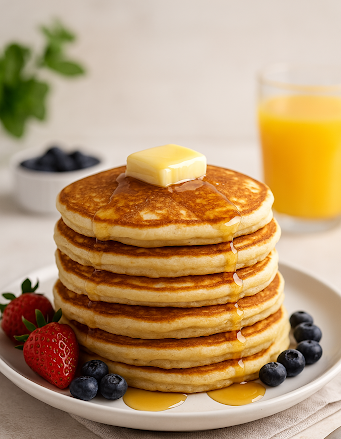
Try these gluten-free staples loved by thousands:


4. How to Choose the Right Flour for Every Recipe
Instead of memorizing dozens of rules, use this simple thought process every time you bake gluten-free in 2025.
Step 1: What Texture Do You Want?
- Light and fluffy (pancakes, cupcakes, layer cakes): reach for a 1:1 gluten-free baking blend or a mix of oat flour + starch.
- Moist and rich (brownies, banana bread, snack cake): use almond flour as a base, possibly with a bit of tapioca or oat flour.
- Chewy and sturdy (pizza crust, sandwich bread): choose whole-grain flours (sorghum, millet, oat) plus starch and a strong binder like psyllium husk.
Step 2: Any Dietary Needs Beyond Gluten-Free?
- Nut-free: skip almond flour; use oat flour, sorghum, millet, or a nut-free all-purpose blend.
- Grain-free: focus on almond flour, coconut flour, and cassava flour, plus tapioca or arrowroot.
- Higher protein/low sugar: almond flour, seed flours, and oat flour offer more staying power than starch-heavy mixes.
Step 3: Match the Flour to the Recipe Type
Here are some quick gluten-free baking blueprints you can rely on:
- Cookies: 1:1 blend, or 60–70% almond flour + 30–40% tapioca or oat flour. Chill the dough to prevent spreading.
- Muffins & quick breads: almond flour + oat flour, or a 1:1 blend with a little extra moisture (yogurt, mashed banana, applesauce).
- Pancakes & waffles: blends or oat flour-based recipes tend to give the most consistent results.
- Everyday bread: follow a tested gluten-free bread recipe first. Once comfortable, you can swap in some oat or sorghum flour to taste.
When in doubt, start with a recipe specifically designed for the flour you’re using—especially when that flour is coconut flour or cassava flour, since both behave very differently from traditional flours.
Your Gluten-Free Flour Starter Pantry
If you’re just beginning your gluten-free lifestyle, here’s a simple starter list:
- One all-purpose 1:1 gluten-free baking blend
- Almond flour for moisture and richness
- Oat flour (certified gluten-free) for comfort-food baking
- Tapioca starch to improve chew and tenderness
- A binder you like (xanthan gum or psyllium husk)
With those five, you can successfully make most simple gluten-free recipes in 2025, from pancakes to brownies and many breads.
5. Troubleshooting Common Gluten-Free Baking Problems
Even experienced bakers run into texture issues when they first start using gluten-free flours. Here’s how to fix the most common problems—and which flours can help you get there.
Problem: Dry, Crumbly Bakes
Likely cause: too much starch, not enough fat or moisture, or overbaking.
How to fix it:
- Swap a portion of your blend for almond flour to add moisture and richness.
- Add an extra tablespoon or two of fat (oil, melted butter) or liquid (milk, dairy-free milk).
- Check for overbaking—gluten-free treats often look “paler” even when fully baked, so use a toothpick test instead of relying on color.
Problem: Gummy or Dense Centers
Likely cause: too much starch, too much liquid, or not enough bake time.
How to fix it:
- Reduce total liquid slightly or bake at a slightly lower temperature for longer.
- Increase whole-grain flours (like oat or sorghum) in your blend for a more structured crumb.
- Let baked goods cool completely before cutting—gluten-free flours continue to set as they cool.
Problem: Batter Too Thick or Too Thin
Gluten-free flours absorb liquid at different rates, which is especially true for coconut flour.
- If too thick: add liquid 1 tablespoon at a time until you reach the consistency described in the recipe (often a scoopable but not stiff batter).
- If too thin: rest the batter 5–10 minutes. Oat flour and coconut flour, in particular, thicken as they hydrate. Only then decide if you actually need more flour.
Problem: Bakes Taste “Off” or Grainy
Likely cause: low-quality or very coarse flours, or too much raw-tasting starch.
How to fix it:
- Use super-fine flours (especially for brown rice and almond flour).
- Toast nut flours gently before baking for deeper flavor, if the recipe allows.
- Balance strong flavors with vanilla, cinnamon, citrus zest, or cocoa powder.
Listen to Your Batter
In gluten-free baking, your batter or dough will “tell” you a lot. With practice, you’ll start to recognize when a muffin batter is too stiff (muffins will be dry) or a bread dough is too runny (loaf will collapse). Don’t be afraid to adjust by a tablespoon or two of liquid or flour, especially when using high-variation ingredients like coconut flour or home-ground oat flour.
A Reliable Coconut Flour Ally
If coconut flour recipes are intimidating, using a trusted product is one way to reduce variables. A consistent grind and predictable absorption rate mean fewer surprise failures in the oven.
When you’re ready to experiment, you can gradually replace a small part of a blend with coconut flour to boost fiber and keep carbs lower—just remember to add a bit of extra liquid or an extra egg to maintain balance.
Key Takeaways
- Gluten-free flours each have a unique “superpower,” and blending them is the key to great texture.
- Almond flour and coconut flour shine in different roles—learn where each one works best.
- Modern 1:1 gluten-free blends make everyday baking easier, but still have limits.
- Choose your flour based on the texture you want, your dietary needs, and the recipe type.
- Most gluten-free baking problems can be solved by adjusting moisture, bake time, or flour balance.
Take the Next Step in Your Gluten-Free Journey
- Download the Free EGF Starter Guide
- Try our Gluten-Free Planner to simplify your week
- Explore our growing recipe library
You don’t have to navigate the gluten-free lifestyle alone, we are here to make it easier every day.
Category: Gluten-Free Lifestyle / Product Reviews / Health & Nutrition