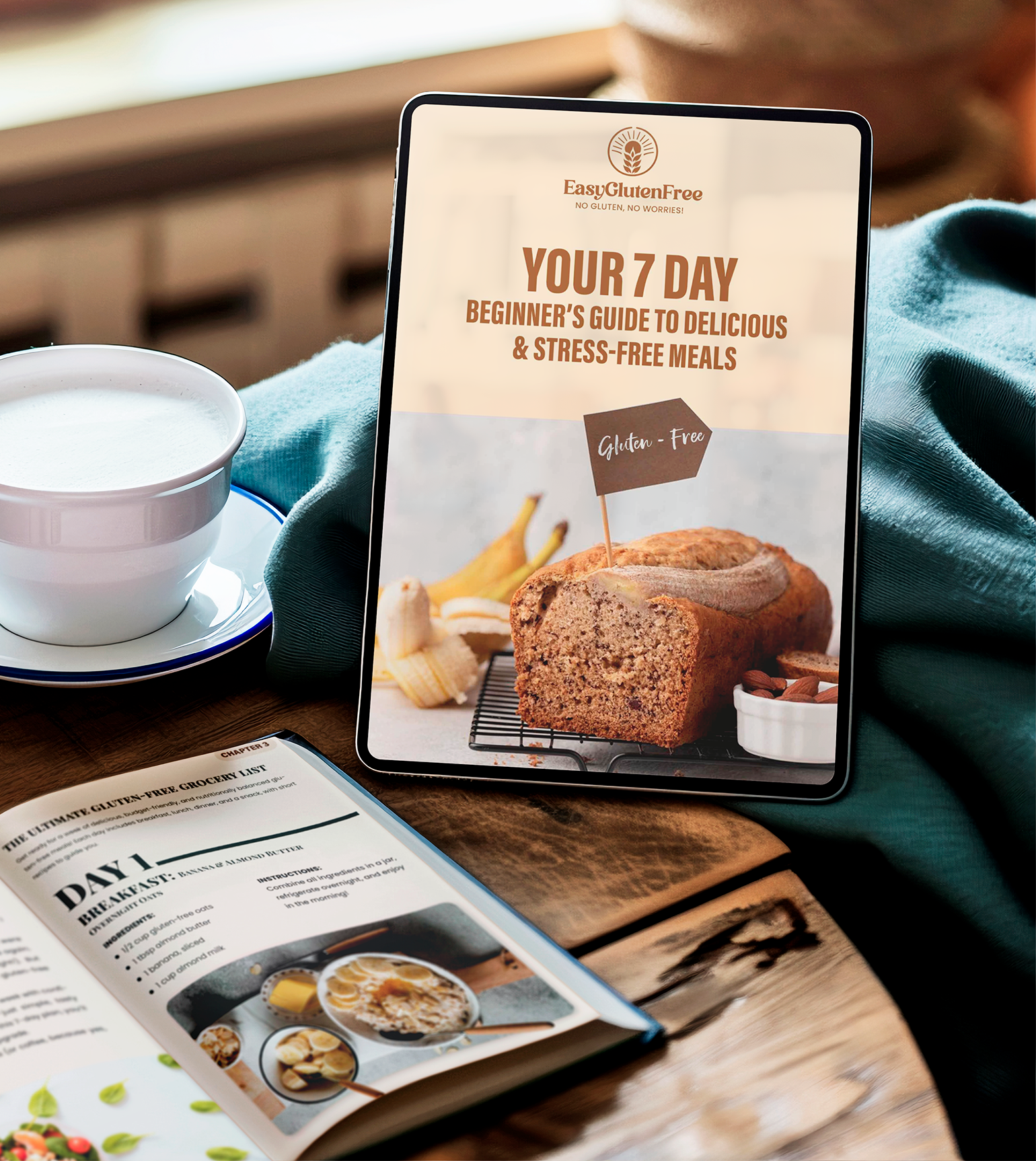
Download the Ultimate Gluten-Free Lunchbox Playbook

Gluten-Free Lunch Box Ideas for Work, School, and Busy Days
Running out of gluten-free lunch ideas is stressful, especially when you’re juggling work, school, or kids’ activities. This guide walks you through easy, packable gluten-free lunch box ideas that actually hold up until lunchtime, keep you satisfied, and don’t require a culinary degree (or a million ingredients).
Download Our Free Gluten-Free Starter Guide
- 7-day meal plan
- shopping list
- Tips & 3 beginner-friendly recipes
Introduction
If you’re gluten-free, the lunchbox can feel like enemy territory: mystery crumbs on tables, shared microwaves, office buffets, school cafeterias, and “Oh, I didn’t know that had gluten in it” moments. Packing your own lunch is one of the easiest ways to stay safe, save money, and avoid the 3 p.m. energy crash—but it can also feel repetitive and overwhelming if you don’t have a plan.
This guide is all about practical, realistic gluten-free lunch box ideas for work, school, and on-the-go days. We’ll cover how to build a balanced gluten-free lunch, smart prep strategies, and lots of mix-and-match ideas you can customize with what you already keep in your kitchen. You’ll also find tips for keeping food fresh, avoiding cross-contact, and packing lunches that you actually look forward to eating.
Whether you’re packing lunches for yourself, a gluten-free kid, or the whole family, consider this your go-to, bookmark-worthy resource. No complicated recipes, no specialty products required—just real, gluten-free food that travels well and tastes good.
1. Core Principles of a Great Gluten-Free Lunch Box
A gluten-free lunch box is more than just “no bread.” When you break it down into a simple framework, building lunches becomes much easier—and you’re less likely to end up with a random collection of snacks that leaves you hungry by 2 p.m.
Use the “4-Block” Formula
When planning lunches, aim to include these four building blocks:
- Protein: Helps you stay full and focused. Think hard-boiled eggs, grilled chicken, tuna salad, beans, lentils, tofu, cheese, Greek yogurt (if tolerated), or edamame.
- Gluten-free carbs: Give you steady energy. Choose from certified gluten-free bread or wraps, rice, quinoa, potatoes, gluten-free crackers, or naturally gluten-free grains like buckwheat or millet.
- Healthy fats: Keep meals satisfying and help absorb fat-soluble vitamins. Add avocado, nuts, seeds, nut/seed butters, olives, or a drizzle of olive oil.
- Color (fruits & veggies): Fiber, vitamins, crunch, and freshness. Add sliced cucumber, cherry tomatoes, bell pepper strips, carrots, berries, grapes, apple slices, or clementines.
Each lunch doesn’t have to be fancy. If you can quickly check off these four categories, you’re already ahead of the game.
Plan for Your Real Life, Not Your Ideal One
Some days you have time to heat up leftovers; other days you’re eating in the car between meetings. Think honestly about where and how you usually eat lunch:
- No-fridge, no-microwave days: Focus on shelf-stable and cooler-friendly options like tuna packets, nut butter snack boxes, veggie sticks, trail mix, and salads with a cold pack.
- Fridge-but-no-microwave days: Grain salads, cold chicken, pasta salads (with gluten-free pasta), hummus plates, and lettuce wraps work well.
- Full kitchen access: Bring leftovers that reheat well, soups in a heat-safe container, or baked dishes like casseroles and frittatas.
Once you know your reality, you can match your lunch ideas to what’s actually possible instead of fighting against your schedule.
Always Verify Gluten-Free Status
Many lunchbox staples can be gluten-free—but only when you choose wisely. For packaged foods, look for a gluten-free label where possible, and always read ingredient lists. Common hidden gluten sources in lunch foods include:
- Flour or breadcrumbs in meatballs, nuggets, or burgers
- Wheat-based soy sauce in marinades or dressings
- Malt vinegar in salad dressings or pickles
- Barley or wheat in “whole grain” crackers or snack mixes
- Wheat-based tortillas or wraps
If you’re newly gluten-free, it can help to keep a short list on your phone of brands and products you’ve already confirmed as safe, so you’re not re-reading the same labels every week.
Think “Balanced Snack Plate,” Not Just a Sandwich
Gluten-free lunches don’t have to center around bread. In fact, many people find it easier to build “snack plate” style lunches with several small portions. A few examples:
- Cheese cubes, gluten-free crackers, grapes, and sliced cucumber
- Hummus, carrot sticks, pepper strips, rice crackers, and a clementine
- Turkey roll-ups (turkey wrapped around cheese or veggies), olives, cherry tomatoes, and gluten-free pretzels
This style is especially great for kids or busy days when you want to graze between tasks instead of sitting down to one big meal.
2. Mix-and-Match Gluten-Free Lunch Box Combos
Once you understand the basic structure of a good gluten-free lunch, it’s time to plug in specific ideas. Instead of reinventing the wheel every week, create a small rotation of “combos” you know work for you or your family, then swap ingredients in and out based on what you have on hand.
Below are versatile mix-and-match ideas you can scale up for adults or down for kids. Use them as a template—not a rulebook—and adjust to your own tastes, needs, and portion sizes.
Protein-Packed Salad Boxes
Salads are incredibly lunchbox-friendly when you build them for travel. The key is keeping wet components away from delicate greens until you’re ready to eat. Try:
- Classic chicken salad box: Bed of leafy greens, grilled or rotisserie chicken (verify seasoning is gluten-free), cherry tomatoes, cucumber, a hard-boiled egg, and a small container of gluten-free dressing.
- Mediterranean bowl: Romaine, chickpeas, cucumber, olives, tomato, feta (if tolerated), and a lemon-olive oil vinaigrette.
- Taco salad (no shell): Lettuce, spiced ground beef or turkey (seasoned with gluten-free spices), black beans, corn, salsa, and cheese. Pack tortilla chips separately if using.
Store dressing in a small leak-proof container and add right before eating to avoid soggy greens.
Wraps, Rolls, and Lettuce Cups
Gluten-free wraps, tortillas, or lettuce leaves make it easy to build handheld lunches. A few ideas:
- Turkey avocado roll-ups: Gluten-free tortilla or large lettuce leaves spread with hummus or mayo, filled with turkey slices, avocado, and lettuce.
- Chicken Caesar lettuce wraps: Romaine leaves with cooked chicken, parmesan (if tolerated), and gluten-free Caesar dressing.
- Veggie & hummus wraps: Gluten-free wrap stuffed with hummus, shredded carrots, greens, cucumber, bell pepper, and sprouts.
For kids, you can also roll fillings inside turkey or ham slices instead of using bread or wraps.
Rice, Pasta, and Grain Bowls
Bowls travel well, can be eaten warm or cold, and are perfect for using up leftovers:
- Simple rice bowl: Cooked rice, chicken or tofu, steamed or roasted veggies, and a drizzle of gluten-free sauce (tamari, peanut sauce, or vinaigrette).
- Quinoa veggie bowl: Quinoa, roasted sweet potatoes, chickpeas, greens, and tahini-based dressing.
- Gluten-free pasta salad: Gluten-free pasta, olives, tomatoes, cheese (optional), salami or beans, and a gluten-free Italian dressing.
Bowls are also great for “theme days”: taco bowls, sushi-style bowls (using rice, avocado, cucumber, and nori strips), or Greek-inspired bowls.
Snack-Box Style Lunches
Snack boxes are ideal when you use a container with multiple compartments. Think of them as grown-up lunchables—without the gluten.
- Protein snack box: Hard-boiled eggs, gluten-free crackers, cheese, nuts (if allowed), and grapes.
- Dip lovers’ box: Hummus, veggie sticks, rice crackers, mini peppers, and apple slices with peanut or almond butter.
- Kid-friendly bento: Turkey roll-ups, gluten-free pretzels, carrot coins, berries, and a small treat like dark chocolate or a gluten-free cookie.
These are especially helpful for picky eaters who prefer variety over one big main dish.
Leftover Makeovers
Last night’s dinner can easily become today’s lunch with a little creativity:
- Turn leftover roasted veggies into a grain bowl with rice or quinoa.
- Use leftover chicken on top of salad or inside a wrap.
- Pack a slice of gluten-free frittata or crustless quiche with a side salad and fruit.
- Serve leftover chili or stew in a thermos with a side of gluten-free cornbread.
Whenever you cook dinner, ask: “Could tomorrow’s lunch come from this?” If yes, pack it right after dinner before it disappears.
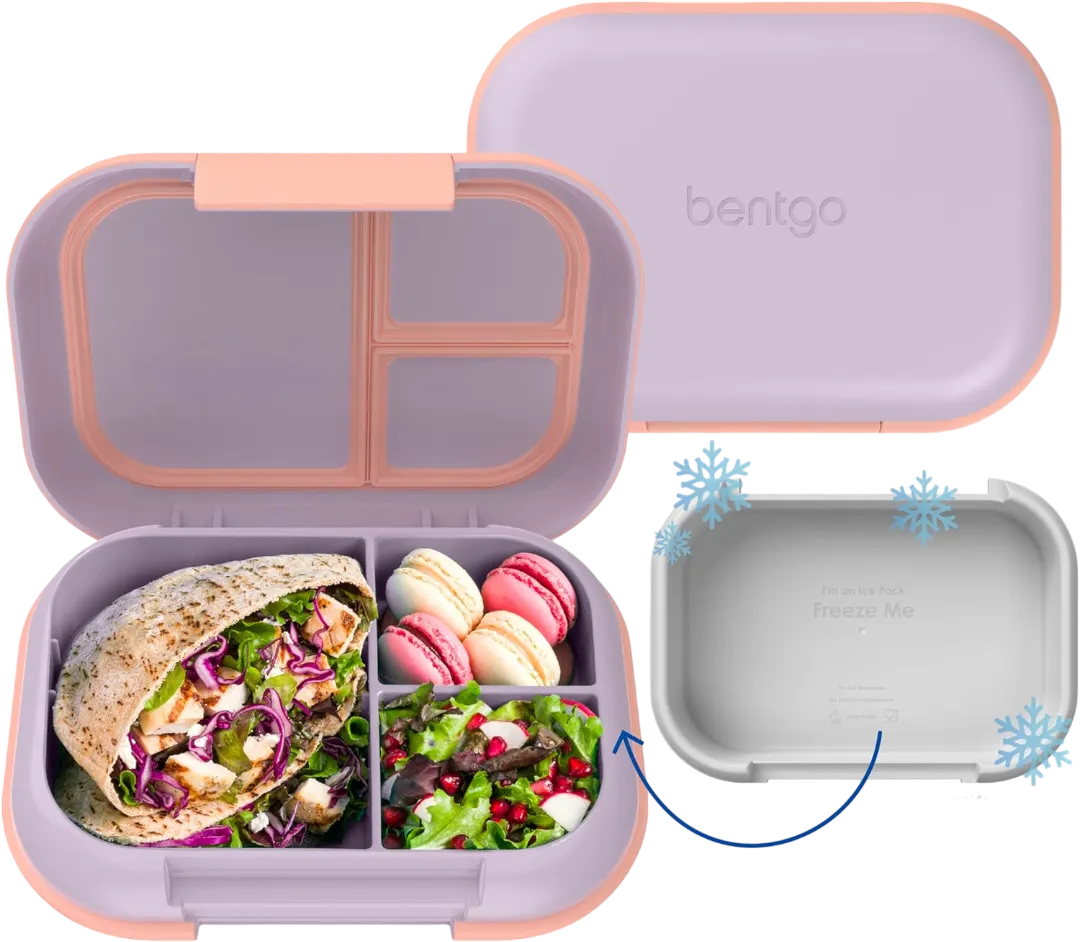
Bentgo Chill Max Lunch Box
it’s perfect for anyone who wants cute, organized, Instagram-able gluten-free lunches. The built-in ice pack keeps things fresh, the compartments are perfect for snacks, dips, and small portions, and it’s leak-proof (so your hummus doesn’t redecorate your tote bag). Ideal for school, work, picnics, travel days, or long study sessions.
3. Gluten-Free Lunch Box Ideas for Work vs. School
Work lunches and school lunches share the same gluten-free fundamentals, but the details differ—especially when you’re factoring in allergy policies, picky eaters, and how much time you actually have to eat.
Gluten-Free Lunch Ideas for Work
For work, focus on meals that keep you comfortably full and don’t require much fuss to eat at your desk or in a shared break room.
Work-Friendly Ideas
- Leftover bowl lunches: Last night’s roasted chicken, roasted veggies, and rice packed in a single container with a small side of sauce or dressing.
- Mason jar salads: Dressing at the bottom, then hearty veggies (cucumber, carrots, beans), then protein, and finally greens on top. Tip it into a bowl or shake and eat straight from the jar.
- Soup and salad combo: A thermos of gluten-free soup plus a simple side salad or fruit.
- Adult snack box: A balanced mix of protein (cheese, eggs, chicken salad), gluten-free crackers, nuts or seeds, veggies, and fruit.
Because you may have longer gaps between meals, don’t forget add-ons: a mid-morning snack or an afternoon mini-meal can help stabilize energy and prevent vending-machine emergencies.
Gluten-Free Lunch Ideas for School
For kids, you’re often working with limited time, limited eating support (especially for younger kids), and sometimes peanut or tree-nut restrictions. The goal is to pack food that’s easy to eat, familiar, and safe in a shared environment.
Kid-Friendly Gluten-Free Ideas
- DIY lunchable box: Gluten-free crackers, ham or turkey slices, cheese cubes, cucumber slices, and fruit.
- Mini muffins & snack plate: Gluten-free savory or sweet mini muffins, carrots, snap peas, hummus, and berries.
- Breakfast-for-lunch: Leftover gluten-free pancakes or waffles spread with nut/seed butter, plus yogurt and fruit (if dairy is tolerated).
- Skewer-style lunches: Thread cheese, grape tomatoes, and gluten-free deli meat on skewers (use kid-safe sticks), plus crackers and fruit.
If your child’s school has food restrictions, coordinate with teachers or staff so they understand gluten-free needs and cross-contact concerns—especially if there are class parties or shared snacks.
Handling Shared Spaces and Social Settings
Whether at work or school, shared spaces can be a source of gluten crumbs. A few simple habits help you stay safer:
- Use your own utensils instead of shared office cutlery when possible.
- Avoid toasters or sandwich presses that are also used for regular bread.
- Place lunch boxes on a napkin or placemat to avoid crumbs on tables.
- Talk with coworkers or teachers about not sharing food if gluten is a concern for you or your child.
The more prepared you are, the easier it is to say “I’m good, I brought my own” without stress.
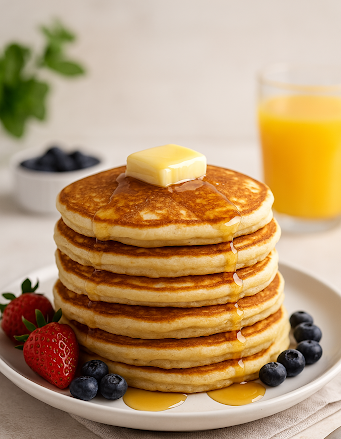
Recipe Inspiration
Try these gluten-free staples loved by thousands:


4. Make-Ahead Prep Tips and Time-Savers
Consistent gluten-free lunches don’t come from morning-of panic—they come from a simple routine you can repeat each week. You don’t need marathon meal prep sessions; small habits go a long way.
Create a Weekly Lunch “Short List”
Instead of scrolling for ideas every Sunday, pick 3–5 go-to lunches to repeat for the week. For example:
- Monday/Wednesday: Chicken salad with crackers and veggies
- Tuesday/Thursday: Grain bowl with rice, beans, and veggies
- Friday: Snack-box style lunch
Write these on a sticky note or in your planner, then build your grocery list from there. Repeating meals saves time, money, and decision fatigue.
Batch Prep Key Components
You don’t need to prep full meals; just focus on building blocks:
- Cook proteins in bulk: Bake chicken breasts, hard-boil a batch of eggs, or cook a pot of beans to use all week.
- Prep grains: Make a big pot of rice or quinoa and portion it into containers.
- Wash and chop produce: Store carrots, cucumbers, peppers, and lettuce washed and ready to grab.
- Pre-portion snacks: Divide gluten-free crackers, nuts, or trail mix into small containers or bags.
Doing this once or twice a week means packing lunches becomes a quick assembly job, not a full cooking session.
Pack Lunches the Night Before
Mornings tend to be rushed. Whenever possible, pack lunches after dinner while the kitchen is already in “messy mode.” Future you will be very grateful.
- Portion leftovers directly into lunch containers.
- Keep cold components in the fridge and dry add-ons (like crackers) in a designated lunch bin.
- Set ice packs in the freezer so they’re always ready to go.
If kids are old enough, involve them: give them a simple checklist (1 protein, 1 fruit, 1 veggie, 1 snack) and let them help build their lunch with options you’ve already prepped.
Keep a “Backup Shelf” for Emergency Lunches
Life happens. Having a few shelf-stable or low-prep options on standby keeps you from getting stuck. Consider stocking:
- Tuna or salmon packets (check for gluten-free flavorings)
- Microwaveable rice cups (if you have access to a microwave)
- Shelf-stable hummus or nut/seed butter packets
- Gluten-free crackers, nuts, and dried fruit
- Pre-packaged gluten-free soup or chili (where available and suitable for you)
Pair a couple of these with fresh fruit or pre-washed veggies, and you have a last-minute lunch that still feels intentional.
5. Cross-Contact, Storage, and Safety Essentials
Even the most thoughtfully planned gluten-free lunch can be compromised if it’s not packed or stored safely. A few small systems can protect both your health and your food quality.
Minimizing Cross-Contact at Home
If you share a kitchen with gluten-eaters, lunch prep is where cross-contact can sneak in. Some practical safeguards:
- Have a dedicated gluten-free cutting board and knife, especially for bread or baked goods.
- Keep a separate gluten-free jam, butter, and condiments if gluten crumbs are an issue in shared jars.
- Store your gluten-free bread and snacks on their own shelf or bin.
- Wipe down counters before making lunches, especially near toasters or bread areas.
These steps help ensure that the food you carefully packed stays safely gluten-free.
Keeping Food at a Safe Temperature
Most protein- and dairy-rich lunches need to stay cold until it’s time to eat. To help maintain safe temperatures:
- Use an insulated lunch bag or box with a properly frozen ice pack.
- Chill food in the fridge before packing so you’re not starting with warm ingredients.
- Place the ice pack on top of the food rather than at the bottom—cold air sinks.
- Store lunches in a fridge at work or school if available, especially on very warm days.
For hot items, use a well-insulated thermos and preheat it with hot water before adding soup or leftovers.
Labeling and Communication
Clear labels and communication can make a big difference, particularly for kids or shared fridges:
- Label your lunch containers with your name so they aren’t moved or mixed up.
- For kids, consider adding a simple note or sticker indicating “gluten-free” as a reminder to teachers or caregivers.
- Let coworkers know not to “borrow” parts of your lunch if cross-contact is a concern—for example, dipping their bread in your hummus.
The more people understand your gluten-free needs, the easier it is to keep your food safe.
Building a Sustainable Routine
Packed lunches work best when they’re sustainable for you long-term. That means:
- Choosing lunches you actually enjoy—not just what you think you “should” eat.
- Rotating a few favorite ideas so you don’t burn out on any one meal.
- Making small changes over time instead of trying to overhaul everything in one week.
With a bit of planning, your gluten-free lunch box can shift from last-minute stress to one of the easiest, most reliable parts of your routine.
Key Takeaways
- Build gluten-free lunches around a simple framework of protein, carbs, healthy fats, and colorful fruits and vegetables.
- Use mix-and-match ideas like salad boxes, grain bowls, wraps, snack plates, and leftovers to keep lunches interesting without extra work.
- Adapt your lunch strategy to your setting—work or school—while planning for real constraints like time, storage, and access to a microwave.
- Save time with small, consistent prep habits such as batching proteins and grains, pre-cutting produce, and packing lunches the night before.
- Protect your hard work by minimizing cross-contact, keeping food at safe temperatures, and communicating gluten-free needs in shared spaces.
Take the Next Step in Your Gluten-Free Journey
- Download the Free EGF Starter Guide
- Try our Gluten-Free Planner to simplify your week
- Explore our growing recipe library
You don’t have to navigate the gluten-free lifestyle alone, we are here to make it easier every day.
Category: Lunch Ideas