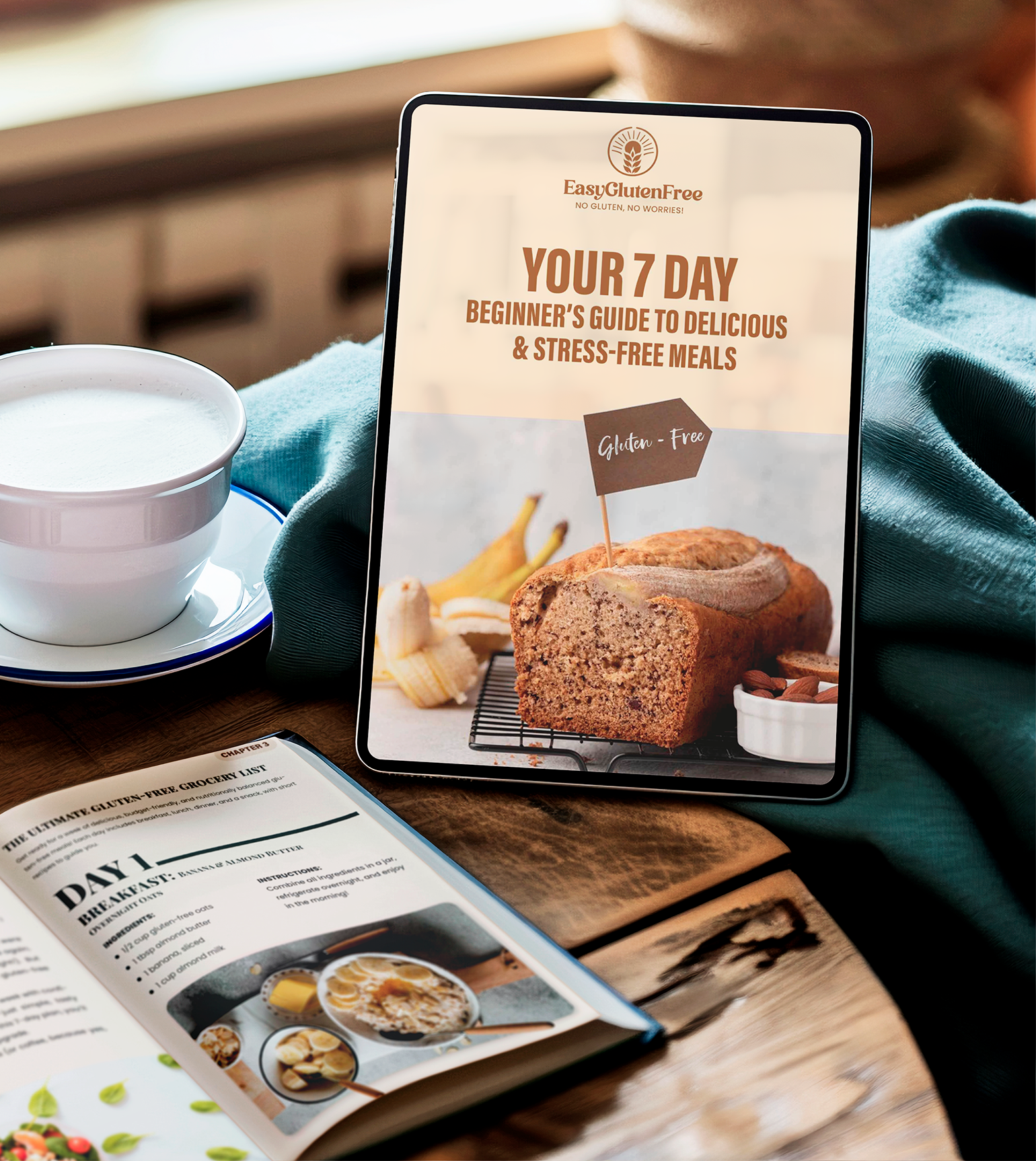
Download the Ultimate Gluten-Free Snack Survival Guide

The Ultimate Guide to Gluten-Free Snack Boxes: Safe, Easy, and Always Ready
Gluten-free snack boxes can be a total game changer when you’re tired, busy, traveling, or just overthinking every single ingredient list. In this guide, we’ll walk through how to choose safe gluten-free snack boxes, what to look for on labels, smart ways to use them in real life, and mistakes to avoid—so you can always have something safe, tasty, and ready to go.
Download Our Free Gluten-Free Starter Guide
- 7-day meal plan
- shopping list
- Tips & 3 beginner-friendly recipes
Introduction
If you live gluten free, you already know that snacks are where things can go sideways fast. Last‑minute meetups, office parties, road trips, delayed flights—everyone else dives into the chips and cookies, and you’re left doing detective work on the back of a crinkled bag or eating nothing at all. That’s exactly where gluten-free snack boxes shine.
Gluten-free snack boxes bundle individually packaged options into one ready-to-go stash. When chosen carefully, they can give you peace of mind, reduce decision fatigue, and make it much easier to say “yes” to plans without worrying what you’ll eat. But not all snack boxes are created equal. “Gluten friendly,” “no gluten ingredients,” and similar phrases can be confusing—and sometimes risky if you need to strictly avoid gluten.
This guide breaks down how to confidently choose and use gluten-free snack boxes so they actually make your life easier. We’ll talk about label red flags, how to use snack boxes for travel and social events, how to balance treats and nutrition, and how to build your own backup stash at home, at work, and in your car. Think of this as your blueprint for never being caught snackless again.
1. Why Gluten-Free Snack Boxes Are a Lifesaver
Gluten-free snack boxes combine convenience with peace of mind. Instead of hunting down safe food every time you leave the house, you can lean on a curated set of individually wrapped options that are already vetted as gluten free. When you’re tired, stressed, traveling, or just busy living your life, that matters more than you think.
Here are a few ways gluten-free snack boxes can make your day-to-day life easier:
- Instant backup for social situations. Keep a box at home or in your car so you can quickly throw a few snacks into your bag before heading to someone else’s house, a game night, or a potluck.
- Less label-reading on the spot. Instead of squinting at every ingredient list at the office or in an airport shop, you already know what’s safe in your stash.
- Built-in variety. Most snack boxes include a mix of salty, sweet, crunchy, and sometimes protein-focused options, which keeps boredom at bay.
- Perfect for sharing. Having an assortment of individually wrapped snacks means you can offer something to others while still keeping your gluten-free needs clear and safe.
They’re especially helpful if you’re newly gluten free and still building up your list of “safe brands.” A snack box can introduce you to options you might not have picked up on your own, without having to commit to big boxes of something you’re not sure you’ll like.
Snack boxes also reduce “food stress.” Knowing you have reliably gluten-free snacks available can make it much easier to focus on the actual event, trip, or workday in front of you instead of constantly scanning for food you can eat. Over time, that mental relief adds up.
2. How to Choose a Safe Gluten-Free Snack Box
With so many snack boxes online, it’s important to choose ones that align with your gluten-free needs. Some people avoid gluten because it makes them feel better; others must avoid it completely due to medical reasons. Your level of sensitivity affects how carefully you’ll need to vet a product.
Here are key things to look for when comparing gluten-free snack boxes:
- Clear “gluten-free” labeling. Look for products labeled “gluten free” on the packaging or in the product description, rather than vague phrases like “no gluten ingredients.”
- Dedicated gluten-free production, when possible. If you’re highly sensitive, favor brands that state they’re made in a gluten-free facility or that follow specific protocols to avoid cross-contact, as described on their website or packaging.
- Full ingredient transparency. A good snack box will either show you the included product list or link to the brands so you can double-check ingredients if needed.
- Balanced mix of treats and fuel. Look for a mix of chips or sweets plus some nuts, bars, or protein-focused snacks so you’re not relying solely on sugar when you’re hungry.
- Individually wrapped items. This is essential for real-world use: travel, work, school, or stashing in your car or bag.
Pay close attention to any allergy disclaimers as well. If you also avoid dairy, soy, or nuts, make sure to cross-check the product list. Many gluten-free boxes highlight when they also fit additional dietary needs, but the fine print still matters.
It can also be worth reading reviews specifically from other gluten-free customers. They often mention whether the snacks are clearly labeled, if anything was substituted, or if the box included unexpected items that didn’t match the description. Over time, you’ll start to recognize brand names you feel confident buying again and again.
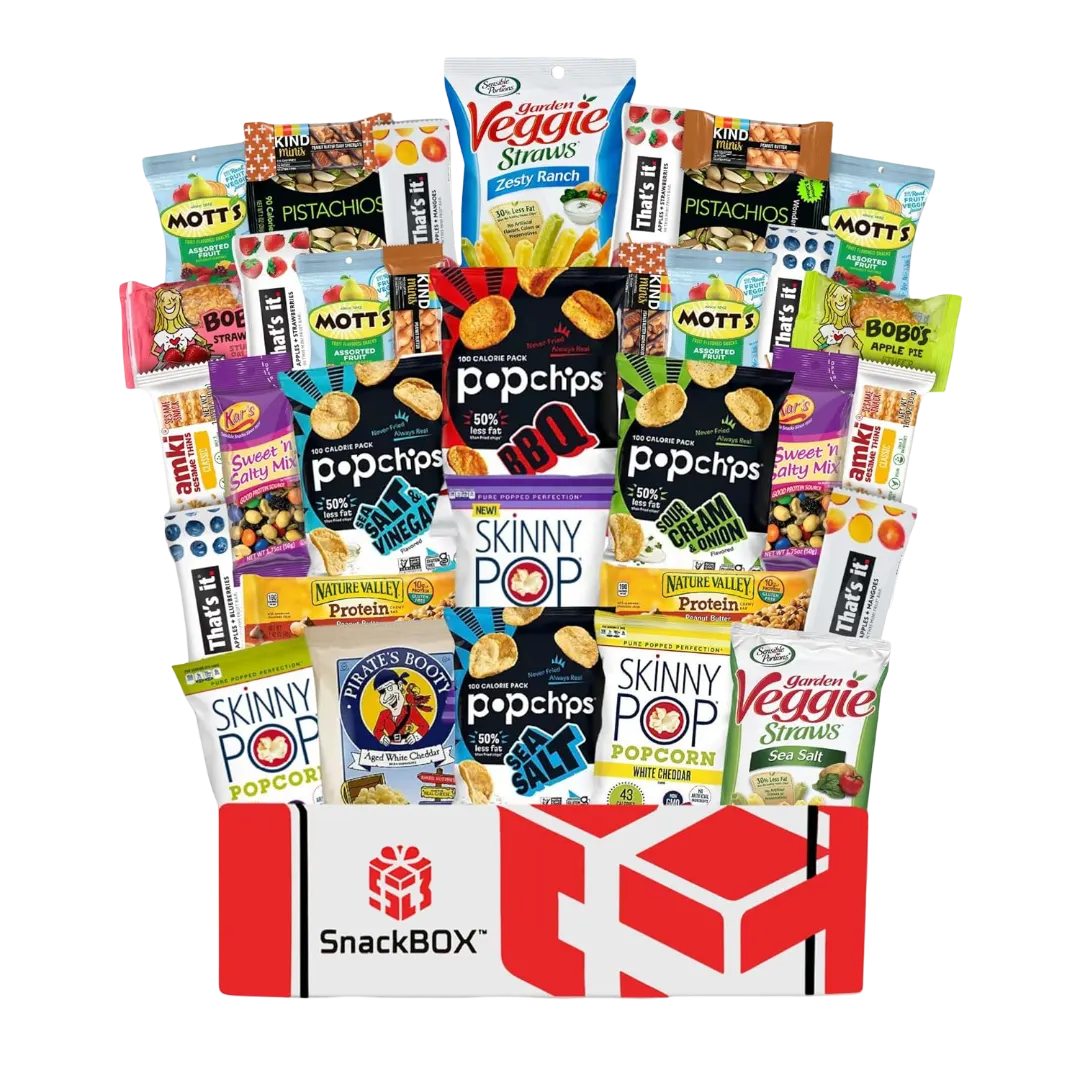
Snack BOX Gluten Free Healthy Care Package
This box is basically “emergency gluten-free social survival” in one package. It’s packed with individually wrapped snacks you can throw into your bag, keep at the office, bring to movie nights, or stash in your car so you don’t end up nibbling sad plain lettuce while everyone else has chips. Great for sharing, hosting, travel, or just living your best snack-gremlin life — gluten free.
3. Smart Ways to Use Snack Boxes in Everyday Life
Once you’ve found a gluten-free snack box that works for you, the real magic is in how you use it. Instead of tearing through it in a weekend, treat it like your personal emergency kit and snack library.
Here are some practical ways to put gluten-free snack boxes to work:
Keep a “just in case” stash in key places
- At work: Dedicate a drawer or container in your desk to gluten-free snacks. This saves you when a meeting runs long or surprise pastries appear in the breakroom.
- In your car: Choose items that handle heat or cold reasonably well (think nuts, certain bars, or simple chips). This stash saves you on long drives, traffic jams, or when every roadside stop is questionable.
- In your carry-on: Airports and planes are notorious for limited gluten-free options. A few safe, individually wrapped snacks can turn a stressful travel day into something much more manageable.
Use snack boxes to smooth out social events
Snacks can make or break social situations when you’re gluten free. A snack box helps you show up prepared without making food the entire focus of the event.
- Game nights and movie nights: Bring a small bowl of snacks to share plus a few extra options you keep just for yourself, so you’re never stuck if everyone else’s snacks turn out to be off limits.
- Kids’ activities: For parents, having a gluten-free stash in your bag makes it easier when post-game treats or birthday party snacks are a surprise.
- Overnights and travel with friends: Pack a zip bag with an assortment from your snack box so you have something familiar no matter what’s on offer.
Make snack boxes part of your weekly routine
You can also think of gluten-free snack boxes as part of your meal prep routine. On a weekend or quiet evening:
- Open your box and sort snacks into categories (salty, sweet, higher protein, kid-friendly, etc.).
- Pre-pack “grab and go” snack bags for work, school, or the gym.
- Set a simple rule for yourself like “always keep three snacks in my bag” and restock from the box as needed.
This small bit of planning keeps you from getting caught off guard—and it can also help you avoid impulse buys at vending machines or convenience stores where gluten-free choices might be limited.
Recipe Inspiration
Try these gluten-free staples loved by thousands:



4. Building Your Own Gluten-Free Snack Box
If you’d rather DIY your gluten-free snack box—or supplement a pre-made one—you absolutely can. The goal is to create a mix that fits your tastes, your schedule, and your level of sensitivity to gluten.
Step 1: Choose your categories
Start by choosing a few basic snack “buckets” to aim for:
- Crunchy & salty: gluten-free crackers, rice cakes, popcorn, or clearly labeled gluten-free chips.
- Sweet: gluten-free cookies, fruit leathers, dark chocolate, or small candy packs labeled gluten free.
- Protein-focused: nuts, seed mixes, some jerkies, or gluten-free protein bars.
- Everyday, low-mess options: snacks that won’t melt, crumble everywhere, or get crushed easily in a bag.
Think about where you’ll be using your snacks most: at your desk, in the car, on planes, or at kids’ events. Let that guide your mix.
Step 2: Read labels with a system
When shopping for any gluten-free snack, consistency is key. Get in the habit of checking:
- The front of the package: Look for a clear “gluten free” statement, not just buzzwords.
- The ingredient list: Scan for obvious gluten sources like wheat, barley, rye, malt, and certain flavorings.
- Any allergy statements or “may contain” notes: If you’re highly sensitive, this may influence what you buy.
Once you’ve vetted a snack you like, add it to a running list in your phone or planner so you don’t have to repeat the detective work every time.
Step 3: Store and rotate your stash
To keep your gluten-free snack box fresh and useful:
- Use a container, basket, or bin for home, plus smaller pouches or zip bags for on-the-go.
- Put snacks with shorter dates toward the front so they’re eaten first.
- Once a month, do a quick “snack audit” to rotate, restock, and toss anything past its prime.
Over time, you’ll notice your personal patterns: the snacks you always reach for, the ones that migrate to the back, and the “only when desperate” options. Use that insight to fine-tune what you buy next time.
5. Common Mistakes to Avoid with Gluten-Free Snacks
Even with the best gluten-free snack box, a few common pitfalls can still cause frustration. Being aware of them upfront helps you avoid wasted money, stress, and disappointment.
1. Assuming “no gluten ingredients” means gluten free
Some products highlight that they don’t contain gluten ingredients, but they may still be made on shared equipment or in a facility that processes wheat. If you need to be very strict, look for products clearly labeled “gluten free” and, when needed, check the brand’s website for more details.
2. Relying only on snacks for real meals
Snack boxes are incredibly helpful for gaps between meals or as emergency backups, but they’re not a complete replacement for balanced meals. Try to pair snacks with something more substantial when you can—like fresh fruit, yogurt, hard-boiled eggs, or leftovers from a gluten-free meal.
3. Forgetting to restock your stash
It’s easy to dip into your bag, desk, or car stash and forget to refill it—until the moment you need it most. Setting a simple reminder once a week to check and restock can keep your system running smoothly.
4. Ignoring your personal preferences
If your gluten-free snack box is filled with things you don’t actually enjoy, you won’t reach for them. Pay attention to what you finish first and what lingers. Over time, shift your box toward snacks that genuinely feel satisfying to you.
5. Not communicating at social events
Bringing your own gluten-free snacks is a smart move, but it can also help to casually mention your gluten-free needs to the host when appropriate. That way, your snacks feel like backup support rather than the only thing you can eat in the room.
With a bit of planning and the right gluten-free snack box on hand, you can move through your days, travels, and social life feeling a lot more prepared—and a lot less at the mercy of whatever random snack shows up.
Key Takeaways
- Gluten-free snack boxes offer ready-to-go, individually wrapped options that reduce food stress and last-minute label reading.
- Look for clearly labeled gluten-free products, ingredient transparency, and a balanced mix of salty, sweet, and higher-protein snacks.
- Use snack boxes strategically in your car, at work, during travel, and at social events so you’re never left without a safe option.
- You can build your own gluten-free snack box by choosing a few core categories, reading labels consistently, and rotating your stash.
- Avoid common mistakes like assuming “no gluten ingredients” equals gluten free, forgetting to restock, or filling your box with snacks you don’t enjoy.
Take the Next Step in Your Gluten-Free Journey
- Download the Free EGF Starter Guide
- Try our Gluten-Free Planner to simplify your week
- Explore our growing recipe library
You don’t have to navigate the gluten-free lifestyle alone, we are here to make it easier every day.
Category: Gluten-Free Snacks