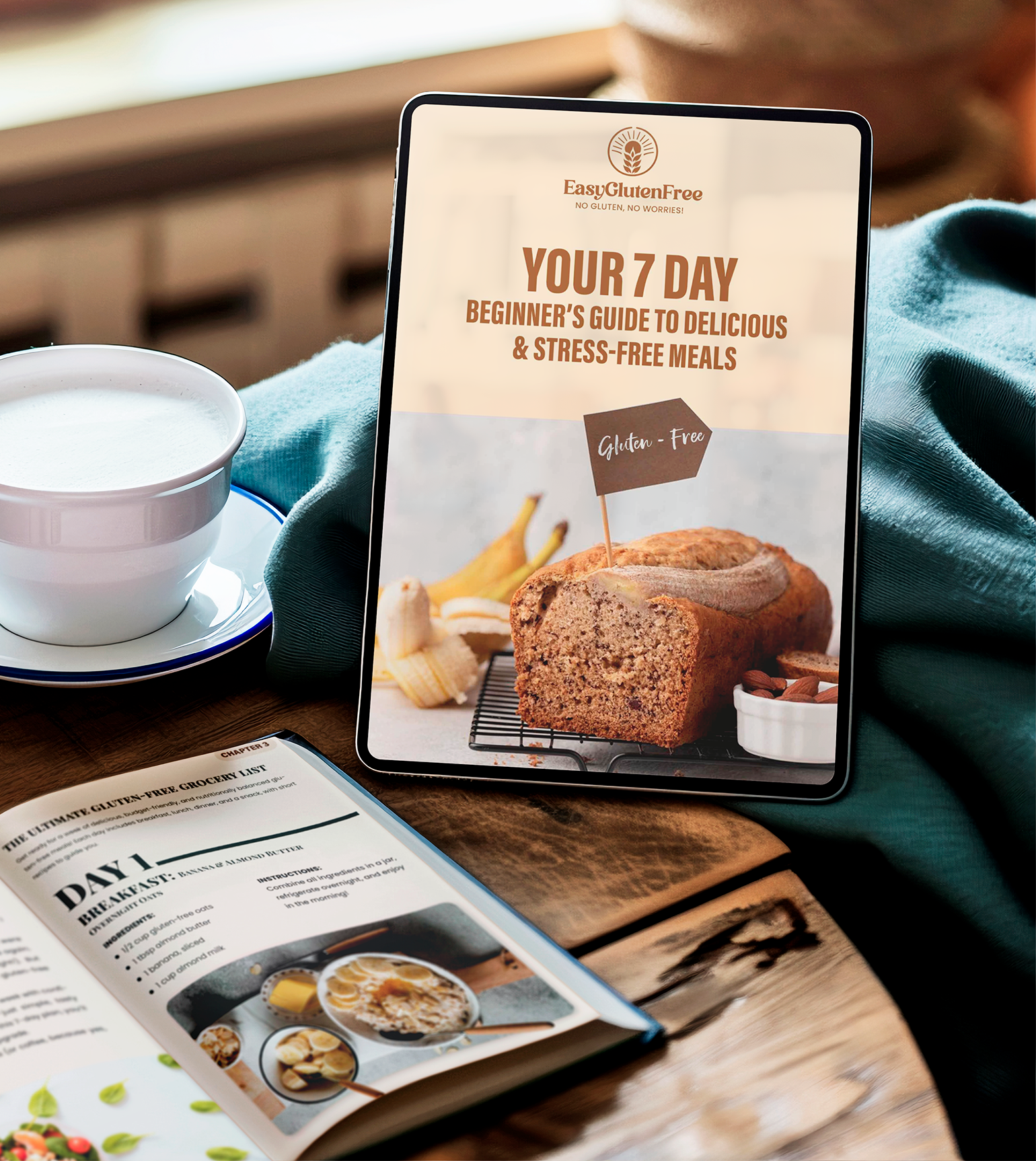
Download the Ultimate Gluten-Free Flour & Baking Guide (So Your Bakes Actually Work)

Gluten-Free Flour 101: How to Choose, Use & Substitute Flours for Foolproof Baking
Gluten-free baking doesn’t have to be hit-or-miss. Once you understand how different gluten-free flours behave—and when to use a trusted 1:1 blend—you can turn out pancakes, cookies, and quick breads that taste just as good as the gluten-filled versions. This guide walks you through gluten-free flour basics, smart substitutions, and practical tips so your next bake is a win, not a “learned a lesson.”
Download Our Free Gluten-Free Starter Guide
- 7-day meal plan
- shopping list
- Tips & 3 beginner-friendly recipes
Introduction
Switching to gluten-free baking is a bit like switching to a new language: the alphabet looks familiar, but the grammar is totally different. The “grammar” of gluten-free baking is flour—what you choose, how much you use, and what you pair it with. When you get that right, everything else becomes easier: brownies are fudgy, muffins rise, and pancakes don’t fall apart on the griddle.
The confusing part? There isn’t just one gluten-free flour. There are dozens: rice, sorghum, almond, coconut, tapioca, potato, buckwheat, corn, and then the flour blends. Some are light and starchy, some are hearty and whole-grain, some soak up a ton of liquid, and some barely absorb any at all. Treat them all the same, and you end up with gummy bread one day and crumbly cookies the next.
This guide is your friendly roadmap through that chaos. You’ll learn the core types of gluten-free flours, when it makes sense to rely on a reliable 1:1 blend, how to substitute flours without tanking a recipe, and how to troubleshoot the most common problems. Whether you’re brand-new to gluten-free or just tired of baking “experiments,” you’ll walk away with clear, practical steps you can use in your very next recipe.
1. Understanding Gluten-Free Flours: The Basics
Gluten is the protein in wheat, barley, and rye that gives dough its stretch and bakes its structure. Once you remove it, you’re essentially asking a pile of ground grains and starches to act like a bouncy, elastic dough—without any help. That’s why gluten-free baking often calls for a blend of flours and starches rather than relying on just one.
To make sense of the options, it helps to group gluten-free flours into three main categories, each with a specific job in your baking:
1.1 Whole-Grain Gluten-Free Flours
These flours bring flavor, color, and nutrition to your baking. They also tend to add structure and a heartier crumb.
- Brown rice flour – Mild, versatile, and common in blends. Good for cookies, cakes, and breads when paired with starches.
- Sorghum flour – Soft, slightly sweet, and similar to wheat in flavor. Works well in muffins, quick breads, and pancakes.
- Oat flour (certified gluten-free) – Buttery, comforting flavor. Great in cookies, bars, and snack cakes. Always look for certified gluten-free if you’re sensitive.
- Buckwheat flour – Earthy and robust. Lovely in pancakes, waffles, and rustic breads when not used as the only flour.
Whole-grain flours are the “body” of your blend. Use too much, and bakes can feel heavy. Use too little, and you may end up with something pale and bland.
1.2 Starches and Light Flours
Starches help mimic the lightness and chew that gluten usually gives. They’re rarely used alone but are essential in most gluten-free blends.
- Tapioca starch – Adds chew, elasticity, and a nice golden color. Great in breads, pizza crust, and chewy cookies.
- Potato starch – Adds tenderness and helps keep baked goods moist.
- Cornstarch – Lightens texture and is often used in cakes and cookies.
- White rice flour – Technically a flour, but behaves very much like a starch. Useful for lightening blends but can be gritty in large amounts.
The role of starches is to balance out whole-grain flours. They help your recipes feel less dense and more bakery-style.
1.3 Nut & Specialty Flours
These are powerful “character” flours. A little goes a long way, and they can easily dominate a recipe if overused.
- Almond flour – Moist, rich, and slightly sweet. Popular in cookies, shortbread, and grain-free cakes.
- Coconut flour – Extremely absorbent. Requires extra eggs and liquid. Best in recipes specifically developed for it.
- Chickpea/garbanzo flour – High in protein, slightly nutty, sometimes “bean-y.” Great in flatbreads and savory bakes.
Because these flours behave very differently from grain flours, you don’t usually swap them in 1:1. Instead, look for recipes designed to use them—or pair a small amount with a reliable all-purpose gluten-free blend.
1.4 Why Blends Work Better Than Single Flours
Most traditional recipes were developed for wheat flour, which brings structure, stretch, and tenderness all in one ingredient. No single gluten-free flour can do that job alone. Blends work because they combine:
- A whole-grain flour for flavor and structure
- One or more starches for lightness and tenderness
- Sometimes a binder like xanthan gum or guar gum to help everything hold together
You can absolutely mix your own blends if you enjoy experimenting, but for everyday baking—especially when you just want pancakes on the table—a pre-mixed gluten-free 1:1 flour is usually the least stressful option.
2. When to Use a 1:1 Gluten-Free Flour Blend
Gluten-free flour blends that are labeled “1:1” or “measure for measure” are designed to replace wheat all-purpose flour in recipes, cup for cup. For busy home bakers, they’re the closest thing to a shortcut you’ll find. You don’t have to pull out five bags of flour, measure ratios, or worry about whether you got the starch balance right—the blend is already tested.
The key is knowing when a 1:1 gluten-free blend is the right tool for the job and when you’re better off using a specialty recipe instead.
2.1 Best Uses for a 1:1 Blend
You’ll get the most reliable results using a quality gluten-free 1:1 flour in:
- Pancakes and waffles – Great rise, tender crumb, and easy mixing. Most classic pancake recipes adapt beautifully.
- Cookies – Chocolate chip, sugar cookies, and oatmeal cookies generally do well; the fat and sugar help with structure.
- Quick breads – Banana bread, pumpkin bread, and zucchini bread usually adapt with minimal changes.
- Muffins – Especially recipes that already use yogurt, buttermilk, or oil for moisture.
- Basic cakes – Snack cakes, sheet cakes, and cupcakes often work with a straight swap, especially if the recipe isn’t ultra-delicate.
In these recipes, gluten isn’t doing a ton of heavy lifting—the batter is fairly loose, and there’s plenty of moisture and fat to keep the crumb soft. A solid 1:1 blend can slide right in.
2.2 Recipes That Need a Gluten-Free Specific Version
Some baked goods are much more dependent on wheat gluten to develop structure. In those cases, it’s usually better to use a recipe written specifically to be gluten-free instead of simply swapping the flour.
- Yeast breads and sandwich loaves – These often need a different hydration level, binders, and sometimes psyllium husk to mimic gluten.
- Shaped breads (baguettes, pretzels, bagels) – Gluten-free dough handles very differently; look for a tried-and-tested GF recipe.
- Delicate layer cakes and sponges – These can work with 1:1 flour, but success is more variable. Start with a well-reviewed gluten-free recipe.
- Pastries and laminated doughs – Croissants, puff pastry, and similar items have their own gluten-free techniques.
Could you still experiment with a straight substitution? Of course. But if you want dependable results—especially for special occasions—using a recipe that was created and tested to be gluten-free will save you time and ingredients.
2.3 How to Swap a 1:1 Blend Into Your Favorite Recipe
When you’re ready to convert a wheat-based recipe with a 1:1 gluten-free flour blend, follow these guidelines:
- Measure by weight if you can. If the recipe lists grams, follow those. If not, spoon the flour into the measuring cup and level it off; don’t pack it down.
- Mix the batter gently. You don’t have to worry about “overworking” gluten, but vigorous mixing can still knock out air and make some batters dense.
- Let the batter rest 5–10 minutes before baking. This gives the flours and starches time to hydrate, improving texture and reducing grittiness.
- Check for doneness with visual cues. Gluten-free bakes sometimes need a few extra minutes. Look for golden edges, a springy top, and a clean toothpick.
Once you find a 1:1 blend you trust, you’ll start to get a feel for exactly how it behaves in your kitchen—for example, whether your cookies spread a little more, or your muffins need one extra tablespoon of milk.
Bob’s Red Mill Gluten Free 1 to 1 Baking Flour
This is the gold-standard gluten-free all-purpose flour. It behaves beautifully in pancakes, muffins, cookies, quick breads — and it’s the ideal flour to recommend in ANY practical baking guide. Reliable, consistent, and approved by thousands of gluten-free home bakers. Perfect for articles about technique, substitutions, and baking success.

3. How to Substitute Gluten-Free Flours Without Ruining the Recipe
Substituting gluten-free flours is where most baking disasters happen. Swapping almond flour for rice flour, or coconut flour for a 1:1 blend, seems harmless—until your batter seizes up or your cookies melt into a single sheet on the pan. The good news: once you understand which flours are “close cousins” and which ones play by totally different rules, you can make much smarter swaps.
3.1 Simple, Safer Substitutions
These swaps are generally the most forgiving, especially in cookies, muffins, and quick breads:
- 1:1 gluten-free flour ↔ another 1:1 gluten-free flour – Different brands do vary, but in most baked goods you can trade them cup for cup. Expect subtle changes in texture rather than total failure.
- Brown rice flour ↔ sorghum flour – Both are whole-grain, mild, and often interchangeable as part of a blend (not necessarily as the only flour).
- Potato starch ↔ cornstarch – These can often be swapped in small amounts in blends or as thickeners, though potato starch tends to make bakes a bit more tender.
Whenever you do any substitution, start small: change 25–30% of the flour in a recipe instead of the full amount, bake, and take notes. If it works, then scale the change next time.
3.2 High-Risk Substitutions (Proceed With Caution)
Some flours behave so differently that direct substitution almost never works:
- Coconut flour – Incredibly thirsty. Swapping it 1:1 for any other flour will usually give you a dry, crumbly, or strangely thick batter. Only use it in recipes developed for coconut flour.
- Almond flour – Much heavier and higher in fat than grain flours. It doesn’t absorb liquid the same way, and it browns faster.
- Chickpea or bean flours – Strong flavor and different protein structure. Swapping these into sweet bakes can throw off both taste and texture.
If a recipe is written specifically for almond flour, coconut flour, or chickpea flour, treat it like a different category of baking—not as a direct stand-in for a 1:1 all-purpose blend.
3.3 Adjusting Liquid, Fat, and Binders
When you do change flours, you’ll often need to adjust other parts of the recipe. Three levers make the biggest difference:
- Liquid – Heavier, whole-grain flours and coconut flour may need more liquid. If your batter looks thicker than usual, add milk or water 1 tablespoon at a time.
- Fat – A touch more butter or oil can help offset dryness when using leaner flours like rice or sorghum.
- Binders – Xanthan gum, guar gum, psyllium husk, or even extra eggs help hold gluten-free bakes together.
If your blend doesn’t already include a binder, a common rule of thumb is 1/4 teaspoon xanthan gum per cup of flour for cookies, and up to 1/2 teaspoon per cup for breads or pizza dough. Always check the packaging first—many 1:1 blends already have xanthan gum mixed in.
3.4 Visual Cues: Let the Batter Guide You
Because every brand and blend is a bit different, one of the best skills you can build is learning to read your batter or dough:
- Cake and muffin batter should be pourable but not watery—like thick pancake batter.
- Cookie dough should hold its shape on a spoon, not run off in ribbons.
- Quick bread batter is usually thick enough to mound slightly in the pan, but still spread on its own.
If your batter is much thicker than that, loosen it with a splash of liquid. If it’s soupy, add a tablespoon or two of your flour blend until it looks closer to the standard version you’re used to.
Recipe Inspiration
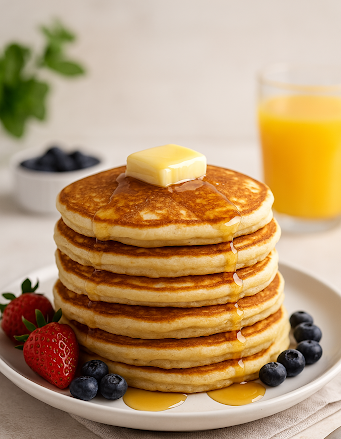
Try these gluten-free staples loved by thousands:


4. Gluten-Free Baking Tips for Better Texture & Flavor
Once you’ve picked the right flour or blend, a few small technique tweaks can dramatically improve your results. Many frustrations with gluten-free baking come not from the flour itself, but from treating gluten-free batter exactly like wheat-based batter.
4.1 Hydration: Let It Rest
Gluten-free flours and starches often need a little extra time to fully hydrate. If you’ve ever had gritty or sandy textures in your baking, this simple step can help:
- After mixing your batter (especially for cakes, muffins, pancakes, and quick breads), let it sit for 5–15 minutes before baking or cooking.
- For yeast doughs, a slightly longer rest—20–30 minutes—can help the dough firm up and become easier to handle.
This rest time lets the flour absorb moisture, which softens the crumb and reduces graininess without any extra effort from you.
4.2 Use the Right Pan and Fill Level
Gluten-free batters don’t always rise in exactly the same way as wheat-based ones. To avoid underbaked centers or collapsed loaves:
- Don’t overfill pans. Aim to fill muffin cups about 2/3 to 3/4 full and loaf pans roughly half full.
- Prefer lighter-colored metal pans for more even baking; dark pans can brown the outside before the center is done.
- Spread batter evenly so it bakes at the same rate across the pan.
If your bakes routinely collapse, reduce the pan size slightly or bake at a slightly lower temperature for a bit longer to help the structure set.
4.3 Check Doneness Differently
Because gluten-free baked goods can look done on the outside but still be underbaked inside, it’s worth using multiple cues to check:
- Color – Look for light golden edges and a slightly deeper color on top.
- Touch – Gently press the center; it should spring back rather than stay indented.
- Toothpick test – Insert in the center; it should come out with a few moist crumbs, not wet batter.
When in doubt, add 3–5 more minutes and check again. Gluten-free bakes are often more forgiving of a tiny bit of extra time than underbaking.
4.4 Boost Flavor and Moisture
Gluten-free flours are sometimes described as “flat” or “chalky,” but thoughtful ingredients can completely transform that impression.
- Add vanilla and warm spices. Vanilla, cinnamon, nutmeg, and cardamom add depth and distract from any subtle aftertastes.
- Use brown sugar, honey, or maple syrup. These bring moisture and a caramel note that works beautifully with gluten-free flours.
- Incorporate moisture-rich ingredients. Think yogurt, sour cream, applesauce, mashed banana, or pumpkin puree—especially in quick breads and muffins.
These small tweaks make your gluten-free baking feel indulgent and full-flavored, not like a compromise.
4.5 Storage: Keeping Gluten-Free Bakes Fresher
Gluten-free baked goods can dry out more quickly than their wheat counterparts. To keep them enjoyable beyond day one:
- Cool completely before storing; otherwise condensation can make them soggy.
- Store at room temperature for 1–2 days in an airtight container, with a small piece of parchment between layers.
- Freeze for longer storage. Most gluten-free breads, muffins, and cookies freeze very well. Wrap tightly and thaw at room temperature or warm gently in the oven.
Baking once and freezing extras is a smart way to always have reliable gluten-free options on hand without turning your kitchen into a full-time bakery.
5. Simple Gluten-Free Baking FAQ for Everyday Cooks
Even with a solid understanding of gluten-free flours, a few questions come up over and over again. Here are straightforward answers to help you feel more confident the next time you pull out your mixing bowl.
5.1 Do I Always Need Xanthan Gum?
Not always. Many gluten-free flour blends already include xanthan gum or another binder. In that case, you usually don’t need to add more. Check your flour’s ingredient list—if it lists xanthan gum, guar gum, or similar, start by following the recipe as written without extra binders.
For single flours (like plain rice flour or sorghum flour) used in custom blends, a small amount of xanthan gum can improve structure and prevent crumbling, especially in breads and cookies.
5.2 Can I Replace All-Purpose Flour With a Gluten-Free Blend in Any Recipe?
You can try, but success is more likely in certain types of recipes. Pancakes, muffins, cookies, and many quick breads adapt well. Yeast breads, shaped breads, and delicate pastries usually need a recipe developed specifically for gluten-free baking to turn out reliably.
If you’re experimenting, start with a recipe that’s not fussy and take notes so you can tweak next time.
5.3 Why Are My Gluten-Free Bakes Gummy in the Middle?
Gummy texture can come from a few sources:
- The bake time was too short for the center to fully cook.
- The pan was too small, so the batter was very deep.
- The recipe had too much starch, too much binder, or too much liquid for the flour blend used.
Try baking a little longer at a slightly lower temperature, using a wider pan, or reducing liquid by 1–2 tablespoons next time.
5.4 Why Do My Gluten-Free Cookies Spread Too Much?
Over-spreading can be caused by too much fat, not enough flour, or warm dough going into the oven. To help:
- Chill cookie dough for 20–30 minutes before baking.
- Add 1–2 tablespoons of your flour blend if the dough seems unusually soft.
- Use parchment-lined, light-colored baking sheets and avoid greasing the pan.
A short chill is often all it takes to go from puddle-cookies to picture-perfect rounds.
5.5 What’s the Easiest Way to Start With Gluten-Free Baking?
If you’re just getting started, keep it simple:
- Choose a reliable gluten-free 1:1 flour blend.
- Start with forgiving recipes like pancakes, muffins, brownies, and simple cookies.
- Make one change at a time and write down what you did.
As your confidence grows—and you see that gluten-free baking really can be predictable and delicious—you can branch out into breads, pizza, and more elaborate desserts, knowing the flour fundamentals have your back.
Key Takeaways
- Gluten-free flours fall into clear categories—whole-grain, starches, and specialty flours—and each plays a different role in your baking.
- A good 1:1 gluten-free flour blend is the easiest way to convert everyday recipes like pancakes, muffins, cookies, and quick breads.
- Not all gluten-free flours swap well; coconut, almond, and bean flours need recipes designed specifically for them.
- Resting your batter, checking doneness carefully, and adjusting liquid or fat slightly can transform the texture of gluten-free bakes.
- Start with simple recipes, keep notes as you experiment, and rely on well-tested gluten-free recipes for trickier bakes like yeast breads and pastries.
Take the Next Step in Your Gluten-Free Journey
- Download the Free EGF Starter Guide
- Try our Gluten-Free Planner to simplify your week
- Explore our growing recipe library
You don’t have to navigate the gluten-free lifestyle alone, we are here to make it easier every day.
Category: Gluten-Free Baking Basics