The Best Gluten-Free Flours in 2025

Choosing the best gluten-free flours in 2025 can feel overwhelming, but with a bit of guidance—and some reliable pantry staples—you can absolutely bake bread, cakes, and cookies that no one will guess are gluten-free. Let’s walk through the most reliable flours, how to use them, and which blends are actually worth your money.
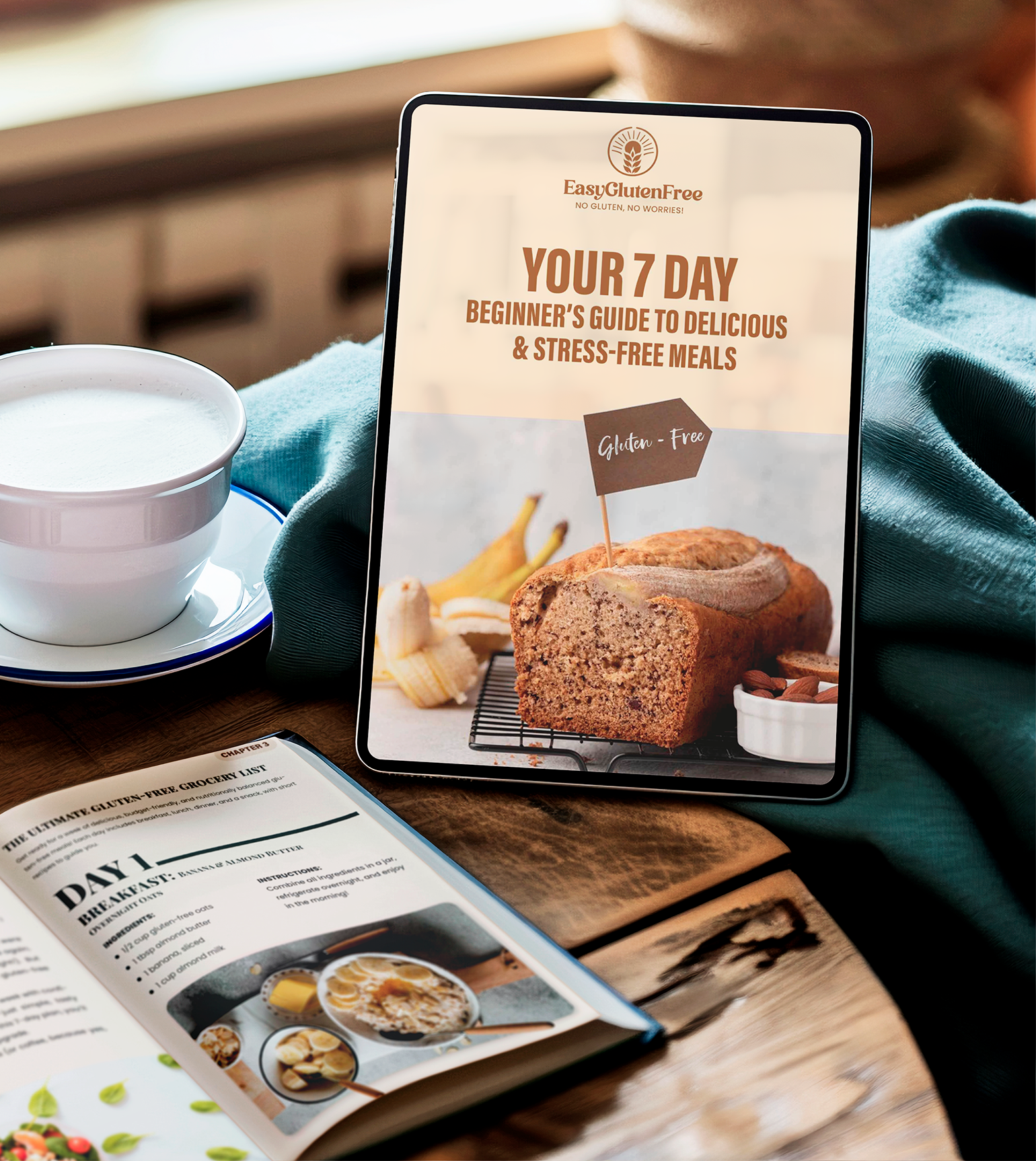
Download Our Free Gluten-Free Starter Guide
- 7-day meal plan
- shopping list
- Tips & 3 beginner-friendly recipes
Introduction
The gluten-free baking world has exploded over the last few years. In 2025, we’re spoiled with choice: almond flour, coconut flour, oat flour, sorghum flour, and countless gluten-free flour blends line the shelves. The downside? It’s harder than ever to know which gluten-free flours actually work, and which will leave you with gummy bread or crumbly muffins.
If you’re new to a gluten-free lifestyle—or you’ve been gluten-free for years but still feel intimidated by from-scratch baking—this guide is for you. We’ll break down the strengths and weaknesses of the most popular gluten-free flours, how to combine them, and how to avoid the most common mistakes people make when removing wheat from their recipes.
By the end, you’ll know which gluten-free flours deserve a permanent spot in your pantry, how to use them confidently in everyday cooking and baking, and which products (including a couple of our favorite EasyGlutenFree recipe mixes) will make gluten-free baking more enjoyable and far less stressful.
1. Understanding Gluten-Free Flours in 2025
To choose the best gluten-free flours in 2025, it helps to understand what we’re trying to replace. In traditional baking, wheat flour brings three crucial things: structure (thanks to gluten), elasticity (so dough can stretch and trap air), and mild flavor. When we remove gluten, we have to rebuild those qualities using a mix of gluten-free grains, starches, and binders.
Gluten-free flours vs gluten-free starches
Not all “flours” behave the same way. It’s helpful to divide them into two families:
- Whole flours (like almond, sorghum, buckwheat, oat, millet) bring flavor, color, nutrition, and body. They tend to be heavier and more filling.
- Starches (like tapioca, potato, arrowroot, and cornstarch) bring lightness, chew, and crispiness. They can’t stand alone, but they dramatically improve texture when paired with whole flours.
Most successful gluten-free baking recipes use a blend of at least one whole flour and one starch. This is why a bag of all-purpose gluten-free baking blend works far better than trying to bake with just coconut flour or just rice flour.
What’s new in 2025?
The biggest shift we’re seeing in 2025 is a move away from gritty rice-heavy blends toward more thoughtfully balanced mixes that incorporate sorghum, millet, and certified gluten-free oat flour for better flavor and nutrition. Many home bakers are also embracing nut flours (especially almond flour) for their richness and ease of use in cookies, quick breads, and cakes.
You’ll also notice more labels highlighting gluten-free baking specifically, with notes like “for bread,” “for cookies,” or “for cakes.” That’s not just marketing. Different flours shine in different recipes, and understanding those differences is the key to baking you actually enjoy eating.
Common myths to forget right now
- Myth 1: Gluten-free baking is always dry and crumbly.
With the right blend of almond flour, tapioca starch, and a solid gluten-free flour mix, you can absolutely get moist, tender, bakery-style results. - Myth 2: You can swap any gluten-free flour 1:1 for wheat flour.
Sadly, no. Some blends are designed for 1:1 swaps, but single flours (like coconut flour or pure oat flour) need major liquid and egg adjustments. - Myth 3: More flour equals more structure.
In gluten-free baking, adding extra flour often leads to dense, gummy textures. Measuring accurately and respecting the intended hydration level is essential.
If we keep these truths in mind as we explore individual flours, it becomes much easier to understand why a recipe works—and how to fix it when it doesn’t.
2. Core Pantry Staples: Almond, Coconut & Oat Flour
Let’s look closely at three of the most popular gluten-free flours in 2025: almond flour, coconut flour, and oat flour. These show up in thousands of gluten-free baking recipes and can cover most of your day-to-day needs when used thoughtfully.
Almond flour: the everyday workhorse
Almond flour remains a star of gluten-free baking for good reason. It’s naturally grain-free, low in carbs compared to traditional flours, and rich in healthy fats and protein. This combination gives baked goods a tender crumb and helps them stay moist for days.
Best uses:
- Cookies and brownies (chewy, rich, and never chalky)
- Quick breads and muffins (especially banana, pumpkin, and lemon)
- Pie crusts and crumble toppings
- Coatings for chicken or fish (instead of breadcrumbs)
How to use it: Look for “fine blanched almond flour” rather than almond meal. Blanched almond flour has the skins removed and is ground more finely, which leads to smoother, softer textures in gluten-free baking. Almond flour doesn’t behave like wheat flour, so it’s best to start with recipes specifically developed for it, or with a reliable gluten-free blend that already includes almond flour.
Coconut flour: powerful but tricky
Coconut flour is ultra-absorbent and very high in fiber. A little goes a very long way, which is why many people have a “coconut flour horror story” from trying to substitute it 1:1 for traditional flour and ending up with a brick.
Best uses:
- High-fiber muffins and snack cakes
- Thick, hearty pancakes or waffles
- Keto-style baking where carbs need to be minimized
Rules for coconut flour:
- Use only 1/4–1/3 cup coconut flour for every cup of wheat flour you would normally use.
- Increase moisture: more eggs, more liquid (milk, dairy-free milk, or yogurt), and sometimes more fat.
- Always follow recipes designed for coconut flour unless you’re ready to experiment and take notes.
When balanced with almond flour and a starch like tapioca, coconut flour can add a lovely tenderness and subtle sweetness without overwhelming your gluten-free baking.
Oat flour: wholesome and familiar
Oat flour is one of the most beloved gluten-free flours because it feels so close to “normal” baking. It has a mild, slightly nutty flavor and creates soft, homey textures that work beautifully in everyday recipes.
Important: Always choose certified gluten-free oat flour or certified gluten-free rolled oats that you grind yourself. Oats are naturally gluten-free but are frequently contaminated with wheat and barley during growing and processing.
Best uses:
- Muffins and quick breads (banana, blueberry, chocolate chip)
- Cookies (especially oatmeal-style cookies and bars)
- Breakfast bakes and pancakes
Oat flour pairs especially well with almond flour for gluten-free baking because the two balance each other: oats bring softness and mild flavor, while almond flour adds moisture and richness.
Our recommended “starter” trio
If you’re building a gluten-free baking pantry from scratch, a powerful yet simple trio is:
- Fine blanched almond flour
- Certified gluten-free oat flour
- A good quality all-purpose gluten-free blend that already includes starches and a binder
With just these, you can make fluffy gluten-free pancakes, tender muffins, rich brownies, and uncomplicated sandwich bread—especially when you choose recipes that are already tested for these flours.
And when you don’t feel like mixing and measuring from scratch, using a curated mix from a trusted brand can be a sanity-saver.
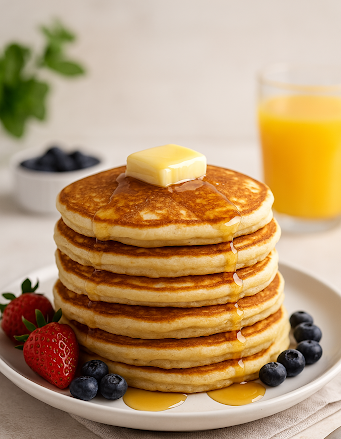
Fluffy Gluten-Free Pancakes Mix
This EasyGlutenFree pancake mix is built on a smart blend of gluten-free flours and starches, giving you tall, tender pancakes without having to measure individual flours or worry about ratios. Just add your wet ingredients and enjoy foolproof gluten-free baking on busy mornings.
3. Building Better Blends: Starches, Binders & Ratios
Once you’re comfortable with almond flour, coconut flour, and oat flour, the next step is understanding how they interact with starches and binders. This is where gluten-free baking really starts to feel fun and creative instead of frustrating.
The role of starches in gluten-free baking
Starches don’t bring much flavor or nutrition, but they dramatically impact texture. The three most popular in 2025 are:
- Tapioca starch (or tapioca flour): Adds chewiness, stretch, and a bit of spring. Excellent in breads, pizza crust, and tortillas.
- Potato starch: Adds tenderness and moisture, great for cakes and muffins. (Note: not the same as potato flour.)
- Arrowroot starch: A lighter, often easier-to-digest starch that can sub for cornstarch or tapioca in many recipes.
A typical homemade gluten-free baking blend might look like:
- 60–70% whole flours (like oat, sorghum, or millet)
- 30–40% starches (a mix of tapioca and potato or arrowroot)
This is just a starting point, but understanding this balance helps you troubleshoot. If something is too dense, you might need more starch. If it feels too light and crumbly, you may need more whole flour or an extra binder.
Why binders matter (and which ones to use)
Gluten acts as a “net” that holds air and gives structure. Without it, baked goods often spread too much, crumble, or turn gummy. Binders help fill that structural gap. In 2025, the most commonly used binders are:
- Xanthan gum: A powerful, widely used binder that adds elasticity and structure.
- Guar gum: A plant-based gum, sometimes better tolerated by those sensitive to xanthan.
- Ground flaxseed or chia seed: When mixed with water, they create a gel that helps bind and hold moisture.
- Psyllium husk: Used especially in gluten-free bread for a flexible, almost “gluten-like” crumb.
Many store-bought gluten-free blends already include xanthan gum, so you usually don’t need to add more. If you’re mixing your own flours, a common guideline is:
- About 1/4 teaspoon xanthan gum per cup of gluten-free flour for cookies and muffins
- 1/2 teaspoon per cup for breads and pizza dough
Too much xanthan gum can lead to a weirdly gummy, rubbery texture, so resist the urge to “fix” a recipe by endlessly adding more.
Simple blend formulas you can try
Here are two easy starting blends you can mix at home, especially helpful if you’re avoiding rice-heavy mixes or watching certain ingredients:
Oat–Almond Everyday Blend (great for muffins & quick breads)
- 1 cup certified gluten-free oat flour
- 1/2 cup fine blanched almond flour
- 1/2 cup tapioca starch
- 1 teaspoon xanthan gum (for the full 2 cups blend)
Use this in recipes specifically tested for gluten-free blends, or swap it 1:1 in recipes that already call for a gluten-free all-purpose flour mix.
Light, Tender Cake Blend
- 1 cup sorghum flour or oat flour
- 3/4 cup potato starch
- 1/4 cup tapioca starch
- 1 teaspoon xanthan gum
This blend stays light and fluffy, ideal for cupcakes and layer cakes where you want a fine, even crumb.
When to use a store-bought blend
There is absolutely no shame in reaching for a well-formulated gluten-free all-purpose blend, especially for busy weeknights. The most reliable blends are labeled “1:1” or “measure for measure” and designed to replace wheat flour in recipes with minimal adjustments.
Just remember: even 1:1 blends are not magic. You’ll always get the best results with recipes that were developed and tested with gluten-free baking in mind—like the ones in the EasyGlutenFree recipe collection.
Recipe Inspiration
Try these gluten-free staples loved by thousands:


4. Choosing the Right Flour for Every Recipe
Now that you know how gluten-free flours behave, the next question is: Which flour should I use for which recipe? Matching the right flour to the right job is the secret to reliable, delicious gluten-free baking.
For light, fluffy pancakes & waffles
For breakfast favorites, you want a batter that rises well and stays tender, not dense or rubbery.
- Use a 1:1 gluten-free all-purpose blend that includes starches.
- Or combine oat flour + almond flour + tapioca starch for a soft, hearty texture.
- A little extra baking powder and a splash of acid (like lemon juice or vinegar) help pancakes rise.
If you’d rather skip the measuring and go straight to eating, a pre-tested mix like the EasyGlutenFree Fluffy Gluten-Free Pancakes mix saves a lot of guesswork.
For cakes & cupcakes
Cakes need a finer crumb and delicate texture. Too much heavy flour (like coconut or straight brown rice) and your cake will be dense. Too much starch and it can feel dry or crumbly.
- Choose blends with sorghum, millet, or oat flour balanced with potato and tapioca starch.
- A touch of almond flour can add moisture and richness.
- Use recipes specifically tagged as “gluten-free baking” rather than trying to adapt a random wheat-based cake recipe.
For cookies & brownies
Cookies are surprisingly forgiving in gluten-free form. The fat and sugar in the dough help compensate for the missing gluten.
- Almond flour works beautifully in cookies for a chewy, bendy texture.
- Oat flour adds heartiness and classic “cookie” flavor.
- A small amount of tapioca starch helps with chew and crisp edges.
If your gluten-free cookies spread too much, chill the dough and make sure you’re not using a flour blend with excessive starch or sugar already added.
For breads & pizza crusts
Gluten-free bread is its own universe, but a few flour rules will make life easier:
- Look for recipes that use psyllium husk or a mix of flours plus binders for structure.
- Sorghum, millet, oat, and brown rice flours often serve as the base.
- Tapioca starch gives breads and pizza a satisfying chew and flexibility.
Don’t expect gluten-free bread dough to look or feel like wheat dough. It’s often more like a thick batter than a kneadable ball—and that’s normal.
For savory dishes & comfort food
Gluten-free isn’t just about dessert. Many comfort foods rely on flour for thickening or coating. Thankfully, gluten-free flours shine here:
- Tapioca or arrowroot starch whisked into broth makes a glossy, gluten-free gravy.
- A gluten-free all-purpose blend works well to thicken pot pie filling or soups.
- Almond flour + grated parmesan makes a fantastic coating for baked chicken tenders.
If you’re craving cozy, family-style dishes, recipes like the EasyGlutenFree Classic Gluten-Free Chicken Pot Pie or Loaded Gluten-Free Shepherd’s Pie are thoughtfully designed to deliver on flavor and texture without relying on wheat.
5. Practical Tips for Foolproof Gluten-Free Baking
Knowing which flour to buy is only half the story. How you handle those flours in the kitchen makes just as much difference as the ingredients themselves.
1. Measure accurately
Gluten-free flours are less forgiving than wheat flour when it comes to measurement. A little too much can turn tender muffins into dense, dry bricks.
- Use a digital kitchen scale whenever possible.
- If measuring by volume, stir, spoon, and level your flour instead of scooping directly from the bag.
2. Mix longer than you’re used to
In wheat-based baking, you usually avoid over-mixing to prevent tough gluten strands. In gluten-free baking, there’s no gluten to overwork, so mixing a bit longer can actually improve texture by hydrating the flours thoroughly.
Stir until the batter looks smooth and cohesive, then let it rest for 5–10 minutes before baking to allow the flours and binders to absorb liquid.
3. Embrace extra moisture
Many gluten-free flours—especially coconut and certain starches—are thirsty. Recipes that look slightly wetter than you’re used to are often correct.
- Don’t be afraid of batters that seem a little loose; they often bake up beautifully.
- Ingredients like yogurt, applesauce, mashed banana, and extra egg whites can keep baked goods soft and fresh.
4. Bake low and slow (sometimes)
Because gluten-free flours often brown faster but take a bit longer to cook through, slightly lower oven temperatures can sometimes help:
- If a recipe bakes at 350°F (175°C), but your goods are browning too fast, try 325°F (165°C) and a few extra minutes.
- Use the middle oven rack and light-colored pans to avoid over-browning.
5. Store flours correctly
Gluten-free flours, especially nut-based ones like almond flour, can go rancid more quickly than wheat flour.
- Keep nut and seed flours in the fridge or freezer in airtight containers.
- Label blends with the date you mixed them, and aim to use them within 2–3 months for the best flavor.
6. Start with tested recipes
The easiest way to build confidence is to begin with tested, reliable gluten-free baking recipes instead of trying to convert old wheat favorites immediately. Once you’ve baked a few stellar batches of gluten-free muffins, pancakes, or pot pie, you’ll understand how the flours behave and feel much more comfortable adapting your own recipes.
That’s exactly why curated products like the Fluffy Gluten-Free Pancakes and hearty mains such as the Classic Gluten-Free Chicken Pot Pie are so helpful in a realistic gluten-free lifestyle: they remove the trial-and-error, letting you focus on enjoying the food and your time with family.
7. Give yourself permission to learn
Gluten-free baking is a skill, not a magic trick. Your first loaf or batch of cookies might not be perfect, and that’s completely okay. With each recipe, you’ll gain a better feel for how almond flour, coconut flour, oat flour, and gluten-free blends respond to your oven, your pans, and your climate.
The best part of 2025 is that you don’t have to figure it all out alone. There are thriving gluten-free communities, trusted products, and step-by-step recipes designed specifically for this way of eating. With the right flours in your pantry and a bit of guidance, truly delicious gluten-free baking is absolutely within reach.
Key Takeaways
- Gluten-free flours fall into two main families—whole flours and starches—and using a blend of both is the key to good texture.
- Almond flour, coconut flour, and certified gluten-free oat flour form a powerful core trio for everyday gluten-free baking.
- Smart use of starches and binders like xanthan gum or psyllium husk helps recreate the structure that gluten normally provides.
- Choosing the best gluten-free flour depends on the recipe—cakes, cookies, breads, and savory dishes all benefit from different blends.
- Accurate measuring, extra moisture, proper storage, and starting with tested recipes will dramatically improve your gluten-free baking results.
Take the Next Step in Your Gluten-Free Journey
- Download the Free EGF Starter Guide
- Try our Gluten-Free Planner to simplify your week
- Explore our growing recipe library
You don’t have to navigate the gluten-free lifestyle alone, we are here to make it easier every day.
Category: Gluten-Free Lifestyle / Product Reviews / Health & Nutrition