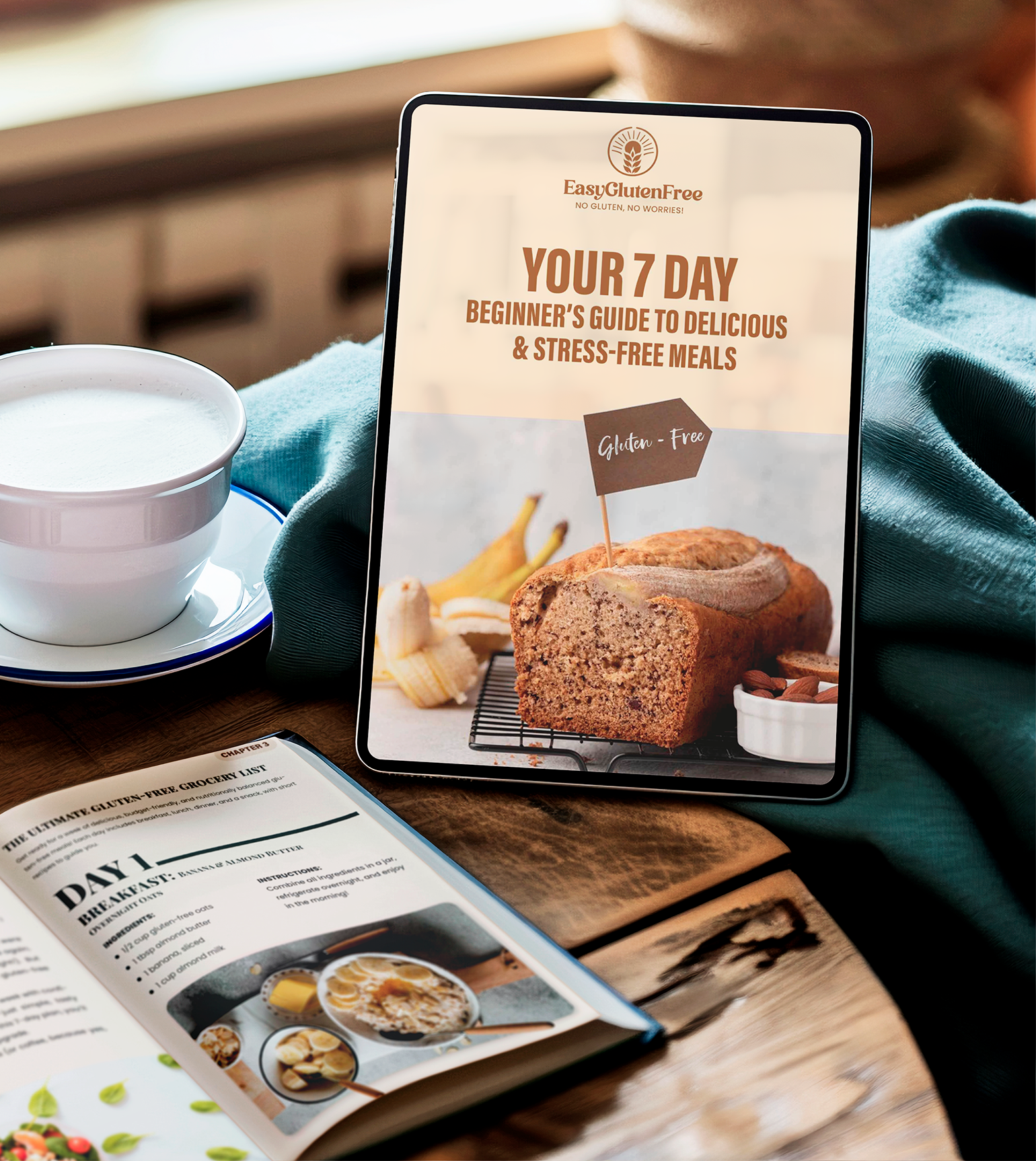
Download the Free Guide to Flawless Gluten-Free Baking Every Time

The Complete Guide to Gluten-Free Flour Substitutions (Without Ruining Your Favorite Recipes)
Gluten-free flour substitutions don’t have to feel like a science experiment. With the right flour blends, simple ratios, and a few proven tricks, you can swap wheat flour in almost any recipe and still get soft cookies, fluffy muffins, and tender cakes. This guide walks you step-by-step through choosing the right gluten-free flours, how to substitute them, and what to adjust so your bakes actually turn out.
Download Our Free Gluten-Free Starter Guide
- 7-day meal plan
- shopping list
- Tips & 3 beginner-friendly recipes
Introduction
If you’ve ever swapped regular flour for a random gluten-free flour and pulled a crumbly, gummy, or flat disaster out of the oven, you’re not alone. Traditional baking leans heavily on gluten for structure and elasticity. Take it away without a plan, and even a trusted family recipe can misbehave.
The good news: you don’t have to relearn baking from scratch. Once you understand a few core principles—how gluten-free flours behave, when to use blends, how much liquid to add, and when binders like xanthan gum matter—you can convert many of your favorite recipes with confidence. Think pancakes with golden edges, muffins that actually rise, and cookies that stay chewy instead of turning into sand.
This guide breaks down gluten-free flour substitutions in a friendly, practical way. We’ll look at the most reliable all-purpose options, how to combine single flours, what to adjust in your recipes, and how to troubleshoot the most common problems. Keep it handy as a reference, and you’ll start seeing your gluten-free baking “fails” turn into new weeknight staples.
Table of Contents
▾
- 1. Understanding Gluten-Free Flours and How They Behave
- 2. Best 1:1 Gluten-Free Flour Substitutions for Everyday Baking
- 3. How to Convert Your Favorite Recipes to Gluten-Free (Step-by-Step)
- 4. Troubleshooting Common Gluten-Free Baking Problems
- 5. Practical Tips to Make Gluten-Free Flour Substitutions Foolproof
1. Understanding Gluten-Free Flours and How They Behave
Before you start swapping flours, it helps to know what you’re actually replacing. In traditional baking, wheat flour provides:
- Structure – gluten strands trap air and help baked goods rise and hold their shape.
- Elasticity – gives dough stretch and chew, especially in breads and pizza.
- Moisture retention – helps baked goods stay tender instead of crumbling.
Gluten-free flours bring different strengths to the table. No single flour can truly “act like” wheat flour on its own, which is why blends are so powerful. Here’s how the main categories behave.
1.1 Whole-Grain Gluten-Free Flours
These add flavor, color, and nutrition, but they can be a bit thirsty (they soak up liquid):
- Brown rice flour – mild flavor, slightly sandy if used alone; great in blends.
- Oat flour (certified gluten-free) – naturally sweet, soft, and tender; lovely in muffins and quick breads.
- Sorghum flour – gentle flavor and softness; often used to mimic wheat’s tenderness.
- Millet or teff – more character and color; best as a smaller part of a blend.
Because they absorb more liquid, recipes with a lot of whole-grain gluten-free flour usually need a little extra moisture (more milk, oil, or egg) compared with wheat versions.
1.2 Starches and Light Flours
Starches are the secret to light, airy gluten-free bakes. They don’t bring much flavor or nutrition, but they do wonders for texture:
- Tapioca starch – adds chew, stretch, and tenderness; great in breads and cookies.
- Potato starch – creates softness and moisture; helps with browning.
- Cornstarch – lightens texture; useful in cakes and shortbread.
- Arrowroot – similar to cornstarch but a bit more delicate and neutral.
A good gluten-free flour blend usually includes both whole-grain flours and starches for balance—one for structure, one for lightness.
1.3 Nut and Seed Flours
Nut- and seed-based flours behave very differently from grain-based flours:
- Almond flour – moist, rich, and naturally gluten-free; best in recipes developed specifically for it.
- Coconut flour – extremely absorbent; a little goes a very long way.
- Ground flax or chia – usually used in small amounts for binding or extra fiber.
These are not 1:1 substitutes for wheat flour. They shine in specialty recipes but can throw off texture if you simply swap them in for all-purpose flour.
1.4 Why Blends Work Better Than Single Flours
Think of a gluten-free flour blend as a team: one player brings structure, another lightness, another tenderness. When you try to rely on a single flour—like straight rice flour—you’ll often get gritty, dry, or dense results.
That’s why many bakers prefer a ready-made gluten-free all-purpose flour designed for 1:1 substitutions. It saves you from mixing flours and starches yourself and lets you focus on the fun part: actually baking.
2. Best 1:1 Gluten-Free Flour Substitutions for Everyday Baking
The easiest way to convert a favorite recipe is to start with a reliable 1:1 gluten-free flour. These blends are formulated to replace wheat all-purpose flour cup-for-cup in most cookies, muffins, pancakes, quick breads, and many cakes.
When using a 1:1 blend in place of regular flour, keep these guidelines in mind:
- Measure by weight if you can. Gluten-free blends can pack more densely in a cup. Using a kitchen scale (for example, 120–140 g per cup, depending on the brand’s recommendation) keeps your texture consistent.
- Mix your batter thoroughly. Gluten-free flours hydrate more slowly. A good mix (without overbeating) helps the starches and flours absorb liquid evenly.
- Rest the batter for 10–20 minutes. Especially for pancakes, muffins, and quick breads, a short rest allows the flour blend to fully hydrate, translating to better structure and less grittiness.
- Watch your bake time, not just the clock. Gluten-free baked goods can brown differently. Rely on visual cues (golden edges, set centers, springy tops) rather than time alone.
While 1:1 blends work wonderfully in “sturdy” bakes like cookies and snack cakes, more delicate recipes—like angel food cake, brioche, or laminated pastry—often need a recipe developed specifically to be gluten-free.
What about yeast breads? Some bakers have good success with 1:1 blends in sandwich bread recipes, but the dough will look more like a thick batter than a kneadable ball. It’s usually best to follow a gluten-free bread recipe to start, then experiment once you’re comfortable.
Bob’s Red Mill Gluten Free 1 to 1 Baking Flour
This is the gold-standard gluten-free all-purpose flour. It behaves beautifully in pancakes, muffins, cookies, quick breads — and it’s the ideal flour to recommend in ANY practical baking guide. Reliable, consistent, and approved by thousands of gluten-free home bakers. Perfect for articles about technique, substitutions, and baking success.

3. How to Convert Your Favorite Recipes to Gluten-Free (Step-by-Step)
Once you have a dependable gluten-free flour blend on hand, converting recipes becomes much less intimidating. Here’s a simple framework you can follow over and over.
3.1 Step 1: Choose the Right Type of Recipe
Start with forgiving recipes that don’t rely heavily on gluten structure:
- Cookies (drop cookies, bar cookies, brownies)
- Muffins and quick breads
- Pancakes and waffles
- Snack cakes and loaf cakes
Leave more complex bakes—like artisan breads or croissants—for later or use recipes formulated specifically to be gluten-free.
3.2 Step 2: Swap Flour 1:1 by Weight or Volume
Replace the wheat all-purpose flour with an equal amount of your gluten-free 1:1 blend:
- If the recipe lists cups only, use the same cup measurement, but spoon and level instead of scooping.
- If possible, look up the brand’s suggested grams-per-cup and weigh it out for better consistency.
For most recipes, no other dry ingredient changes are needed at this point.
3.3 Step 3: Adjust Liquids (If Needed)
Gluten-free flours can absorb more moisture than wheat flour. If your batter looks thicker than you’re used to, gradually add 1–2 tablespoons of extra liquid at a time (milk, water, or oil) until it resembles the original recipe’s texture:
- Cookie dough – should still be scoopable and soft, not dry or crumbly.
- Muffin or cake batter – thick but pourable; holds a ribbon when you lift the spoon.
- Pancake batter – easily pourable but not watery; coats the back of a spoon.
3.4 Step 4: Consider Binders (Xanthan, Psyllium, Flax)
Many 1:1 gluten-free blends already contain a binder, like xanthan gum, to help mimic gluten’s structure. Check the ingredients list:
- If your blend already has xanthan or a similar binder, you usually don’t need to add more.
- If it doesn’t include a binder, adding a small amount can help prevent crumbling:
- About 1/4 teaspoon per cup of flour for cookies.
- About 1/2 teaspoon per cup for cakes, muffins, and quick breads.
Alternatively, 1 tablespoon of ground flax or chia mixed with 3 tablespoons of warm water can help bind in rustic recipes like muffins or snack loaves.
3.5 Step 5: Rest, Then Bake
Once your batter or dough is mixed, let it rest at room temperature:
- 10–15 minutes for pancakes, muffins, and quick breads.
- 20–30 minutes for cookie dough (this also helps flavor and thickness).
This resting time allows the flours and starches to fully hydrate, improving texture and reducing grittiness.
3.6 Step 6: Monitor Baking Time and Doneness
Gluten-free baked goods can bake slightly faster or slower, depending on your oven and the pan size. Instead of relying only on the original bake time, use these checks:
- Edges are lightly golden and pulling away from the pan.
- Center springs back lightly when touched.
- A toothpick inserted into cakes or muffins comes out with only a few moist crumbs.
Write down any adjustments you make—such as adding 2 extra tablespoons of milk or extending the bake time by 5 minutes. Next time you bake the same recipe gluten-free, you’ll have your own custom version ready to go.
Recipe Inspiration
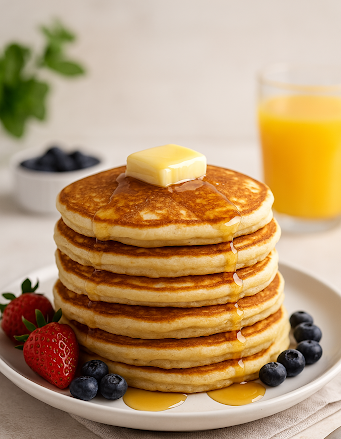
Try these gluten-free staples loved by thousands:


4. Troubleshooting Common Gluten-Free Baking Problems
Even with a solid gluten-free flour substitution, things can still go sideways. The good news is that most issues have simple fixes once you know what to look for.
4.1 Dry or Crumbly Texture
If your cookies crumble when you pick them up or your quick bread slices fall apart, the batter was probably too dry or underbound.
Try this next time:
- Add 1–3 tablespoons extra liquid (milk, water, or oil) to the batter.
- Increase fat slightly (an extra tablespoon of butter or oil often helps).
- Make sure you’re using a flour blend with a binder, or add a small amount of xanthan gum if your blend doesn’t include it.
- Allow the baked goods to cool fully before slicing; gluten-free bakes firm up as they cool.
4.2 Gummy or Dense Centers
A gummy center usually means underbaking or too much moisture. It’s especially common in loaf cakes and quick breads.
Next time, try:
- Extending the bake time by 5–10 minutes, tenting the top with foil if it’s browning too fast.
- Reducing added liquids slightly (start with 2 tablespoons less milk or water).
- Using a lighter-colored metal pan instead of glass, which can affect heat distribution.
- Checking doneness with a skewer inserted into the center—it should come out mostly clean.
4.3 Gritty Texture
A sandy or gritty mouthfeel often happens when rice-based flours haven’t had time to hydrate fully.
To fix it:
- Let batter rest 15–20 minutes before baking.
- Store finished baked goods overnight—texture often improves by the next day.
- Use a finer-milled flour blend; some blends are smoother than others.
4.4 Flat or Spreading Cookies
If your cookies spread into thin puddles, something in the structure needs support.
Next batch, try:
- Chilling the dough for 30–60 minutes before baking.
- Adding 1–2 tablespoons of extra flour blend.
- Reducing sugar slightly; sugar encourages spread.
- Baking on a cool, light-colored metal sheet instead of a hot or dark pan.
4.5 Pale Color or Lack of Browning
Some gluten-free flours don’t brown as deeply as wheat flour, which can make baked goods look underdone even when they’re actually cooked through.
To encourage browning:
- Use parchment-lined light metal pans (avoid shiny nonstick pans when possible).
- Make sure there’s enough fat and sugar—both help with browning.
- Increase oven temperature by 10–15°F (about 5–10°C) if needed, watching closely to avoid overbaking.
5. Practical Tips to Make Gluten-Free Flour Substitutions Foolproof
Once you understand how gluten-free flours work, a few everyday habits will dramatically improve your baking results. Think of this as your “shortlist” to refer to before each new recipe.
5.1 Read the Label on Your Flour Blend
Not all gluten-free blends are identical. Some include binders, some don’t; some are rice-heavy, others lean on sorghum or oat. Before you start baking, check:
- Does it already have xanthan gum or another binder?
- Does the package recommend a grams-per-cup measurement?
- Is it labeled as suitable for 1:1 substitutions in traditional recipes?
Knowing this helps you decide whether you need to add extra binding or adjust your measurements.
5.2 Keep Notes on Your Favorite Conversions
Every oven, flour blend, and kitchen is a little different. When you convert a recipe and it turns out well, jot down exactly what you did:
- Which flour blend you used
- Any extra liquid or binder you added
- Final bake time and pan size
Over time, you’ll build your own mini cookbook of gluten-free versions of your family classics.
5.3 Start with Smaller Batches When Experimenting
If you’re testing a new-to-you recipe or making more adventurous substitutions, halve the recipe first. You’ll waste fewer ingredients while you fine-tune the liquid, bake time, and texture.
5.4 Store Gluten-Free Flours Properly
Gluten-free flours and blends can go stale or rancid faster than wheat flour, especially those containing whole grains or nut flours.
- Keep them in airtight containers.
- Store in a cool, dark pantry—or refrigerate/freezer for longer shelf life.
- Bring refrigerated flours to room temperature before baking for consistent results.
5.5 Embrace Recipes Developed to Be Gluten-Free
Substitutions are fantastic for keeping old favorites in rotation, but it’s equally helpful to have a few recipes that were created from the ground up to be gluten-free. These recipes often:
- Use the strengths of gluten-free flours instead of just copying wheat-based formulas.
- Build in the right amount of moisture and structure without guesswork.
- Give you reliable, repeatable results—perfect for busy weeknights.
Use this guide when you want to convert a beloved family recipe, and lean on proven gluten-free recipes when you want guaranteed success without tinkering.
Key Takeaways
- Gluten-free flour substitutions work best when you use a well-formulated 1:1 blend instead of a single flour like rice or almond flour on its own.
- Start by converting forgiving recipes—cookies, muffins, pancakes, and quick breads—before tackling more delicate or yeast-based bakes.
- Expect to adjust liquids slightly, rest your batter, and monitor visual cues instead of relying solely on the original bake time.
- Most gluten-free baking problems—crumbling, gumminess, spread, or grit—can be solved with small tweaks to moisture, binders, and bake time.
- Keep notes on what works in your kitchen so your favorite gluten-free flour substitutions become easy, repeatable, and stress-free.
Take the Next Step in Your Gluten-Free Journey
- Download the Free EGF Starter Guide
- Try our Gluten-Free Planner to simplify your week
- Explore our growing recipe library
You don’t have to navigate the gluten-free lifestyle alone, we are here to make it easier every day.
Category: Gluten-Free Baking