The Best Gluten-Free Flours in 2025

Confused by the dozens of gluten-free flours on the shelf? This 2025 guide breaks down exactly which gluten-free flours to use, when to use them, and how to bake soft, fluffy, never-gummy favorites—whether you’re new to gluten-free baking or ready to level up your breads, cookies, and cakes.
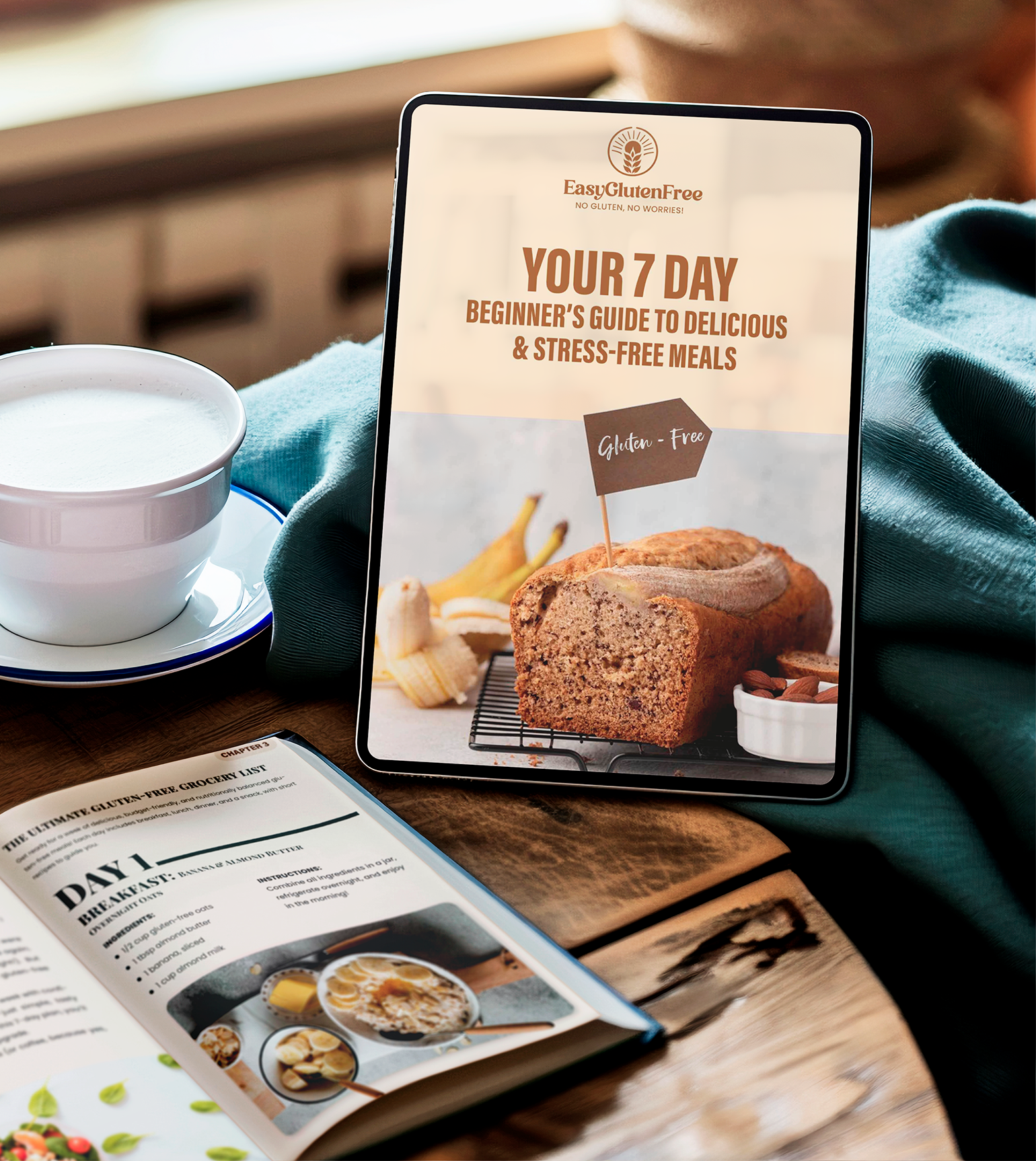
Download Our Free Gluten-Free Starter Guide
- 7-day meal plan
- shopping list
- Tips & 3 beginner-friendly recipes
Introduction
Walking into the baking aisle used to be simple: grab a bag of wheat flour and you were done. In a gluten-free lifestyle, that single bag turns into an entire shelf of options—almond flour, coconut flour, oat flour, sorghum, millet, tapioca, rice… plus blends promising “1:1” perfection. It’s exciting, but it can also feel overwhelming and expensive if you don’t know what you’re looking for.
This guide is here to make gluten-free baking feel manageable, predictable, and—yes—fun. We’ll walk through the best gluten-free flours in 2025, what each one actually does in a recipe, and how to combine them so your cookies don’t crumble, your breads actually rise, and your pancakes stay soft instead of gritty or dense. Whether you bake weekly or just want a reliable birthday cake, the right flour choice is half the battle.
We’ll focus on real-life, home-baker results: which flours are most beginner-friendly, which are naturally nutrient-dense, how almond flour and coconut flour behave, and how to build (or buy) a gluten-free flour blend that works. Along the way, you’ll see product recommendations, recipe ideas, and practical tips so you can stock your pantry with confidence and bake gluten-free favorites that everyone at the table will love.
1. Understanding Gluten-Free Baking Basics
If you’ve ever swapped wheat flour for a random gluten-free flour and ended up with a dry brick or a gooey mess, you’ve already discovered the core truth of gluten-free baking: there’s no single, perfect substitute for wheat flour. Gluten isn’t just an ingredient—it’s a structure-building protein. Remove it, and you have to replace its “job” with a smart combination of gluten-free flours and binders.
In traditional baking, gluten provides three main things: elasticity (the stretch you feel in dough), structure (so your bread can trap gas and rise), and chew (that satisfying bite in cookies and pizza crust). Gluten-free flours each provide parts of that puzzle, but not all of it. Some give tenderness, some add protein, others provide crispness or moisture. That’s why gluten-free baking often uses blends—one flour rarely does it all.
Think of your gluten-free flour mix as a team:
- Base flours like brown rice flour, sorghum flour, and oat flour create bulk and mild flavor.
- Protein- and fat-rich flours like almond flour and coconut flour add richness, moisture, and a tender crumb.
- Starches like tapioca, arrowroot, and potato starch add stretch, lightness, and that delicate, bakery-style texture.
- Binders such as xanthan gum, psyllium husk, and ground chia help mimic gluten’s elasticity and hold everything together.
The good news in 2025: gluten-free flours are better, more consistent, and much easier to find than even a few years ago. Many all-purpose gluten-free blends are designed for “cup-for-cup” or “1:1” swaps, and specialty flours like almond flour and coconut flour now have finer grinds that perform beautifully in baking.
Before we dive into specific flours, here are a few guiding principles to keep your gluten-free baking less stressful:
- Weigh when you can. Gluten-free flours pack differently, so a cup of almond flour can weigh something very different from a cup of rice flour. A cheap kitchen scale will instantly improve consistency.
- Follow gluten-free recipes at first. Once you understand how gluten-free flours behave, then start experimenting with your favorite wheat-based recipes.
- Hydration matters. Many gluten-free batters and doughs look thicker (or looser) than you’re used to. Trust the recipe, and give the batter a few minutes to hydrate before adding extra flour.
- Expect a learning curve. Gluten-free baking uses the same oven, but new “rules.” A few test batches now will save you years of frustration.
With these basics in mind, let’s look at the star players: the individual gluten-free flours that deserve a spot in your pantry.
2. The Top Single-Ingredient Gluten-Free Flours
Not all gluten-free flours are interchangeable. Each one has its own personality—flavor, texture, and best uses. Here are the top flours in 2025 for everyday gluten-free baking, with a focus on almond flour, coconut flour, and other pantry staples you’ll see in recipes again and again.
Almond Flour: The Moisture Hero
Almond flour is made from finely ground blanched almonds. It’s naturally gluten-free, grain-free, and loaded with healthy fats, protein, and vitamin E. In gluten-free baking, almond flour shines because it keeps baked goods moist, tender, and satisfying.
Best for: cookies, muffins, quick breads, coffee cakes, and snack bars. It also works beautifully in crusts for cheesecakes and tarts.
How it behaves: Almond flour is heavier than wheat flour and doesn’t absorb liquid the same way, so it’s usually combined with eggs and/or a starch for structure. It browns nicely, giving a gentle, nutty flavor that pairs well with chocolate, fruit, and warm spices.
Tips for success:
- Use superfine almond flour rather than almond meal for smoother textures.
- Pair with a starch (like tapioca) or a blend for lighter, less dense results.
- Store in the fridge or freezer to protect the natural oils from going rancid.
Coconut Flour: Super Absorbent and Fiber-Rich
Coconut flour is made from dried, defatted coconut meat. It’s naturally gluten-free and very high in fiber, which makes it incredibly absorbent—far more than wheat flour or almond flour.
Best for: pancakes, muffins, snack cakes, and low-carb recipes where you want a tender, slightly sweet crumb.
How it behaves: Coconut flour soaks up liquid like a sponge. That’s why recipes often call for only 1/4–1/3 cup coconut flour plus several eggs. If you try to swap it 1:1 for wheat flour, you’ll end up with something dry and crumbly.
Tips for success:
- Use recipes specifically developed for coconut flour (or at least for a coconut flour blend).
- Expect more eggs or egg substitutes—this helps bind and provide structure.
- Let the batter rest for 5–10 minutes so the flour fully hydrates before baking.
Oat Flour: Familiar, Comforting, and Versatile
Oat flour is simply finely ground oats. It gives a cozy, slightly nutty flavor and a soft, tender crumb. For many people, it’s the closest gluten-free flour to “regular” flour in terms of flavor.
Best for: pancakes, quick breads, muffins, cookies, and snack cakes.
Key note: Always choose certified gluten-free oats if you’re baking for someone with celiac disease or a strong gluten sensitivity. Regular oats are often cross-contaminated with wheat.
Rice Flours: The Backbone of Many Blends
White and brown rice flours are mild, affordable, and widely used in gluten-free baking mixes:
- White rice flour is neutral and light but can be a little gritty if not finely milled.
- Brown rice flour adds a slightly nuttier flavor and more nutrition.
They rarely work well alone in baking, but they make an excellent base when paired with starches and richer flours like almond flour.
Sorghum, Millet, and Buckwheat: Whole-Grain Powerhouses
Whole-grain gluten-free flours are fantastic for flavor and nutrition:
- Sorghum flour has a gentle, wheat-like flavor and works beautifully in breads and pancakes.
- Millet flour is mild, lightly sweet, and great in muffins and quick breads.
- Buckwheat flour (naturally gluten-free despite the name) has a bold, earthy flavor perfect for crepes, pancakes, and rustic loaves.
These flours shine when used as part of a blend, usually making up 20–40% of the total flour mixture.
Starches: Tapioca, Arrowroot, and Potato Starch
Starches don’t bring much flavor, but they’re crucial in gluten-free baking for lightness and structure:
- Tapioca starch adds stretch, chew, and a bit of bounce—great for breads and pizza dough.
- Arrowroot starch is a gentle, grain-free starch that works well in cakes and cookies.
- Potato starch helps create a tender, moist crumb and gorgeous browning.
Most gluten-free baking blends contain one or more of these to help mimic the tenderness of wheat-based recipes.
Anthony’s Premium Blanched Almond Flour
A finely ground, super consistent almond flour that’s perfect for gluten-free baking. Low in carbs, rich in protein, and ideal for cookies, muffins, and grain-free breads, this is a pantry staple for anyone serious about gluten-free baking in 2025.
3. Gluten-Free Flour Blends: When to DIY and When to Buy
As helpful as it is to understand individual gluten-free flours, most home bakers don’t want to measure six different flours every time they make pancakes. That’s where gluten-free flour blends come in. Used wisely, they simplify your routine while still delivering reliable, tasty results.
Store-Bought Blends: 1:1 Convenience
In 2025, you’ll notice many packages labeled “1:1,” “cup-for-cup,” or “measure for measure.” These blends are formulated to replace wheat flour by volume in many recipes, especially cookies, pancakes, muffins, and some cakes.
Most blends include a combination like:
- A base (usually rice flour or oat flour)
- One or two starches (tapioca, potato, arrowroot)
- Sometimes whole-grain flours (sorghum, millet, buckwheat)
- A binder such as xanthan gum or guar gum
If you’re new to gluten-free baking, starting with a 1:1 blend is often the easiest way to build confidence. Look for a blend that’s certified gluten-free, with a short, clear ingredient list and a fine, non-gritty texture.
DIY Blends: More Control, Better Texture
Once you’re more comfortable, you might want to build your own gluten-free flour blend. This lets you control nutrition, flavor, and texture—and avoid gums if you’re sensitive to them.
A basic starting point for an all-purpose blend might look like:
- 40% mild whole-grain flour (sorghum, oat, or brown rice)
- 40% starch (split between tapioca and potato starch)
- 20% richer flour (almond flour or millet for tenderness and flavor)
You can mix a big batch, store it in an airtight container, and use it like a store-bought gluten-free flour blend in recipes developed for blends.
Do You Always Need a Gum?
Many blends include xanthan gum or guar gum to mimic gluten’s binding power. These are helpful in yeasted breads, pizza dough, and cookies that need chew. However, some people prefer gum-free baking for digestion or texture reasons.
If you avoid gums, you can often swap in:
- Psyllium husk powder (especially good in bread and pizza)
- Ground chia seeds or ground flaxseed (great in muffins and quick breads)
These natural binders absorb water and help hold everything together, though they may change the color and texture somewhat.
When a Blend Is Enough vs. When to Add Extras
For simple recipes—like pancakes, waffles, basic muffins, or cookies—a good quality, all-purpose gluten-free baking blend is usually all you need. For enriched or more specialized recipes, adding a specific flour can create bakery-level results:
- Add almond flour to blends for extra moisture and richness in cakes and muffins.
- Add a spoonful of coconut flour to boost fiber and create a tender crumb—just remember it’s very absorbent.
- Swap a portion of the blend for oat flour when you want a cozy, wholesome flavor.
The more you bake, the more you’ll learn how your favorite blends behave—and which extra flours transform a “good” recipe into a “you-made-this?!” moment.
Recipe Inspiration
Try these gluten-free staples loved by thousands:


4. Matching Flours to Recipes: What Works Best Where
Now that you know the main gluten-free flours and blends, the next question is: which flour should you use for what? Matching the right gluten-free flour (or blend) to the recipe style is where the magic happens. Here’s a quick, practical roadmap.
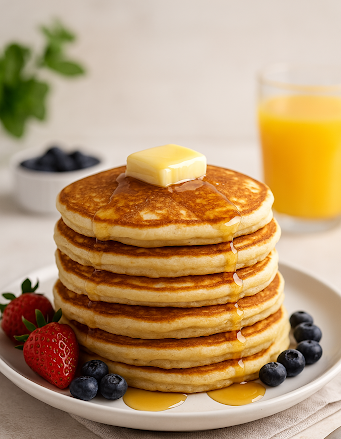
Gluten-Free Pancakes and Waffles
For breakfast favorites, you want a tender, fluffy texture—not gummy, not crumbly. The easiest route is to use a 1:1 gluten-free baking blend specifically labeled for pancakes or general baking.
To level them up:
- Replace 1/4 of the blend with oat flour for a cozy flavor.
- Add 2–4 tablespoons of almond flour per cup of blend for extra moisture.
- If using a lot of coconut flour, use a recipe developed for it; otherwise, keep coconut flour to a tablespoon or two per cup of other flours.
Cookies and Bars
Cookies are surprisingly forgiving in gluten-free baking. Most do well with a reliable gluten-free blend plus a little almond flour for chewiness and moisture.
- Use all-purpose gluten-free baking flour as your base.
- Swap 2–3 tablespoons of that blend for almond flour per cup of flour for softer, richer cookies.
- For oatmeal cookies, use part oat flour and part blend for a hearty texture.
Chilling gluten-free cookie dough for 20–30 minutes before baking often helps the flours hydrate and improves texture.
Cakes and Cupcakes
Gluten-free cakes love moisture. That’s where almond flour and the right blend really shine. Coconut flour can be used, but typically in smaller amounts or specialized recipes because it’s so thirsty.
For a classic vanilla or chocolate cake:
- Start with a fine-textured gluten-free blend.
- Replace 20–25% of the blend with almond flour for tenderness.
- Add a bit of extra liquid (milk or dairy-free milk) if the batter looks too thick; gluten-free batters sometimes need a splash more.
Oil-based cakes and recipes that include yogurt, buttermilk, or applesauce are especially successful in gluten-free versions because that added moisture counteracts dryness.
Quick Breads and Muffins
Banana bread, pumpkin bread, blueberry muffins—these all do beautifully with a blend of whole-grain gluten-free flours and almond flour.
- Use a base of oat flour or sorghum flour plus a gluten-free blend.
- Fold in almond flour for richness and a soft crumb.
- Include mix-ins (fruit, nuts, chocolate chips) for variety and texture.
Quick breads often taste even better on day two as the gluten-free flours fully hydrate, so don’t worry if the texture improves overnight—that’s normal and wonderful.
Yeasted Breads and Pizza
Gluten-free yeasted dough behaves differently than wheat dough; it’s usually more like a thick batter than a kneadable ball. For breads and pizza:
- Use a bread-specific gluten-free flour blend that includes starches and binders.
- Consider adding psyllium husk for elasticity and better slicing.
- A small amount of almond flour can add tenderness but don’t go overboard or the loaf may become too dense.
Follow gluten-free bread recipes closely at first—they’re carefully calibrated to balance rise, moisture, and structure.
Savory Recipes and Everyday Cooking
Gluten-free flours are useful far beyond baking. In a gluten-free lifestyle, you’ll use them to:
- Thicken sauces and gravies with tapioca starch or arrowroot instead of wheat flour.
- Bread chicken or fish with a mix of rice flour and almond flour for a crisp coating.
- Make pot pies or savory pies using a gluten-free baking blend for crusts.
For savory cooking, choose neutral-flavored flours or blends so they don’t overpower your dish, and lean on almond flour for richness in coatings or crusts.
5. Smart Shopping, Storage, and Budget Tips for 2025
Living gluten-free doesn’t have to mean buying every specialty flour you see—or blowing your grocery budget. With a little strategy, you can stock a smart, streamlined gluten-free pantry that supports everyday cooking and special-occasion baking.
Start with a Core Gluten-Free Flour Kit
If you’re just beginning, focus on a small set of high-impact flours instead of buying everything at once. A practical starter kit for 2025 might include:
- One reliable all-purpose gluten-free flour blend
- Almond flour for moisture and richness
- Coconut flour for fiber-rich, low-carb recipes
- Oat flour or certified gluten-free oats you can grind yourself
- Tapioca starch for stretch, chew, and thickening
With these five, you can make pancakes, muffins, cookies, snack cakes, coatings for savory dishes, and even simple breads.
Buying Gluten-Free Flours on a Budget
Gluten-free baking can feel pricey, but a few tweaks help a lot:
- Buy in bulk for flours you use often (like almond flour and blends), especially through online retailers or warehouse stores.
- Choose multi-purpose ingredients—for example, tapioca starch works in both baking and savory cooking.
- Grind your own oat flour from certified gluten-free oats using a blender or food processor.
- Reserve specialty flours (like sorghum or millet) for recipes that truly highlight them.
Remember, it’s more cost-effective to master a few flours really well than to collect a huge variety you barely use.
Storing Gluten-Free Flours for Freshness
Because many gluten-free flours are made from nuts or whole grains, they contain natural oils that can go rancid faster than refined wheat flour. Protect your investment by:
- Storing almond flour and other nut-based flours in the fridge or freezer in airtight containers.
- Keeping whole-grain flours like brown rice, sorghum, and millet in a cool, dark pantry—fridge if you buy in bulk.
- Labeling containers with the purchase date so you use older flours first.
If a flour smells bitter or “off,” it’s better to compost it than risk that flavor in your baking.
Reading Labels Like a Gluten-Free Pro
In 2025, more brands are labeling products “gluten-free,” but it’s still essential to read the fine print, especially if you’re managing celiac disease or strong gluten intolerance.
- Look for certified gluten-free seals from reputable organizations.
- Check for “may contain wheat” or “processed in a facility with wheat” warnings if you are highly sensitive.
- For oat-based products, insist on certified gluten-free oats to avoid cross-contact with wheat, barley, or rye.
Taking a moment to check labels will save you from unexpected symptoms—and wasted ingredients.
Gradually Building Confidence in Gluten-Free Baking
Finally, be kind to yourself in this process. Gluten-free baking is a new craft, even if you baked for years with wheat flour. Choose a few trusted recipes, like gluten-free pancakes or a simple muffin, and make them a couple of times. Notice how almond flour, coconut flour, and your favorite blend behave. Then slowly branch out to cakes, cookies, and breads.
The more you bake, the more intuitive gluten-free flours will feel—you’ll start to recognize when a batter needs a splash more liquid, when a dough needs a few minutes to hydrate, and which flour gives you the texture you love most. That’s the real secret to thriving in a gluten-free lifestyle: not just following recipes, but understanding your ingredients so they work for you.
And when you’re ready to experiment further, save room in your pantry for one more gem: a high-quality coconut flour for fiber-rich bakes and a dependable almond flour for those irresistibly moist, tender gluten-free treats your friends and family will ask for again and again.
Bob’s Red Mill Organic Coconut Flour
An ultra-fine, organic coconut flour that’s perfect for gluten-free baking, low-carb recipes, and adding a boost of fiber to pancakes, muffins, and breads. Use it sparingly for incredible softness and a light, natural sweetness.
Key Takeaways
- Gluten-free baking works best when you treat flours as a team, replacing gluten’s structure with smart combinations.
- Almond flour, coconut flour, oat flour, and key starches each have distinct roles and shine in different recipes.
- Using a good 1:1 gluten-free blend simplifies baking, while DIY blends give you more control over texture and nutrition.
- Match flours to recipe types—pancakes, cookies, cakes, breads, and savory dishes all benefit from different flour strategies.
- Smart shopping, careful storage, and label-reading keep your gluten-free pantry fresh, affordable, and safe.
Take the Next Step in Your Gluten-Free Journey
- Download the Free EGF Starter Guide
- Try our Gluten-Free Planner to simplify your week
- Explore our growing recipe library
You don’t have to navigate the gluten-free lifestyle alone, we are here to make it easier every day.
Category: Gluten-Free Lifestyle