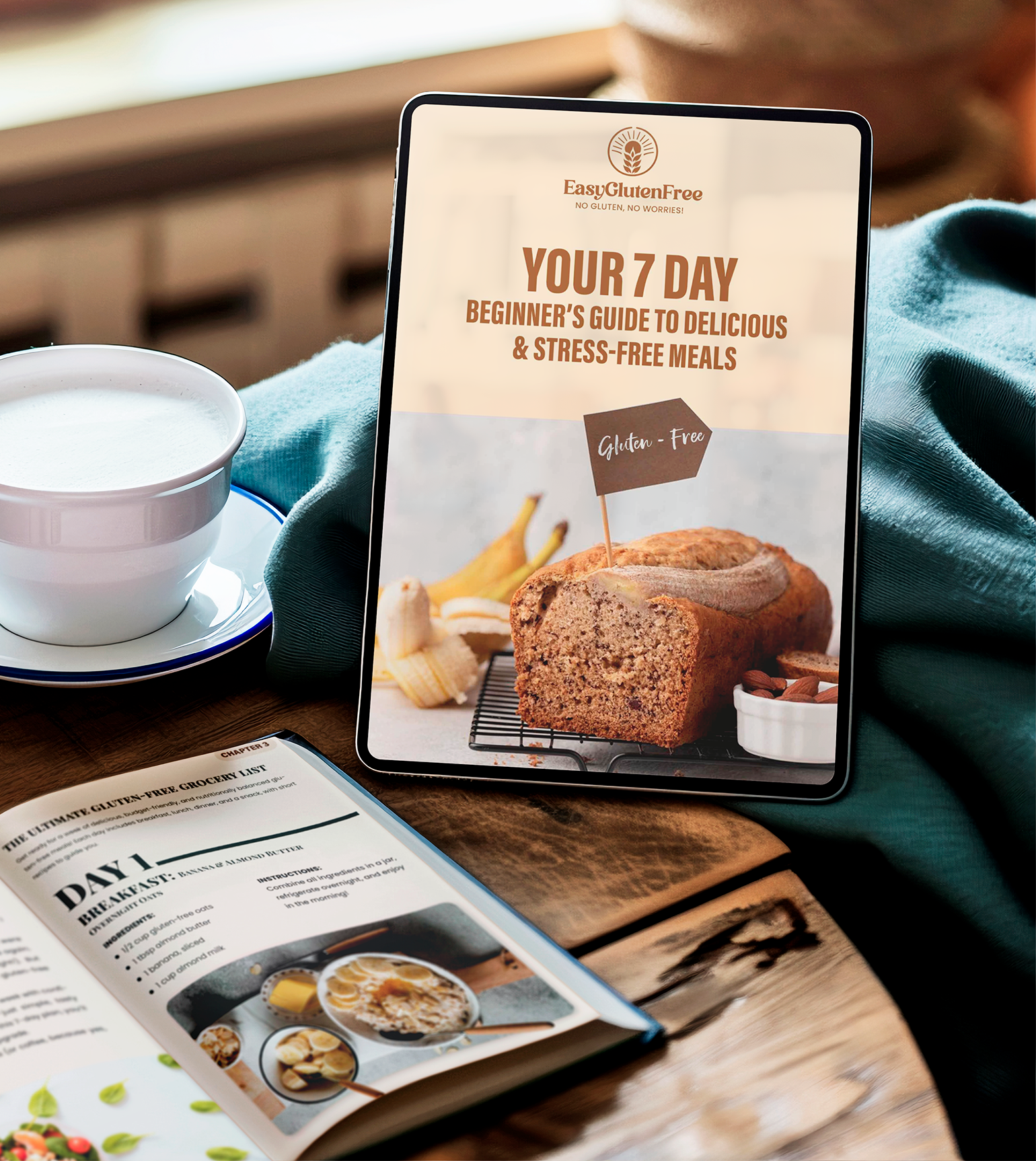
Download the Free Guide to Stress‑Free Gluten‑Free Meal Prep

Gluten-Free Meal Prep Ideas for Busy Weeks (Without Losing Your Sanity)
Gluten-free meal prep doesn’t have to mean eating dry chicken and sad salad on repeat. With a bit of planning, a few smart shortcuts, and the right containers, you can have grab-and-go breakfasts, packable lunches, and comforting dinners ready to reheat—without spending your entire Sunday in the kitchen.
Download Our Free Gluten-Free Starter Guide
- 7-day meal plan
- shopping list
- Tips & 3 beginner-friendly recipes
Introduction
If your weeks feel like a blur of “what on earth am I going to eat?” you’re not alone—especially when gluten is off the table. Between reading labels, avoiding cross-contact, and trying to keep everyone fed, gluten-free life can start to feel like a full-time job. Meal prep is one of the simplest ways to take that mental load down a few notches.
The goal of gluten-free meal prep isn’t perfection or picture‑perfect containers. It’s having enough ready-to-eat or ready‑to‑heat food on hand so that your future self can open the fridge and think, “Oh good, that’s done already.” With some batch cooking, smart storage, and a short, repeatable routine, you can cover breakfasts, work lunches, snacks, and several dinners in just a couple of prep blocks per week.
In this guide, we’ll walk through realistic gluten-free meal prep ideas that actually work on busy weeks: how to plan, what to cook, how to store it safely, and ways to keep things interesting so you don’t get burned out on the same three meals. Use this as a flexible framework and customize it to your household, your schedule, and your energy level. Let’s make gluten-free eating feel easier, not more complicated.
1. Planning a Gluten-Free Meal Prep Week
Before you chop a single carrot, spend 10–15 minutes planning. This is the part most people skip, but it’s what saves you from ending up with five containers of rice and nothing to actually eat with it.
Create a simple weekly overview
Think about your upcoming week:
- Busy nights: Which evenings are you home late or juggling activities? These are ideal for fully prepped “heat and eat” meals.
- Flexible nights: On easier days, you might only need prepped components (like cooked protein and chopped veggies) that you can quickly turn into dinner.
- Work or school days: How many lunches need to be portable, reheatable, or no-heat?
Jot this down on paper, in your planner, or in a notes app. You’re not creating a rigid schedule—you’re just matching the level of prep to your actual life.
Choose 3–4 “anchor” recipes
Instead of planning 21 different meals, pick a few gluten-free anchors you can mix and match:
- 1–2 proteins: For example, shredded chicken thighs, baked tofu, slow-cooked beef, or roasted chickpeas.
- 1–2 carbohydrates: Gluten-free grains or starches like rice, quinoa, potatoes, or certified gluten-free oats.
- Unlimited veggies: Roasted sheet-pan vegetables, salad mix, pre-cut raw veggies, or frozen vegetables.
- 1 sauce or dressing: A flavor-packed gluten-free sauce turns basic ingredients into an actual meal.
From there, you can assemble grain bowls, tacos or lettuce wraps (with GF shells), hearty salads, or simple plates without starting from scratch every day.
Build a short gluten-free shopping list
Start with what you already have, then build a list around your anchor recipes. For a gluten-free kitchen, this often includes:
- Gluten-free grains (rice, quinoa, certified GF oats)
- Proteins (eggs, chicken, beans, tofu, canned tuna or salmon)
- Fresh and frozen vegetables and fruit
- Gluten-free tortillas, bread, or wraps if you use them
- Pantry flavor boosters: broth, tomato paste, salsa, tamari, herbs and spices clearly labeled gluten-free
Keep a running “GF staples” list saved on your phone so you’re not rebuilding it from scratch every week. Cross off anything you already have stocked, and you’re out the door faster.
Time-block your prep sessions
Meal prep doesn’t have to be a three-hour Sunday marathon. Many gluten-free home cooks find it easier to:
- Do a 60–90 minute “big prep” once per week (often on weekends), and
- Add one or two 20–30 minute “mini preps” midweek for fresh veggies or a bonus recipe.
During your big prep, focus on anything that takes time but reheats well: grains, roasted veggies, proteins, and hearty casseroles or soups. Mini preps are perfect for washing lettuce, chopping fruit, or baking a quick batch of muffins.
2. Essential Tools & Storage for GF Meal Prep
You don’t need a kitchen full of gadgets to meal prep effectively, but a few well-chosen tools make everything faster, safer, and easier to store. When you’re gluten-free, smart storage also helps you keep your food clearly separate from any gluten-containing items other people in the house might be using.
Prep tools that save serious time
Think about tools that either cut down on chopping time or let food cook unattended while you do something else:
- Sharp chef’s knife and cutting board set: Color-coded boards can help you keep gluten-free prep separate from anyone making sandwiches or regular pasta.
- Sheet pans: Perfect for roasting big batches of vegetables, chicken, or potatoes. One pan can handle a full tray of lunches.
- Large pot or Dutch oven: Ideal for bulk soups, stews, and chilis that portion beautifully into individual containers.
- Slow cooker or electric pressure cooker: Great for hands-off shredded meats, beans, or big-batch gluten-free stews.
Why your storage containers matter
Good storage is the bridge between “I cooked” and “I actually ate what I cooked.” For gluten-free meal prep, look for containers that are:
- Clearly labeled or easily recognizable as gluten-free only.
- Leak-resistant so sauces and soups don’t end up all over your bag or fridge.
- Freezer-friendly if you like to batch cook or prep beyond a single week.
- Dishwasher-safe to keep cleanup realistic on busy weeks.
Mix and match: a combination of jars, glass containers, and reusable bags usually covers everything from snacks to full dinners.
Keeping gluten-free food safely separated
If you live in a mixed household, your storage system can double as a safety system:
- Designate a gluten-free shelf in the fridge and freezer.
- Use consistent colors or shapes for GF containers so they’re easy to spot.
- Store gluten-free items above gluten-containing food to avoid accidental crumbs falling into open containers.
A little intention here makes grabbing a safe lunch at 7:30 a.m. almost automatic.
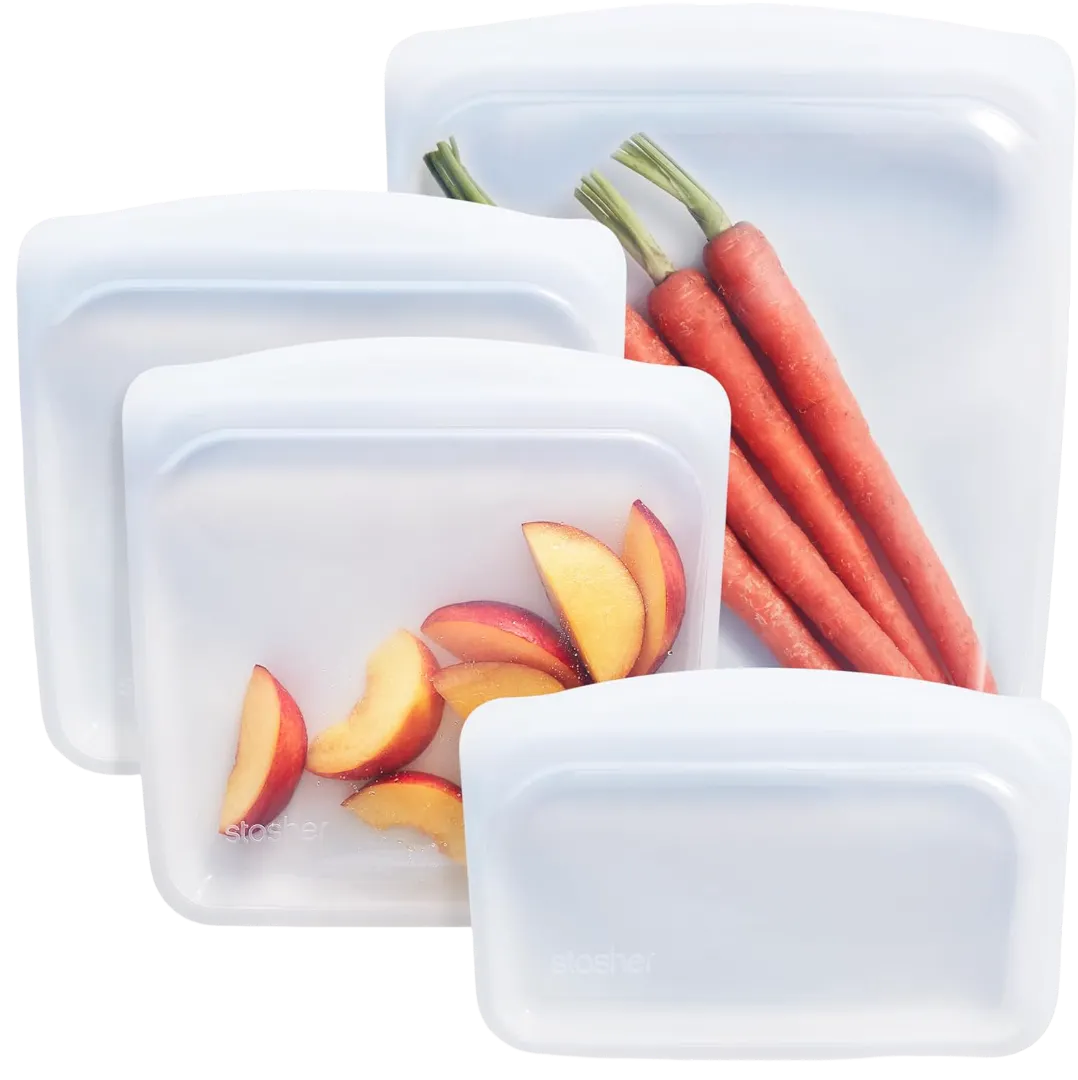
Premium Silicone Reusable Food Storage Bags
These are the “I have my life together” bags. Perfect for packing gluten-free snacks, leftovers from brunch, veggie sticks for road trips, or even freezer prep for busy weeks. They’re reusable, dishwasher-safe, plastic-free, and look aesthetically pleasing in your fridge and your IG stories. Great anchor product for any article about sustainability, meal prep, hosting, or on-the-go GF living.
3. Gluten-Free Meal Prep Ideas: Breakfast, Lunch, Dinner & Snacks
Let’s turn all that planning into actual food. Use these ideas as a mix‑and‑match menu rather than a rigid plan. Rotate your favorites, keep a few “default” meals on repeat, and sprinkle in something new when you have the energy.
Gluten-free breakfast prep ideas
Mornings are when meal prep shines the most. A few options to set yourself up:
- Overnight oats with certified gluten-free oats: Prep 3–4 jars at a time with oats, milk of choice, chia seeds, and toppings like fruit, nut butter, or seeds. Store in the fridge for up to four days.
- Egg muffin cups: Whisk eggs with chopped veggies, cooked sausage or beans, and a little cheese if you tolerate it. Bake in a muffin tin and store in the fridge for quick grab-and-reheat breakfasts.
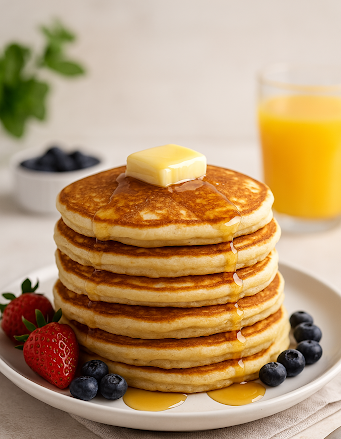
- Freezer-friendly pancakes or waffles: Make a big batch using a trusted gluten-free mix or recipe, then freeze in a single layer. Reheat in the toaster or oven for a fast, cozy breakfast.
- Yogurt parfait kits: Portion yogurt into containers and store granola (certified gluten-free) and fruit separately. Assemble in seconds so everything stays fresh and not soggy.
Packable gluten-free lunch ideas
Think in terms of components that travel well and hold up in the fridge for several days:
- Mix-and-match grain bowls: Combine a gluten-free grain (rice, quinoa, millet) with a prepped protein, roasted veggies, and a dressing. Keep sauce in a separate container until serving for the best texture.
- Hearty salads that last: Use sturdy greens like kale or cabbage, then add beans, nuts or seeds, roasted veggies, and cooked chicken or tofu. Store dressing separately to keep greens crisp.
- Soup or chili in jars: Big-batch a gluten-free soup or chili, then portion into single-serve containers. They reheat beautifully and make busy days easier.
- DIY “bistro boxes”: Combine sliced cheese, nuts, hummus, gluten-free crackers, hard-boiled eggs, and raw veggies. It’s essentially an adult snack plate that doubles as lunch.
Easy gluten-free dinner prep ideas
For dinners, you can either fully assemble meals or prep building blocks:
- Sheet‑pan dinners: Roast chicken, potatoes, and veggies together on one pan. Eat fresh on night one, then portion the rest into lunches or another dinner.
- Slow‑cooker stews or shredded meat: Use them for tacos with gluten‑free shells, rice bowls, or spooned over baked potatoes.
- Bake once, eat twice casseroles: Gluten-free casseroles (think shepherd’s pie style, rice-and-veggie bakes, or egg bakes) can often cover two dinners and a lunch or two.
- Prep‑ahead components: Cook a big batch of rice or quinoa, roast a tray of veggies, and marinate protein. On a weeknight, you’re only 10–15 minutes away from a complete meal.
Gluten-free snack prep you’ll actually eat
Snacks keep your energy up between meals and help you avoid the “I’m starving, I’ll eat anything” panic. A few ideas:
- Pre‑cut veggies with dip (hummus, guacamole, or yogurt-based dips clearly labeled gluten-free)
- Fruit that’s washed and ready to grab (grapes, berries, oranges, apples)
- Portioned nuts, seeds, or trail mix using only gluten-free ingredients
- Gluten-free muffins or energy bites stored in the freezer for quick grab‑and‑go
- Cheese sticks, hard-boiled eggs, or snack packs built in reusable bags or containers
Keep your snacks in a dedicated “GF snack zone” in the pantry or fridge so you’re never hunting for something safe to eat.
Recipe Inspiration
Try these gluten-free staples loved by thousands:


4. Staying Safe: Cross-Contact & Label Tips During Prep
Meal prep is powerful, but if you’re gluten-free, it also has to be safe. The more food you’re handling at once, the more intentional you need to be about cross-contact—especially if your kitchen isn’t 100% gluten-free.
Set up your gluten-free prep zone
Before you start cooking, create a clear, clean gluten-free workspace:
- Wipe counters thoroughly and wash your hands.
- Use dedicated gluten-free cutting boards, utensils, and colanders if possible.
- Keep gluten-containing bread, flour, and snacks away from your prep area.
- Start with gluten-free foods before anyone in the household starts using gluten-containing ingredients.
A few minutes of setup helps you relax and focus on cooking, not worrying about crumbs.
Be label‑smart while shopping and prepping
Gluten can hide in sauces, broths, seasonings, and convenience items you might rely on for meal prep. Build the habit of:
- Reading every label, every time, even if it’s something you’ve bought before—formulas can change.
- Looking for clear gluten-free labeling when possible.
- Double-checking items like soy sauce, bouillon, marinades, spice blends, and snack mixes.
When in doubt, put it back and choose a clearly labeled option. Your future self will thank you when reheating dinner feels simple and safe.
Storing gluten-free food to avoid cross-contact
Once your meal prep is done, how you store food matters just as much as how you cooked it:
- Cool hot foods briefly, then store them in sealed containers with lids fully closed.
- Place gluten-free items on a designated shelf in the fridge and freezer.
- If there are gluten-containing leftovers in the house, store them below or away from your gluten-free meals.
- Label containers if helpful—for example, “GF Chicken Bowl – Tuesday Lunch.”
This small system solves two problems at once: you avoid cross-contact and you’re less likely to forget what you prepped.
How long does gluten-free meal prep last?
General fridge guidelines many home cooks follow for meal-prepped food:
- Cooked grains and beans: about 3–4 days
- Cooked meat and poultry: about 3–4 days
- Soups and stews: about 3–4 days
- Pre-cut veggies and salads: often 3–5 days, depending on the type and how they’re stored
When you want to prep further ahead, use your freezer strategically: portion soups, stews, sauces, and cooked proteins into freezer-safe containers or reusable bags, label them with the date, and you’ve got a head start on future weeks.
5. Make Meal Prep a Habit (Without Burning Out)
The best gluten-free meal prep system is the one you’ll actually stick with. That usually means starting smaller than you think and giving yourself permission to keep it incredibly simple.
Start with just one meal type
If doing breakfasts, lunches, and dinners all at once feels overwhelming, don’t. Instead:
- Pick the one meal that causes you the most stress—often weekday lunches or weeknight dinners.
- Focus your prep on making that single meal easier for 3–4 days.
- Once that feels automatic, add another meal (or snack prep) if you want to.
This step-by-step approach builds confidence and lets you test what actually works in your real life.
Repeat your favorites on purpose
Variety can be fun, but it also takes more planning and mental energy. Many gluten-free families thrive on a rotating set of “theme nights” or default meals:
- Bowl night (grain + protein + veggies + sauce)
- Taco or lettuce wrap night with gluten-free shells
- Soup and salad night
- Breakfast-for-dinner night
Within each theme, you can rotate ingredients or sauces so things stay interesting without reinventing the wheel every week.
Use your freezer as a backup plan
Whenever you cook something that freezes well—soups, stews, cooked meats, casseroles—consider doubling the recipe. Eat half this week and freeze the rest in labeled portions. On a rough night, defrosting a home-cooked gluten-free meal is a lot easier than starting from zero.
Give yourself grace (and shortcuts)
Real life includes weeks when you rely more on shortcuts—and that’s okay. Some gluten-free-friendly shortcuts many people lean on are:
- Pre-washed greens and coleslaw mix
- Frozen vegetables and fruit
- Rotisserie chicken that’s clearly labeled gluten-free
- Jarred sauces or salsas made with gluten-free ingredients
- Trusted gluten-free bread, wraps, or crackers
Remember: there’s no “perfect” way to do gluten-free meal prep. The point is to make your life easier, support how you feel day to day, and free up your time and energy for things you actually want to do.
Start with one or two ideas from this guide, build from there, and let your system evolve with you. Your future self—opening the fridge on a busy Wednesday and seeing a ready-made gluten-free meal—will be so glad you did.
Key Takeaways
- Gluten-free meal prep works best when you plan around your actual schedule, not an ideal week.
- Choose a few anchor recipes and prep big-batch components—proteins, grains, and veggies—to mix and match all week.
- Safe, clearly designated storage helps you avoid cross-contact and makes grabbing gluten-free meals almost automatic.
- Focus on one meal type at a time, repeat your favorites, and use your freezer to take pressure off busy weeks.
- Meal prep is a tool to make gluten-free living easier; it doesn’t have to be perfect to be incredibly helpful.
Take the Next Step in Your Gluten-Free Journey
- Download the Free EGF Starter Guide
- Try our Gluten-Free Planner to simplify your week
- Explore our growing recipe library
You don’t have to navigate the gluten-free lifestyle alone, we are here to make it easier every day.
Category: Meal Planning