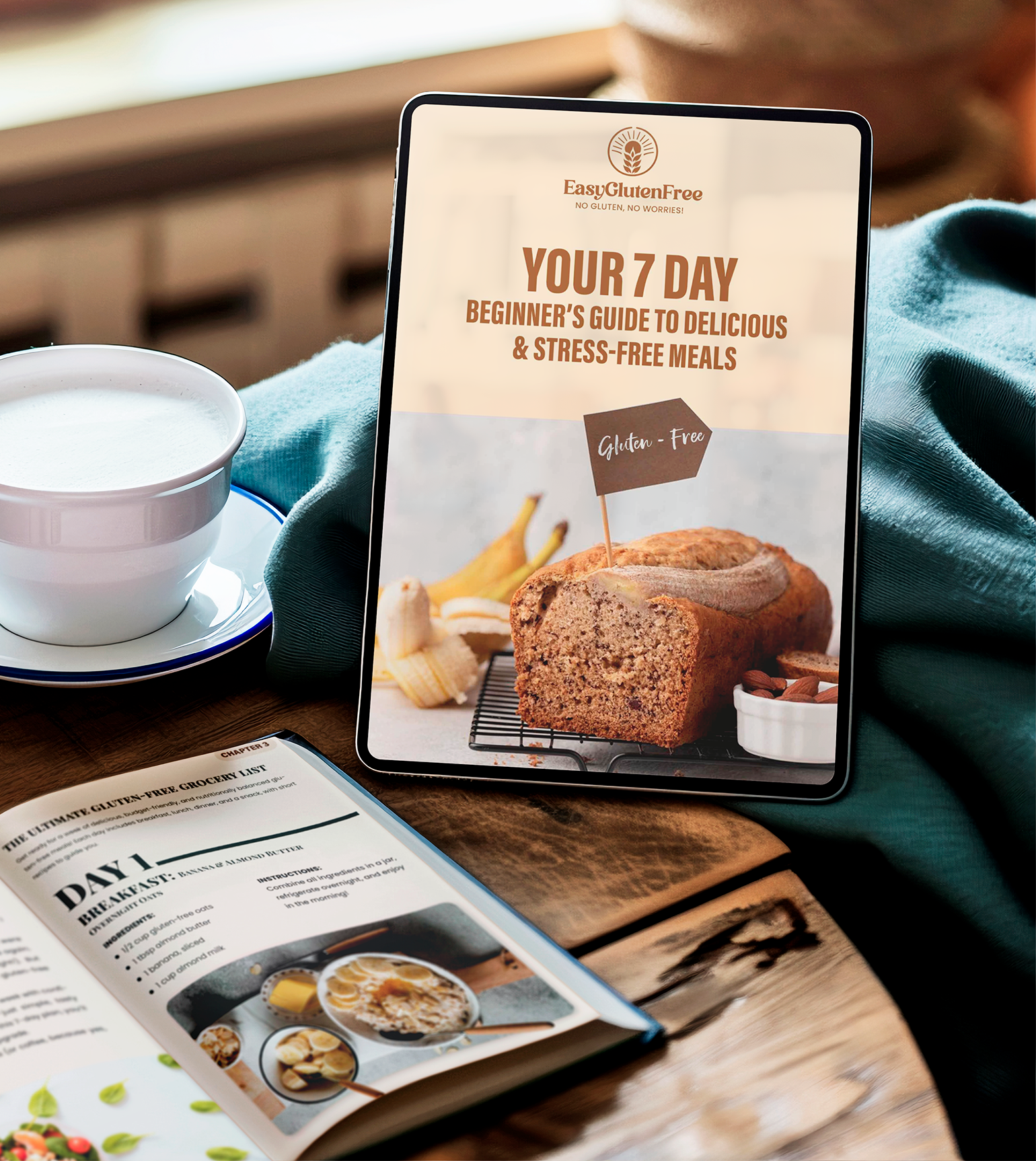
Download the Ultimate Gluten-Free Hosting Playbook

Gluten-Free Brunch Hosting: Easy Ideas, Safe Menus & Stress-Free Prep
Hosting a gluten-free brunch doesn’t have to mean complicated recipes or apologizing for “being difficult.” With a bit of planning, the right ingredients, and a few smart shortcuts, you can lay out a gorgeous spread that’s naturally gluten-free, safe for sensitive guests, and so delicious that nobody misses the gluten. This guide walks you through menu ideas, cross-contact tips, prep timelines, and effortless ways to make your table feel special—not stressful.
Download Our Free Gluten-Free Starter Guide
- 7-day meal plan
- shopping list
- Tips & 3 beginner-friendly recipes
Introduction
If you’ve ever tried to host brunch for gluten-free friends (or you’re the gluten-free one hoping not to eat just fruit and coffee), you know it can feel intimidating. Classic brunch menus are full of bread, pastries, and cross-contact landmines. But when you flip the script and build the menu around simple, naturally gluten-free dishes, brunch suddenly becomes one of the easiest meals to host.
This article will walk you through how to create a stress-free gluten-free brunch from start to finish: planning your menu, shopping without second-guessing every label, prepping ahead so you’re not stuck in the kitchen, and serving everything in a way that feels both safe and a little bit special. Think frittatas, roasted potatoes, yogurt parfait bars, and bright salads—plus ideas for baked treats that actually taste like brunch, not “compromise.”
Whether you’re throwing a baby shower, holiday get-together, or casual Sunday hangout, you’ll find practical, evergreen tips you can reuse over and over. Use this as your go-to brunch blueprint, and then customize the details based on the season, your guests, and how much time and energy you realistically have that week.
1. Planning a Gluten-Free Brunch That Actually Feels Easy
The secret to a smooth gluten-free brunch is to build your menu around dishes that are naturally gluten-free, require minimal last-minute cooking, and can be served family-style. That way you’re not juggling separate “special” food for gluten-free guests; the whole spread works for everyone.
Start with a simple framework
Instead of starting with specific recipes, think in categories. A balanced brunch typically includes:
- One egg-based main – frittata, crustless quiche, or shakshuka.
- One hearty side – roasted potatoes, hash, or breakfast sausage (verified gluten-free).
- One fresh element – fruit salad, citrus platter, or simple green salad.
- One “treat” – muffins, coffee cake, or pancakes made with trusted gluten-free ingredients.
- One beverage station – coffee, tea, water, plus an optional mimosa or juice bar.
This structure keeps your menu focused and makes planning your shopping list much easier. You can repeat this framework for holidays, birthdays, or casual weekends and just rotate flavors with the seasons.
Choose naturally gluten-free stars
Eggs, vegetables, potatoes, fruit, dairy, legumes, and most meats are naturally gluten-free when they’re not seasoned or processed with gluten-containing ingredients. Building your menu around these basics means fewer specialty products to buy and fewer labels to stress over.
For example, instead of a traditional quiche with a wheat crust, try a veggie-packed crustless quiche baked in a pie dish. Swap regular toast and bagels for:
- Roasted breakfast potatoes with herbs
- A quinoa or rice salad with fresh herbs
- Yogurt parfaits layered with gluten-free granola
These feel abundant and satisfying, without ever needing to explain that they’re gluten-free—the best compliment is when guests don’t even think about it.
Clarify your guests’ needs early
If you’re hosting someone who must strictly avoid gluten, ask a few gentle questions ahead of time. Something like: “I’m planning a fully gluten-free brunch and want to be sure we’re on the same page. Do you avoid oats? Are there any brands you trust or avoid?” This kind of upfront conversation builds trust and prevents last-minute panic when you realize your guest can’t have a certain ingredient.
You can also offer to share the menu in advance. Many gluten-free guests are happy to bring a favorite bread or dessert to add to the table, which takes pressure off you and ensures there’s at least one “sure thing” they’re excited about.
Make a realistic hosting plan
Brunch timing can be tricky because you’re working with a mid-morning or early afternoon start. To keep yourself sane, decide honestly how much energy you have:
- Low-energy brunch: One homemade main + store-bought helpers (fruit, yogurt, gluten-free granola, pre-washed greens).
- Medium-energy brunch: Two cooked dishes + one baked treat you prep the day before.
- High-energy brunch: Multiple mains and sides, a baked item, and a salad—but only if you truly enjoy being in the kitchen.
Write down what you’ll cook, what you’ll buy ready-made, and what time everything needs to go into the oven. Treat it like a simple project plan; your future hosting self will thank you.
2. Safe Gluten-Free Brunch Menu Ideas & Smart Storage
Once you’ve committed to a simple framework, it’s time to plug in actual recipes and decide how you’ll store and serve everything. The goal: maximum flavor, minimal last-minute chaos.
Gluten-free brunch mains everyone loves
Here are reliable, crowd-pleasing ideas you can adapt with whatever you have on hand:
- Veggie-loaded frittata: Eggs, cream or milk, cheese, and your favorite vegetables baked in a skillet or baking dish. Naturally gluten-free and reheats beautifully.
- Shakshuka: Eggs simmered in a spiced tomato and pepper sauce. Serve with gluten-free bread or roasted potatoes for scooping.
- Breakfast hash: Diced potatoes, onions, peppers, and your choice of sausage or bacon, topped with fried or poached eggs.
- Yogurt parfait bar: Set out bowls of yogurt, gluten-free granola, chopped nuts, seeds, and fruit for a DIY station.
Sides & “treat” ideas
You don’t need a full bakery case to make brunch feel special; one thoughtfully chosen sweet or baked item is plenty:
- Roasted potatoes or sweet potatoes with olive oil, salt, pepper, and herbs.
- Simple citrus or berry salad with a drizzle of honey and fresh mint.
- Gluten-free muffins made from a trusted mix or from-scratch recipe.
- Pancakes or waffles prepared with a clearly labeled gluten-free flour blend, cooked on a clean, dedicated pan or griddle.
If you’re using any mixes (for pancakes, muffins, or quick breads), check the packaging for “gluten-free” labeling and read the ingredient list for hidden gluten sources like wheat, barley, rye, or malt.
Labeling & serving with confidence
Labeling isn’t just cute—it’s practical. Small cards or sticky notes near each dish help guests with dietary needs feel comfortable eating without asking you about every ingredient.
Include notes like:
- “Gluten-free · contains dairy and egg”
- “Gluten-free · vegetarian”
- “Gluten-free · nut-free” if applicable
Set up separate serving utensils for each dish to avoid crumbs or sauces traveling from plate to plate. If some items are not gluten-free (for non-GF guests), group them together at one end of the table and clearly mark them.
Storing prep-ahead dishes the smart way
Brunch success is 50% menu and 50% storage. Many gluten-free brunch dishes can be made the day before and stored in the fridge, then reheated just before serving. That includes frittatas, breakfast casseroles, roasted potatoes, and muffins.
Choosing reusable, airtight storage helps you:
- Keep gluten-free food safe from any stray crumbs in the fridge.
- Portion make-ahead items (like chopped veggies or prepped fruit) by recipe.
- Store leftovers neatly so tomorrow’s breakfast is already handled.
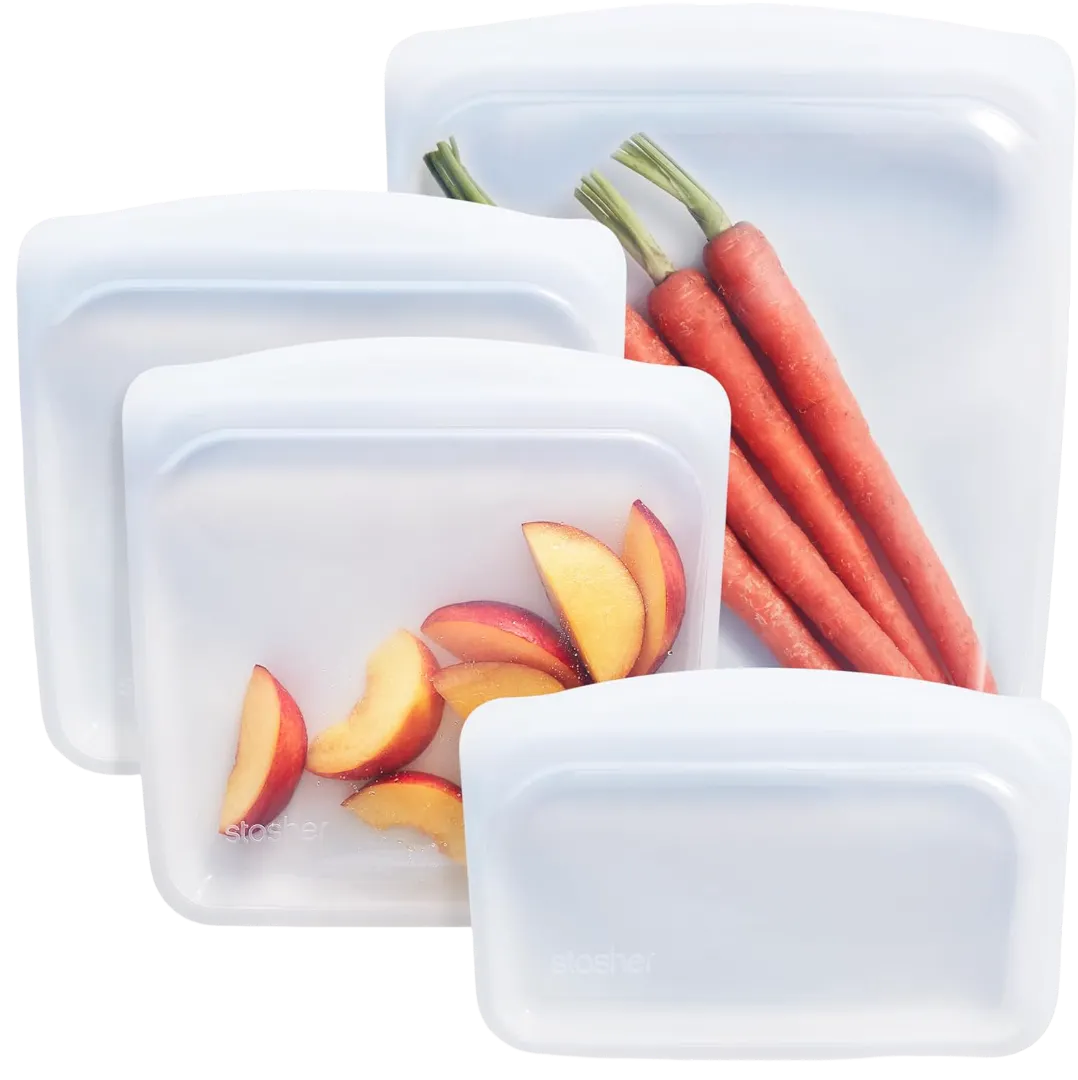
Premium Silicone Reusable Food Storage Bags
These are the “I have my life together” bags. Perfect for packing gluten-free snacks, leftovers from brunch, veggie sticks for road trips, or even freezer prep for busy weeks. They’re reusable, dishwasher-safe, plastic-free, and look aesthetically pleasing in your fridge and your IG stories. Great anchor product for any article about sustainability, meal prep, hosting, or on-the-go GF living.
3. Prep Timeline: What to Make Ahead (and What to Skip)
Brunch happens earlier in the day, which means anything you can knock out in advance is a gift to yourself. A loose timeline helps you space out tasks, stay organized, and actually enjoy your guests.
Two–three days before
- Finalize your menu and guest list. Confirm any additional dietary needs (dairy-free, nut-free, vegetarian).
- Do your main grocery run. This gives you time to make a second run if you forgot something or decide to add a simple extra dish.
- Prep pantry items. Pull out spices, oils, baking supplies, coffee, tea, and serving dishes so they’re easy to grab.
The day before brunch
This is your key prep window. Most of the work happens here, leaving brunch day mostly for reheating, assembling, and sipping coffee.
- Chop vegetables for frittatas, hashes, or salads and store them in labeled containers in the fridge.
- Wash and prep fruit, then store it separately so it stays fresh and doesn’t get soggy.
- Bake muffins, coffee cake, or quick breads. Gluten-free baked goods often keep well for a day when stored airtight.
- Assemble egg bakes or breakfast casseroles, either fully bake and plan to reheat, or assemble in the dish and bake fresh in the morning (following safe refrigeration times in your recipe).
- Set the table or buffet area. Lay out plates, napkins, cups, and serving utensils so you’re not scrambling.
Doing these steps early also means you have time to quickly double-check packaging for gluten-containing ingredients, without guests waiting on you.
Brunch morning
The morning of, your job is mostly about timing and reheating:
- Preheat the oven to warm casseroles, frittatas, or potatoes.
- Mix or cook any last-minute items, like scrambled eggs, fried eggs, or fresh fruit salads that are best assembled right before serving.
- Set up beverages: Brew coffee, heat water for tea, chill juice or sparkling water, and set out mugs and glasses.
- Put out toppings and condiments like butter, jam, salsa, hot sauce, or yogurt toppings in small bowls.
What to skip making from scratch
Not everything needs to be homemade. Here are items that are usually easier (and totally acceptable) to buy ready-made:
- Pre-washed salad greens and baby spinach.
- Gluten-free granola from a trusted brand.
- Gluten-free bread or bagels (slice and toast just before serving).
- Prepared salsa, guacamole, or hummus labeled gluten-free.
When shopping, always check labels and look for potential gluten sources like wheat, barley, rye, malt, and some flavorings. If in doubt, choose something with a clear “gluten-free” label or swap it for a simpler, naturally gluten-free option like fresh fruit or vegetables.
Recipe Inspiration
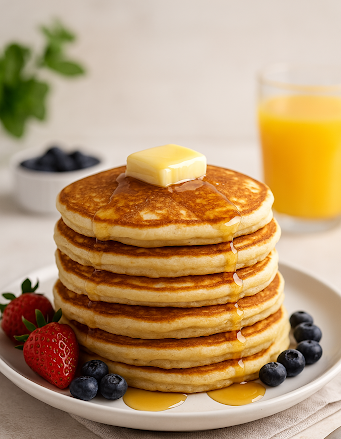
Try these gluten-free staples loved by thousands:


4. Avoiding Cross-Contact in a Shared Kitchen
Great gluten-free brunches are about more than just ingredients—they’re also about how you prepare and serve the food. Cross-contact happens when gluten-free food touches gluten (think shared knives, cutting boards, or toasters), and even small amounts can be a problem for many gluten-free guests.
Clean and clear your prep space
Before you start cooking:
- Wipe down counters carefully, especially if bread or flour is used regularly in your kitchen.
- Wash your hands before handling gluten-free ingredients.
- Use clean dish towels or paper towels instead of ones that may have been used around crumbs.
If you normally bake with wheat flour, remember that loose flour can linger on surfaces. Give your main prep area and frequently used tools a little extra attention.
Use dedicated or well-cleaned tools
Some kitchen items hold onto crumbs or residue more easily than others. For your gluten-free brunch:
- Use clean cutting boards that haven’t been scored by knives with gluten-containing foods.
- Wash knives, spatulas, and spoons thoroughly before using them for gluten-free dishes.
- Avoid shared toasters and waffle irons that normally cook gluten-containing bread unless they are dedicated gluten-free or fully cleaned according to manufacturer instructions.
- Be mindful of wooden utensils and boards if they’re used frequently with gluten-containing foods.
Set up your buffet with intention
Cross-contact can easily happen at the table when guests serve themselves. A few simple strategies help keep everything safer:
- Serve all gluten-free dishes together at the main part of the buffet.
- If you offer any gluten-containing foods, place them at the very end with their own plates and utensils.
- Provide a separate butter dish and spreads for gluten-free bread so knives don’t bounce back and forth between gluten and gluten-free items.
- Consider serving some items individually portioned (like yogurt cups or pre-portioned parfaits) to reduce shared utensil use.
Communicate with your gluten-free guests
Open communication goes a long way. When guests arrive, you might say something like, “Everything on this side of the table is gluten-free, and I used separate utensils to prep and serve it. If anything feels off, please tell me—I want you to feel comfortable eating here.”
Most gluten-free guests are used to having to navigate food situations carefully. Hearing that you’ve taken steps to keep them safe can be incredibly reassuring and helps them relax and actually enjoy the morning.
5. Hosting Confidently: Communication, Shortcuts & Leftovers
Gluten-free brunch hosting doesn’t have to be perfect to be memorable. Thoughtfulness, clarity, and a few smart shortcuts matter more than an elaborate menu.
Be upfront—but not apologetic
When you invite guests, you can mention that the brunch will be gluten-free in a casual way: “I’m putting together a gluten-free brunch menu so everyone can enjoy everything on the table.” This normalizes your menu instead of framing it as a limitation.
If someone is used to traditional pastries and bread-heavy spreads, you can always add, “Expect lots of eggs, potatoes, fruit, and one really good baked treat.” People care more about whether the food tastes good than whether it contains gluten.
Lean on smart shortcuts
There’s no bonus prize for making every single item from scratch. Shortcuts that still feel special include:
- Pre-cut fruit trays from a store, arranged on your own platter.
- Good quality gluten-free bread or bagels, warmed in the oven and served with butter and jam.
- Store-bought hummus or dips labeled gluten-free, served with fresh veggie sticks.
- Gluten-free granola in a big jar with a scoop as part of a yogurt bar.
Pair these with one or two homemade items, and your brunch will feel both personal and manageable.
Handle leftovers safely and creatively
One of the perks of brunch is how well the leftovers usually do the next day. Store them in airtight containers and label what’s gluten-free if your household includes both gluten and gluten-free eaters.
Ideas for using leftover gluten-free brunch food:
- Frittata or egg bakes: Slice and reheat for quick weekday breakfasts or pack into lunches.
- Roasted potatoes: Crisp them up in a skillet and top with a fried egg for an easy dinner.
- Muffins or coffee cake: Freeze in individual portions and defrost as needed.
- Fruit: Turn extra berries or citrus into smoothies or simple toppings for yogurt or oatmeal (using gluten-free oats if suitable for you).
Build your “signature brunch” over time
You don’t have to reinvent your menu for every gathering. Over time, you’ll notice which dishes guests rave about and which ones make your hosting life easier. Those can become your signature gluten-free brunch lineup.
Maybe it’s always:
- A reliable veggie frittata
- Perfectly crispy potatoes
- A bright fruit platter
- One gluten-free baked good that everyone expects and loves
Once you’ve found your rhythm, hosting a gluten-free brunch becomes less of a project and more of a ritual—one you can repeat, tweak, and actually enjoy along the way.
Key Takeaways
- Build your gluten-free brunch around naturally gluten-free foods like eggs, potatoes, fruit, and veggies to keep planning simple and stress-free.
- Use a basic framework—one main, one hearty side, one fresh element, one treat, and a beverage station—to design easy, repeatable menus.
- Prep as much as possible the day before, including chopping vegetables and baking treats, so brunch morning stays relaxed.
- Protect gluten-free guests by cleaning your space, using separate utensils, and setting up your buffet to minimize cross-contact.
- Communicate openly with guests, lean on smart store-bought shortcuts, and treat leftovers as ready-made meals for the rest of the week.
Take the Next Step in Your Gluten-Free Journey
- Download the Free EGF Starter Guide
- Try our Gluten-Free Planner to simplify your week
- Explore our growing recipe library
You don’t have to navigate the gluten-free lifestyle alone, we are here to make it easier every day.
Category: Hosting & Entertaining