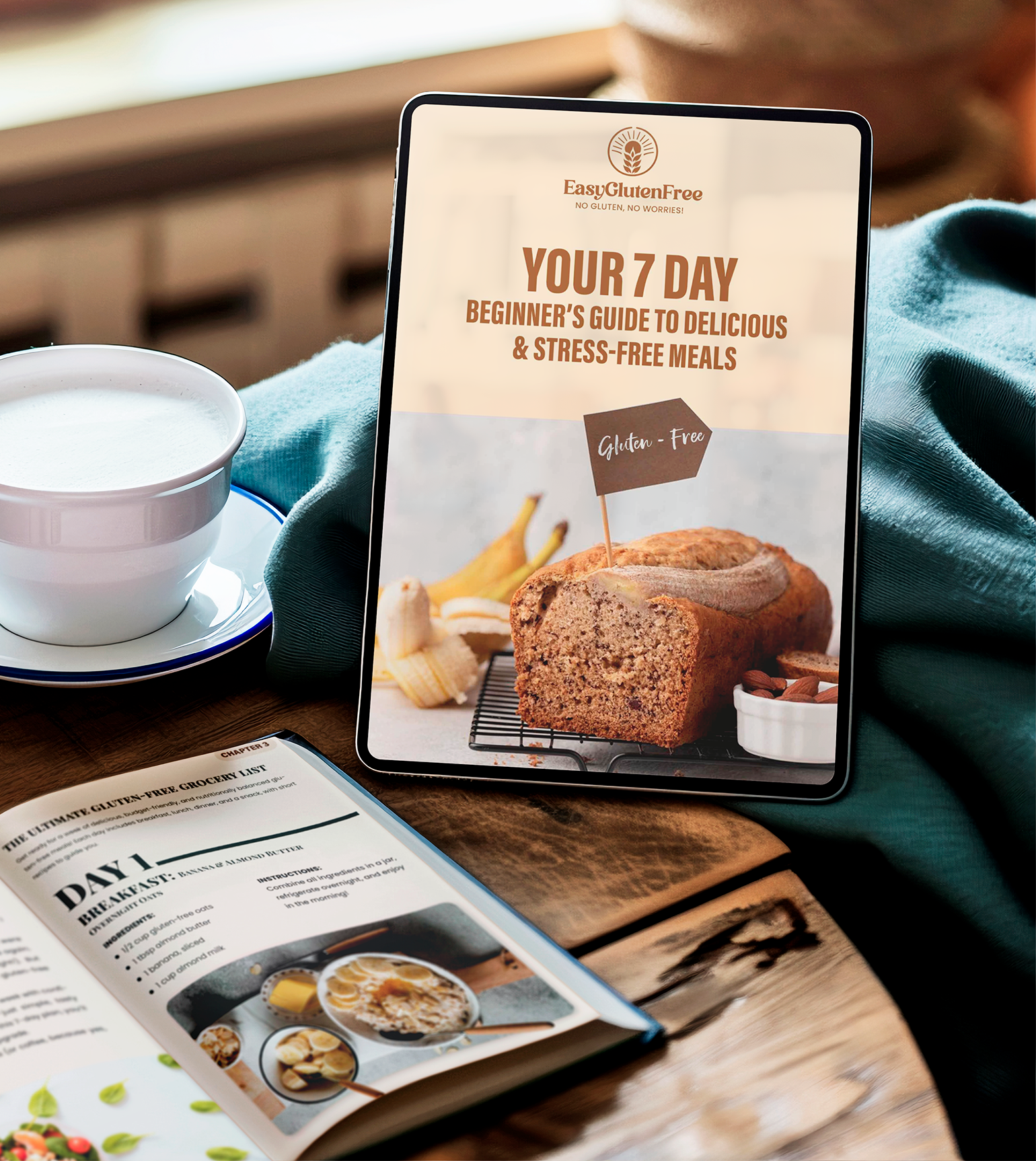
Download the Ultimate Gluten-Free Kitchen Reset eBook

Gluten-Free Kitchen Essentials for Busy Home Cooks
If you’re juggling work, family, and a gluten-free lifestyle, the kitchen can either feel like your calm command center—or total chaos. This guide walks you through the must-have tools, smart storage ideas, and simple systems that help busy gluten-free home cooks stay organized, safe from cross-contact, and actually excited to cook again.
Download Our Free Gluten-Free Starter Guide
- 7-day meal plan
- shopping list
- Tips & 3 beginner-friendly recipes
Introduction
Running a gluten-free kitchen when you’re busy is a bit like hosting a dinner party every night: there are a lot of moving parts, a lot of hungry people, and not a lot of extra time. The good news? With a few strategic tools and systems, your gluten-free kitchen can feel streamlined, safe, and genuinely easy to maintain—even on weeknights when everyone is asking “What’s for dinner?” at 5:32 p.m.
This article focuses on gluten-free kitchen essentials for busy home cooks: what you actually need, what you can skip, and how to set things up so cooking takes less brainpower and clean-up doesn’t turn into a second shift. We’ll cover core equipment, smart organization, cross-contact safety, meal prep shortcuts, and sustainable storage that fits a real-life routine.
Whether you’re newly gluten-free or you’ve been doing this for years and just feel a little scattered, think of this as a gentle reset. You’ll walk away with a clear plan to stock, organize, and use your kitchen so eating gluten-free feels simpler, not harder—no chef-level skills required.
1. Setting Up a Gluten-Free Friendly Kitchen
Before you buy a single gadget, the most important “essential” is how your kitchen is set up. A thoughtful layout keeps you safe from gluten cross-contact and saves you from constantly re-cleaning and re-checking ingredients.
Decide: 100% gluten-free or shared kitchen?
If your home is fully gluten-free, your job is simpler: everything that comes into the kitchen should be gluten-free by default, and everyone plays by the same rules. For many households, though, gluten-free and gluten-containing foods have to coexist. In that case, planning your layout is key.
In a shared kitchen, aim for dedicated gluten-free zones and clearly labeled items. Think of it as giving gluten-free food “VIP access”: its own prep area, storage containers, and certain tools that never touch gluten.
Designate a gluten-free prep zone
Choose a specific section of your counter to be your gluten-free prep area. Keep it:
- Well-lit so crumbs are easy to spot
- Close to the sink for quick clean-up
- Near your most-used tools and cutting boards
Wipe this area down before and after use, and avoid prepping gluten-containing bread, pasta, or baked goods nearby. Over time, everyone in the household will learn “this is the gluten-free counter.”
Use dedicated gluten-free tools
Certain tools are nearly impossible to fully clean once they’ve been used with gluten, especially if they’re scratched or porous. In a gluten-free or mixed kitchen, it’s worth having gluten-free-only versions of:
- Cutting boards (look for ones that are easy to color-code)
- Toasters or toaster bags
- Wooden spoons and spatulas
- Colanders and sieves (pasta starch can cling in the tiny holes)
- Nonstick pans that are older or scratched
Labeling helps everyone stay on track. You can use a permanent marker, colored tape, or simple “GF” stickers so nobody has to guess which tools are safe.
Clean with a gluten-aware mindset
Everyday cleaning can prevent a lot of accidental gluten exposure. Build a few habits into your routine:
- Wash hands before starting food prep and after handling gluten-containing foods.
- Use fresh dishwater and clean cloths, especially after rinsing gluteny dishes.
- Wipe counters with hot, soapy water instead of just brushing crumbs to the floor.
- Replace deeply scratched plasticware and cutting boards that have seen years of gluten-based doughs and breads.
None of this has to be intense or complicated—once you set up your zones and tools, the rest becomes muscle memory, even on busy nights.
2. Smart Storage Solutions for Busy Gluten-Free Cooks
Smart storage is one of the most underrated gluten-free kitchen essentials for busy home cooks. When ingredients are labeled, visible, and easy to grab, you’re far more likely to cook at home instead of defaulting to last-minute takeout.
Separate and label gluten-free foods
In both the pantry and the fridge, try to give gluten-free items their own shelves or clearly marked sections. Store gluten-free foods:
- Above gluten-containing foods to avoid crumbs falling down
- In closed containers instead of open bags whenever possible
- With clear labels like “GF pasta,” “GF snacks,” and “GF baking”
Transparent bins, baskets, or drawer organizers work well. When you can see what you have at a glance, it becomes much easier to plan quick gluten-free meals.
Embrace reusable storage for prep and leftovers
Reusable food storage is a lifesaver when you’re juggling prep, leftovers, and grab-and-go snacks. It also makes it easier to portion out meals and keep gluten-free foods clearly contained and protected in a shared fridge.
Look for storage that is:
- Easy to label (with dry-erase, masking tape, or erasable pens)
- Durable enough for daily use
- Freezer-friendly for batch cooking
- Dishwasher-safe so clean-up is one step, not three
Even setting aside a single drawer or fridge shelf for prepped gluten-free meals and snacks can take a lot of stress out of busy weekdays.
Make grab-and-go snacks visible
Keep your gluten-free snacks front and center. A simple clear bin labeled “GF Snacks” can live:
- In the pantry for crackers, bars, nuts, and trail mix
- In the fridge for cut veggies, hummus, cheese, and fruit
- Near the door or in a cabinet for lunchbox items and travel snacks
When safe options are easy to spot, you’re less likely to grab something questionable in a rush.
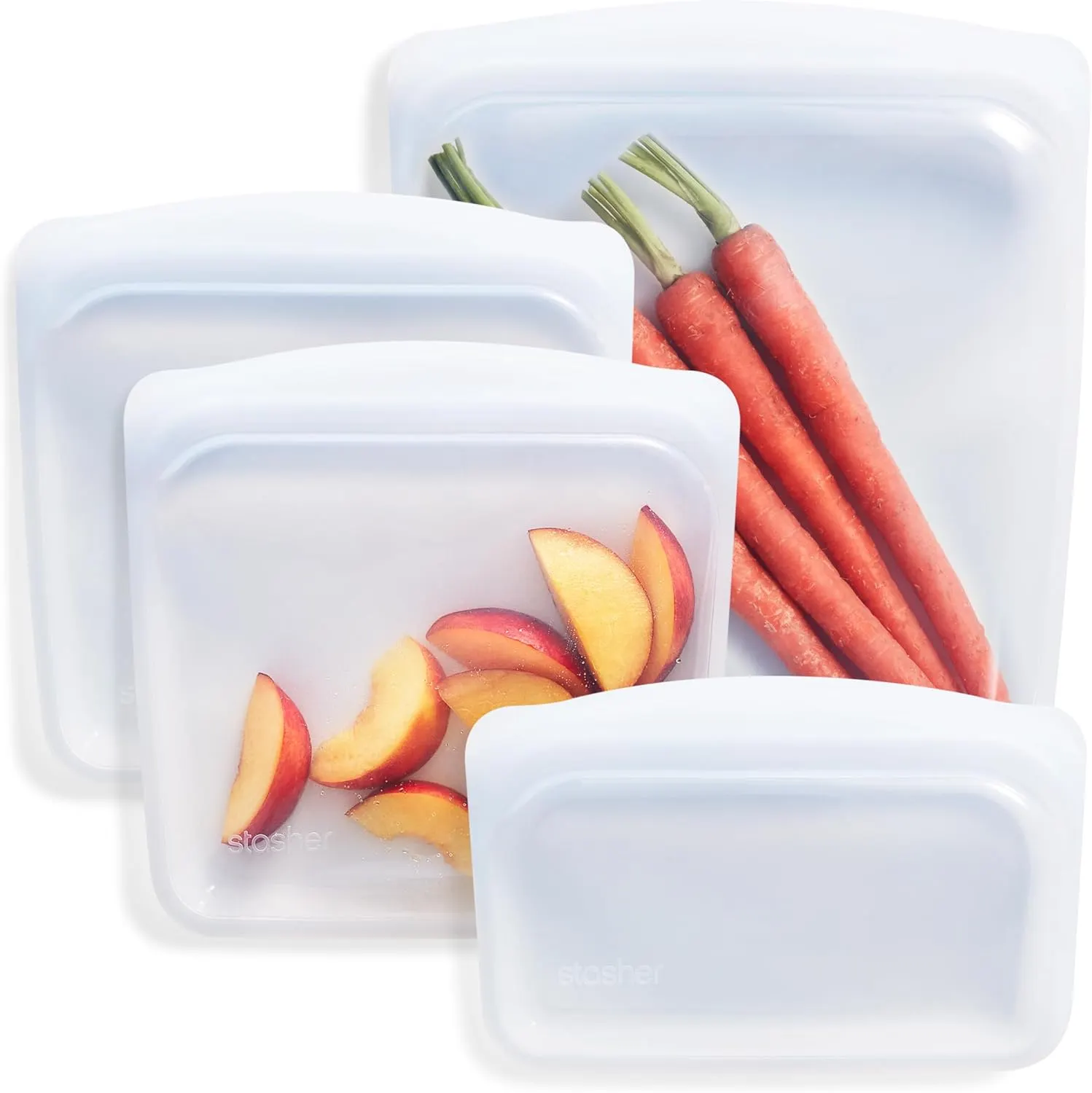
Premium Silicone Reusable Food Storage Bags
These are the “I have my life together” bags. Perfect for packing gluten-free snacks, leftovers from brunch, veggie sticks for road trips, or even freezer prep for busy weeks. They’re reusable, dishwasher-safe, plastic-free, and look aesthetically pleasing in your fridge and your IG stories. Great anchor product for any article about sustainability, meal prep, hosting, or on-the-go GF living.
3. Time-Saving Tools and Appliances
Busy gluten-free home cooks don’t need a kitchen full of fancy gadgets, but a few well-chosen tools can cut your cooking time in half and make weeknights much less stressful.
Core equipment that earns its place
Think in terms of “return on effort”—which tools save you time and help you cook more at home? Some especially helpful options include:
- Quality chef’s knife and cutting board: Makes chopping veggies, fruit, and proteins faster and safer. Keep at least one board designated gluten-free.
- Large sheet pans: Perfect for sheet pan dinners, roasted veggies, and batch-cooking proteins with minimal clean-up.
- Nonstick skillet and saucepan: Ideal for eggs, stir-fries, quick sauces, and one-pan meals. Reserve newer pans for gluten-free cooking if your kitchen is mixed.
- Good colander: Essential for gluten-free pasta and rinsing grains and beans. In a shared kitchen, keep a gluten-free-only colander.
Time-saving appliances to consider
Depending on your cooking style and budget, one or two of these can be game-changing:
- Slow cooker: Great for set-it-and-forget-it soups, stews, taco fillings, and shredded chicken that can be used in multiple meals.
- Multi-cooker or pressure cooker: Speeds up cooking for rice, beans, curries, and broths.
- Blender or stick blender: Helpful for smoothies, sauces, and puréed soups—especially when you want to stretch veggies into multiple meals.
- Air fryer or convection toaster oven: Crisp gluten-free foods quickly without heating up the whole kitchen.
You don’t need them all—choose the one that best fits your lifestyle. If you love soups, a slow cooker might be your hero. If you live on quick stir-fries, invest in a solid skillet instead.
Prep tools that support batch cooking
A few simple tools make batch-cooking and prep days much smoother:
- Measuring cups and spoons with clearly marked labels
- Mixing bowls that nest to save space
- Sheet pan racks for cooling baked gluten-free items
- Labels or masking tape and a pen for dating leftovers and freezer meals
With the right combination of essentials, you can cook more once and eat well multiple times—without adding to your mental load.
Recipe Inspiration
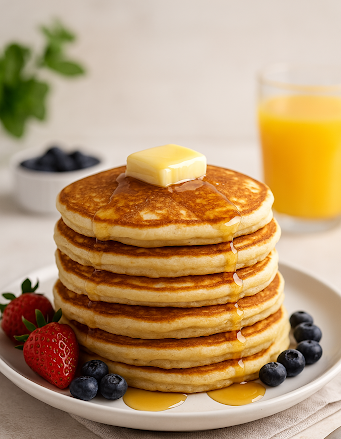
Try these gluten-free staples loved by thousands:


4. Pantry Essentials to Always Have on Hand
A well-stocked gluten-free pantry is your secret weapon on busy days. When the basics are ready to go, you can throw together a satisfying meal without a lot of planning—or last-minute grocery runs.
Core gluten-free grains and starches
Keep a small but reliable variety of gluten-free grains and starches that cook at different speeds. For example:
- Quick-cooking gluten-free pasta for 15–20 minute dinners
- Rice (white or brown) for meal-prep bowls and stir-fries
- Quinoa or millet for salads and sides
- Gluten-free tortillas or wraps in the freezer for fast lunches
Store them in labeled containers with cooking directions taped on if the original packaging is bulky or easily torn.
Protein options for fast meals
Balanced, satisfying meals are easier when you have protein on hand. Consider keeping:
- Canned beans and lentils for quick chilis, salads, and tacos
- Canned tuna or salmon for simple salads or melts (on gluten-free bread)
- Frozen chicken, ground meat, or plant-based crumbles for skillet meals
- Eggs in the fridge for scrambles, frittatas, and breakfast-for-dinner nights
Pair these with a gluten-free grain and a pan of roasted veggies, and you have a complete meal with very little effort.
Gluten-free baking and bread basics
Even if you’re not a frequent baker, a few baking staples make it easier to whip up pancakes, muffins, or quick breads:
- A trusted all-purpose gluten-free flour blend
- Gluten-free oats (if they fit your needs and are clearly labeled GF)
- Baking powder, baking soda, sugar, and your favorite sweetener
- Cocoa powder and chocolate chips for simple treats
For bread, choose a gluten-free loaf or flatbread you truly enjoy and keep a spare in the freezer. That way, toast, sandwiches, and grilled cheese are always an option.
Flavor boosters that make everything taste better
Gluten-free cooking doesn’t have to be complicated to taste good. Keep your pantry stocked with:
- Oils for cooking and finishing (olive, avocado, or your favorite neutral oil)
- Gluten-free broths or bouillon (always check labels)
- Tomato products (sauce, paste, diced) for soups and skillet meals
- Vinegars and citrus for brightness
- Spices, herbs, and seasoning blends clearly labeled gluten-free
A simple formula like “protein + grain + roasted or sautéed veggies + sauce or seasoning blend” can carry you through many busy nights.
5. Simple Systems to Keep Your GF Kitchen Running Smoothly
The most powerful gluten-free kitchen essentials for busy home cooks aren’t just tools—they’re habits and systems that make everyday life easier. Once you set them up, you spend less time thinking about “how” to cook and more time simply cooking and eating.
Create a flexible meal framework
You don’t need a rigid meal plan to feel organized. Instead, try using a loose weekly framework, such as:
- Pasta Night
- Taco or Bowl Night
- Sheet Pan Night
- Soup or Stew Night
- Leftover/Freezer Night
Rotate your favorite gluten-free recipes within each category. This reduces decision fatigue while still leaving plenty of room for variety.
Batch-prep once, eat multiple times
Set aside a small block of time—maybe Sunday afternoon or a weeknight when you’re already in the kitchen—to prep a few basics:
- Cook a batch of gluten-free grains like rice or quinoa.
- Roast a tray of mixed vegetables.
- Prepare a simple protein such as shredded chicken or seasoned beans.
- Wash and chop lettuce and a few favorite salad toppings.
Store everything in labeled containers so you can quickly assemble lunches and dinners over the next few days.
Keep a running “use it up” list
To minimize food waste and stretch your gluten-free ingredients, keep a simple note on the fridge or in your phone with:
- Produce that needs to be used soon
- Leftovers to plan around
- Open sauces or broths to finish
When you’re deciding what to make, check the list first. This habit helps you build meals from what you have instead of starting from scratch every time.
Streamline shopping with a master list
Create a reusable shopping list of your go-to gluten-free essentials, broken into sections like Pantry, Fridge, Freezer, and Snacks. Each week, simply highlight or check what you’re low on.
Over time, this list becomes your personal gluten-free blueprint—making it fast and easy to restock without double-checking every cupboard.
Make your kitchen work for you, not the other way around
When your kitchen is set up intentionally—with clear gluten-free zones, helpful tools, smart storage, and a few simple systems—gluten-free cooking stops feeling like a full-time job. Instead, it becomes a familiar rhythm that supports your busy life, one meal at a time.
Key Takeaways
- Setting up clear gluten-free zones, tools, and cleaning habits dramatically reduces cross-contact stress in a busy kitchen.
- Smart storage and visible, labeled containers make it easier to find, protect, and actually use your gluten-free ingredients.
- A few thoughtfully chosen time-saving tools and appliances can simplify weeknight cooking without overcrowding your kitchen.
- A well-stocked gluten-free pantry centered on versatile grains, proteins, and flavor boosters is the backbone of easy meals.
- Simple systems—like flexible meal frameworks, batch prep, and master shopping lists—keep your gluten-free kitchen running smoothly long-term.
Take the Next Step in Your Gluten-Free Journey
- Download the Free EGF Starter Guide
- Try our Gluten-Free Planner to simplify your week
- Explore our growing recipe library
You don’t have to navigate the gluten-free lifestyle alone, we are here to make it easier every day.
Category: Kitchen & Meal Prep