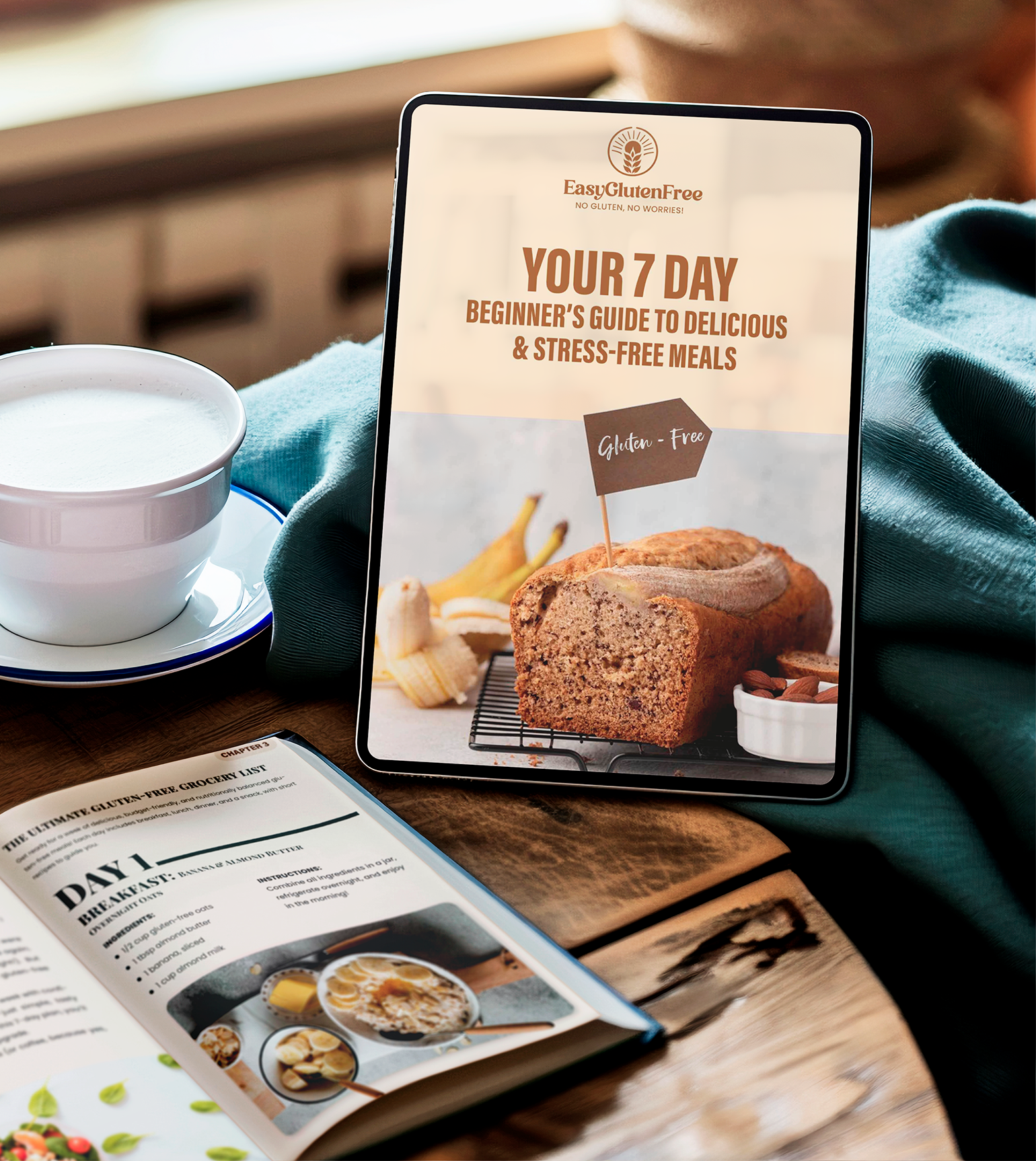
Download the Zero-Stress Gluten-Free Hosting Playbook

Gluten-Free Meal Prep for Busy Weeknights: Stress-Free Dinners in Less Time
Trying to juggle work, family, and a gluten-free lifestyle can make weeknights feel like an obstacle course. This guide walks you through a simple, realistic gluten-free meal prep system so you can eat safely, save time, and still enjoy dinners that feel like “real food,” not sad desk leftovers.
Download Our Free Gluten-Free Starter Guide
- 7-day meal plan
- shopping list
- Tips & 3 beginner-friendly recipes
Introduction
If you’re gluten-free and busy, you don’t just need dinner—you need dinner that’s safe, fast, and doesn’t require you to chop vegetables for 45 minutes after a long day. That’s where gluten-free meal prep becomes your weeknight lifeline. Instead of starting from zero every evening, a bit of smart prep gives you ready-to-assemble meals that feel fresh, not repetitive.
Meal prep can sound intense, like you need color-coded containers and an entire Sunday blocked off. In reality, a gluten-free prep routine can be as simple as roasting a tray of veggies, cooking a couple of proteins, washing some greens, and organizing a few key snacks. The magic is in the planning: knowing what you’ll eat, and what you can safely eat, before the week actually happens.
In this article, we’ll break down a practical, flexible approach to gluten-free meal prep for busy weeknights. You’ll learn how to build a basic prep plan, choose naturally gluten-free ingredients, avoid cross-contact in a shared kitchen, and use tools (like reusable storage bags) to keep everything fresh and organized. Think of it as your blueprint for less chaos and more confident gluten-free eating all week long.
Table of Contents
▾
1. Why Gluten-Free Meal Prep Is a Game-Changer for Busy Weeknights
Gluten-free living already comes with extra mental load: checking labels, planning safe options, possibly navigating a shared kitchen, and thinking ahead anytime you leave the house. When you add long workdays, kids’ schedules, or evening commitments, it’s easy for dinner to become reactive: “What can we throw together right now that’s gluten-free?”
Meal prep takes that frantic energy and trades it for calm, repeatable systems. Instead of asking, “What’s for dinner?” you’re asking, “Which prepped ingredients am I using tonight?” That single shift helps reduce decision fatigue and makes gluten-free weeknights feel predictable rather than stressful.
For gluten-free households, meal prep has a few extra advantages:
- Built-in safety checks: When you plan and prep ahead, you have time to verify labels, avoid may-contain statements, and ensure your pantry staples are gluten-free before the rush of dinner.
- Less temptation to order in: If you don’t have reliable gluten-free options nearby, having prepped meals waiting means you’re not stuck choosing between hunger and risk.
- Better use of naturally gluten-free foods: Batch cooking things like rice, potatoes, beans, roasted vegetables, and proteins makes it easy to base your meals around whole foods that are naturally gluten-free.
Importantly, meal prep doesn’t have to mean eating the same container of food four nights in a row. A smart gluten-free prep system focuses on components—proteins, grains, sauces, and vegetables—that you can mix and match into different meals. Grilled chicken can become tacos one night, a grain bowl the next, and a quick soup topper later in the week.
Even one to two hours of light prep can radically change your week. Pre-chopped vegetables mean stir-fries in minutes. Cooked quinoa or rice makes last-minute bowls or sides effortless. A jar of gluten-free marinade or sauce in the fridge turns simple chicken or tofu into something that tastes intentional instead of rushed.
2. Essential Tools and Containers for Gluten-Free Meal Prep
You don’t need a whole new kitchen to start gluten-free meal prep, but a few reliable tools make the process faster, safer, and more enjoyable. Think less about “perfect Pinterest meal prep” and more about what helps you move quickly and safely in a real-life kitchen.
At minimum, it helps to have:
- Dedicated gluten-free cutting boards and utensils if you’re in a shared kitchen, clearly labeled and stored separately from gluten-containing tools.
- A set of airtight containers in a few sizes (single-serving, family-size, and tiny ones for sauces or toppings).
- Baking sheets and parchment paper for roasting veggies, potatoes, and proteins in large batches without a ton of cleanup.
- A large skillet or Dutch oven for one-pan meals, soups, and sautéing prepped ingredients into quick dinners.
Next, think about how you’ll store and portion everything. If you prep components—like roasted veggies, cooked grains, and proteins—you’ll want containers and bags that stack well, don’t leak, and make it easy to see what you have at a glance. That’s where reusable storage options really shine for gluten-free households, especially if you’re trying to pack lunches or snacks for work, school, or travel.
Reusable food storage bags are especially handy for:
- Portioning out gluten-free snacks (like nuts, cheese cubes, or cut-up fruit and veggies) for grab-and-go moments.
- Freezing prepped ingredients like cooked rice, sliced chicken, or sauces in flat, stackable portions.
- Keeping gluten-free items physically separated from gluten-containing foods in the fridge or freezer.
They’re also a great way to cut down on single-use plastics while keeping your gluten-free food organization looking neat and intentional. When your fridge is organized and labeled, it’s easier for the whole household to respect gluten-free zones and grab the right items quickly.
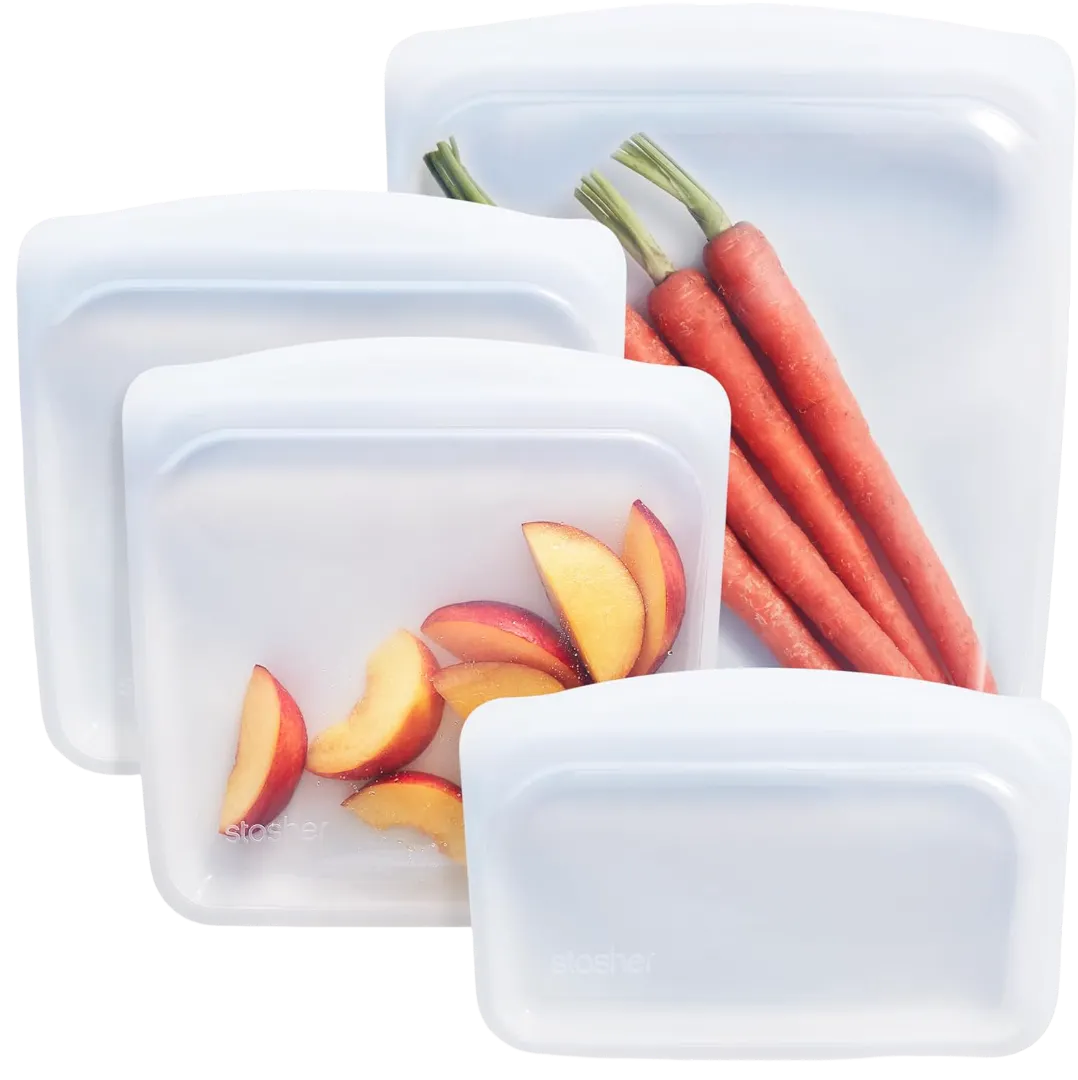
Premium Silicone Reusable Food Storage Bags
These are the “I have my life together” bags. Perfect for packing gluten-free snacks, leftovers from brunch, veggie sticks for road trips, or even freezer prep for busy weeks. They’re reusable, dishwasher-safe, plastic-free, and look aesthetically pleasing in your fridge and your IG stories. Great anchor product for any article about sustainability, meal prep, hosting, or on-the-go GF living.
3. How to Build a Simple Gluten-Free Meal Prep Plan
Before you chop a single carrot, take five to ten minutes to outline your week. This is where most of the time-saving happens. You don’t need a detailed menu for every meal—just a loose plan that matches your schedule and energy levels.
Here’s a simple framework you can reuse every week:
- Check your calendar. Which nights are busiest? Those get the fastest meals—think “heat and eat,” sheet pan dinners, or leftovers. Quieter nights can handle a bit more cooking.
- Choose 2–3 dinner “themes.” For example: taco/burrito bowls, pasta night (with gluten-free pasta), and sheet pan chicken and veggies. You’ll prep components that work across all of them.
- Build around repeatable components. Aim for:
- 1–2 proteins (e.g., chicken thighs, tofu, ground turkey, beans)
- 1–2 gluten-free grains or starches (e.g., rice, quinoa, potatoes)
- 2–4 vegetables that roast or sauté well (e.g., broccoli, peppers, zucchini, carrots, green beans)
- 1–2 sauces, dressings, or toppings (e.g., salsa, tahini sauce, pesto, yogurt-based sauce made with clearly labeled gluten-free ingredients)
For example, your week might look like this:
- Prep Day: Cook a big batch of rice, roast a tray of mixed veggies, bake chicken seasoned simply with salt, pepper, and herbs, and make a quick vinaigrette.
- Monday: Chicken and rice bowls with roasted veggies and vinaigrette.
- Tuesday: Gluten-free tacos using the chicken (shredded), plus sautéed peppers and onions.
- Wednesday: Simple stir-fry with leftover rice, veggies, and an egg or tofu.
- Thursday: Salad night with greens, roasted veggies, sliced chicken, and vinaigrette.
- Friday: Use any remaining components in a quick soup, skillet meal, or “snack plate” dinner.
Keep gluten-free safety in mind as you plan:
- Stick to naturally gluten-free building blocks whenever possible—vegetables, fruits, meat, poultry, fish, eggs, beans, lentils, plain dairy, and gluten-free grains.
- When using packaged items (like stocks, spice blends, or sauces), read labels carefully and choose clearly labeled gluten-free options according to your needs and comfort level.
- If your kitchen is shared, decide which shelves, drawers, and containers are gluten-free only, and label them so everyone knows.
The goal isn’t to have a perfect plan; it’s to avoid that nightly scramble. As you repeat this process, you’ll start to see which meals your household loves and which components are most versatile for you. Those become your “default” gluten-free meal prep staples.
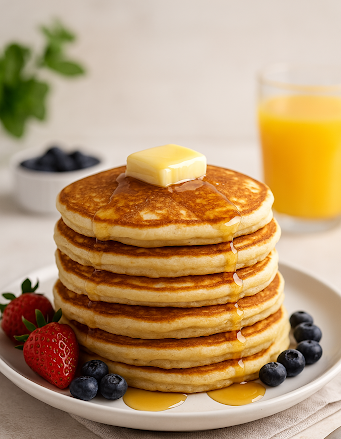
Recipe Inspiration
Try these gluten-free staples loved by thousands:


4. Gluten-Free Batch Cooking Ideas for Fast Weeknight Dinners
Once you’ve chosen your themes and components, it’s time to batch cook. The key is to cook multiple items at once so your active time in the kitchen is limited, even if your oven or stovetop is working a bit longer.
Here are some gluten-free batch cooking ideas that work beautifully for busy weeknights:
Proteins
- Sheet pan chicken thighs: Season simply with salt, pepper, garlic, and herbs. Bake a large batch, then slice, shred, or cube for bowls, salads, tacos, and wraps (using gluten-free tortillas).
- Ground turkey or beef: Cook with onion and a gluten-free spice blend. Use throughout the week for tacos, stuffed potatoes, skillet meals, or pasta sauce with gluten-free pasta.
- Baked tofu or tempeh: Marinate in a clearly gluten-free sauce (check for wheat, barley, or rye) and bake until crisp on the edges for easy plant-based protein.
- Beans and lentils: Cook a big batch or use canned, rinsed beans for chili, bowls, or quick salads.
Gluten-Free Grains & Starches
- Rice or quinoa: Make a big pot, cool completely, and store in the fridge. Great for bowls, stir-fries, and as a side.
- Roasted potatoes or sweet potatoes: Cube or wedge them, toss in oil and seasonings, and roast. Reheat in the oven or air fryer to crisp them back up.
- Gluten-free pasta: Cook slightly al dente, toss with a bit of oil, and store. Add to soups, bakes, or quick skillet meals with sauce.
Vegetables
- Mixed roasted veggies: Fill a sheet pan with broccoli, cauliflower, carrots, peppers, or zucchini. Roast once, use all week.
- Prepped raw veggies: Wash and cut bell peppers, cucumbers, carrots, and celery for snacking, salads, and lunches.
- Frozen vegetables: Keep a couple of gluten-free frozen vegetable mixes on hand—perfect for last-minute stir-fries or sides when your fresh stash runs low.
Sauces & Toppings
- Simple vinaigrette: Olive oil, vinegar or lemon, mustard, salt, and pepper—check labels on any bottled ingredients for gluten.
- Salsa or pico de gallo: Great with bowls, eggs, tacos, and grilled proteins.
- Yogurt-based sauce: Use plain yogurt with herbs, garlic, and lemon (verify yogurt and any flavorings are gluten-free for your needs).
As you batch cook, cool foods properly and store them in clearly labeled containers. Date your containers so you know what needs to be eaten first. In a shared household, use colored lids, labels, or a designated gluten-free shelf or bin to protect your prepped meals.
5. Time-Saving Tips, Safety Checks, and Staying Consistent
Once you’ve tried gluten-free meal prep a few times, it becomes less about “doing all the things” and more about finding a repeatable rhythm that works for you. A few strategic habits can make the difference between meal prep that feels overwhelming and a system that quietly supports you every week.
Time-Saving Habits
- Prep while you cook. If rice is simmering or chicken is in the oven, use that time to wash lettuce, chop tomorrow’s veggies, or portion snacks into reusable bags.
- Use “meal starters.” Make one big batch of something versatile—like tomato sauce, seasoned ground meat, or roasted veggies—and build multiple meals around it.
- Double up on dinner. When you cook a gluten-free meal everyone loves, make twice as much and store the extras for a future weeknight.
- Keep a “quick fix” list. Write down three to five backup gluten-free dinners made from pantry and freezer staples so you’re never staring at an empty plan.
Gluten-Free Safety Checks
- Read labels every time. Ingredients and manufacturing practices can change. Make a habit of quickly checking any packaged sauce, broth, or seasoning you use for your prep.
- Control cross-contact. In shared kitchens, use separate gluten-free cutting boards, colanders, and wooden utensils, and wash surfaces thoroughly before prepping.
- Store safely. Keep gluten-free meal prep containers away from gluten-containing foods and label them clearly so everyone in the house knows what’s what.
Staying Consistent (Without Burnout)
Consistency doesn’t mean you have to prep every single meal, every week. It might mean:
- Doing a light 30–45 minute prep on Sundays—just grains, a protein, and chopped veggies.
- Batch cooking once every two weeks and freezing meals or components.
- Rotating between “heavy prep” weeks and “maintenance” weeks where you simply top up a few items.
Pay attention to what actually makes weeknights easier for you. Maybe it’s having lunch sorted, not dinner. Maybe breakfast is your stress point, and prepping gluten-free overnight oats or egg muffins changes your mornings. Your meal prep system should reflect your real life, not an idealized version of it.
Most importantly, allow room for imperfect weeks. Even one prepped item—like a batch of rice, roasted veggies, or a cooked protein—can be the difference between a stressful scramble and a quick, safe gluten-free meal. Aim for progress, not perfection, and let your system evolve as your routines and needs change.
Key Takeaways
- Gluten-free meal prep reduces weeknight stress by turning last-minute decisions into simple mix-and-match meals.
- A few core tools—like safe cutting boards, airtight containers, and reusable storage bags—make gluten-free prep faster and more organized.
- Planning around versatile components (proteins, grains, veggies, and sauces) keeps meals flexible and prevents boredom.
- Batch cooking naturally gluten-free foods and protecting them from cross-contact helps support safer, quicker dinners.
- Consistency comes from small, repeatable habits, not perfection—prep what genuinely makes your gluten-free week easier.
Take the Next Step in Your Gluten-Free Journey
- Download the Free EGF Starter Guide
- Try our Gluten-Free Planner to simplify your week
- Explore our growing recipe library
You don’t have to navigate the gluten-free lifestyle alone, we are here to make it easier every day.
Category: Meal Planning