Blog

Your blog category

Blog

“Gluten-Free Picnic Paradise: The ABCs of a Perfect Outdoor Spread”

There’s one phrase I hear over and over. “But, Claire! I’m on a gluten-free diet, how could I even dream of going on a picnic?” I get it; the idea of having to plan out a gluten-free picnic can seem like a challenging task, especially when many traditional picnic foods contain gluten. But as our Gluten-Free living mantra goes — being gluten-free doesn’t need to be a life sentence to boring or flavorless food. Perhaps you’re unsure of which gluten-free snacks to pack or worried about cross-contamination. Well, brush all those concerns aside, because today, we’re going on a delightful ride into the world of picnics, gluten-free style! Did you know that great picnics have just three essential elements? Yes! What are they? Well, it’s as easy as A-B-C: Ambience, Bites and Companionship. **Ambience** When it comes to ambience, it’s all about where you are and what’s surrounding you. Choose a spot that makes you feel relaxed and happy — a park with lush greenery, a breezy beach, or even your own backyard could make for the perfect picnic spot. Don’t forget to pack a comfortable picnic rug, some cushy seats (your old yoga mat will do), and your favorite sun-safe gear. Everything tastes better under a blue sky, wouldn’t you agree? **Bites** Ah, yes… the heart of a picnic – the food! Planning a delectable menu might be a little tricky when you’re on a gluten-free diet, but don’t let that stop you from having a good time. With some creative thinking and a little planning, you can make your gluten-free picnic spread as lavishing as any. Let’s start with the basics. Fresh fruits and vegetables are an easy win – cut them up, throw them into a reusable container (we’re all about sustainable living, aren’t we?) and you have yourself a fresh treat that’s already gluten-free. What about the main course? Here’s a tip: don’t overcomplicate it. Choose a couple of proteins or main courses that are easy to prep and serve at room temperature — gluten-free bread sandwiches filled with grilled vegetables and cheese or crustless mini quiches make for great options. These [ham and egg breakfast muffins](BLOG LINK) would fit right in! You might want to swap the ham with some feta cheese to give it a lunch twist. Remember, creativity is your greatest ally. The Posh Pasty champion of them all has to be this delicious [gluten-free chicken pot pie](BLOG LINK). I’ve heard it sung in praises at picnics as the perfect portable meal — indulge me, try it out and let me know if you agree! What’s a picnic without a little sweetness to round it off? If you’re running short on time, homemade gluten-free cookies or a quick fruit salad can be your best friend. But if you’re looking for something more indulgent, you can never go wrong with a [gluten-free, dairy-free chocolate cake](BLOG LINK). Trust me on this one, nobody, and I mean nobody, will be able to resist a chocolatey slice of this! **Companionship** Picnics are most enjoyable when shared with the ones you love. It could be your family, your friends, or your significant other. Being gluten-free might feel isolating sometimes, but remember, your diet doesn’t define you. Don’t hold back from sharing your gluten-free lifestyle with your companions. You’ll be surprised to see how willing people are to learn about your gluten-free life. Preparing for a gluten-free picnic can be a bonding experience in and of itself. You could plan the meal together, help each other with cooking, or even have a fun shopping experience at the local farmer’s market. It’s an excellent opportunity for them to understand your dietary requirements and perhaps dispel any misconceptions they might have about gluten-free living. And there you have it – the perfect recipe for a successful gluten-free picnic! Remember that picnics are all about enjoying beautiful moments in the great outdoors while savoring foods that love you right back. Don’t let a gluten-free lifestyle thwart your picnic dreams. Your picnic basket can be just as delectable, filling, and satisfying as anyone else’s. So, keep in mind these ABCs the next time you’re planning a gluten-free picnic. Grab that rug, the ham and egg breakfast muffins or chicken pot pie, and your favorite companion. The world is your picnic! **Category: Lifestyle & Social**
Blog

Inclusive and Delicious: Hosting a Gluten-Free Party For All

Hello lovely gluten-free folks! Have you ever found yourself hosting a gathering or party and wondering how to cater to your own gluten-free needs without forcing your dietary restrictions on your non-gluten-free guests? As we step out of our gluten-free territory and incorporate our habits into our social lives, it can seem like a perplexing challenge. Worry not, my friends, because today we’re going to dive into planning a gluten-free inclusive party where everyone will love what they’re eating — regardless of their usual bread-and-pasta preferences. First things first, let’s acknowledge that a gluten-free inclusive approach does not mean only offering gluten-free food. On the contrary, the key is to incorporate a variety of options that cater to all dietary preferences. Remember, the aim is inclusivity, not making anyone feel uncomfortable or singled out for their eating habits. As we’ve discussed in our previous guide on [starting a gluten-free lifestyle](#), it’s important to make sure that those who eat gluten aren’t scared away by the label of ‘gluten-free.’ There are plenty of naturally gluten-free foods that everyone knows and loves, like fresh fruit and veggies, dairy, and seafood, among others. By highlighting these items, you can create a diverse spread that will satisfy everyone’s palate. But what about the cornerstone of any good bash – the indulgences? From gluten-free pizzas and pastries to traditional cakes and pastas, there’s a plethora of options you can explore. Thanks to the advent of gluten-free ingredients, you have the freedom to recreate a multitude of classic dishes and satisfy those comfort food cravings. I’ve become a fan of making two versions of the same dish — one traditional and one gluten-free, clearly labelled and placed separately to avoid any confusion or cross-contamination. This method has the added benefit of satisfying the curiosity of your non-gluten-free guests who may want to try and compare the different versions. Now, let’s talk about serving. When setting up your food spread, remember to strictly separate gluten and gluten-free dishes to avoid the chance of cross-contamination. As detailed in our guide on [recognizing hidden sources of gluten](#), even a tiny bit of gluten can create a reaction for those with sensitivities or Celiac disease. One of the most crucial aspects is clear labeling. Labels serve as a guide for your guests, encouraging them to explore both classic and gluten-free versions of a dish. Simple stick-on labels with ‘GF’ written on them are perfect for this purpose. Use different color plates or serving utensils for gluten-free items to avoid mix-ups and inadvertent cross-contaminations. The ‘No Sharing’ rule applies heavily here, too. Set out different serving spoons for each dish and instruct your guests politely to use only the provided serving utensils. Explain to your guests that this is crucial to avoid cross-contamination. Trust me, they absolutely won’t mind, and it’ll help keep everyone safe. If you’re busy preparing other aspects of the party and don’t have enough time to cook, there’s an increasing number of caterers offering gluten-free catering services. Before hiring one, though, do make sure they understand the importance of avoiding cross-contamination. Everyone loves a good drink at a party, and thankfully, most beverages are naturally gluten-free. However, for those that aren’t (like beer), you can easily find excellent gluten-free versions on the market. Just remember the labeling rule! Desserts can be a bit trickier, as many classic sweet treats are flour-based. However, don’t fear — there are countless delicious gluten-free dessert ideas. Why not try whipping up some of our [gluten-free Raspberry Fudge Brownies](#) or a batch of [Playful Pineapple Upside Down Cupcakes](#)? Believe me, these gluten-free delights will have everyone coming back for seconds, making for a sweet ending to a wonderful, inclusive party. As you can see, organizing a gluten-free inclusive party doesn’t require a culinary miracle — just a tad bit of planning and tons of fun. Guided by mindfulness and respect for everyone’s diet, you will be all set to throw a party that respects your dietary needs, doesn’t feel restrictive, and more importantly—serves some darn good food. Happy party planning, gluten-free champions! **Category: Lifestyle & Social**
Blog

“Fluffy Gluten-Free Pancakes: A Taste of Sunday Mornings”

Remember those cozy Sunday mornings where you’d sit down at the breakfast table and your dad would flip pancakes higher than you could see? That smell of sweet maple syrup wafting through the air, combined with the slightly caramelized edges of golden-brown flapjacks created a sense of warmth and familiarity that was almost primal. And then, gluten happened, and for a while, it seemed like those memories were left behind with all the other parts of your diet that had gluten strings attached to them. But hey, who says you can’t enjoy fluffy pancakes sans gluten? I’m here to tell you the art of making gluten-free pancakes is not only possible but is an activity that brings an equal amount of joy and sentimentality, if not more! As for the pancake, imagine biting into it to find the same comforting taste, the same fluffy texture, and not a hint of gluten. Sounds like a dream, right? ![Image: Fluffy, golden gluten-free pancakes] Let’s break down the myth that saying goodbye to gluten means saying adieu to your favorite breakfasts. Since we’ve already conquered the field of gluten-free breads in our previous bake-a-thons, today, I thought we’d dive right into the sweet world of [gluten-free pancakes](Link to Gluten-Free Pancakes Blog). Take out your whisk, put on your favorite apron, and let’s make some memories! What do we love about pancakes? It’s their fluffy, tender texture that dissolves in your mouth in a sweet, buttery hug. Gluten, annoyingly enough, plays a significant role in providing that. Gluten is what gives elasticity and helps trap air, allowing the pancakes rise and become fluffy. To recreate this without gluten, we’ll have to understand a few tricks. Let’s talk about gluten-free flours first. They all have different properties, textures, and flavors. Personally, I’ve found a combination of almond and buckwheat flour hits the sweet spot perfectly. It gives a tender, fluffy texture, vital in a pancake. The almond flour brings a slightly sweet, nutty flavor, while buckwheat flour, contrary to what its name implies, is gluten-free and has a rich, earthy flavor that works wonders with the lightly sweet, buttery pancake environment. Remember, gluten-free flours have a learning curve, but don’t let that intimidate you. Embrace the journey, and take the time to experiment with different flours until you find the one that sings your song. Check our [Guide to Gluten-Free Flours](Link to Gluten-free flours guide) for a comprehensive look at your options. Secondly, we need something to trap the air and help our pancakes rise. When looking for a gluten substitute, it’s not just about mimicking the protein structure; we need that rising action too. Enter eggs. Eggs are a dream worked into our gluten-free bakes. The protein structure of an egg resembles gluten and helps provide the same elasticity and structure, while its leavening properties aid in rising. However, if you can’t or don’t consume eggs, fret not. Chia seeds or flaxseeds can also work wonders as binders, compensating for the entities gluten used to handle. Mixing a tablespoon of either with some water will give you a great egg substitute to help hold your pancake together. Finally, don’t forget the leavening agents – baking powder and baking soda. You might wonder why you’d need both. The truth is baking powder and baking soda work on different principles and produce slightly different outcomes, and you’ll want a bit of both for the perfectly textured pancake. Baking soda, being a single-acting leavening agent, starts releasing gases as soon as it comes in contact with any acidic ingredient (like buttermilk, in our case). Baking powder, on the other hand, releases the gas slowly – some when mixed in the batter and more when heat is applied. The gas bubbles released make the batter rise, giving us the fluffy texture we crave. As you see, there’s a science to making these gluten-free pancakes, and sure it might sound a tad daunting, but trust me, once you start, it’s as easy as pie (… or should I say pancake?). Next up on our checklist is to make them taste fantastic – this is where our old friends vanilla extract and maple syrup come in. We want gluten-free, sure, but not at the expense of taste. Add a teaspoon of vanilla extract and two tablespoons of maple syrup into your batter, and you’ll be making some amazing pancakes that scream good mornings! By now, there’s probably a pile of gluten-free pancakes calling for your attention. Top these beauties with more maple syrup, or even better, bug some of that homemade blueberry compote from the fridge. There you have it folks! A plateful of hearty, fluffy gluten-free pancakes, ripe for the eating. This post was more than just the anatomy of a gluten-free pancake. Digging deeper, it’s about reclaiming the joy these little things bring into our lives and not letting gluten control our taste buds anymore. We’ll continue to talk about how to de-glutenize all your favorite recipes, but for now, tuck in, and enjoy the first (of many) epic gluten-free pancake breakfasts. **Category: Baking & Cooking Science**

Blog

Gluten-Free Yeast Baking: A Delicious Journey

Remember those family baking days of your past when the whole kitchen was filled with a rich aroma of freshly baked bread? Warm memories, right? Unfortunately, for those of us dealing with gluten sensitivities or celiac diseases, the mention of bread might bring a sense of longing since most bread is a no-go for us — gluten-wise. But what if I told you that you can still enjoy your favorite bread, albeit gluten-free, without compromising its fluffy texture or rich taste? Intriguing, right? Well, bread-baking enthusiasts, buckle up! Today, we’re diving head-first into the world of gluten-free yeast. Yes, you heard me right — yeast. I know you’re probably scratching your head thinking, “Wait a minute, Claire! But yeast isn’t glutenous, right?” You’re absolutely right, yeast in itself is gluten-free, but it’s how it’s used in traditional bread baking that often leaves us gluten-sensitive folks with limited options. But don’t worry! We are about to flip this whole situation in our favor. Historically, yeast has been our ally in baking bread, providing the lift and airy texture we love. The problem arises when yeast is mixed with wheat flour (which contains gluten), and this is where we take a detour from traditional bread baking. Instead of wheat flour, we’ll utilize gluten-free flours to create moist, aromatic, and completely gluten-free bread that even your non-gluten-free friends will love! Before we get carried away, let’s start from the beginning. As bread-baking neophytes might be asking, just what is yeast and what does it do? In layman’s terms, yeast is a tiny organism that’s part of the fungus family — don’t worry, it’s the good kind! During the process known as fermentation, yeast converts the sugars in dough into gas, creating bubbles, which in turn makes your bread rise. To gain a deeper understanding of the science behind yeast, make sure to read our blog post on the basics of baking with yeast. Now, back to our main topic: how to bake gluten-free bread with yeast. First, you need to select your choice of gluten-free flour. There are several options available, from brown rice flour and sorghum flour to gluten-free oat flour and many others. If you haven’t dabbled in gluten-free flours before, you might want to look at the benefits and uniqueness of each type in our informative guide on gluten-free flours. Remember, each flour has its own flavor and consistency, so select one that suits your palette and bread texture preference. Next, you’ll need to choose a type of yeast. Most kinds are gluten-free, but always double-check the labels for any hidden gluten components. Types of yeast available include dry active yeast, instant yeast, and fresh yeast. Instant yeast is popular for gluten-free baking because it’s potent and doesn’t require dissolving before blending with other ingredients. Now you’re armed with your gluten-free flour and yeast — let’s get to baking! First, mix your yeast with warm water or milk (around 110°F should do the trick). Add a little sugar to this mixture; sugar helps activate the yeast, meaning you will get a better rise in your bread. Set this aside while you work on your flours. In a large bowl, blend your selected gluten-free flour with other necessary ingredients like salt, xanthan gum (this acts as a binding agent in place of gluten), and a little sugar for taste. It’s now time to combine our two mixtures. Pour your yeast mixture into your flour mixture and knead until uniform. Transfer your dough to a baking pan, cover it with a damp cloth, and leave it in a warm space to rise. Baking times will vary depending on the size and shape of your bread, but in general, you’ll want to bake at 375°F until the bread has a golden-brown crust and a skewer inserted into the middle comes out clean. And there you have it! Your very own homemade, completely gluten-free bread. Slice it up, lather on some butter or jam, and enjoy. However, as we all know, gluten-free baking can be an exercise in trial and error, so don’t feel disheartened if your first few attempts don’t come out perfect. Keep at it, and before you know it, you’ll be baking gluten-free bread like a professional. Let’s toast (with our freshly baked bread of course!) to that! **Category: Baking & Cooking Science**

Blog

“Mastering Digestion on Your Gluten-Free Journey”

On your journey through the gluten-free landscape, you’ve picked up essential tips on everything from picking out the right ingredients to whipping up tasty, gluten-free meals. Now, let’s talk about something incredibly crucial that sits at the end of our gluten-free culinary adventure: digestion. Yes, digestion — the process that turns our crispy, delicious gluten-free pizza or fluffy cupcakes into vital energy. This magical transformation often goes unnoticed until an upset tummy makes us painfully aware of its importance. Trying to comprehend the complexities of gut health and gluten-free diets may seem like a lot, so who better than your friendly guide, Claire, to lead the way? To start, did you know that adhering to a gluten-free diet can sometimes lead to a fiber shortage? That’s right! Many gluten-free choices, especially commercially prepared ones, often lack an adequate fiber content relative to their wheat-based counterparts. And this is a challenge because fiber is a superhero for your digestive system. It assists in maintaining a balanced gut microbiota — the community of microorganisms living in your intestines, speeds up digestion, and helps prevent constipation. Nearly every health organization underscores the significance of getting enough fiber for optimal health, yet most people still don’t get enough. Fear not, my gluten-free friends! There are plenty of gluten-free food options that are high in fiber and delicious to boot. Take quinoa, for example, a versatile pseudo-cereal that can be dressed up or down for any meal. Not only is it gluten-free and high in fiber, but quinoa also offers a good source of iron and essential amino acids- the building blocks of life! Plus, it’s perfect for those creative souls who love experimenting in the kitchen. Remember our post on “Quinoa, the Crown Jewel of Gluten-Free Grains”? We explored plenty of exciting ways to incorporate this naturally gluten-free, fiber-rich giant in your everyday meals. Beans are another fiber boon that also come packed with protein, iron, and vitamins. Whether it’s black beans, kidney beans, chickpeas, or lentils, this food group offers up to 15 grams of fiber per cooked cup serving. How’s that for a fiber fix? Whether you blend them into soups, toss them in salads or use them as the main ingredient in hearty stews, you can bid goodbye to fiber woes. An apple a day may keep the doctor away, but did you know it can also keep digestive issues at bay? Apples are a great source of fiber with about 4 grams in a medium-sized one (skin included), and they pack a punch of antioxidants too. But let’s not limit ourselves to apples; nearly all fruits, from fiber superstar berries to pears, pack in a good amount of fiber and a slew of other nutrients. But enough about fiber. Different folks, different strokes, right? Some of you may have been diagnosed with conditions like Irritable Bowel Syndrome (IBS) or Crohn’s disease and might be following specific food protocols such as the Low FODMAP diet. Just like gluten-free living, this diet restricts fermentable oligo-, di-, mono-saccharides and polyols —that’s a mouthful for sure! They are, in simpler terms, a group of carbs that can be especially difficult to digest and may cause uncomfortable symptoms like gas, bloating and stomach pain. Interestingly, as we discussed in our earlier post about combining “Low FODMAP and Gluten-Free Diets,” you’ll find some overlap between the two. In this case, remember that knowledge is power. The more you know about your food and how it interacts with your body, the better equipped you are to make beneficial dietary choices. Lastly, it’s important to remember that having a well-functioning digestive system isn’t just about what you eat; it’s also about how, when, and in what state you eat. Mindful eating, staying hydrated, and keeping stress levels in check are all vital for smooth digestion. Now, that doesn’t mean you need to perfect a yoga pose while eating your meals, although that could be fun, right? It simply means savoring your food, chewing properly, and enjoying regular, wholesome meals without rushing or being distracted. Digestion, just like a gluten-free diet, isn’t a one-size-fits-all concept. It’s a personalized journey that often requires trial, error, and a heaping spoonful of patience. Remember, whether it’s a gluten-free pie, or navigating digestion, we’re in this together. You’ve got this! **Category: Health & Wellness**

Blog

Redesigning Traditional Dishes for the Gluten-Free Lifestyle: A Delicious Adventure

Dearest friends of the gluten-free journey, let me begin today’s post with a small confession. I relished gluten. Oh yes, I did. Wheat bread, pretzels, pizzas – I was an ardent lover of them all. And then, in a rather dramatic twist of life, I realized it’s not me, it’s the gluten. Since then, I have been on a quest to explore the vibrant world of gluten-free living, connecting with incredible people and encountering delicious adventures along the way. Today, I feel nostalgic, and why wouldn’t I? I miss my pizzas and pastas. But guess what, that doesn’t mean I am about to break my gluten-free commitment. On the contrary, it recommits me to the cause with newer vitality and purpose because we, the gluten-intolerant folk, deserve a big slice of pizza and a generous serving of pasta that doesn’t bring us down with debilitating symptoms later. Now, isn’t it an exciting challenge? So, I thought, let’s share tips on how to create and enjoy the most delectable, gluten-free friendly versions of our favorite dishes that don’t compromise on taste. Buckle up, because we’re diving deep into a topic close to my heart — redesigning traditional dishes for the gluten-free lifestyle! The most significant part of recreating your favorite traditional dishes in a gluten-free span is familiarity. It is true that ‘knowledge is power’, and in the case of our gluten-free adventure, it’s the power to eat without discomfort and the freedom to explore beyond limits. Our journey starts at understanding our ingredients. You might already be familiar with ‘safe’ gluten-free grains like rice, corn, and quinoa. But there’s a world of lesser-known gluten-free ingredients out there that offer unique tastes and textures. They are champions of culinary versatility, from flours sourced from almonds, coconut, and chickpeas to promising grain-alternatives like teff, millet, and amaranth. These grains and flours lend themselves beautifully to various types of dishes, traditional and experimental alike. So, the next time you want to bake your favorite apple pie, consider using almond or coconut flour instead of wheat flour — I promise you won’t be disappointed. For assistance in this pursuit, do revisit this handy guide to gluten-free grains and flours. The journey doesn’t stop at just knowing these ingredients. The trick is to use them wisely while cooking or baking, which can sometimes feel like a science experiment. But hey, aren’t the best recipes often a result of failed kitchen experiments? Knowing how these flours behave in different recipes, understanding their absorbency and binding properties could do wonders to the final product. I’ve shared my insights on the baking science behind gluten-free flours in this blog post, and I recommend popping over for a quick refresher. Now, let’s look at our favorite dishes and understand how we can redesign them into gluten-free wonders. Let’s take a classic margherita pizza as our starting point. The crust has always been the sticking point (quite literally) for the gluten-free version of this dish. But worry no more. Our gluten-free pizza dough made with a blend of tapioca starch, white rice, and brown rice flour is where deliciousness meets nutrition. With a perfect balance of chewiness and crispness, it serves as an ideal bed to your favorite toppings. I hear some pasta lovers sighing in the background. We got you as well. Gluten-free pastas made out of corn, rice, and even lentils are easily available in the market these days. These offer the same comforting feelings as the traditional wheat-based pasta and are just as versatile when it comes to creating amazing pasta salads, lasagnas or spaghetti bolognese. It might be a little challenging initially to adapt your cooking style to suit these gluten-free alternatives, but with practice, I assure you there’s nothing you can’t conquer. And the joy of being able to enjoy your favorite foods without the worry of an allergic reaction is worth every bit of effort. Another key area to consider when redesigning traditional foods is cross-contamination. It’s imperative to ensure that your gluten-free ingredients do not come in contact with gluten through shared cooking utensils, appliances, toasters, or countertop crumbs. I’ve shared more about avoiding cross-contamination in this dedicated blog post. In conclusion, reimagining traditional dishes for a gluten-free lifestyle isn’t about saying goodbye to your beloved meals – it’s about saying hello to healthier, gluten-free versions of them. Remember, my friends, being gluten-free doesn’t mean missing out on the joy of food – it’s all about finding joy in a different kind of deliciousness. Embark on this journey hand-in-hand with me. Here’s to redesigning our kitchen and our lifestyle, one gluten-free meal at a time! **Category: Baking & Cooking Science**

Blog

Gluten-Free Soups: A Cozy Culinary Journey

Nothing screams cozy nights in like a bowl of hot, home-cooked soup. Especially during these winter months, if you live where it’s chillier, the concept of “comfort food” to snuggle up with is all too alluring. And, for my gluten-free family, I always say soup is one of the most versatile gluten-free meals you can create! Today, I’d like to take you on a culinary journey, as we explore the wonderful world of gluten-free soups and advice on how to navigate this culinary territory without so much as a sprinkle of gluten entering your pot. Let’s begin with our soup’s backbone, or as the gourmets call it, stock. Now, first order of business — not all stocks are created gluten-free. Many commercial stocks contain additives or flavorings that have gluten hidden in them — quite the pitfall for the unsuspecting gluten-intolerant soup enthusiast. Worry not, though because creating your own homemade stock is not only simple and budget-friendly, it also kicks your soup’s flavor up several notches. In our blog post “Mastering a Basic Gluten-Free Stock”, we cover the simplicity and beauty of making your own GF stock. Another critical element in many soups is thickening. Commonly, people use wheat flour or roux (a mixture of flour and fat) to give soups body and density. But, alas, wheat is off the table for us gluten-avoiders. So, how can we achieve that gloriously thick consistency that makes your spoon stand? Cue the magic of gluten-free flours and starches! A mixture of cornstarch and water (a slurry, in kitchenspeak) or gluten-free flour blended smoothly with liquid can work wonders. For a comprehensive guide on blending gluten-free flours and when to use which one, our previous post “The Flour Power: Your Guide to Gluten-Free Flours” is a treasure trove of useful information! Next, let’s talk noodles. Chicken noodle soup? Retro and comforting! Minestrone? A classic! But wait, doesn’t conventional noodle wisdom point straight towards wheat? Luckily for us, we live in a time where gluten-free noodle options are plentiful. Brown rice noodles, quinoa noodles, even noodles made out of beans and lentils — the array of options is more than enough to noodle around with! Always pre-cook your noodles separately, though. Gluten-free noodles have a tendency to turn extra soft and mushy when cooked directly in the soup. Soup, in all its heartwarming glory, is also a fantastic way of getting in those daily servings of healthful veggies. Almost any vegetable can find a happy home in soup, from the common carrot and garlic to the exotic kohlrabi and artichoke. For our vegan friends who are also gluten-free, you’ll find a garden of delight in our “Top 10 Heart-Healthy Veggies to Mix into Your Gluten-Free Meals” post. Lastly, but certainly not leastly, is seasoning. An unseasoned soup can be like a romantic movie without a climax — it may fill you up but it’s unlikely to fill you with joy. Horizon-expanding is the name of the game, my friends. In addition to salt and pepper, a wealth of spices and herbs are at your fingertips. Make friends with flavors like curry, turmeric, sage, rosemary, garam masala — the world is, quite literally, your flavor oyster…and speaking of oysters, they make for a delightful chowder. Of course, always check your seasoning blends for hidden gluten. Some sneaky ones like malt vinegar or soy sauce (opt for tamari or gluten-free soy sauce) can trip you up. There you have it, my gluten-free comrades — your roadmap to soupy bliss. Stock, thickeners, noodles, veggies, and seasonings… all combined to form that dish of comfort we all crave. Remember, soup is an art, not a science, and every pot is your canvas. Use my advice as a foundation and then let your creativity flow. Before long, you’ll be the Picasso of your gluten-free soup kitchen! So, before I leave you to your culinary adventures, let’s do a quick recap of our simple soup steps. First, stock up on your gluten-free basics. Second, thicken your way to perfect consistency. Third, noodle but never wrestle with gluten. Fourth, veggie-up to your heart’s content. And last, but definitely not least, season to take your taste buds on a trip around the world. That’s it. Easy peasy lemon squeezy! Get souping and don’t forget to keep it fun and gluten-free. Share your soup successes with us and always remember, every gluten-free dish is a celebration of your health and well-being. Happy Cooking! **Category: Baking & Cooking Science**

Blog

Mastering Gluten-Free Pie Crusts: A Flaky, Tender Delight

Is there a more comforting sign of fall than the smell of freshly baked pie wafting through the house? We’re right in the midst of pie season, and I thought it’s high time we talk about gluten-free pie crusts, though not your typical out-of-the-package kind. When you think of gluten-free baking, things can seem a bit overwhelming at first. It’s a world that doesn’t just swap wheat flour for a gluten-free alternative. There are new ingredients to get to know, some interesting chemistry involved, and numerous versions of formulas that can look a wee bit daunting on your first perusal. But take heart, dear reader. Today, we’re going to demystify one facet of gluten-free baking: the pie crust. You see, gluten-free pie crusts are a bit of a paradox. They’re both simple yet complex, offering a blank canvas for your delicious fillings while requiring a careful balance of ingredients to get just right. And yes, they can indeed be just as tasty, tender, and flaky as their gluten-packed counterparts. As a matter of fact, they can be even better. Because when you’ve planned and baked it from scratch, there’s that extra sprinkle of love that makes any dish taste even more heavenly. But before we roll up our sleeves (and our dough), let’s dive into some gluten-free baking basics. If you’ve been following our adventures right here on Easy Gluten Free, you might’ve already come across our handy guide to [Gluten-Free Flour Blends](fake.url). It’s a fantastic starting point for all gluten-free bakers, as it takes you through the journey of creating your own custom flour blends. For a fantastic pie crust, your gluten-free flour blend of choice will be the star of the show. Another critical player in our pie pastry game is fat. It adds flavor, flakiness, and acts as a tenderizer. The type of fat used can further define the taste and texture of your pie crust. For the classic, you might opt for butter for its taste and browning properties. However, if you follow a dairy-free lifestyle, good news! You can still make a killer crust. You might want to check out our handy post on [Dairy and Gluten Free Substitutes](fake.url). Once you’ve gathered your ingredients, it’s time to explore the world of pastry techniques. But don’t worry, I promise even a beginner baker can master these. The key to a tender, flaky crust is to handle it minimally and keep its ingredients cold. You see, the goal here is to coat flour particles with fat, creating a sort of protective layer around them. When the pie gets baked, water in the dough turns into steam, puffing up these fat-coated flour particles, which gives us that dreamy, flaky texture. Overwork your dough, and you’ll end up with tough crust. Warm up your dough too much, and your fat will prematurely melt, leaving you with a crust that’s more sandy than flaky. Pie crust doesn’t need to be heated evenly, like cake, so it’s just fine baked in a metal or glass pan. Here’s a pro-tip: a metal pan generally results in a more evenly baked bottom crust. After your pie crust’s bake-off, remember to let it cool completely. It might be tempting to slice right in, but remember, patience is a virtue. Cooling allows your pie filling to set properly. Even after mastering the perfect crust, the world of pie is your oyster. Apple, pumpkin, pecan, cherry – the options are endless! The most important thing to remember? Make your pie your own. Enjoy the process of baking, the scents that fill your house, and possibly the most rewarding part, the faces of those you share your gluten-free masterpieces with. Whether it’s for a celebratory feast or a casual potluck, there’s a heartwarming allure to a homemade pie that just can’t be beat. So, armed with your newfound knowledge on gluten-free pie crusts, the next scent wafting through your kitchen could be the smell of your very own, made-from-scratch, gluten-free fall pie. Served up not only with a dollop of whipped cream, but also with oodles of pride in your gluten-free baking skills. Dive into the art of gluten-free pie crusts. Because nothing tastes better than a slice of self-accomplishment. **Category: Baking & Cooking Science**

Blog

Sweet Success: Navigating the World of Sugar Substitutes in Gluten-Free Baking

One thing I really love about the gluten-free lifestyle is its ability to take you on such a fascinating journey of exploration. Every ingredient you use, every food choice you make, has the potential to reveal an aspect of this lifestyle you may not have considered before. It can be like a scavenger hunt at times, with each “find” taking you deeper into the understanding of how food impacts your health and overall wellbeing. Today, I want to take you on that journey with an ingredient that is more controversial than a season finale of your favorite TV show. Yes, we’re going to talk about… sugar substitutes! In the divine landscape of cakes, entries, and desserts, sugar is the queen that reigns supreme. But with increased focus on health and wellness, we’ve all been stealthily trying to uncrown that queen, haven’t we? And why not? Sugar, the processed white kind we’re inordinately fond of, is pretty much gluten-free, but it might not be the most healthful ingredient for our diet. However, fear not! A myriad of sugar substitutes have started to claim their throne, and it’s essential to understand the role they play in a gluten-free lifestyle. Stevia, xylitol, erythritol, monk fruit sweeteners — you’ve probably come across these names in your gluten-free journey. The trend is away from processed sugar and towards natural, healthier substitutes. This shift is particularly noticeable in gluten-free baking, where these sugar substitutes can do double duty. They not only reduce the calorie and sugar content of our baked goods, but also add to their shelf life and sometimes even improve their taste, texture, and appearance. I’ve written about these substitutes in the past, highlighting their general health benefits. But today, let’s take a deeper dive to explore their role and impact in gluten-free baking: their benefits, their drawbacks, and how they can be best used. Stevia, derived from the leaves of the Stevia rebaudiana plant, is a popular choice for a sugar substitute. It’s a natural sweetener with no calories and doesn’t affect blood sugar levels. It’s available in powdered and liquid forms, and it’s often used in gluten-free baking. However, it’s not a simple one-to-one substitute for sugar, as it’s much, much sweeter. It also has a unique aftertaste that some people find off-putting. If you are baking with Stevia, remember to stay mindful of this factor and adjust the other ingredients in your recipe to achieve the right balance of sweetness. Erythritol is another sugar substitute that’s gaining popularity. This corn-derived sweetener is about 70 percent as sweet as sugar and has fewer calories. But there’s a twist! Using erythritol in large quantities can potentially cause digestive issues. Hence, I wouldn’t recommend it for dishes in which sugar is the main ingredient (think caramel sauce or fudge!). But it works splendidly when combined with other sweeteners, or in recipes where sugar is not the star of the show. Then we have the slightly lesser-known moniker, Monk fruit sweeteners. Monk fruit, a small round fruit native to southern China, produces a natural sweetener that’s well-tolerated by most people and significantly sweeter than sugar. But like Stevia, it has a distinct aftertaste that doesn’t appeal to everyone. It’s more expensive than other sugar substitutes, so it’s typically used in combination with other sweeteners. Do you remember our piece on understanding gluten-free flour blends? Just like we need different gluten-free flours to create the perfect blend for a recipe, often, a mix of sweeteners can offer the best results when it comes to gluten-free baking. Using a combination can help you sidestep the shortcomings of one sweetener while capitalizing on the strengths of another. Embracing sugar substitutes in your gluten-free baking is like taking a new route to a destination you frequently visit. It might take a while to figure out the most efficient path (or the best sweetener blend for your favorite cupcake recipe), but the journey can be empowering and enlightening. The critical thing to remember is that there isn’t a “one size fits all” solution to using sugar substitutes in gluten-free baking. Every recipe, every palette, every tummy is different. Your favorite sweetener might differ from mine, and your go-to cookie recipe could taste great with Stevia, while mine could work better with a blend of erythritol and monk fruit. That’s the amazing part of this gluten-free journey: it allows us to experiment, learn, and savor new tastes and textures. Don’t be afraid to explore these alternatives. After all, the road to a successful, enjoyable gluten-free lifestyle is all about finding what works best for you and having fun while doing it! So take that bag of monk fruit sweetener, open that cookbook and indulge in the artful, somewhat scientific dance of gluten-free baking. Happy Baking, my friends! **Category: Baking & Cooking Science**

Blog

The Biggest Gluten-Free Trends of 2025: What’s Changing & What It Means for Your Gluten-Free Life

The Biggest Gluten-Free Trends of 2025: What’s Changing & What It Means for Your Gluten-Free Life The Biggest Gluten-Free Trends of 2025: What’s Changing & What It Means for Your Gluten-Free Life  From supermarket reformulations to new medical research and the rise of gluten-free “dupes” online, the gluten-free landscape is evolving faster than ever. Here’s everything happening in 2025 — and how these changes impact your daily gluten-free journey. 50% Download Our Free Gluten-Free Starter Guide 7-day meal plan shopping list Tips & 3 beginner-friendly recipes download now Introduction The gluten-free world is experiencing major transformations in 2025. Product quality is drastically improving, new medical studies are validating gluten sensitivity more than ever, gluten-free options are expanding in restaurants and travel destinations, and social media is pushing innovative (and surprisingly good) gluten-free food trends. Whether you’re newly gluten-free or years into the lifestyle, these shifts can make your journey easier, cheaper, and more enjoyable — if you know what to look for. In this article, we break down the biggest changes you need to know, how they affect your daily meals, and what practical steps to take next. Table of Contents 1. The Biggest Reformulations in Supermarkets (2025) The gluten-free products you’re seeing in stores today look very different from what we had just three years ago — in the best way possible. 1.1 Clean Labels Are Becoming the Norm Brands are removing: xanthan gum guar gum unnecessary fillers artificial preservatives Instead, they’re using: sorghum flour buckwheat quinoa brown rice potato starch psyllium husk (natural binder) This means gluten-free baking mixes and breads now have shorter ingredient lists and better textures. 1.2 Prices Are Dropping A 2025 retail analysis shows GF staples are finally stabilizing: GF pasta → down 18% GF flour blends → down 14% GF bread → down 9% Why? Large brands are entering the GF market, increasing supply and lowering cost. Need Help Staying Organized? Plan meals & shopping Stay on track with ease See Planner 2. New Research on Gluten Sensitivity (2024–2025) Multiple new studies released in the past year confirm what the gluten-free community has known for decades: 2.1 Non-Celiac Gluten Sensitivity (NCGS) Is Real Researchers now identify measurable reactions in many individuals who: do not have celiac disease but still react to gluten through immune or neurological pathways Symptoms include: bloating fatigue headaches brain fog joint pain NCGS is finally being recognized as a legitimate medical condition. 2.2 FODMAP Sensitivity Overlaps With Gluten Issues Up to 40% of GF individuals also react to high-FODMAP foods. This is why some people feel better gluten-free, but only fully improve when reducing certain carbs (like onions, garlic, or apples). Digestive Enzymes for Sensitive Stomachs Helps ease bloating and discomfort when transitioning to a gluten-free or low-FODMAP diet. → View on Amazon 3. Gluten-Free Dupes & TikTok Trends Taking Over in 2025 Social media continues to shape how we eat — and the gluten-free community is thriving. 3.1 The Top GF Trends Right Now 1. Starbucks Snack Box Gluten-Free Dupes People are recreating the viral lunch boxes using: boiled eggs plant protein bars GF pretzel sticks fruit + veggies hummus pots 2. High-Protein Gluten-Free Wraps Brands now offer wraps made from: egg whites chickpea flour lentils These bend, fold, and roll like normal tortillas. 3. The Gluten-Free “2-Ingredient Bagel” Greek yogurt + GF self-raising flour = viral bagel trend. Recipe Inspiration Try these gluten-free staples loved by thousands: Fluffy Gluten-Free Pancakes View More Classic Gluten-Free Chicken Pot Pie View More Loaded Gluten-Free Shepherd’s Pie View More 4. Gluten-Free Travel Is Booming in 2025 Whether it’s for business, vacation, or family trips, traveling gluten-free has never been easier. 4.1 Hotels Are Increasing GF Options You’ll now find: certified GF breakfasts GF toaster stations GF labeled buffets 4.2 Airlines Are Improving (Slowly) More carriers offer safe GF meals on international flights — still not perfect, but improving. 4.3 Cruises Are Becoming GF-Friendly Many cruise lines now: separate preparation areas label menus clearly offer GF desserts and snacks Travel Essentials Gluten-Free Soy Sauce Savourez la richesse d’une sauce soja authentique, pensée pour les personnes sensibles au gluten. Parfaite pour accompagner vos plats asiatiques, mariner vos viandes ou relever vos sautés. → View on Amazon 5. The Rise of Portable Gluten-Free Options With busier families and tighter schedules, the demand for portable GF snacks, drinks, and frozen meals is exploding. 5.1 2025’s Trending Grab-and-Go Items GF protein oats shelf-stable GF noodle bowls GF energy balls GF “crunch clusters” snack bags 5.2 Why This Matters For the first time, GF eaters can build a full day of meals without cooking once. Popular Recipes You Can Make Instead of Buying Packaged Foods Fluffy Gluten-Free Pancakes View More Classic Gluten-Free Chicken Pot Pie View More Loaded Gluten-Free Shepherd’s Pie View More These recipes give you better taste, better nutrition, and way less cost. Key Takeaways Gluten-free food quality is dramatically improving in 2025. Prices for essentials like pasta and flour are decreasing. Scientific research strongly supports gluten sensitivity. Social media is creating smart, fun GF “dupes.” Travel is becoming more GF-friendly worldwide. Portable GF options are expanding everywhere. Take the Next Step in Your Gluten-Free Journey Download the Free EGF Starter Guide Try our Gluten-Free Planner to simplify your week Explore our growing recipe library You don’t have to navigate the gluten-free lifestyle alone — we’re here to make it easier every day.

Scroll to Top

We See You Googling
‘Easy Gluten-Free Dinner’ Again​

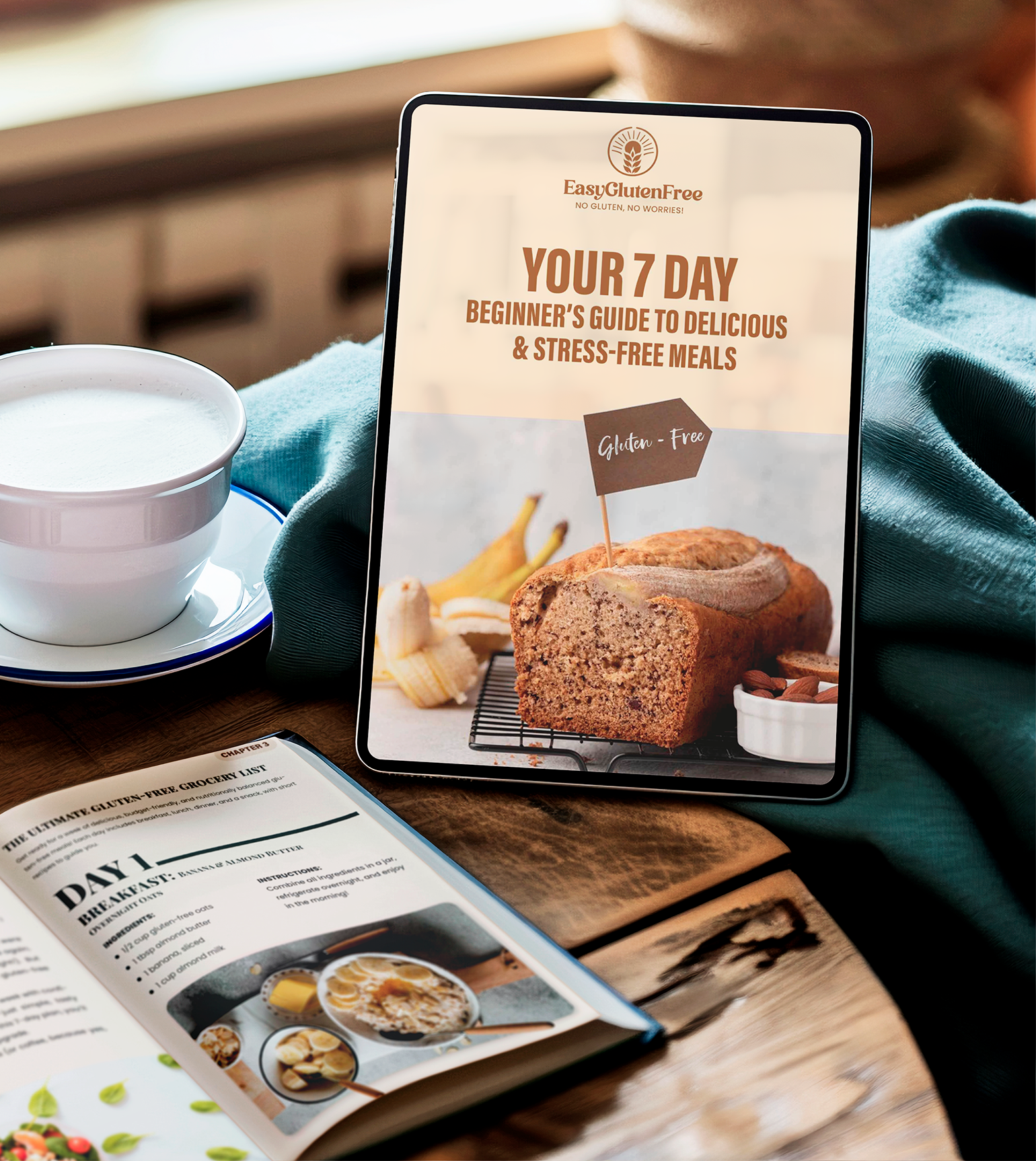
Save your search history some stress. Grab our FREE 7-Day Beginner's Guide and finally have a plan you can actually cook