Blog

Your blog category

Blog

Navigating Gluten-Free Snacking: Tips and Tricks

Life in the gluten-free lane can sound pretty challenging. That’s especially true when you’re just starting and haven’t gotten the hang of it yet, or when you’re hungry and don’t have the time or energy to whip up something from scratch. That’s why when you’re on a gluten-free diet, snacking can be your saving grace in a world full of gluten-filled temptations. But worry not, dear reader, snacking doesn’t mean you’re limited to just fruits and nuts. There are a plethora of tantalizing treats you can indulge in, while still staying on track of your gluten-free lifestyle. Oh, and before we delve in, don’t be fooled by the myth that gluten-free equals healthy. It’s easy to overindulge in snacks — to the point where your healthy diet starts to resemble more of a junk food one, even if it is gluten-free! Always remember to snack mindfully and in moderation. First things first, let’s take a look at the basics of snacking gluten-free. You may be surprised to learn that some of your favorite fruits, veggies, and protein sources are naturally gluten-free. Fruits and vegetables are safe for consumption at any time and they make a pretty decent snack. Add some natural nut butter (but, always double-check for any ominous ‘may contain gluten’ labels), and you’ll have a snack that’s both nourishing and satisfying. We have talked a lot about healthy choices in [feasting the gluten-free way](blog-list-1), but snacking is a different ball game that comes with its unique rules and regulations. For those with a sweet tooth, fear not. Most dark chocolate is gluten-free and makes a delicious treat. Some ice cream flavors are also gluten-free, but you may want to stick with the simple varieties that don’t come laden with toppings and mix-ins, as those could likely contain gluten. Now, for the protein-lovers out there, most basic forms of meat and fish are gluten-free, just beware of breaded or marinated versions. Hard-boiled eggs can also serve as an excellent protein-packed gluten-free snack. However, as a reminder from our earlier post on [understanding gluten](blog-list-2), not all food products that are marketed as gluten-free have been processed to remove all traces of gluten. Keep this in mind when shopping for your favorite snacks. Moving away from naturally gluten-free snacks, there are countless gluten-free products available on the market. These range from the healthy (like gluten-free granola bars) to the not-so-healthy (like gluten-free cookies). Always take a moment to read the labels and check for any added sugars, artificial flavors, or other unhealthy additives. They might be gluten-free, but they may not necessarily be healthy, so always consume them in moderation. Next up, let’s talk about popcorn. Yes, I said popcorn! This whole grain is usually gluten-free and makes for a perfect light snack. You can enjoy it plain, or toss it with some nutritional yeast for a cheesy, yet dairy-free flavor. However, for those who enjoy seasoned popcorn, be wary as some flavorings might contain gluten. Again, always check the labels. Rice cakes are another fantastic gluten-free snacking option. They’re an excellent vessel for an array of toppings – think avocado or peanut butter, for instance. Also, consider gluten-free crackers paired with cheese, although, remember to consume dairy in moderation if you’re lactose intolerant. For those on the go, there’s an array of gluten-free protein bars that you can slip into your pocket for a quick nibble. However, many of these seem more like candy bars than a healthy snack option, so beware of high sugar or unhealthy fat content. In closing, I would like to remind you that it’s okay to give in to cravings once in a while! Just because a food item is gluten-free, it doesn’t mean you should deprive yourself of enjoying it. Be mindful of portion sizes, be aware of nutritional content, and remember to balance it out with physical activity. After all, the gluten-free lifestyle is not about restrictions, it’s about finding healthier alternatives and taking control of what you eat. With the right information and a bit of creativity, snacking can still be a delightful and guilt-free experience. Stay strong, gluten-free warriors! **Category: Health & Wellness**
Blog

Delightful Discoveries: Gluten-Free Subscription Boxes

Whenever I find myself ambling through the aisles at the grocery store, I feel like a detective on a grand quest. Reading labels meticulously, scrutinizing ingredients, ensuring there isn’t a trace of gluten lurking behind sneaky food pseudonyms. It’s an art, really — a skill that I, and many other gluten-sensitive individuals, have had to master over the years. Yet, I often reminisce about the days when spontaneous midnight ice cream runs or grabbing a pizza to-go did not require a background check of the ingredients. Believe it or not, there is a way to relive these carefree culinary adventures. The secret snippet I want to share today is gluten-free subscription boxes! Yes, my dear friends! Gluten-free subscription boxes are like a jolly gluten-free Santa who delivers an array of treats to your door, all guaranteed to be gluten-free. It is a simple and exciting way to explore new foods without constantly worrying about gluten content, and opens doors to a whole new world of diverse, delightful eating experiences. So, how do these subscription boxes work, and what are their benefits? Sit tight, as we unwrap this gluten-free gifting mystery one layer at a time. **Gluten-Free Subscription Boxes: An Unpacked Wonder** Gluten-free subscription boxes work under a simple principle. For a set monthly fee, you receive a carefully curated box of gluten-free goodies right to your doorstep. This could include a range of products including ready-to-eat snacks, baking mixes, pastas, or even condiments. Some boxes focus on sweet treats while others might deliver more gastronomically adventurous fare. These companies take great care to source products from trusted gluten-free brands, giving you peace of mind that what you’re eating is both safe and delicious. You might be wondering — why go for a subscription box when your local grocery store may offer a gluten-free section? That’s a fair question. But let me tell you, these gluten-free boxes come with a bunch of benefits that the grocery store aisles just can’t match up to. Let’s delve into them, shall we? **Trying New Eats Without the Risk** Firstly, gluten-free subscription boxes are a risk-free way to explore the vibrant world of gluten-free food. For someone newly diagnosed with a gluten intolerance or Celiac Disease, these boxes are a fantastic starting point into the gluten-free lifestyle. Remember when we talked about how to acclimatize to a gluten-free diet when newly diagnosed? It’s quite daunting initially, with grocery store trips turning into head-scratching riddles. Gluten-free subscription boxes can alleviate such woes, letting you experiment with different flavors and foods without risking accidental gluten consumption. **The Gluten-Free Sampler** Imagine having the option of tasting a variety of gluten-free goods, from many different brands, all in one place. Sounds pretty amazing, right? That’s precisely what you get in these boxes. Many of us, including myself, fall into food routines—we find something that tastes good and is gluten-free, and we stick with it. This can cause our diets to become rather monotonous. Subscription boxes keep things interesting by delivering a diverse range of products, ones you may not even know existed, right to you. Cookie dough energy balls, anyone? **Convenience and Comfort** Perhaps the reason I hear most often for loving gluten-free subscription boxes is the sheer convenience. Anyone following a gluten-free diet knows the drill—every new product means painstakingly checking and cross-checking for gluten or possible cross-contamination. With subscription boxes, that worry is completely eliminated. Moreover, for those living in remote areas or in locations where gluten-free options are limited, these boxes are a godsend. They cater to your needs regardless of your geographical location, making it a comfortable and convenient option. **The Joy of Gifting** Lastly, gluten-free subscription boxes make for fantastic gifts. Do you remember our post about living gluten-free during the holidays? During such times, gluten-free individuals often feel left out due to limited safe food options. Gifting a gluten-free subscription box is an act of understanding, inclusivity, and, unquestionably, love. So, if you know someone who’s gluten intolerant or Celiac, or even if you’re looking to treat yourself (yes, self-love is important), consider exploring the world of gluten-free subscription boxes. It’s almost magical when you realize how much gluten-free goodness exists out there. Remember, the path to safe, delicious, and diverse gluten-free eating doesn’t have to be daunted by endless label-reading, and the fear of “gluten goof-ups.” There are resources and options available to make this journey easier, more pleasant, and certainly more delectable. Has a particularly delightful gluten-free subscription box caught your eye? Are there other ways you add variety to your gluten-free diet? I’d love to hear your thoughts and experiences. **Category: Lifestyle & Social**

Blog

Navigating Gluten-Free Dining: Decoding Restaurant Menus

Hello, wonderful gluten-free friends! As we navigate through this quest to find gluten-free alternatives and goodies that suit our lifestyle, I’ve noticed that while we’ve touched on many practical subjects like meal planning, reading food labels, and our favorite gluten-free recipes, we’ve never quite talked about the all-important subject of eating out! Don’t you find that sometimes it can feel like a minefield? Kind of like that exhilarating yet incredibly nerve-wracking first date – you’re excited to try out something new, yet simultaneously anxious about whether it will be a match. Today, let’s board the metaphorical gluten-free dating train and unpack this together. A while back, on our journey to gluten-free living, we covered the basics with a beginner’s guide on adopting a gluten-free lifestyle. We delved into understanding the gluten-free diet, tips for cleaning your pantry and kitchen, and even touched on the subject of dining out. However, I think it’s high time we got into specifics, don’t you? One of those tricksy little situations that we haven’t properly touched upon is decoding restaurant menus. Food menus, as we all know, can be as cryptic as ancient hieroglyphics, especially when you’re on a gluten-free diet. The good news? Just like any adventure, the landscape can become a lot less terrifying with a pinch of preparation, a sprinkle of smart strategy, and a dollop of experience. Let’s start at the very beginning (a very good place to start!). **Preparation** Think about when, where, and what you’re going to eat ahead of your actual mealtime. Just like we’ve previously explored in our blog post about budgeting and meal planning, planning matters – especially when you’re navigating the choppy waters of eateries, diners, and gastro pubs. You can start by checking restaurant menus online to see what gluten-free options are on offer. Some venues even have separate gluten-free menus. **Communication** Good communication is the key to any successful relationship – and the relationship here is between you, your server, and potentially, the chef. Make sure to let your server know about your dietary restrictions upfront. He or she will then guide you through the gluten-free options, answer your queries, and communicate any special dietary needs to the kitchen. **Interpretation** To win at the decoding game — just like with any cryptic crossword — you’ve got to know what each term stands for. Here are some terms you might come across: – Naturally Gluten-Free – Foods, such as fruits, vegetables, meats, and dairy, that have not been processed or altered with any gluten-containing additives. – Gluten-Free – This indicates that the food product contains less than the FDA-standard of 20 parts per million of gluten. – Gluten-Free with Modifications – This means that the meal can be made gluten-free, for example by substituting a gluten-free alternative or omitting a gluten-containing ingredient. **Smart Strategy** So, how about a few smart strategic moves up your sleeve? – Opt for Whole Foods: Whenever possible, select naturally gluten-free whole foods like grilled meats, steamed vegetables, or fresh fruit. Not only are they safer but they’re also likely to be healthier options. – Watch out for cross-contamination: This is a tricky one, as even a dish that appears to be gluten-free can still be cooked or prepared with gluten-containing items. Be sure to ask about preparation techniques. – Go for simpler dishes: The more ingredients a dish has, the higher the risk of gluten sneaking in. Stick to the KISS (Keep It Simple, Sweetheart) principle. As we wrap up, I want to remind you that although it can be a bit nerve-racking to decode restaurant menus when you’re gluten-free, the reward of a fantastic meal that doesn’t leave you feeling ill is worth every effort. Just like dating, every successful experience makes you smarter, more confident, and better prepared for the next one. And remember, every time we embrace our gluten-free lifestyle and communicate it to others, we’re raising awareness about gluten intolerance, Celiac Disease and other gluten-related disorders. Think of every dining-out experience as a mission, not just to secure a tasty, gluten-free meal, but also to educate others and let the world know that gluten-free is not a fad, it’s a necessity for some. Here’s to enjoying food, cherishing our bodies, and leading a joyful, gluten-free life. Bon Appétit! **Category: Lifestyle & Social**

Blog

“Mastering Almond and Coconut Flour: A Gluten-Free Baking Adventure”

Oh, the joyous world of gluten-free baking! Transforming your kitchen into a science lab might seem daunting, especially when specialty flours come into the picture. But fear not, my gluten-free friends. Today, we’re diving into the vanguard of gluten-free flours: almond flour and coconut flour. Why these flours? First, they’re both tremendously versatile. They have a delightful dance of nutty flavors that can elevate a humble gluten-free dish to new culinary heights. Moreover, they are fabulous sources of fiber and protein, making your baked goods more filling and nutritious. But most importantly, they’re the most popular alternatives to wheat flour in the gluten-free baking community. No, they’re not interchangeable (a mistake I confess of making once — only once). They each play unique roles in gluten-free baking. So, let’s commence our journey of understanding these delightful ingredients and how they can transform your gluten-free baking endeavors. As we all know, gluten is a protein which, in traditional baking, provides elasticity and structure to our bakes. Without it, we need to play alchemist and create a balance with alternative ingredients. Enter our two leading characters: almond flour and coconut flour. Almond flour, made from whole ground almonds, is slightly sweet and nutty with a bit of texture. It often works best in recipes specifically designed for it, as it’s denser than regular flour and does not absorb liquids in the same way. On the other hand, coconut flour comes from dried and ground coconut meat and is soft, fine, and insanely absorbent – a little bit goes a long way! But how do you use them? Let’s break it down. 1. **Almond Flour:** Using almond flour can add a bit of ‘oomph’ to your baking. Don’t just limit it to cakes though. Try it in savory dishes like quiches and tarts, or mixed into your protein balls. Because of its density, you may need to add an extra egg or two in the recipes, but the results are spectacularly moist and filling. Having a bag of almond flour in your pantry opens up a world of dreamy gluten-free goods. Here’s a useful tip for my devoted bakers: when it comes to converting recipes, it’s less of a 1:1 substitute for regular flour, and more like a 1:3. For reference, if a recipe calls for 1 cup of traditional all-purpose flour, you’ll likely need around 1/3 cup of almond flour. 2. **Coconut Flour:** Coconut flour is a tricky fella. A tablespoon or two of coconut flour can transform a gloopy baking mix to the perfect consistency. It’s better for recipes designed for coconut flour, especially as it requires a lot of moisture and additional eggs. Used correctly, coconut flour lends a rich texture and slightly sweet flavor to your goods. Delightfully, it also creates a lovely crumb in baked goods like in the [Ultimate Gluten-Free Banana Bread](hyperlink to the post). In conversion terms, you’d generally use about 1/4 cup of coconut flour for every cup of regular flour in a recipe, and significantly increase the number of eggs (we’re talking up to six more!). Remember, dear friends — baking is as much science as it is an art. These conversions aren’t set in stone. Your climate, the exact ingredients you’re using, even the whims of your oven can all affect the end product. Always be prepared to tweak and adjust. It can be a little trial and error playing around with these flours, but don’t lose heart. With practice comes perfection. Embrace the learning curve and let’s get creative. If a cake flops, well then, you’ve got the sweet makings of a trifle or a bread pudding! Looking to dive-in head-first? Start by immersing yourself into the world of gluten-free pancakes. Here’s a quick guide to make your mornings a little brighter with [Fluffy Gluten-Free Pancakes](hyperlink to the post), using a blend of almond meal and coconut flour. Finally, let’s touch base on the fantastic health benefits of these incredible flours. Both are high in fiber, helping you feel fuller for longer and aiding digestion. Almond flour, being rich in Vitamin E and magnesium, offers heart health benefits, whilst coconut flour provides a boost of iron and healthy fats. So, in essence, choosing these flours not only allows us to enjoy a gluten-free culinary journey but also supports our well-being. In conclusion, these flours are versatile wonders that every gluten-free baker should have on hand. Although the journey might be a tad tricky initially, once you’ve got the hang of them, there’s no stopping you from creating masterpieces. So grab your apron, roll up your sleeves, and let’s explore the exciting world of gluten-free baking together. Happy baking! **Category: Baking & Cooking Science**

Blog

Unleashing the Science of Gluten-Free Baking: Tips for Sweet Success

If you have a sweet tooth like me, the thought of giving up traditional cakes, pies, and pastries while living a gluten-free lifestyle may have you quaking in your (gluten-free) boots. But never fear, my friends. This week we’re taking a delectable detour to delve into the science behind gluten-free baking. Yes, you heard me right. Science. But don’t panic. Think of this as your fun, friendly, neighborhood physics class where the textbook is a batch of gluten-free vanilla cupcakes. Hungry already? Me too. So, let’s take a step back. Understanding the purpose of gluten in pastries can help us nail the perfect alternative. Gluten forms a network of proteins that gives baked goods their structure and chewy texture. Without it, our goodies would simply collapse into a crumbly mess. Going gluten-free presents a, well… bored crumbling cake is not exactly the kind of birthday surprise we want, is it? That’s why finding the right combination of gluten-free flours is crucial to achieving the texture we desire in our baked goods. There are many varieties to choose from, so learning about their unique properties can be seriously handy. For instance, almond flour lends a soft, moist crumb perfect for spongy cakes, while sorghum flour mimics the hearty texture of whole wheat. You can learn a great deal more about it in one of our previous posts about [The Art of Blending Gluten-Free Flours](blog-link). Conquering that theory, now let’s put your newfound knowledge to the test with a practical assignment — three fool-proof tips for gluten-free baking success. Tip #1: The first is reaching for a bit of chemistry help in the form of Xanthan gum or Guar gum. These ingredients are often called ‘gluten replacers’. They work their magic by creating a sticky web that helps emulate the gluten structure in our baked goods. Just remember, a little goes a long way! Tip #2: My second piece of advice is hydration. Yes, hydration! Gluten-free flours tend to soak up moisture like thirsty camels in a desert. To prevent those dry, crumbly goodies we spoke about earlier, don’t shy away from adding a little extra of what I call ‘the moisture makers’ to your gluten-free recipes. Think applesauce, Greek yogurt, or even mashed bananas. Finally, tip #3: Temperature control. Yes, it’s as essential as that air conditioner during a summer heatwave. Chances are, if you’re adapting a recipe for gluten-free baking, you’ll need to decrease the oven temperature slightly and increase the baking time. A lower temperature ensures that your treat bakes evenly without drying out — there’s that hydration theme again, folks. And while we’re on the topic of temperature, let’s talk about my absolute favorite hack for gluten-free baking success — putting your dough or batter in the fridge before baking. As it chills, the flours will absorb the moisture more evenly, leading to a better texture after baking. Trust me. You’ll thank me later. If you’re feeling inspired to put on your apron and give gluten-free baking a whirl, I would recommend starting with something simple, like our recipe for [Gluten-Free Lemon Muffins](blog link). They’re light, fluffy, and just the right amount of tangy — the perfect embodiment of our golden trio of tips. A journey of a thousand miles begins with a single step, or in this case, a single bite. Embarking on this gluten-free baking adventure might feel daunting at first, but remember, it’s not about perfection but progress. So, pre-heat that oven, dust off that apron, and let’s get baking. Even if your first batch of cupcakes resemble the leaning tower of Pisa more than petite bakery bites, it’s okay! Baking is an art and science. It takes practice, patience, and the willingness to scarf down a slightly wonky cupcake every now and then. If there’s one thing I know, it’s that gluten-free life should never mean a dessert-free life. Armed with these insights, I wholeheartedly believe you can turn your kitchen into your own personal gluten-free bakery. Happy Baking! **Category: Baking & Cooking Science**

Blog

“Gluten-Free Evolution: From Nostalgic Popcorn Dreams to Personalized Nutrition Trends”

Let’s wander down memory lane together for a moment. The year is 2005, February to be precise. You’re clutching an overpriced popcorn tub in your hands. Sneaking a peak at your friends periodically while waiting for the movie trailers to come to an end. Suddenly, Brokeback Mountain’s iconic trailer begins, and you sneak one more peak at your theater companions. Chewing soundlessly on your popcorn, you can’t help but think, “I wish they had gluten-free popcorn available.” Flash forward to the present day, and you now see gluten-free labels gleaming on store shelves, including those on your favorite popcorn packets. You no longer worry about missing out on enjoying a classic movie snack. It’s a small, yet significant victory for the gluten-free community. So, how did we get here? Between the moments of longing for gluten-free popcorn and the moments we find ourselves in now — filled with an abundance of gluten-free options in grocery aisles? The answer lies in the changing trends and evolving consumer demand of the food industry. Understanding these trends is more than a trip down memory lane or a lesson in history; it’s a way to appreciate where we are now and where we’re headed. It’s also especially important to those entering the gluten-free world, as navigating this lifestyle can feel overwhelming. One of the earliest blogs I wrote, “The History of Gluten-Free: A Deep Dive,” delved into how and when the gluten-free trend began. It made us ponder the plight of our creative, culinary ancestors who managed diets without the extensive labeling and variety we see today. But, the drive for gluten-free food didn’t stop at providing options for those with Celiac’s disease or gluten-sensitivities. Instead, the gluten-free diet entered the mainstream, largely thanks to the rise of wellness and health culture. Increasing numbers of people started turning towards gluten-free diets, not necessarily due to intolerances but in a bid for overall wellness and weight management. A study by the Journal of Human Nutrition and Dietetics cited that many adopt the diet seeing it as a “healthier option.” This sparked debate (which continues till this day) around whether or not gluten-free is indeed healthier for those without gluten intolerance, a topic I previously touched upon in my blog post “Is Gluten-Free Always Healthier?” In terms of trends, veganism and plant-based diets have also influenced the popularity of the gluten-free diet. By mid-2018, the interest in veganism surged by 600% according to Google search data. How does veganism affect gluten-free diets, you ask? When faced with having to remove meat and dairy from their meal plan, vegans often prioritize fiber-rich foods. Foods that, coincidentally, often fall under the gluten-free banner. So, lentils, quinoa, beans and a host of vegetables take up most of the space on their plates. For example, some vegan companies like Beyond Meat also offer gluten-free options, demonstrating the concurrent rise of the vegan and gluten-free realms. A burst of new research and awareness around gut health and the microbiome has also put gluten-free diets in the spotlight. The notion of “good” and “bad” bacteria, the impact of certain foods on our gut health, and the focus on probiotics and clean eating have all catapulted gluten-free diets into the mainstream wellness narrative. In the face of this trend-growth are the innovators working tirelessly behind-the-scenes to accommodate the rising gluten-free demand. They’ve been churning out innovations in gluten-free products, expanding the range we see every day. It’s not just bread and pasta anymore. We now have access to gluten-free cereals, baking access, prepackaged meals, and snacks! It’s important to mention innovations aren’t just about quantity, but quality too. Gluten-free products have greatly improved in taste over the years. Gone are the days your gluten-free bread tasted much like cardboard. Now, gluten-free products are often indistinguishable from their gluten counterparts, which we explored in “Can You Taste the Difference? Gluten-Free vs. Regular Baked Goods.” So, it’s clear that the current landscape of gluten-free diets is the result of a multitude of factors – wellness trends, diversity in diets, an increased focus on gut-health – all leading to growth and evolution in gluten-free product development and awareness. But where are we heading? While I don’t have a crystal ball to predict the future (I wish!), industry experts suggest that the rise of personalized nutrition could be the next big trend influencing the future of the gluten-free community. This means that the trend goes beyond gluten sensitivity. Personal nutrition based on individual lifestyles, health conditions, environment, even genetic makeup can help further personalize dietary decisions. Incorporating gluten-free diet options into these personalized plans could create a bigger, more researched footing for our community, solidifying the presence of gluten-free food in mainstream society. Let’s toast (with our gluten-free bread) to that! Remember that while it’s fascinating to delve into trends, the decision to go gluten-free should be based on individual health conditions and doctor’s advice primarily. Your health is what matters the most. To new and returning members of the gluten-free community: We’ve gone through a lot, and we’re still here. Let’s embrace and participate in these trends, continue to educate ourselves and each other, and expand our choices. Who knows, maybe one day we’ll sit at a movie theater with gluten-free popcorn in our hands, reminiscing about the times we didn’t take this for granted. **Category: Trends & Opinions**

Blog

“Gluten-Free Dining: Navigating the Culinary Adventures Safely”

I’ve often heard it said in our community: “gluten-free is not a trend, it’s my life.” And I have to agree. As a celiac warrior, going without gluten is not an optional dietary whim, but a health-mandated necessity. Eating out, once a beloved pastime, now feels more like testing my luck in a game of culinary Russian roulette. But fear not, for today we are setting out on a journey to reclaim the joy of dining out – gluten-free style. Navigating around menus filled with gluten-loaded temptables is an art in itself. One earned through reluctantly biting into suspiciously soft gluten-free bread, mixed emotions from “is it too good to be true?” to “please don’t let this be another gluten ambush.” Ah, the life of a gluten-free foodie, full of hair-raising adventures, but equally brimming with small victories, like finding that one dedicated gluten-free bakery and feeling like you’ve discovered Atlantis! Today, let’s discuss survival strategies for dining out gluten-free without risking the pain of being “glutened.” Firstly, I cannot stress enough the importance of advanced research. Most restaurants nowadays are just a Google search away. Pour over their online menus, check if they have gluten-free options, or better yet, a dedicated gluten-free menu. Look for reviews or social media posts from fellow gluten-free diners to get a sense of how seriously they take gluten cross-contamination. Websites like [Find Me Gluten Free](http://www.findmeglutenfree.com) are lifesavers in discovering new gluten-free friendly eateries, with a considerate community that leaves helpful, honest reviews. However, sometimes, old-school communication works best. If it’s a special occasion or you’re trying out a new place, go ahead, pick up that phone and simply ask them if they cater to gluten-free requirements. You’ll be surprised at the number of establishments that offer gluten-free dishes or are willing to modify regular items for you. Our [‘Mastering The Art Of Asking For Gluten-Free’](http://www.easyglutenfree.com/mastering-the-art-of-asking-for-gluten-free) blog post offers some excellent tips on how to communicate your needs effectively. Now, onto the battlefield! And, yes, I mean that quite literally as when we eat out, every dish can seem like a potential landmine. Always start by clearly stating your dietary requirements to your server. Remember, it’s not just a diet preference, but your health on the line. Don’t shy away from asking about preparation methods and cross-contamination risks. Vegetables and grilled options are typically safe, but be wary of marinades and sauces, which can be hidden sources of gluten. Cross-contamination might occur on a shared grill, so always double-check. If you’re in the mood for fries, make sure they’re fried separately from gluten-containing items. One of my personal disappointments was discovering that items labeled “fried in vegetable oil” were sometimes cooked in the same batch as breaded options. Ouch. Now: the gluten-free bread. Oh, behold the treacherous path we tread. From years of weathering gluten-free storms, you’ve developed a sixth sense for phony gluten-free bread. If it looks too good, it probably is. It’s always safer to ask about the bread’s origin. Is it made in-house or provided by a dedicated gluten-free bakery? If the latter, rejoice for you’ve struck gold! For pasta lovers, rejoice! Many restaurants are offering gluten-free pasta alternatives now. But bear in mind, they should be cooked in a separate pot with fresh water to avoid cross-contamination. Don’t hesitate to ask your server about this; remember, you’re not just being ‘picky’ but vigilant for the sake of your health. One of the best parts about eating out is trying foods from different cultures. But it can also feel like teetering on the high-wire while juggling flaming bowling pins. A little knowledge about the staples of various cuisines, however, can go a long way. Most Asian cuisines are based around rice which is naturally gluten-free. But their sauces are often a minefield of gluten. Japanese Tamari sauce can be a great gluten-free alternative to regular soy sauce. Italian food, the crown jewel of a comforting meal, is a carb-rich wonderland often overflowing with gluten. But with the rise in gluten awareness, more and more Italian restaurants are accommodating gluten-free eaters with options for gluten-free pasta and even pizza! Last but not least, let’s address the sweet, sweet dilemma – dessert. This is often the trickiest part for any gluten-free diner. You’ll often face a choice between a fruit salad or sorbet—sound familiar? But don’t lose hope! Many places now extend their gluten-free offerings to the dessert menu. Some even have gluten-free cakes and pastries! When in doubt, go for the naturally gluten-free options like crème brûlée or a decadent flourless chocolate torte. Remember that while navigating the ‘outside world’ of food can be daunting, we have built a community that strives to constantly make it easier. It’s a battle, yes, but it’s one we are in together. Armed with the right knowledge and cautious optimism, we can indeed reclaim the joy of dining out without surrendering our wellbeing. So, here’s to a world of culinary adventure, one gluten-free bite at a time! **Category: Lifestyle & Social**

Blog

Simplifying Gluten-Free Living: A Guide to a Stress-Free Kitchen

There’s a certain beauty in simplicity, isn’t there? That one small change in your routine—like deciding to wake up just a few minutes earlier, or embracing a hot cup of tea in the afternoon—that can make your entire day seem brighter and even a bit more manageable. For those of us living a gluten-free life, it often comes as a surprise that the shift to gluten-free doesn’t necessarily mean a shift to complexity. In fact, to make your gluten-free journey more enjoyable and less overwhelming, I propose embracing simplicity. We call this strategy “the simplified gluten-free kitchen”. What do I mean by simplified? Well, think about your kitchen right now. What do you see? Maybe it’s crammed to the brim with a mix of gluten-free and non-gluten-free products. Maybe you have different flours, one for each type of baked good you make. Or, maybe you have spices and sauces you bought for a single recipe and have never touched since. Whether we realise it or not, our kitchens can sometimes get cluttered, causing confusion and stress. Unfortunately, when it comes to gluten-free living, this clutter can be more than just an inconvenience—it can also lead to accidental contamination and the accidental consumption of gluten. So today, let’s dive into how to simplify your gluten-free kitchen. **The first step: Decluttering.** Turn on some relaxing music, pour yourself a cup of tea, and let’s tackle this together. Start by setting aside everything in your kitchen that contains gluten. This could include bread, pasta, sauces, spices, and canned goods—basically, anything that lists wheat, barley, rye, or any of their derivatives in the ingredients. This step is well covered in our [Understanding Ingredients: A Guide for Gluten-Free Beginners](https://easyglutenfree/ingredients-beginners-guide). If you live with others who eat gluten, designate a separate area in your kitchen for those items. By creating a gluten-free zone, you minimize the risk of cross-contaminations. Then, inspect every item in your gluten-free zone. Ask yourself, “when was the last time I used this?” If the answer is “I can’t remember”, it may be time to let it go. Out with the old and in with the new, right? **The second step: Simplifying.** Once your kitchen is decluttered, it’s time to focus on simplifying. Invest in kitchen staples that can serve multiple purposes. There are many ingredients that are naturally gluten-free and incredibly versatile. These should be the stars of your kitchen! For instance, rice, a humble kitchen staple, can be transformed into a variety of dishes. From [fluffy rice pilaf](https://easyglutenfree/rice-pilaf-recipe), to creamy rice pudding, or even a thickener for soups – it’s a real kitchen champion. Spices, too, play a key role. With just a few basic ones (like cumin, coriander, turmeric, paprika, and chili) you can create a variety of delicious, multi-cultural dishes that will never leave your taste buds bored. **The third step: Planning and Prepping.** If you’ve read our [Tips for Meal Planning on a Gluten-Free Diet](https://easyglutenfree/meal-planning-guide), then you already know the importance of planning ahead. Meal planning and prepping can be a game-changer for gluten-free cooking, saving you time, money, and reducing waste in the process. First, choose a day in the week for meal planning and take note of what ingredients you already have. Aim for simplicity and versatility in choosing your meals. Then make a shopping list based on your meal plan—stick to it to avoid impulse purchases. On your meal prep day, cook some basics like rice, roast vegetables, or bake some chicken. Having prepped ingredients ready to go can simplify meal times and reduce the temptation of resorting to less healthy, gluten-containing alternatives. **The fourth step: Embracing Simplicity.** Finally, after decluttering, simplifying, and prepping, the most important step is to truly embrace simplicity. Find the joy in the fewer, more versatile ingredients. Take pride in your organized, uncluttered kitchen. Allow yourself the time to enjoy the process of cooking your meals, knowing it promotes not just your physical well-being, but also your mental health. Everyone’s journey with a gluten-free lifestyle is unique, and what works for one person might not work for another. But if there’s one universal truth, it’s this: a simplified kitchen can go a long way towards making a gluten-free lifestyle that much more easy, enjoyable, and achievable. Remember; declutter, simplify, plan, prep, and embrace. Your kitchen should be your haven, not a source of stress. And soon enough, you will find that living gluten-free in a simplified kitchen can be not just manageable, but downright enjoyable. **Category: Health & Wellness**

Blog

Embarking on Gluten-Free Adventures: Travel Tips for Coeliacs

Hello, my dear gluten-free fellows! I hope this blog post finds you in the best of health and spirits. A lovely story came across my kitchen counter the other day, and I thought it might just be the perfect topic to discuss on this fine day. By now, we seasoned gluten-free veterans know all the basics about maintaining our lifestyle — shopping for foods, baking without gluten, dealing with gluten contamination, and so on. But what about travelling? Gluten-free life does not mean you stay pinned to your gluten-free kitchen, does it? Absolutely not! Today, we’re going to talk about gluten-free adventures and how to travel with ease without swinging your diet pendulum off balance. On Friday, Sally, a lovely reader of Easy Gluten Free, shared her vacation story. Like us all, she loves the thrill of visiting new places, tasting local delicacies, experiencing new cultures, but since she is also a coeliac, her excitement was tinged with worry. Can you guess her biggest concern? Well, staying gluten-free in an unknown land where she had no control over how food was prepared. Sounds scary, right? Don’t worry, though. We’re here to make our Sallys feel more confident when planning their travel adventures. Before we get started, though, take a minute to check out our previous posts on [“Understanding Gluten Cross Contamination”](/understanding-gluten-cross-contamination) and [“Decoding the Gluten Free Labels”](/decoding-the-gluten-free-labels). Both these posts will give you foundational knowledge on how gluten sneaks into our lives uninvited. Planning is the key when it comes to travelling. Whether it’s the accommodation, the sightseeing, or staying gluten-free, scrupulous planning aids in smooth sailing while exploring new territories. First off, do a quick online search of gluten-free restaurants in your destination city or town. Several apps and websites provide lists of gluten-free friendly places. You’ll be amazed to see how diverse the options can be — from dedicated gluten-free bakeries to local cuisine that happens to be naturally without wheat and its sneaky cousins. Don’t forget to check reviews before you make reservations, though. Air travel can often be a maze when it comes to food choices. Most airlines provide gluten-free meals on board, but it’s always best to confirm or make special requests at the time of booking your flight. You wouldn’t want to starve on a long-haul flight, would you? Absolutely not! Also, pack some gluten-free snacks for both the flight and your stay. Trust me, when hit by those late-night snack cravings, having a small stash of your favourite gluten-free cookies can be a lifesaver. Now, staying at Airbnb’s or vacation rentals with kitchens offers a fantastic advantage — you can prepare your own food! But remember, cross-contamination can easily happen in a shared kitchen space. A handy preventative measure against cross-contamination is to pack essentials like a non-stick pan, a cutting board, and some basic cutlery. Can’t carry a portable mini-kitchen around? Don’t worry, hotels often understand their guest’s requirements better than you’d expect. Call ahead and speak to them about your dietary needs — they might be able to provide a separate cooking space or utensils, or even a gluten-free menu for breakfast! Another tip to remember is to always carry a translation card if you’re travelling overseas to a country with a different language. The card, printed in the local language, should explain that you’re unable to eat gluten and list all the potential sources and names it might be known by in their cuisine. Trust me; it can be a real game changer while dining in foreign lands. I hope these tips give you a good start towards planning your gluten-free adventure. Remember, though, that everyone’s experience is unique, and it’s okay to stumble and learn. As long you pack a good spirit of adventure, a little bit of extra attention to details, and your gluten free travel strategies, you’ll have a beautiful journey, full of joy, discovery, and most importantly — healthful, gluten-free meals. And whatever you do, don’t forget to enjoy. Because at the end of the day, isn’t that what travelling is all about? Exploring, experiencing, and savoring the taste of life — gluten-free style! Next time you plan a vacation, drop a line about your travel adventures and tips that worked for you. Sharing is caring, after all! As always, feel free to ask any questions or share your concerns — remember, we’re all in this gluten-free journey together. Happy gluten-free travelling, friends. Safe journeys! **Category: Lifestyle & Social**

Blog

“Gluten-Free Living: Unlocking the Secret to Better Sleep”

So, you’ve browsed the supermarket bolting from one aisle to another with a cart full of gluten-free products, spent time acquainting yourself with friendly gluten-free recipes and are slowly but surely navigating yourself through the colorful land of gluten-free living. Great job! You are doing it… and now, you’re finally feeling confident about your gluten-free lifestyle and getting the hang of it! One area, however, that is unfortunately overlooked but still critical to our overall well-being, especially for us gluten-freers, is sleep. You might be wondering, “Claire, what does sleep have to do with a gluten-free lifestyle?” The answer is simple: a lot! A good night’s sleep is as important as regular physical activity and a balanced diet in maintaining a healthy lifestyle, let alone when you’re following specific dietary requirements. Just like managing your diet helps with overall health, good sleep can also have profound effects on your energy levels, concentration, and even emotions. Research suggests that people with gluten sensitivity or celiac disease often struggle with achieving sound sleep due to common symptoms such as inflammation, discomfort, and digestive issues. So, the question arises, can a gluten-free diet improve your sleep quality? Absolutely! Allow me to guide you through the tactile interface between your gluten-free lifestyle and sleep to help you get the ZZZs you deserve. Here are a few sleep-enhancing strategies you can implement into your daily routine: 1. **Eat Early, Sleep Well**: Enjoy your evening meals early and allow at least 3 hours before going to bed. This enables your body to efficiently digest the food before bedtime, reducing the possibility of discomfort that could disrupt your sleep. Remember, managing your gluten-free diet is an art, and timing your meals just paints another stroke in the grand canvas of achieving better sleep. 2. **Mind Your Minerals**: In one of our previous posts about [Essential Vitamins and Minerals in a Gluten-Free Diet](#), we discussed how some nutrients, like magnesium and potassium, promote better sleep. So, next time you are planning your gluten-free meals, consider incorporating foods rich in these minerals. How about a plate of roasted beetroot and spinach salad sprinkled with sunflower seeds for dinner, or a banana smoothie for a mellow evening dessert? Sounds refreshing, doesn’t it? 3. **Limit Caffeine and Hydrate**: This might be a hard pill to swallow (especially for coffee-lovers) but cutting down on caffeine intake, especially a few hours before bedtime, can drastically affect your sleep quality. Substitute your evening coffee with herbal teas that are known to foster sleep, such as chamomile or lavender. Also, remember to hydrate yourself adequately throughout the day. While we’ve already talked about [The Importance of Hydration on a Gluten-Free Diet](#), I cannot stress enough how staying hydrated can enhance your sleep quality by preventing dry mouth, parched throat or dehydration induced sleep disruptions. 4. **Embrace the Carb-Dinner**: Remember the blissful sleep post-Thanksgiving meal? Part of that is due to the high intake of carbohydrates, known to boost the production of serotonin – a hormone that helps regulate sleep. If you thought being on a gluten-free diet means missing out on this benefit, think again! There are numerous gluten-free carbs you can incorporate in your dinner, such as quinoa, sweet potatoes, rice or even gluten-free pasta. Just be sure to balance it with proteins and vegetables to maintain a well-rounded meal. 5. **Exercises and Relaxation Techniques**: Regular physical activity and relaxation techniques such as mindfulness, yoga, and even simple breathing exercises can greatly facilitate deep and restful sleep. In our post about [Workouts That Complement Your Gluten-Free Lifestyle](#), we touched upon how physical activity can enhance your overall gluten-free experience. Now merge this with calming breath-work or evening stretches, and you have a recipe for a tranquil night of rest! Getting an adequate and restful sleep can significantly enhance your overall gluten-free lifestyle experience, not to mention lift your mood and boost your energy levels. So, snuggle in, turn off your gadgets and let a restful night’s sleep lead you to a refreshed morning bounding with energy and positivity. Before I sign off, remember – being on a gluten-free diet is not just about removing gluten from our lives but embracing a healthier way of living. Every minor adjustment, whether it is about correcting our sleeping patterns or adapting our exercise routine, counts towards this healthy shift. So, let’s continue to ride this wave of transformation together towards better gluten-free living. Here’s to sweet dreams and peaceful nights! **Category: Health & Wellness**
Scroll to Top
Free 7-Day Beginner’s Guide

We See You Googling
‘Easy Gluten-Free Dinner’ Again

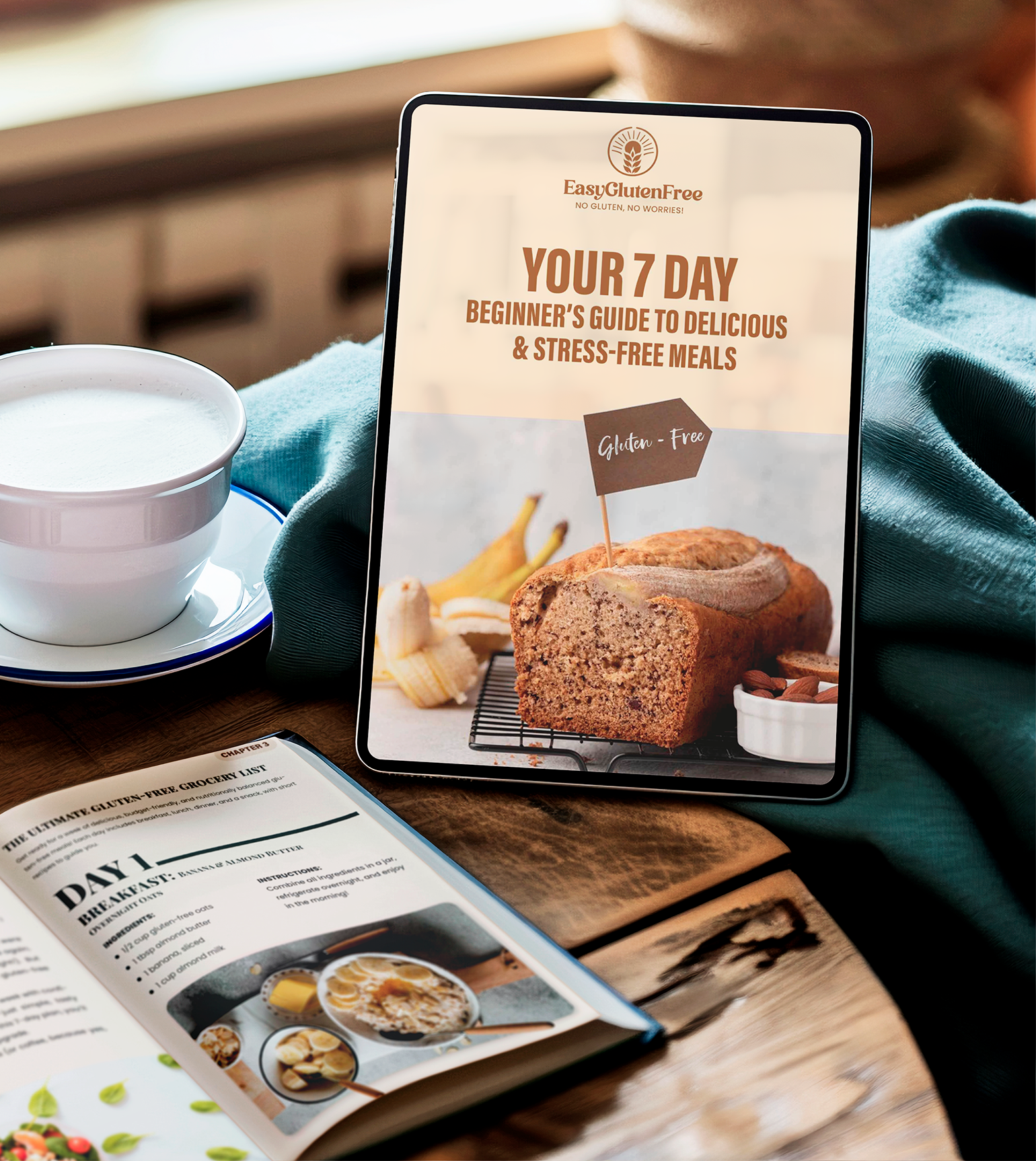
Save your search history some stress. Grab our FREE 7-Day Beginner’s Guide and finally have a plan you can actually cook.

Free 7-day gluten-free beginner's guide