Blog

Your blog category

Blog

“Gluten-Free Birthday Cakes: Baking, Icing, and Celebrating with Joy!”

We all can relate to the sweet bittersweet feeling when a significant birthday rolls around. A new horizon beckons, full of opportunities, dreams, and yes, a few anxieties too. Throw into the mix the fact that you’re living a gluten-free lifestyle, and those worries may well multiply — especially when it comes to the all-important birthday cake. Cake symbolizes celebration, it’s practically a universal language of joy! Today, let’s debunk the myth that turning gluten-free means saying goodbye to mouth-watering birthday cakes. Hold on tight to your party hats because we’re about to embark on an epic adventure of homemade gluten-free cake baking, icing, and even decorating! If you’re a seasoned baker, you likely know the basics. The accurate measurements, the need for precision, the rewards of patience… We’re going to reinforce all that today with a layer of gluten-free know-how. For our novices out there, never fear! I’m right here alongside you, mastering the grand baking art together. First things first, let’s talk ingredients. At the core of our gluten-free cake lies an all-important element: our flour. You might be wondering – can you substitute any flour in any recipe? How does gluten-free flour differ from regular flour anyway? Luckily for us, I’ve covered this in my previous post on [Understanding Gluten-Free Flours](URL). Take a quick peek at it for a comprehensive understanding of the different gluten-free flours, their textures, and their best uses. For newcomers to this gluten-free baking scene, a ready-made gluten-free flour mix might be your best bet for a start. They’re specifically created to imitate the properties of wheat flour – perfect for our mission today! As you gain confidence and want to experiment, creating your own blend can be an exciting next step. Remember our brave motto from my Gluten-Free Baking for Beginners post? Yes, that’s right — “Experimentation is the heart of innovation!” So, don’t shy away from trying out different flours, mixing and matching until you find your perfect blend. It may be the combination of rice flour with a bit of tapioca starch, or buckwheat mixed with almond flour, or sorghum flour adding some depth to a blend of millet and coconut flours. The famous “one size fits all” just doesn’t apply here! Now, let’s venture further into this magical land of gluten-free baking. Our next stop: binders. You see, gluten in wheat flours binds the ingredients together, giving the cake its structure. Predictably, gluten-free flours need a little help with the bonding bit. So, we introduce them to a binder – like xanthan gum, guar gum, or ground flax seeds soaked in water. The binder might vary depending upon the texture you desire. For a light and fluffy cake, xanthan gum is excellent. But if you are looking for a denser, brownie-like texture, you might want to take the flax seeds route. Your binder is your secret weapon for the perfect texture! Next up in our gluten-free party planning guide is all about sugar. Sure, sugar isn’t a worry for those strictly focused on gluten, but if you’re mindful about keeping your health in check or have certain dietary restrictions, there are options for you. From coconut sugar, stevia extracts, to blessed honey or pure maple syrup, you can choose your sweetening agent without compromising your health goals. Onto the icing on the cake now – literally! Here, the world is your gluten-free oyster. You could go classic with a buttercream frosting, get fancy with a chocolate ganache or add some flavor punches with a lemon glaze. For an extra-decadent chubby cake, fill those layers with mixed berries or a homemade jam. Just make sure all your ingredients are gluten-free – sometimes they can sneak in where you least expect it! Finally, comes the grand finale — decorating your cake! You can go with your traditional blown candles, or you could mix it up a bit. Fresh flowers, fondant figures, a dusting of icing sugar, edible glitter (yes, they exist), or a cascade of chocolate curls – the options are limited only by your creativity. Now it’s the time for you to step into the baking arena. Making a cake from scratch can seem daunting – I mean, isn’t that what bakeries are for? But trust me, there’s something undeniably special about donning that apron, covered in a cloud of flour, and producing a sweet creation to the chorus of “Happy Birthday.” Fear not, gluten-free friends, the birthday cake tradition is going nowhere. Embrace your new norm, and in the process, open up a world of innovative baking. I guarantee you’ll surprise yourself with your baking prowess, and who knows, maybe inspire others on the gluten-free path to do the same. In the world of gluten-free living, there’s a certain beauty to learning, adapting, and creating moments of sweet celebration from a place of knowledge and love. Cakes shouldn’t be a hassle or cause worry. They should be a symbol of joy, a testament to the fact that gluten-free or not, we all deserve a slice of happiness! Next up in our gluten-free journey, we’ll tackle another cooking challenge. But until then, happy gluten-free baking to you all! **Category: Baking & Cooking Science**
Blog

Spicing Up Your Gluten-Free Journey: Navigating the World of Gluten-Free Spices

In my journey of adopting a gluten-free lifestyle, I’ve heard the question, “So, what do you eat?” far too often! Trust me, friends, there’s a universe of delicious foods that are naturally gluten-free. But today, we’re not just talking about foods, we’re focusing on spices. Spices are an essential part of cooking, adding depth, character, and pure magic to meals. But how often do we consider if they are gluten-free or not? It’s easy to overlook spices when you’re trying to maintain a gluten-free diet. But did you know some spices could contain gluten or be cross-contaminated with it? It’s surprising, right? Don’t worry, pals! This revelation doesn’t mean you should banish all spices from your kitchen. On the contrary, we’re going to spice up your gluten-free life even more by helping you understand the world of gluten-free spices and how they can transform your meals. Usually, the problem doesn’t lie with the spice itself, but with what might be lurking alongside it. Pure spices are generally gluten-free, but when they’re processed, manufactured, and packaged, there’s a chance they could come in contact with gluten. For example, some manufacturers add gluten-containing ingredients like wheat flour as a bulking agent or to prevent clumping. The first step to avoid this pitfall is reading labels religiously. I cannot stress enough the importance of reading and understanding food labels, which we’ve discussed in detail in a previous post. That underlines the importance of getting familiar with the different names gluten can take on. It can be quite the master of disguise, you see! Gluten can be hiding behind names like “maltodextrin” or “dextrin”. So, having a comprehensive gluten-free ingredient checklist can really save the day. Another question that always comes up is about pre-packaged spice blends. Are they gluten-free? The inconvenient answer is: it depends. Some manufactures might sneak in some gluten-containing ingredients to enhance flavor or texture. Therefore, always ensure you’re picking gluten-free spice blends or make your own at home! It can be a fun, fragrant activity to mix and match your favorite spices during the process. Trying to navigate this spicy maze may seem daunting at first, but I promise it becomes intuitive with a bit of practice and patience. One tip is to choose trusted spice brands that declare their products are gluten-free. Some brands test their spices for gluten and display a gluten-free certifying label on their products. That takes away a whole lot of guesswork! But let’s look at the bright side of spicing up your meals – going gluten-free often means leaning towards whole foods and finding joy in their natural flavors. And that’s when pure spices truly shine – they highlight the authentic taste of your carefully chosen ingredients. You know, the magic of a pinch of cinnamon in your morning smoothie or the kick of chili in that hearty soup. Now, do you remember your first gluten-free baking endeavor? I sure do! It was my first attempt at making gluten-free bread, and trust me, it’s stories like these that make our gluten-free journey more memorable, don’t they? Ah, the smell of freshly baked gluten-free bread infused with herbs and spices is simply unparalleled. Spices play a key role when it comes to gluten-free baking too. They mask the unfamiliar flavors that some gluten-free flours might have, especially when you’re still new to the gluten-free baking world. Take gingerbread cookies, for instance. The rich blend of ginger, cinnamon, allspice, and cloves almost makes you forget that these are gluten-free. But what’s important to remember is keeping your spices gluten-free. Keep them separate from your other, potentially gluten-contaminated spices if you’re sharing your kitchen with non-gluten-free eaters. It helps prevent the risk of cross-contamination. And remember, just like we do a pantry spring cleaning, keeping your spice cabinet updated and clean is equally crucial for a gluten-free kitchen. Toss those old, gluten-contaminated spices away! By now, I hope you’re seeing the spicy side of gluten-free living in a new light – it’s all about understanding what your spices may contain and how to use them to elevate your cooking. Although it requires a little bit of diligence to ensure they are gluten-free, the culinary adventures and health benefits they offer are worth every bit of effort. Has this made you eager to experiment with spices in your gluten-free cooking? Of course, it has! So why not whip up a delicately spiced gluten-free treat right now? Or perhaps you need some spice inspiration? Check out a few of our favorite gluten-free recipes that bring spices center-stage. In the end, rest assured, with a few precautions and a little bit of knowledge, you can confidently continue to spice up your meals while ensuring they are safely gluten-free. Remember, going gluten-free doesn’t mean giving up on flavors; it just means finding new ways to enjoy them. Enjoy your spicy gluten-free culinary journey! **Category: Educational Guides**

Blog

“Exploring the Gluten-Free Wonder of Jackfruit: A Culinary Adventure”

It was a beautiful sunny afternoon when my best friend, Lindsay, called me. You know Lindsay; she’s the one who has been my gluten-free partner-in-crime for years. She was excited, bubbling with an effervescence that I swear I could hear through the phone. The reason? She just discovered the magic of jackfruit. I must admit, at first, I was perplexed. Jackfruit? That gigantic, spiky thing that you see towering over the other fruits in a grocery store’s produce aisle? I thought it was just another intimidating tropical fruit that was pretty on a platter but too bothersome to really enjoyfully. Boy, was I wrong! Lindsay explained that she’s been using jackfruit as a gluten-free substitute for pulled pork and other meat dishes. Intrigued (and a little skeptical), I decided to jump on the jackfruit wagon and give it a shot. Before we get into the whole jackfruit adventure, let’s take a moment to speak about why we are focusing on it. It’s essential to remember that being gluten-free isn’t just about eliminating wheat, barley, and rye from our diets. It’s about discovering a whole new way of eating — a lifestyle that focuses on diverse, nutritional foods that keep us safe, healthy, and satisfied. It’s about finding those recipes that are not only gluten-free but also astoundingly, mouthwateringly delicious. With that preamble, let’s roll our sleeves and discover a culinary treasure — jackfruit! Native to South India, jackfruit is a tropical fruit; outside, it has a distinctive spiky green rind, and inside, it’s filled with sweet, yellow flesh. You’d be surprised to know, the mature fruit tastes somewhat like a combination of pineapple, mango, and banana. However, we’re more interested in the unripe, green jackfruit, which has a neutral flavor, making it a fabulous canvas to absorb myriad flavors and spices—just like tofu! Now, as promised, let’s talk about how to use this wonder fruit. You can buy a whole fresh jackfruit and carve it up at home, but I find it more convenient (and less daunting honestly) to buy canned, unripe jackfruit in brine or water. The first recipe I tried was jackfruit pulled ‘pork.’ You know how much we cherish BBQ food, but most of the time, it’s hard to substitute the pork and still retain the hearty feel of the dish. Jackfruit proved to be a game-changer here. Once the jackfruit absorbs the flavors of the barbeque sauce and is baked to perfection, it takes on a texture amazingly similar to pulled pork. I made the switch in our usual [BBQ pulled pork sandwich](#), replacing the pork with jackfruit, and voila! The family loved it and I was on cloud nine! I also used jackfruit to make tacos. Using the same principle as the pulled jackfruit, I cooked the canned jackfruit with traditional Mexican spices and a splash of lime, and served them in corn tortillas. Topped with pico de gallo and avocado slices, they were a hit! You can use the same recipe from our popular [gluten-free tacos](#), just swap the protein with jackfruit, and enjoy! The health benefits of jackfruit are no less significant than its taste and versatility. It is rich in essential nutrients – Vitamin C, potassium, dietary fiber, and other critical plant compounds. Its high fiber content ensures a feeling of fullness, which makes it a great addition to a weight-loss diet. Researchers also suggest that antioxidants in jackfruit may help prevent inflammatory conditions like heart disease, type 2 diabetes, and even certain cancers. Oh, and for our friends with a sweet tooth, rejoice! Jackfruit can also be used in desserts, providing a tropical twist without gluten’s unwanted addition. How about whipping about [tropical smoothie](#)? Just replace the usual mangoes with fresh, ripe jackfruit and see how it amplifies the taste to new levels. In conclusion, stepping into a health-driven, gluten-free lifestyle doesn’t mean you have to say goodbye to your favorite meals. It’s more about finding new, exciting ways to enjoy the dishes you love, and with jackfruit, there’s always room for innovation. So next time you are at the grocery store, don’t hesitate to pick up this spiky, green mystery. Cook with it, experiment with it, and most importantly, savor it. Reminisce about how far you’ve come on your gluten-free journey and how exciting the road ahead looks! **Category: Health & Wellness**

Blog

Uncovering the Global Gluten-Free Tapestry

Ever wondered why some cultures seem to have a higher prevalence of gluten intolerances? If you think back to your college anthropology class and consider the different cultural diets woven into the tapestries of our societies, a fascinating pattern comes to light. There’s a whole world of gluten-free heritage out there that can tell us a lot about dietary patterns, genetic predispositions, and even give us some ideas for delicious home-cooked gluten-free meals inspired by global cuisines. Buckle up folks, today we’re going on a food journey across different continents! Let’s kickstart this expedition in East Asia, specifically in places like China, Japan, and Korea. These cultures have a dietary staple that’s inherently gluten-free: rice. In the land of sushi, bibimbap, and fried rice, wheat isn’t typically the hero on the dinner table. But don’t get me wrong. I’m not saying there isn’t gluten in popular East Asian food. Soy sauce, for instance, can often contain hidden gluten [1], and checking for gluten can often feel like a game of hide and seek. When you know what to look for, though, it’s so much easier. We’ve got a handy blog post called “Deceptive Gluten: Hidden Sources in Your Pantry” [2] that I highly recommend to navigate these sneaky gluten sources. Another place where gluten-free diets are a natural choice is in various regions of Africa. In many African cultures, mealtime revolves around naturally gluten-free grains like millet, sorghum, and teff. These grains are made into a variety of nourishing meals including injera, a type of sourdough flatbread from Ethiopia, and ugali, a cornmeal staple in East Africa [3]. Not only do these ingredients give you a break from the repetitiveness of corn and rice, but they also introduce an earthy, wholesome flavor profile to your meals. Now, let’s hop over to South America, where corn and cassava are kings. From arepas in Venezuela to tamales in Mexico, corn-based dishes are a fundamental part of Latin American cuisine and wonderfully gluten-free. And let’s not forget Brazilian cheese bread, or pão de queijo, made from tapioca flour derived from cassava – an entirely gluten-free delight [4]. This isn’t to say that these cultures don’t use wheat or gluten in their traditional diets. Noodles are a staple in Asian cuisine, wheat breads are popular in many Latin American countries, and even Africa has dishes made from wheat. Still, these cultures offer brilliant insights into eating patterns that rely more heavily on naturally gluten-free food sources. Such meals are not just survival tactics for those of us with gluten intolerances, but an opportunity to expand our culinary horizons and learn from traditions that have existed and thrived for centuries. For those new to the gluten-free lifestyle, adopting practices from cultures that heavily rely on gluten-free staples can be an incredible resource. It’s a brilliant way to prevent boredom in your diet and maintain a nutritious, balanced meal plan — all while discovering a universe of delightful flavors. If you’re stumped on how to start incorporating these global dishes into your own kitchen, our blog post “5 Essential Gluten-Free Recipes to Master” [5] is an excellent place to start. So, how do these dietary patterns connect with gluten intolerances, you ask? There are notable studies that show a correlation between a country’s dietary habits and the prevalence of gluten-related disorders. Certain parts of the world such as the Mediterranean, North America, and Northern Europe, where wheat has traditionally been a large part of the diet, seem to have a higher prevalence of celiac disease and gluten sensitivity [6]. Meanwhile, countries that rely more heavily on rice, maize, and other gluten-free grains show a lower prevalence. But remember, correlation doesn’t necessarily equal causation. While these findings are interesting, they don’t prove that eating more wheat causes celiac disease or gluten sensitivity. They do, however, open up investigations into why these patterns occur. These studies could open the door to a deeper understanding of genetic predispositions, societal eating habits, diagnosis rates, environmental factors and their influence on the development of gluten-related disorders. So, not only is taking a page from other cultures’ cookbooks a delicious adventure, it is also a viable and sustainable way to live a gluten-free lifestyle. By choosing to eat like many in East Asia, Africa, and South America, you’re opting for naturally gluten-free meals that aren’t just substitutes but dishes where gluten was never invited to the party! If this post has ignited your culinary curiosity, why not embrace the adventure and dive into the world of global gluten-free cuisines? Let’s learn from the wisdom of global dietary habits and make room at our tables for dishes that were gluten-free before gluten-free was even a thing. **Category: Health & Wellness**

Blog

“Exploring Gluten-Free Instant Pot Cooking: A Delicious Journey”

In the journey to a gluten-free lifestyle, everyone has their own unique path and story. For some of you, home-cooked, gluten-free meals have become a second nature, a comforting routine where creativity meets health. For some others, delving into the kitchen affair may still seem like an intimidating, herculean task. Fret not, dear friends, because that’s what you have me for: to provide warm encouragement, sprinkle easy-to-follow advice, and share the joys of leading a fulfilling, gluten-free lifestyle. Today, let’s explore a topic that carries the potential to revolutionize your culinary adventures, and give a fun twist to your gluten-free endeavors. We’re diving into the world of gluten-free Instant Pot cooking! Yes, that’s right, Instant Pots – those wonderful pressure-cooking, time-saving kitchen miracles. These gadgets can make cooking quicker, easier and, dare I say, even more delightful! They’re especially useful for the gluten-free community as they can help whip up incredible meals with minimal intimidation or stress. So, why is Instant Pot cooking a desirable option for those following a gluten-free diet? Three words: versatility, simplicity, and taste. Do you remember the [10 Essential Tips for Gluten-Free Cooking](insert link) that I shared a few weeks ago? Instant Pot cooking effortlessly ticks off a good number of those boxes, making it an excellent method to fold into your gluten-free journey. First up, versatility. The Instant Pot goes above and beyond just being a ‘pot’. The multiple cooking features transform this singular gadget into a slow cooker, pressure cooker, and even a yogurt maker (perfect for homemade, gluten-free yogurt!). That brings us to simplicity. The Instant Pot is straightforward to use. Toss in your ingredients, select your desired function, and voila! You’ll be rewarded with a delicious, gluten-free meal – minus any painstaking steps. Many popular gluten-free staples, such as brown rice and quinoa, cook perfectly in the Instant Pot, removing some of the guesswork and constant checking often involved with the stovetop cooking of these dishes. Now, let’s talk about taste. Pressure cookers do an exceptional job of giving flavors the time and intensity they need to fully develop, meaning your gluten-free dishes can have all the delicious depth and richness you want in a fraction of the normal time. Enough with the initial chatter, let’s get into some action, shall we? If you’re fearing a dearth of gluten-free recipes to try out on your Instant Pot, clear those worries right away! The gluten-free online community is a treasure trove of creative Instant Pot recipes, catering to a wide range of preferences and dietary needs. First on the menu, let’s borrow a little inspiration from our [Top 10 Gluten-Free Recipes for Fall](insert link). The delightful Gluten-Free Butternut Squash Soup would be a fantastic, heart-warming addition to the Instant Pot roster. The only minor tweak required would be to replace the stovetop cooking with the Instant Pot. Begin by using the ‘Sauté’ option to cook the onion and garlic. The Butternut Squash, apple, and the rest of the ingredients then go in, with the ‘Pressure Cook’ function activated for about 10 minutes. Remember to let the pressure release naturally for the best results. This simple transformation of the recipe allows you to minimize prep time and clean-up, while maximizing the depth of flavor in your delicious gluten-free soup. Next, I’d encourage you to infuse some exciting international flavors into the mix. How about a vibrant gluten-free curry, or a hearty stew with roots in an exotic location? Wheat-based thickeners are a no-go for us with our gluten intolerances, but we can use cornstarch or rice flour to achieve the desired consistency in these recipes. Investing in an Instant Pot is an incredibly worthwhile pursuit as you journey towards mastering the art of gluten-free living. It not only simplifies your daily cooking, but also empowers you to experiment and enjoy a variety of gluten-free recipes without undue stress. Stepping into the world of gluten-free cooking can often feel daunting, but remember, it’s all about learning, experimenting, and above all, having fun along the way. Even the occasional culinary misstep can be a delightful adventure. Take each day at a time, and before you know it, you’ll become the master of your own gluten-free Instant Pot universe. Let’s do this, shall we? I’m right here, cheering for you – every delightful meal of the way! **Category: Baking & Cooking Science**
Blog

“Gluten-Free Gardening: Cultivating a Fresh and Flavourful Lifestyle”

Oh, how delightful it is to stop by your screen today! I’m imagining the two of us cozied up with cups of hot chamomile tea – you, poised and ready to absorb the newest installment of gluten-free wisdom, and me, your digital guide and friend, Claire Bennet, eager to indulge your curiosity and needs. Let’s wander through my virtual gluten-free Fair today. Yes, that sounds perfect – a little journey together to explore the rich world of gluten-free home gardening. This fresh and, dare I say, earthy story may reveal some unexpected treasures for our gluten-free lives. But why, you may ask, am I suddenly so fervent for home gardening? Well, I’m glad you’re curious! Setting up a home garden might look like a massive undertaking to some of us, especially if you’ve never done it before. But the reality is, homegrown foods can offer numerous health benefits and give you control over your gluten-free lifestyle—even if your “garden” is just a windowsill herb planter or a few pots on the patio. Growing your own fruits, vegetables, and herbs for your gluten-free meals not only gives you fresher ingredients, but it also provides an opportunity to understand the whole food journey, from seed to plate. And of course, gardening gives you a fulfilling and therapeutic hobby. Exciting, isn’t it? I do remember sharing our ‘5 Gluten-Free Hobbies to Try’ where we talked about the importance of finding hobbies that also nourish your gluten-free lifestyle. Now, don’t worry if your green thumb seems a little lost, or if you haven’t even discovered it yet. To get things started, I’ve created a little guide to help you pick out the perfect gluten-free ingredients to grow in your very own garden! Firstly, let’s get our hands dirty with herbs. Herbs are relatively easy to grow and, more importantly, they’re a secret weapon for flavorful gluten-free cooking. Starting with basics like rosemary, thyme, and basil could prove beneficial. They can be quickly grown in small pots, are quite resilient, and can add a refreshing twist to most dishes. Next, consider planting veggies like tomatoes, cucumbers, and bell peppers for fresh salads and sides. These are pretty straightforward to grow, with a bountiful return. And if you have the space, consider zucchini which can be wonderfully versatile in gluten-free cooking – think gluten-free zucchini bread and zucchini noodles (or ‘zoodles’). Lastly, you might want to plant some gluten-free grains, like quinoa or millet. These can be a bit more challenging to grow and require more space, but it can be rewarding to cook with your homegrown grains! Now you might be thinking, “But Claire, I’m not the green-thumb type,” or “I live in an apartment, I don’t have space for a garden!” That’s okay, my friend, we have solutions for that too. For city dwellers or those with limited outdoor space, there are innovative ideas such as vertical gardening or hydroponic systems that take up minimal space—no backyard required. Trust me when I say that a scarcity of outdoor space need not limit your dreams of home-grown gluten-free goodness. Moreover, just as you found your way around the gluten-filled world with my guide ‘Navigating a Gluten-Filled World’, trust me you will find your way around gardening too. Start small, maybe with a potted herb or two, and then expand as you get comfortable and see successful growth. It’s mostly about understanding what each plant needs—how much water, sunlight, and space—and once you get the hang of that, you’ll be growing your gluten-free pantry in no time! Keeping a home garden can also be an excellent way to manage your budget. Seeds and seedlings are relatively inexpensive compared with grocery store prices, and with care, one small seed can yield an impressive bounty. Save money, eat healthier, and enjoy the rewarding activity of gardening – it’s a win-win-win situation! But that’s not all, there’s a bigger picture too. By growing your food, you also contribute to a more sustainable planet. Avoiding store-bought produce reduces the carbon footprint produced by long-distance transportation and unnecessary plastic packaging. You are not only taking care of yourself and your gluten-free lifestyle but also playing your part in taking care of our beautiful planet. So, my wonderful gluten-free friend, are you ready to venture into home gardening? Are you excited to watch life spring from tiny seeds, to savor the flavors of freshly picked herbs and vegetables, and to revel in the knowledge that you grew them in your own little garden? What do you say, shall we get our hands a little dirty and our meals a little fresher? No matter what type of gardener you are—or aren’t—just yet, there’s always room to grow and learn, especially when it’s growth that leads us to a richer and more flavorful gluten-free life. Here’s to many rewarding experiences with home gardening ahead! **Category: Lifestyle & Social**

Blog

Journey to Culinary Confidence: Navigating the Gluten-Free Kitchen

Every so often, I receive a sweet note from one of you sharing your gratitude for the gluten-free lifestyle we’re cultivating here together at Easy Gluten Free. But what always warms my heart most is hearing how you’ve rekindled your relationship with the kitchen — a place sometimes fraught with uncertainty for people with food intolerances. That’s why today, I decided to switch it up a little and share something that isn’t just about cooking or baking, but about calming your culinary concerns and elevating your enjoyment in the kitchen. Our kitchens should be our havens – spaces where we can comfortably and freely experiment, mess up, try again, and most importantly, have fun! It’s natural to feel hesitant and a little apprehensive, especially when you’re making significant lifestyle changes like going gluten-free. But hey, don’t worry. I’ve got a little checklist I’ve cobbled together over time that I find incredibly helpful, and I thought you’d appreciate it too. 1. **Know Your Gluten-Free Staples**: Be familiar with common gluten-free ingredients and base your grocery list around them. Always ensure you have a supply of nutrient-dense, gluten-free foods on hand – think fruits, vegetables, protein, dairy (if you can tolerate it), and grains like quinoa and rice. Gluten-free pantry essentials also include things like nut flours, rice flours, and arrowroot powder, which are great gluten substitutes in your baking. 2. **Label and Organise**: If your kitchen is shared by gluten and gluten-free eaters, consider labeling pantry items or dedicating gluten-free spaces on your kitchen cabinets and fridges. It’s a simple way to avoid cross-contamination and keep your meal prep without gluten mix-ups. 3. **Learn to Decode Labels**: It’s always important to be well-versed with food labels. If a product isn’t explicitly labeled as gluten-free, it may have hidden gluten sources. So familiarize yourself with the common forms of gluten hidden in labels. Trust me; this is a life-saver! If you’re new to deciphering labels, check out our [Decoding Gluten-free Food Labels](#) guide. 4. **Explore Gluten-Free Flours**: Gluten-free cooking is never boring. If anything, it introduces you to a whole new world you might not have considered before. Case in point — gluten-free flours! There’s an amazing assortment of gluten-free flours out there that will truly transform your baked goods. If you’re not sure where to start, check out our [Guide to Gluten-free Flours](#), where we dive into the options and even how to make your blends! 5. **Embrace DIY Snacks and Meals**: One of the best ways to ensure your food is gluten-free is to make it yourself and pack it with all the goodness your body needs. Not only do homemade meals tend to be tastier, but you also have the freedom to tailor recipes to your preferences. DIY also extends beyond meals, think about snacks and even condiments. Need some inspiration? One of my favorite DIY condiments is pesto. It’s super easy to make, versatile, and incredibly tasty. 6. **Keep a Positive Mindset**: Lastly, and perhaps the most important ingredient of all, infuse a healthy dollop of positivity in your kitchen. Remember, you’re making these changes for a healthier and happier you. Celebrate your little wins, the new recipes you learn, a favorite gluten-filled food that you successfully converted into a gluten-free version. You’re doing remarkable work, and it’s important to acknowledge that! Adhering to a gluten-free lifestyle doesn’t just mean eliminating gluten from your diet; it’s also about learning the art of adapting to a new way of food preparation and navigating your kitchen. By keeping these few things in mind, you’ll be surprised how the kitchen, which once seemed intimidating, can truly transform into your sanctuary. Remember, the aim here is not to strive for perfection but for a greater understanding of the relationship between our food choices and our overall wellness. You’re not alone in this journey, my friends, and I’m so proud to be navigating this gluten-free voyage with you! So, let’s continue to spice up our culinary adventures because the gluten-free path, though challenging at times, is brimming with flavor and beauty. You’ve got this! **Category: Health & Wellness**

Blog

Gluten-Free on a Budget: Navigating the Grocery Aisles

Walking into a grocery store and finding oneself among aisles of choices can be thrilling. But if you’re someone living a gluten-free lifestyle, that thrill can often turn into a battlefield negotiation with labels. What’s more, the cost difference between gluten-free and regular products can be a tad intimidating. So today, I thought I’d chit-chat a bit about how to make gluten-free food budget-friendly. Indeed, by weaving in a bit of creativity and strategic planning, it’s absolutely feasible to follow a gluten-free diet without hurting your wallet. Firstly, let’s kick off the big-budget saving idea— cooking at home. Now, I know what you’re probably thinking. “Claire, I’ve barely got time to catch my favorite show on Netflix, forget setting aside hours to cook!” But hey, stick with me a while. Cooking at home doesn’t necessarily mean you’ve to roll up your sleeves the moment you step in from work. The idea is to plan and prep your meals in such a way that you can just toss your ingredients together and voila — dinner’s served! Not convinced yet? I’ve discussed in detail about the advantages of cooking gluten-free home meals [here](make_your_own_gluten_free_meals_for_health_and_savings). In addition to being way healthier, home-cooked gluten-free meals can also be considerably cheaper than restaurants or readymade meals heavy with unidentifiable ingredients. Here’s where the second big-budget saving idea comes in— meal planning. Surprisingly, the art of meal planning is so underutilized when it is truly a lifeline for people following a gluten-free diet. Plus, if budgeting is a part of your agenda, you doubly need to embrace this idea. Create weekly or even monthly meal plans so that your grocery shopping becomes systematic and disciplined. It is often those out-of-plan, impulsive buys that end up increasing the cost of groceries. A well-thought-out plan includes breakfasts, lunches, dinners, and also snacks — yes, don’t forget to factor in your mid-meal hunger pangs! And speaking of snacks, if you’re used to those gluten-free granola bars or cookies (that cost a mini-fortune per pack, by the way), it’s time to shift to natural, cheaper alternatives like fruits, vegetables, nuts, or homemade popcorn. I recall a post where I shared creative gluten-free snack ideas right [here](creative_and_healthy_gluten_free_snack_ideas). Check that for your snack-planning! Also, when you’re making your shopping list, keep in mind to stick to naturally gluten-free food whenever possible. Fruits, vegetables, beans, legumes, milk, cheese, fish, poultry, and meats are naturally gluten-free and often less expensive than gluten-free processed food. Make these your diet staples and get creative with your recipes. Who knows, you might end up inventing your signature gluten-free dish! Another powerful tool in any gluten-free budget-friendly arsenal is shopping sales. Now, I don’t just mean grocery store sales (though they’re wonderful). Consider shopping at farmers’ markets, discount grocers, or online health food stores. They often have sales specifically on natural foods, and if you can stock up then, you can snag a real deal. Another underutilized area is the bulk food section. Here you can find a variety of gluten-free grains like quinoa, buckwheat, millet, and more. Buying in bulk can save you a significant amount over packaged goods. Just remember to ensure that the store follows good practices to avoid cross-contamination if that’s a concern for you. Finally, sharing is caring— and in this context, it also means saving! Shared memberships at wholesale clubs can help you and a friend or family member save on purchases in bulk like meats, canned goods, baked products, and vegetables — all while splitting the cost. The same can work for a CSA (Community Supported Agriculture) box. By sharing a CSA membership, you get access to a rainbow of fresh, locally grown produce, often at a lower price than retail markets. It’s a triple win — your pocket is happy, your body gets wholesome nutrition, and you support the local economy as well. Remember, a gluten-free lifestyle doesn’t need to be expensive. It requires a shift in perspective, a pinch of creativity, and a dash of planning. As you embrace these tactics, you’ll soon notice how feasible and enjoyable it becomes to live gluten-free within a budget. Sure, the journey might seem a bit overwhelming initially, but I’m here with you at every step of the way. Together, we’ll navigate this gluten-free maze and come out victorious, with our health, taste buds, and wallet thanking us. Until next time, happy budgeting! **Category: Budget & Meal Planning**

Blog

“Navigating the Gluten-Free Journey: Truths, Tips, and Triumphs”

“I sip a warm, steaming mug of tea, setting it down gently on my coaster. The rain lightly patters against the windowpane of my cozy kitchen. As I look around, I notice flour flung haphazardly across the countertop, a telltale sign of my afternoon of gluten-free baking. While taking that first delicious bite of a fresh-baked, piping hot gluten-free scone, it’s earthy crunch intertwined with sweet, cinnamon notes, my thoughts wander to the reasons why many of us have chosen this gluten-free lifestyle. Today, we’ll talk about the journey, the struggles, and triumphs that living gluten-free presents. I’ll share my experience and tips on adapting to this new way of life and fill you in on some truths that nobody really tells you about living gluten-free. Starting on a gluten-free diet may be due to various reasons, for some – it’s a necessity because of conditions such as celiac disease, non-celiac gluten sensitivity, or wheat allergy. For others – it’s a personal choice for a variety of health reasons. But what all of us find sooner or later is that embarking on this journey can be like setting sail in uncharted waters. One such truth is that gluten-free isn’t always synonymous with healthy. That’s right, while it can indeed have serious health benefits for those suffering from conditions like celiac disease, not all gluten-free foods are created equal. It can be easy to indulge in prepackaged gluten-free foods — be it pastries, bread, or snacks. But beware, these options can sometimes be higher in sugars, fats, and preservatives than their gluten-loaded counterparts. It’s always beneficial to read ingredient labels and choose whole foods, whenever possible. Eating out at restaurants is another interesting adventure when you’re living gluten-free. In my article, [“5 Essential Tips for Eating Out Gluten-Free”](URL), I highlighted the importance of planning ahead and communicating your needs clearly with the restaurant staff. Don’t be embarrassed to ask questions and discuss your dietary needs — health first, always! The path to living gluten-free is often riddled with trial and error. Baking is a perfect example of this. It took me numerous stumbles to get that perfect, crusty loaf or soft, fluffy cake. Gluten-free baking requires a fine balance of ingredients. Mixing different types of flours can often yield the best results, the combination of which can be perfected by time and experimentation. Our post, [“Mastering Gluten-Free Baking at Home”](URL) provides an in-depth guide on this. The stigma associated with a gluten-free diet can be frustrating. We’ve all been there – eye rolls at dinner parties when you mention your ‘restricted’ diet, or feeling like a troublemaker for asking the waiter to double-check the ingredients. It’s okay, people often fear or belittle what they don’t understand. Remember, it’s alright to have moments of frustration or even to mourn your pre-gluten-free lifestyle. You might occasionally miss those gluten-packed goods (like that fluffy, buttery croissant you used to grab for breakfast). But, believe it or not, these moments fade. That’s the beauty of our tastebuds; they adjust and adapt over time. And finally, never underestimate the power of a supportive community. Whether you choose this lifestyle by choice or circumstance, remember – you’re not alone. There’s a broad, ever-expanding community of gluten-free folks ready to share their experiences, offer advice, or merely lend an empathetic ear. Living a gluten-free lifestyle can feel like a rollercoaster, filled with ups, downs, twists, and turns. But as you crest that first daunting hill and begin enjoying the ride, you’ll realize that every moment of self-doubt was worth it for this newfound sense of health and wellness. In my experience, going gluten-free has indeed been an enlightening and empowering journey. So, until next time, dear reader, remember to enjoy your tea, embrace your journey, and take it one gluten-free bite at a time.” **Category: Lifestyle & Social**

Blog

“Gluten-Free Magic: Unlocking the World of Overnight Oats”

The scent of freshly brewed coffee fills the air as I begin my day, crucible of “me” time before dawn breaks. As I pour the black liquid into my favourite mug, the one inscribed with a smiley face, an idea plants itself in my mind. I recently discovered a fantastic alternative to my regular, gluten-filled morning toast — something so delectable, simple, and healthy that it has left me rather smitten. Yes, my gluten-free friends, I am talking about the humble overnight oats! No gluten. No fuss. And oh-so-tasty. Why are overnight oats such a game changer, you ask? Well, imagine waking up, walking into your kitchen, and finding a delicious, nutritious, and beautifully layered breakfast waiting for you in a jar — a gluten-free morning miracle! There’s a real charm in tossing together ingredients the night before, only to find them irresistibly yummy the next morning. It’s a kind of magic that makes me feel like a resourceful kitchen witch, brewing potions of health and wellness! One of my favourite things about overnight oats is how they lend themselves to creativity. Every jar can be a new palate of flavours. Coconut and mango for a tropical swoon? Check. Raspberry and chocolate for some indulgent nostalgia? Absolutely! Peanut butter and banana for a hearty, Elvis-inspired bite? You bet! With a good base of gluten-free oats, the overnight oat world is your oyster. And to make sure you’re ready to take the plunge, here’s an amazing guide to the [best gluten-free oats](https://www.example1.com). Still, overnight oats are as pragmatic as they’re fun. As we’ve discussed in previous [meal planning posts](https://www.example2.com), saving time on daily meals is a huge deal. And it’s not just about convenience — it’s about ensuring you have energy-giving, nutritious food despite your busy schedule. Creating overnight oats is as simple as they come. Start with gluten-free oats as the base, add your choice of milk (or dairy-alternative), then add sweeteners like honey, agave nectar, or stevia. From there, the world is your additive playground — fruits, nuts, seeds, cocoa powder, spices, yogurt… the options are endless. Simply stir together the ingredients in a jar, and let it rest overnight in your refrigerator. By morning, your oats will have absorbed the liquid, creating a creamy, dreamy, ready-to-eat breakfast! And overnight oats are not just a tasty morning treat. They’re a powerhouse of health benefits! Oats constitute a rich source of fibre, regulating digestion, and keeping you feeling full longer. They also help in controlling blood sugar levels and support heart health. Now, I know some of you might argue – “But Claire, doesn’t cooking provide better health benefits?” Well, not really. Soaking oats is a method of preparation known as “cold cooking.” The process diminishes phytic acid found in oats, which interferes with mineral absorption. By soaking your oats overnight, you’re essentially breaking them down to their most digestible form, allowing you to reap all their health benefits. Plus, it’s a brilliant way to keep your summer mornings cool, isn’t it? While we’re on the subject of health, let’s not forget that the very ingredients we add to our overnight oats further boost their nutritive value. Chia seeds sprinkled in your jar can add a significant amount of fibre and Omega-3 fatty acids. Greek yogurt can give a protein punch. Berries tossed in your oats are rich in antioxidants, while nuts can provide a great source of heart-healthy fats. But the beauty of overnight oats doesn’t stop at the breakfast table. In fact, these little jars of joy make wonderfully portable snacks or mini-meals. Going for a picnic? Pack a jar of fruity oats. Looking for a travel-friendly food option that won’t demand a pit stop at a gluten-prone joint? Overnight oats to the rescue! They’re easy, versatile and tailored to your personal preference — definitely a must-try experience. Before we wrap up, remember that while oats are naturally gluten-free, they are often processed in facilities that also process wheat, barley, and rye. Hence, ensure you always choose oats that are certified gluten-free, and double-check labels for cross-contamination warnings. Exciting, isn’t it? Once you start experimenting with overnight oats, there’s no telling where your creativity and taste buds will take you. I don’t know about you, but I’m pretty stoked about tomorrow morning already! Overnight oats: the gluten-free concoction that not only makes meal prep a breeze but also massages your taste buds with an array of delightful flavours. Isn’t it just oat-standing? Until next time, keep dreaming and creating in your gluten-free world. And don’t forget to share your overnight oat recipes and experiences with us. We love reading what you gluten-free wizards come up with! **Category: Baking & Cooking Science**.

Scroll to Top
Free 7-Day Beginner’s Guide

We See You Googling
‘Easy Gluten-Free Dinner’ Again

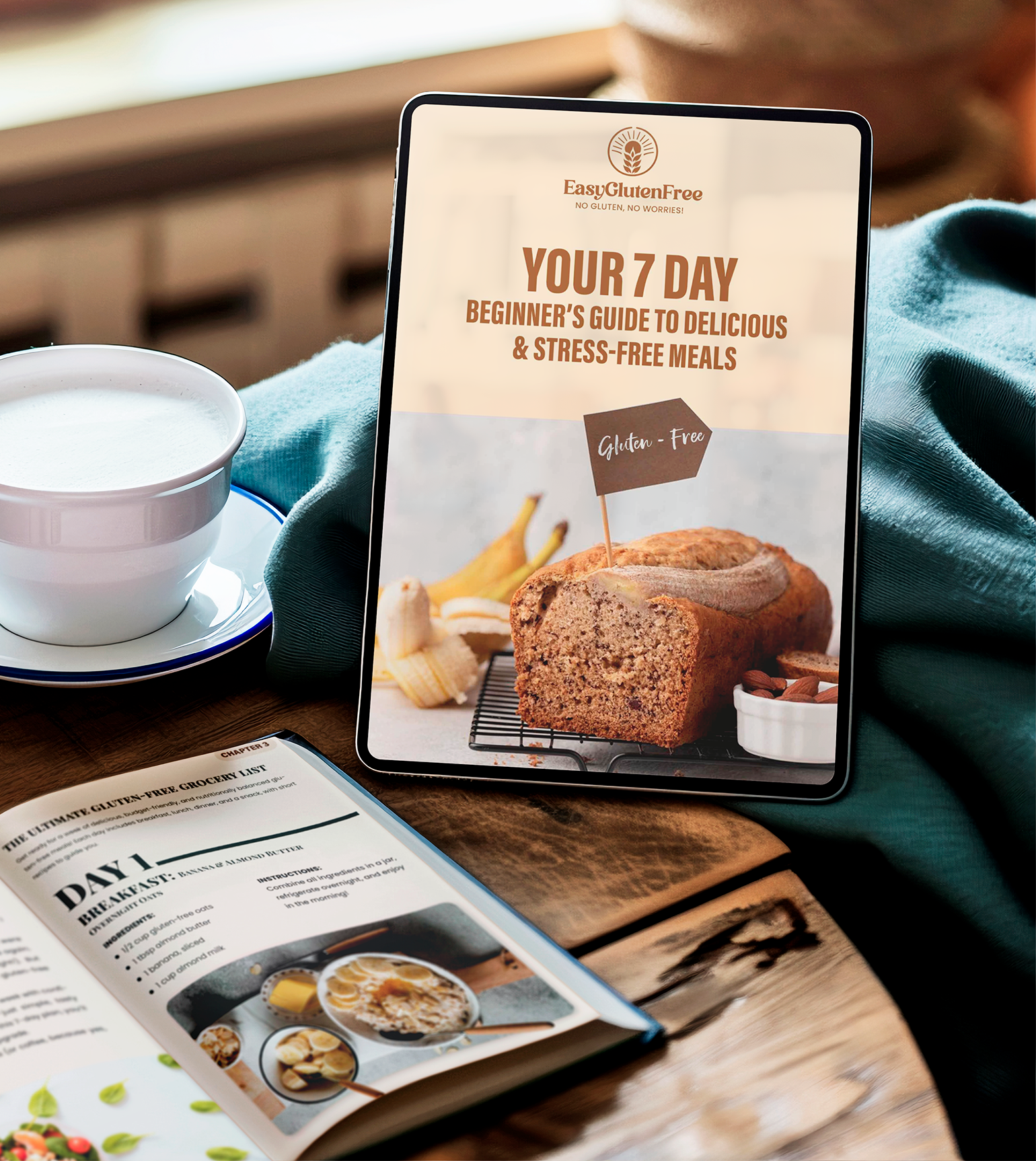
Save your search history some stress. Grab our FREE 7-Day Beginner’s Guide and finally have a plan you can actually cook.

Free 7-day gluten-free beginner's guide