Blog

Your blog category

Blog

“Confident Gluten-Free Travel: A Complete Guide for 2025”

2025 Guide Download the Free Guide to Confident Gluten-Free Travel Gluten-Free Travel Toolkit: How to Eat Safely and Stress Less on the Go Traveling while gluten free can absolutely be exciting instead of anxiety-inducing—if you go in with a solid plan. This guide walks you through practical steps, tools, and scripts so you can explore new places, eat well, and still protect your gluten-free lifestyle without feeling like “that difficult guest” everywhere you go. Download Our Free Gluten-Free Starter Guide 7-day meal plan shopping list Tips & 3 beginner-friendly recipes download now Introduction “Will there be anything I can actually eat?” is one of the most common questions people ask themselves before traveling gluten free. Whether you’re dealing with celiac disease, non-celiac gluten sensitivity, or you simply feel better avoiding gluten, being away from your familiar kitchen and trusted brands can feel risky. The good news: with a bit of preparation, the right questions, and a few smart tools in your bag, gluten-free travel is not only possible—it can be enjoyable. You can say yes to spontaneous gelato stops, cozy cafés, and work trips without living on plain salad and panic alone. This article is your practical gluten-free travel toolkit. We’ll cover how to plan ahead, communicate your needs, use at-the-table testing tools wisely, pack smart snacks, and handle those “uh-oh, I might have been glutened” moments with more calm and less chaos. Use it as a checklist before each trip so you can focus more on the adventure and less on reading every crumb on your plate. Table of Contents ▾ 1. Planning a Gluten-Free Trip from Start to Finish 2. Gluten Testing on the Go: How Tools Fit into Your Travel Strategy 3. Eating Out Safely: Questions, Scripts, and Smart Choices 4. What to Pack: Gluten-Free Travel Snacks and Essentials 5. Handling Mistakes, Setbacks, and “Glutened” Days 1. Planning a Gluten-Free Trip from Start to Finish Strong planning is what turns a stressful gluten-free trip into a confident one. Think of it as building a safety net before you ever step on the plane, train, or in the car. You don’t need to control every variable (you can’t), but you can stack the odds heavily in your favor. Choose destinations and accommodations strategically Some destinations are naturally more gluten-free friendly than others. Big cities, wellness-oriented areas, and places with strong tourism often offer more options. When you can, prioritize: Destinations with known gluten-free restaurants or bakeries (search “[city] gluten-free restaurant” in advance). Regions where rice, corn, potatoes, or naturally gluten-free grains are staples. Places where ingredient labeling laws are relatively strong and transparent. Accommodation matters just as much as the location itself. If you can, look for: Short-term rentals or aparthotels with at least a mini-kitchen so you can prepare a few safe meals. Hotels with mini-fridges so you can store safe snacks, dairy, or leftovers. Places near supermarkets or health food stores you’ve already pinned on your map. Before you book, it’s completely reasonable to email or call a hotel and ask, “Do your rooms include a fridge, kettle, or microwave?” or “Is it possible to have a clean pan/utensil available?” Many are happy to help if they know in advance. Research restaurants before you go Once your destination is set, spend an hour building a short list of promising spots. Your goal is not perfection—it’s to make sure you’re not arriving hungry and desperate with zero leads. Use a combination of: Google Maps and reviews that mention “gluten-free,” “celiac,” or “allergy friendly.” Local gluten-free Facebook groups or community forums (search “gluten free + [city] group”). Blogs or local guides written by people who are gluten free and live in or visited your destination. Create a short list of 5–10 options and note: Address and neighborhood. Typical hours and whether they take reservations. Any mention of cross-contact awareness in reviews. If a spot looks especially promising, email or message them before your trip. Share your needs simply and ask what they can realistically do. This not only informs you; it also gives them time to prepare. Plan for the “edges” of travel: airports, stations, and gas stops Many gluten-free travelers run into trouble not at the destination, but on the way there. Airport food courts, roadside diners, and train snacks can be unpredictable. Before departure: Check your airport’s website for a list of restaurants and browse menus online. Look up chains you already trust at home and see if they’re at your route hubs. Pack a “just in case” meal (like a hearty salad, cold pasta, or rice-based dish in a leak-proof container) if allowed in your region. For road trips, pin supermarkets along your route. A quick stop to grab fresh fruit, yogurt, chips labeled gluten free, or prepared salads can be safer than relying purely on fast food. Create a simple travel folder or note To avoid mental overload, collect everything in one place you can quickly refer to: Restaurant shortlist with addresses and hours. Accommodation booking and notes (kitchen, fridge, neighborhood supermarket). Key phrases in the local language if traveling abroad (explaining you must avoid gluten). Photos of any doctor or dietitian notes if you like having documentation. This can be as simple as a shared Google Doc or a notes app folder. The magic is not in complexity—it’s in having your plan visible when you’re tired, hungry, and jet-lagged. Need Help Staying Organized? Plan meals & shopping Stay on track with ease See Planner 2. Gluten Testing on the Go: How Tools Fit into Your Travel Strategy Gluten testing tools are becoming more common in the gluten-free world, especially for travelers. They can offer extra data points when you’re in unfamiliar places, reading menus in another language, or trying foods with hidden ingredients. It’s helpful to think of these tools as one piece of a bigger strategy—not a replacement for asking questions, choosing restaurants carefully, or listening to your body. No device can see the entire kitchen, understand how bread crumbs fly,

Blog

Gluten-Free Baking Flour Guide: Mastering the Basics

2025 Guide Download the Free Guide to Foolproof Gluten-Free Baking Every Day Gluten-Free Baking Flour Guide: How to Choose, Use, and Substitute Like a Pro Gluten-free baking stops feeling intimidating the moment you understand your flour. This guide walks you through how to choose the right gluten-free baking flour, how to substitute it in your favorite recipes, and how to get soft, fluffy, never-gritty results—without wasting ingredients or time. Download Our Free Gluten-Free Starter Guide 7-day meal plan shopping list Tips & 3 beginner-friendly recipes download now Introduction Gluten-free baking has a reputation for being fussy and unpredictable, but most of the frustration comes down to one thing: flour. In traditional baking, “all-purpose flour” is simple—one bag, endless uses. In gluten-free baking, you’re suddenly faced with rice flours, starches, blends, gums, and specialty mixes, all promising perfect results. It’s no wonder so many people feel overwhelmed before they even preheat the oven. The good news is that once you understand how gluten-free baking flour works—and how to choose the right one for the right job—everything gets easier. Your pancakes start coming out fluffy instead of dense, your cookies spread the way they should, and your quick breads finally bake all the way through instead of staying gummy in the middle. You don’t need a culinary degree or a pantry full of obscure ingredients; you just need a clear, practical roadmap. In this guide, we’ll break down the essentials of gluten-free baking flour in plain language. You’ll learn what’s actually inside those blends, how to substitute them for wheat flour with confidence, and which mistakes to avoid so you stop wasting time, money, and energy. Whether you’re cooking for celiac disease, gluten sensitivity, or you simply feel better without gluten, this article will give you reliable, repeatable strategies you can use every time you bake. Table of Contents ▾ 1. Understanding Gluten-Free Baking Flour Basics 2. The Role of Gluten-Free All-Purpose Flour Blends 3. How to Substitute Gluten-Free Flour for Wheat Flour 4. Troubleshooting Common Gluten-Free Baking Problems 5. Pantry Planning and Time-Saving Tips 1. Understanding Gluten-Free Baking Flour Basics In gluten-free baking, “flour” doesn’t mean just one ingredient—it usually means a blend. Since gluten is responsible for structure, stretch, and chew in traditional baked goods, we have to recreate those qualities using a combination of different gluten-free flours and starches. Most gluten-free baking flours are built around three building blocks: Base flours – These provide body and flavor. Common examples include white rice flour, brown rice flour, sorghum flour, or oat flour (certified gluten-free). They behave most like traditional flour but can be gritty or dense if used alone. Starches – Starches add lightness and tenderness. Tapioca starch, potato starch, and cornstarch are the most common. They help baked goods rise and create that soft, bakery-style crumb. Binders – Since we don’t have gluten to hold everything together, binders like xanthan gum or guar gum help mimic that elasticity. Some blends include them; others require you to add them separately. When these components are balanced well, you end up with a versatile baking flour that feels surprisingly close to all-purpose wheat flour in everyday recipes—especially for pancakes, quick breads, muffins, cookies, and many cakes. Single-grain flours vs. blends You’ll see two main categories at the store: Single-grain flours (like almond flour, coconut flour, or oat flour) are best used in recipes designed specifically for them. They don’t usually swap 1:1 with wheat flour or with an all-purpose gluten-free blend. Gluten-free all-purpose blends are pre-mixed to behave more like regular all-purpose flour. These are what you want for “everyday” baking and for adapting your family recipes. For most home bakers, especially if you’re just starting out, a reliable all-purpose gluten-free baking flour blend is the single most important pantry staple. It keeps things simple, consistent, and stress-free. Why different recipes call for different flours Even with a good all-purpose gluten-free flour, you’ll still see recipes call for specialty options like almond flour or coconut flour. That’s usually because the recipe is chasing a particular texture or flavor—extra moisture, chewiness, or richness. Think of these as “special projects.” For your everyday muffins, pancakes, and cookies, a well-formulated gluten-free all-purpose flour is almost always the easier and more economical option. Need Help Staying Organized? Plan meals & shopping Stay on track with ease See Planner 2. The Role of Gluten-Free All-Purpose Flour Blends Not all gluten-free flour blends behave the same way. Some are designed for yeasted breads and pizza, some for cakes, and others for “use in anything” versatility. When you’re evaluating a blend for everyday baking, there are a few key things to look at. 1. Does the blend include a binder? Check the ingredient list for xanthan gum or guar gum. If it’s included, most recipes won’t need you to add extra. If it’s not included, classic gluten-containing recipes adapted with that flour will usually need 1/4 to 1/2 teaspoon of xanthan gum per cup of flour for cookies, quick breads, and cakes (yeast breads often need a bit more). 2. How fine is the grind? Gluten-free baking can go from dreamy to gritty fast if the rice flour is coarse. A well-milled, finely ground blend is crucial for smooth batters and tender crumbs—especially in pancakes, muffins, and cakes. 3. How does it perform across recipes? The best all-purpose gluten-free blends are the ones you can rely on again and again without surprises. They measure predictably, hydrate well, and don’t suddenly behave differently when you switch from cookies to banana bread. This kind of consistency is especially helpful when you’re converting family recipes. 4. Does the brand provide clear guidance? Some blends are thoughtfully supported with recipes, blog posts, and tips. That extra education matters, especially when you’re still learning the feel and look of gluten-free doughs and batters. Once you’ve chosen a trustworthy all-purpose gluten-free baking flour, commit to using it for a while before jumping between brands. Every blend is slightly different, and sticking to one makes

Blog

Hosting Gluten-Free: The Ultimate Party Snack Game Plan

2025 Guide Download the Free Gluten-Free Hosting Game Plan (So You Can Actually Enjoy Your Guests) The Ultimate Guide to Gluten-Free Party Snacks Everyone Will Actually Want to Eat Planning gluten-free party snacks doesn’t have to mean sad veggie trays and mystery chips. With a little strategy, you can create a spread that’s 100% gluten-free, safe for you, and genuinely exciting for everyone else. This guide walks you through crowd-pleasing ideas, cross-contact basics, and make-ahead tips so you can host with confidence—not anxiety. Download Our Free Gluten-Free Starter Guide 7-day meal plan shopping list Tips & 3 beginner-friendly recipes download now Introduction Gluten-free party snacks have a bit of a reputation—and not always a good one. If you’ve ever shown up to a get-together and realized the only thing you could safely eat was the baby carrots, you’re not alone. The good news: hosting (or contributing to) a gluten-free snack spread that’s fun, flavorful, and satisfying is totally doable with some intentional planning. Whether you’re newly gluten-free, cooking for a gluten-free guest, or just want to make your gatherings more inclusive, this guide will walk you through everything you need. You’ll learn how to choose naturally gluten-free snack ideas, what labels to double-check, and how to set up your table to avoid cross-contact—all while keeping things simple and delicious. Think of this as your evergreen playbook for birthdays, game nights, baby showers, potlucks, and holiday parties. Bookmark it, come back to it each time you host, and tweak it based on your crowd. Over time, you’ll build a go-to rotation of gluten-free party snacks that people ask for by name (and maybe never realize are gluten-free unless you tell them). Table of Contents ▾ 1. Foundations of Great Gluten-Free Party Snacks 2. Make-Ahead Gluten-Free Snacks for Stress-Free Hosting 3. Crowd-Pleasing Gluten-Free Snack Ideas (By Occasion) 4. Avoiding Cross-Contact on the Snack Table 5. Planning, Prepping, and Storing Leftovers the Gluten-Free Way 1. Foundations of Great Gluten-Free Party Snacks Before you start pinning recipes or filling your cart, it helps to zoom out. The best gluten-free party snacks share three things: they’re naturally gluten-free when possible, they look familiar and welcoming, and they’re easy to eat with one hand while chatting, mingling, or playing games. Start with naturally gluten-free building blocks Leaning on naturally gluten-free foods keeps things simpler and usually more affordable. Instead of trying to “gluten-free-ify” every classic snack, use ingredients that are already safe and easy to find: Proteins: cheese, hard-boiled eggs, deli meats labeled gluten-free, rotisserie chicken with safe seasoning, beans, hummus, Greek yogurt dips. Produce: veggie sticks, cucumber rounds, cherry tomatoes, grapes, berries, apple slices, citrus segments, endive leaves for scooping. Starches: gluten-free crackers or crispbreads, plain corn tortilla chips with a gluten-free label, plain popcorn, gluten-free rice cakes, small potatoes. Extras: nuts and seeds (check for “may contain wheat” warnings), olives, pickles, tapenade, salsas, guacamole. From there, you can layer on flavor with herbs, spices, dips, and spreads to make everything feel party-ready instead of everyday-basic. Think about flavor variety and balance A party snack table feels more satisfying when you hit different flavor notes and textures. As you plan your gluten-free snacks, aim for a mix of: Creamy + crunchy: think hummus with crisp veggies, yogurt dip with GF crackers, or cheese with nuts and fruit. Fresh + indulgent: balance nachos or cheesy dips with bright salsa, citrusy salads, or a colorful veggie platter. Salty + sweet: include at least one naturally sweet option like fruit skewers, chocolate-dipped strawberries, or a simple gluten-free dessert bite. Gluten-free guests appreciate having more than just one lonely option. Non-GF guests will appreciate the variety and never miss the gluten. Choose snacks that are easy to serve and eat Finger foods are your best friend. Look for gluten-free snacks that can be eaten without a knife and that don’t require a lot of assembly once guests arrive. Some helpful guidelines: Favor bite-sized or small-plate portions—think skewers, cups, or pre-portioned bowls. Offer sturdy dippers (gluten-free crackers, veggie sticks, firm chips) so dips don’t fall apart mid-bite. Label anything that’s spicy, contains nuts, or dairy-heavy so guests can choose confidently. Label clearly (it helps everyone) Simple labels go a long way toward keeping your gluten-free guests safe and reducing repeated questions. You don’t need anything fancy—sticky notes, mini tent cards, or a printed list beside the table work well. Include: Which items are gluten-free. Any obvious allergens like dairy, eggs, nuts, or soy. Notes such as “gluten-free but prepared in a shared kitchen” if that applies. This small step communicates that you’ve thought about your guests’ needs and makes the whole event feel more inclusive. Need Help Staying Organized? Plan meals & shopping Stay on track with ease See Planner 2. Make-Ahead Gluten-Free Snacks for Stress-Free Hosting One of the biggest hosting mistakes is trying to cook everything in the final hour. When you’re gluten-free, that last-minute chaos also increases the chance of cross-contact or label mix-ups. The fix: build your party snack menu around items you can prep ahead, then simply assemble or reheat before guests arrive. Gluten-free snacks you can make a day or two in advance These ideas generally hold up well in the fridge and taste just as good (or better) after resting: Dips and spreads: hummus variations, bean dip, cheese balls, yogurt-based ranch, pesto, olive tapenade, or roasted red pepper dip. Salad-style snacks: gluten-free pasta salad, quinoa tabbouleh, black bean and corn salad, cucumber-tomato salad with feta. Bites and balls: energy bites made with gluten-free oats, date-nut truffles, or mini meatballs with a gluten-free sauce. Marinated items: marinated mozzarella balls, gluten-free antipasto skewers, olives, and pickled veggies. Store each snack in a clearly labeled container (including “GF” on the label) so family members don’t accidentally mix them with gluten-containing foods. Portable containers make parties easier If you’re bringing gluten-free snacks to someone else’s house, church, school, or office, portability and protection matter. You want leak-resistant containers that keep sauces off your car seats and

Blog

“Mastering Gluten-Free Lunches: A Comprehensive Guide for Stress-Free Packing”

2025 Guide Download the Free Guide to Stress-Free Gluten-Free Lunch Packing How to Pack Gluten-Free Lunches That Actually Get Eaten Packing gluten-free lunches every day can feel like a full-time job: checking labels, avoiding cross-contact, and still trying to send something that won’t come back untouched. This guide walks you through how to pack safe, simple, and satisfying gluten-free lunches that travel well, taste good, and fit into a real-life schedule—not a Pinterest fantasy. Download Our Free Gluten-Free Starter Guide 7-day meal plan shopping list Tips & 3 beginner-friendly recipes download now Introduction If you’re gluten-free, you already know that lunches are where things can go sideways fast. The office cafeteria, the school canteen, the airport snack bar—none of them were designed with cross-contact or hidden gluten in mind. That’s why packed lunches are one of the most powerful tools you have for staying safely and confidently gluten-free. The good news? Gluten-free lunches do not have to be complicated, expensive, or sad. With a little upfront planning, the right containers, and a few go-to building blocks, you can create lunches that are safe, filling, and something you (or your kids) actually look forward to eating. Think color, texture, and variety—not just another dry sandwich on specialty bread. In this guide, we’ll break down how to plan, prep, and pack gluten-free lunches that work for school, work, and busy days on the go. You’ll learn how to avoid the most common mistakes, how to keep food safe from cross-contact, and how to use tools like bento-style lunch boxes to stay organized and inspired all week long. Table of Contents ▾ 1. Understanding Gluten-Free Lunch Basics 2. Containers, Tools, and Gear That Make Lunch Easier 3. Easy Gluten-Free Lunch Formulas You Can Mix and Match 4. Time-Saving Prep Strategies for Busy Weeks 5. Troubleshooting Picky Eaters and Lunchtime Burnout 1. Understanding Gluten-Free Lunch Basics Before you worry about cute lunch layouts or new recipes, it helps to be very clear on the foundations: what “gluten-free” really means for a packed lunch and where things commonly go wrong. What “gluten-free” means in a lunchbox Gluten is a protein found in wheat, barley, rye, and ingredients derived from them. For a gluten-free lunch, you’re aiming for two things: No gluten-containing ingredients in the food itself (obvious and hidden). No cross-contact from crumbs, shared utensils, or contaminated surfaces. Obvious sources include regular bread, wraps, crackers, cookies, pasta, and battered or breaded foods. Hidden sources can show up in sauces, marinades, soup mixes, flavor packets, deli meats, and some snacks. Reading labels every time and sticking to certified or clearly labeled gluten-free products where possible makes daily packing a lot easier. Common cross-contact risks when packing lunch Even when the ingredients are gluten-free, cross-contact can undo your hard work. Watch out for: Shared cutting boards used for regular bread or pizza. Toasters and toaster bags that have seen regular bread. Crumb-filled counters where sandwiches were made. Shared butter, jam, or spreads that have been double-dipped with gluteny knives. Utensils or lunch tools used for both gluten and gluten-free foods without proper washing. Designating gluten-free tools at home—like a specific cutting board, knife, and toaster solution—removes daily stress and makes the packing process much more streamlined. Building a balanced gluten-free lunch A satisfying gluten-free lunch includes a mix of protein, healthy fats, fiber, and color. Instead of thinking “What sandwich can I send?” try asking: What’s my protein? (eggs, beans, cheese, yogurt, meat, tofu, nuts or seeds if allowed) What’s my fiber or complex carb? (gluten-free whole grains, potatoes, fruit, veggies) What healthy fat am I including? (avocado, olive oil, nuts, seeds, cheese) Where’s the color and crunch? (raw veggies, fresh fruit, crunchy toppings) This way, you’re not chasing specific recipes every day—you’re just plugging ingredients into a simple framework that can adjust to preferences and what’s already in your fridge. Gluten-free lunch staples worth keeping on hand Keeping a small set of reliable staples makes it much easier to throw together last-minute lunches. For example: Gluten-free crackers or crispbreads Cooked rice or quinoa stored in the fridge Hard-boiled eggs Pre-washed salad greens and baby carrots Gluten-free hummus or bean dips Cheese sticks, cubes, or shredded cheese Frozen gluten-free waffles (great as “bread”) Rotating just a few of these through your week helps you avoid decision fatigue and keeps you from resorting to last-minute, less-safe options outside the home. Need Help Staying Organized? Plan meals & shopping Stay on track with ease See Planner 2. Containers, Tools, and Gear That Make Lunch Easier The container you use can make or break your gluten-free lunch routine. A good setup keeps food fresh, prevents leaks, and makes it easier to separate gluten-free food from risky shared surfaces and snacks. Why the right lunch box matters when you’re gluten-free A dedicated, easy-to-clean lunch container is more than just a cute accessory—it’s a safety tool. When you consistently pack food in the same, clearly identified container, it’s easier for teachers, coworkers, and family members to recognize which food must stay gluten-free and untouched. Look for containers that: Seal well to prevent leaks between compartments and into your bag. Have sections or spots for different food groups so flavors and textures stay separate. Are simple enough to open and close (especially important for kids). Wash easily—ideally top-rack dishwasher safe, or smooth surfaces with minimal crevices. Bento-style systems are especially helpful because they encourage variety without needing lots of separate containers. One main box, multiple textures and flavors, and less chance of mixing crumbs or sauces where you don’t want them. Helpful accessories for safer gluten-free lunches Beyond the main lunch box, a few small accessories can really streamline your routine: Reusable silicone cups or dividers to keep crackers or cookies away from damp foods. Mini dip containers for hummus, ranch, or nut/seed butters (if allowed). Reusable utensils that always live in the lunch bag and don’t rely on shared cutlery. Ice packs to keep dairy, meats, and dips at safe temperatures

Blog

Your Gluten-Free Snack Box Guide for Stress-Free Eating

2025 Guide Download Your Free Guide to Stress-Free Gluten-Free Snacking Gluten-Free Snack Box Ideas for Busy Days & Social Events Running gluten free in a gluten-filled world means one thing: if you don’t have snacks, you don’t have a plan. This guide walks you through smart gluten-free snack box ideas for work, school, travel, and social events so you can stop stressing about “what if there’s nothing I can eat?” and start focusing on actually living your life. Download Our Free Gluten-Free Starter Guide 7-day meal plan shopping list Tips & 3 beginner-friendly recipes download now Introduction If you live gluten free, you already know the rule: never leave the house without a backup snack. Office birthdays, airline “meals,” kids’ sports, last‑minute dinners out—most of the time, nobody planned for the gluten-free person. A simple snack box can turn all those stressful moments into “no big deal, I’ve got myself covered.” This article focuses on practical, real-world gluten-free snack box ideas you can adapt to your routine. We’ll talk through how to build balanced boxes, how to read labels for sneaky gluten, and how to create a little “emergency stash” for social situations and travel, without feeling high-maintenance or stressed. Whether you’re newly gluten free or just tired of getting stuck with plain lettuce and sad fruit, you’ll walk away with plug-and-play snack ideas, packing tips, and a simple system you can reuse every week so snacks are one less thing you have to think about. Table of Contents ▾ 1. Understanding Gluten-Free Snack Boxes 2. Easy Gluten-Free Snack Box Ideas for Social Events 3. Everyday Gluten-Free Snack Box Ideas for Work & School 4. Travel-Friendly Gluten-Free Snack Boxes 5. How to Make Snack Boxing a Simple Weekly Habit 1. Understanding Gluten-Free Snack Boxes Think of a gluten-free snack box as your portable safety net. It’s a small, grab-and-go kit filled with safe, satisfying foods that keep you from getting stuck hungry when gluten-filled options are all around you. Instead of relying on whatever happens to be available, you’re walking in prepared. A good snack box does three things: Covers your energy needs – with a mix of protein, fat, and carbs so you’re not starving an hour later. Respects your gluten-free needs – using clearly labeled gluten-free foods and, where needed, trusted brands and certifications. Fits where you are – office, school, road trip, kids’ activities, or a friend’s house for game night. What Counts as “Gluten Free” for Snack Boxes? Gluten free means the ingredients and the final product are free from wheat, barley, rye, and their derivatives, and are not contaminated during processing. For packaged snacks, look for: A clear “gluten free” statement on the package. No wheat, barley, rye, malt, or brewer’s yeast in the ingredients list. For higher sensitivity: third‑party certifications can offer additional reassurance. For simple whole-food snacks you pack yourself—like fresh fruit, veggie sticks, boiled eggs, cheese, or nuts—your job is mainly to keep them away from gluten crumbs in the kitchen and in your lunchbox. Core Building Blocks of a Gluten-Free Snack Box To keep things simple, build every snack box around three categories: Protein: helps you stay full longer. Examples include hard-boiled eggs, cheese sticks, Greek-style yogurt cups (check labels), nut or seed butters, roasted chickpeas, tuna pouches, or gluten-free deli meat rolled with cheese. Carbs: give you quick energy. Think naturally gluten-free starches (like fruit, potatoes, rice cakes) or packaged options that are labeled gluten free (like certain crackers or snack bars). Color + crunch: mostly from fruits and veggies—grapes, apple slices, baby carrots, cucumber, cherry tomatoes, snap peas, or even pickles in a little leak-proof jar. From there, you can add a “fun” element like a small piece of chocolate or a salty snack so your box feels like something you want, not a punishment for needing to be gluten free. Choosing Containers That Work for Gluten-Free Life Your container matters more than you might think—especially if shared kitchens or gluteny crumbs are part of your reality. Look for: Hard-sided bento-style boxes with dividers to keep crackers, dips, and moist items separate. Small lidded sauce containers for nut butters, hummus, salsa, or ranch. Clearly labeled GF-only containers if you share a space with gluten eaters, to avoid accidental double-dipping and cross-contact. Once you have a few good containers and a simple formula (protein + carb + color + fun), gluten-free snack boxes stop feeling overwhelming and start feeling like a normal part of your week. Need Help Staying Organized? Plan meals & shopping Stay on track with ease See Planner 2. Easy Gluten-Free Snack Box Ideas for Social Events Social events are where gluten-free snack boxes really shine. Potlucks, backyard parties, movie nights, work trainings, kids’ playdates—most of the spread is usually gluten heavy. Instead of hovering by the chip bowl, you can quietly pull out your own snack stash and relax. Snack Box Themes That Work Well for Gatherings Try building your social snack box around a simple theme. That keeps things fun and easy to throw together: “Mini Party Platter” Box: gluten-free crackers, cheese cubes, grapes, sliced deli meat or pepperoni (check labels), olives, and a small piece of chocolate. “Chips & Dip” Box: labeled gluten-free tortilla chips, guacamole, salsa, bean dip, or queso in tiny containers, plus carrot sticks and bell pepper strips for extra dippables. “Movie Night” Box: air-popped popcorn or a labeled GF popcorn brand, a small gluten-free candy, nuts or seeds, and a fruit option such as apple slices or dried mango. “Kids’ Party Backup” Box: apple sauce pouch, cheese stick, gluten-free crackers, fruit snacks labeled gluten free, and one “special treat” you know your child loves. Choose options that feel festive so you’re not staring at a container of plain carrot sticks while everyone else has nachos. The aim is not just “safe” but also “satisfying.” Managing Cross-Contact at Shared Tables Even if a snack should be gluten free, shared tables and party buffets introduce a lot of crumbs. Use your

Blog

Mastering Gluten-Free Dining Out: Your Ultimate Guide

2025 Guide Download Your Free Guide to Confident Gluten-Free Eating Out Gluten-Free Dining Out: How to Eat at Restaurants Without Getting Glutened Eating out gluten free can feel like a trust fall with a stranger holding a baguette. This guide walks you through how to research restaurants, ask confident questions, and use simple tools to reduce cross-contact risk—so you can enjoy a meal out without spending the rest of the day worrying about what was really in your food. Download Our Free Gluten-Free Starter Guide 7-day meal plan shopping list Tips & 3 beginner-friendly recipes download now Introduction Learning to eat out gluten free is a bit like learning a new language: at first you translate everything in your head, and eventually it becomes second nature. The goal of this article is to move you from “I have no idea what to ask” to “I know exactly how to handle this menu and this conversation” as quickly—and calmly—as possible. We’ll walk through how to choose safer restaurants, how to talk to staff without feeling awkward, what red flags to watch for, and how to use tools like gluten test devices as one more layer of information. You’ll also get practical scripts, real-world examples, and decision checklists you can use tonight. Whether you are strictly gluten free for medical reasons or simply feel better without gluten, this guide is designed to be evergreen: timeless principles, not just trendy restaurant hacks. Keep it bookmarked so that every time someone says, “Let’s grab dinner!” you can think, “Sure, I’ve got this,” instead of silently panicking over the bread basket. Table of Contents ▾ 1. Choosing Safer Gluten-Free Restaurants 2. Smart Tools & Gluten Testing on the Go 3. How to Order: Questions, Scripts & Red Flags 4. Cuisine-by-Cuisine Guide to Eating Out Gluten Free 5. Travel, Social Events & Backup Plans 1. Choosing Safer Gluten-Free Restaurants The safest gluten-free restaurant meal usually starts long before you sit down at the table. A few minutes of research can drastically lower your risk of getting glutened and make the whole experience smoother. 1.1 How to research restaurants before you go Start with a quick online scan. You’re looking for three things: clear gluten-free information, signs the restaurant understands cross-contact, and recent reviews from gluten-free diners. Check the menu online. Look for a separate gluten-free menu or clearly marked GF items. Bonus points if they mention a dedicated fryer or prep area. Scan their website or social media. Terms like “celiac safe,” “separate prep area,” or “trained staff” are useful, but still verify in person. Read recent reviews by gluten-free customers. Search terms like “gluten free,” “celiac,” or “allergy” in Google/Maps/Yelp reviews for real-life experiences. If you can’t find any information about gluten-free options, that doesn’t automatically mean “no,” but it does mean you’ll need to ask more questions. 1.2 Calling ahead: what to ask in two minutes A short phone call can tell you more in two minutes than 20 minutes of scrolling. When you call, be polite, concise, and specific about your needs. Here’s a simple script you can adapt: “Hi, I eat strictly gluten free for health reasons and need to avoid cross-contact, similar to a food allergy. Do you have gluten-free options that can be prepared separately?” Then follow up with one or two key questions: “Do you have a separate fryer for gluten-free items?” “Can you cook gluten-free pasta in clean water and use separate utensils?” “Is there a dish you recommend that you can prepare most safely gluten free?” Pay attention to how the staff responds. Confident, specific answers are a green flag. Hesitation, confusion, or “we can just take the bun off” are warning signs. 1.3 Green flags vs. red flags Use this quick mental checklist when evaluating a restaurant: Green flags: Separate gluten-free menu or clearly marked GF items Staff mentions cross-contact without you prompting Willingness to check labels or talk to the chef Clear protocols for allergies (e.g., noted in the system, different colored plates) Red flags: “We’re not really sure what has gluten, but a lot of things probably don’t.” Only offer to remove bread or a bun without adjusting prep area Shared fryers used for breaded items and “gluten-free” fries No ingredient lists available and no willingness to ask the kitchen You don’t need a perfect restaurant—just one that takes your needs seriously, communicates clearly, and is open to working with you. 1.4 Safer-style restaurant types to prioritize Every city is different, but there are patterns that can guide you: Dedicated gluten-free restaurants or bakeries: Often the safest choices. Still confirm basics, but risk is generally much lower. Fast-casual places with build-your-own bowls or salads: Good if they change gloves, use separate utensils, and can access uncontaminated ingredients. Simple menus with whole foods: Grilled proteins, plain rice, steamed veggies, and salads (with safe dressing) are often easier to prepare safely than complex fusion dishes with many sauces. Use these patterns as a starting point, then layer in your own research and comfort level. Need Help Staying Organized? Plan meals & shopping Stay on track with ease See Planner 2. Smart Tools & Gluten Testing on the Go Even with great communication and careful restaurant choices, eating out gluten free can still feel uncertain. That’s where portable tools and strategies come in—they can’t replace good kitchen practices, but they can give you more data and confidence. 2.1 Why tools are a supplement, not a shortcut It’s tempting to rely fully on a device or one simple “hack,” but tools work best as one layer in a bigger safety system: You still need to ask questions and communicate your needs clearly. You still benefit from choosing restaurants that understand gluten and cross-contact. You still want a personal “comfort line” for risk and stick to it. Think of testing tools like seatbelts: incredibly helpful, but not a reason to drive with your eyes closed. 2.2 What gluten-test devices can help with Portable gluten test systems are designed

Blog

Perfecting Gluten-Free Baking: A 2025 Guide

2025 Guide Download the Free Guide to Perfect Gluten-Free Baking Every Time The Ultimate Guide to Gluten-Free Flour Substitutions (So Your Bakes Actually Turn Out) Gluten-free baking doesn’t have to be a guessing game. With the right flour substitutions and a few simple rules, you can turn your favorite “gluten-full” recipes into tender, fluffy, and reliably delicious gluten-free versions. This guide walks you through the best gluten-free flour swaps, how to use them, and when to reach for a trusted 1:1 blend for stress-free success. Download Our Free Gluten-Free Starter Guide 7-day meal plan shopping list Tips & 3 beginner-friendly recipes download now Introduction If you’ve ever swapped wheat flour for a random gluten-free flour and ended up with gummy muffins, sandy cookies, or a loaf that could double as a paperweight, you are very much not alone. Gluten is the structure-builder in traditional baking, and once it’s gone, everything from texture to rise to moisture balance has to be handled differently. The good news: you don’t need a food science degree or a pantry full of obscure starches to bake well without gluten. You just need to understand how gluten-free flours behave, which substitutions actually work, and when it’s smarter (and easier) to lean on a quality 1:1 flour blend instead of playing kitchen chemist. In this guide, we’ll break down the major types of gluten-free flours, how to substitute them for wheat flour, and the simple ratios and techniques that make the difference between “This is fine, I guess” and “Wait, this is gluten-free?” Whether you’re brand new to gluten-free baking or ready to level up your results, you’ll walk away with practical, repeatable strategies you can use in any kitchen. Table of Contents ▾ 1. Understanding Gluten-Free Flour Basics 2. Using 1:1 Gluten-Free Flour Blends for Easy Success 3. How to Substitute Single Gluten-Free Flours (With Ratios) 4. Common Mistakes & How to Fix Failed Gluten-Free Bakes 5. Practical Tips for Converting Your Favorite Recipes 1. Understanding Gluten-Free Flour Basics Before you can confidently swap flours, it helps to know what job flour is actually doing in a recipe. In traditional baking, wheat flour brings: Structure – gluten forms an elastic network that traps air and supports rise. Texture – tender, chewy, or crisp depending on how it’s handled. Absorption – it soaks up liquid and affects batter thickness. Flavor & color – mild wheat flavor and browning. Gluten-free flours don’t behave identically, so you’re often recreating that structure with a combination of ingredients instead of relying on one single flour. Think of gluten-free baking as building a team instead of expecting one superstar player to do everything. Categories of Gluten-Free Flours Most gluten-free flours fall into one of three groups, and a good substitution strategy usually mixes at least two of them: Whole-grain flours – brown rice, sorghum, millet, certified gluten-free oat flour. These add flavor, fiber, and color but can be heavy if used alone. Starches – tapioca starch, potato starch, cornstarch, arrowroot. These lighten the texture, add chew, and help with browning. Nut & seed flours – almond flour, hazelnut flour, sunflower seed flour. These bring richness and tenderness but are high in fat and don’t provide much structure. Because each flour behaves differently, one of the most reliable strategies—especially for beginners—is to use a well-formulated 1:1 gluten-free flour blend that’s been designed to act like all-purpose wheat flour in most recipes. Why You Can’t Always Swap 1 Cup for 1 Cup Some gluten-free flours are heavier, some are thirstier, and some are almost powdery. If you take a standard recipe and simply replace 1 cup of wheat flour with 1 cup of a single gluten-free flour (like almond or rice), the recipe will almost always be off balance. That imbalance usually shows up as: Gummy centers – not enough structure or too much moisture. Crumbly, dry bakes – flour that doesn’t hold together well or too little moisture. Flat, dense results – not enough support for leavening. This is where 1:1 blends really shine, and why they’re such a powerful tool when you’re converting favorite family recipes or just don’t want to fuss with custom ratios every time you bake. Need Help Staying Organized? Plan meals & shopping Stay on track with ease See Planner 2. Using 1:1 Gluten-Free Flour Blends for Easy Success If you want the simplest path to gluten-free baking that actually works, start with a good 1:1 flour blend. These blends are specifically designed to replace all-purpose wheat flour in a recipe—measured cup for cup—while still giving you familiar textures. A quality gluten-free 1:1 blend typically includes a balanced mix of whole-grain flours and starches, plus binders like xanthan gum or guar gum to help mimic the stretch and structure of gluten. That means you can usually: Use the same amount of flour the original recipe calls for. Keep the same amount of liquid and fat. Use your usual baking temperatures and pans. There are still a few tweaks that can dramatically improve your results: Mix longer – without gluten, you don’t need to worry about “overmixing.” A thorough mix helps hydrate the flour and distribute gums evenly. Let batters rest for 10–15 minutes – especially for pancakes, muffins, and quick breads. This reduces grittiness and improves structure. Weigh your flour – if possible, use a kitchen scale. Many blends work best at around 120–140 g per cup, but check the package guidance. Once you’re comfortable with a reliable 1:1 flour, it can become your default “house flour” for pancakes, cookies, quick breads, and many cakes. Then you can experiment with specialty flours later, once the pressure of “will this even work?” is off your plate. Bob’s Red Mill Gluten Free 1 to 1 Baking Flour This is the gold-standard gluten-free all-purpose flour. It behaves beautifully in pancakes, muffins, cookies, quick breads — and it’s the ideal flour to recommend in ANY practical baking guide. Reliable, consistent, and approved by thousands of gluten-free home bakers. Perfect for articles

Blog

“Stress-Free Gluten-Free Meal Prep: A 2025 Guide”

2025 Guide Download the Free Guide to Stress-Free Gluten-Free Meal Prep Gluten-Free Meal Prep Ideas for Busy Weeknights If weeknights always seem to sneak up on you and “What’s for dinner?” sends you straight to overwhelm, you’re not alone. These practical, gluten-free meal prep ideas will help you stock your fridge, simplify your evenings, and still eat food you’re genuinely excited about. Download Our Free Gluten-Free Starter Guide 7-day meal plan shopping list Tips & 3 beginner-friendly recipes download now Introduction Busy evenings and gluten-free eating can feel like a tricky combo. By the time you double-check labels, chop vegetables, and figure out a safe starch that everyone will actually eat, it can be way too tempting to just grab whatever is easiest. That’s where smart gluten-free meal prep comes in—it lets you do the thinking and prepping once, so weeknights are mostly about reheating and enjoying. Meal prep doesn’t have to mean spending your entire Sunday cooking or eating the exact same leftovers four nights in a row. With a few flexible base recipes, easy mix-and-match components, and some smart storage, you can build quick dinners that are naturally gluten-free and still full of flavor, texture, and variety. Think roasted veggies that work in bowls, tacos, and pasta; proteins that stretch across multiple meals; and sauces that instantly take a meal from “fine” to “wow.” This guide walks you through gluten-free meal prep ideas tailored specifically for busy weeknights—simple strategies, real-life examples, and practical tips to help you stock your fridge in a way that actually fits your life. Whether you’ve been gluten-free for years or you’re just starting out, you’ll find ideas you can plug into your routine this week, not “someday.” Table of Contents ▾ 1. Why Meal Prep Matters for Gluten-Free Weeknights 2. Essential Gluten-Free Meal Prep Building Blocks 3. 5 Gluten-Free Meal Prep Combos for Busy Nights 4. Time-Saving Tips, Shortcuts, and Storage 5. Simple Weekly Gluten-Free Meal Prep Plan 1. Why Meal Prep Matters for Gluten-Free Weeknights When you’re gluten-free, convenience foods and last‑minute takeout aren’t always simple or safe. That’s exactly why meal prep is such a game-changer for busy weeknights: it lets you create your own “convenience meals” that you know are gluten-free. Instead of starting from zero at 6 p.m., you’re starting from “halfway done.” Veggies are chopped, proteins are cooked, and your grains or starches are ready to go. You can mix and match what you’ve already prepped into fast, satisfying meals in 10–15 minutes. How gluten-free meal prep reduces stress Fewer last‑minute decisions: You already know what’s in the fridge and how it fits together. Less label checking at 6 p.m.: You’ve already vetted your ingredients on prep day. Built‑in backup plan: Even if your day goes off the rails, you still have something safe and quick to eat. More energy for real life: You can focus on family, rest, or hobbies instead of staring into the fridge. Meal prep doesn’t mean boring food Gluten-free meal prep works best when you prep “components,” not full plated meals. Think of it like a little home salad bar or burrito bar in your fridge: A protein (chicken, tofu, beans, turkey meatballs) One or two gluten-free starches (rice, potatoes, quinoa, GF pasta) Roasted or fresh vegetables A sauce or dressing to tie it all together From there, you can turn those parts into bowls, wraps, quick pastas, sheet-pan dinners, or loaded salads—without feeling like you’re eating the exact same thing each night. Setting a realistic prep routine Your gluten-free meal prep doesn’t have to be a three-hour event to be worth it. Many people see a big difference with just 60–90 minutes once or twice a week. If that still feels like a lot, start by choosing just two things to prep consistently: One protein you can reuse in multiple meals One gluten-free starch that reheats well Layer in veggies and sauces once those feel easy. The goal is progress, not perfection—especially when your schedule is already full. Need Help Staying Organized? Plan meals & shopping Stay on track with ease See Planner 2. Essential Gluten-Free Meal Prep Building Blocks Successful gluten-free meal prep starts with a few reliable building blocks that hold up well in the fridge, reheat nicely, and work in more than one type of meal. Think of these as your “modular” ingredients—you can assemble them differently depending on what you’re in the mood for. Gluten-free proteins that meal prep well Chicken thighs or breasts: Roast or grill with a simple gluten-free seasoning blend. Use in bowls, tacos (with GF tortillas), salads, or quick pasta dishes. Ground turkey or beef: Cook with onions, garlic, and gluten-free spices. Serve with rice bowls, stuffed potatoes, nachos on gluten-free chips, or lettuce wraps. Beans and lentils: Black beans, chickpeas, or lentils are easy, budget-friendly, and naturally gluten-free. Add to soups, salads, tacos, or grain bowls. Tofu or tempeh (check labels): Press and marinate tofu in gluten-free tamari, then bake or pan-fry. Great over rice, in stir-fries, or in lettuce cups. Hard-boiled eggs: Perfect for quick protein on salads, breakfast-for-dinner plates, or grab-and-go snacks. Gluten-free grains and starches to batch cook Rice (white, brown, or jasmine): Cooks in bulk, reheats well, and works with almost any cuisine. Quinoa: Naturally gluten-free and higher in protein; ideal for bowls and salads. Gluten-free pasta: Cook just until al dente, toss in a little olive oil so it doesn’t clump, and store separately from sauces. Potatoes and sweet potatoes: Roast in cubes or wedges with oil and your favorite seasonings; delicious alongside almost any protein. Gluten-free tortillas or flatbreads: Keep in the fridge or freezer for fast tacos, quesadillas, or wraps. Vegetables that make weeknights easier Prepping vegetables is one of the best ways to speed up gluten-free dinners, since washing and chopping is what often slows us down. On prep day, choose 3–5 veggies and prep them in different ways: Roasted veggies: Broccoli, cauliflower, carrots, bell peppers, zucchini, or Brussels sprouts all roast beautifully and

Blog

“Stress-Free Gluten-Free Lunch Guide for 2025”

2025 Guide Download the Free Guide to Stress-Free Gluten-Free Lunches Gluten-Free Lunch Ideas for Work, School & On-the-Go Running out of gluten-free lunch ideas is totally normal—especially when you’re juggling work, school runs, and real life. This guide walks you through practical, packable gluten-free lunch options, smart prep strategies, and tools that actually make things easier (not fussier), so you can eat well wherever the day takes you. Download Our Free Gluten-Free Starter Guide 7-day meal plan shopping list Tips & 3 beginner-friendly recipes download now Introduction Gluten-free lunches don’t have to be boring, expensive, or stressful to throw together at 7:30 a.m. while you’re half awake. With a bit of structure and a few go-to ideas, you can build a rotation of easy, reliable meals that travel well, taste good, and keep you full without relying on mystery cafeteria options or crumbly last-minute snacks. Whether you’re packing gluten-free lunches for work, school, university, or long travel days, the key is planning around real life: limited time, limited energy, and often limited fridge or microwave access. In this guide we’ll break down simple formulas, naturally gluten-free staples, and portable ideas to mix and match—plus how to keep everything safe from cross-contact and sogginess. By the end, you’ll have a plug-and-play system for gluten-free lunch ideas, know how to prep ahead without giving up your entire Sunday, and feel more confident that what you’re packing is both safe and satisfying. No gourmet skills required—just a little strategy and the right containers. Table of Contents ▾ 1. Building a Balanced Gluten-Free Lunch (Without Overthinking It) 2. Packable Gluten-Free Lunch Ideas for Work & School 3. Make-Ahead Gluten-Free Lunch Prep Strategies 4. Avoiding Gluten Cross-Contact in Packed Lunches 5. Pantry Staples & Quick Combos for Last-Minute Lunches 1. Building a Balanced Gluten-Free Lunch (Without Overthinking It) Instead of starting with recipes, start with a simple framework. A balanced gluten-free lunch doesn’t have to look like a traditional sandwich-and-chips situation. Think in components: Protein to keep you full Fiber-rich carbs for energy Healthy fats for satisfaction Color from fruit and veg for nutrients and freshness Use this as a basic formula: Protein + Fiber Carb + Color + “Fun” Item = An Actually Satisfying Lunch Here’s how that might look with gluten-free ingredients: Proteins: hard-boiled eggs, grilled chicken, tuna salad (on gluten-free crackers or cucumbers), canned salmon, cheese cubes, hummus, edamame, tofu, leftover roast meats, beans or lentils. Fiber-rich carbs: gluten-free whole grain bread or wraps, brown rice, quinoa, millet, buckwheat, gluten-free pasta, roasted potatoes, corn tortillas, chickpea or lentil pasta. Color: cherry tomatoes, cucumber sticks, carrots, bell pepper strips, salad greens, coleslaw mix, berries, grapes, clementines, sliced apples or pears (with lemon to prevent browning). Fun items: gluten-free pretzels, popcorn, dark chocolate squares, trail mix (gluten-free), dip cups like guac or hummus, a mini dessert from a trusted gluten-free brand. Once you have these building blocks stocked, you can quickly assemble lunches without needing a specific recipe every time. For example: Grilled chicken + quinoa salad + cucumbers & tomatoes + a few gluten-free crackers Hummus + veggie sticks + a boiled egg + a piece of fruit + popcorn Leftover chili over rice + side salad + a small chocolate square If you’re new to gluten-free eating, double-check every carb and snack component. Grains, sauces, broths, seasoning mixes, and even some deli meats can contain hidden gluten. Look for certified gluten-free labels when possible, and when in doubt, contact the manufacturer. Need Help Staying Organized? Plan meals & shopping Stay on track with ease See Planner 2. Packable Gluten-Free Lunch Ideas for Work & School Once you’ve got the basic framework down, it’s time for real-life ideas you can grab and go. These gluten-free lunch ideas are designed to be portable, simple, and flexible based on what you have in your fridge. Gluten-Free Lunch Ideas for Work Leftover Power Bowls: Start with a base of rice, quinoa, or roasted potatoes. Add leftover chicken, tofu, or beans, plus any roasted or raw vegetables. Drizzle with a simple dressing (olive oil, lemon, and salt work fine) and pack in a sealed container. Mason Jar Salads: Layer dressing at the bottom, then sturdy vegetables (cucumbers, carrots, peppers), proteins (beans, chicken, boiled eggs), and greens at the top. Shake before eating, or pour into a bowl if you have access to one. Soup & Sides: Many soups are naturally gluten-free if made carefully (think vegetable, lentil, chicken and rice). Pack in a thermos with a side of gluten-free crackers, cheese, and fruit. Always confirm broth, bouillon, and seasoning are gluten-free. Snack Box “Adult Lunchable”: Combine rolled-up slices of gluten-free deli meat or chicken, cheese cubes, grape tomatoes, cucumber circles, nuts or seeds, and gluten-free crackers. It’s low-effort and perfect for desk lunches. Gluten-Free Lunch Ideas for School Gluten-Free Wrap Pinwheels: Spread a gluten-free wrap with cream cheese or hummus, add turkey or chicken slices and thinly sliced veggies, roll and slice into pinwheels. Secure with toothpicks for older kids if needed. Pasta Salad Box: Use gluten-free pasta, toss with olive oil, cherry tomatoes, cucumber, olives, cheese, and chickpeas or chicken. Great cold and easy to batch prep. DIY Nacho Box: Pack gluten-free tortilla chips, shredded cheese, black beans, salsa, and guacamole in separate compartments. Kids can assemble at lunch, and it feels fun but balanced. Mini Breakfast-for-Lunch: Include cold gluten-free pancakes or waffles, nut or seed butter for dipping, yogurt (if tolerated), and berries. Check that all ingredients are clearly gluten-free. On-the-Go Gluten-Free Lunches (Travel, Field Trips, Busy Days) Protein-Packed Snack Bags: Mix nuts or seeds (if allowed), gluten-free granola, dark chocolate chips, and dried fruit. Add a cheese stick and a hard-boiled egg to round it out. Rice Cake Sandwiches: Spread rice cakes with nut/seed butter, cream cheese, or tuna salad. Sandwich two together and wrap tightly so they don’t get soggy from fillings. Cold Grain Salad Jars: Combine cooked gluten-free grains (quinoa, buckwheat, rice) with chopped cucumbers, tomatoes, herbs, and a simple dressing.

Blog

“Gluten-Free Movie Night Snacks: Your Complete Guide for Easy, Fun, and Safe Snacking”

2025 Guide Download the Free Gluten-Free Snack Survival Guide Gluten-Free Movie Night Snacks: Easy, Fun, and Actually Satisfying Movie night should be about the plot twist on screen, not the label-reading stress in your kitchen. This guide walks you through simple, crowd-pleasing gluten-free movie night snacks, how to avoid those sneaky gluten landmines, and ways to set up a snack spread everyone will love—whether they’re gluten free or not. Download Our Free Gluten-Free Starter Guide 7-day meal plan shopping list Tips & 3 beginner-friendly recipes download now Introduction If you’ve ever shown up to movie night with your own Ziploc bag of “safe” snacks while everyone else dives into a giant bowl of mystery chips, you’re not alone. Going gluten free can make casual hangouts feel a little… complicated. The good news? A cozy, snack-filled movie night is absolutely possible without gluten—and without feeling left out. This article is your complete, practical guide to gluten-free movie night snacks: what to serve, how to keep it simple, and how to avoid cross-contact so you can actually relax and enjoy the film. We’ll cover easy homemade ideas, smart store-bought shortcuts, and hosting tips that work whether you’re gluten free yourself or planning for a gluten-free guest. Think of this as your blueprint for building an “everyone’s-included” snack table—salty, sweet, crunchy, and chocolatey—where gluten isn’t the main character. Grab a blanket, dim the lights, and let’s plan a movie night your gut (and your friends) will love. Table of Contents ▾ 1. Building a Gluten-Free Movie Night Snack Strategy 2. Store-Bought Gluten-Free Snacks That Make Movie Night Easy 3. Easy Homemade Gluten-Free Snacks for Movie Night 4. Hosting Tips: Keeping Your Movie Night Safely Gluten Free 5. Sample Gluten-Free Movie Night Menus 1. Building a Gluten-Free Movie Night Snack Strategy A great gluten-free movie night starts with a simple plan: a mix of salty, sweet, and fresh options that are easy to grab and munch in the dark. Instead of overthinking recipes, focus on balance and variety so everyone finds something they love. Start with the snack “pillars” For an easy framework, think in four categories: Salty & crunchy: popcorn, chips, crackers, pretzels, roasted chickpeas Sweet treats: chocolate, candy, snack mixes, gluten-free cookies or brownies Fresh & light: fruit, veggie sticks, grapes, cucumber slices Protein-based snacks: cheese, nuts, nut butters, hummus, yogurt dips Choose at least one option from each category, and you’ll automatically have a well-rounded spread that feels fun instead of “restricted.” Know where gluten usually hides When you’re planning snacks, keep an eye out for common sources of gluten: Wheat-based snacks: many crackers, pretzels, traditional cookies, and some flavored chips Seasonings and coatings: malt vinegar, “wheat starch,” some spice blends, soy sauce, and certain barbecue or “crispy” coatings Snack mixes: many party mixes and “crunch blends” have small wheat-based pieces mixed in Baked goods bought in bulk: cross-contact is common in display cases and bakery sections Whenever possible, look for snacks that are labeled gluten free, and read the ingredient list plus any “may contain” or “processed in a facility” statements according to your comfort and medical needs. Set up a gluten-free zone To make your movie night feel relaxed instead of stressful, set up a clearly defined “gluten-free zone” on your snack table: Use separate bowls for gluten-free snacks instead of mixing them with others. Place gluten-free items in their own cluster, with separate serving spoons or tongs. Keep original packaging nearby so gluten-free guests can double-check labels if they want. This simple visual separation helps prevent cross-contact from people reaching into multiple bowls with the same handful of crumbs. Think about ease of eating Movie night is usually dimly lit, often on the couch, with people distracted by the screen. Choose snacks that are: Easy to eat one-handed (no knife and fork required) Low-mess (or at least not guaranteed to decorate your couch) Serve-yourself friendly (bowls, boards, or small plates) Finger foods, small bowls, and bite-sized treats tend to work best. If you include dips, offer spoons so people aren’t double-dipping directly with crackers or veggies that might move between bowls. Communicate with guests (without making it awkward) If you’re hosting someone who is gluten free, a simple message goes a long way: “I’m planning a gluten-free snack table—any brands you love or ingredients I should avoid?” This shows you care while giving them room to share specifics like oats, certain brands, or cross-contact concerns. If you’re the gluten-free guest, you might bring a small plate or tray of favorite snacks to share. That way you know you’ll have safe options, and you also introduce everyone to how delicious gluten-free snacks can be. Need Help Staying Organized? Plan meals & shopping Stay on track with ease See Planner 2. Store-Bought Gluten-Free Snacks That Make Movie Night Easy Store-bought snacks are the backbone of most movie nights, and luckily there are plenty of gluten-free-friendly options. The key is choosing items that are clearly labeled, easy to share, and don’t require any last-minute prep. Gluten-free popcorn & chips Popcorn is a classic movie snack, and many plain or simply seasoned varieties are naturally gluten free. Look for bags specifically labeled gluten free if you want extra reassurance. Air-popped or lightly seasoned popcorn can be dressed up with: A drizzle of melted butter or dairy-free alternative Sprinkled parmesan or nutritional yeast Cinnamon and a touch of sugar for a sweet version For chips, reach for corn tortilla chips that are labeled gluten free and pair them with salsa, guacamole, or queso dips that you’ve checked for gluten-containing ingredients. There are also gluten-free potato chips and specialty chips made from lentils, beans, or root vegetables—just double-check seasonings and labels. Crackers, pretzels, and dippables Gluten-free crackers and pretzels have improved a lot in recent years. These are perfect for pairing with cheese, hummus, or snack boards. To keep things easy: Choose one or two gluten-free cracker varieties instead of a huge mix. Keep crackers in their own bowls and don’t mix them

Scroll to Top

We See You Googling
‘Easy Gluten-Free Dinner’ Again​

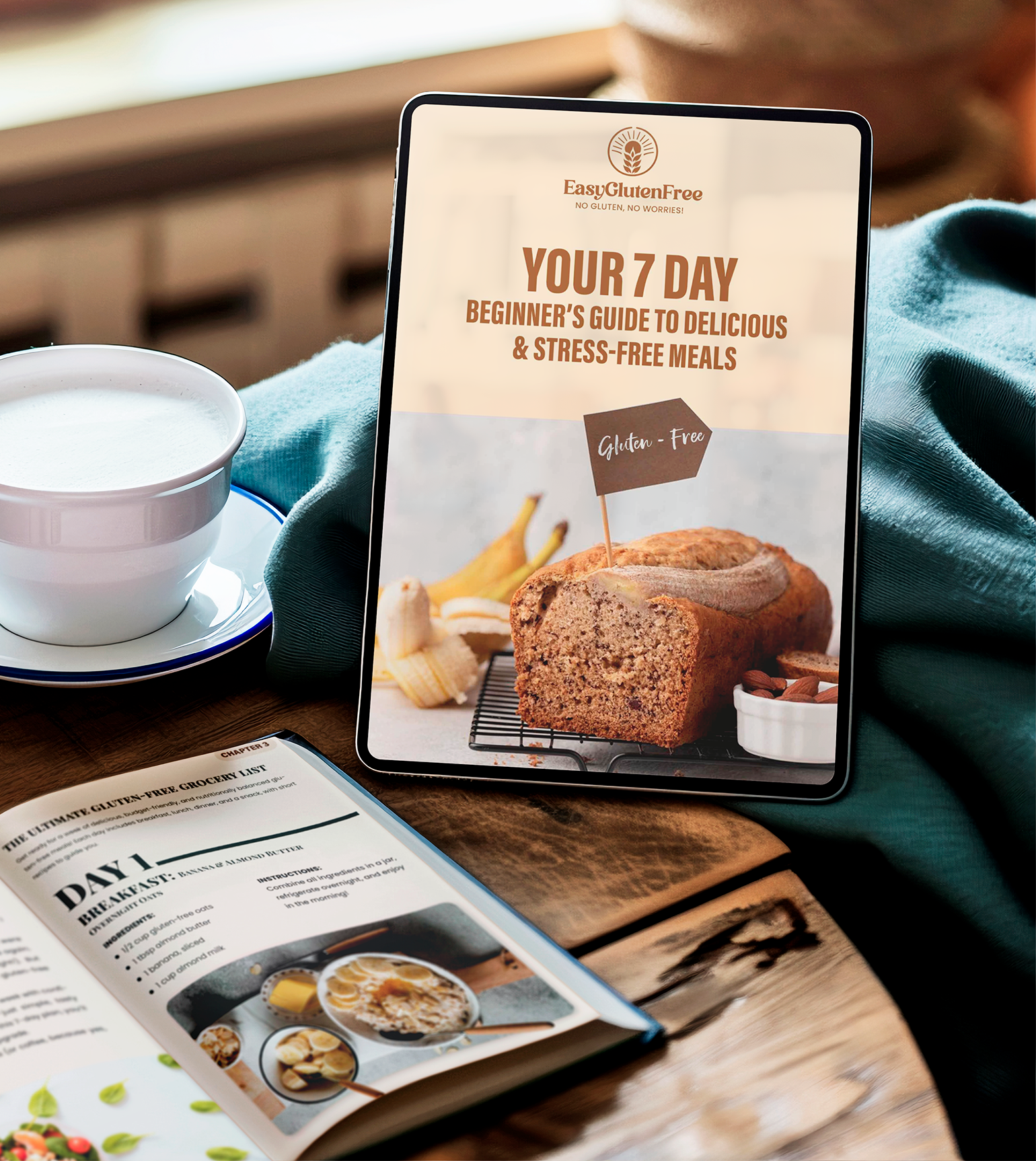
Save your search history some stress. Grab our FREE 7-Day Beginner's Guide and finally have a plan you can actually cook