Blog

Your blog category

Blog

“Mastering Gluten-Free Lunches: A Complete Guide for Easy, Delicious, and Safe Meals”

2025 Guide Pack Stress-Free Gluten-Free Lunches with Our Free eBook Gluten-Free Lunch Box Ideas for Work and School (That Actually Fill You Up) Running out of gluten-free lunch ideas is almost a rite of passage when you’re newly gluten-free. You start out strong with salads and rice bowls… and then suddenly it’s 10 p.m., you’re staring at an empty lunch box, and wondering if rice cakes count as a meal. This guide is here to change that—with practical, filling, and totally packable gluten-free lunch box ideas for work, school, and busy days on the go. Download Our Free Gluten-Free Starter Guide 7-day meal plan shopping list Tips & 3 beginner-friendly recipes download now Introduction Gluten-free lunches don’t have to be sad, complicated, or built entirely from snack bars and emergency nuts. With a bit of planning—and the right containers—you can pack lunches that are colorful, satisfying, and safe from gluten cross-contact, whether you’re packing for work, school, or a full day of errands. In this guide, we’ll walk through how to design a balanced gluten-free lunch box, smart ideas for batch-prepping ingredients, and specific mix-and-match lunch combinations you can start using this week. You’ll also find tips for keeping food fresh, preventing cross-contamination, and making sure your lunch actually keeps you full until dinner. Think of this as your go-to resource for gluten-free lunch box ideas: evergreen basics, not trendy fads. Whether you’re packing lunches for yourself, a partner, or a gluten-free kiddo, you’ll come away with real-life strategies and plug-and-play ideas that make mornings easier—and your lunch break a lot more enjoyable. Table of Contents ▾ 1. Building a Balanced Gluten-Free Lunch Box 2. Gluten-Free Main Lunch Ideas (Work, School & On-the-Go) 3. Easy Gluten-Free Sides, Snacks & Sweet Bites 4. Meal Prep Tips for Fast Gluten-Free Lunch Packing 5. Gluten-Free Safety: Cross-Contact & Label-Reading at Lunch 1. Building a Balanced Gluten-Free Lunch Box Before you think about recipes, it helps to have a simple formula for building any gluten-free lunch. This keeps you from ending up with three snacks and calling it a meal, and it makes it easier to swap ingredients based on what you have on hand. A Simple Gluten-Free Lunch Formula Use this as your base for every lunch you pack: Protein: chicken, turkey, tuna, beans, lentils, boiled eggs, tofu, Greek yogurt, cheese, or leftovers from dinner. Smart carbs (gluten-free): rice, quinoa, potatoes, gluten-free pasta, certified gluten-free bread or wraps, corn tortillas, or gluten-free crackers. Colorful produce: at least 1–2 servings of fruit or veggies—raw, roasted, or in a salad. Healthy fats: avocado, nuts, seeds, hummus, cheese, olive-oil-based dressings, or nut butter. Something fun: a small treat, dip, or crunchy snack so your lunch feels satisfying, not restrictive. Gluten-Free Staples to Keep on Hand Stocking a few reliable basics makes gluten-free lunch packing much easier. Consider keeping these in your pantry or freezer: Microwaveable rice cups or frozen rice Canned beans (black beans, chickpeas, lentils) Certified gluten-free oats, crackers, and bread Frozen veggies for quick roasting or steaming Pre-washed salad greens Rotisserie chicken (check it’s gluten-free) or pre-cooked chicken strips Gluten-free deli meats (avoid ones with questionable flavorings—check labels carefully) How Much Food Do You Actually Need? Everyone’s appetite is different, but a good rule of thumb is to make your lunch substantial enough that you’re not counting down the minutes to your next snack. Mentally divide your lunch box into: Half: veggies and/or fruit One quarter: protein One quarter: gluten-free carbs + healthy fats If you tend to get hungry mid-afternoon, pack an intentional snack rather than hoping office candy or a random granola bar will do the job. When you’re gluten-free, “I’ll just grab something later” is rarely a safe strategy. Need Help Staying Organized? Plan meals & shopping Stay on track with ease See Planner 2. Gluten-Free Main Lunch Ideas (Work, School & On-the-Go) Once you have your formula, it’s time to turn it into real lunches that travel well. Here are mix-and-match gluten-free lunch box ideas for workdays, school, and busy on-the-go schedules. Most of these can be prepped the night before and customized based on what you like. Protein-Packed Bowl Ideas 1. Burrito Rice Bowl (Gluten-Free) Base: white or brown rice, or quinoa Protein: seasoned ground beef, chicken, or black beans Add-ins: corn, salsa, shredded lettuce, cheese, and diced tomatoes Extras: guacamole or avocado slices packed in a separate compartment Pack salsa and any creamy sauces in a small lidded container so your bowl doesn’t get soggy. 2. Mediterranean Chickpea Power Bowl Base: mixed greens or cooked quinoa Protein: chickpeas (canned, rinsed) and/or grilled chicken Add-ins: cucumber, cherry tomatoes, olives, red onion, and feta (if tolerated) Dressing: lemon juice, olive oil, salt, pepper, and dried oregano Layer heartier ingredients like quinoa and chickpeas on the bottom if you’re pre-dressing your bowl to keep salad greens fresh. Gluten-Free Sandwich & Wrap Alternatives 3. Lettuce-Wrap Turkey “Sandwiches” Use sturdy lettuce leaves (like romaine) instead of bread. Fill with gluten-free deli turkey, cheese, tomato slices, and mustard or mayo. Wrap tightly and secure with parchment and a rubber band. 4. Gluten-Free Hummus & Veggie Wrap Use a certified gluten-free tortilla or wrap. Spread with hummus, then add shredded carrots, cucumber strips, greens, and bell pepper. Roll tightly and slice into pinwheels for kids or bento-style lunches. Hot Lunches That Reheat Well 5. Leftover Dinner Remix Some of the easiest gluten-free lunches are simply smartly packed leftovers: Gluten-free pasta with meat sauce + side salad Roast chicken + roasted potatoes + green beans Stir-fried veggies with tofu or chicken over rice (ensure sauces are gluten-free) Pack reheatable items in a microwave-safe container and keep cold foods (like fruit and yogurt) in a separate compartment. 6. Baked Potato Lunch Box Base: baked potato (white or sweet), pre-cooked and cooled Pack separately: shredded cheese, bacon bits (check they’re gluten-free), Greek yogurt or sour cream, steamed broccoli Reheat the potato at work/school if possible, then top with your mix-ins. Kid-Friendly Gluten-Free Lunch Mains 7. DIY “Lunchable”
Blog

“Gluten-Free Snacking: A Comprehensive Guide for a Stress-Free Experience”

2025 Guide Download Your Free Guide to Stress-Free Gluten-Free Snacking Gluten-Free Snacks You Can Actually Trust (and Grab on Busy Days) Gluten-free snacking doesn’t have to mean being hungry, under-prepared, or stuck with the world’s driest rice cakes. With a little planning and a few reliable standbys, you can build a snack routine that’s safe, satisfying, and easy to manage even on your busiest days. This guide walks you through how to stock gluten-free snacks you can truly trust—at home, at work, and on the go—without spending hours reading labels or reinventing your pantry every week. Download Our Free Gluten-Free Starter Guide 7-day meal plan shopping list Tips & 3 beginner-friendly recipes download now Introduction When you first go gluten free, meals usually get most of your attention—bread, pasta, pizza, the big obvious stuff. But very quickly, it’s the snacks that make or break your day. Work meetings, kids’ activities, road trips, movie nights… those are the moments when a surprise gluten-filled cookie tray or a bowl of mystery chips can leave you hungry, frustrated, and a little left out. The good news: with the right strategy, gluten-free snacks can be simple, affordable, and genuinely delicious. You don’t need a pantry full of obscure specialty products or a brand-new routine. What you do need is a small set of reliable options, a bit of planning, and a system that fits into your real life—not some perfect Pinterest version of it. This guide will help you build a gluten-free snack toolkit that works at home, at the office, at school, and on the go. We’ll cover label-reading basics, portable ideas, how to handle social situations, and ways to keep your snacks balanced so you stay full and energized instead of constantly grazing and crashing. Think of this as your blueprint for never being caught snack-less again. Table of Contents ▾ 1. Understanding Gluten-Free Snacking Basics 2. Smart Gluten-Free Snack Prep for Busy Weeks 3. On-the-Go Snacks: Work, School, and Travel 4. Social Situations: Parties, Events, and Sharing Snacks 5. Building a Long-Term Gluten-Free Snack Routine 1. Understanding Gluten-Free Snacking Basics Before you fill your cart with “gluten-free” labels, it helps to zoom out and understand what makes a snack safe, satisfying, and sustainable in everyday life. A little strategy on the front end will save you a lot of stress (and money) later. What actually makes a snack gluten free? At its core, a gluten-free snack is one that does not contain wheat, barley, rye, or regular oats, and that hasn’t been contaminated with gluten during processing, handling, or serving. Naturally gluten-free foods—like fresh fruit, vegetables, nuts, seeds, eggs, cheese, and plain yogurt—are usually the safest starting point. Packaged snacks are where things get trickier. Even if the main ingredients look safe, gluten can sneak in through: Flour coatings, seasonings, or crumb toppings Thickeners, stabilizers, or “texture enhancers” made from wheat Shared equipment used for both gluten and gluten-free products That’s why it’s important to get comfortable reading labels and, when needed, checking a brand’s website for more details about how they handle cross-contact. How to read snack labels with confidence Label reading becomes second nature over time. To make it easier, use this simple three-step scan when you pick up a new snack: Check the front. A certified gluten-free seal adds helpful reassurance, but lack of a logo doesn’t always mean the product contains gluten. Read the ingredient list slowly. Look specifically for wheat, barley, rye, malt, brewer’s yeast, and regular oats. Be cautious with vague phrases like “natural flavors” if the product seems grainy or breaded. Look for “contains” and “may contain” statements. In some regions, wheat must be clearly listed if it’s present. “May contain wheat” or “made in a facility with wheat” can be extra important for those who need to be very strict. With time, you’ll build a mental list of “safe favorites” and your grocery trip will speed up again. Balancing your snacks so you actually stay full Gluten-free or not, snacks that are all sugar or all starch tend to leave you hungry again a short time later. A more satisfying pattern is to mix: Protein – nuts, seeds, cheese, Greek-style yogurt, hard-boiled eggs, gluten-free hummus Healthy fats – nut butters, avocado, olives Fiber-rich carbs – fruit, veggies, gluten-free crackers, or whole-grain gluten-free options like brown rice or quinoa-based snacks Putting just two of these together—say, apple slices with peanut butter, or gluten-free crackers with cheese—can make the difference between a snack that fuels you and one that leaves you grazing all afternoon. Common gluten-free snack mistakes to avoid As you’re getting started, watch out for a few easy traps: Relying only on packaged sweets. Cookies and bars are fun, but they’re not your only option. Assuming “rice” or “corn” equals gluten free. Many rice or corn snacks still include wheat in seasonings or binders. Forgetting about cross-contact at home. Crumbs in the butter, shared cutting boards, and toasters can all affect your snacks. A little awareness here sets you up for much easier snacking later. Need Help Staying Organized? Plan meals & shopping Stay on track with ease See Planner 2. Smart Gluten-Free Snack Prep for Busy Weeks One of the simplest ways to reduce gluten-related stress is to assume that the world will not be ready for your needs—and then prepare for yourself anyway. When your backpack, desk drawer, or car already holds safe snacks, surprise meetings and last-minute plan changes stop being a problem. Set up a “grab-and-go” snack station at home Think of your snack zone like a mini convenience store that actually understands gluten free. A simple plastic bin or basket labeled “GF Snacks” can make life easier for you, your family, and anyone else who cooks or shops in your household. Inside, aim for a mix of: Shelf-stable options – nuts, seeds, individual nut butter packs, shelf-stable hummus cups, gluten-free crackers, seaweed snacks Quick fridge picks – string cheese, yogurt, cut veggies, hard-boiled eggs, dips clearly labeled

Blog

Navigating Gluten-Free: A Guide to Avoiding Cross-Contamination

2025 Guide Download the Free Guide to Stress-Free Gluten-Free Living Gluten Cross-Contamination: How to Avoid Hidden Gluten and Stay Safe Gluten cross-contamination is the sneaky reason many people still feel “off” even after going fully gluten-free. In this guide, you’ll learn exactly where hidden gluten likes to lurk, how to reduce your risk in the kitchen, at restaurants, and while traveling, and which simple habits make the biggest difference for long-term confidence and comfort. Download Our Free Gluten-Free Starter Guide 7-day meal plan shopping list Tips & 3 beginner-friendly recipes download now Introduction If you’ve cut out gluten but still feel bloated, foggy, or “glutened” from time to time, cross-contamination is almost always suspect number one. You’re doing the hard work of changing how you eat—so the last thing you need is invisible gluten crumbs sabotaging your efforts from a cutting board, toaster, or restaurant kitchen. The tricky part is that cross-contamination isn’t always obvious. It can happen in seconds: a knife that sliced regular bread, a shared fryer for fries and breaded nuggets, or a “gluten-free” salad topped with crouton dust. The good news is that once you understand how and where it happens, you can dramatically reduce your exposure without feeling scared of every meal. This article walks you through the most common sources of gluten cross-contact at home, in restaurants, and on the go, plus practical systems to protect yourself. You’ll find realistic, sustainable strategies—not perfectionism—so you can live your gluten-free life with more ease, fewer surprises, and a lot more confidence. Table of Contents ▾ 1. What Is Gluten Cross-Contamination? 2. How to Reduce Cross-Contamination at Home 3. Staying Safe When Eating Out 4. Travel, Work, and School: Gluten-Safe on the Go 5. Building a Practical, Sustainable Gluten-Safe Routine 1. What Is Gluten Cross-Contamination? Gluten cross-contamination (often called “cross-contact”) happens when naturally gluten-free food comes into contact with gluten and picks up enough residue to make some people react. That might mean obvious crumbs, or tiny traces you can’t see—both can be an issue for those with celiac disease or a strong gluten sensitivity. Think of it like peanut butter: you wouldn’t consider a knife “peanut-free” just because you scraped most of it off. The same logic applies to gluten. A shared knife, pan, fryer, or work surface can easily transfer gluten from one food to another. Common examples of gluten cross-contamination Shared toasters: Gluten-free bread toasted where regular bread has been, leaving crumbs stuck to the racks. Cutting boards and knives: Boards used for regular bread, pastries, or pizza and then for your gluten-free prep. Shared fryers: Gluten-free fries or wings cooked in oil that’s also used for breaded items. Bulk bins: Scoops moved between bins of flour, grains, or snacks in grocery stores. Spreads and condiments: Jars of jam, mayo, or butter with visible crumbs from regular bread. Cross-contamination doesn’t mean you’ve done anything wrong. It simply means gluten is very good at getting where it doesn’t belong. The key is learning where it’s most likely to show up so you can decide where to be strict, and where a simple wipe-down is enough for you. Cross-contact vs. “trace amounts” on labels It’s also worth separating kitchen cross-contact from manufacturing risk. At home and in restaurants, your focus is on preventing crumbs, splashes, and shared equipment from contaminating your food. With packaged foods, you’re looking at labels for gluten-containing ingredients and, if necessary for you, may-contains or “made in a facility with wheat” statements. Everyone’s comfort level is different, but understanding both types of risk helps you make informed, calm decisions—rather than guessing every time you shop or eat. Need Help Staying Organized? Plan meals & shopping Stay on track with ease See Planner 2. How to Reduce Cross-Contamination at Home Home is usually the easiest place to control gluten cross-contamination—especially once you set up a few simple systems. Whether you live solo, with a gluten-free household, or in a mixed kitchen where some people still eat gluten, you can dramatically lower the risk with clear zones, smart labeling, and a bit of planning. Start with a gluten-free “safe zone” Designate one area of your kitchen as your gluten-free base. This might be: A specific cupboard or shelf for all gluten-free dry goods. One drawer for gluten-free utensils, cutting boards, and tools. A clearly labeled section of the fridge for your sauces, bread, and leftovers. Use labels, colored containers, or even washi tape so everyone in the house knows: “If it’s in this spot, don’t touch it with gluten-y hands or knives.” This alone significantly cuts down on casual crumb transfer. Separate vs. shared equipment: what really matters You don’t need to replace your entire kitchen, but some tools are notorious for holding onto gluten. Many people prefer to keep these gluten-free only: Toaster: A separate gluten-free toaster (or reusable toaster bags) prevents constant crumb exposure. Cutting boards: Opt for fresh, smooth cutting boards just for gluten-free foods—especially for bread or baked goods. Wooden utensils and rolling pins: Wood is porous and can hold onto gluten; consider dedicated gluten-free versions. Strainers and colanders: Pasta starch can cling to mesh and holes; keep one for gluten-free pasta only. Pots, pans, glass, stainless steel, silicone, and most plates can usually be safely shared as long as they’re washed thoroughly and free from scratches full of old food residue. Smart cleaning habits that make a big difference Daily habits are just as important as equipment. A few to prioritize: Wipe counters before gluten-free prep, not just after. Use fresh dishcloths or paper towels for gluten-free clean-up when possible. Wash hands between handling gluten and gluten-free foods. Keep separate butter, spreads, and jars if crumbs are an issue—label them clearly as “GF.” Remember: you’re not trying to create a sterile lab; you’re just removing places where obvious gluten loves to hide. Mixed households: how to keep the peace In a home where not everyone is gluten-free, communication is everything. Consider: Agreeing that certain meals (like family dinners)

Blog

“Mastering Gluten-Free All-Purpose Flour: Your Ultimate Guide”

2025 Guide Download the Free Guide to Foolproof Gluten-Free Flour Blends Gluten-Free All-Purpose Flour: How to Use It for Better Baking Every Time Learning to bake with gluten-free all-purpose flour can feel like starting over—but it doesn’t have to be a science experiment every time you preheat the oven. With a few reliable rules and a trusted flour blend, you can turn out cookies, muffins, pancakes, and quick breads that actually taste “normal” (in the best way). This guide walks you through how gluten-free all-purpose flour works, when it shines, when to tweak your recipe, and how to get consistent results in your gluten-free kitchen. Download Our Free Gluten-Free Starter Guide 7-day meal plan shopping list Tips & 3 beginner-friendly recipes download now Introduction If you’ve ever swapped gluten-free all-purpose flour 1:1 in your favorite wheat recipe and ended up with dry muffins, gummy brownies, or cookies that spread into a single baking-sheet pancake, you’re not alone. Gluten-free baking is absolutely doable—but it plays by a slightly different set of rules. Once you understand how your flour blend behaves, you can stop guessing and start baking with confidence. Gluten-free all-purpose flour blends are designed to imitate regular wheat flour in everyday recipes like pancakes, quick breads, and cookies. The best blends combine whole-grain and starch flours plus binders so you don’t have to keep ten different bags in your pantry. But not all blends are created equal, and learning how to choose and use them will save you time, money, and frustration. This guide breaks down what’s actually in gluten-free all-purpose flour, how to use it successfully in different recipes, and the little adjustments—like extra moisture, rest time, or pan choices—that turn “pretty good for gluten-free” bakes into recipes you’ll proudly share with gluten-eaters. Keep this as a reference and you’ll have a go-to roadmap every time you reach for that blue bag of flour. Table of Contents ▾ 1. What Is Gluten-Free All-Purpose Flour? 2. How to Use Gluten-Free All-Purpose Flour in Everyday Baking 3. Common Problems (and Fixes) When Baking with Gluten-Free Flour 4. Best Baking Techniques for Gluten-Free All-Purpose Flour 5. Pantry Tips, Storage, and Simple Swaps 1. What Is Gluten-Free All-Purpose Flour? Gluten-free all-purpose flour is a pre-mixed blend of naturally gluten-free flours and starches designed to stand in for regular wheat all-purpose flour. Instead of one grain doing all the work (wheat), you get a carefully balanced mix that usually includes a few of the following: Whole-grain flours like brown rice, sorghum, or millet for structure and flavor Starches such as tapioca, potato, or corn for lightness and tenderness Binders like xanthan gum or guar gum to mimic gluten’s stretchy, elastic qualities In a good blend, each ingredient has a job: whole grains give body, starches keep things from turning into dense bricks, and binders help hold everything together so your muffins don’t crumble the moment you take a bite. Many modern gluten-free all-purpose flours are labeled as “1:1” or “measure for measure.” This means they’re formulated to replace wheat all-purpose flour cup-for-cup in recipes. That’s a huge win for convenience, especially in pancakes, cookies, quick breads, and many cakes. However, “1:1” doesn’t mean “identical in every single recipe.” Eggs, fats, and liquids interact differently with gluten-free starches, so a few smart tweaks often make the difference between dry and dreamy. It’s also important to note that gluten-free all-purpose flour blends are not interchangeable with single flours like almond flour, coconut flour, or oat flour. Those behave completely differently and need recipes written specifically for them. If a recipe calls for gluten-free all-purpose flour, use a blend—don’t swap in straight almond flour and hope for the best. Another key detail: quality and consistency matter. A reliable, well-tested blend saves you from endlessly adjusting recipes. Once you find a flour that works in your kitchen, you can stick with it, knowing that your pancakes, muffins, and cookies will behave the same way every time. Need Help Staying Organized? Plan meals & shopping Stay on track with ease See Planner 2. How to Use Gluten-Free All-Purpose Flour in Everyday Baking Once you’ve chosen a dependable gluten-free all-purpose flour, the fun starts: using it in your favorite recipes. For everyday baking—pancakes, waffles, muffins, cookies, and many cakes—you can usually start with a simple cup-for-cup swap for regular all-purpose flour, then make small adjustments based on texture. Here are some practical guidelines for using gluten-free all-purpose flour successfully: Start with “friendlier” recipes Certain recipes are naturally more forgiving. These are perfect for getting comfortable with gluten-free flour: Pancakes and waffles – The batter is loose, and you cook it quickly, so there’s less risk of dryness. Quick breads and muffins – They rely on moisture and leavening, which suit gluten-free blends well. Drop cookies – Especially recipes with enough fat and sugar, like chocolate chip or oatmeal-style cookies. Simple snack cakes – Think banana bread, carrot cake, or one-bowl yogurt cakes. Start by using your gluten-free all-purpose flour 1:1 in place of wheat flour in these recipes, then pay attention to how the batter or dough looks and feels. Adjust liquids when needed Gluten-free flours often absorb liquid differently than wheat. If your batter looks thicker than you’re used to, you may need a splash or two of extra milk, water, or oil. On the flip side, if the batter seems very thin, give it a few minutes to rest before adding more flour—starches keep absorbing as they sit. For muffins and quick breads: Aim for a thick, scoopable batter that slowly falls off the spoon. For pancakes: You want a pourable batter that ribbons back into the bowl, not a paste. For cookie dough: It should hold its shape when scooped, not spread into a puddle on the sheet. Use recipes that already include eggs and fat Eggs add structure and moisture, and fat adds tenderness—both are especially helpful in gluten-free baking. If a recipe is already rich in these, it usually converts better with a 1:1

Blog

Gluten-Free Meal Prep Guide for Busy Weeks

2025 Guide Download the Free Guide to Stress-Free Gluten-Free Meal Prep Gluten-Free Meal Prep for Busy Weeks: Simple, Safe & Satisfying Gluten-free meal prep doesn’t have to mean dry chicken, sad salads, and mystery Tupperware. With a little strategy (and the right tools), you can open your fridge on a Tuesday night and actually feel relieved. In this guide, we’ll walk through gluten-safe planning, cross-contact smart storage, and easy systems so you can eat well all week—without living in your kitchen. Download Our Free Gluten-Free Starter Guide 7-day meal plan shopping list Tips & 3 beginner-friendly recipes download now Introduction If you’re juggling work, family, appointments, and a gluten-free life, “What’s for dinner?” can feel like a trick question. Takeout isn’t always safe, last‑minute cooking is exhausting, and somehow the fridge is full but nothing’s actually ready to eat. That’s where gluten-free meal prep becomes a game‑changer—not just for your schedule, but for your sanity. Meal prep gets a bad reputation for being rigid or time-consuming, but done right, it’s simply about making future-you’s life easier. You batch a few components, store them safely, and suddenly quick breakfasts, packable lunches, and stress‑free dinners are on autopilot. For those of us who have to think about gluten every single time we eat, that kind of predictability is priceless. In this article, we’ll break down how to prep gluten-free meals in a way that’s realistic, flexible, and safe—from planning and shopping, to cooking, cooling, and storing. You’ll also see how reusable storage solutions can help keep your food fresh, your kitchen organized, and cross-contact risks lower, all while creating a system you can stick with week after week. Table of Contents ▾ 1. Planning a Gluten-Free Meal Prep Week 2. Safe Storage, Batch Cooking & Cross-Contact 3. Time-Saving Gluten-Free Meal Prep Ideas 4. Eating, Reheating & Staying Flexible 5. Building a Sustainable Gluten-Free Prep Routine 1. Planning a Gluten-Free Meal Prep Week Before you chop a single carrot, you need a simple plan. Planning doesn’t have to be elaborate—it just needs to answer three questions: What are you eating? When are you eating it? And how will you make it gluten-safe? Start with your real week, not your fantasy week Look at your calendar and work backward. Late meetings? Kids’ activities? Travel days? Those nights need the fastest, lowest‑effort meals. Save any new or more involved recipes for quieter evenings or weekends. High‑energy nights: Try sheet‑pan dinners, one‑pot soups, or a stir‑fry that comes together in 20 minutes. Low‑energy nights: Plan leftovers, freezer meals, or “assembly” dinners like tacos, grain bowls, or salads. On‑the‑go days: Think packable, sturdy options like quinoa salads, frittata slices, or overnight oats made with certified gluten-free ingredients. Build around naturally gluten-free staples Focusing on whole, naturally gluten-free foods simplifies both shopping and label reading. Use them as your base and layer flavors on top. Proteins: eggs, chicken, turkey, tofu, beans, lentils, canned tuna (check labels), shrimp. Carbs: rice, quinoa, potatoes, sweet potatoes, certified gluten-free oats, GF pasta. Veggies: anything you like roasted, sautéed, or eaten raw—carrots, peppers, broccoli, greens, cucumbers, tomatoes. Fats & flavor: olive oil, avocado, nuts and seeds (check for cross-contact), herbs, spices, citrus, gluten-free sauces. Then, think in “meal formulas” instead of strict recipes. For example: Bowl formula: grain + protein + 2 veggies + sauce. Tray bake formula: protein + starchy veg + non‑starchy veg + seasoning blend. Snack box formula: protein (eggs, hummus, cheese) + crunch (GF crackers, nuts) + fruit or veg. Create a gluten-aware shopping list Once you know your meal formulas, turn them into a shopping list with gluten‑free safety in mind. Highlight “high-risk” items: sauces, broths, seasonings, marinades, meat substitutes, oats, and anything breaded or processed. These often hide gluten. Check certification where needed: especially for oats, grains, and anything at risk of cross-contact during processing. Group items by store section: produce, pantry, refrigerated, frozen. This shortens your trip and lowers decision fatigue. Planning is about intention, not perfection. Expect to adjust; your goal is simply to make it easier to eat safe, satisfying gluten-free food all week long. Need Help Staying Organized? Plan meals & shopping Stay on track with ease See Planner 2. Safe Storage, Batch Cooking & Cross-Contact Once your plan is set, the next step is batch cooking and storage. For gluten-free eaters, this isn’t just about staying organized—it’s also about preventing cross-contact and keeping your food safe over several days. Batch cook with safety in mind Start by cleaning your workspace, especially if you live in a mixed‑diet household. Wipe down counters, wash cutting boards and knives, and keep gluten-containing breads or snacks far from your prep area. Use dedicated gluten-free tools where possible, especially for colanders, wooden spoons, toasters, and cutting boards that can trap crumbs. Cook naturally gluten-free items first (like plain proteins and veggies) to minimize risk while your kitchen is at its cleanest. Keep sauces and seasonings simple and gluten-free, then vary them through the week so your meals don’t feel repetitive. A typical batch-cooking session might look like: Roasting a tray of mixed vegetables. Cooking a pot of rice or quinoa. Baking or sautéing chicken, tofu, or another protein. Hard‑boiling eggs and washing/chopping fresh veggies for snacks. Cool and store food the right way How you cool and store cooked food affects both safety and texture. Spread hot food out in shallower containers so it cools faster before you refrigerate. Avoid leaving food at room temperature for more than about two hours. Label containers with the day you cooked and a quick description (for example, “Sun – quinoa, taco chicken”). This helps you eat older food first and avoid mystery meals at the back of the fridge. Separate gluten-free from gluten-containing foods If other people in your home eat gluten, your storage system matters just as much as your cooking setup. Assign a gluten-free shelf or drawer in your fridge and pantry so your food doesn’t sit underneath crumb‑shedding items. Use clear labeling (“GF – do not

Blog

“Stress-Free Gluten-Free Lunch Packing Guide for 2025”

2025 Guide Download the Free Guide to Stress-Free Gluten-Free Lunch Packing Gluten-Free Lunch Box Ideas: Easy, Kid-Friendly, and Adult-Approved Need fresh gluten-free lunch box ideas that you can actually pull off on a busy weekday? This guide walks you through simple, realistic ways to pack safe, satisfying gluten-free lunches for school, work, and on-the-go days—without spending your entire evening in the kitchen. Download Our Free Gluten-Free Starter Guide 7-day meal plan shopping list Tips & 3 beginner-friendly recipes download now Introduction Gluten-free lunch boxes don’t have to be sad, repetitive rice cakes or tiny salads that leave you hungry by 2 p.m. With a bit of planning and the right containers, you can pack colorful, filling lunches that are completely gluten-free and still feel fun and flexible. Whether you’re packing for a gluten-free kid navigating school cafeterias or you’re the gluten-free one at the office trying to avoid soggy sandwiches and mystery dressings, having a bank of easy ideas makes the process so much simpler. The goal is to build lunches around naturally gluten-free foods, smart swaps, and a few reliable convenience items you trust. In this guide, we’ll cover how to structure a balanced gluten-free lunch, practical make-ahead options, cross-contact tips for shared kitchens, and plenty of mix-and-match lunch box ideas. You’ll finish with a reusable framework you can lean on every week, not just a one-time list of recipes. Table of Contents ▾ 1. Building a Balanced Gluten-Free Lunch Box 2. Kid-Friendly Gluten-Free Lunch Box Ideas 3. Gluten-Free Work & Meal-Prep Lunches 4. Safe Packing & Cross-Contact Tips 5. Time-Saving Routines & Planning Strategies 1. Building a Balanced Gluten-Free Lunch Box Before we get into specific gluten-free lunch box ideas, it helps to have a simple formula. That way, even when your fridge looks “empty,” you can still pull together something balanced and satisfying. A helpful framework is to build every gluten-free lunch around four components: Protein – keeps you full and focused Fiber-rich carbs – for energy (gluten-free grains, fruit, starchy veg) Healthy fats – for satisfaction and flavor Color – fruit and veg for nutrients and crunch Gluten-Free Protein Ideas Protein is the anchor of your lunch box. Aim to start with this piece, then build around it. Some naturally gluten-free options include: Hard-boiled eggs, frittata slices, or egg muffins Leftover grilled chicken, turkey meatballs, or shredded pork Tuna, salmon, or chicken salad made with gluten-free mayo and seasonings Cheese cubes, cottage cheese, or Greek-style yogurt (if tolerated) Hummus, bean dips, or lentil salads Tofu, tempeh, or edamame for plant-based lunches Always check marinades, spice blends, and deli meats for hidden gluten—things like soy sauce, malt vinegar, and “natural flavors” can sneak in. Look for certified gluten-free labels where possible. Gluten-Free Carbs That Actually Fill You Up Without gluten, lunches can sometimes lean too heavily on protein and vegetables, leaving you hungry. Add in fiber-rich, naturally gluten-free carbs such as: Cooked rice, quinoa, buckwheat, or millet (great for grain bowls) Gluten-free pasta or chickpea pasta Corn tortillas, gluten-free wraps, or certified gluten-free bread Baked potatoes or sweet potatoes (wedges, cubes, or stuffed halves) Fresh fruit like berries, apples, grapes, or clementines Make a big batch of one or two grains on Sunday to use in several lunches throughout the week—it’s one of the easiest ways to save time and avoid “what do I pack?” panic. Healthy Fats & Flavor Boosters Fat adds flavor and staying power to gluten-free lunches. Simple options include: Avocado slices or guacamole cups Nuts and seeds (almonds, walnuts, pumpkin seeds, sunflower seeds) Olive oil-based dressings or vinaigrettes (confirm they’re gluten-free) Nut butters or sunflower seed butter in packets or small containers Olives, pesto, or tapenade for extra flavor Keep sauces and dressings in a separate compartment or small container to prevent sogginess, especially with salads and grain bowls. Adding Color and Crunch A visually appealing lunch is more likely to be eaten—especially for kids. Add at least one or two “color” components: Crunchy veg: cucumber, carrots, bell peppers, snap peas, cherry tomatoes Leafy greens: baby spinach, mixed greens, shredded lettuce Fruit: berries, kiwi slices, oranges, mango, apples, pears If you or your child are still adjusting to gluten-free eating, prioritize familiar favorites and just add one new food or flavor at a time. A lunch box full of “new” can feel overwhelming. Need Help Staying Organized? Plan meals & shopping Stay on track with ease See Planner 2. Kid-Friendly Gluten-Free Lunch Box Ideas Gluten-free school lunches have to work a little harder: they need to be safe, appealing, easy to eat quickly, and sturdy enough to survive a backpack. The key is to think in “mini meals” instead of a single big main dish—kids often eat more when they can pick and choose. Mix-and-Match Kids’ Lunch Box Formula Here’s an easy framework you can reuse all year long: Main Bite: something protein-focused and familiar Dipper or Spread: hummus, guac, yogurt dip, or nut/seed butter (if allowed) Crunch: gluten-free crackers, veggie sticks, or popcorn Fruit: something easy and low-mess Small Treat: a square of chocolate, a homemade cookie, or a few gummies (gluten-free) Rotate within each category instead of reinventing the whole lunch every week. This keeps variety high but decision fatigue low. Sample Gluten-Free Kids’ Lunch Box Ideas Use these as inspiration and adjust for your child’s age, appetite, and school rules: DIY Nacho Box: gluten-free tortilla chips, shredded cheese, black beans, salsa, guacamole, and grapes. Roll-Up Lunch: turkey and cheese roll-ups with gluten-free crackers, cucumber rounds, baby carrots, and apple slices. Bite-Size Brunch: mini egg muffins, gluten-free pancakes cut into strips, a small maple syrup container, berries, and yogurt. Pasta Salad Box: gluten-free pasta salad with chicken and veggies, orange segments, and a few gluten-free pretzels. Bento Snack Lunch: cheese cubes, ham cubes or chickpeas, cherry tomatoes, snap peas, gluten-free crackers, and a small treat. Making Gluten-Free Lunches “Fun Enough” Without Extra Work You don’t have to create elaborate character lunches to make food feel special. A few simple tweaks

Blog

“Gluten-Free Travel Snack Survival Guide 2025”

2025 Guide Download Your Ultimate Gluten-Free Travel Snack Survival Guide Gluten-Free Travel Snacks: How to Never Get Stuck Hungry on the Road Again Being gluten free on the go doesn’t have to mean surviving on sad airport salads and mystery nuts. With a bit of planning (and the right “just in case” snacks), you can travel, work, road trip, and socialize without constantly worrying where your next safe bite is coming from. This guide walks you through smart, realistic gluten-free snack strategies so you stay full, calm, and ready for anything. Download Our Free Gluten-Free Starter Guide 7-day meal plan shopping list Tips & 3 beginner-friendly recipes download now Introduction Nothing exposes weak snack planning quite like travel when you’re gluten free. One delayed flight, one “complimentary” hotel breakfast full of pastries, or one road trip stop with nothing but crumb-covered convenience-store shelves, and suddenly you’re running on caffeine and frustration. It’s exhausting, and it’s one of the most common reasons people feel like gluten free is “too hard.” The good news: it really doesn’t have to be. With a simple go-to snack strategy, you can move through airports, road trips, kids’ sports days, office meetings, and social events knowing you have safe, satisfying options in your bag. No drama, no hanger, and no nibbling a side salad while everyone else has chips. In this guide, we’ll talk about how to choose the best gluten-free travel snacks, what to pack for different types of trips, how to handle social situations, and how to make sure you’ve always got a back-up plan. Think of it as your roadmap to never being stuck hungry on the road again—while still eating food you actually enjoy. Table of Contents ▾ 1. Why Gluten-Free Travel Snacks Matter More Than You Think 2. Smart Gluten-Free Snack Staples to Always Have on Hand 3. Packing Strategies for Flights, Road Trips & Busy Work Days 4. Handling Social Events, Hotels & “Surprise” Schedule Changes 5. Simple Prep Routine to Make Travel Snacking Stress-Free 1. Why Gluten-Free Travel Snacks Matter More Than You Think When you’re gluten free, snacks aren’t just a “nice to have.” They’re your safety net. At home, you probably know which brands are safe, which restaurants you trust, and where to grab a quick bite. On the road or in unfamiliar places, that predictability disappears—unless you bring it with you. Here’s why having a travel snack plan makes such a big difference: Fewer risky decisions. When you’re starving, it’s much harder to walk away from “probably fine” options. Having your own snacks means you can say no to cross-contaminated crackers, mystery bars, and “we think it’s gluten free” offers. Less stress around timing. Delayed flights, traffic, long medical appointments, kids’ activities that run late—these are all normal life. Snacks buy you time until you can find a proper, safe meal. Better energy and mood. Being under-fueled makes everything feel harder. Reliable gluten-free snacks keep your brain clear and your mood even, which matters a lot when you’re navigating new places or plans. More freedom to say yes. Last‑minute coffee with a friend? Extra stop on the road trip? An unexpected meeting? With your own food, you’re not stuck saying no because there’s nothing safe to eat. One helpful mental shift is to think of snacks as part of your essential gear, not an optional extra. Just like you wouldn’t leave without your wallet or phone, you don’t leave without at least one or two gluten-free options you trust. You also don’t need a suitcase full of food. A small, thoughtful mix of shelf-stable options can carry you through a surprising number of situations. The key is knowing which snacks travel well, keep you full, and don’t fall apart in your bag (we’ve all had the crushed cracker experience). Need Help Staying Organized? Plan meals & shopping Stay on track with ease See Planner 2. Smart Gluten-Free Snack Staples to Always Have on Hand When you’re building a gluten-free travel snack kit, aim for three things: protein, staying power, and zero guesswork. You want options that keep you actually full, won’t melt or spoil in a few hours, and are clearly labeled gluten free or naturally gluten free. Think in simple categories instead of specific brands, so you can adapt to what’s available where you live: Protein-focused snacks: These are your “I might miss a full meal” back-ups. Look for clearly labeled gluten-free jerky, nut and seed packs, roasted chickpeas, or shelf-stable cheese snacks. Protein keeps your energy more stable than sugar-heavy options. Carb + crunch: Crackers, rice cakes, popcorn, and gluten-free pretzels are great for flights, long cars rides, and hotel rooms. They pair well with nut butter, cheese, or hummus if you find it on the road. Fruit & fiber: Dried fruit, apples, clementines, or squeezable fruit pouches (handy with kids) travel well and balance out the salty snacks. Just double-check for added barley malt or wheat in some “trail mix blends.” Comfort treats: A couple of cookies, a favorite bar, or chocolate that you know is safe can make the whole “everyone’s sharing pastries” moment a lot easier emotionally. It also helps to think about where your snacks will live. Keep a few things in each of these spots so you’re never completely caught off guard: Daily bag or purse: One or two protein options + one fun treat. Car or carry-on: Shelf-stable options that won’t melt, like nuts, crackers, and bars. Desk or locker at work: “Emergency lunch” items like instant gluten-free oats, microwaveable rice cups, or shelf-stable soup you’ve checked the label on. Having a ready-made variety pack can be especially helpful for travel seasons, busy months, or when you simply don’t have the bandwidth to piece together a snack kit from scratch. Snack BOX Gluten Free Healthy Care Package  This box is basically “emergency gluten-free social survival” in one package. It’s packed with individually wrapped snacks you can throw into your bag, keep at the office, bring to movie

Blog

Mastering Gluten-Free Dining: A 2025 Survival Guide

2025 Guide Download the Free Guide to Confident Gluten-Free Restaurant Dining Gluten-Free Restaurant Survival Guide: How to Dine Out Without the Stress Eating out gluten free can feel like playing menu roulette—one wrong question, one mystery sauce, and your night is ruined. This guide walks you through how to order safely, communicate clearly, and enjoy restaurant meals again without feeling like the “difficult” customer at the table. Download Our Free Gluten-Free Starter Guide 7-day meal plan shopping list Tips & 3 beginner-friendly recipes download now Introduction Dining out gluten free can be a mix of freedom and fear. Freedom because you don’t have to cook or clean, fear because one careless crouton or shared fryer can turn a fun night into days of recovery. If you’ve ever stared at a menu wondering, “Is any of this actually safe for me?”—you’re in the right place. Whether you live with celiac disease, non-celiac gluten sensitivity, or you simply feel better avoiding gluten, restaurant meals require a bit of strategy. The good news: once you learn what to ask, what to watch for, and how to advocate for yourself without apologizing, eating out becomes far less stressful and a lot more enjoyable. This gluten-free restaurant survival guide pulls together practical tools: what to do before you go, how to talk to staff, which red flags to treat seriously, and how to handle social situations without feeling like you’re “making a fuss.” Think of it as your calm, prepared friend who’s been through it—and wants to help you skip the hard lessons. Table of Contents ▾ 1. Planning Ahead Before You Dine Out Gluten Free 2. How to Order Safely: Questions, Scripts & Cross-Contact Traps 3. Choosing Safer Cuisines and Restaurant Types 4. Navigating Social Pressure, Dates, and Group Meals 5. What to Do After a Reaction (and How to Learn From It) 1. Planning Ahead Before You Dine Out Gluten Free Safe gluten-free dining starts long before you sit down at the table. A little planning dramatically lowers your risk of being “glutened” and makes the whole experience less stressful for you and everyone you’re with. Research the restaurant before you go Instead of walking into the closest place and hoping for the best, give yourself options: Check the menu online: Look for a dedicated gluten-free menu or clearly marked gluten-free items. Bonus points if they mention cross-contact procedures. Look for key phrases: “Gluten-free kitchen protocols,” “dedicated fryer,” “celiac-friendly,” or an allergen guide are all promising signs. Read recent reviews: Search within reviews for “gluten free,” “celiac,” or “allergy.” You’re looking for comments like “staff understood cross contamination” rather than just “had gluten-free buns.” Call ahead and ask targeted questions A quick phone call can tell you more in two minutes than a website can in twenty. When you call, be kind but clear about your needs. You might say: “Hi, I eat strictly gluten free for medical reasons. Do you have options that can be prepared safely, avoiding cross-contact with gluten?” Then follow up with specific questions: “Do you have a dedicated gluten-free fryer for fries or breaded items?” “How do you prevent cross-contact when preparing gluten-free dishes?” “Is any gluten-free pasta or pizza cooked in separate water/ovens?” “Can the kitchen leave off croutons or flour-based coatings?” Listen not just for the answers, but for the confidence level. If they sound unsure, rushed, or confused, that’s useful data. You’re allowed to decide, “Thank you so much, I think I’ll try another spot.” Have a short list of “go-to” safe choices It helps to have a few “template meals” in mind you can almost always modify safely, such as: Grilled meat or fish with plain vegetables and a baked potato (no seasoning blends unless confirmed gluten free). Salads with no croutons, no fried toppings, and a simple oil-and-vinegar dressing from the bottle. Rice-based bowls with clearly identified sauces served on the side. When you know you can fall back on a simple but safe meal, the pressure around the menu instantly drops. Time your visit strategically If you can, avoid the absolute busiest times (like Friday night at 7 p.m.). When the kitchen is slammed, there’s more room for error. Early lunches, weeknights, or slightly off-peak times often mean staff can listen, ask questions, and take more care with your food. Pack a small “just in case” kit Your bag is not being dramatic; it’s being prepared. Many gluten-free diners like to carry: Simple snacks (like nuts or a gluten-free bar) in case options are limited. A list on your phone of “safe order phrases” you can quickly reference. Any personal comfort items you use if you do get exposed (always following advice from your own healthcare provider). The goal is not to live in fear, but to walk into any restaurant with a plan, not panic. Need Help Staying Organized? Plan meals & shopping Stay on track with ease See Planner 2. How to Order Safely: Questions, Scripts & Cross-Contact Traps Once you’re seated, the most powerful tools you have are your words. How you communicate your needs can set the tone for your entire meal. You don’t need to apologize, over-explain your health, or be confrontational—but you do need to be clear, consistent, and calm. How to talk to your server (without feeling awkward) Let your server know about your gluten-free needs before you order, ideally as soon as they introduce themselves. A simple script you can adapt: “I need to eat strictly gluten free for medical reasons. Could you please let the kitchen know? I also need to avoid cross-contact with gluten, like shared fryers or cutting boards.” This quickly signals that: You’re not ordering gluten free as a casual preference. Cross-contact matters, not just visible gluten. You appreciate help, but you also know what you’re talking about. Key questions to ask before you commit to a dish Instead of asking, “Is this gluten free?” (which often gets a vague yes/no), ask how it’s prepared. For example: “What is

Blog

The Gluten-Free Baking Guide: Mastering Flour Blends

2025 Guide Download the Free Guide to Stress-Free Gluten-Free Baking Ultimate Guide to Gluten-Free Flour Blends for Everyday Baking Gluten-free baking doesn’t have to be dense, crumbly, or complicated. With the right flour blend and a few smart tricks, you can bake cookies, cakes, muffins, and quick breads that everyone at the table will happily devour—no “it’s good… for gluten-free” comments required. Download Our Free Gluten-Free Starter Guide 7-day meal plan shopping list Tips & 3 beginner-friendly recipes download now Introduction Switching to gluten-free baking can feel a bit like learning a new language. Your favorite recipes suddenly stop behaving, cakes sink in the middle, cookies spread into one big pancake, and bread comes out heavy enough to double as a doorstop. Most of that frustration comes down to one thing: the flour. Once you understand how gluten-free flour blends work—and which ones to reach for—everything else gets easier. Unlike wheat flour, there is no single “gluten-free flour” that magically does it all. Instead, we rely on blends: combinations of whole-grain and starch flours that mimic the structure, tenderness, and browning you’d usually get from gluten. Some blends are amazing in light cakes, others shine in cookies or muffins, and some are designed specifically as cup‑for‑cup replacements in your family recipes. This guide walks you through the essentials of gluten-free flour blends: what’s in them, how to choose the right one for your recipe, how to swap them into old favorites, and how to avoid the most common mistakes. By the end, you’ll feel confident reading labels, stocking your pantry, and baking gluten-free treats that look—and taste—like the real deal. Table of Contents ▾ 1. Understanding Gluten-Free Flour Blends 2. Choosing the Right Blend for Your Baking 3. How to Substitute Gluten-Free Flour in Your Favorite Recipes 4. Troubleshooting Common Gluten-Free Baking Problems 5. Pantry Planning & Storage Tips for Gluten-Free Flours 1. Understanding Gluten-Free Flour Blends To bake well without gluten, it helps to know what gluten actually does. In traditional baking, gluten provides: Structure – it forms an elastic network that traps air and helps dough rise. Chew – think of the stretch in pizza crust or the pull-apart texture of bread. Binding – it helps ingredients cling together instead of crumbling. Gluten-free flours can’t recreate all of that on their own, which is why blends are so important. A good gluten-free flour blend usually combines three building blocks: Whole-Grain Flours These add flavor, fiber, and color, and help your baked goods feel more like those made with wheat flour. Common options include: Brown rice flour – mild flavor, widely used, good base for many blends. Sorghum flour – slightly sweet, soft texture, lovely in cakes and muffins. Millet, buckwheat, or oat flour (certified gluten-free) – add nuttiness and depth. Starch Flours Starches balance the heavier whole grains. They lighten the texture, improve browning, and add a bit of chew. You’ll often see: Tapioca starch – adds stretch and chew, helps with golden color. Potato starch – tenderizes and helps keep bakes moist. Cornstarch or arrowroot – lightens the crumb, especially in cakes. Binders & Structure Helpers Because we’re missing gluten’s binding power, blends usually include a gum or fiber to hold everything together. The most common are: Xanthan gum – helps trap air bubbles and gives stretch; very common in baking blends. Guar gum – similar role, often used in combination or to avoid xanthan. Psyllium husk – popular in gluten-free bread recipes for improved elasticity. Some blends include the gum already, while others leave it out so you can add your own depending on the recipe. Always check the label so you don’t double up by accident. Why One Blend Doesn’t Do Everything Perfectly You’ll notice that different gluten-free recipes specify particular blends. That’s because: Cookies like a bit more starch for tender centers and crisp edges. Cakes and cupcakes benefit from lighter blends with finer flours. Breads and pizza often need extra structure and binders for rise and chew. A well-formulated, all-purpose gluten-free baking blend can get you 80–90% of the way there for everyday recipes like pancakes, muffins, quick breads, and drop cookies. From there, you can tweak liquids, fats, or baking time to dial in the texture. Need Help Staying Organized? Plan meals & shopping Stay on track with ease See Planner 2. Choosing the Right Blend for Your Baking When you walk down the gluten-free aisle, the sheer number of flour blends can feel overwhelming. Instead of grabbing randomly, think about how you cook and bake week to week. Do you mostly make pancakes and muffins? Are you trying to recreate your favorite chocolate chip cookies? Or are you venturing into yeast breads and pizza? For most home bakers, starting with a reliable all-purpose gluten-free baking blend is the smartest move. Look for one that: Is labeled as a “1:1” or “cup-for-cup” replacement for wheat flour. Contains a mix of whole-grain flours and starches, not just starch. Has consistent reviews for texture and flavor in everyday recipes. Performs well without requiring lots of extra specialty ingredients. Once you have a go‑to all-purpose blend you trust, you can layer in more specialized flours over time if you enjoy experimenting. But you absolutely don’t need a dozen bags to bake well gluten-free. One high-quality blend can handle pancakes, waffles, brownies, bars, quick breads, chewy cookies, and more. Remember that every blend absorbs liquid differently. If you swap one brand for another in a recipe, you may need to: Add a tablespoon or two of extra milk or water if the batter looks too thick. Let the batter rest for 5–10 minutes so the flours fully hydrate. Adjust baking time slightly, watching for visual cues like color and springiness. Paying attention to how the batter or dough looks and feels is often more helpful than obsessing over the exact brand named in a recipe. Bob’s Red Mill Gluten Free 1 to 1 Baking Flour This is the gold-standard gluten-free all-purpose flour. It behaves beautifully

Blog

“Stress-Free Gluten-Free Meal Prep: A 2025 Guide”

2025 Guide Download the Free Guide to Stress‑Free Gluten-Free Meal Prep Gluten-Free Meal Prep for Busy Weeks: Simple Systems, Safe Food, Less Stress If weeknights feel like a game of “what can I eat that’s actually gluten-free?” you’re not alone. This guide walks you through practical gluten-free meal prep strategies so you can stock your fridge, protect yourself from gluten, and still get dinner on the table in under 20 minutes—without feeling like you’ve taken on a second job as a short-order cook. Download Our Free Gluten-Free Starter Guide 7-day meal plan shopping list Tips & 3 beginner-friendly recipes download now Introduction Finding safe, satisfying food is hard enough when you’re gluten-free—doing it when you’re tired, hungry, and short on time is a whole other level. That’s where smart gluten-free meal prep comes in. With a few repeatable systems, you can turn chaotic weeknights into “heat, eat, and relax” moments, while still protecting yourself from gluten exposure. In this article, we’ll focus on realistic strategies that actually work in a busy life: batching ingredients instead of full recipes, setting up a gluten-safe kitchen flow, and using storage tools that keep your food fresh and organized. You’ll see how a couple of prep blocks each week can translate into multiple mix-and-match meals, snacks, and lunches—without getting bored or overwhelmed. Whether you’re newly gluten-free or years into this lifestyle, you’ll find practical tips you can use this week: how to build a gluten-free meal prep routine, what to prep first, easy grab-and-go snack ideas, and ways to stay organized using reusable containers and simple lists. Let’s make “what’s for dinner?” the easiest question of your day. Table of Contents ▾ 1. Why Gluten-Free Meal Prep Changes Everything 2. Essential Tools & Storage for Gluten-Free Meal Prep 3. How to Build a Weekly Gluten-Free Meal Prep Routine 4. Gluten-Free Meal & Snack Ideas That Prep Beautifully 5. Staying Consistent Without Burning Out 1. Why Gluten-Free Meal Prep Changes Everything When you’re gluten-free, “winging it” with food is risky. Last‑minute takeout, mystery sauces, and grabbing whatever’s around can easily lead to cross-contact or hidden gluten. Meal prep flips that script by putting you in control of ingredients, portions, and safety—before the hunger hits. Instead of prepping full meals that you may or may not feel like eating later, think in terms of components: a cooked protein, a couple of starches, 2–3 veggies, and a sauce or two. From there, you can mix and match all week. For example, prepped quinoa, roasted sweet potatoes, grilled chicken, and a jar of salsa verde can become bowls, salads, tacos (with certified gluten-free tortillas), or quick breakfasts. Gluten-free meal prep also solves the “I’m hungry, but I can’t just grab anything” problem. When your fridge is stocked with safe, ready-to-eat food, you’re less likely to skip meals, rely on processed snacks, or risk something that might not be gluten-free. That peace of mind alone is worth the upfront effort. Finally, meal prep helps you stretch your budget. Gluten-free specialty items add up quickly. By planning and prepping, you can lean more on naturally gluten-free whole foods—rice, potatoes, beans, vegetables, meat, eggs—while still using the specialty products you love in targeted, intentional ways. Need Help Staying Organized? Plan meals & shopping Stay on track with ease See Planner 2. Essential Tools & Storage for Gluten-Free Meal Prep You don’t need a Pinterest-perfect kitchen to meal prep successfully, but a few thoughtfully chosen tools make gluten-free life smoother and safer. The goal is to protect your food from cross-contact, keep things labeled and organized, and make it easy to see what you have so food doesn’t get forgotten in the back of the fridge. Start with basics: a dedicated gluten-free cutting board, a sharp knife, a sheet pan or two, and some lidded containers in a few standard sizes. If you share a kitchen with gluten, choose a specific color or style for all your gluten-free tools and storage so everyone in the house knows what’s off-limits for gluten crumbs. Storage is where many gluten-free preppers see the biggest difference. Clear containers mean you can visually scan your fridge and instantly know what’s ready to grab. Stackable shapes maximize space so you can prep more in a small kitchen. Leak-proof containers make it easier to pack lunches, snacks, and road-trip food you actually trust. Reusable storage also supports sustainability—something a lot of gluten-free home cooks care about. Instead of single-use bags for every portion of veggies, meats, and snacks, a good set of reusable solutions lets you prep generously without filling your trash can every Sunday night. When your tools feel good to use and look nice in your fridge, you’re naturally more motivated to keep up the habit. Premium Silicone Reusable Food Storage Bags These are the “I have my life together” bags. Perfect for packing gluten-free snacks, leftovers from brunch, veggie sticks for road trips, or even freezer prep for busy weeks. They’re reusable, dishwasher-safe, plastic-free, and look aesthetically pleasing in your fridge and your IG stories. Great anchor product for any article about sustainability, meal prep, hosting, or on-the-go GF living. → View on Amazon 3. How to Build a Weekly Gluten-Free Meal Prep Routine A sustainable meal prep routine is about rhythm, not perfection. Think of it as a weekly reset that you can scale up or down depending on your energy and schedule. Here’s a simple framework you can adapt. Step 1: Choose your “anchor” meals. Pick 2–3 meals you know you’ll eat no matter what—maybe a burrito bowl, a pasta night, and a sheet-pan dinner. Make sure the ingredients overlap a bit so you can prep once and eat in multiple ways. For example, roasted veggies can work in grain bowls, omelets, and tacos. Step 2: Make a small, focused shopping list. Start with what you already have, then fill gaps. Include naturally gluten-free staples (rice, potatoes, beans, eggs, frozen veggies) and a few favorite gluten-free products (like pasta or wraps) that give

Scroll to Top
Free 7-Day Beginner’s Guide

We See You Googling
‘Easy Gluten-Free Dinner’ Again

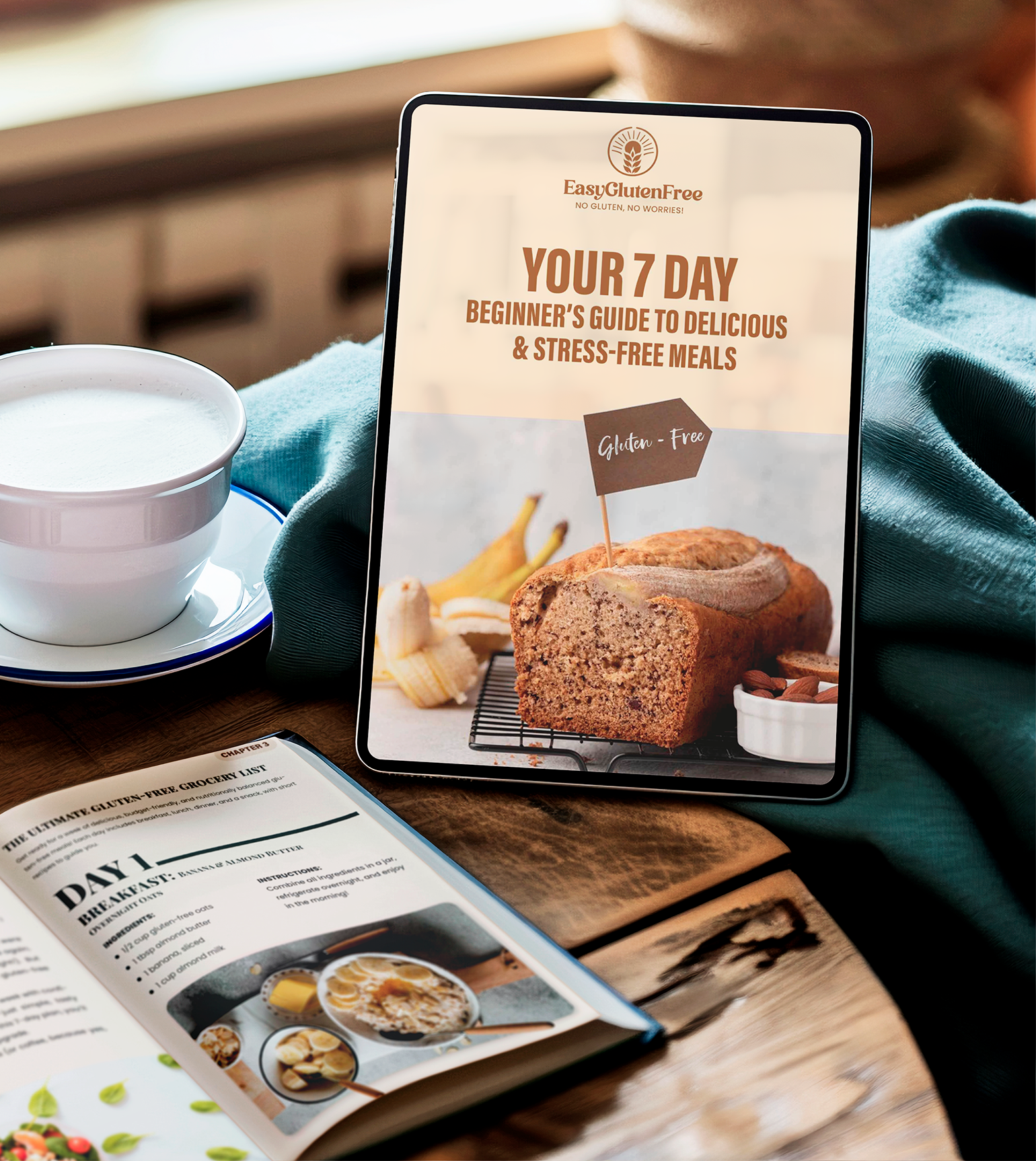
Save your search history some stress. Grab our FREE 7-Day Beginner’s Guide and finally have a plan you can actually cook.

Free 7-day gluten-free beginner's guide